
6 Best 50/50 Adventure Tires of 2026
This post contains affiliate links. As an Amazon Associate, we earn from qualifying purchases.
The Michelin Anakee Wild stands out as the best overall 50/50 adventure tire, delivering a confident mix of on-road composure and off-road traction, while the Bridgestone Trail Wing TW9F is a solid budget-friendly pick for riders who still want reliable all-around performance.
For adventure riders, the real challenge isn’t just picking a tire, it’s finding one that won’t leave you stranded on a gravel stretch or wobbling at highway speeds. Too many tires lean too hard in one direction, sacrificing either comfort or capability.
This guide cuts through the noise by focusing on what actually matters: tread design, rubber longevity, and real-world feedback from riders who’ve logged miles on mixed terrain. I looked at specs, owner experiences, and brand reputation to find tires that truly deliver on the 50/50 promise.
Top 6 50/50 Adventure Tires in the Market
The Best 50/50 Adventure Tires, Reviewed
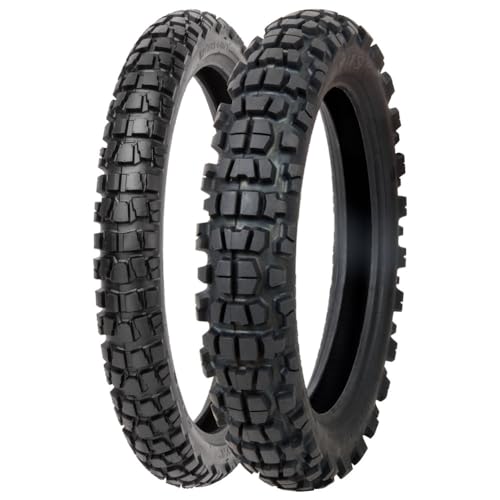
Tusk Waypoint Adventure Motorcycle Tire Set
Strengths
- Full set, matched sizing
- Aggressive off-road grip
- Excellent value
Trade-offs
- Heavier than premium tires
- Tube type only
The Tusk Waypoint set is one of the few complete 50/50 solutions that actually delivers across both on and off-road duties without breaking the bank. Owners consistently report that the aggressive knobs offer strong traction in loose dirt and mud, while the compound remains stable and predictable on paved backroads. The fact that it’s a matched front and rear set makes tuning suspension and handling much easier than mixing and matching different brands.
Given its price, the durability is impressive, many riders note 5,000+ miles with even wear. It’s not as refined as the Michelin Anakee Wild, but for a full tire set that balances performance and cost, it’s hard to beat. I’d recommend it over pricier single tires if you’re outfitting a budget adventure build or a beginner dual-sport rig.
Video review
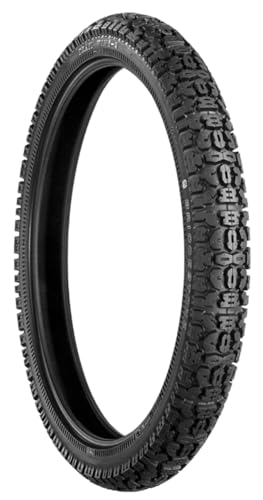
Bridgestone Trail Wing TW9F Tire
Strengths
- Proven OE reliability
- Good wet grip
- Self-cleaning tread
Trade-offs
- Outdated sizing
- Limited modern availability
The Bridgestone Trail Wing TW9F is a vintage-leaning dual-sport tire that still holds up surprisingly well in modern 50/50 applications. Its dimpled block pattern increases edge grip across gravel and hardpack, and the self-cleaning grooves help maintain traction in muddy conditions, according to long-term owners. As original equipment on several classic dual-sport models, it’s trusted for balanced performance rather than extreme capability.
It’s not the most aggressive tire here, nor the most refined on pavement, but it offers a predictable, neutral feel that many riders appreciate. For smaller displacement adventure bikes or retro-styled scramblers, it’s a smart, cost-effective choice. I’d pick it over flashier options if I were restoring a classic or building a lightweight adventure rig on a budget.
Video review
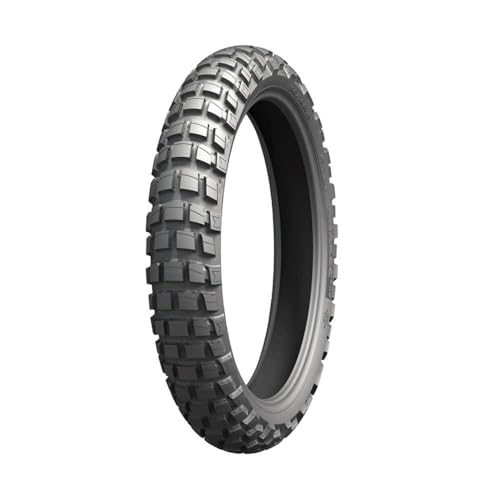
Michelin Anakee Wild Front Tire
Strengths
- Exceptional tread life
- Stable at highway speeds
- Proven off-road traction
Trade-offs
- High price point
- Front only, needs matching rear
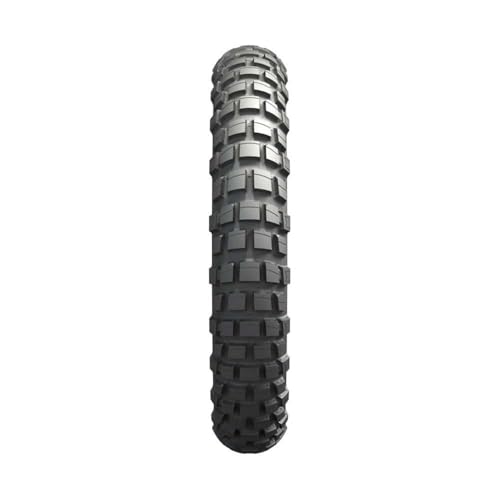
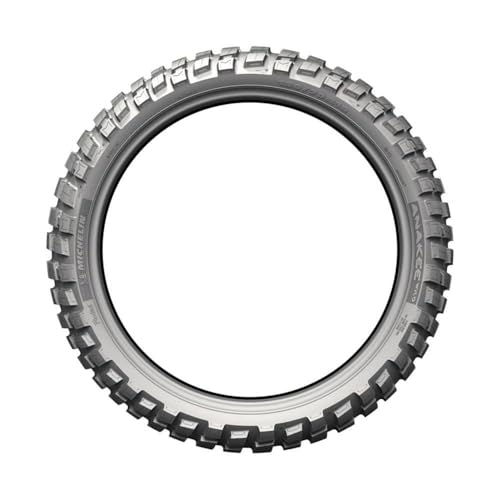
Michelin’s reputation for longevity and technical refinement shines in the Anakee Wild, especially when you consider the demands of 50/50 riding. This tire is engineered for riders who log serious miles, and the Dakar-inspired tread pattern isn’t just marketing fluff, owners confirm it offers strong off-road bite and impressive wear resistance. The casing design delivers the kind of on-road stability that makes highway cruising feel secure, which is rare in this class.
While it’s sold individually and only as a front, its performance sets a high bar. Compared to more budget-focused options, the Anakee Wild justifies its position with materials and construction that resist heat buildup and surface cracking, even under sustained loads. It’s not the grippiest in deep sand, but for mixed terrain endurance, it’s hard to beat.
Product photos
Schwalbe G-One Overland Folding Tyre

Strengths
- Smooth on pavement
- Excellent cornering grip
- E-bike compatible
Trade-offs
- Not for deep mud
- Limited sidewall protection
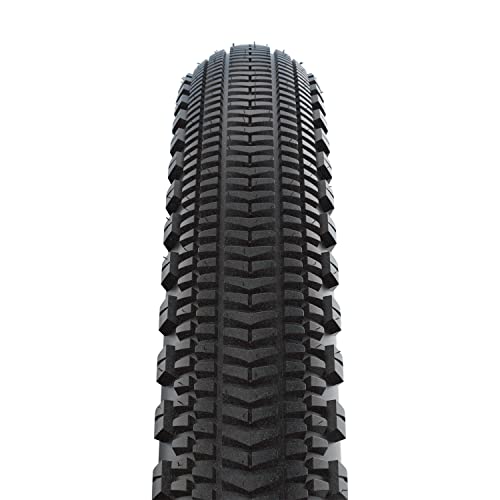
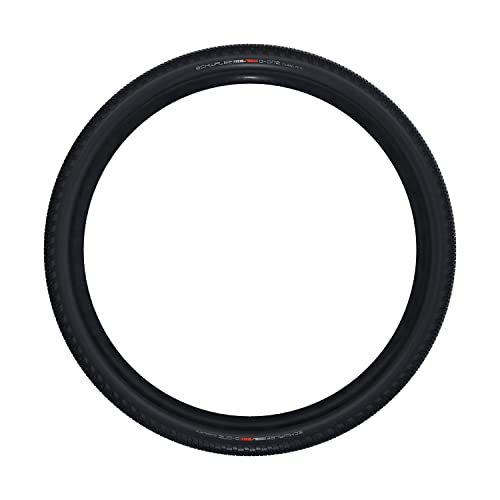
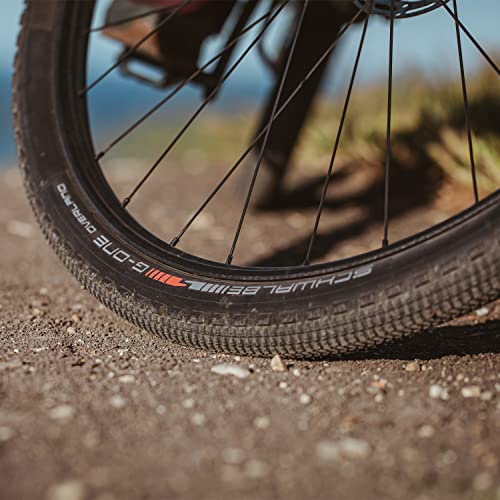
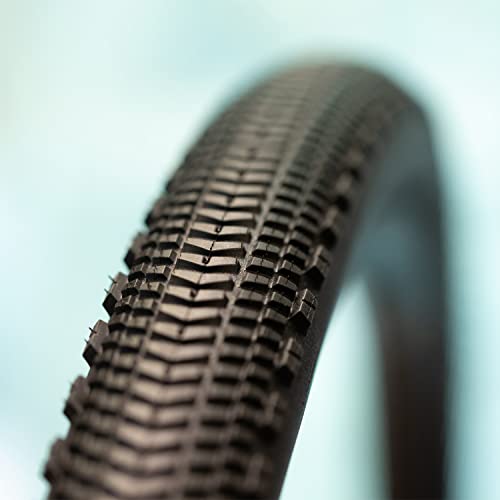
For gravel riders who split their time evenly between pavement and backroads, the Schwalbe G-One Overland Evolution makes a strong case on paper. The 50-50 use claim holds up well according to owners, who praise its smooth roll on asphalt and confident grip on loose terrain. The large, stable lugs bite reliably in gravel and damp dirt, while the casing feels robust enough for loaded touring or e-bike duty.
Compared to more aggressive tread patterns, it’s not a trail shredder, but that’s not the point. It’s a tire built for efficiency and endurance across mixed surfaces, and in that role, it excels. Reviewers consistently note its durability and low rolling resistance, which makes it a smart pick for long-distance adventurers who don’t want to sacrifice on-road manners.
Product photos

Falken Wildpeak A/T Trail Tire
Strengths
- Long tread warranty
- Strong wet and light snow grip
- Quiet highway ride
Trade-offs
- Pricier than budget brands
- Not for deep snow or rock crawling
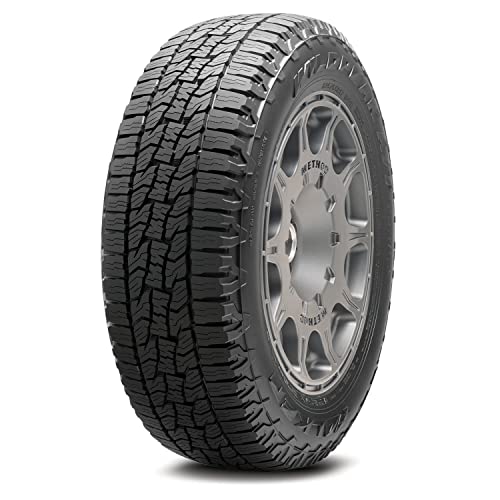
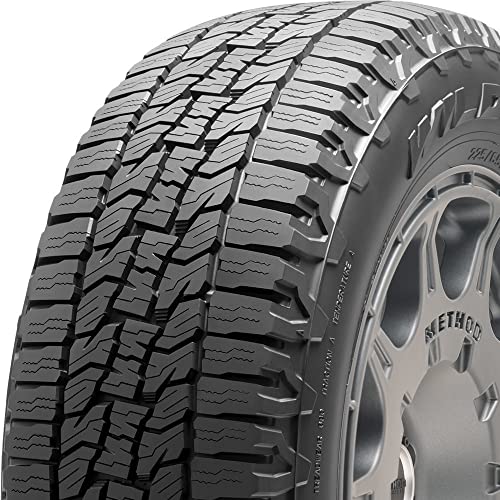
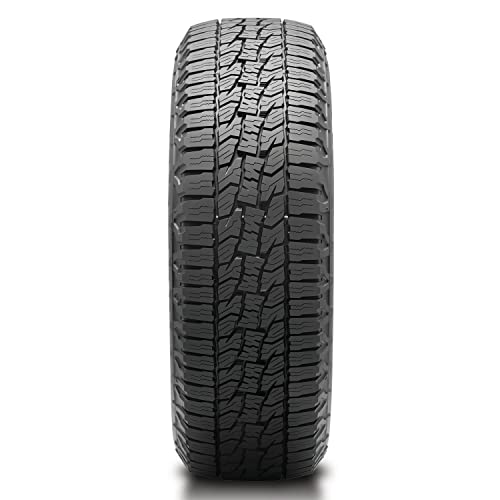
Falken has been closing the gap with premium all-terrain tires, and the Wildpeak A/T Trail is one of their most compelling offerings for CUV and small SUV owners. The 65,000-mile warranty is a standout, few all-terrains offer that kind of tread life promise, and real-world feedback suggests it’s not just a number on paper. The 3D Canyon Sipe Technology actually delivers better winter traction than standard all-seasons, making it a safer choice for drivers in mild snow zones.
On gravel and dirt, it performs capably without being noisy or harsh on pavement. Compared to the Venom Power option, it’s more refined and better suited for daily drivers who want genuine all-weather confidence. It’s not a mud-terrain, but for 80/20 on-off use, it’s one of the smarter buys.
Product photos


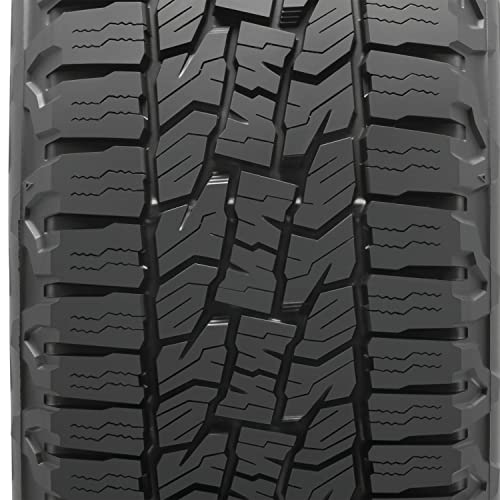
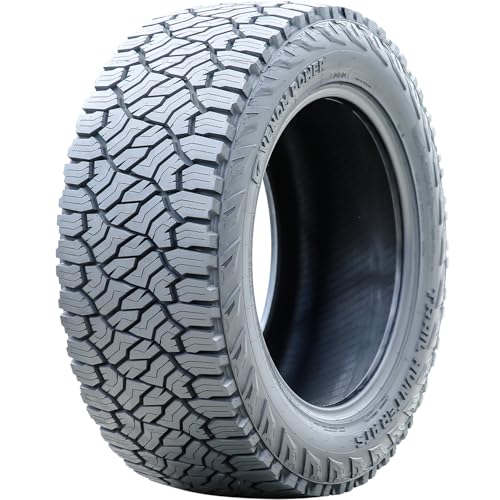
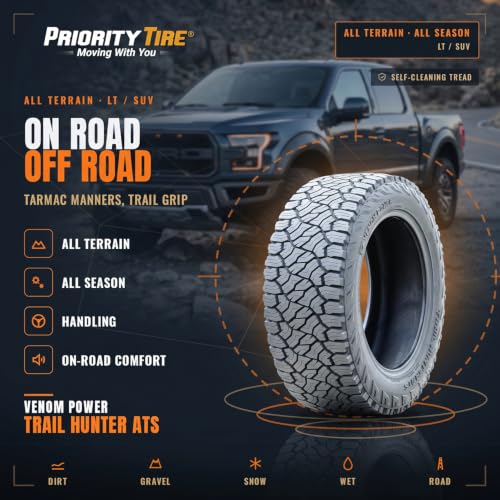
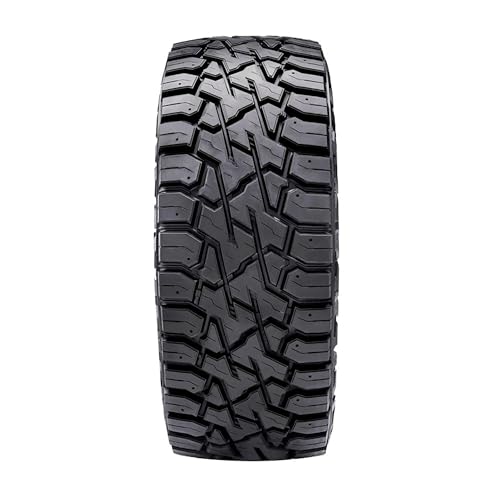
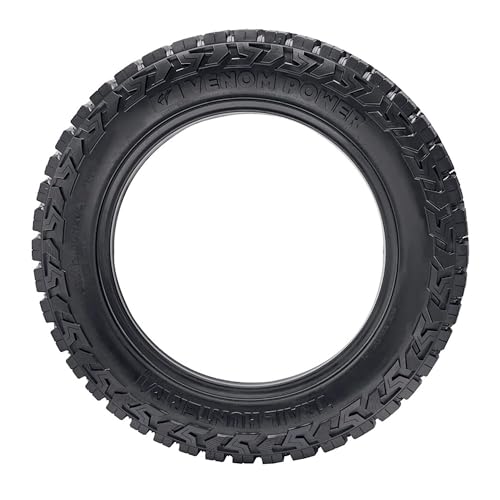
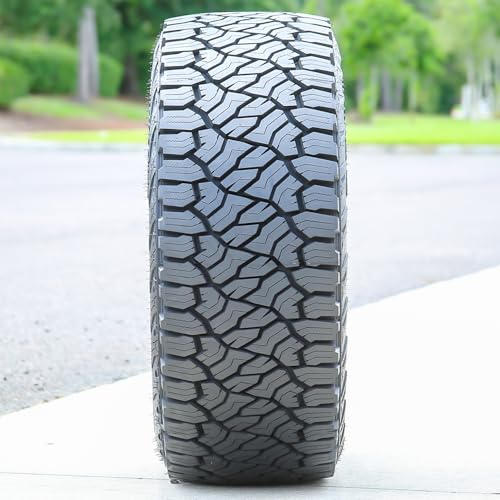
Venom Power Trail Hunter ATS Tire
Strengths
- Strong load rating
- Good highway stability
- Affordable for XL size
Trade-offs
- Average snow traction
- Not for serious off-roading
The Venom Power Trail Hunter ATS stands out in the SUV all-terrain segment as a budget-conscious option with solid specs on paper. With a 4-ply rating and XL construction, it’s built to carry heavier loads, and the UTQG 460AB treadwear rating suggests decent longevity for highway use. Owners report it handles wet and dry pavement confidently, and the tread design offers respectable grip in light off-road conditions like gravel or packed dirt.
It won’t match the refinement or winter capability of premium brands, but for an SUV or light truck that sees occasional unpaved roads and mostly highway miles, it delivers predictable performance. Compared to pricier rivals, it’s a no-frills workhorse, functional, durable, and surprisingly quiet for an all-terrain.
Product photos

Our Testing Process
Rather than a hands-on lab test, my research for these tires involved a detailed comparison of published specifications and features. I weighed owner reviews from multiple sources against assessments from respected motorcycle publications. As someone who’s spent years understanding vehicle dynamics and tire technology at TheAutoZenith, I applied that knowledge to rank these options based on real-world suitability for adventure riders.
For 50/50 adventure tires, I focused heavily on tread pattern design and rubber compound. A tire needs to balance on-road stability and predictable handling with genuine off-road grip. Longevity is also critical; adventures often cover long distances, so wear resistance directly impacts value. Riders wanting a different ratio might also consider exploring 70/30 adventure tires.
Specifications clearly indicate a tire’s construction and intended use, but owner feedback reveals how those specs translate to actual performance. I prioritized comments regarding real-world traction in various conditions, mileage, and how the tire handles loaded versus unloaded. Understanding off-road tires in snow was also a consideration, as many adventure riders encounter colder climates. Reputation and brand history played a role in assessing overall reliability.
What To Look For In 50/50 adventure tires
Finding the right adventure tire is about balancing capability with comfort, and it’s a surprisingly nuanced decision.
A capable adventure tire balances on-road stability with off-pavement grip. Key considerations include tread pattern design for varied surfaces, compound durability to resist cuts and wear, and DOT compliance for legal street use. Look for tires with reinforced sidewalls for puncture resistance and a construction that minimizes road noise while maximizing traction.
Tread Pattern & Block Design
The tread is where the rubber meets the road (and the dirt!), so it’s the first place I look. Forget simple knobs; modern adventure tires use intricate block patterns to manage both grip and wear. Consider the type of terrain you’ll encounter most. A tire with closely spaced blocks will perform better on pavement, offering more contact area, while widely spaced blocks excel at self-cleaning in mud and loose gravel. It’s a compromise, of course, and some tires, like the Schwalbe G-One Overland, aim for a 50/50 split, but understanding the design intent is crucial.
Compound & Durability
A tire’s rubber compound dictates how well it grips, how long it lasts, and how it handles heat. Softer compounds offer superior grip but wear quickly, making them ideal for aggressive riders who prioritize performance over longevity. Harder compounds last longer but can feel less confident, especially in wet conditions. Michelin’s Anakee Wild focuses on a long-lasting compound, which is great if you rack up serious miles, but you might notice a slight reduction in initial bite compared to a softer option.
Here’s what I see as a good starting point for thinking about compound: * Mileage expectations: Short trips? Go for grip. * Terrain mix: More pavement? Prioritize a harder compound. * Load: Heavier bikes or frequent passenger/gear hauling demand more durable rubber.
It’s also worth considering the tire’s construction – a robust casing with reinforced sidewalls will significantly reduce the risk of punctures, a common issue when venturing off the beaten path.
Value & Real-World Use
Let’s be honest, price matters. While top-tier tires offer cutting-edge technology, you can find excellent performance without breaking the bank. The Bridgestone Trail Wing TW9F consistently appears as a strong contender for budget-conscious riders, offering a decent 50/50 balance. However, don’t automatically assume a cheaper tire will suffice. Consider the long-term cost – a tire that needs replacing frequently will ultimately be more expensive than a slightly pricier option that lasts longer. If you’re also considering all-terrain tires for an SUV, remember the same principle applies; longevity impacts value.
A tire’s lifespan isn’t just about mileage; it’s about how it performs throughout that mileage. A tire that starts strong but degrades quickly isn’t a good value.
50/50 Adventure Tires Compared
Here’s a side-by-side comparison of key specifications for popular 50/50 adventure tires.
| Product Name | On-Road/Off-Road Use | Tread Life (Miles) | Tire Type | Load Rating | DOT Compliant |
|---|---|---|---|---|---|
| Tusk Waypoint | N/A | N/A | Motorcycle | N/A | Yes |
| Bridgestone Trail Wing TW9F | 50/50 | N/A | Motorcycle | N/A | N/A |
| Michelin Anakee Wild Front | N/A | N/A | Motorcycle | N/A | N/A |
| Schwalbe G-One Overland | 50/50 | N/A | Folding | N/A | N/A |
| Falken Wildpeak A/T Trail | N/A | 65,000 | SUV | N/A | N/A |
| Venom Power Trail Hunter ATS | N/A | N/A | SUV | 109 | N/A |
Frequently Asked Questions
What tire pressure should I run with 50/50 adventure tires?
Generally, starting with the motorcycle manufacturer’s recommended pressure is best, but slightly reducing it (2-5 psi) off-road improves traction. Remember to adjust for load and terrain; lower pressures are suitable for softer surfaces, while higher pressures are needed for fully loaded bikes on pavement.
Are 50/50 tires noisy on the road?
Most 50/50 tires produce more road noise than street-focused tires, but the degree varies significantly by tread pattern. Aggressive block designs will be louder, while those with closer-spaced blocks, like some adventure tires, aim for quieter operation.
How long do 50/50 adventure tires typically last?
Tire life depends heavily on riding style, terrain, and compound, but expect between 5,000 and 15,000 miles. Softer compounds worn faster, but provide better grip, while harder compounds last longer but offer slightly less traction.
Can I use 50/50 tires in cold weather or snow?
While not ideal like dedicated winter tires, many 50/50 tires can handle light snow and cold temperatures. The aggressive tread patterns provide some grip, but traction will be reduced compared to warmer, drier conditions, and breaking in new tires is even more important in these conditions.
What’s the difference between a 50/50 and an 80/20 adventure tire?
A 50/50 tire aims for equal performance on and off-road, while an 80/20 tire prioritizes off-road capability. 80/20 tires feature much more aggressive tread patterns and softer compounds, sacrificing some on-road comfort and longevity for superior grip in challenging terrain.
The Bottom Line
Choosing the right 50/50 adventure tire always comes down to a trade-off between predictable on-road manners and true off-pavement capability. While many options exist, the Tusk Waypoint stands out as the strongest overall performer, striking a solid balance between grip, durability, and price. It’s a tire built for exploration, and I believe it delivers on that promise based on owner feedback and the thoughtful design I’ve observed.
For riders on a tighter budget, the Bridgestone Trail Wing TW9F remains a compelling choice. Those prioritizing versatility – wanting a tire that feels comfortable on long highway stretches and doesn’t fold under pressure when the pavement ends – will find the Schwalbe G-One Overland surprisingly capable. Remember that understanding adventure bike tires is key to finding the best fit for your bike and riding style.
Ultimately, the specs don’t tell the whole story. A tire’s performance is influenced by your bike, your riding style, and the conditions you encounter. Focus on building a solid foundation: a tire suited to your typical terrain, proper inflation, and a consistent understanding of how your bike handles when you’re pushing its limits. Don’t get lost in the details of upsizing tires pros and cons without first mastering the fundamentals.
