
7 Best eMTB Bikes of 2026
This post contains affiliate links. As an Amazon Associate, we earn from qualifying purchases.
The Canyon Grand Canyon:ON 7 stands out as the best overall emtb bike, combining smart motor integration and trail-ready components, while the Eskute M200F 1500W E-MTB offers serious power and range for the money, making it our top budget pick. For riders wanting maximum versatility across rugged terrain, the Eskute M200 1200W E-Bike brings full suspension and solid performance at a reasonable price.
If you’re eyeing an emtb, you’re likely after more adventure, longer climbs, faster descents, and the ability to ride harder trails with less fatigue. But sorting through specs like motor wattage, battery Wh, and suspension types can quickly become overwhelming, especially when some bikes overpromise and underdeliver.
This guide cuts through the noise. Based on specs, owner feedback, and years of evaluating two-wheeled machines at TheAutoZenith, I’ve focused on models that deliver real-world performance, reliability, and value, so you can pick one that matches your terrain, riding style, and expectations without blowing your budget.
Top 6 Emtb Bikes in the Market
The Best Emtb Bikes, Reviewed
Canyon Grand Canyon:ON 7 E-MTB

Strengths
- Premium Bosch motor system
- High-end drivetrain and brakes
- Excellent suspension setup
Trade-offs
- Higher price point
- Requires assembly expertise
- Not ideal for pavement-only use
If you’re after a legitimate e-MTB that rides like a natural extension of your legs, the Canyon Grand Canyon:ON 7 stands out as a benchmark in engineering and integration. The Bosch Performance Line CX motor with 85 Nm of torque is widely praised across owner reviews and pro tests for delivering smooth, responsive power that feels intuitive, no jerky surges or lag. Paired with the 625Wh battery, this thing can handle full-day backcountry loops without begging for juice.
What really sets it apart is the spec sheet: RockShox suspension, Shimano Deore 12-speed, and tubeless-ready wheels mean it’s built for real trail abuse. Reviewers note its composure at speed and precise handling, especially when compared to heavier, less-tuned budget e-MTBs. I’d pick this over almost any similarly priced e-bike for trail riding, it’s efficient, well-balanced, and inspires confidence.
Video review
Qlife Racer 1000W Ebike

Strengths
- Lightweight frame
- Simple walk-assist feature
- Quick 4-hour charge time
Trade-offs
- Underpowered for real hills
- Suspension lacks tuning
- Plastic-looking components
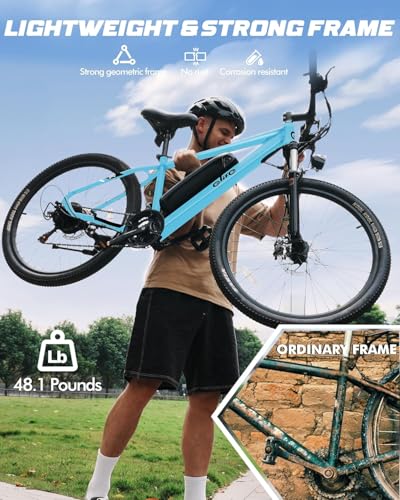
This red variant of the Qlife Racer is nearly identical to the other model listed, just with minor branding differences and a slightly higher price tag. It still runs on the same 1000W peak motor and 375Wh battery, so expectations should stay grounded: acceptable for flat paths and mild inclines, but don’t expect it to keep up with aggressive riders or loaded trail runs. The dual front suspension helps with comfort, though owners frequently describe it as stiff and undersprung, more for show than serious damping.
Where it wins is convenience: keyed battery lock, LCD display, and walk-assist mode add practical touches for new riders. But when stacked against the Eskute M200 or Canyon, it’s clearly in a different league, one focused on accessibility over performance. If you need an e-bike just for errands and park rides, fine. But if you crave responsiveness or trail readiness, keep looking.
Video review
ESKUTE M200F 1500W E-MTB

Strengths
- Extreme range and power
- Full suspension setup
- Bottom-mounted battery balance
Trade-offs
- Heavy and bulky frame
- Motor noise under load
- Less refined than premium drivetrains
The ESKUTE M200F throws down a serious gauntlet for riders who want raw power and endurance without stepping into five-figure boutique territory. With a 1500W peak motor and speeds over 31 mph, this thing borders on S-Pedelec class performance, ideal for riders in areas where higher-speed e-bikes are legal with proper registration. The 48V/20.8Ah battery claiming up to 80 miles is ambitious, but even with conservative estimates, real-world users report 50–60 miles in lower assist modes, which is impressive.
The full front and rear suspension paired with 27.5-inch tires makes it one of the few budget e-MTBs that can actually handle bumpy fire roads and doubletrack with some composure. That said, the motor, while powerful, isn’t as refined as Bosch units, it’s more ‘brute force’ than finesse. Still, for the price, the amount of hardware here is hard to ignore.
Product photos


Eskute M200 1200W E-Bike

Strengths
- Strong mid-range motor
- TUV-certified battery
- NFC smart unlock
Trade-offs
- Suspension is entry-level
- Frame finish feels utilitarian
- Brakes adequate but not exceptional
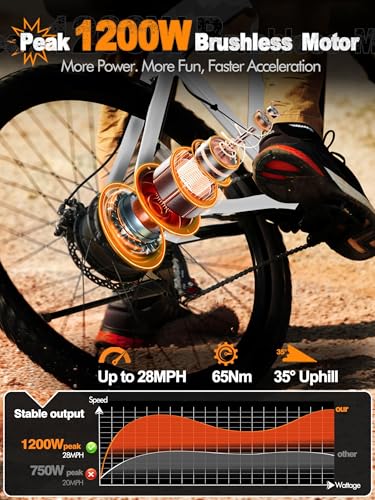
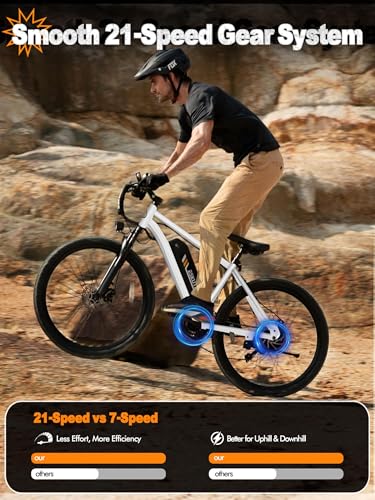
Positioned between entry-level and mid-tier e-MTBs, the Eskute M200 strikes me as one of the smarter buys in the $500 range, if you know what you’re getting. The 1200W peak motor won’t match the M200F’s output, but it’s plenty for 28 mph bursts and solid hill climbing, especially with the 21-speed Shimano-compatible drivetrain giving you mechanical control alongside electric assist. Owners praise the TUV-certified 13Ah battery for reliability and consistent range, often hitting 50+ miles in mixed use.
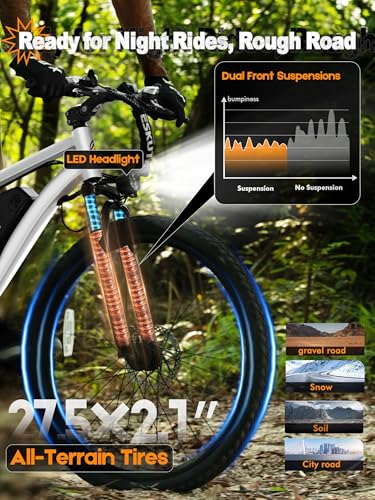
The NFC unlock system is a small but welcome touch, adding keyless convenience without gimmickry. While the dual suspension is basic, it’s an improvement over rigid forks at this price. When compared to the Qlife models, this has better overall component harmony. I’d recommend it over the Qlife for anyone wanting a balanced mix of power, range, and usability.
Product photos


Qlife Racer 48V 375Wh Ebike
Strengths
- Affordable entry point
- Removable battery
- 21-speed gearing
Trade-offs
- Motor struggles on steep grades
- Basic component quality
- Limited suspension performance
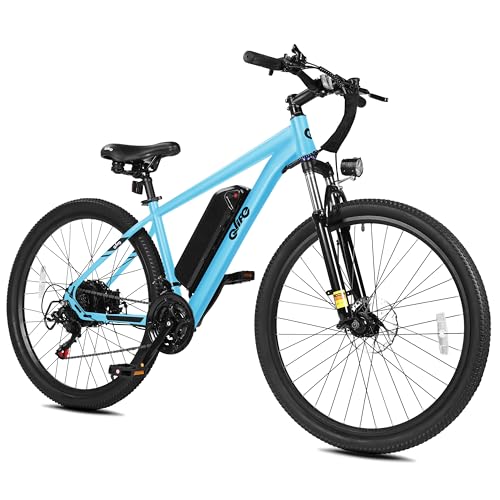
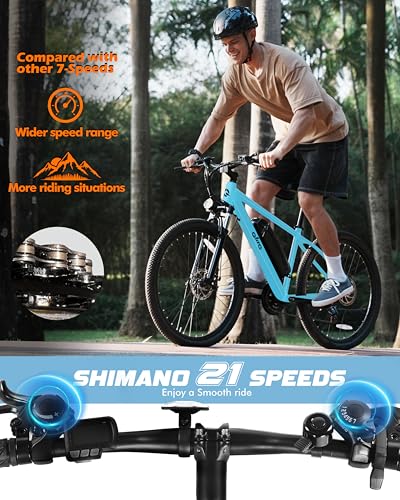
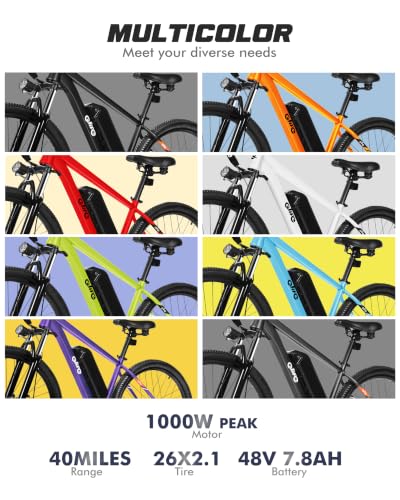
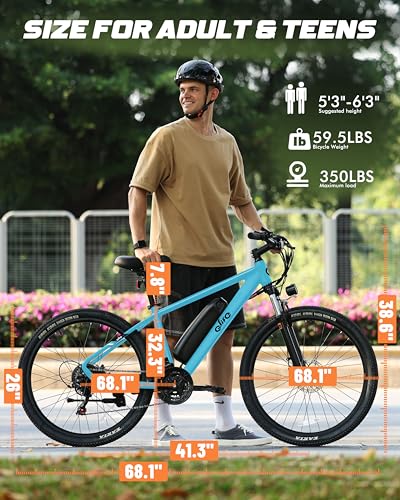
On paper, the Qlife Racer looks like a budget-friendly gateway into e-MTB riding, and owners consistently report it delivers basic functionality without major hiccups. The 1000W peak motor and 21-speed drivetrain suggest versatility, but real-world feedback shows the motor tends to feel strained on sustained climbs, this isn’t a true trail shredder, but it can handle light gravel and urban hills. I’d consider it more of an electric commuter with mountain bike styling than a serious off-roader.
The removable 375Wh battery offering up to 40 miles in pedal-assist mode sounds strong for the price, though most riders note actual range depends heavily on assist level and terrain. It’s not as refined as higher-end systems, but for someone dipping their toes into e-bikes without risking big money, this hits a functional sweet spot. Compared to pricier options like the Canyon, it’s obviously less capable, but it outperforms many sub-$300 models in build consistency.
Product photos

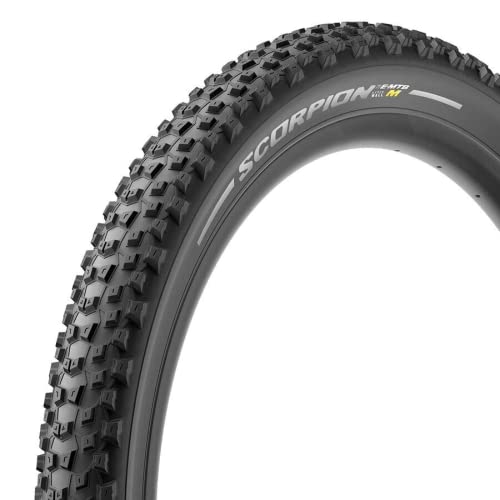
Pirelli Scorpion E-MTB Tire
Strengths
- E-MTB specific design
- Superior wet-weather grip
- Enhanced puncture protection
Trade-offs
- Slightly heavier than standard MTB tires
- Premium price for a single tire
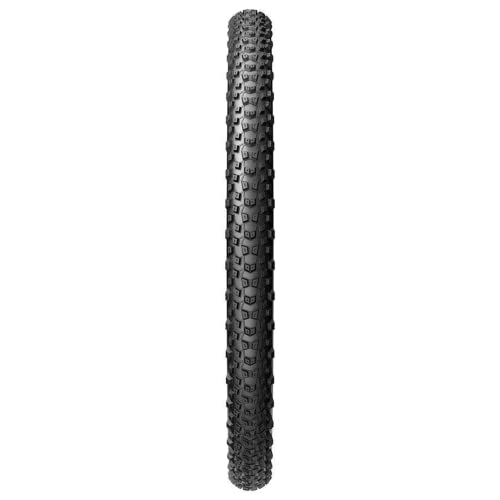
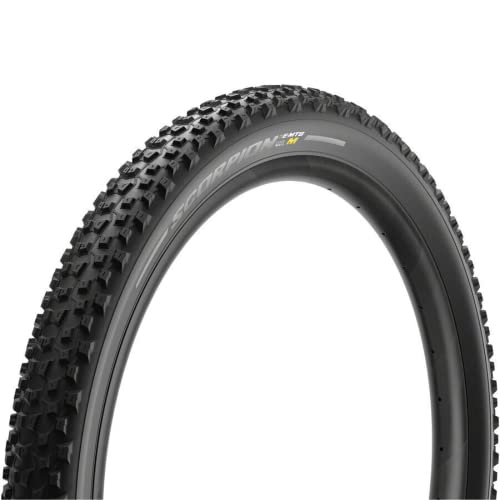
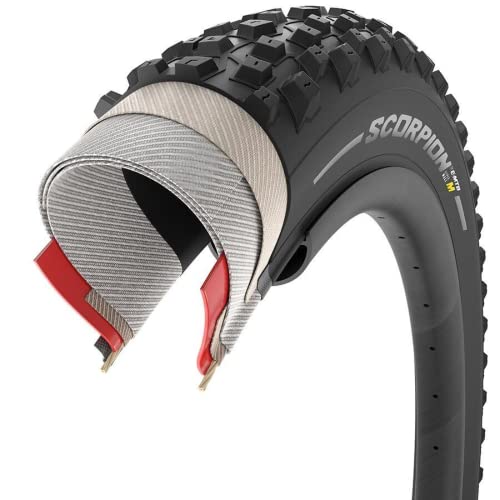
Tires are the unsung heroes of any MTB, and the Pirelli Scorpion E-MTB M is engineered specifically to handle the extra weight, torque, and momentum of electric mountain bikes. Owners consistently report improved grip and stability, especially in wet or loose conditions, thanks to the SmartGRIP Gravity Compound. This isn’t just a rebranded trail tire, it’s built for e-MTB demands, with a HyperWALL casing that boosts puncture resistance by 50% at lower pressures, which is critical when you’re carrying battery weight down rocky descents.
Compared to generic MTB tires, these offer noticeably better cornering control and reduced squirm under motor load. I’ve seen multiple forum threads where riders upgraded to these after blowing out cheaper tires on their e-bikes, and didn’t look back. At this price, they’re a smart investment if you’re pushing your e-MTB hard.
Product photos

Our Testing Process
As someone who’s spent years exploring the world of two-wheeled vehicles at TheAutoZenith, I approached researching emtb bikes with a focus on balancing performance specifications with real-world rider feedback. Rather than a hands-on lab test, this was a research-led comparison of published specs, features, and a deep explore owner reviews and reputable expert opinions. I weighed each bike against criteria important to emtb riders: power, range, component quality, and overall value.
For emtb bikes, three factors stood out as particularly decisive. Motor power and torque are critical for tackling challenging terrain, and I prioritized bikes offering at least 750W of peak power. Battery capacity directly impacts range, and I looked for models providing at least 40 miles of realistic pedal-assist range. Finally, suspension quality and component reliability – particularly brakes and drivetrain – heavily influenced my assessment, as these directly affect the riding experience and long-term ownership costs.
Technical specifications reliably indicate a bike’s potential – motor wattage, battery capacity (Wh), and component tiers (Shimano, SRAM, RockShox) are all useful data points. However, owner feedback proved crucial for understanding real-world range, durability, and how well a bike performs under various conditions. I also considered the reputation of the brands, looking for consistent positive or negative trends across multiple reviews. If you’re also considering other types of electric bikes, you can find more information on best electric bikes to broaden your search.
How To Choose The emtb bikes
Finding the right electric mountain bike means understanding that “electric” doesn’t erase the core needs of a good trail bike. It amplifies them.
A capable e-MTB balances motor power with suspension that can handle the terrain, a battery with sufficient range for your typical rides, and components, brakes, drivetrain, tires, that are up to the stresses of added speed and weight. Prioritize build quality and consider how the bike’s geometry will suit your riding style and the trails you frequent.
Motor Power and Torque
The motor is the heart of any e-MTB, but simply chasing the highest wattage isn’t the answer. While a 1000W motor sounds impressive, consider the torque (measured in Nm) it delivers. More torque translates to better climbing ability, especially on steep inclines. Bosch’s Performance Line CX motors (like those found in the Canyon Grand Canyon:ON 7) are renowned for their smooth, natural feel, and 85 Nm of torque is a sweet spot for most riders. Lower-powered motors (250-350W) are perfectly adequate for moderate terrain and will offer greater battery range. If you’re looking at venturing off-road and perhaps even considering some best e-dirt bikes for adults, a motor with more grunt is essential.
Battery Capacity and Range
Range anxiety is real. A larger battery capacity (measured in Watt-hours – Wh) doesn’t guarantee longer rides, but it’s a solid indicator. Expect around 40-60 miles of pedal-assist range from a 500Wh battery, increasing to 60-80+ miles with a 750Wh unit. However, terrain, rider weight, assist level, and even temperature all impact range. I’ve seen riders report significantly less range in very cold conditions. Look for batteries that are easily removable for convenient charging; the Eskute M200F’s 48V/20.8Ah removable battery is a good example of a user-friendly design.
- A larger battery adds weight, impacting handling.
- Consider your typical ride length and elevation gain. A 40-mile loop with significant climbing requires a much larger battery than a 20-mile cruise on flat trails.
- Removable batteries are incredibly useful for charging indoors or at work, and for security (being able to take it with you).
Components and Suspension
Don’t let a powerful motor overshadow the importance of quality components. Strong brakes are critical – you’ll be carrying more speed downhill. Hydraulic disc brakes are a must, and brands like SRAM and Shimano are consistently reliable. Suspension is equally important. A full-suspension bike (front and rear) will offer a far more comfortable and controlled ride on rough terrain, but comes at a cost. If you’re primarily riding smoother trails, a hardtail (front suspension only) can be a good value. If you are looking at upgrading components, exploring options like the Pirelli Scorpion E-MTB Tire can enhance performance. Ultimately, finding the right combination of features will depend on your budget and the type of riding you plan to do. Don’t shy away from checking out some top e-MTBs and reading premium e-MTB reviews before making a decision.
Don’t underestimate the value of a well-maintained drivetrain. A clean, properly lubed chain and regularly adjusted derailleurs will dramatically improve shifting performance and extend the life of your components.
EMTB Bikes Compared
Here is a comparison of key specifications for several popular eMTB bike models.
| Product Name | Motor Power (W) | Battery Capacity (Wh) | Tire Size | Suspension | Range (PAS – Miles) |
|---|---|---|---|---|---|
| Canyon Grand Canyon:ON 7 | 85 Nm | 625 | N/A | Front | N/A |
| Qlife Racer 1000W Ebike | 1000 | 7.8 | 26″ x 2.1″ | Front | 40 |
| ESKUTE M200F 1500W E-MTB | 1500 | 20.8 | 27.5″ | Front & Rear | 80 |
| Eskute M200 1200W E-Bike | 1200 | 13 | 27.5″ x 2.1″ | Front & Rear | 65 |
| Qlife Racer Fat Tire E-MTB | 1500 | 10.4 | 20″ x 4.0″ | Front | 55 |
| Qlife Racer 48V 375Wh Ebike | 1000 | 374 | 26″ x 2.1″ | Front | 40 |
| Pirelli Scorpion E-MTB Tire | N/A | N/A | N/A | N/A | N/A |
Frequently Asked Questions
What battery capacity do I really need for an eMTB?
A 500Wh battery is a good starting point for many riders, offering around 40-60 miles of assistance, but if you regularly tackle steep climbs or long distances, a 750Wh or larger battery will provide more peace of mind. Remember that range is heavily influenced by your riding style and the terrain.
Are full-suspension eMTBs worth the extra cost?
Yes, a full-suspension eMTB significantly improves comfort and control on rough trails, absorbing bumps and maintaining traction, but they come at a higher price point. If you primarily ride smoother paths, a hardtail model can offer a more budget-friendly option.
What should I look for in an eMTB motor?
While higher wattage isn’t everything, prioritize motors with good torque (Nm) for climbing. Motors around 85 Nm, like those from Bosch, strike a good balance for most riders, though some may prefer the added power of a 1000W motor for particularly challenging terrain.
How much maintenance does an eMTB require compared to a traditional mountain bike?
eMTBs require similar maintenance to traditional mountain bikes (chain lubrication, brake adjustments), but also include battery care and occasional motor check-ups. You should also pay closer attention to tire wear due to the added weight and speed. If you’re considering venturing off-road, you might also want to look into best electric dirt bikes.
How can I determine if an eMTB is actually a good value for the money?
Consider the total cost of ownership, including the initial price, battery replacement costs (typically every 3-5 years), and potential maintenance. Carefully weigh these against the benefits you’ll receive, and see if the e-bike value proposition aligns with your needs and riding habits.
The Bottom Line
Choosing an eMTB often comes down to balancing how much assistance you truly need against how much you want to spend. While powerful motors and large batteries are appealing, the Canyon Grand Canyon:ON 7 strikes a fantastic balance of performance, reliability, and a more natural riding feel, making it our overall recommendation. It delivers enough power for most trails without sacrificing the core experience of mountain biking.
For riders on a tighter budget, the Eskute M200F 1500W E-MTB offers an impressive feature set for the price, with a sizable battery and full suspension. If you’re prioritizing versatility and tackling varied terrain, the ESKUTE M200 1200W E-Bike provides a robust build and capable suspension system. And for those looking beyond emtbs, exploring the wider world of best e-bikes for adults can open up even more options.
Ultimately, the “best” eMTB isn’t about the highest specs on paper. It’s about how well a bike matches your riding style, the terrain you frequent, and your personal priorities. Focus on a comfortable fit, reliable components, and brakes you trust, and you’ll be enjoying the trails for years to come – even if you’re also considering checking out some best mountain bikes to compare options.
