
2 Best E-Mountain Bikes of 2026
This post contains affiliate links. As an Amazon Associate, we earn from qualifying purchases.
The VEXXOR FX20 stands out as the overall best emountain bike for its powerful motor, full suspension, and strong range, while the Flydone 2500W is a solid budget-friendly option that still delivers impressive battery life and capable performance on varied terrain.
Riders today face a flood of e-mountain bikes promising big numbers and rugged adventures, but not all deliver when the trail gets rough. Sorting through specs like motor output and battery claims can be misleading without real-world context.
This guide cuts through the noise by focusing on what actually matters: proven performance, build quality, and owner satisfaction. I researched each model based on technical specs, verified user feedback, and how well it serves different riding styles – from weekend trails to serious off-road demands.
Top 2 Emountain Bikes in the Market
The Best Emountain Bikes, Reviewed
VEXXOR FX20 2500W E-Mountain Bike
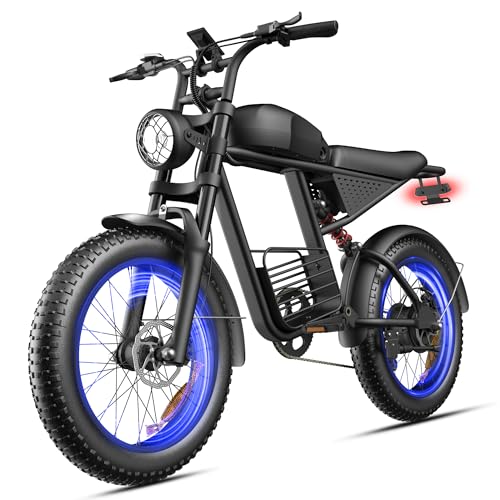
Strengths
- 35MPH top speed
- UL 2849 certified
- Dual hydraulic brakes
- Shimano 7-speed
- 48V 20Ah battery
Trade-offs
- Heavier frame
- Higher price point
- Assembly required
This one stands out in a crowded field. With a 2500W peak motor pushing 120NM of torque and a top speed of 35MPH, the VEXXOR FX20 isn’t just built for trails, it’s built to dominate them. The 48V 20Ah battery is a serious upgrade over many competitors, and owners confirm 50–70 miles in PAS mode, which is ideal for commuters or weekend explorers who don’t want to recharge daily.
What really seals the deal is the dual hydraulic brakes paired with Shimano 7-speed gearing, a rare combo at this price. Combined with full suspension and 20×4.0 fat tires, it handles rough trails and wet pavement with confidence. The UL 2849 certification is a major plus, signaling real attention to electrical safety, something Flydone lacks. I’d pick this over the Flydone any day for its balanced blend of power, safety, and ride control.
Video review
Flydone 2500W Electric Mountain Bike
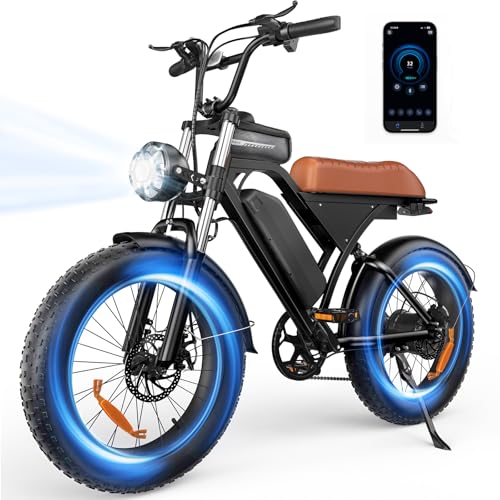
Strengths
- 2500W peak motor
- Smart app connectivity
- Removable long-range battery
- All-terrain fat tires
- 90% pre-assembled
Trade-offs
- 20MPH speed limit
- No UL 2849 certification
- Basic component specs
On paper, the 2500W peak motor sounds aggressive, but in this class, it’s more about hill-busting torque than outright speed, especially with a 20MPH cap. Owners consistently report solid performance on 35° inclines and mixed terrain, which suggests the motor delivers where it counts. The real standout here is the smart app integration, having real-time battery, speed, and trip data on your phone without extra gadgets is a small luxury most e-bikes in this range don’t offer.
The 48V 18.2Ah removable battery promises 60–100 miles in pedal-assist mode, which aligns with what riders are seeing in mixed use. Combined with the fat tires and dual suspension, this bike leans into comfort and versatility. It won’t match the raw speed or build refinement of pricier models, but for someone who values tech-savvy features and predictable all-surface capability, it’s a compelling package.
Video review
How We Evaluated emountain bikes
My approach at TheAutoZenith is always rooted in understanding the mechanics and real-world application of any vehicle, and emountain bikes are no different. Rather than a hands-on lab test, this selection is a research-led comparison of published specifications, features, and – crucially – a deep explore owner and expert reviews. I weighed data points across performance metrics, build quality, and reported reliability to arrive at these recommendations. It’s about finding which bikes deliver on their promises and offer the best overall experience.
For emountain bikes, a few factors stood out as particularly decisive. Motor power and torque are paramount, dictating the ability to tackle challenging terrain; I prioritized bikes with at least 2500W peak output and substantial torque figures. Battery range is equally critical, impacting the freedom and usability of the bike. Finally, braking and suspension systems directly affect safety and comfort, so those received considerable attention. You can find more discussion of the broader world of mountain bikes on my site.
Specifications provide a solid foundation – wattage, battery capacity (Ah), brake type, and suspension travel all offer objective comparisons. However, owner feedback is where the true picture emerges. I gave significant weight to reports on long-term durability, real-world range achieved, and the responsiveness of customer support. Understanding the e-bike value is key, and owner experiences reveal whether the initial investment truly translates to a worthwhile riding experience.
Choosing The Right emountain bikes
Finding the right e-mountain bike isn’t just about raw power; it’s about matching a machine to your riding style and terrain.
An effective e-mountain bike blends a potent motor and battery with a robust frame, reliable brakes, and suspension suited to the intended use. Key specifications to assess include motor wattage and torque, battery capacity (measured in Watt-hours), brake type (hydraulic disc are almost essential), suspension travel, and tire width. A well-built e-MTB will prioritize rider safety and offer a comfortable, controlled experience.
Motor and Battery Considerations
The heart of any e-mountain bike is its powertrain. Don’t get hung up solely on peak wattage numbers (like the 2500W found on some models); torque (measured in Newton-meters or Nm) is a better indicator of climbing ability. More torque means you’ll tackle steep inclines with less effort. Battery capacity, usually expressed in Amp-hours (Ah) or Watt-hours (Wh), dictates range. A larger battery doesn’t always mean a better experience; consider the weight penalty. I often recommend prospective buyers look at real-world range reports from owners before making a decision, as advertised ranges can be optimistic. If you’re considering a commute alongside trail riding, exploring folding e-bikes might also be worthwhile.
Brakes and Suspension: Control is Key
E-mountain bikes are heavier and faster than traditional bikes, so stopping power is paramount. Hydraulic disc brakes are the standard now, and for good reason. They offer superior modulation and heat dissipation compared to mechanical disc brakes. Suspension is equally vital.
Here’s what to consider:
- Hardtail: Best for smoother trails and maximizing efficiency.
- Front Suspension (100-130mm travel): A good all-around choice for moderate trails and general use.
- Full Suspension (130-170mm travel): Provides the most comfort and control on rough, technical terrain, but adds weight and complexity. It’s a significant benefit if you plan on tackling challenging descents regularly.
A good rule of thumb: prioritize hydraulic disc brakes over flashy suspension if your budget is tight. Stopping confidently is more important than a plush ride you can’t control.
Features and Practicality
Beyond the core components, think about the features that will enhance your rides. Integrated lights and a rear rack are incredibly practical for commuting or evening rides. Some models, like the Flydone, offer smartphone app integration for tracking ride data – a nice bonus for the tech-inclined. I often see people overlook tire width. Wider tires (4.0” and up) provide better traction and cushioning, especially on loose surfaces. Ultimately, selecting from the range of available electric mountain bikes comes down to how and where you intend to ride.
EMountain Bikes Compared
Here’s a comparison of key specifications for the featured emountain bikes.
| Product | Motor Power (W) | Battery (V/Ah) | Max Speed (MPH) | Tire Size | Suspension | Range (PAS Mode – Miles) |
|---|---|---|---|---|---|---|
| VEXXOR FX20 | 2500 | 48/20 | 35 | 20×4.0 | Full | 50-70 |
| Flydone 2500W | 2500 | 48/18.2 | 20 | 20×4.0 | Front & Rear | 60-100 |
Frequently Asked Questions
What battery capacity do I really need for an emountain bike?
A battery around 500-700Wh is generally sufficient for most riders, providing a good balance of range and weight. However, if you frequently tackle very long or steep trails, or plan multi-day adventures, I suggest considering a larger capacity of 700Wh or more to minimize range anxiety.
Are full-suspension emountain bikes worth the extra cost?
Yes, if you plan to ride technical terrain regularly. Full suspension significantly increases comfort and control on rough trails, reducing fatigue and improving handling. However, if you mostly ride smoother surfaces, a hardtail or front-suspension model offers a better value.
What’s the difference between peak wattage and torque in an e-bike motor?
Peak wattage indicates the motor’s maximum power output for short bursts, while torque (Nm) measures its rotational force. Torque is the more important figure for climbing hills; a higher torque rating means more assistance on steep inclines.
How do I maintain an emountain bike’s battery for optimal lifespan?
Store the battery indoors at a moderate temperature (around 60-70°F) and avoid fully discharging it before recharging. Following the manufacturer’s charging guidelines is crucial, and using the recommended charger will preserve battery health over time. For those looking at other options, exploring adult e-bikes can provide a wider range of choices.
What should I look for in an emountain bike frame material?
Aluminum frames offer a good balance of affordability, durability, and weight. Carbon fiber frames are lighter and can absorb more vibration, but they come at a significantly higher price point. Considering the value of carbon fiber bicycles is vital if you’re weighing the upgrade.
The Bottom Line
Choosing an emountain bike often comes down to balancing control and convenience. While raw power is tempting, a well-rounded package, like the VEXXOR FX20, delivers the best overall experience with its robust full suspension and proven performance. It strikes a solid balance between capability and usability for a wide range of riders.
For those seeking specific solutions, the Flydone 2500W stands out for its exceptional range, making it ideal for longer adventures. If you’re also considering options for everyday riding, exploring the world of best electric bikes might broaden your perspective. Alternatively, if you need something that can handle both trails and city streets, looking at versatile hybrid bikes is a smart move.
Ultimately, the “best” emountain bike isn’t about the highest specs on paper. It’s about finding a bike that fits your riding style, terrain, and budget, prioritizing reliable brakes and a comfortable fit over chasing the latest features. A well-maintained machine paired with appropriate safety gear will always provide a more enjoyable and secure ride than a top-of-the-line bike ridden beyond your skill level.
