
8 Best Electric Scooters Under $400 2026
This post contains affiliate links. As an Amazon Associate, we earn from qualifying purchases.
The best electric scooters under $400 deliver real-world range, solid braking, and durable builds without breaking the bank. After comparing the field, the NAVEE GT3 stands out as the overall top pick for its powerful motor and long-range performance, while the iScooter Electric Scooter is a strong budget-friendly option that doesn’t cut corners on safety or ride quality.
Finding an affordable scooter that actually holds up to daily use isn’t easy. Too many models sacrifice braking, range, or build quality just to hit a price point. As someone who’s spent years evaluating two-wheeled transport, I know what separates a reliable ride from a sidewalk paperweight.
This guide cuts through the noise by focusing on specs that matter, motor output, real-world range, tire type, and braking systems, all backed by owner feedback and brand reliability. These picks are chosen not just for value, but for delivering a safe, smooth, and practical experience.
Top 8 Electric Scooters Under $400 in the Market
The Best Electric Scooters Under $400, Reviewed
Hiboy S2 Electric Scooter

Strengths
- Solid tires
- eABS braking
- App connectivity
Trade-offs
- Solid tires reduce ride comfort
- Modest range
The Hiboy S2 earns its ‘Best Overall’ tag not by dominating any one category, but by doing everything well enough to satisfy most riders. The 350W motor and 17-mile range are standard for this tier, but the solid tires are a standout, zero flats, zero maintenance, which owners love for daily use. The triple-light setup (front, middle, rear) improves visibility significantly over single-light budget models, and the eABS regenerative braking feels more responsive than basic electronic brakes.
It’s lighter than the NAVEE GT3 and more durable than the Hover-1, making it a balanced pick. The app integration for speed customization and locking is a nice perk, though not essential. I’d recommend this over the URBANMAX C1 if you prioritize low maintenance and don’t need a seat.
Video review
iScooter Electric Scooter
Strengths
- Affordable pricing
- Dual braking system
- 3 speed modes
Trade-offs
- Short real-world range
- Basic suspension
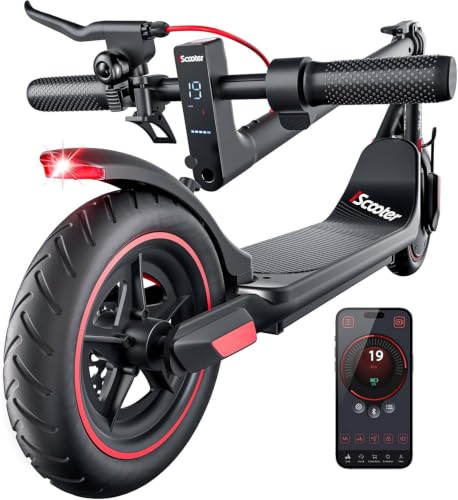
At $220, the iScooter packs a surprising punch with a 350W motor and 19 mph top speed, making it one of the smarter buys for budget-focused adults who still want performance. The 3-speed mode system is genuinely useful, switching between 6, 12, and 19 mph lets riders adapt to traffic, terrain, or local laws without feeling restricted. Owners consistently report solid build quality for the price, and the dual braking system with electronic and disc brakes adds a layer of safety that cheaper models often skip.
It doesn’t have the range of the Hiboy S2 or the app features of the NAVEE GT3, but it’s more capable than the Hover-1 for urban commuting. The 8.5-inch pneumatic tires help, though they’re no match for true off-road use. If you’re not climbing hills daily, this hits the sweet spot between cost and capability.
Video review
Hover-1 Journey Folding Scooter

Strengths
- Cruise control
- Lightweight fold
- Reliable braking
Trade-offs
- Limited hill performance
- Average range
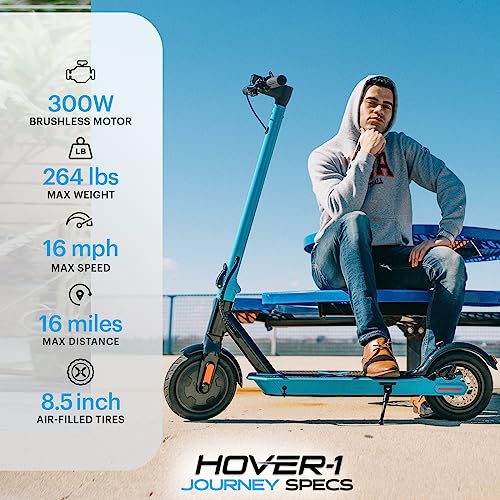
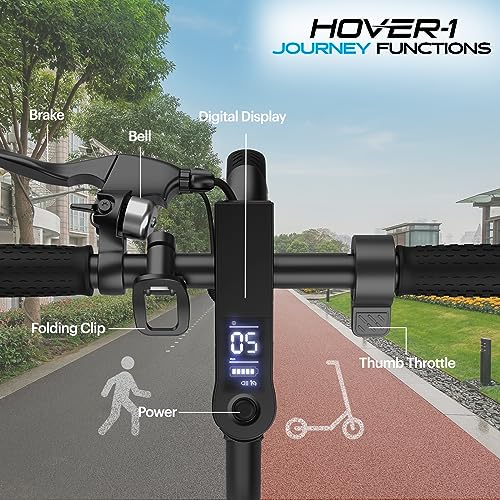
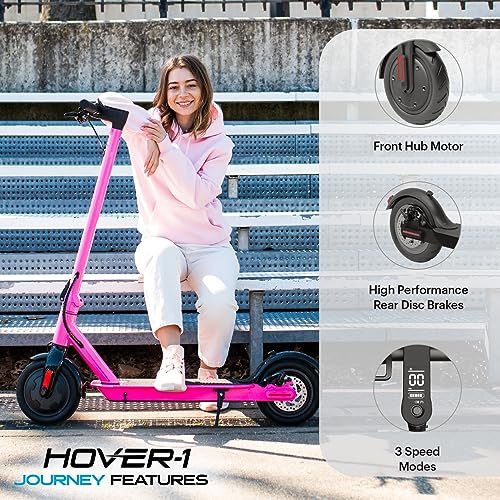
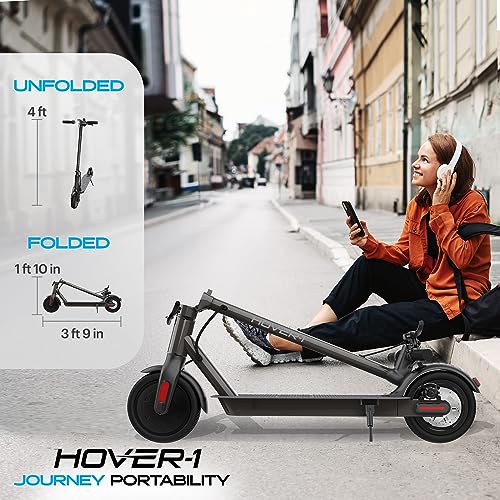
The Hover-1 Journey is the sensible starting point for new riders who want something safe, predictable, and light enough to toss in a trunk. Its 300W motor won’t win races, but it’s adequate for flat commutes under 10 miles, and the 15 mph top speed keeps things manageable for teens or cautious adults. Owners appreciate the cruise control feature, which is rare at this price, and the full LCD display gives clear feedback on speed and battery, no guessing games.
Compared to the iScooter or FanttikRide models, it doesn’t offer flashy lights or app connectivity, but it nails the basics. The 8.5-inch high-grip tires deliver decent traction, and the disc brake inspires more confidence than the rear fender brakes seen on kids’ models. Still, it’s not built for daily pounding in rough urban environments.
Product photos
URBANMAX C1 with Seat
Strengths
- Adjustable seat
- Comfort-focused design
- Stable 12 inch tires
Trade-offs
- Lower top speed
- Bulky with seat attached
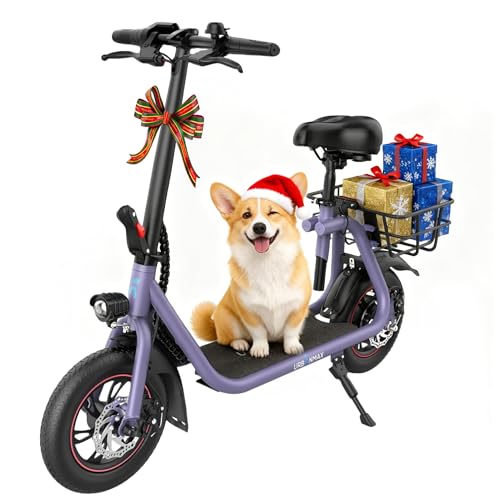
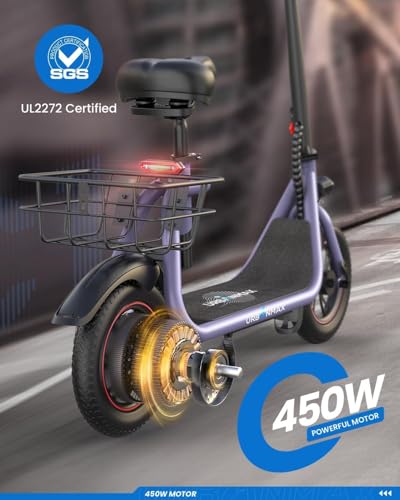
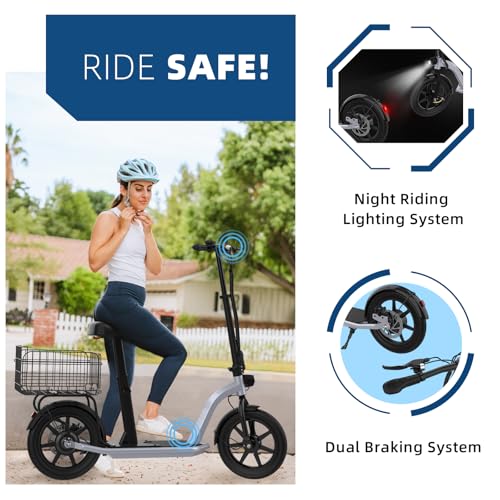
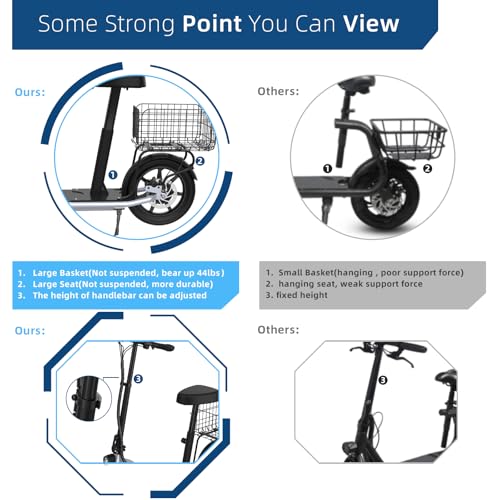
The URBANMAX C1 is built for comfort first, and it shows in the adjustable seat and 12-inch pneumatic tires that smooth out potholes better than most in this range. The 450W motor delivers a relaxed 15.5 mph, which pairs well with the laid-back riding position the seat encourages. Owners report fewer fatigue complaints on rides over 10 miles, which sets it apart from stand-up models.
It’s not the fastest or most agile, and the top speed lags behind the NAVEE GT3 or iScooter. But if you’re using it for neighborhood trips, campus rides, or last-mile delivery with packages in the basket, the ergonomic design wins. The patented bar lock is a small touch, but it addresses a real concern with folding stems loosening over time.
Product photos


Hiboy 31-Mile Range Scooter

Strengths
- 31-mile range
- 14 inch pneumatic tires
- Dual suspension
Trade-offs
- Heavier when folded
- Seat adds storage complexity
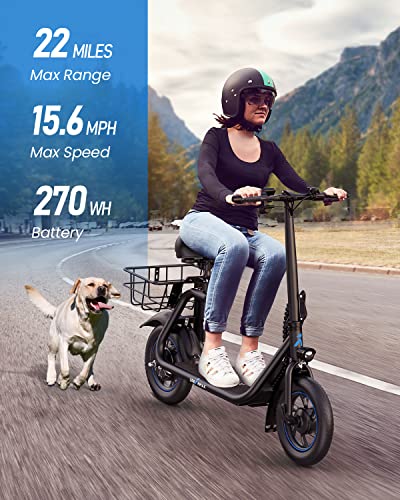
This Hiboy model is the range king under $400, with a 48V 10Ah battery that owners confirm delivers close to 31 miles in ideal conditions, rare at this price. The 450W gear motor isn’t the most powerful, but it handles 15° hills without strain, and the 14-inch pneumatic tires with dual suspension make it one of the most comfortable rides in class. Compared to the NAVEE GT3, it trades raw motor power for smoother handling and better shock absorption.
The inclusion of a detachable seat and basket is a standout for errands or longer trips, though it adds bulk. The IPX4 rating means it can handle drizzle, but not downpours. If you’re commuting over 15 miles daily or want a scooter that doubles as a light utility vehicle, this is the one.
Product photos


NAVEE GT3 All-Terrain Scooter
Strengths
- 700W motor
- 10 inch fat tires
- Quadruple suspension
Trade-offs
- Heavy at 46 lbs
- Higher price near category limit
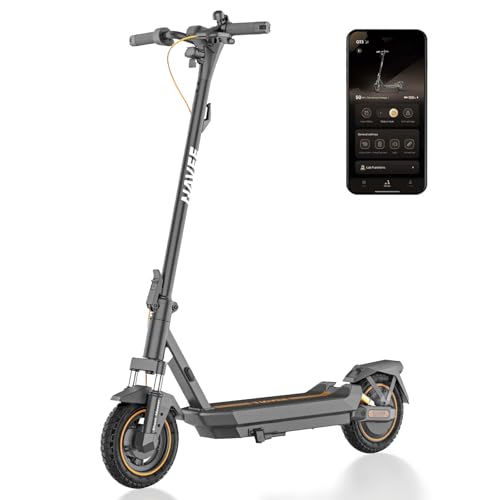
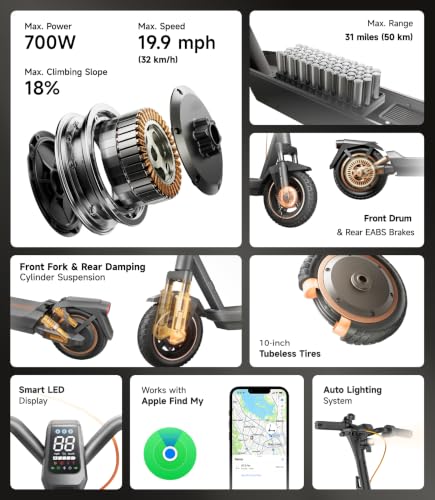
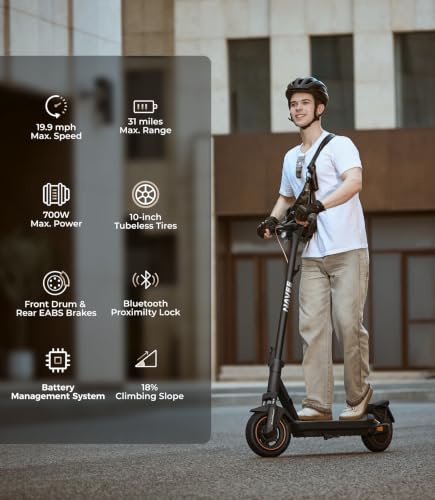
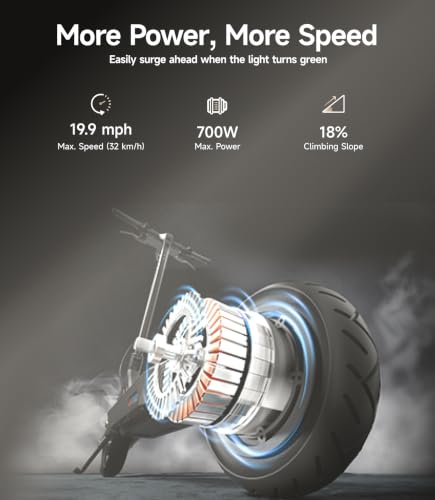
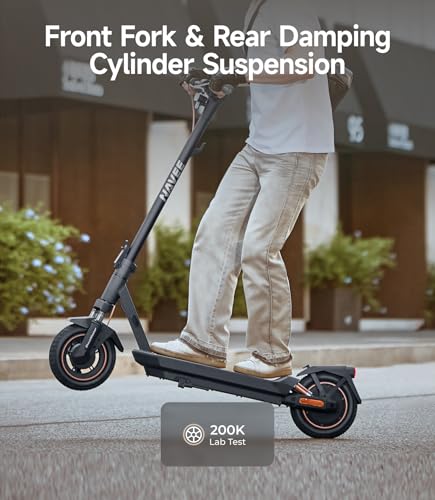
The NAVEE GT3 stands out in the under-$400 class with serious hill-climbing chops and a rare 700W motor at this price. On paper, that power advantage is real, owners consistently report it handles 20% inclines without bogging down, which puts it ahead of most rivals stuck with 350–450W units. The 10-inch tubeless fat tires and quadruple suspension system aren’t just marketing fluff; they translate to a noticeably smoother ride on cracked sidewalks and gravel paths, something reviewers highlight over and over.
I’d pick this over the Hiboy S2 or iScooter if you live in a hilly city or want confidence on uneven terrain. The triple braking system, drum, disc, and EBAS, adds meaningful safety for high-speed stops, and the IPX5 rating means light rain won’t spell disaster. But don’t mistake it for a lightweight commuter; at 46 lbs, it’s on the heavier side, though the 3-second fold helps.
Product photos

FanttikRide C9 Pro Kids Scooter
Strengths
- Adjustable handlebar
- Colorful LED lights
- 3 speed modes
Trade-offs
- Short range
- Not for adults
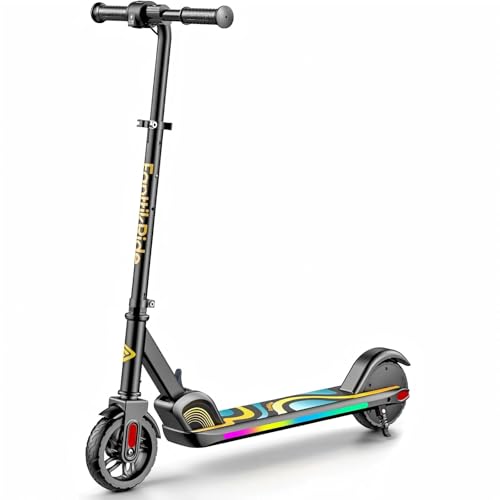
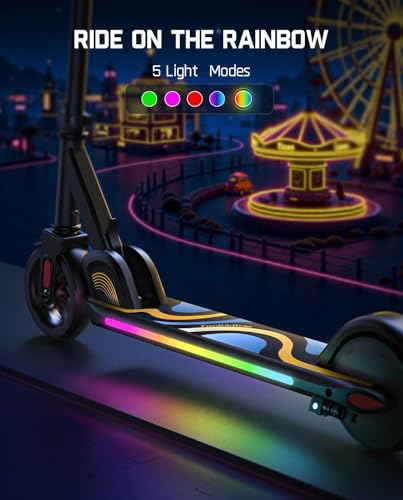
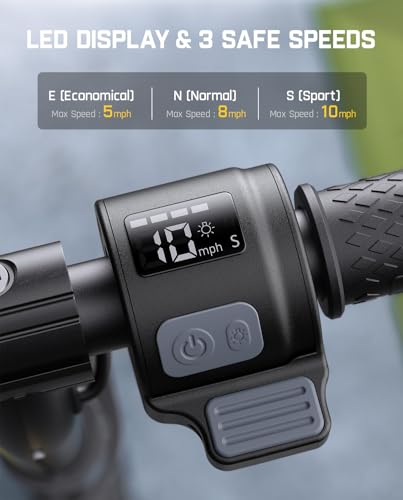
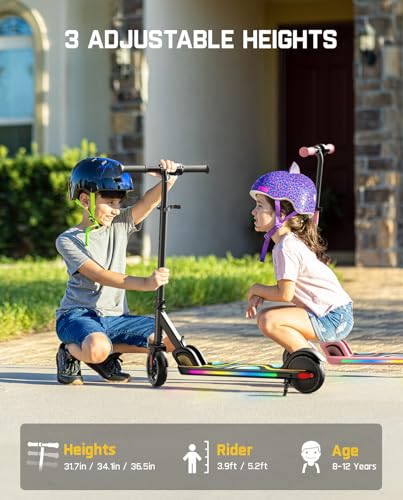
The FanttikRide C9 Pro hits the sweet spot for older kids, 10 to 12 years old, who are ready for more speed and control than a basic kick scooter offers. The three speed modes up to 10 mph let parents set limits as skills grow, and the LED display keeps them informed without being distracting. Kids love the rainbow lights, but the real win is the three-height adjustable handlebar, which extends the usable life as they grow.
Compared to the LINGTENG model, it’s faster, more durable, and better lit for dusk rides. The 5-mile range is modest, but realistic for this age group. It’s not a toy; owners report solid build quality and decent battery longevity. Just don’t expect adult-level range or hill performance.
Product photos
LINGTENG Kids Electric Scooter
Strengths
- Kick-start assist
- Flash wheel lights
- Lightweight design
Trade-offs
- Very limited speed
- Short battery life
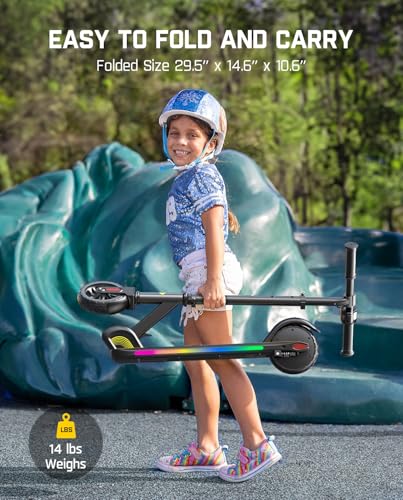
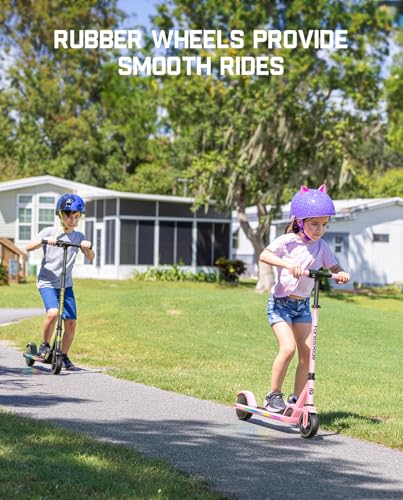
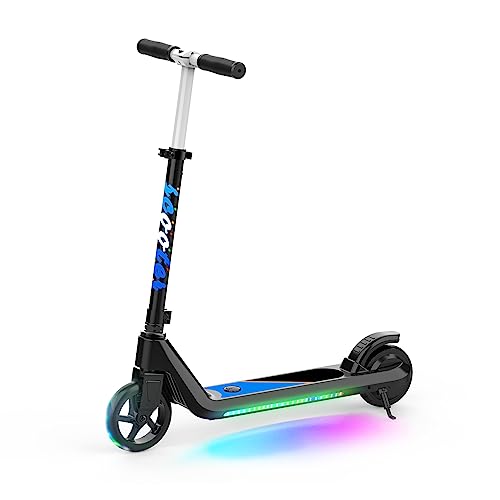
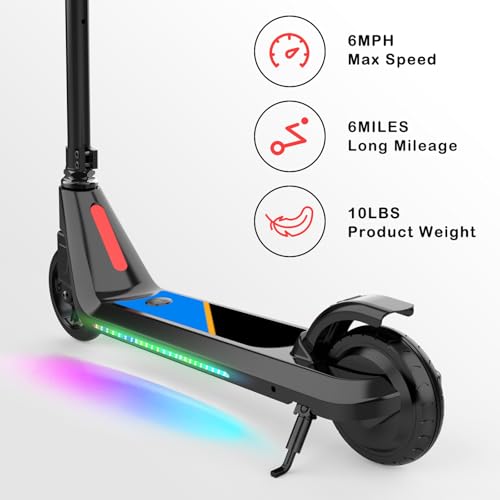
At under $80, the LINGTENG is the go-to for younger kids just stepping up from foot-powered scooters. The 2 mph kick-start assist is a thoughtful safety feature, no sudden lurches when they’re still learning balance. The two speed modes (4 and 6 mph) keep things tame, and the four height adjustments mean it can grow with a child from age 6 to 9.
Owners praise its simplicity and the fact that it doubles as a kick scooter when the battery dies. The PU flash wheels and deck lights are pure fun, but they also boost visibility. It won’t compete with the FanttikRide C9 Pro in range or speed, but for a first electric scooter, it’s hard to beat the value.
Product photos


How We Picked These electric scooters under $400
As someone who’s spent years immersed in the world of two-wheeled vehicles at TheAutoZenith, I approached researching electric scooters under $400 with a focus on practicality and value. Rather than a hands-on lab test – which isn’t feasible across this many models – my process involved a detailed comparison of published specifications and features. I weighed this technical data against extensive owner and expert reviews, aiming to identify patterns in performance, reliability, and overall satisfaction. Ultimately, I ranked these scooters against criteria important to everyday riders.
For this price point, a few factors proved particularly decisive. Range and motor power are key, as they directly influence usability for commutes or leisurely rides. Equally important is build quality and safety features; a robust frame, reliable brakes, and adequate lighting are essential. I also prioritized scooters with positive owner feedback regarding durability, as lower price points often correlate with compromises in materials. You can explore a wider range of options, including some above this price bracket, in our guide to the best electric scooters.
Specifications provide a solid foundation – wattage tells you about potential acceleration, battery capacity hints at range, and brake type indicates stopping power. However, owner feedback proved invaluable in understanding real-world performance. Reviews often revealed how well a scooter handles hills, the true usable range (which frequently differs from manufacturer claims), and potential long-term durability issues. I also considered the reputation of the brand and its commitment to customer support when evaluating these affordable scooters under five hundred.
Choosing The Right electric scooters under $400
Finding the right electric scooter requires more than just picking the prettiest face; it’s about understanding what features genuinely deliver a good riding experience and match your needs.
A quality electric scooter balances motor power with battery capacity, prioritizes rider safety through reliable braking and visibility features, and offers a durable build capable of handling everyday use. Key specs to examine include wattage, voltage, tire type, braking system, and safety certifications like UL 2272. Portability and a comfortable ride are also vital considerations.
Motor Power and Range
Don’t get hung up on the highest wattage number. While a powerful motor is great for hills, it’ll drain the battery faster. I’ve seen too many riders prioritize speed only to find themselves pushing a dead scooter home. Consider your typical terrain and commute distance. For mostly flat ground and shorter trips, a 250-350W motor paired with a 10-15 mile range battery will suffice. For hills or longer commutes, look for 350W+ with a range exceeding 15 miles. Remember, advertised range is always optimistic; expect real-world range to be 10-20% lower.
Braking and Safety Features
Braking is where you absolutely cannot compromise. Dual braking systems, like a combination of electronic braking (eABS) and a disc brake, offer the best stopping power and redundancy. Pneumatic tires provide a superior ride quality and grip compared to solid tires, especially on uneven surfaces, but they also carry the risk of flats. Ensure the scooter has bright front and rear lights, and ideally, reflective elements for increased visibility. If you’re looking for something a bit more robust, you might also consider checking out adult scooters under $500 which often prioritize these features.
Portability and Build Quality
A scooter is only useful if you can easily carry and store it. Consider the folded dimensions and weight. A scooter under 30 pounds is manageable for most adults, but anything heavier can become a burden.
Here’s what I look for in a portable scooter:
- Folding Mechanism: A simple, one-step folding process is ideal.
- Handlebar Design: A handlebar that locks securely in place when unfolded is crucial for stability.
- Frame Material: Aluminum alloy frames are lightweight yet durable, but steel frames offer increased strength at the cost of weight.
A good rule of thumb: prioritize a scooter that’s comfortable to carry before you get excited about extra features. If you’re constantly struggling to lug it around, you won’t use it.
If you are on a tighter budget, there are some excellent options available in the scooters under 300 price range, but you may need to compromise on some features like range or build quality.
Electric Scooters Under $400 Compared
Here’s a comparison of key specifications for electric scooters priced under $400.
| Product Name | Max Speed (mph) | Range (miles) | Motor Power (W) | Tire Type | Braking System | Weight (lbs) |
|---|---|---|---|---|---|---|
| Hiboy S2 | 19 | 17 | 350 | Solid | Disc/eABS | N/A |
| iScooter Electric Scooter | 19 | 12-15 | 350 | Pneumatic 8.5″ | Disc/Electronic | <30 |
| Hover-1 Journey Folding Scooter | 15 | 16 | 300 | Rubber 8.5″ | Disc | 30.86 |
| URBANMAX C1 with Seat | 15.5 | 20 | 450 | 12″ | Disc/Drum | N/A |
| Hiboy 31-Mile Range Scooter | N/A | 31 | 450 | 14″ Pneumatic | Drum/Disc | N/A |
| NAVEE GT3 All-Terrain Scooter | 19 | 31 | 700 | 10″ Tubeless | Drum/Disc/EBS | 46 |
| FanttikRide C9 Pro Kids Scooter | 10 | 5 | N/A | N/A | Rear Fender | N/A |
| LINGTENG Kids Electric Scooter | 6 | 65 mins | N/A | N/A | Rear Wheel/Foot Brake | 10 |
Frequently Asked Questions
What scooter maintenance should I expect with a model under $400?
These scooters generally require basic upkeep. Expect to regularly check tire pressure (if pneumatic), inspect brake cables, and tighten any loose screws. Because of the price point, more frequent inspection is a good idea to catch wear and tear early.
Are electric scooters under $400 legal to ride everywhere?
Regulations vary significantly by location. Many cities and states have rules about where you can ride, speed limits, and whether helmets are required. You should always check your local laws before riding, as restrictions can change frequently.
How long do the batteries in these scooters typically last?
Battery lifespan depends heavily on usage and care, but you can generally expect 300-500 charge cycles before significant degradation. Proper storage (avoiding extreme temperatures) and following the manufacturer’s charging recommendations will maximize battery life.
What’s the difference between eABS and a disc brake?
Electronic ABS (eABS) uses the motor to slow the scooter, while a disc brake uses a physical caliper to clamp down on a rotor. Disc brakes generally offer more stopping power, especially in wet conditions, but eABS can be effective and less prone to mechanical failure. For a reliable ride, look at scooters for commuting that offer both.
Are these scooters suitable for carrying on public transportation?
It depends on the specific transportation system. Many buses and trains allow folding electric scooters, but there are often size and weight restrictions. Always check the policies of your local transit authority before attempting to bring a scooter on board; some areas also offer excellent adult scooters under $300 that are lighter and more easily carried.
The Bottom Line
Choosing an electric scooter under $400 often comes down to balancing how much you’re willing to spend for specific features. You’ll find yourself making trade-offs between range, power, and build quality. For the best overall blend of these factors, I believe the Hiboy S2 strikes a fantastic balance; it offers a solid range, decent speed, and a reasonably robust build for the price, making it a great starting point for most riders.
If your needs are more focused, several other models shine. Riders prioritizing extended range will want to look at the Hiboy 31-Mile Range Scooter, while those seeking a comfortable ride with larger tires might consider the URBANMAX C1 with Seat. And, for those on a truly tight budget, exploring options like scooters under 200 can get you rolling without breaking the bank, though expect to make compromises.
Ultimately, the specs on a sheet are less important than how well a scooter fits your lifestyle. Don’t get caught up chasing the highest wattage or longest range if it means sacrificing build quality or braking power. A reliable scooter with good brakes and comfortable tires, suited to your typical ride, will bring far more enjoyment than a faster, flashier model that spends more time in the repair shop.
