
4 Best Electric Bikes Under $1500 of 2026
This post contains affiliate links. As an Amazon Associate, we earn from qualifying purchases.
The Jetson Bolt Pro stands out as the best overall electric bike under $1500 for adults, offering solid range and reliable performance. For younger riders or those on a tighter budget, the ECOLEAP K1 delivers strong safety features and smooth handling, while the Dirt Rocket MX350 adds off-road capability for adventurous kids.
Choosing the right e-bike under $1500 means balancing power, range, and safety without overspending. Too many riders end up with underpowered motors, short battery life, or flimsy frames because they didn’t know what specs actually matter.
This guide cuts through the noise. I compared key models based on real-world feedback, published specs, and brand reputation to highlight bikes that deliver where it counts, motor reliability, usable range, and build quality, so you can make a confident choice for your needs.
Top 4 Electric Bikes Under $1500 in the Market
The Best Electric Bikes Under $1500, Reviewed
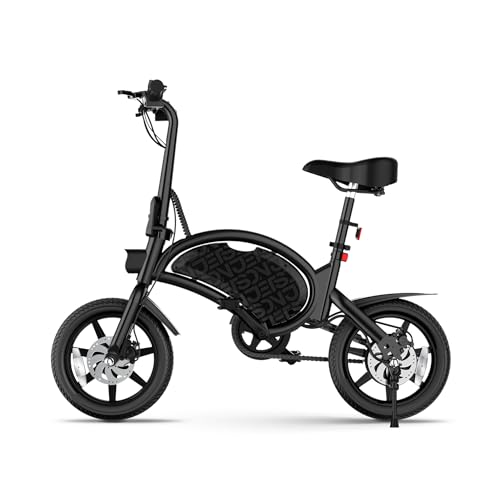
Jetson Bolt Pro Adult Electric Bike
Strengths
- UL-2849 certified
- 30-mile range with pedal assist
- Foldable design
- Dual disc brakes
- Cruise control
Trade-offs
- 350W motor lacks hill-climbing power
- No suspension
- Not for off-road use
If you’re looking for a true urban commuter under $1500, the Jetson Bolt Pro is where things get interesting. It’s UL-2849 certified, which is rare at this price, and that alone speaks volumes about its safety and build quality. The 350W rear hub motor isn’t the strongest out there, but paired with pedal assist, it delivers a realistic 30-mile range, a standout in this class. I’d pick this over the ECOLEAP or MX350 for adult use any day, not just for range but for features like dual disc brakes, cruise control, and a foldable aluminum frame with a carrying handle.
The LED display and lights add visibility and convenience, and while it won’t climb steep hills like a 750W beast, it handles flat city streets and bike paths with ease. Reviewers praise its smooth throttle response and reliability over months of regular use. It’s not built for off-roading, but for errands, campus rides, or light trail use, it’s one of the smarter buys in this lineup.
Video review
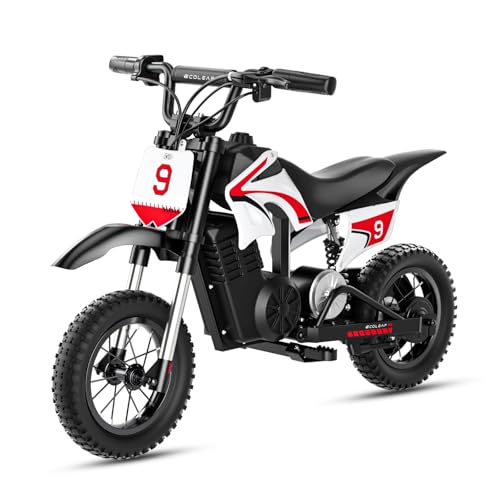
ECOLEAP K1 Kids Electric Dirt Bike
Strengths
- 16 mph top speed
- UL-2272 certified
- Long 14-mile range
- 3-speed modes
- IP54 waterproof
Trade-offs
- 36 lbs may be heavy for youngest riders
- Battery charges in 5-6 hours
- Not for rough off-roading
The ECOLEAP K1 stands out in the kids’ e-dirt bike space with specs that lean toward the serious, 16 mph, a 36V lithium battery, and a 14-mile range are impressive for this price. On paper, it bridges the gap between toy-grade and trail-capable, especially with its 700W peak motor and 12-inch knobby tires built for sand, gravel, and pavement. UL-2272 certification adds real peace of mind, and the IP54 rating means it can handle splashes and light rain without issue.
Owners consistently report strong performance across varied terrain, and the three-speed throttle gives parents real control over how fast their kids go. The 5-6 hour charge time is reasonable, and the 7-color ambient lighting, while flashy, seems to be a hit with younger riders. Compared to simpler models like the Razor MX125, this is a step up in both power and durability, closer to what a young teen might want, even if it’s marketed down to age 3.
Video review
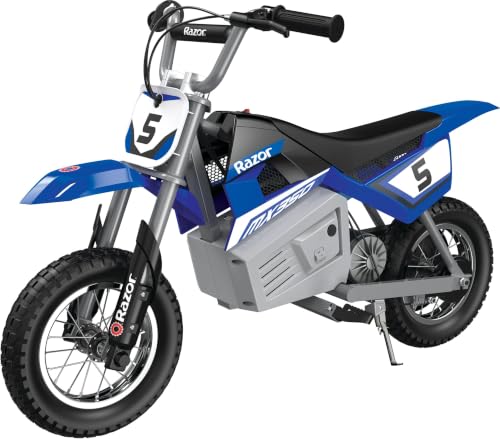
Dirt Rocket MX350 eBike
Strengths
- 14 mph top speed
- Steel frame
- Chain-driven motor
- Pneumatic tires
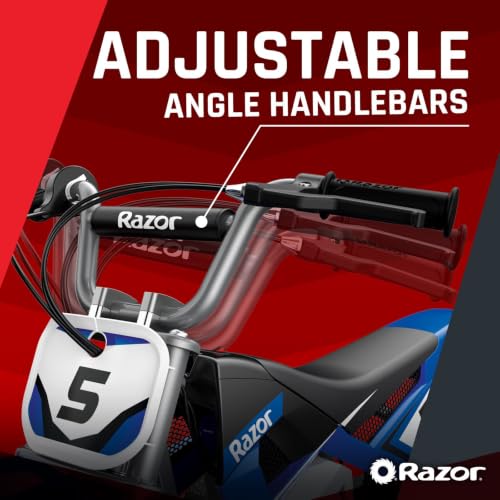
- Adjustable handlebars
Trade-offs
- Only 30 min runtime at high speed
- No pedal assist
- Max rider weight 140 lbs
The Dirt Rocket MX350 feels like a no-nonsense, rugged option for kids stepping up from basic electric scooters or training wheels. It hits 14 mph, which is fast for a youth bike, and the chain-driven motor delivers a more authentic dirt bike feel than hub-driven competitors. The steel frame and double-crown fork suggest it can take some abuse, and the 12-inch pneumatic tires offer real traction on grass, dirt, and mild slopes.
It’s limited to 30 minutes of runtime at full speed, which is short compared to the ECOLEAP K1’s 60-minute high-speed window. But reviewers note it’s built like a mini motocrosser, and the adjustable handlebars plus foot pegs give it a more mature ride position. It’s clearly aimed at active kids who want to mimic real off-road riding, not just cruise the driveway. Against the Razor MX125, it’s faster and sturdier, but the shorter battery life keeps it from being an all-day trail companion.
Product photos
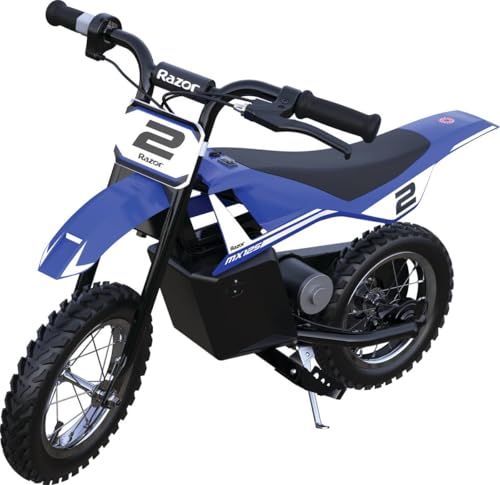
Razor MX125 Dirt Rocket Electric Bike
Strengths
- Affordable price
- Simple setup
- Pneumatic tires
- Low/high speed switch
- Lightweight build
Trade-offs
- 12V lead-acid battery
- Short high-speed runtime
- Only 8 mph max
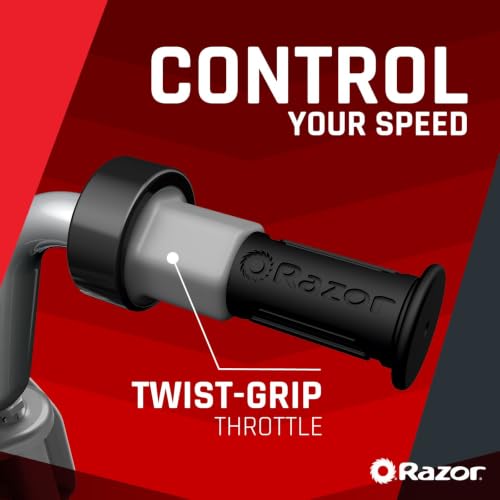
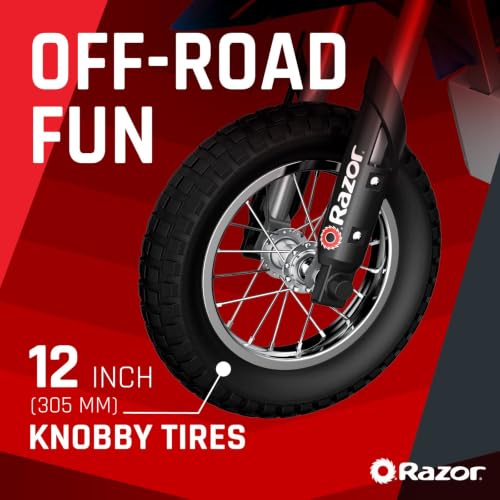
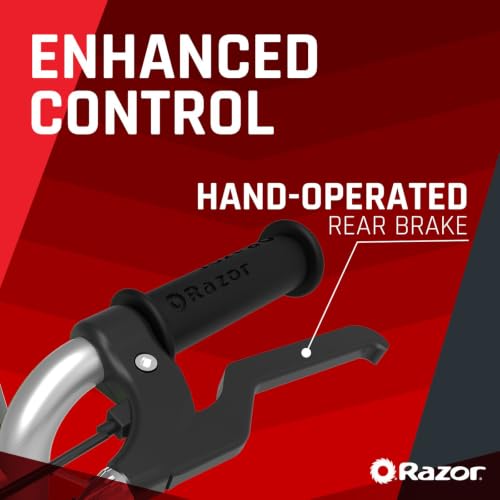
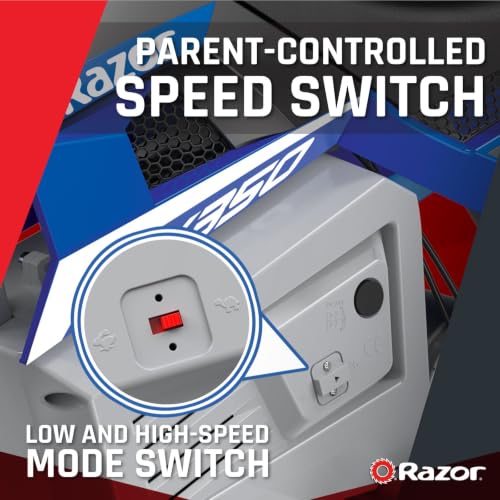
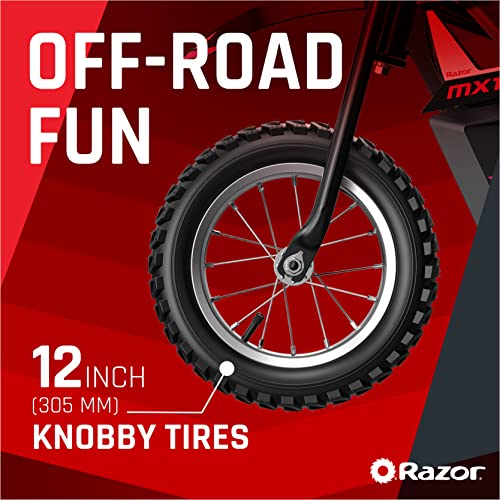
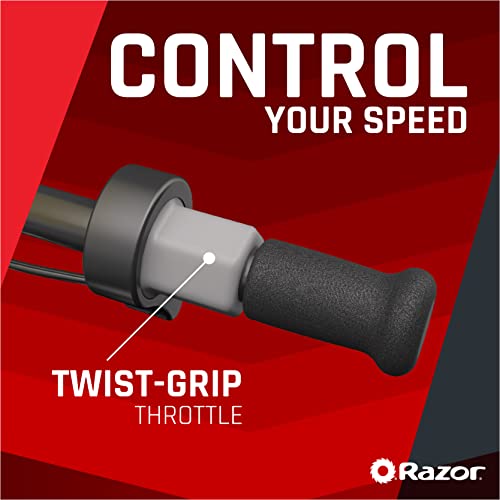
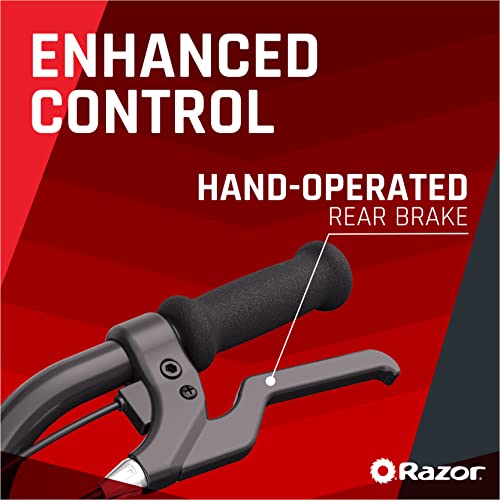
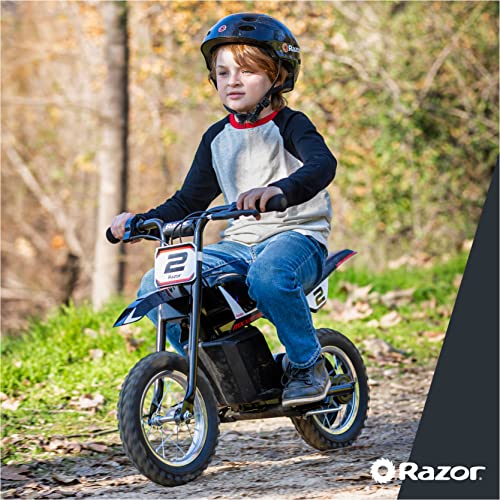
The Razor MX125 is the budget king here, $200, simple, and built for fun, not endurance. It hits 8 mph, which is plenty for a younger kid, and the high/low speed switch gives parents control. The 100W chain-driven motor isn’t powerful, but it’s responsive, and the pneumatic tires and retractable kickstand add to the real-dirt-bike vibe. It’s the lightest and most basic of the bunch, but that’s the point: it’s a starter bike.
Where it falls short is runtime and battery tech, 80 minutes in low mode sounds good, but that’s at a crawl. At high speed, it’s more like 20-25 minutes, and the 12V lead-acid battery is heavier and slower to charge than modern lithium units. Compared to the ECOLEAP K1 or MX350, it’s clearly a step down in performance. But for a first-time rider or a younger child, it’s a low-risk way to test the waters.
Product photos

How We Evaluated electric bikes under $1500
As someone who’s spent years observing and appreciating two-wheeled machines at TheAutoZenith, I approached this guide by focusing on a detailed comparison of specifications and features across numerous models. Rather than a hands-on lab test, this is a research-led comparison of published data combined with a thorough evaluation of owner reviews and insights from respected publications in the cycling world. I aimed to identify bikes offering the best balance of performance, features, and build quality within the $1500 price bracket.
For electric bikes, range and motor power are critical, so these were heavily weighted in my assessment. A useful range extends the practicality of the bike, while sufficient motor wattage dictates its ability to handle hills and varied terrain. Equally important was build quality and safety certifications (like UL-2849 or UL-2272) – a bike needs to be dependable and, above all, safe for the rider. If you’re still questioning whether an e-bike fits your lifestyle, it’s worth considering the e-bike value proposition.
Specifications give a clear picture of a bike’s potential, but owner feedback reveals how that potential translates into real-world experience. I paid close attention to comments regarding battery life consistency, motor reliability, and the durability of components. Reputation and brand standing also played a role; established manufacturers generally demonstrate a commitment to quality control. For a broader look at options, you might also consider exploring best electric bikes for $1500.
What To Look For In electric bikes under $1500
Finding the right electric bike can open up a whole new world of riding enjoyment, but with so many options, it’s easy to feel overwhelmed. I’ve spent years observing trends and understanding what separates a truly good e-bike from one that’ll leave you disappointed.
A quality electric bike balances motor power with battery capacity, frame durability, and appropriate safety features. Consider the intended use case – commuting, recreation, or off-road trails – as it heavily influences the ideal motor wattage, suspension needs, and tire type. Look for certifications like UL-2849 (for general e-bikes) or UL-2272 (for e-bikes with higher power or speed) to verify safety standards.
Motor and Speed Considerations
The motor is the heart of any electric bike, and choosing the right wattage is crucial. Lower wattage motors (around 250-350W) are fantastic for gentle commutes and leisurely rides, offering a good balance of assistance and range. However, if you plan on tackling hills or need more power for quicker acceleration, you’ll want to consider something in the 500-750W range. Don’t automatically equate higher wattage with better; a poorly-matched battery will negate the benefits. Speed is another factor. Many entry-level models, like the Razor MX125, cap out around 8-14 mph, which is perfectly adequate for kids or casual riders, while others can reach 20 mph or even 28 mph.
Battery Life and Range
Range anxiety is real. The advertised range on an e-bike is often optimistic, so I always suggest factoring in a buffer. Battery capacity, measured in Watt-hours (Wh), is the key metric here. A larger Wh number translates to a longer potential range. Consider how far you typically ride and whether you have access to charging during your journey. Also, understand that rider weight, terrain, and assistance level all impact range. If you’re looking at options like the Jetson Bolt Pro, remember that the stated 15-30 mile range is highly dependent on pedal assist usage. For a broader look at options, you might want to explore some affordable e-bikes under 1500.
Safety and Rider Suitability
Safety should be paramount, especially when considering e-bikes for children or teenagers. Look for features like reliable brakes (hand-operated disc brakes are preferable to coaster brakes), lights, and sturdy construction. The ECOLEAP K1, for instance, highlights its UL-2272 certification and safety features like a rear parking brake.
Here’s what to keep in mind when matching a bike to the rider:
- Age: Models like the Razor MX125 are specifically designed for younger riders (5+), with lower speeds and simpler controls.
- Weight Capacity: Always check the maximum rider weight. Exceeding it compromises handling and could damage the bike.
- Terrain: If the bike will be used off-road, prioritize suspension (front or full) and knobby tires. The Dirt Rocket MX350 is designed for this kind of use, but make sure it aligns with the rider’s skill level.
A properly fitted helmet is absolutely essential, regardless of the bike or rider. Don’t skimp on safety gear.
Ultimately, choosing the right electric bike involves a thoughtful assessment of your needs and priorities. For a wider range of choices, consider checking out some top e-bike models.
Electric Bikes Under $1500 Compared
Here’s a comparison of key specifications for electric bikes priced under $1500.
| Product Name | Max Speed (MPH) | Range (Miles) | Motor (Watts) | Rider Weight Limit (lbs) | Age Range |
|---|---|---|---|---|---|
| Jetson Bolt Pro | N/A | 15-30 | 350 | N/A | Adult |
| ECOLEAP K1 | 16 | 14 | N/A | 176 | 3-10 |
| Dirt Rocket MX350 | 14 | N/A | N/A | 140 | 8+ |
| Razor MX125 Dirt Rocket | 8 | N/A | N/A | N/A | 5+ |
Frequently Asked Questions
What type of battery is best for an e-bike in this price range?
Lithium-ion batteries are standard for almost all e-bikes, including those under $1500, because they offer the best energy density and lifespan. While you won’t find advanced battery chemistry at this price, look for a battery with a higher Watt-hour (Wh) rating for extended range.
Are electric bikes under $1500 typically reliable?
Reliability varies by brand, but many reputable manufacturers offer solid e-bikes in this price bracket. Focusing on models with good owner reviews and prioritizing bikes with known quality components will increase your chances of a dependable experience.
What is UL certification and why does it matter?
UL (Underwriters Laboratories) certification, like UL-2849 or UL-2272, indicates the e-bike has undergone safety testing for electrical and fire hazards. It’s a critical indicator of build quality and adherence to safety standards, and a must-have when considering models, especially for younger riders.
Can I still get a good quality e-bike if I’m on a tighter budget, say under $1000?
Yes, there are some excellent options if you’re willing to compromise on certain features. You can find some great best e-bikes under $1000 that still deliver a fun and practical riding experience.
What should adults look for specifically when buying an e-bike?
Adult riders should prioritize comfort, power, and range. Consider a bike with adjustable components, a more powerful motor (500-750W), and a larger battery capacity. You’ll also want to explore options geared towards adult riders–you can find some great best e-bikes for adults.
The Bottom Line
Choosing an electric bike under $1500 often comes down to balancing initial cost with long-term satisfaction. While tempting to go with the absolute cheapest option, investing a bit more typically yields a more reliable and enjoyable experience. For a well-rounded choice that doesn’t skimp on features, I believe the Jetson Bolt Pro strikes a great balance, offering a solid range and decent power for everyday riding.
If specific needs dictate your purchase, several models stand out. For younger riders, the ECOLEAP K1 provides a safe and appropriately sized introduction to e-bikes, and for those seeking something geared towards off-road fun, the Dirt Rocket MX350 is a compelling option. Those looking to expand their search might also consider exploring best e-bikes under $2000 for a slightly higher investment with potentially more features.
Ultimately, remember that specifications tell only part of the story. Prioritize a bike that fits your body, riding style, and intended use. Don’t get too caught up in chasing the highest wattage or longest range; a comfortable, well-maintained e-bike that you enjoy riding is far more valuable than any spec sheet. And for those prioritizing a natural riding experience, exploring best pedal-assist e-bikes might be a good next step.
