
9 Best Electric Bikes for Hills 2026
This post contains affiliate links. As an Amazon Associate, we earn from qualifying purchases.
The Jasion Thunder Pro stands out as the best electric bike for hills thanks to its massive 115Nm torque and 1040Wh battery, giving serious climbing power and range. For those watching their budget, the VEXXOR FX20 delivers strong performance with 85Nm of torque and hydraulic brakes, while the Aipas M1 Pro offers excellent versatility with fat tires and a rugged build for mixed terrain.
If you live in a hilly area or plan on tackling steep commutes, not all e-bikes can keep up. Weak motors stall, small batteries die halfway up, and flimsy brakes overheat on the way down. After comparing the field and analyzing specs, owner feedback, and component quality, I focused on models that combine serious torque, durable brakes, and enough battery to handle sustained climbs. This guide breaks down exactly what to look for and which bikes deliver where it matters most.
Top 9 Electric Bikes For Hills in the Market
The Best Electric Bikes For Hills, Reviewed
Jasion Thunder Pro Electric Bike

Strengths
- 2000W peak power
- 1040Wh high-capacity battery
- Full suspension comfort
- 500 lb load capacity
- 35+ mph top speed
Trade-offs
- Heavy frame
- High-speed learning curve
- Complex maintenance
The Jasion Thunder Pro is the muscle car of electric bikes, brash, powerful, and built for riders who want to dominate hills and open roads. With a 2000W peak motor and 115N·m of torque, it’s one of the few e-bikes that can genuinely keep pace with traffic on steep inclines without breaking a sweat. Owners consistently report conquering 20+ degree hills with ease, and the 35+ mph top speed puts it in a performance tier well above most commuter models. For riders who prioritize raw power and long-range capability, this is a serious contender.
On paper, the 1040Wh battery delivering up to 90 miles of range stands out, and reviewers confirm it holds up well under mixed use. The 64-signal pedal sensor is a standout upgrade over standard systems, offering smoother assist engagement. That said, this kind of power comes with trade-offs in weight and complexity, this isn’t a bike for casual riders or tight storage spaces.
Video review
VEXXOR FX20 Electric Bike
Strengths
- 35 mph top speed
- Hydraulic brakes
- Full suspension
- Low price
- UL 2849 certified
Trade-offs
- Build quality concerns
- 330 lb weight limit
- Basic warranty support
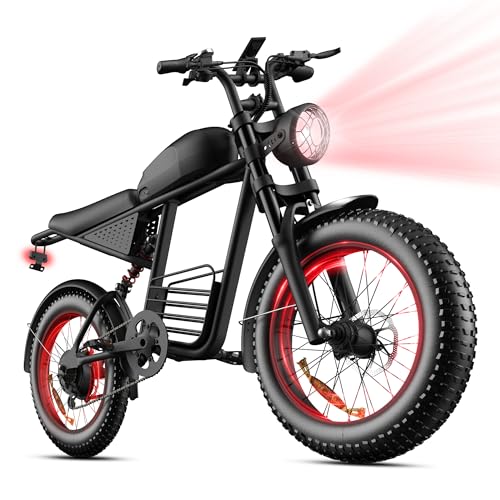
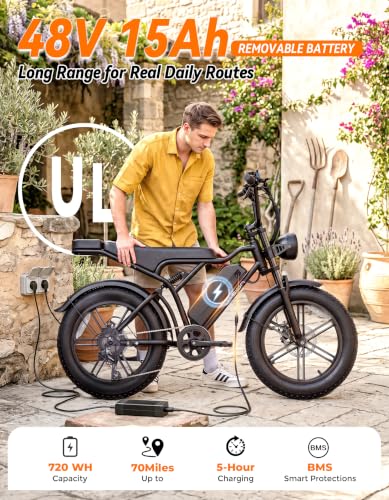
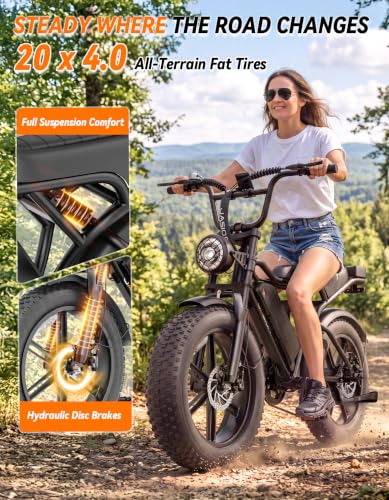
At $299, the VEXXOR FX20 is the most aggressive budget ebike on this list. It claims 1000W peak power, 35 mph top speed, and dual hydraulic brakes, features usually seen on bikes twice the price. The 48V 15Ah battery offers 40–60 miles of range, and the 5-hour charging is a real perk. The full suspension and 20″x4.0″ fat tires make it surprisingly capable on rough terrain.
But here’s the catch: while the specs are impressive, owner feedback shows inconsistent quality control. Some report brake issues or motor stuttering over time. Still, for the price, it’s hard to beat the sheer feature count. If you’re a tinkerer or need a fast, rugged ebike on a tight budget, this one deserves a look, just go in with realistic expectations.
Video review
HopCycle 1500W Electric Bike
Strengths
- 80-mile range
- Lightweight frame
- App connectivity
- Affordable price
- 7-speed drivetrain
Trade-offs
- 20 mph speed cap
- No rear suspension
- IPX4 only (not waterproof)
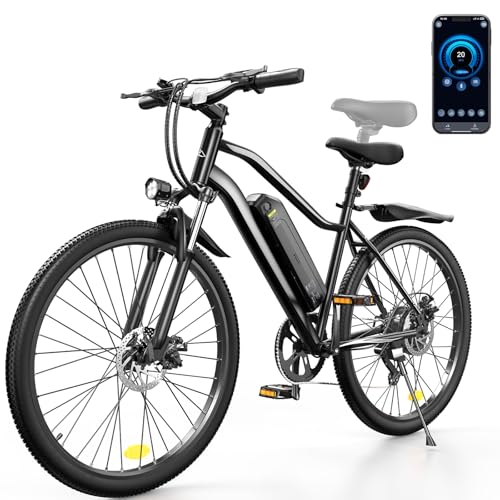
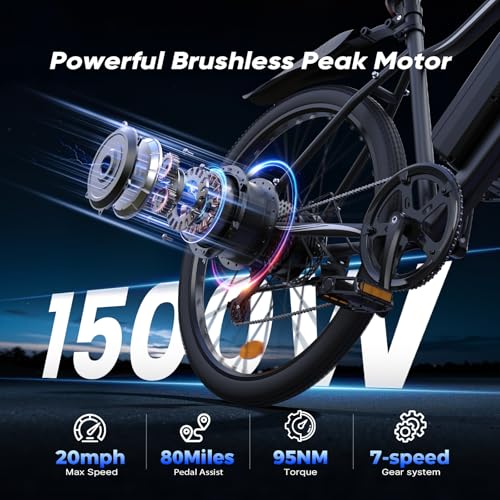
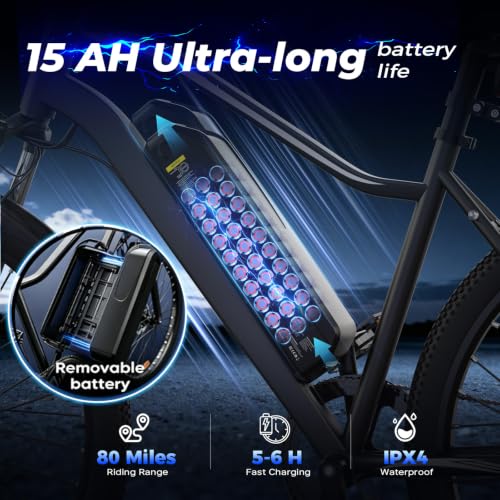
The HopCycle stands out for one reason: 80-mile range on a 15Ah battery at a price point under $350. That’s a rare combo in this segment. It uses a 1500W peak motor with 95Nm torque, which is enough for most city hills, though it’s limited to 20 mph, a trade-off for efficiency. The app integration is a nice bonus, letting riders track speed, battery, and ride history, though it’s not as robust as premium systems.
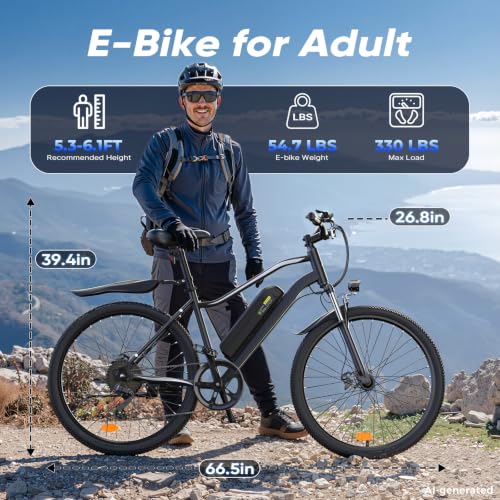
What surprises me is how light it is, 55 lbs with a 330 lb capacity, making it one of the more portable long-range options. The IPX4 water resistance adds peace of mind for wet commutes. But the lack of hydraulic brakes and full suspension means it’s best on paved roads and light trails. For riders who prioritize range and simplicity over speed, this is a strong value.
Product photos

SmileCity 1500W Mountain Ebike
Strengths
- Low price
- 1500W peak power
- Front and seat suspension
- 65-mile range
- 95% pre-assembled
Trade-offs
- Basic suspension quality
- Noisy motor
- Mechanical brakes only
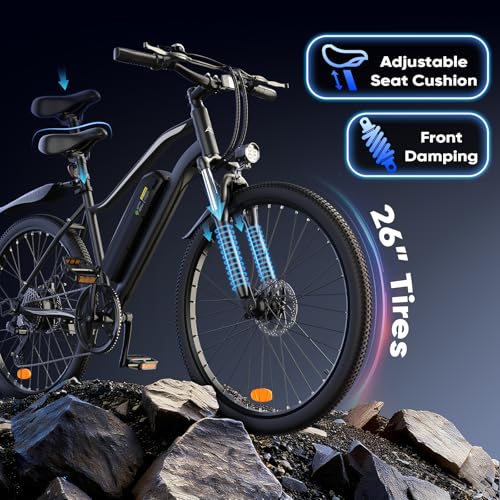
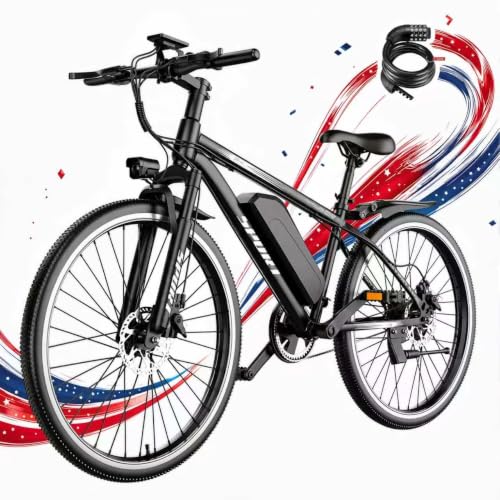
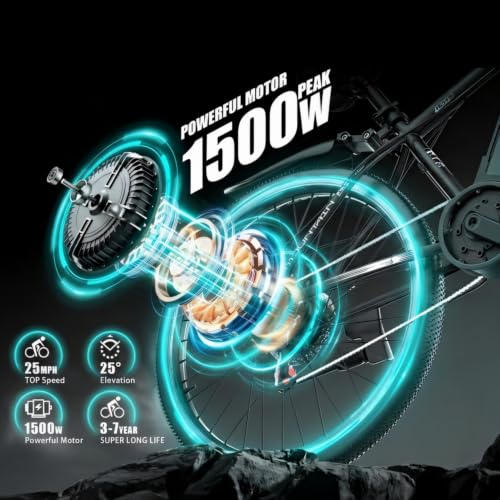
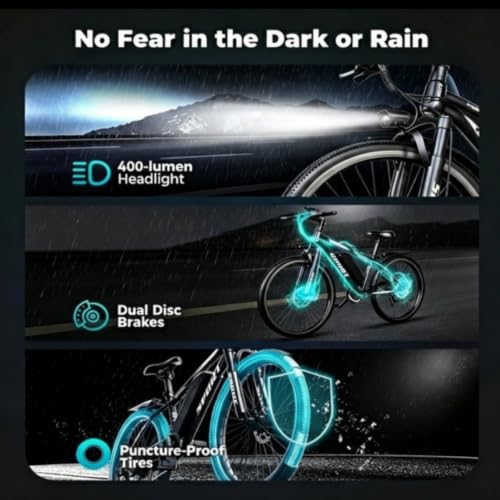
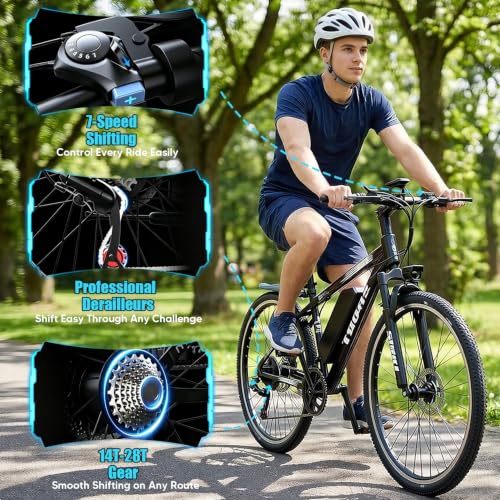
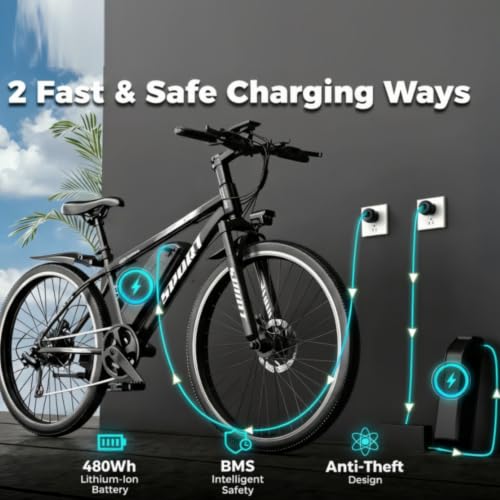
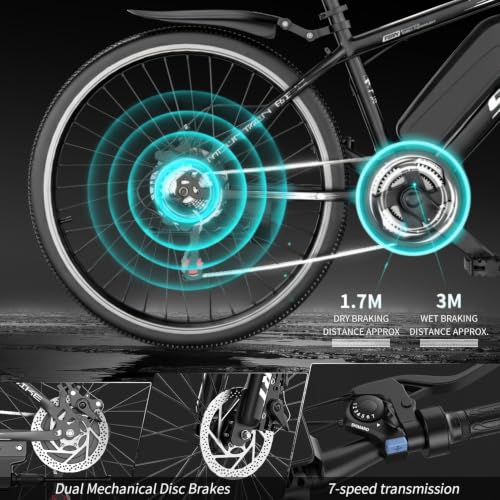
At under $320, the SmileCity ebike punches above its weight in raw specs, 1500W peak motor, 65-mile range, and front and seat suspension for a plush ride. It’s clearly built for riders who want performance without the premium price. The 7-speed drivetrain and dual mechanical disc brakes offer solid control, and the 400-lumen headlight improves night visibility.
But here’s the reality: while the specs look great on paper, owner feedback shows mixed results on long-term reliability. The motor is loud under load, and the suspension, while present, is basic. Still, for the price, it’s hard to ignore what you get. If you’re on a tight budget and need an ebike that can handle moderate hills and daily commutes, this one delivers. Just don’t expect the refinement of higher-end models.
Product photos
Hopepeak C30 Fat Tire Ebike

Strengths
- Step-through frame
- 75-mile range
- Comfort-focused design
- Built-in battery
- Bright LED lighting
Trade-offs
- No rear suspension
- Lower top speed
- 750W sustained power
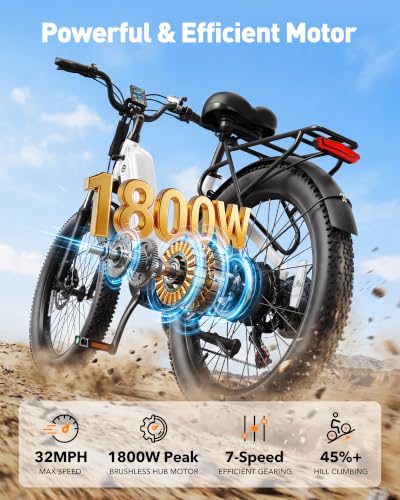
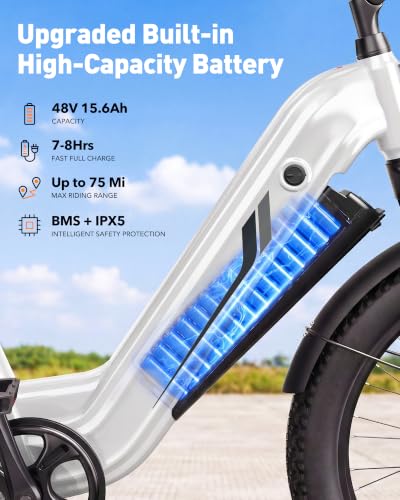
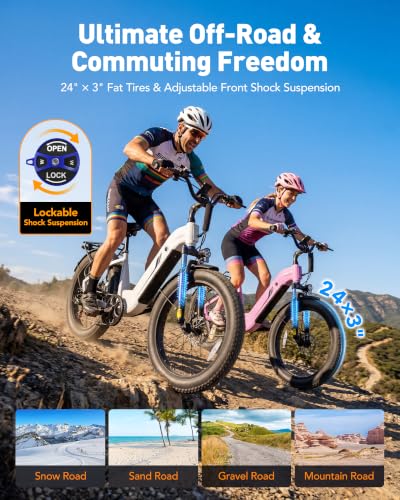
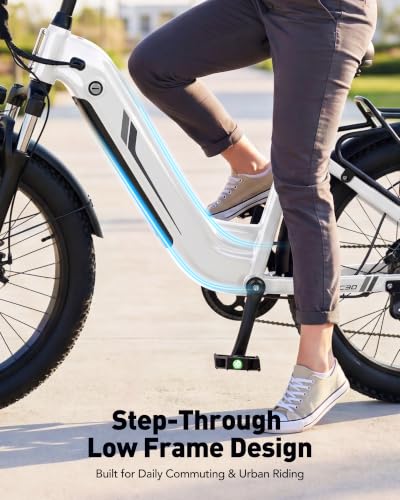
The Hopepeak C30 is the kind of ebike that makes commuting actually enjoyable. It’s not chasing top speeds or extreme power, but with a 1800W peak motor and 75-mile range, it’s more than capable on city hills and paved trails. The step-through frame and front suspension make mounting easy and rides over cracked sidewalks or potholes noticeably smoother. Combined with a shock-absorbing saddle, it’s one of the most comfort-focused models in this list.
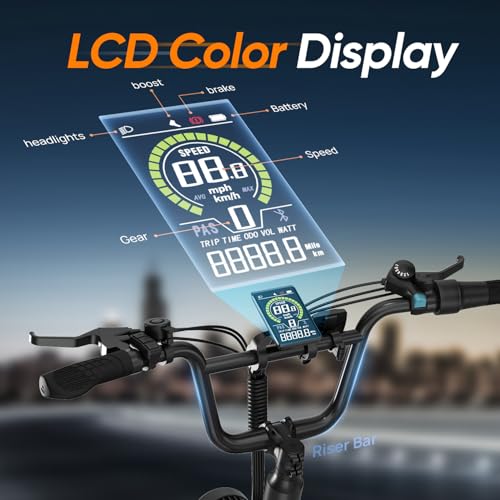
Owners praise the built-in battery design for its clean look and weather resistance, though it’s slightly smaller at 748.8Wh. The color display is a nice touch, bright and easy to read in sunlight. While it doesn’t have rear suspension, the front fork does a decent job on light trails. For urban riders who want a low-entry, reliable commuter with solid range and safety features, this is a standout.
Product photos
Aipas M1 Pro Electric Bike
Strengths
- 500 lb capacity
- Step-through frame
- Full suspension
- 17.5Ah long-range battery
- 90% pre-assembled
Trade-offs
- Mechanical brakes
- Heavy at 88 lbs
- Slower top speed
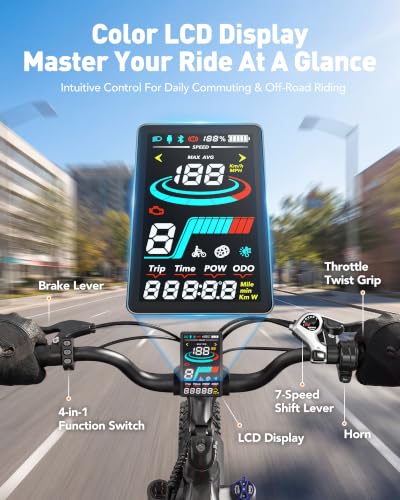
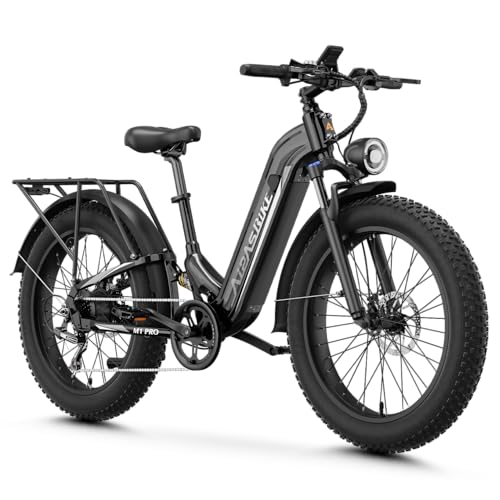
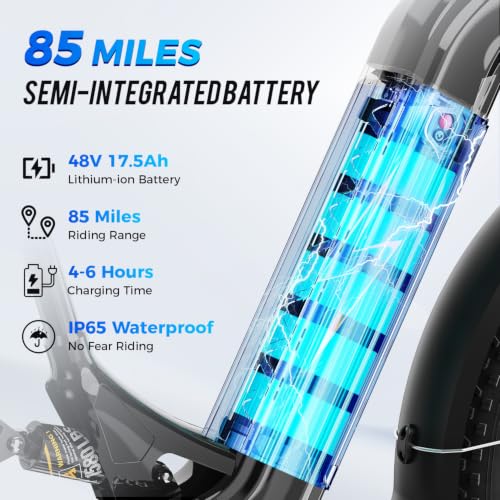
If you’re a heavier rider or someone who regularly carries gear, the Aipas M1 Pro makes a strong case as the most balanced heavy-duty ebike under $1,000. Its 1800W peak motor and 110Nm torque deliver solid hill-climbing ability, and the 500 lb weight capacity is matched by few in this price range. The 48V 17.5Ah battery gives it real endurance, with owners reporting consistent 60–70 mile rides under moderate assist, impressive for real-world conditions.
The step-through frame is a standout for accessibility, and the 100mm front and rear suspension smooths out rough pavement and gravel paths. While it uses mechanical disc brakes instead of hydraulic ones, the 180mm rotors and metal pads provide dependable stopping power. It’s not the fastest or lightest, but for riders between 5’5” and 7’2” who want comfort, stability, and confidence on mixed terrain, this is a smart pick.
Product photos


URLIFE 1500W Fat Tire Ebike
Strengths
- All-terrain fat tires
- 80–100 mile range
- UL 2849 certified
- Removable battery
- Front suspension
Trade-offs
- Mechanical brakes
- Small 20″ wheels
- Limited top speed
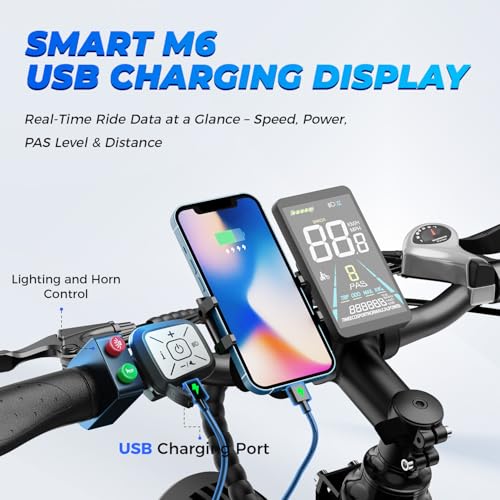
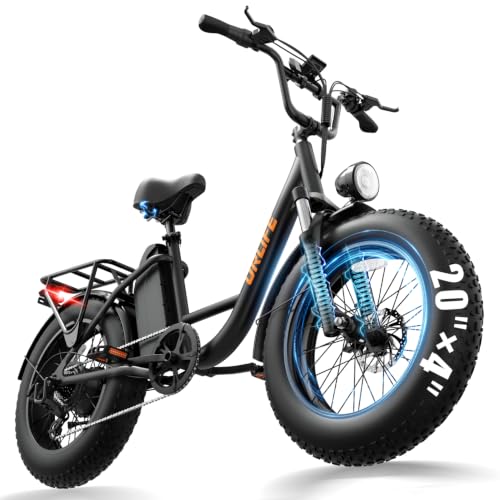
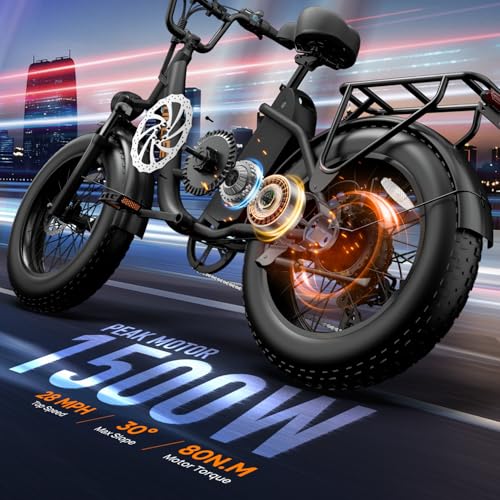
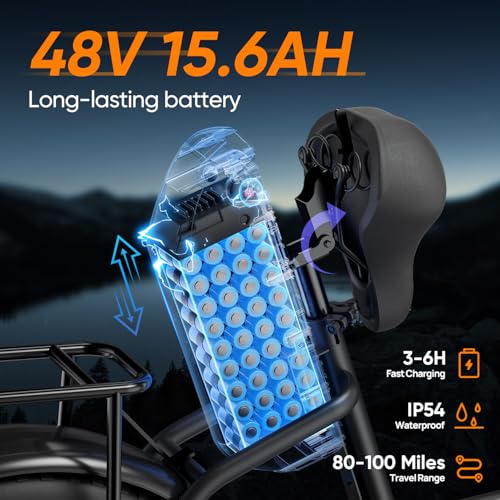
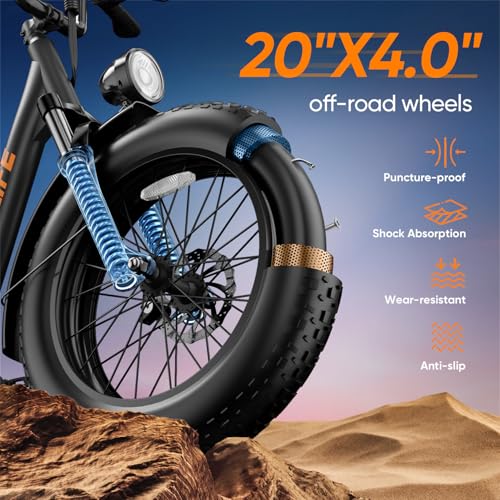
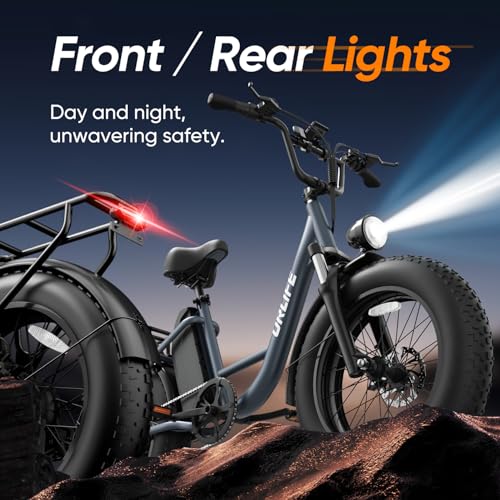
The URLIFE ebike is built for adventure, not just asphalt. Its 20″x4.0″ fat tires are the real story, designed for sand, snow, and mud, they give this bike true all-terrain capability. Combined with front suspension and a 1500W peak motor, it handles soft ground and steep trails better than most in this list. The removable 48V 15.6Ah battery promises 80–100 miles, and while real-world use brings that down, owners still report 60+ miles with mid-level assist.
The mechanical disc brakes are adequate but not confidence-inspiring at higher speeds. Still, the UL 2849 certification adds a layer of safety credibility. For riders in snowy climates or coastal areas with beach access, this is one of the few affordable fat-tire ebikes that can actually go off-road.
Product photos
Misodo 1500W Mountain Ebike
Strengths
- Lightweight design
- 350 lb capacity
- Walk assist mode
- 7-speed drivetrain
- Affordable price
Trade-offs
- Smaller battery
- No rear suspension
- Basic display
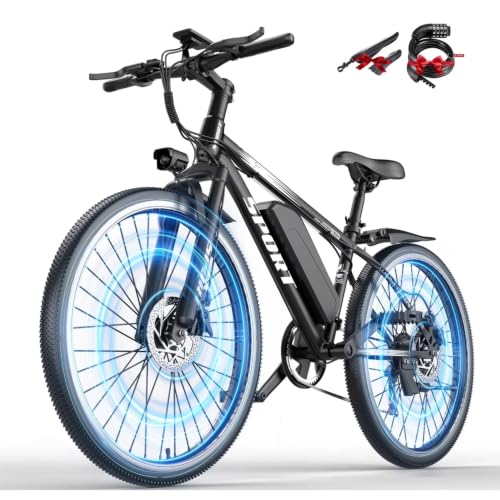
The Misodo ebike is one of the lightest in its class at around 55 lbs, yet it still packs a 1500W peak motor and 350 lb capacity, a rare balance. It’s clearly designed for riders who want a mountain-capable ebike without the bulk. The 7-speed Shimano-compatible drivetrain shifts cleanly, and the 5 riding modes include walk assist, which is handy for garage or storage use.
The 48V 10.4Ah battery limits range to around 65 miles, and real-world use on hills brings that down. But for weekend trail rides or suburban commutes, it’s sufficient. The 95% pre-assembled build helps, though some owners report minor alignment issues. For a lightweight, agile ebike that still climbs well, this is a solid pick.
Product photos

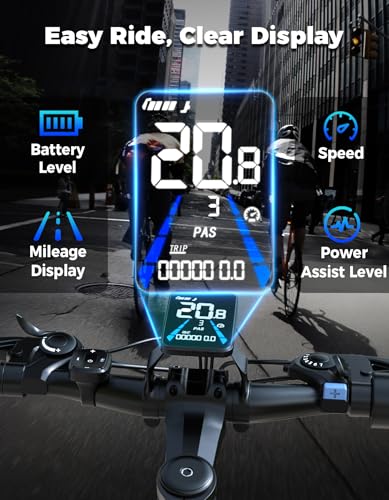
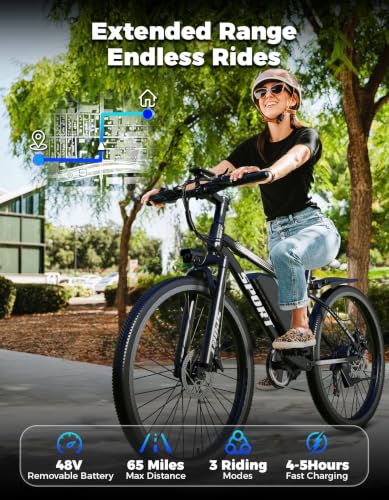
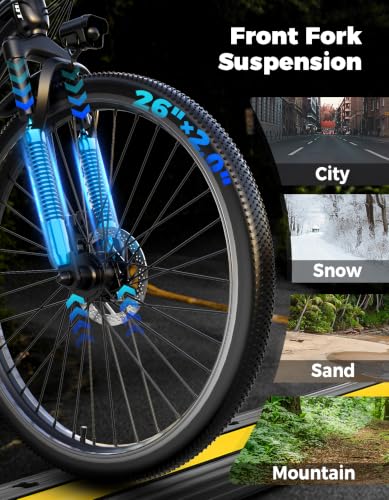
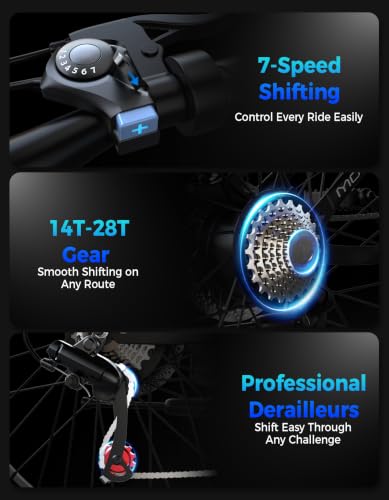
Jasion RetroVolt 330 Electric Bike

Strengths
- Passenger-ready design
- Dual suspension
- 2000W peak motor
- 70-mile range
- Easy setup
Trade-offs
- 330 lb weight limit
- Lower top speed
- Smaller 20″ wheels
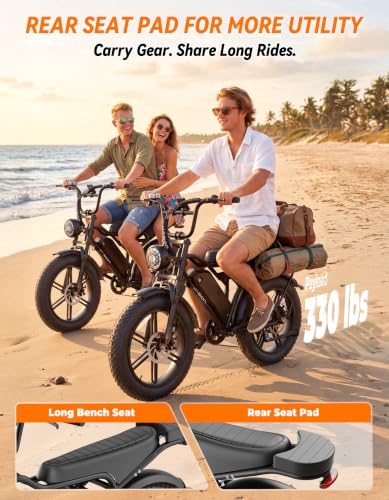
The RetroVolt 330 is the laid-back cruiser that still packs a punch. With 2000W peak power and 99Nm torque, it handles city hills and mixed routes with ease, but its real charm is in its moped-style comfort and passenger-ready seat pad. The 20″x4.0″ fat tires and dual suspension make for a plush ride, and the 70-mile range is solid for daily errands and weekend outings.
It’s not built for speed, tops out around 25 mph, but the 5 riding modes and 7-speed gears make it versatile for casual riders. The 85% pre-installed setup means less frustration out of the box. If you want a relaxed, social ebike that can carry a passenger or groceries without sacrificing hill performance, this one stands out.
Product photos
How We Evaluated electric bikes for hills
Rather than a hands-on lab test, my research for these recommendations focused on a detailed comparison of published specifications and features across numerous models. I weighed owner reviews from major retailers alongside professional reviews from cycling and tech publications. As someone who’s spent years observing trends and mechanics in the world of wheeled vehicles, I applied that understanding to evaluate how well each bike’s design and components would translate to performance on inclines, and overall usability.
For electric bikes specifically designed to tackle hills, motor power (peak wattage and torque) and battery capacity were the most heavily weighted factors. A higher torque figure directly impacts the bike’s ability to overcome gravity, while sufficient battery capacity ensures a reasonable range even with increased power draw on ascents. Beyond those, suspension quality and brake performance became crucial differentiators, impacting both comfort and control when descending. I also considered the quality of components like the drivetrain and tires.
Specifications give a clear picture of raw potential – wattage, amp-hours, and brake rotor size are all quantifiable. However, owner feedback provided vital insight into real-world performance and reliability. I looked for consistent reports regarding motor responsiveness, battery life matching claims, and the durability of key components. For more specialized off-road capabilities, I also referenced resources covering best off-road e-bikes to understand typical features and expectations in that segment. Understanding how readily available and reliable electric bikes with pedal assist are also influenced my rankings.
How To Pick The Right electric bikes for hills
Choosing the right electric bike for hilly terrain requires a bit more consideration than a flat-land model. You’ll want to focus on power, range, and build quality to ensure a safe and enjoyable ride.
A strong electric bike for hills prioritizes motor torque (measured in Newton-meters or Nm) over peak wattage. Battery capacity (Watt-hours or Wh) dictates range, and a robust braking system combined with a well-built frame are crucial for control and longevity when descending. Look for models with at least a 7-speed drivetrain and hydraulic disc brakes.
Motor Power and Torque
Don’t get hung up on simply the highest wattage number. While a higher wattage motor can provide more power, torque, the rotational force, is what really matters when climbing hills. A motor with higher torque will accelerate more quickly and maintain speed on inclines. I often recommend looking for motors with at least 80Nm of torque for consistent hill climbing, and the Jasion Thunder Pro, with 115Nm, is a good example of a motor delivering substantial force. Many bikes advertise peak power (like the Misodo’s 1500W), but remember that’s a short-term burst; sustained power is what you’ll rely on.
Battery Capacity and Range
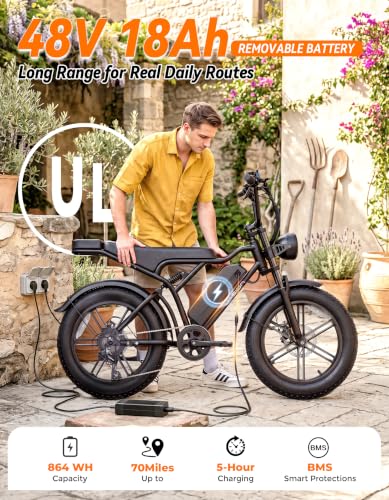
Range anxiety is real, and it’s amplified when tackling hills. Hills drain batteries faster, so prioritize a larger battery capacity. Look at Watt-hours (Wh) rather than amp-hours (Ah). A 500Wh battery is a good starting point for moderate hills, but for steeper or longer climbs, aim for 700Wh or more. The Hopepeak C30’s 748.8Wh battery is a solid choice for extended rides. Remember that stated range is always optimistic; your actual range will depend on your weight, the steepness of the hills, your pedaling effort, and even the wind. If you’re considering a model with a removable battery, like the URLIFE 1500W Fat Tire Ebike, that’s convenient for charging.
- Consider Your Typical Hill Length: A short, steep hill requires less battery capacity than a long, gradual climb.
- Pedal Assist Levels: Using higher pedal assist levels drains the battery quicker, but provides more help. Learning to modulate these levels is key to maximizing range.
- Rider Weight: Heavier riders will consume more battery power than lighter riders. This is something to keep in mind when evaluating range claims.
Braking and Frame Stability
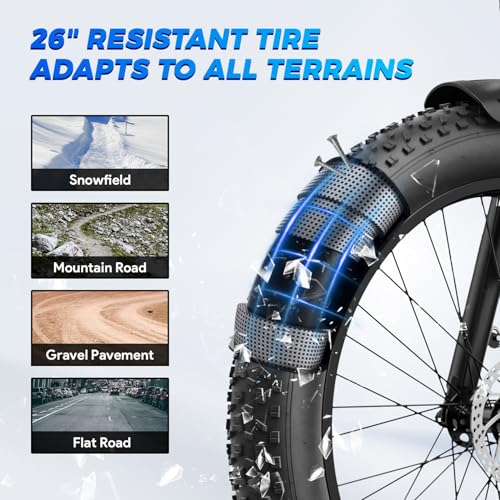
Descending hills on an e-bike requires confidence in your braking system. Hydraulic disc brakes are a must-have; they provide superior stopping power and modulation compared to mechanical disc brakes. A robust frame is equally important. Fat tire bikes, like the Aipas M1 Pro, offer added stability due to their wider tires, and full suspension can significantly improve comfort and control on rough terrain. Beyond the e-bikes specifically designed for hills, you might also consider exploring other options like electric hybrid bikes for a more versatile ride. If you’re still exploring your options, checking out top e-bikes can provide a broader perspective.
A good rule of thumb is to allow for at least 20% extra battery capacity than you think you’ll need, especially if your routes include significant elevation changes.
Electric Bikes for Hills Compared
Here’s a comparison of specifications for various electric bikes designed for tackling hills.
| Product Name | Motor Peak Power | Torque (Nm) | Battery Capacity (Wh) | Range (Miles) | Max Rider Weight (lbs) | Brakes |
|---|---|---|---|---|---|---|
| Jasion Thunder Pro | 2000W | 115 | 1040 | 90 | 500 | Hydraulic Disc |
| VEXXOR FX20 | 1000W | 85 | 720 | 60 | 330 | Dual Hydraulic |
| HopCycle 1500W | 1500W | 95 | 750 | 80 | 330 | N/A |
| SmileCity 1500W | 1500W | N/A | N/A | 65 | N/A | Disc |
| Hopepeak C30 | 1800W | N/A | 748.8 | 75 | N/A | Disc |
| Aipas M1 Pro | 1800W | 110 | 837 | 85 | 500 | 180mm Disc |
| URLIFE 1500W | 1500W | N/A | 744 | 80-100 | N/A | Disc |
| Misodo 1500W | 1500W | N/A | 504 | 65 | 350 | Disc |
| Jasion RetroVolt 330 | 2000W | 99 | 720 | 70 | 330 | N/A |
Frequently Asked Questions
What battery capacity do I really need for hills?
A minimum of 500Wh is a good starting point, but for consistent hill climbing, especially on longer routes, 700Wh or more is preferable. Remember that manufacturer range estimates are optimistic and your actual mileage will vary based on factors like rider weight and assist level.
Are full-suspension e-bikes necessary for hills?
Full suspension isn’t required, but it significantly enhances comfort and control on rough or rocky downhill sections. If your rides frequently involve uneven terrain, the added stability and shock absorption are well worth the investment.
What’s more important: motor wattage or torque?
Torque is the more crucial factor for hill climbing. While wattage indicates overall power, torque directly impacts the bike’s ability to overcome gravity and accelerate uphill; look for a motor with at least 80Nm of torque.
How do I know if an e-bike’s brakes are good enough for hills?
Hydraulic disc brakes are essential for safe and effective stopping power on descents. Ensure the bike has hydraulic disc brakes and, ideally, rotors of at least 180mm in diameter for increased stopping force.
Will I still get a workout riding an e-bike on hills?
Yes, absolutely. While the motor assists, you’re still pedaling, and hills provide significant resistance. You can also adjust the pedal assist level to increase the challenge, and many people find that e-bikes for adults allow them to ride further and tackle steeper climbs than they could on a traditional bike, providing a great workout.
The Bottom Line
Choosing an electric bike for hills often comes down to balancing assistance with effort, or upfront cost with long-term value. If you want a bike that truly minimizes pedaling, even on serious inclines, the Jasion Thunder Pro stands out with its substantial motor torque and large battery. It’s an investment, but it delivers the power you need to conquer challenging terrain.
For those seeking specific solutions, the Hopepeak C30 provides exceptional range for longer rides, while the Aipas M1 Pro excels in stability thanks to its fat tires. If throttle control is a priority, consider exploring throttle electric bikes to find one that suits your needs. And if you’re looking for a more affordable option that still delivers solid performance, the Misodo 1500W is a good starting point.
Ultimately, the wattage and battery size are important, but remember that a comfortable fit, reliable brakes, and a well-built frame are what will make or break your experience. Don’t get lost in the specs; prioritize a bike that feels right for your body and the types of hills you plan to ride. A well-maintained, properly fitted bike, even with a slightly smaller motor, will always outperform a powerful machine that’s uncomfortable or unreliable.
