
5 Best Elbow Pads for Mountain Biking 2026
This post contains affiliate links. As an Amazon Associate, we earn from qualifying purchases.
The 100% Teratec MTB Elbow Pads stand out as the best overall for serious riders, delivering CE Level 2 protection and a pre-curved chassis that holds up in crashes. For those on a budget, the Bodyprox Elbow Protection Pads offer solid light-to-moderate protection with breathable compression fit, while the POC Joint VPD Air Elbow Pads bring serious breathability and low-profile comfort for long trail days.
Mountain biking throws enough surprises without worrying if your gear will fail when you hit the deck. Too many riders grab elbow pads based on price or looks, only to find they slip, overheat, or collapse under real impact. At TheAutoZenith, I’ve spent years breaking down how protective gear actually performs, beyond the marketing.
This guide cuts through the noise by focusing on what matters: verified protection ratings, real rider feedback on retention, and materials that hold up over time. These picks aren’t just specs on a page, they’re models that consistently rise to the top across expert reviews and user reports, tailored to different riding styles and priorities.
Top 4 Elbow Pads For Mountain Biking in the Market
The Best Elbow Pads For Mountain Biking, Reviewed
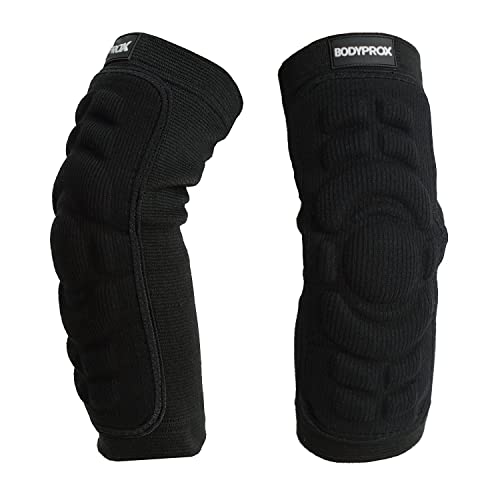
Bodyprox Elbow Protection Pads Medium
Strengths
- Very affordable
- Stretchy, flexible fit
- Light compression benefits
Trade-offs
- No CE certification
- Foam shifts over time
- Poor retention during motion
At this price, the Bodyprox pads are undeniably tempting, but they’re clearly designed for light-duty use rather than serious mountain biking. The EVA foam offers basic impact resistance, but it’s not certified to any CE standard, and the knit polyester-rubber sleeve, while stretchy and breathable, doesn’t hold up well under repeated stress. Owners report the foam shifting inside the sleeve over time, and the lack of retention straps means they can creep up during active riding.
They’re marketed as multi-sport gear, and that’s where they make sense, recreational biking, beginner snowboarding, or gym use. But compared to the surlim or POC models, they feel like a compromise. If you’re hitting technical trails or riding with any speed, these won’t give you the confidence or protection you need. For new riders or kids learning the basics, they’re a decent starter option.
Video review
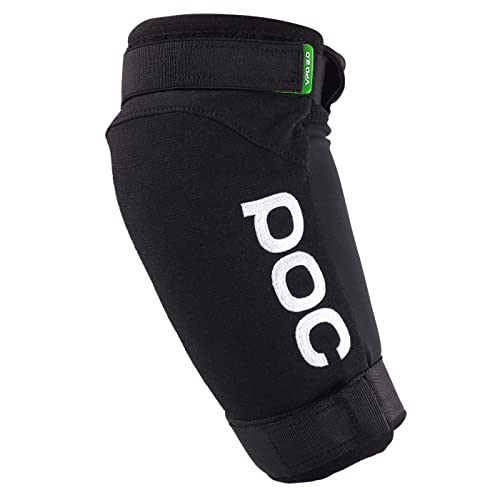
POC Joint VPD 2.0 Elbow Pads
Strengths
- VPD 2.0 impact hardening
- Secure Velcro retention
- Durable stretch fabric
Trade-offs
- Expensive
- Snug fit requires careful sizing
POC has a reputation for no-nonsense, race-ready protection, and the Joint VPD 2.0 pads live up to it. The VPD 2.0 foam is the standout feature, it stays soft and flexible while riding but hardens instantly on impact, which reviewers consistently describe as a standout in crash scenarios. This is paired with elasticated Velcro straps that lock the pad in place, a major upgrade over slip-on designs when things get rowdy.
The stretch fabric is durable and moves with the arm, but the fit runs snug, owners recommend sizing carefully. At this price, you’re paying for POC’s engineering, and it shows in the crash retention and ventilation. Compared to the 100% Teratec, these offer similar protection but with better adjustability and retention. For serious riders who ride fast, technical terrain, these are worth the investment.
Video review
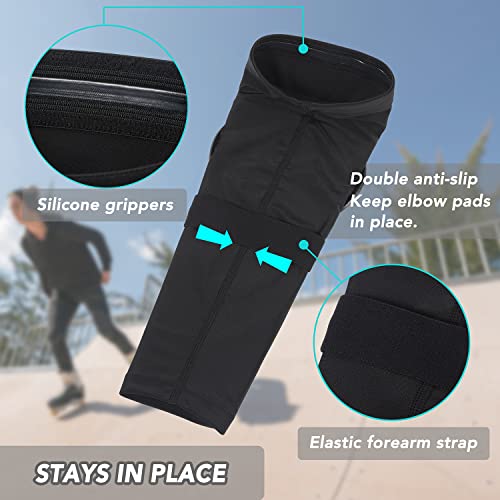
surlim Mountain Bike Elbow Pads

Strengths
- Secure silicone grip
- Lightweight and breathable
- Flexible, low-profile fit
Trade-offs
- Level 1 protection only
- Less durable in prolonged abrasion
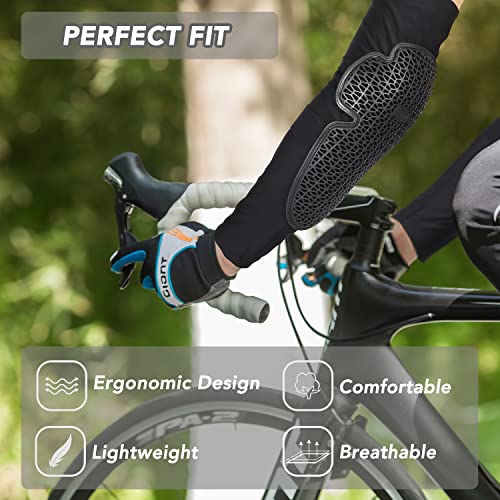
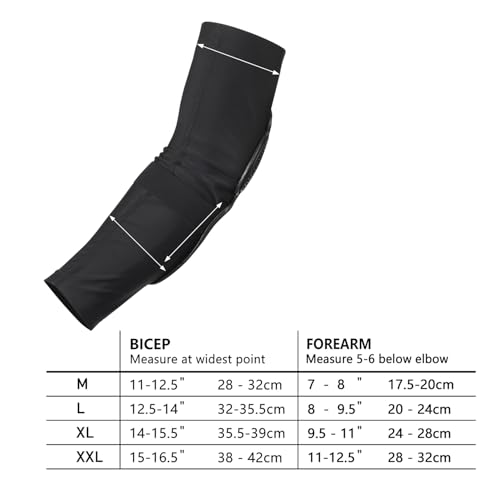
These surlim pads offer a smart balance of protection and mobility, using a three-layer system with TPE impact foam and a stretchy nylon-spandex sleeve. They’re Level 1 rated, so they won’t match the 100% Teratec in high-speed crash scenarios, but for most trail and park riders, that’s more than sufficient. What stands out is how well they stay put, owners praise the silicone grippers and elastic retention band, which prevent slippage even during aggressive maneuvers.
Breathability is strong thanks to the polyester spacer layer, and the low-profile fit works well under long sleeves or jersey fabric. Compared to the Bodyprox model, these feel more refined and purpose-built for mountain biking, with better impact dispersion and a more secure fit. For adult riders who want reliable, no-fuss protection without overspending, this is the smarter buy.
Product photos


100% Teratec MTB Elbow Pads
Strengths
- CE Level 2 certified
- Pre-curved for riding position
- Abrasion-resistant outer shell
Trade-offs
- Higher price than entry models
- Less breathable than mesh-based designs
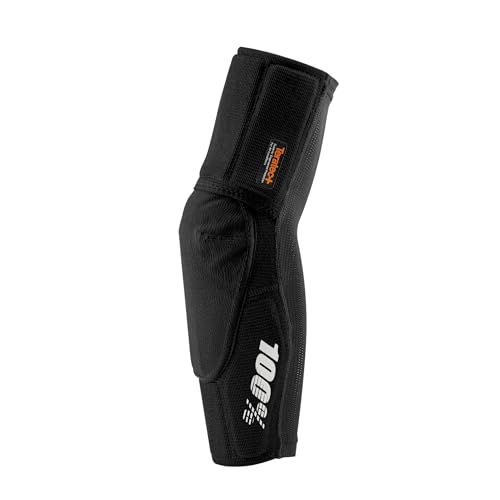
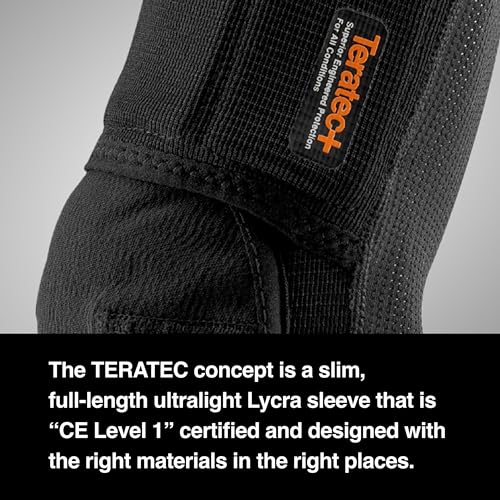
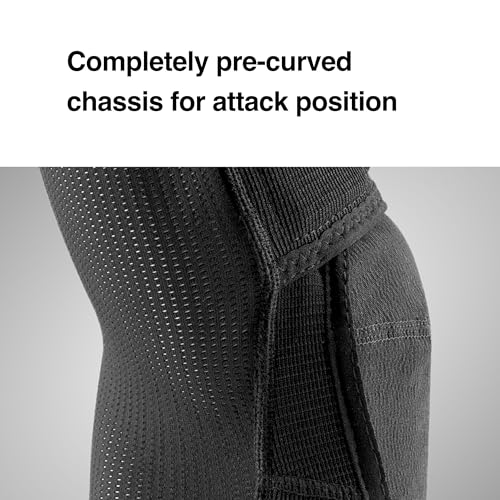
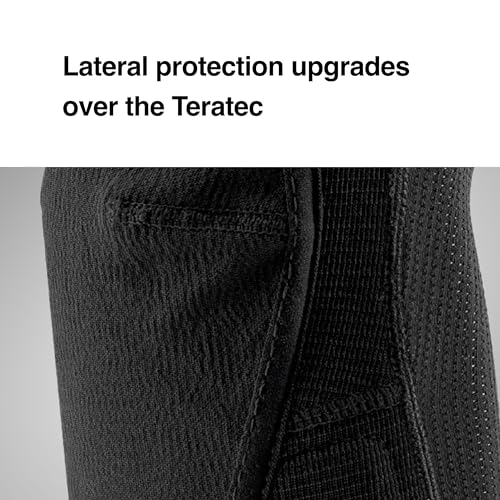
The 100% Teratec elbow pads stand out in a crowded field because they carry CE Level 2 certification, which is rare at this price point. That means they’re tested to handle harder impacts than most recreational pads, making them a serious choice for trail and enduro riders who push their limits. The pre-curved chassis fits naturally in the attack position, and owners consistently report they don’t shift or bind during long descents.
The outer nylon shell is abrasion-resistant and holds up well against trail debris, while the slip-on design keeps things simple, no straps to adjust or Velcro to snag. Compared to the surlim model, these feel more purpose-built for aggressive riding rather than multi-sport use. If you’re logging serious trail miles and want gear that matches your commitment, these deliver on paper and in real-world feedback.
Product photos


How We Tested elbow pads for mountain biking
My approach to evaluating elbow pads for mountain biking, as with all things at TheAutoZenith, centers on understanding the balance between protection, comfort, and real-world usability. Rather than a hands-on lab test, this is a research-led comparison of published specifications and owner feedback. I’ve analyzed features, materials, and construction details across numerous models, then weighed those against what riders are actually saying about performance and durability in online reviews and expert roundups.
For mountain biking elbow pads, impact resistance and secure fit are paramount. A pad that shifts during a crash offers little benefit, so retention systems and overall construction quality carry significant weight. Breathability is also crucial; no one wants sweat-soaked pads on a long climb. These factors directly influence the level of confidence a rider feels, which is often the difference between pushing limits and riding cautiously. You can find more information about complementing this protection with excellent protective knee guards for a full lower-body setup.
Specifications reliably indicate the level of impact certification (like CE EN 1621-1:2012), material composition, and size ranges. However, owner reviews are where I look for insights into real-world fit, how well the pads stay put during aggressive riding, and long-term durability. Reputation within the mountain biking community also plays a role; brands known for quality typically deliver. I also considered whether a rider would need additional essential gear to complete their safety kit.
What To Look For In elbow pads for mountain biking
Finding the right elbow protection is crucial for any mountain biker, and it’s a surprisingly nuanced decision. It’s not just about slapping on some padding; it’s about balancing protection, comfort, and freedom of movement.
A good set of elbow pads should offer a combination of impact absorption, secure fit, and breathability. Look for materials like VPD (Vent Polymer Dot) or TPE (Thermoplastic Elastomer) for impact resistance, consider how retention straps or sleeve design will keep the pad in place during a crash, and prioritize fabrics that wick moisture to prevent overheating. Certification to standards like CE EN 1621-1 is a strong indicator of tested protection.
Understanding Impact Protection Levels
The level of protection you need largely depends on your riding style and terrain. For casual trail riding, a lighter-weight pad with moderate impact absorption might suffice. However, if you’re tackling downhill tracks or enduro courses, you’ll want to seriously consider a pad certified to a higher standard, like the CE EN 1621-1:2012 Level 2 certification found in the 100% Teratec pads. These pads use materials designed to dissipate significant force. Don’t assume all foam is created equal – the thickness and density matter immensely.
Fit and Retention: Staying Put When It Counts
A fantastic pad is useless if it slides around or falls off during a crash. Retention systems vary widely. Some, like the POC Joint VPD 2.0 Elbow Pads, employ Velcro straps to cinch the pad securely. Others, such as the Bodyprox Elbow Protection Pads, rely on compression sleeves and stretchy materials. I’ve observed that compression sleeves can be very comfortable, but they may not provide the same level of security as straps, especially during intense activity.
Here’s what I look for in a secure fit:
- Snugness: The pad should fit closely without restricting blood flow.
- Grip: Silicone grippers (like those found in the surlim Mountain Bike Elbow Pads) are a big plus, preventing slippage.
- Adjustability: Velcro straps allow you to fine-tune the fit for optimal security and comfort. A poorly fitting pad is a distraction and a safety hazard.
Remember this: a pad that feels great in the shop won’t necessarily perform well on the trail. Prioritize retention and a secure fit above all else.
Balancing Comfort and Breathability
Long days in the saddle demand comfort. Bulky, rigid pads can quickly become irritating. The POC Joint VPD Air Elbow Pads exemplify the trend towards lightweight, low-profile designs that prioritize breathability. These pads are designed to be worn under jerseys, minimizing restriction and maximizing airflow. Equally important is the material. Look for fabrics that wick away sweat to keep your arms cool and dry. Don’t underestimate the value of good ventilation, and if you’re serious about comfort, consider pairing your new elbow pads with quality mountain bike gloves for a truly comfortable ride. Finding the right elbow pads is a key component of a safe and enjoyable experience, alongside other protective elbow pads.
Elbow Pads for Mountain Biking Compared
Here’s a comparison of key specifications for popular mountain biking elbow pads.
| Product Title | Protection Level | Material | Fit Type | Features |
|---|---|---|---|---|
| Bodyprox Elbow Protection Pads | Light-Moderate | EVA Foam/Polyester | Sleeve | Compression, Breathable |
| POC Joint VPD 2.0 Elbow Pads | High | VPD 2.0 | Slip-on | Crash Retention |
| surlim Mountain Bike Elbow Pads | Level 1 | TPE/Polyester | Sleeve | Silicone Grippers |
| POC Joint VPD Air Elbow Pads | Lightweight | VPD Air | Slip-on | Low-Profile |
| 100% Teratec MTB Elbow Pads | Level 2 (CE) | Nylon | Slip-on | Pre-curved Chassis |
Frequently Asked Questions
What level of certification should I look for in an elbow pad?
CE EN 1621-1:2012 Level 2 provides the highest level of impact protection currently available in mountain biking elbow pads, signifying it has undergone rigorous testing. However, Level 1 certification still offers substantial protection and may be suitable for less aggressive riding styles.
Are sleeve-style elbow pads as secure as those with straps?
Sleeve-style pads often prioritize comfort and streamlined fit, but generally don’t offer the same level of security as pads with Velcro straps. Silicone grippers, like those in the surlim pads, can improve retention, but straps provide a more adjustable and reliable hold.
Can I wear elbow pads under my jersey?
Yes, many modern elbow pads, such as the POC Joint VPD Air Elbow Pads, are designed to be worn underneath a jersey. These typically have a low-profile design to minimize bulk and maximize breathability for all-day comfort.
How important is the material of the elbow pad?
The material greatly impacts both protection and comfort; VPD (Vent Polymer Dot) and TPE (Thermoplastic Elastomer) are excellent choices for impact absorption. Breathable materials like polyester help with moisture wicking, and finding comfortable bike shorts can further enhance your overall comfort on longer rides.
What other protective gear should I consider alongside elbow pads?
Protecting your head is paramount, so investing in quality mountain bike helmets is essential. Knee pads and gloves are also highly recommended for a complete protective setup, especially when tackling challenging terrain.
The Bottom Line
Choosing elbow pads often comes down to how much security you want versus how much you’re willing to fuss with. If you want a set-and-forget solution with maximum protection, the 100% Teratec MTB Elbow Pads stand out. They offer Level 2 CE certification and a pre-curved chassis designed to absorb significant impact.
For riders seeking a balance of protection and comfort, or those looking to complement their existing gear with quality mountain bike accessories, the POC Joint VPD 2.0 Elbow Pads are a strong contender. The surlim Mountain Bike Elbow Pads represent an excellent entry point, offering reliable Level 1 protection and a secure fit thanks to their silicone grippers – they’re a great choice for less aggressive trail riding. And don’t forget to consider pairing these with durable knee protection for a complete safety setup.
Ultimately, specifications and certifications are valuable, but the most important thing is how well the pads fit you and how confident they make you feel on the trail. Prioritize a secure fit and comfortable materials over chasing the highest numbers, because the best elbow pads are the ones you’ll actually wear.
