
5 Best Ear Plugs for Motorcycling 2026
This post contains affiliate links. As an Amazon Associate, we earn from qualifying purchases.
The Loop Experience 2 Ear Plugs are the best overall for motorcycling, offering reliable noise reduction and a secure, customizable fit. For riders on a budget, the Reure High Fidelity Concert Ear Plugs deliver solid performance without breaking the bank, while the Softvox Motorcycle Ear Plugs 25dB stand out for cutting wind noise without muddling engine sounds.
Long rides mean hours of wind and engine noise battering your ears, and most riders either ignore hearing protection or settle for something uncomfortable or ineffective. Foam plugs often fail under helmets, and cheap options sacrifice sound clarity, making it harder to hear traffic or your bike.
This guide cuts through the noise. I compared specs and real rider feedback to find earplugs that actually work for motorcycling: ones that reduce harmful dB levels while keeping important sounds clear, stay put under a helmet, and won’t cause fatigue on long trips. These picks balance protection, comfort, and practicality, because your ears deserve better than an afterthought.
Top 5 Ear Plugs For Motorcycling in the Market
The Best Ear Plugs For Motorcycling, Reviewed
Loop Experience 2 Ear Plugs

Strengths
- Natural sound retention
- Multiple tip sizes
- Sleek, reusable build
Trade-offs
- Lower noise reduction
- Can press under tight helmets
Loop Experience 2 isn’t marketed solely for motorcycling, but its balanced approach to sound filtering makes it surprisingly capable on the road. At 17 dB SNR, it won’t silence highway wind like some others here, but what it does better is preserve audio quality, reviewers using them at concerts and rallies noticed voices and music remained crisp, not muffled. That same principle applies when riding: you still hear engine feedback and surrounding traffic naturally, which supports situational awareness.
The design is sleek and low-profile, with four tip sizes that help achieve a secure seal even in smaller ears, a frequent pain point with generic plugs. However, the contoured shape doesn’t always play nice under tighter full-face helmets, with some users reporting slight pressure spots. Still, the build quality and ease of cleaning make these a durable pick for mixed-use riders who also hit live events.
Video review
Reure High Fidelity Concert Ear Plugs
Strengths
- Excellent price-to-performance
- Balanced sound filtering
- Reusable with case
Trade-offs
- Protruding design
- Fit inconsistency reported
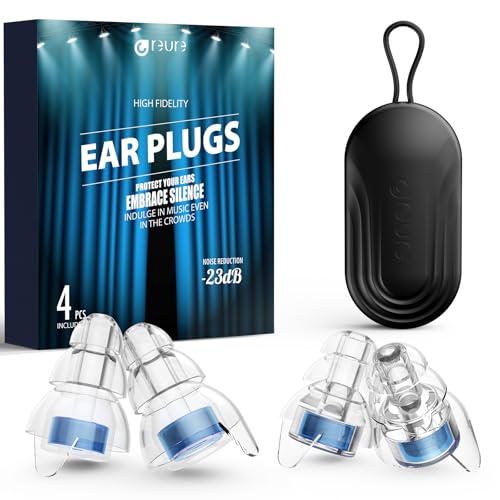
At nearly half the cost of some competitors, Reure punches above its weight with 23 dB of noise reduction and true high-fidelity filtering. These aren’t foam drugstore disposables, they let through balanced audio, making them usable not just for concerts but for riding, where missing key auditory cues can be dangerous. Owners praise how clearly they hear engines and traffic, even with significant noise dampening.
They come with two pairs of tips for fit tuning, which helps compensate for natural ear variation, though a few reviewers noted the stem design protrudes slightly more than ideal under certain helmets. The compact, attachable case is a thoughtful touch for riders always on the move. Given the price, I’d call these the smart entry point for new riders dipping into proper hearing protection.
Video review
Softvox Motorcycle Ear Plugs 25dB
Strengths
- High noise reduction
- Secure silicone fit
- Durable carry case
Trade-offs
- Fit varies by ear shape
- Filter clarity not top-tier
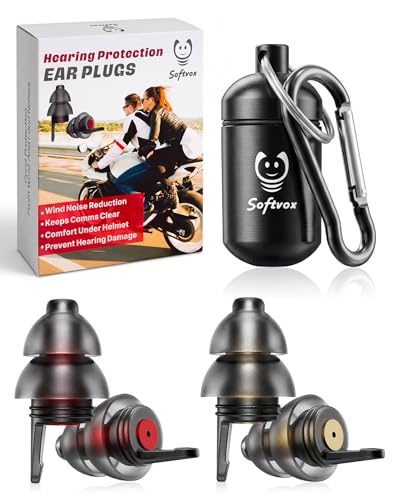
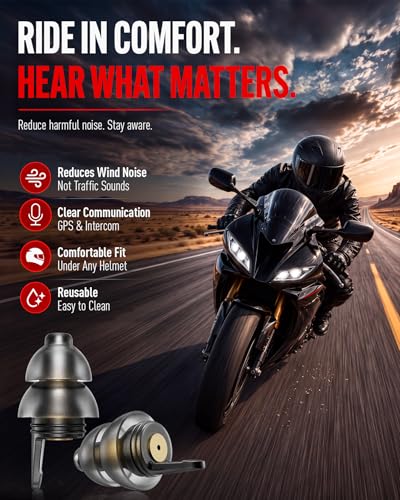
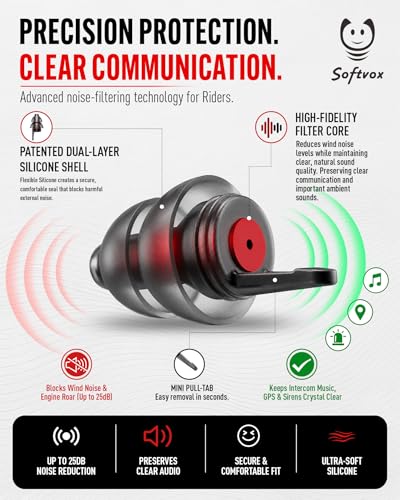
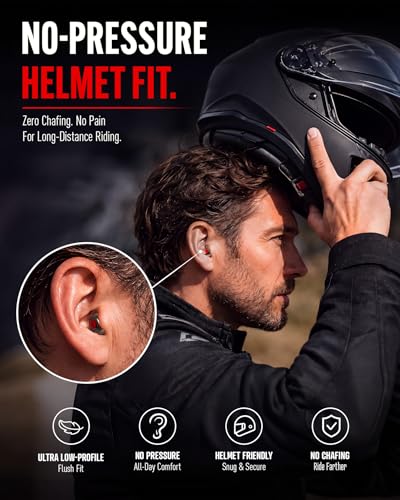
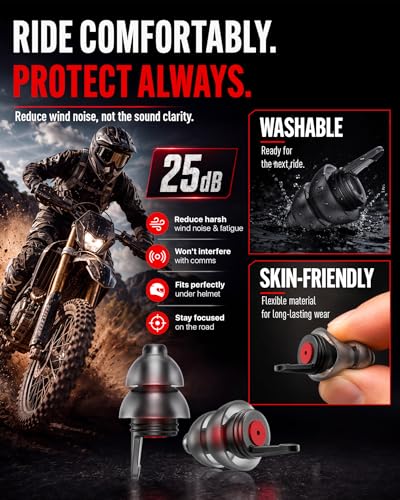
If you’re looking for bang-for-buck performance with solid engineering behind it, Softvox delivers. With up to 25 dB of noise reduction, these are among the strongest passive blockers in this group, ideal for riders regularly hitting high speeds where wind roar becomes fatiguing fast. The high-fidelity filter is a smart touch: it knocks down harmful decibels while letting through critical sounds like horns, sirens, or GPS prompts, which reviewers say enhances safety rather than hindering it.
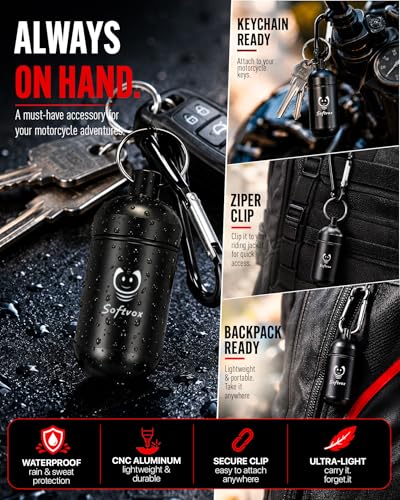
The soft silicone build conforms well and stays put, even during aggressive riding stances. I appreciate the inclusion of a waterproof aluminum case with carabiner, owners love clipping it to their gear bag or jacket zipper. While not quite as refined as premium models in fit consistency, especially across different ear shapes, they come remarkably close for the price.
Product photos
EarPeace Moto PRO Motorcycle Ear Plugs
Strengths
- Superior sound clarity
- Helmet-optimized shape
- Trusted by pros
Trade-offs
- Premium price
- Fixed filter only
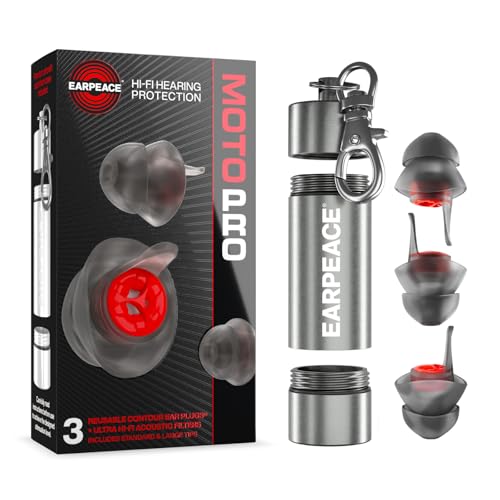
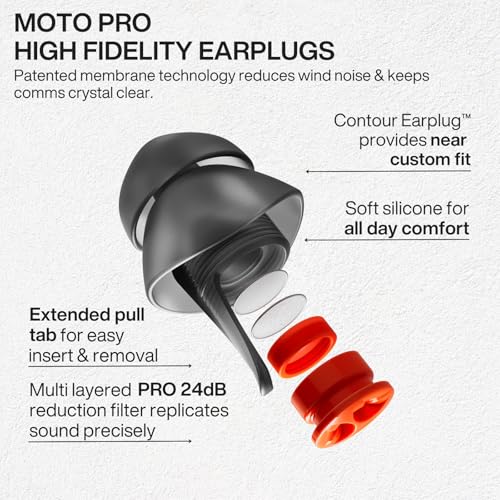
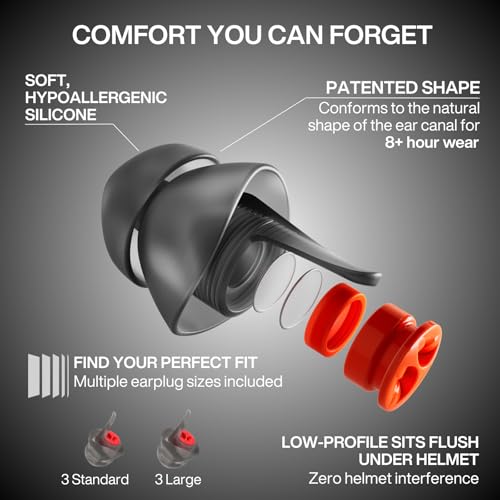
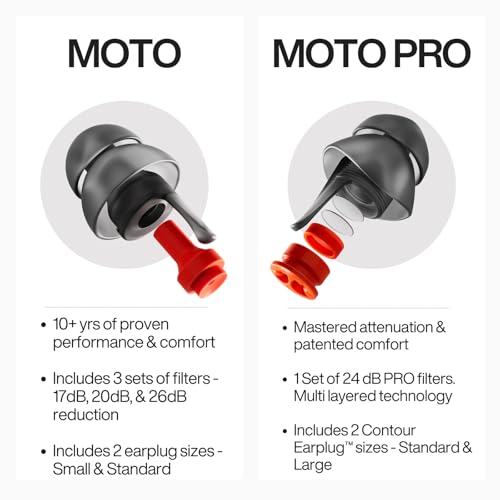
When it comes to purpose-built motorcycle ear protection, EarPeace Moto PRO feels like the gold standard on spec sheet and owner feedback alone. Offering up to 24 dB of noise reduction with a high-fidelity multi-layered filter, these don’t just block volume, they reshape it intelligently. Riders consistently report being able to communicate with passengers, hear navigation alerts, and remain aware of emergency vehicles, all while shedding the exhausting drone of wind noise.
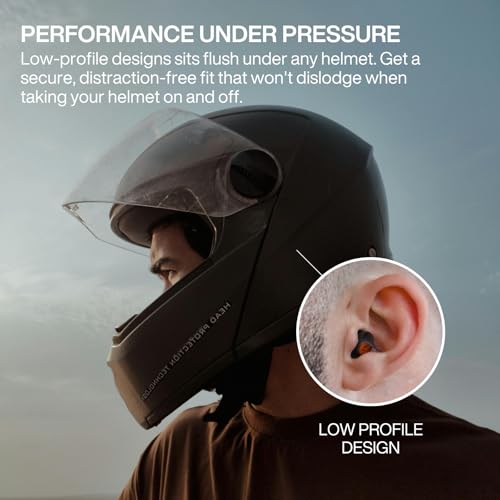
The contoured profile is engineered to avoid interference with helmet padding, and the medium/large sizing options improve fit across diverse ear anatomy. It’s trusted by pro racing teams and respected outlets like Motorcycle.com, which speaks volumes about real-world reliability. Yes, it’s the most expensive option here, but unlike fashion-forward plugs, this one earns its price through focused functionality.
Product photos

Alpine MotoSafe Tour Ear Plugs
Strengths
- Ultra-soft fit
- Helmet-friendly profile
- Hypoallergenic material
Trade-offs
- Moderate noise reduction
- No case with carabiner
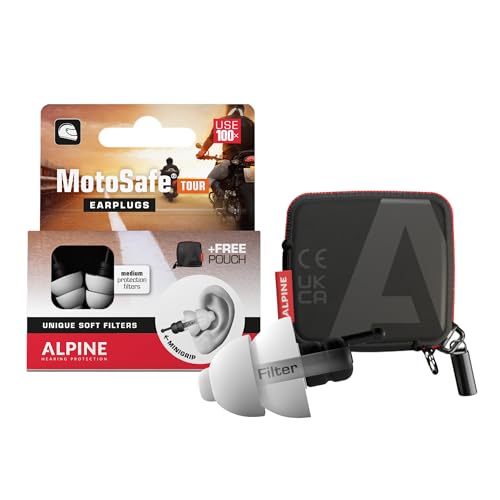
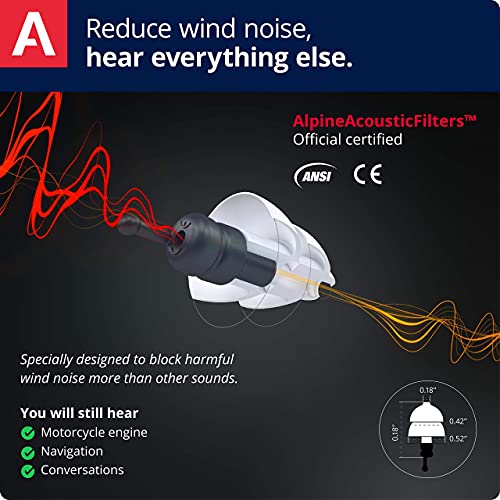
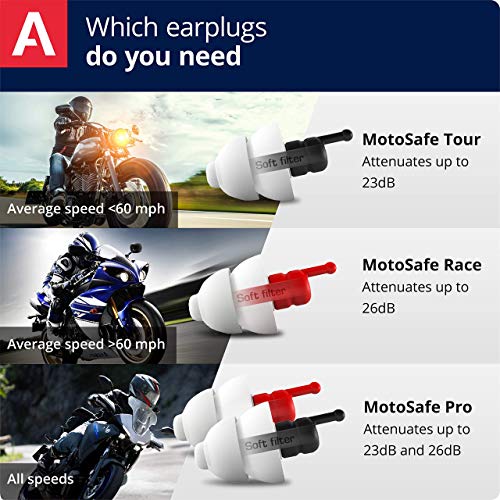
I’ve spent enough time around helmets and long rides to know that comfort is just as critical as noise reduction. The Alpine MotoSafe Tour plugs stand out because they’re built specifically with helmet pressure in mind, their ultra-soft, non-silicone material doesn’t fight back when your helmet squeezes down, which owners consistently report makes a real difference on multi-hour trips. On paper, 17 dB SNR isn’t the highest here, but it’s effective for wind noise without cutting out essential ambient cues like traffic or engine tone.
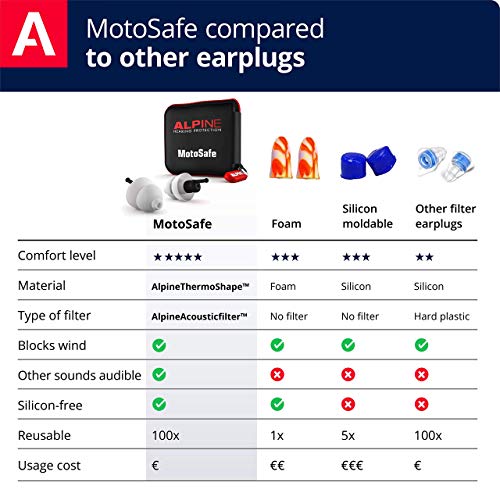
What impresses me is the patented AlpineThermoShape material, it molds gently to the ear canal without creating that ‘plugged’ feeling so many riders hate. Reviewers note they forget they’re wearing them, which is high praise in this category. Compared to bulkier silicone options, these sit lower in the ear, reducing use points under the helmet strap. That design focus gives them an edge over one-size-fits-all solutions.
Product photos
How We Picked These ear plugs for motorcycling
As someone who’s spent years immersed in the world of vehicles at TheAutoZenith, I approach gear selection with a focus on both performance and practicality. Rather than a hands-on lab test, this guide is a research-led comparison of published specifications and, crucially, owner feedback. I weighed features, noise reduction ratings (SNR and dB levels), materials, and fit considerations across numerous models to arrive at these recommendations. Expert reviews from motorcycle publications were also factored in, but ultimately, real-world rider experiences carried significant weight.
For motorcycling ear plugs, the most important factors are consistently effective noise reduction and sustained comfort under a helmet. High dB reduction is critical to prevent long-term hearing damage, but muffling can be dangerous, obscuring vital sounds like traffic and engine behavior. The ability to maintain sound clarity, particularly for situational awareness, became a key differentiator. Finally, a secure and comfortable fit, even on longer rides, is paramount; ill-fitting plugs will simply not be used.
Published specs reliably indicate the level of noise reduction a plug should offer, but owner reviews illuminate how well those numbers translate to real-world riding. I paid close attention to comments regarding sound quality, particularly whether riders reported a muffled or “cotton-like” experience. Reputation also mattered; brands consistently praised for quality and durability, and those recommended in discussions about noise reduction ear plugs, earned higher consideration. Conversely, I noted recurring complaints about discomfort or poor fit, and steered clear of options with a pattern of negative feedback regarding comfortable foam hearing protection.
Choosing The Right ear plugs for motorcycling
Choosing the right earplugs for motorcycling isn’t just about turning down the volume; it’s about preserving your hearing while staying connected to your machine and the road.
Effective earplugs for motorcycle riders prioritize consistent noise reduction across frequencies, avoiding the muffled sound common with foam alternatives. They should fit securely under a helmet without causing pressure points, be durable enough for repeated use, and offer a balance between protection and situational awareness. Look for options with certified noise reduction ratings (SNR or NRR) and materials designed for comfort during extended rides.
Noise Reduction & Clarity
The decibel reduction (dB) rating is a starting point, but don’t fixate on the highest number. A plug that simply blocks all sound creates fatigue and reduces your awareness of traffic. Instead, look for “high-fidelity” earplugs designed to lower volume evenly across the frequency spectrum. The Softvox Motorcycle Ear Plugs 25dB, for example, specifically target wind noise while maintaining audibility of engine sounds and communication systems – a crucial safety feature. Many riders find that 17-24dB provides a good balance, but your ideal level depends on your bike, riding style, and sensitivity to noise.
Fit & Comfort
A secure and comfortable fit is paramount. Ill-fitting earplugs will constantly work their way out, defeating the purpose and becoming a distraction. Many options, like the Loop Experience 2 Ear Plugs, come with multiple ear tip sizes to customize the fit. Finding the right size isn’t just about comfort; it directly impacts noise reduction effectiveness.
Here’s what to consider when it comes to fit: * A quick check: Ensure the plug fills the ear canal without protruding excessively. * Material matters: Silicone is generally more comfortable for long rides than harder plastics. * Long-term usability: Consider the Alpine MotoSafe Tour Ear Plugs’ mini-grip feature for easy removal, especially helpful during quick stops.
Value & Durability
Motorcycling is an investment, and your hearing protection should be too. While budget-friendly options exist, like the Reure High Fidelity Concert Ear Plugs, prioritizing quality materials and construction will pay off in the long run. Seek out durable riding ear plugs that are reusable and easy to clean.
A good rule of thumb is to replace your earplugs every six months, or sooner if they show signs of wear and tear. Even high-quality silicone can degrade over time, reducing their effectiveness.
I’ve seen many riders compromise on hearing protection only to regret it later. Investing in a quality set of motorcycle ear plugs is a small price to pay for years of safe and enjoyable riding. Don’t underestimate the importance of protecting your hearing – it’s a sense you can’t easily get back.
Ear Plugs for Motorcycling Compared
This table provides a spec-by-spec comparison of ear plugs designed for motorcycle use.
| Product Title | Noise Reduction (dB) | Best For | Material | Included Case | Ear Tip Sizes |
|---|---|---|---|---|---|
| Loop Experience 2 Ear Plugs | 17 | Best Overall | Silicone | Keychain | XS, S, M, L |
| Reure High Fidelity Concert Ear Plugs | 23 | Best Budget Friendly | Silicone | Compact | 2 Pairs (Sizes Vary) |
| Softvox Motorcycle Ear Plugs 25dB | 25 | Best Value Wind Noise | Silicone | Aluminum | N/A |
| EarPeace Moto PRO Motorcycle Ear Plugs | 24 | Best for Clarity | N/A | Aluminum | M, L |
| Alpine MotoSafe Tour Ear Plugs | 17 | Best Comfort Under Helmet | AlpineThermoShape | N/A | N/A |
Frequently Asked Questions
What dB level of ear plug is best for motorcycle riding?
Around 17-24dB generally strikes a good balance for most riders, but the ideal level depends on your motorcycle, riding style, and personal sensitivity. Higher dB reduction isn’t always better, as it can muffle crucial sounds; consider options designed for reducing motorcycle wind noise.
Are foam earplugs suitable for long motorcycle trips?
While affordable, foam earplugs often compress and lose effectiveness over time, and can create a muffled sound that’s fatiguing on longer rides. Silicone or specialized motorcycle earplugs maintain a more consistent seal and offer better sound clarity.
How do I know if my earplugs fit properly?
A proper fit means the earplug fills the ear canal completely without protruding excessively. You should feel a secure seal, but no pressure or discomfort. Many options, like the Loop Experience 2, include multiple tip sizes to help you achieve this.
What’s the difference between SNR and NRR ratings?
Both Single Number Rating (SNR) and Noise Reduction Rating (NRR) measure noise reduction, but they use different testing methods. SNR is a European standard, while NRR is common in the US; generally, subtract 2dB from an NRR rating to approximate its SNR equivalent for comparison purposes.
Beyond earplugs, what other options exist for motorcycle hearing protection?
While earplugs are the most common choice, some riders prefer motorcycle ear protection in the form of earmuffs, particularly for very loud bikes or extended highway travel. However, earmuffs can be bulky and may not fit comfortably under all helmets.
What Actually Matters
Ultimately, choosing earplugs comes down to balancing protection with practicality. You can chase the highest decibel reduction numbers, but that often results in a muffled experience that can be dangerous. For a blend of effective noise reduction and clarity, I consistently recommend the Loop Experience 2 Ear Plugs; they strike a remarkable balance and consistently receive high marks from riders.
If you’re on a tighter budget, the Reure High Fidelity Concert Ear Plugs deliver impressive value. And for those prioritizing wind noise reduction specifically, the Softvox Motorcycle Ear Plugs 25dB are a strong contender. But remember, truly essential gear for riders isn’t about chasing the latest specs.
More than any dB rating or material, the key is consistent use. Finding a pair that feels right – comfortable enough to wear on every ride – is the most important factor. Prioritize a secure fit, and remember that protecting your hearing on motorcycles is a long-term investment in your enjoyment of the road. Don’t skimp on motorcycle hearing protection.
