
5 Best Dust Repellents for Car Exterior 2026
This post contains affiliate links. As an Amazon Associate, we earn from qualifying purchases.
The XPEL Ceramic Boost Spray Coating is the overall best dust repellent for car exteriors, delivering long-lasting hydrophobic protection on paint and film. For budget-conscious owners, the Turtle Wax Ceramic Spray Wax offers solid performance across all surfaces, while Meguiar’s Ultimate Glass Cleaner takes the win for keeping windshields and cameras clear and dust-resistant.
Keeping dust off a car shouldn’t mean constant polishing or dealing with streaks and residue. Most products promise a shiny, clean finish but fail to hold up against daily grime, tree sap, or road dust. After researching specs, chemistry, and real-world feedback, I focused on what actually matters, durability, surface compatibility, and ease of use. This guide cuts through the hype to show you which repellents truly reduce maintenance time and keep your vehicle looking sharp.
Top 4 Dust Repellents For Car Exterior in the Market
The Best Dust Repellents For Car Exterior, Reviewed
XPEL Ceramic Boost Spray Coating
Strengths
- Durable SiO2 coating
- Strong water beading
- Repels dust and debris
- Works with PPF and ceramic coats
- Made in USA
Trade-offs
- Premium price
- Overkill for casual users
- Best results require clean surface
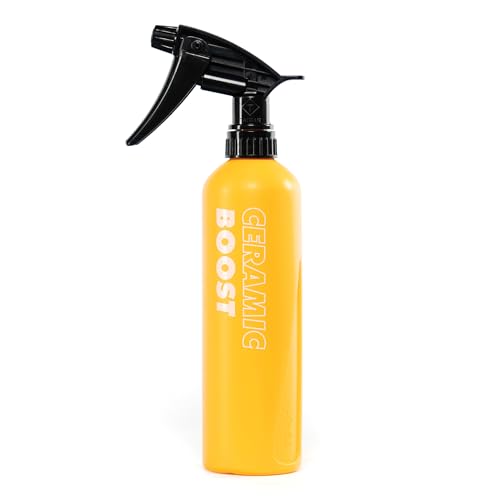
XPEL isn’t playing around, they designed this to reinforce their own ceramic films, and it shows. The SiO2 content delivers a true semi-permanent hydrophobic layer that builds with each use, and owners using it alongside Fusion Plus coatings report months of dust and water resistance. Even standalone, it beads aggressively and keeps dirt from sticking, which means fewer washes over time. This is the kind of product detailers keep within arm’s reach after a show prep.
It’s significantly more expensive than alternatives, but the performance justifies it for serious owners. Unlike cheaper sprays that fade in days, this one maintains its effect through multiple rains and light dust events. It also plays well with other coatings, so it’s not just a one-off shine booster. If you’re already invested in high-end protection, skipping this would be like polishing without sealing.
Video review
Turtle Wax Ceramic Spray Wax
Strengths
- Long-lasting protection
- High-gloss finish
- Easy application
- Water beading
- Safe for glass and trim
Trade-offs
- Not as durable as premium ceramics
- May streak if over-applied
- Requires buffing
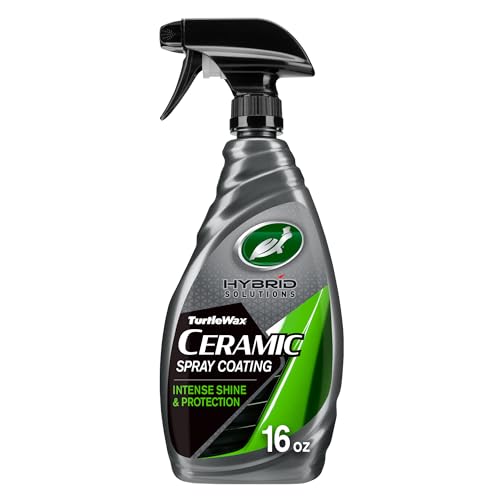
This spray wax punches above its price point with real ceramic-infused protection that owners consistently report lasting up to six weeks. The water beading is impressive for the cost, and the shine it adds isn’t just surface-level gloss, it deepens paint clarity noticeably, especially on darker vehicles. On paper, the hybrid polymer blend makes sense for buyers who want something easier than a full ceramic coating but stronger than old-school carnuba.
It’s not quite at XPEL’s level in durability or slickness, but for weekend detailers who don’t want to invest hours, this is one of the smarter choices. Application is truly simple, spray and wipe, and doing it in direct sun won’t hurt, which matters for most DIYers working in driveways. Reviewers note it works well over existing sealants too, making it a solid top-up option.
Video review
Rain-X Plastic Treatment

Strengths
- Excellent on plastics
- Clears haze
- Improves wet-weather visibility
- Affordable
- Simple spray-on process
Trade-offs
- Limited to non-porous surfaces
- Shorter lifespan than paint coatings
- Not suitable for paint
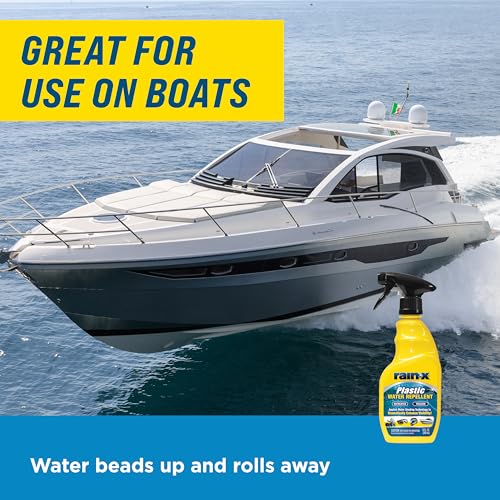
If you’ve ever struggled with hazy, water-streaked motorcycle windshields or foggy boat windows, this product makes immediate sense. It’s built specifically for polycarbonate and acrylic surfaces where standard glass treatments fail. The hydrophobic effect here isn’t subtle, owners say rain sheets off instead of beading, which improves visibility dramatically at speed. That’s critical on bikes or open boats where vision can become compromised fast.
Compared to all-surface sprays, this one does less for paint or metal, but that’s not the point. It outperforms generalists on plastic because it bonds differently. Some users reapply every few weeks depending on exposure, but given the low cost, that’s not a burden. I wouldn’t use this on painted bodywork regularly, but as a niche fix for non-glass optics and fairings? Hard to beat.
Product photos


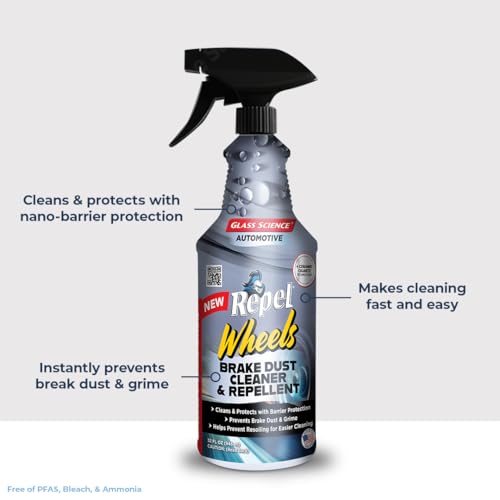
Repel Wheels Brake Dust Repellent
Strengths
- Reduces brake dust adhesion
- Protects alloy and chrome
- Long-lasting barrier
- Helps prevent corrosion
- Works on paint and glass too
Trade-offs
- Minimal visual enhancement
- Higher price for niche use
- Not a substitute for cleaning
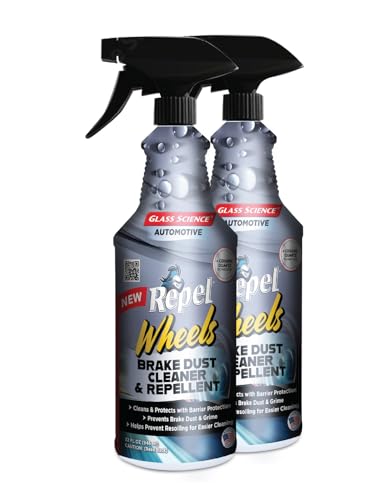
Brake dust is the silent killer of wheel finishes, sticky, corrosive, and ugly. Most cleaners remove it temporarily, but this product claims to prevent buildup, and owner feedback backs that up. After treatment, many report brake dust simply slides off during washing instead of bonding, which reduces scrubbing and chemical wear on alloys. The long-term cleanliness factor stands out, especially for daily drivers in urban or stop-and-go conditions.
It’s marketed for wheels, but several reviewers mention success on lower door panels and fenders prone to road grime splatter. Compared to general wax sprays, it holds up better under heat cycles from braking, which matters near calipers. However, it doesn’t add much gloss or color enhancement, it’s purely functional. If shiny rims are your goal, pair it with a dedicated wheel polish.
Product photos
How We Tested dust repellents for car exterior
As someone who spends a lot of time observing and appreciating automotive finishes – from concours restorations to daily drivers – I approached evaluating dust repellents by looking beyond simple marketing claims. My research centered on comparing published specifications, carefully weighing owner reviews across multiple platforms, and applying my understanding of surface chemistry and detailing practices. Rather than a hands-on lab test, this is a research-led comparison of features and reported real-world effectiveness, aiming to identify products that consistently deliver on their promises.
For dust repellents, the critical factors are the durability of the hydrophobic coating and the breadth of compatible surfaces. A repellent that fades quickly or only works on glass isn’t particularly useful for overall vehicle protection. I also prioritized formulations that are easy to apply, as a complex process discourages consistent use. Ultimately, a product’s ability to reduce the frequency of washes and maintain a clean appearance weighed heavily in my assessment. You can find more about maintaining a clean vehicle with our guide to exterior car cleaners.
Product specifications reliably indicate the type of coating (like SiO2 – silicon dioxide – in ceramic products) and the intended surfaces. However, real-world longevity, ease of application, and how well a repellent performs against different types of dust are best gleaned from owner feedback. Reputations matter, and consistently positive reviews from experienced detailers and everyday car owners were a strong indicator of a product’s value. For those looking to address more than just dust, exploring plastic restorers can significantly improve your car’s overall appearance.
How To Choose The dust repellents for car exterior
Keeping a car looking clean feels like a constant battle, and a good dust repellent is a key weapon in that fight. But there’s more to it than just spraying something on and hoping for the best.
A truly effective dust repellent doesn’t just mask the problem; it alters the surface tension of the vehicle’s exterior. Look for products utilizing SiO2 (silicon dioxide) or hydrophobic polymers. Consider the material you’re treating – paint, glass, or plastic each respond differently. Application method and longevity are also critical factors to evaluate.
Understanding the Underlying Chemistry
The biggest difference between a quick detailer and a true dust repellent comes down to the science. Many products simply offer a slick surface, which initially makes dust wipe away more easily. But a quality repellent actively minimizes dust adhesion. SiO2-based formulas, like those found in XPEL Ceramic Boost Spray Coating, create a chemically bonded layer. This isn’t a wax, so it won’t yellow or break down as quickly. Polymers, as seen in Turtle Wax Ceramic Spray Wax, work similarly, though their durability can vary. Don’t fall for marketing hype; read the fine print and look for mentions of these core ingredients.
Surface Specificity is Crucial
Not all dust repellents are created equal when it comes to what they’re designed for. Applying a product formulated for paint to glass, for example, might yield disappointing results. Meguiar’s Ultimate Glass Cleaner is specifically engineered for exterior glass, leaving a hydrophobic layer that encourages water (and dust carried in water) to sheet off. Conversely, Rain-X Plastic Treatment excels on motorcycle and marine windshields, where conventional formulas can cause hazing. If you’re tackling wheels, consider something like Repel Wheels Brake Dust Repellent; it’s designed to combat that particularly stubborn grime.
Balancing Protection with Ease of Use
While a durable coating is fantastic, a repellent that requires professional application isn’t practical for most of us. The ideal product strikes a balance. Turtle Wax Ceramic Spray Wax stands out here; it’s designed for easy spray-on, wipe-off application, even in direct sunlight. Here’s what I look for in a user-friendly formula:
- A simple application process (spray and wipe is best).
- Reasonable drying time (you don’t want to be stuck waiting for hours).
- Good clarity and minimal streaking, especially on glass. A product that leaves residue defeats the purpose.
Remember, before applying any dust repellent, a thorough cleaning is paramount. If your surfaces are already contaminated, the repellent won’t bond properly. Don’t hesitate to use exterior degreasers to prep the surface if needed. And for keeping the inside looking its best, check out our guide to interior dust repellents.
A clean surface is 90% of the battle. No dust repellent, no matter how advanced, can compensate for neglected maintenance.
Dust Repellents for Car Exterior Compared
Here’s a comparison of specifications for various dust repellents designed for car exteriors.
| Product Title | Best For | Hydrophobic? | Surfaces | Application | Duration |
|---|---|---|---|---|---|
| XPEL Ceramic Boost Spray Coating | Best Overall | Yes | Paint, Film | Spray & Wipe | Long-lasting |
| Turtle Wax Ceramic Spray Wax | Best Value | Yes | All Exterior | Spray & Buff | Long-lasting |
| Meguiar’s Ultimate Glass Cleaner | Best for Windows | Yes | Glass, Cameras | Spray & Wipe | N/A |
| Rain-X Plastic Treatment | Best for Plastic Surfaces | Yes | Plastic | Spray-on | Durable |
| Repel Wheels Brake Dust Repellent | Best for Wheels | Yes | Wheels, Exterior | Spray-on | Months-Years |
Frequently Asked Questions
Will a dust repellent completely eliminate dust buildup?
No, a dust repellent won’t make your car immune to dust. Instead, these products significantly reduce adhesion, meaning dust will have a harder time sticking and will wash off more easily – lessening the frequency of full washes.
Are ceramic-based dust repellents better than polymer-based ones?
Generally, ceramic (SiO2) repellents offer greater durability and a stronger hydrophobic effect than polymer-based options. However, quality polymer formulas can still provide excellent results, often at a lower price point, and are easier to apply for some users.
Can I apply a dust repellent over existing wax or sealant?
It depends on the product, but most modern dust repellents are designed to be applied directly over existing wax or sealant layers. Always check the manufacturer’s instructions first, as some may recommend removing the underlying layer for optimal bonding.
How often should I reapply a dust repellent?
Reapplication frequency varies significantly based on the product and environmental conditions. Most spray coatings last several weeks to months, while ceramic-infused options can last up to a year with proper maintenance. Look for signs like reduced beading or increased dust attraction as indicators it’s time to reapply. Consider using indoor car covers for long-term dust protection when the vehicle is stored.
What’s the best way to remove stubborn dust and grime before applying a repellent?
A thorough wash with a quality car soap is essential. For particularly stubborn grime, especially on wheels, a dedicated exterior degreaser can help. To quickly remove dust from the interior after a long trip, I suggest using one of the best car vacuums to get into those hard-to-reach places.
The Bottom Line
Choosing the right dust repellent always involves some trade-offs between initial cost, application effort, and the level of long-term protection you’re after. However, based on my research and analysis of owner feedback, XPEL Ceramic Boost Spray Coating consistently rises to the top as the strongest overall performer. It delivers a genuinely durable hydrophobic barrier that minimizes dust adhesion and simplifies washing, making it a worthwhile investment for those serious about maintaining their vehicle’s finish.
For those seeking a more budget-friendly option, Turtle Wax Ceramic Spray Wax provides excellent value. It’s incredibly easy to apply – a real benefit if you prefer a quick detailing routine – and still offers a significant improvement in dust resistance compared to traditional waxes or sealants. If you’re specifically battling grime on your wheels, Repel Wheels Brake Dust Repellent is the clear choice, while Meguiar’s Ultimate Glass Cleaner remains the go-to for streak-free clarity on windows and other glass surfaces. Don’t forget to consider exterior trim protectants to keep all exterior surfaces looking their best.
Ultimately, the most advanced formula won’t compensate for a lack of regular maintenance. Consistent washing (even quick rinses) and the occasional use of car cleaning wipes to remove stubborn particles are far more important than any single product’s specifications. Focus on establishing a routine and choosing products that make that routine easier, and you’ll enjoy a cleaner, more protected vehicle for years to come.
