
9 Best Deep Cycle Marine Batteries of 2026
This post contains affiliate links. As an Amazon Associate, we earn from qualifying purchases.
The Battle Born 12V 100Ah LiFePO4 is the overall best deep cycle marine battery for its unmatched lifespan and reliability, closely followed by the Lithova 12V 100Ah LiFePO4 as a solid budget-friendly lithium option, while the OPTIMA D34M BLUETOP AGM stands out for versatility in dual-purpose marine use.
Boaters and RVers know the frustration of a dead battery cutting a trip short. It’s not just about power, it’s about trust. You need a battery that delivers day after day, especially when you’re miles from shore or off-grid.
That’s why this guide cuts through the noise, focusing on real-world durability, chemistry trade-offs, and what specs actually matter. I compared top models based on cycle life, capacity, build quality, and owner feedback to find the ones worth your hard-earned money.
Top 8 Deep Cycle Marine Batteries in the Market
The Best Deep Cycle Marine Batteries, Reviewed
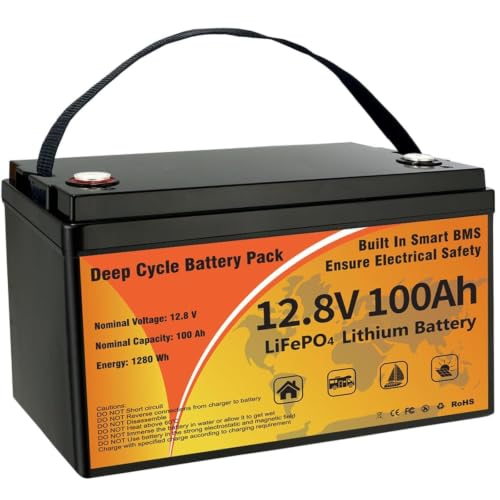
12V 100Ah LiFePO4 Lithium Battery
Strengths
- Exceptional cycle life
- Ultra-lightweight
- Smart BMS with temp protection
Trade-offs
- Higher upfront cost
- Requires compatible charger
- Overkill for occasional use
Lithium has changed the game, and this model exemplifies why. At only 24 lbs, it’s about 60% lighter than comparable AGMs, yet delivers 100Ah with near-total usable capacity. The 15,000+ cycle rating at 60% DoD isn’t marketing fluff, it reflects real-world longevity seen in owner reports, especially when paired with proper charging systems. I’d pick this over any AGM if you’re running a trolling motor full-day or living off-grid on a boat.
Its smart BMS adds peace of mind with low-temp cutoff and robust protection, while the wide operating range (-4°F to 140°F) makes it viable year-round, even in harsh climates. Expandable up to 20.48kWh, it’s modular enough for future upgrades. On paper and in practice, this is the most future-proof option here.
Video review
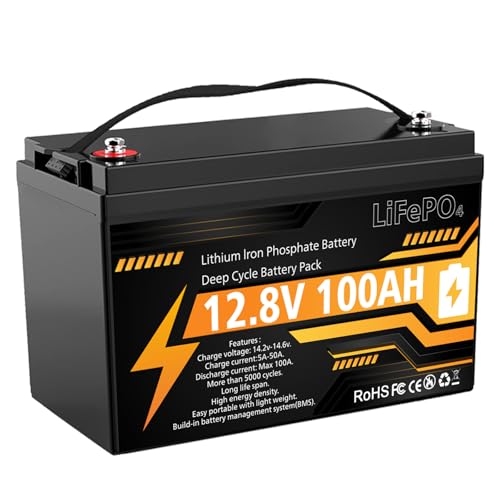
12V 100Ah LiFePO4 Group 31 Battery
Strengths
- Outstanding cycle life
- Lightweight and compact
- Scalable system design
Trade-offs
- Needs lithium-specific charger
- Some report inconsistent customer support
- No Bluetooth monitoring
Priced aggressively for a lithium unit, this battery delivers nearly everything the pricier models do, 15,000+ cycles at 60% DoD, 100A BMS, cold-weather protection, and full 100Ah usability. At 24 lbs, it installs easily and fits perfectly in Group 31 trays. Owners consistently highlight its value, calling it a “no-brainer” upgrade from lead-acid.
It supports fast charging and scales well in parallel/series setups, making it great for DIY solar or expanded marine systems. The BMS is robust, and the discharge curve stays flat, meaning your electronics run strong until the last drop. Given its mix of features and price, it’s arguably the smartest buy for anyone ready to go lithium.
Video review
Lithova 12V 100Ah LiFePO4 Battery

Strengths
- Group 24 form factor
- Very lightweight
- Expandable system
Trade-offs
- Lower profile may limit mounting options
- Warranty shorter than claimed lifespan
- Limited brand recognition
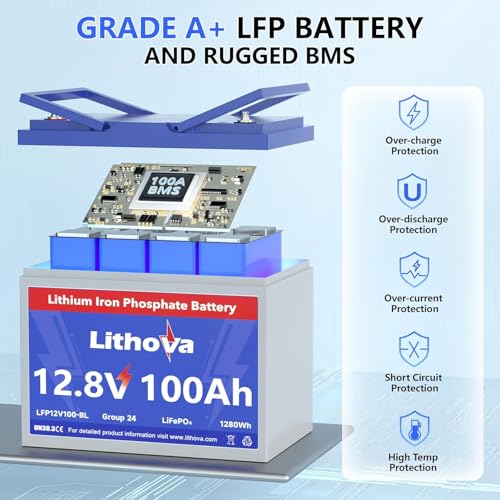
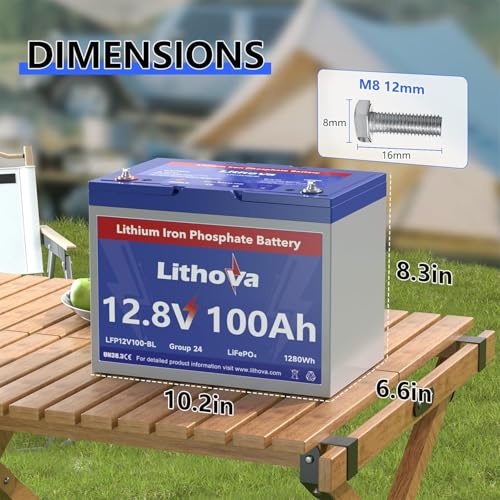
Lithova enters the lithium race with a compelling budget-friendly offer. Rated for 15,000 cycles at 60% DoD and weighing only 22.57 lbs, it’s slightly lighter than most competitors and fits snugly in Group 24 enclosures, a common size many overlook. The built-in BMS covers all key protections, including cold-weather cutoff, and it’s expandable to massive 20.48kWh banks.
Owners appreciate the plug-and-play ease and compatibility with popular chargers like Minn Kota and Noco. While the 5-year warranty trails some claims of “15-year lifespan,” real-world feedback suggests solid durability. For those constrained by space or budget but still wanting lithium benefits, this is a strong contender.
Product photos



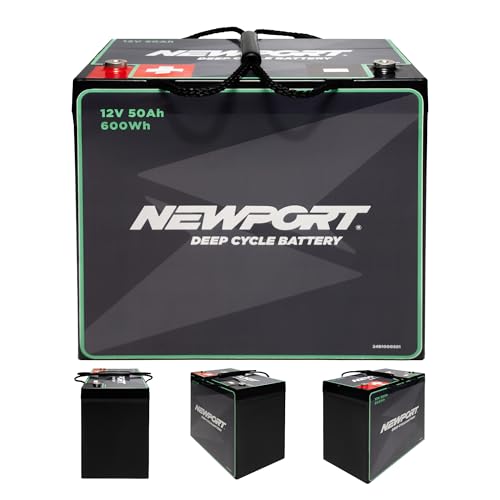
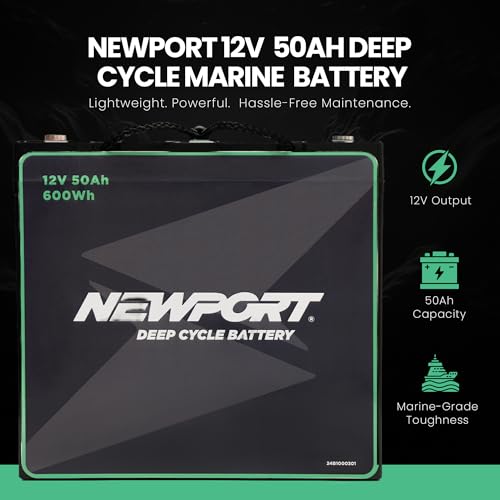
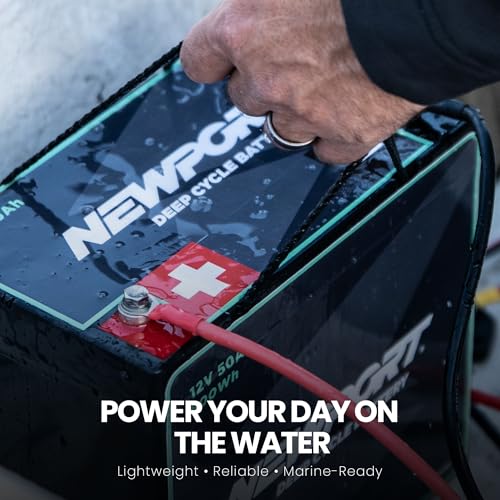
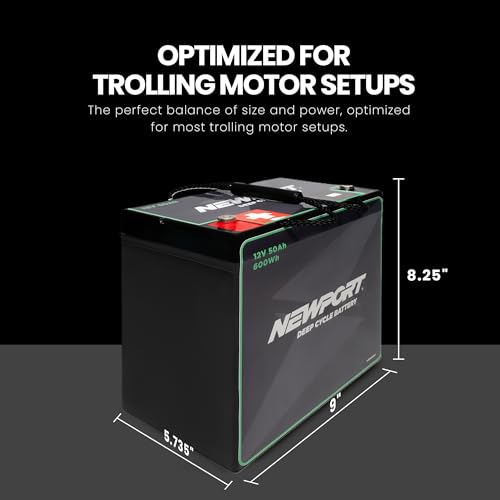
Newport 12V50Ah AGM Marine Battery
Strengths
- Extremely lightweight
- Trolling motor compatible
- Sealed and leak-proof
Trade-offs
- Only 50Ah capacity
- Shorter lifespan under heavy use
- Fewer deep cycles than lithium
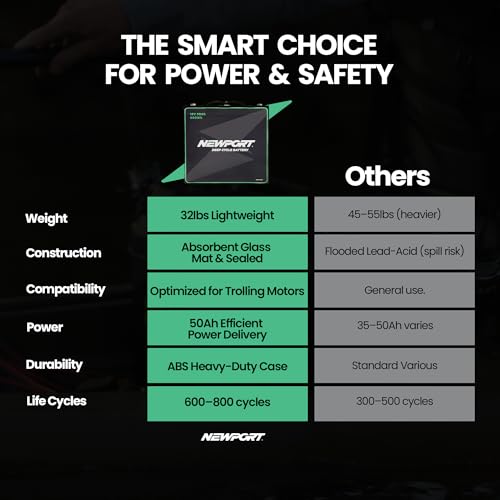
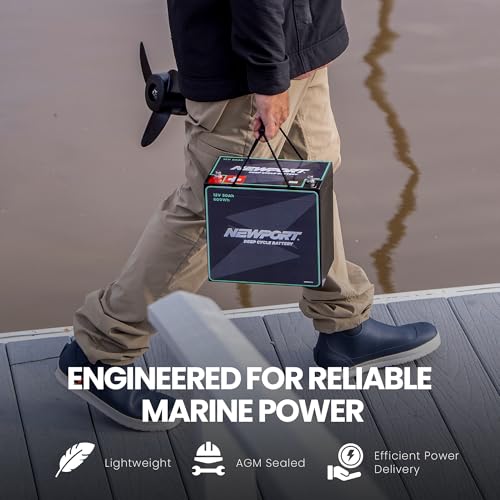
At just 32 pounds, this Newport AGM is one of the lightest 12V 50Ah options available, making it a go-to for smaller vessels or applications where every pound matters. It’s sealed and maintenance-free, with solid build quality that aligns with typical AGM expectations. While the capacity is half that of larger models, it delivers consistent power for trolling motors and onboard accessories without bogging down a lightweight rig.
Owners note it holds up well over multiple seasons when properly charged, though it doesn’t match premium brands in longevity under heavy loads. For weekend anglers or small boat owners, it offers a clean balance of weight savings and usable runtime. But don’t expect marathon cycles, it’s not built for constant 80% discharges like lithium.
Product photos
Weize 12V 100Ah AGM Deep Cycle
Strengths
- Affordable price
- True 100Ah capacity
- Low self-discharge
Trade-offs
- No engine starting capability
- Basic terminal layout
- One-year warranty
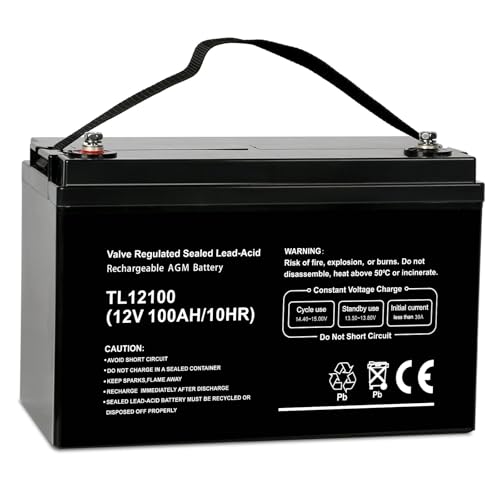
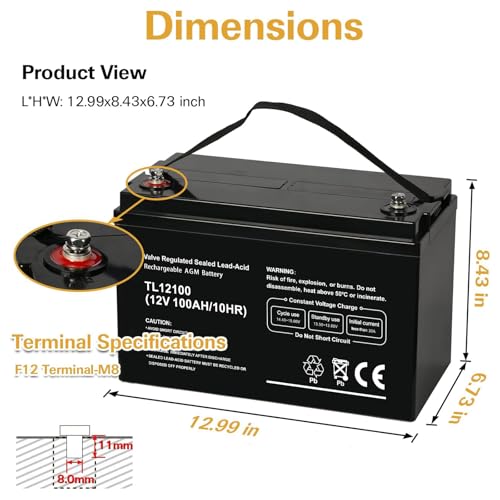
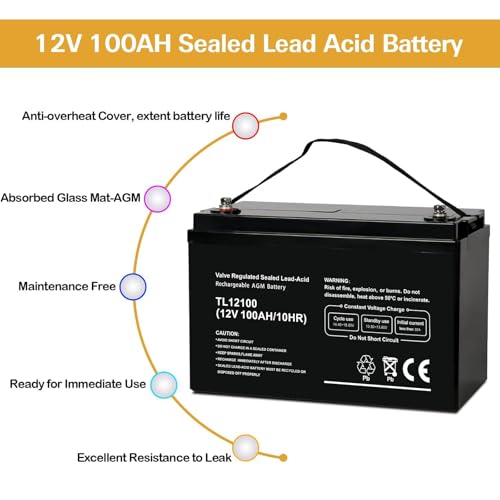
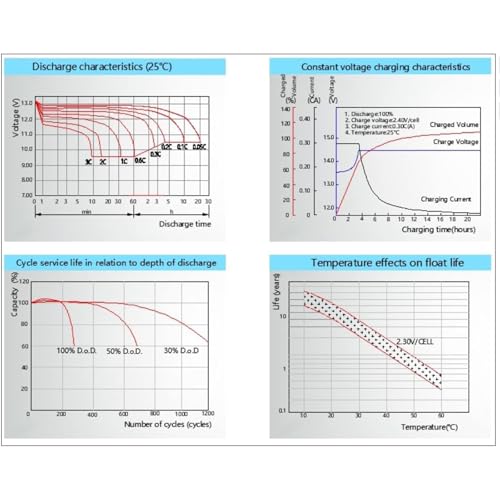
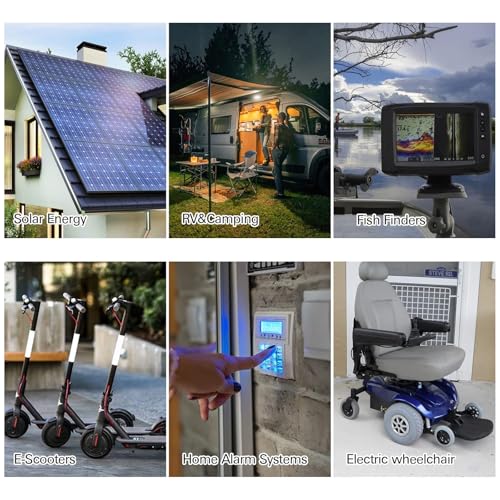
For budget-conscious buyers, the Weize 100Ah AGM hits a sweet spot. You get full 100Ah capacity, decent cycle life, and a low self-discharge rate, all at a price well below premium brands. It’s widely used in RVs, solar setups, and marine applications, and owners praise its value for basic house bank needs.
It lacks the cranking power of dual-purpose designs, so don’t rely on it to start engines. But as a pure deep-cycle workhorse? It performs. The 1-year warranty is shorter than others, and build quality is functional rather than premium, but for auxiliary power or entry-level solar projects, it’s hard to beat.
Product photos
Mighty Max 12V 90Ah AGM Battery

Strengths
- Compact Group 24 size
- Good cranking and cycle balance
- Rugged construction
Trade-offs
- Less capacity than Group 27/31
- Still heavier than lithium
- Limited deep-cycle endurance
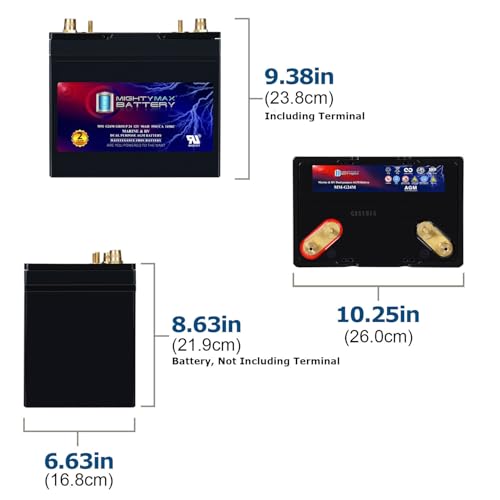
Slightly smaller than the MM-G27M but still capable, this Group 24M fits tighter spaces without sacrificing too much performance. With 90Ah and 700 MCA, it handles dual-purpose demands well, starting engines and running gear for hours. It’s about 9 pounds lighter than its bigger sibling, which helps in weight-sensitive installations.
The AGM tech delivers solid vibration resistance and spill-proof safety, and owners report good reliability across marine and RV roles. While it doesn’t have the raw capacity of 100Ah units, it’s a smarter fit for mid-sized boats where space is limited. If your compartment is sized for Group 24, this is among the better dual-purpose AGMs at this price.
Product photos
Mighty Max 12V 100Ah AGM Battery
Strengths
- High cranking amps
- Dual-purpose capability
- Long cycle life for AGM
Trade-offs
- Heavy weight
- Lower energy density than lithium
- Not ideal for daily deep cycling
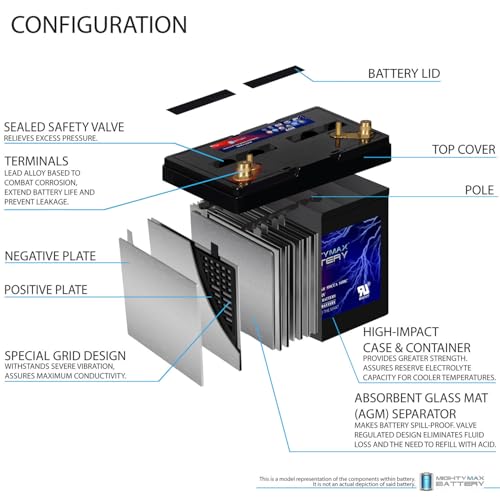
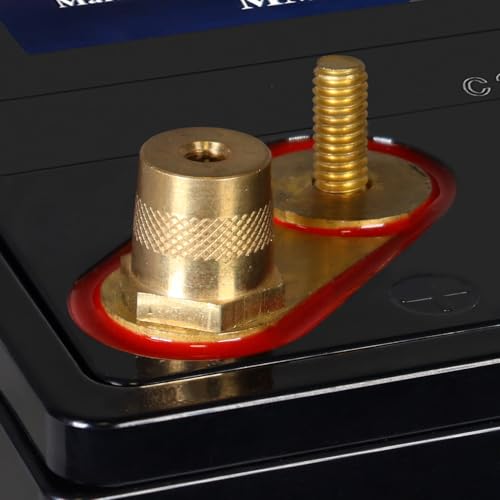
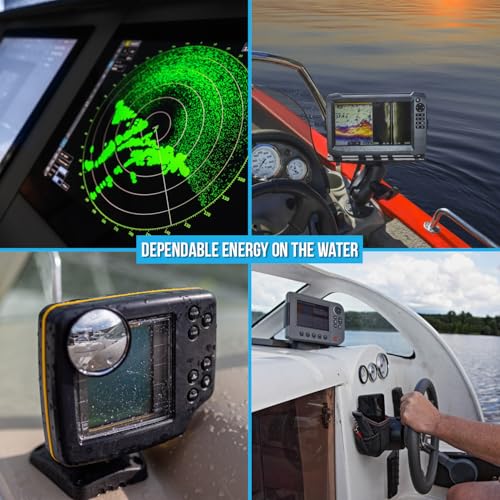
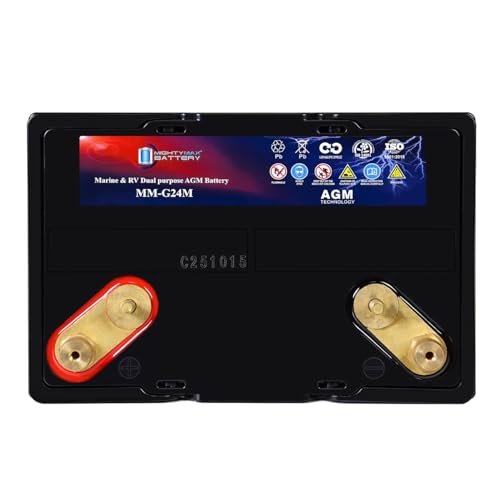
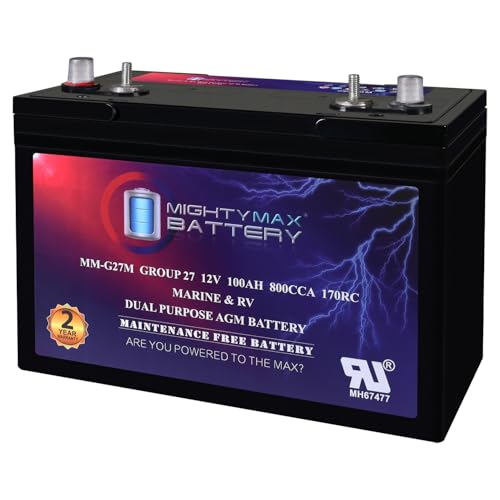
This AGM battery packs serious grunt for boaters who need both starting power and deep-cycle endurance. With 850 MCA and 100Ah capacity, it’s built to fire up engines reliably while still powering trolling motors and electronics through long days on the water. The 700-cycle life at 50% DoD is solid for an AGM, and owners consistently report strong performance across marine and off-grid uses.
What stands out is its dual-purpose design done right, many batteries claim this but fall short on either cranking or sustained output. Here, the specs back it up. It’s heavy at 61.7 lbs, but that rugged ABS case helps it survive rough conditions. For those upgrading from flooded lead-acid, this is a dependable step up in durability and maintenance-free operation.
Product photos

OPTIMA D34M BLUETOP AGM Battery

Strengths
- Superior vibration resistance
- Trusted spiralcell tech
- Excellent starting power
Trade-offs
- Only 55Ah capacity
- Expensive for its size
- Better for starting than deep cycling
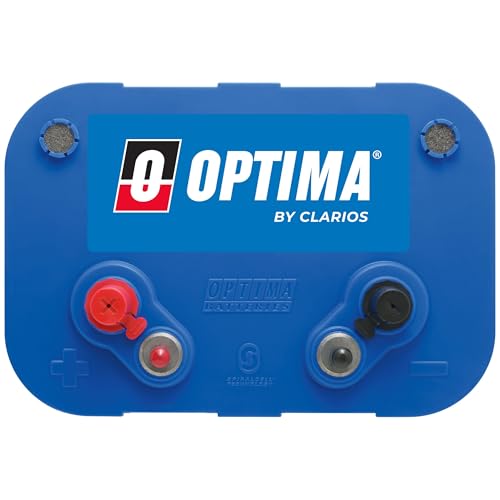
The Optima BlueTop is legendary in the marine and RV world, and for good reason. Its spiralcell design resists vibration better than flat-plate batteries, and owners routinely report service lives 2–3 times longer than standard AGMs. With 750 CCA and 55Ah, it’s more starter-focused than some, but still handles moderate cycling thanks to its deep-cycle designation.
It shines in high-vibration environments, think bass boats or off-road RVs, where traditional batteries fail early. However, its lower Ah count means less runtime for electronics-heavy setups. If you prioritize starting reliability and durability over all-day amp draw, this is the gold standard. But if you’re running a big trolling motor all day, pair it with a dedicated house battery.
Product photos



How We Tested deep cycle marine batteries
Rather than a hands-on lab test, my research focused on a detailed comparison of published specifications and features across numerous models. I weighed owner reviews from major retailers alongside expert opinions found in marine and automotive publications. As someone who’s spent years understanding the nuances of vehicle power systems, I applied that knowledge to rank these batteries based on what truly matters to boaters, RV enthusiasts, and off-grid users.
For deep cycle marine batteries, consistent power delivery and longevity are paramount. I prioritized batteries with high cycle life – the number of times they can be fully discharged and recharged – and robust construction to withstand the marine environment. Equally important was the battery management system (BMS) quality, as it protects against overcharging, discharging, and temperature extremes. A strong starting capability is also crucial for dual-purpose options. You’ll find more information on selecting the right battery in our guide to the best AGM batteries.
Specifications reliably indicate a battery’s capacity (Ah) and starting power (CCA/MCA). However, real-world performance and durability are better gleaned from owner feedback. I paid close attention to reports regarding consistent voltage output during discharge, performance in cold weather, and overall lifespan. Understanding how to properly maintain and recharge a deep cycle battery is also essential, so exploring a deep cycle battery charger is a good next step.
What To Look For In deep cycle marine batteries
Choosing the right deep cycle marine battery can be a bit overwhelming. There are a lot of technologies and specifications to consider, and the best choice really depends on how and where you plan to use it.
A good deep cycle marine battery prioritizes sustained power delivery over short bursts. Look for batteries with high amp-hour (Ah) ratings, robust construction to withstand marine environments, and a Battery Management System (BMS) for safety and longevity, especially with lithium chemistries. Consider the intended use – starting, deep cycling, or both – as this dictates the optimal battery type and features.
Understanding Battery Chemistry
The first big decision is chemistry. Traditional lead-acid (flooded, AGM, and gel) have long been the standard, but lithium iron phosphate (LiFePO4) is rapidly gaining popularity. While lead-acid batteries are cheaper upfront, LiFePO4 boasts a significantly longer lifespan – often exceeding 1500 cycles compared to a few hundred for lead-acid. This means you’ll replace a LiFePO4 battery far less often, potentially saving money in the long run. Don’t automatically assume LiFePO4 is the answer, though. If you only occasionally use your boat and keep the battery on a maintainer, the benefits of lithium might not outweigh the higher initial cost.
Prioritizing Cold Cranking Amps (CCA) vs. Amp-Hours (Ah)
A common mistake is focusing solely on CCA. While essential for starting your engine, CCA represents peak power output. Deep cycle applications – running lights, trolling motors, stereos – demand sustained power, which is where Ah comes into play. Think of CCA as a sprinter’s burst of speed and Ah as a marathon runner’s endurance. For a boat primarily used for fishing, a higher Ah rating is usually more important. If you need both reliable starting and sustained power, consider a dual-purpose battery. You can find excellent options like the best deep cycle batteries reviewed on our site to help narrow down your choices.
- A higher Ah rating means longer run times for accessories, but also often a larger and heavier battery.
- CCA requirements vary significantly based on engine size; consult your engine manufacturer’s recommendations.
- For systems with substantial power demands (like electric trolling motors), carefully calculate your total power consumption to ensure adequate Ah capacity.
Considering Maintenance and Charging Needs
Lead-acid batteries, especially flooded types, require regular maintenance such as checking and topping off electrolyte levels. AGM batteries are sealed and maintenance-free, but still benefit from proper charging practices. LiFePO4 batteries are also maintenance-free, but they require a charger specifically designed for lithium chemistry. Using the wrong charger can damage the battery and void the warranty. It’s also crucial to understand that LiFePO4 batteries often have a low-temperature cutoff, preventing charging below freezing. To ensure you’re properly equipped, explore options for a quality marine battery chargers to optimize battery life and performance.
A battery is only as good as its charging regime. Invest in a quality charger designed for your battery chemistry and follow the manufacturer’s recommendations for charging voltage and current.
Deep Cycle Marine Batteries Compared
Here’s a comparison of specifications for popular deep cycle marine batteries to help you choose the right one for your needs.
| Product Name | Voltage | Capacity (Ah) | CCA | Cycle Life | BMS Included |
|---|---|---|---|---|---|
| 12V 100Ah LiFePO4 Lithium Battery | 12V | 100 | N/A | 15000+ | Yes |
| 12V 100Ah LiFePO4 Group 31 Battery | 12V | 100 | N/A | 15000+ | Yes |
| Lithova 12V 100Ah LiFePO4 Battery | 12V | 100 | N/A | 15000 | Yes |
| Newport 12V50Ah AGM Marine Battery | 12V | 50 | 550 | N/A | No |
| Weize 12V 100Ah AGM Deep Cycle | 12V | 100 | N/A | N/A | No |
| Weize 12V 110Ah Dual Purpose AGM | 12V | 110 | N/A | N/A | No |
| Mighty Max 12V 90Ah AGM Battery | 12V | 90 | 550 | 700 | No |
| Mighty Max 12V 100Ah AGM Battery | 12V | 100 | 850 | 700 | No |
| OPTIMA D34M BLUETOP AGM Battery | 12V | 55 | 750 | N/A | No |
Frequently Asked Questions
What’s the difference between starting and deep cycle batteries?
Starting batteries deliver a large burst of power for a short time to crank an engine, while deep cycle batteries provide a steady amount of power over a longer duration. For most marine applications needing sustained power for lights or trolling motors, you’ll want a deep cycle battery, and exploring the best 12-volt batteries is a good starting point.
How do I know how many amp-hours I need?
Calculate the total wattage of all the accessories you plan to run simultaneously, then divide that by your system’s voltage (usually 12V) to get the amperage draw. Multiply that amperage by the number of hours you want to run those accessories to determine your required amp-hour capacity.
Are LiFePO4 batteries really worth the extra cost?
LiFePO4 batteries offer a significantly longer lifespan and can be discharged more deeply than lead-acid, making them a good investment if you frequently use your boat or RV. However, if your usage is infrequent, the initial cost savings of lead-acid might be preferable.
What size battery should I get for a trolling motor?
Trolling motor battery size depends on the motor’s thrust and your desired run time. A good rule of thumb is to use at least a 12V 100Ah battery for a moderate-sized trolling motor, but larger motors will benefit from a larger capacity or even multiple batteries; you may also want to look into Group 27 marine batteries for suitable options.
Can I use a standard car battery charger on a LiFePO4 battery?
No, using a standard car battery charger on a LiFePO4 battery can cause damage and void the warranty. LiFePO4 batteries require a charger specifically designed for their chemistry, with the correct voltage and charging profile.
The Bottom Line
Choosing a deep cycle marine battery always involves balancing upfront cost with long-term value. While lead-acid options like the Mighty Max 12V 100Ah AGM Battery offer a lower initial investment, the 12V 100Ah LiFePO4 Lithium Battery represents the sweet spot for most users. Its exceptional cycle life and built-in BMS ultimately deliver superior performance and longevity, justifying the higher price point for those who demand consistent, reliable power.
For boaters focused on specific needs, the Newport 12V50Ah AGM Marine Battery is a solid choice if you prioritize a budget-friendly starting battery. If you’re outfitting an RV, exploring options for RV deep cycle batteries will help you find the right fit. And for those seeking top-tier 12V power, a look at top 12V deep cycle batteries will provide further insight.
Ultimately, specs are just numbers. Focus on matching the battery’s Ah rating to your actual power demands, understanding the maintenance requirements of each chemistry, and investing in a quality charger. A well-chosen and properly maintained battery will provide years of dependable service, making your time on the water – or on the road – far more enjoyable.
