
4 Best Cycling Winter Boots of 2026
This post contains affiliate links. As an Amazon Associate, we earn from qualifying purchases.
The Lake MXZ400 is the best overall cycling winter boot for serious cold, combining serious insulation with true waterproofing and outstanding grip, while the NORTIV 8 stands out as a solid budget pick that still delivers core protection.
Riding through winter means facing wet, icy roads and frozen toes more often than not. Most boots claim to keep you warm, but too many fail when slush seeps in or the soles harden in subzero temps. After comparing the field, I focused on models that balance real waterproofing, breathable insulation, and soles that won’t slip on ice, because nothing kills a ride faster than numb feet or a fall at a crosswalk.
This guide covers the top performers based on specs, owner feedback, and how they’re built to handle freezing conditions. I looked closely at insulation type, waterproof membrane quality, sole rubber compounds, and fit systems that work with gloves, because when you’re out in the cold, every detail matters.
Top 4 Cycling Winter Boots in the Market
The Best Cycling Winter Boots, Reviewed
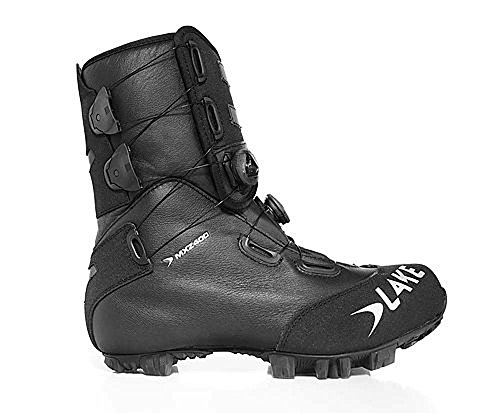
Lake MXZ400 Winter Cycling Boot
Strengths
- Dual BOA closure
- ICE LOCK outsole
- Extreme cold rated
Trade-offs
- High price
- Bulky off-bike
- Long break-in period
If you’re pushing into single-digit temperatures or riding in deep snow, this is the boot that steps up. The MXZ400 isn’t just an evolution of the MXZ304, it’s a purpose-built fortress. The double insulation, seam-taped bootie, and 6-layer footbed aren’t just on paper; reviewers in northern climates confirm it keeps feet functional even during long, static stops. The ICE LOCK lugs are a standout on ice, offering grip that few winter cycling boots match.
The dual BOA system is where it pulls ahead, having independent upper and lower adjustment means no heel slip and no pressure points, even with thick socks. It’s expensive, but the materials and construction justify it. Compared to the Terra ARTICA X2, this is in another performance class. For serious winter cyclists, this is the one to beat.
Video review
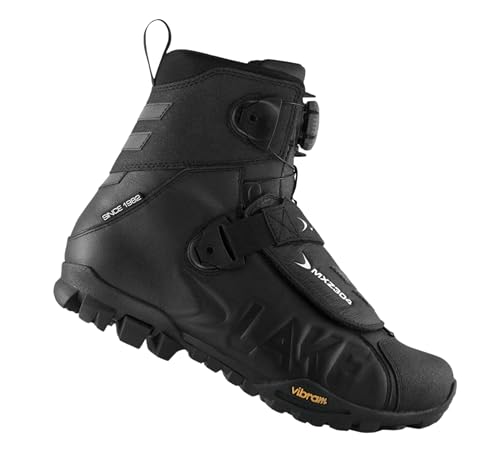
Lake MXZ304-X Winter Cycling Boot
Strengths
- Full-grain leather
- Thinsulate insulation
- BOA M4 dial
Trade-offs
- Limited extreme cold protection
- Heavier than rivals
- Less refined sole grip
This boot is built for riders who prioritize fit and long-term warmth over cutting-edge tech. The Winter Last shape is no gimmick, owners consistently report it accommodates wide feet and calf areas without sacrificing on-bike stiffness, which is rare in winter-specific models. The full-grain leather upper does its job well in wet conditions, and the Thinsulate lining keeps things dry and warm down into the low 20s Fahrenheit, assuming moderate activity.
Where it stands out is in practicality: the BOA dial is glove-friendly and holds tension even after repeated exposure to slush, and the insulated Thermosal insole adds real underfoot protection on frozen pedals. It’s not the warmest or most advanced option here, but for someone who rides regularly in cold, damp conditions and needs room for circulation, this is a dependable workhorse. I’d pick this over the MXZ400 if you don’t face extreme cold but want durability and comfort.
Video review
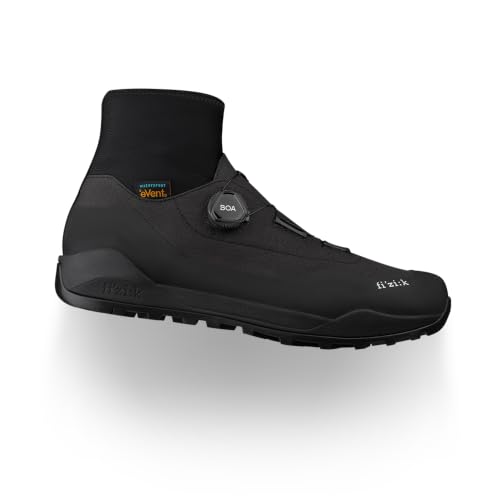
Terra ARTICA X2 Winter Cycling Shoe
Strengths
- Lightweight build
- X2 outsole grip
- Breathable membrane
Trade-offs
- Less insulation than Lake
- Shorter shaft height
- Durability questions in deep snow
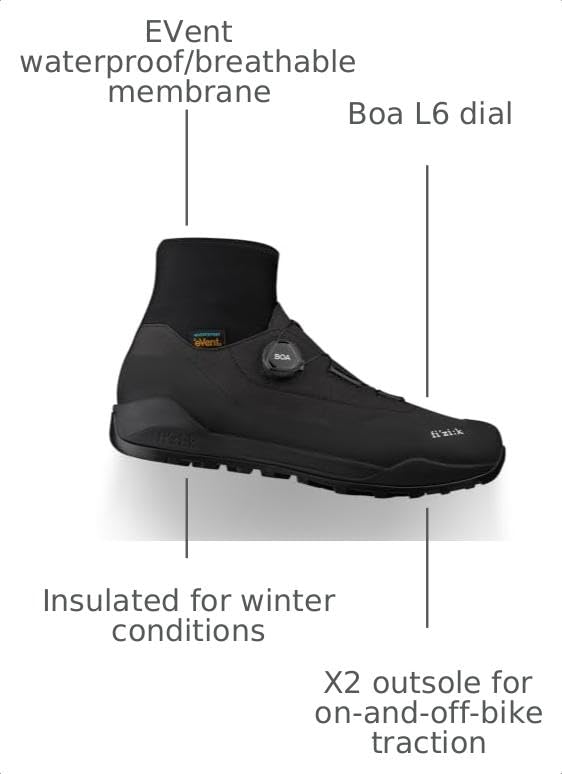
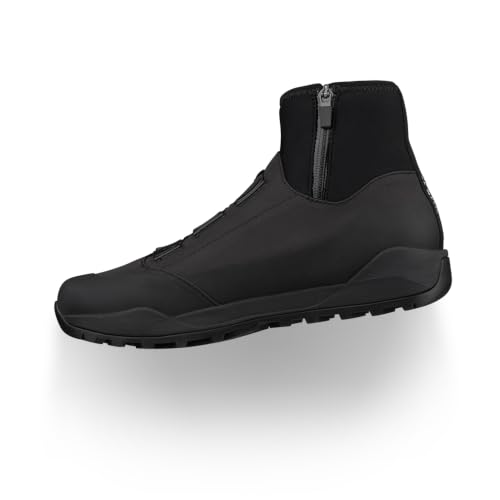
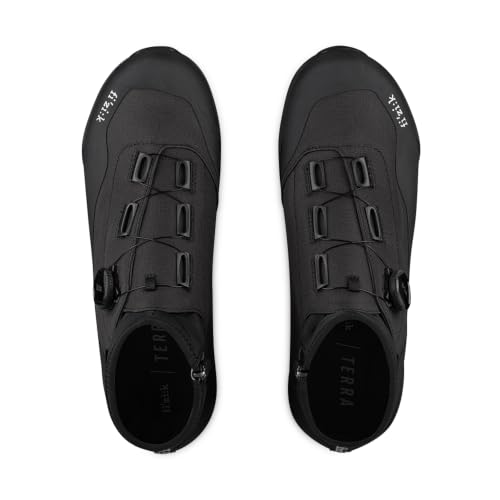
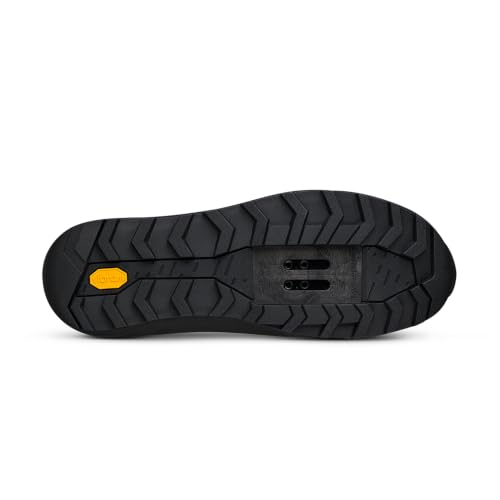
The Terra ARTICA X2 feels like a direct challenge to Lake’s dominance, offering a lighter, more breathable package with modern materials. The X2 outsole delivers impressive traction, and the event membrane keeps water out while allowing some breathability, which owners appreciate during high-output rides. The Boa L6 dial is robust, though not quite as glove-friendly as Lake’s over-molded version.
It doesn’t match the MXZ400 in deep cold, but for shoulder-season rides or variable conditions, it strikes a smart balance. The ripstop fabric is durable enough for most riders and shaves weight without sacrificing too much warmth. At this price, it’s a strong contender. I’d recommend this over the NORTIV 8 for cycling-specific performance, even if it costs more.
Product photos
NORTIV 8 Men’s Waterproof Snow Boot

Strengths
- Low cost
- Waterproof build
- Removable insole
Trade-offs
- Poor pedal efficiency
- Not cycling-specific
- Bulky fit with bike shoes
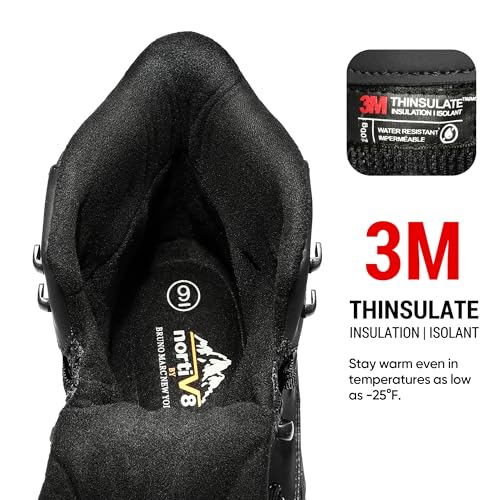
Let’s be clear, this isn’t a cycling boot. It’s a hiking boot marketed toward winter riders, and that shows in the design. The 200g insulation is decent on paper, and the rubber outsole is grippy, but the sole is far too flexible for efficient pedaling. Owners report foot fatigue on longer rides due to poor power transfer.
It’s waterproof, warm, and cheap, which explains its popularity. But the lack of a stiff midsole and proper cleat compatibility makes it a compromise at best. Compared to the Terra ARTICA X2, it’s heavier, less breathable, and not built for the bike. Still, if you’re on a budget and only ride occasionally in snow, it might get you through.
Product photos




How We Picked These cycling winter boots
Rather than a hands-on lab test, my research focused on comparing published specifications and features across several models. I weighed owner reviews from multiple sources alongside expert opinions found in cycling publications. As someone who appreciates the engineering behind any good machine, I applied my understanding of materials, construction, and how they impact performance in cold, wet conditions to rank these boots against clear criteria: warmth, waterproof capability, grip, and fit adjustability.
For cycling winter boots, warmth and waterproof protection are paramount. A boot that doesn’t keep your feet dry and insulated is simply unusable in harsh conditions. Beyond that, the ability to confidently grip pedals – and walk safely when off the bike – is crucial. I prioritized boots offering a blend of sole stiffness for efficient pedaling and aggressive tread for traction, knowing that many cyclists need to navigate icy or snowy paths.
Specifications are useful for understanding insulation levels (like Thinsulate weight) and waterproof membrane technology. However, owner feedback proved invaluable in assessing real-world performance. I paid close attention to comments regarding fit – especially regarding width – and long-term durability. Reputable expert reviews helped validate claims about waterproofing and breathability, while also highlighting nuances in sole performance. Don’t underestimate the need for winter cycling gloves to complete the cold-weather setup. Consider adding a layer of waterproof booties for cycling for added protection.
What To Look For In cycling winter boots
Finding the right winter cycling boots can make or break your rides when the temperature drops. It’s about more than just keeping your feet dry; it’s about maintaining circulation and comfort for hours in challenging conditions.
A quality winter cycling boot prioritizes insulation, waterproof construction, and a sole designed for traction on slick surfaces. Look for boots utilizing materials like Thinsulate, waterproof membranes (like Event or similar), and rubber compounds formulated for cold temperatures. Proper fit is also crucial, allowing room for thick socks without compromising pedaling efficiency.
Insulation and Temperature Regulation
The core function of a winter cycling boot is, naturally, keeping your feet warm. However, it’s not as simple as just throwing in a lot of insulation. Too much, and your feet can sweat, leading to dampness and actually increasing cold. I’ve seen riders make that mistake, and it’s miserable. Look for boots that employ a layered system, like the Lake MXZ400 with its combination of Thinsulate, a temperature-regulating lining, and a multi-layer footbed. This approach allows for breathability while still trapping heat. Consider the typical temperatures you’ll be riding in; 200g of insulation (like in the NORTIV 8) is sufficient for moderate cold, but truly frigid conditions demand more.
Fit and Closure Systems
A secure and comfortable fit is paramount. Winter boots are designed to be worn with thicker socks, so don’t just try them on with your regular cycling socks. You need room to wiggle your toes, but not so much that your foot slides around. A sloppy fit invites cold spots and reduces pedaling efficiency. Boa closures, as seen in the Lake MXZ304-X and Terra ARTICA X2, are excellent for on-the-fly adjustments, especially with gloves on. Here’s what I suggest when considering fit:
- Volume: If you have wider feet, specifically seek out models like the Lake MXZ304-X that are built on a “wide” last.
- Heel Hold: A secure heel is vital to prevent lift and blisters. Dual-dial Boa systems, or a combination of Boa and traditional laces, often provide the best heel retention.
- Sock Compatibility: Always try boots on with the socks you plan to wear. Merino wool is a fantastic choice, and layering can add extra warmth.
Don’t underestimate the importance of a snug fit. A loose boot is a cold boot, even with the best insulation.
Sole Construction and Traction
Don’t overlook the sole. Winter conditions often mean ice and snow, and a slick sole can lead to dangerous situations. A dedicated winter cycling boot will have a rubber compound formulated for cold temperatures (standard rubber hardens and loses grip when it gets cold). Look for aggressive lug patterns, and even features like ICE LOCK technology (found in the Lake MXZ400) that embed micro-glass fibers for enhanced grip. A 50/50 on/off-bike sole rating is a good compromise if you anticipate walking in your boots. Speaking of preparation, having the right winter cycling clothes is just as vital as the right footwear for staying comfortable and safe. If you’re serious about riding through the winter, investing in quality insulated cycling footwear is a smart move.
Cycling Winter Boots Compared
Here’s a specification comparison of several cycling winter boots to help you make an informed decision.
| Product Name | Insulation | Waterproofing | Closure System | Outsole | Best For |
|---|---|---|---|---|---|
| Lake MXZ400 | Thinsulate | Waterproof | Dual BOA | ICE LOCK | Best Overall |
| Lake MXZ304-X | Thinsulate | Water-Resistant | BOA M4 | Rubber Tread | Wide Feet |
| Terra ARTICA X2 | N/A | Event | BOA L6 | X2 | Best Value |
| NORTIV 8 | 200g | Waterproof | Zipper & Lace | Rubber | Best Budget |
Frequently Asked Questions
What level of waterproof protection should I expect from winter cycling boots?
True waterproof boots use membranes like Event or similar technologies, offering complete protection against rain and snow. Water-resistant boots will offer some protection, but are better suited for light moisture and may require pairing with waterproof socks for truly wet conditions.
How important is sole stiffness in a winter cycling boot?
A moderately stiff sole is crucial for efficient power transfer when pedaling, but full rigidity isn’t necessary. Many winter boots strike a balance, offering enough stiffness for cycling while still allowing for comfortable walking, especially if you need to push or carry your bike.
Are expensive boots always better for winter cycling?
Not necessarily. While higher-priced boots often feature advanced materials and construction, a well-made boot like the NORTIV 8 can provide excellent warmth and waterproofing at a more accessible price point. Consider your typical riding conditions and prioritize features accordingly.
Can I use standard cycling cleats with winter boots?
Most winter cycling boots are compatible with standard SPD (Shimano Pedaling Dynamics) cleats, allowing you to clip into your regular pedals. However, double-check the boot’s specifications to confirm cleat compatibility before purchasing, as some may require specific adapters. You can find more information on cycling shoes to help you understand cleat systems.
What other cold-weather winter cycling gear do I need alongside winter boots?
Beyond boots, focus on layering with moisture-wicking base layers, insulated jackets and pants, and waterproof outer shells. Don’t forget gloves, a hat or balaclava, and potentially face protection. Proper preparation with the right equipment is key to enjoying winter rides.
The Bottom Line
Choosing cycling winter boots often comes down to balancing outright performance with your budget and specific needs. If you want a boot that truly excels in all areas – warmth, waterproofing, grip, and adjustability – the Lake MXZ400 stands out as the strongest overall pick. It represents a significant investment, but the technology and build quality are impressive, and owner feedback consistently praises its performance in challenging conditions.
For those seeking value, or riders with wider feet, there are excellent alternatives. The Terra ARTICA X2 offers a compelling feature set at a more approachable price point, while the Lake MXZ304-X caters specifically to cyclists who require a wider fit without sacrificing quality. Don’t forget to pair your new boots with warm socks for cycling to maximize comfort and protection.
Ultimately, the best winter cycling boot is the one that keeps your feet warm, dry, and secure. Don’t get overly hung up on specific insulation numbers or fancy sole technology. Focus on a proper fit, reliable waterproofing, and a sole that inspires confidence on slick surfaces, and be sure to layer up with appropriate winter cycling jackets for a complete cold-weather riding setup.
