
7 Best Cycling Shoes for Road Bikes 2026
This post contains affiliate links. As an Amazon Associate, we earn from qualifying purchases.
The Fizik Vento Omna Wide Boa stands out as the best overall road cycling shoe, combining secure fit and thoughtful design for long rides. For those on a budget, the Shimano SH-RP101 delivers solid performance without breaking the bank, while the ROCKBROS CR5 excels in pure power transfer thanks to its stiff carbon sole.
Choosing the right road cycling shoes isn’t just about speed, it’s about connection. A poor fit or inefficient power transfer can turn an enjoyable ride into a lesson in discomfort. After years of exploring how machines and mechanics interact with human motion, I know that the right shoe should feel like a natural extension of your bike.
This guide cuts through the noise by focusing on what actually matters: sole stiffness, closure systems, and true fit. I researched each model based on specs, real-world feedback, and how well they serve different rider needs, from weekend enthusiasts to daily commuters.
Top 7 Cycling Shoes For Road Bikes in the Market
The Best Cycling Shoes For Road Bikes, Reviewed
Fizik Vento Omna Wide Boa

Strengths
- BOA precision fit
- High-volume forefoot room
- Responsive nylon outsole
Trade-offs
- Not ideal for narrow feet
- Limited walkability
The Fizik Vento Omna Wide stands out in the high-performance road shoe category by addressing a real gap, wider feet, without sacrificing race-ready stiffness or refinement. On paper, the R5 nylon outsole isn’t as stiff as full carbon, but owners consistently report it strikes a smart balance between power transfer and long-ride comfort, especially for riders who prioritize fit over absolute rigidity. The real win here is the BOA closure system paired with Fizik’s Infinito-inspired lace guides, which reviewers say eliminates pressure points across the instep, a common complaint with narrower high-end shoes.
For competitive riders with wider forefeet, this model feels like a tailored solution rather than a compromise. Compared to the Giro Cadet or even some Shimano flagships, the Omna Wide delivers a more accommodating fit straight out of the box. I’d pick this over similarly priced models if you’ve struggled with ball-of-foot tightness, though keep in mind it’s still a performance-oriented shoe, not a walking-friendly one.
Video review
Giro Cadet Men’s Road Shoe

Strengths
- BOA L6 micro-adjustability
- Stiff carbon composite outsole
- Excellent ventilation
Trade-offs
- Slightly heavier than rivals
- Fit may be too narrow for wide feet
Giro’s Cadet punches above its price point with a feature set usually reserved for more expensive models, starting with that BOA L6 dial. The 1mm micro-adjustments are a game-winner for fine-tuning fit on the fly, and owners love the instant release, especially after long rides when feet swell. The carbon composite outsole is stiffer than most in this range, translating to sharp power delivery that rivals shoes twice the cost. Synchwire upper construction keeps weight down while boosting breathability, and the reflective details are a thoughtful touch for early morning or urban riders.
It’s not the lightest shoe on the market, but for the blend of stiffness, adjustability, and durability, it’s hard to beat. Compared to the ROCKBROS CR5, the Cadet offers a more refined BOA experience and better heel retention. I’d recommend it over flashier options if you want reliability and a fit system that won’t degrade over time.
Video review
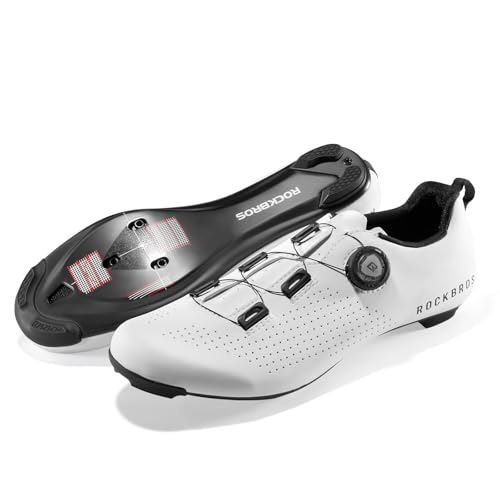
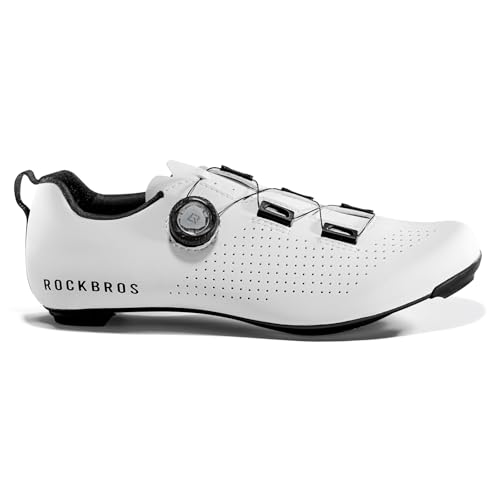
ROCKBROS CR5 Carbon Fiber Sole
Strengths
- Extreme power transfer
- T500 carbon sole
- Dual dial precision
Trade-offs
- Runs very small
- Tight fit out of box
- Average walkability
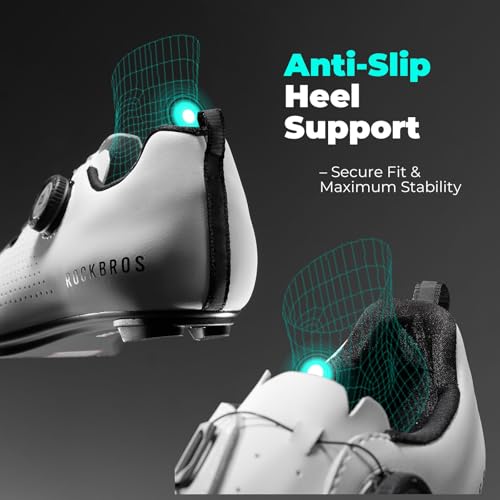
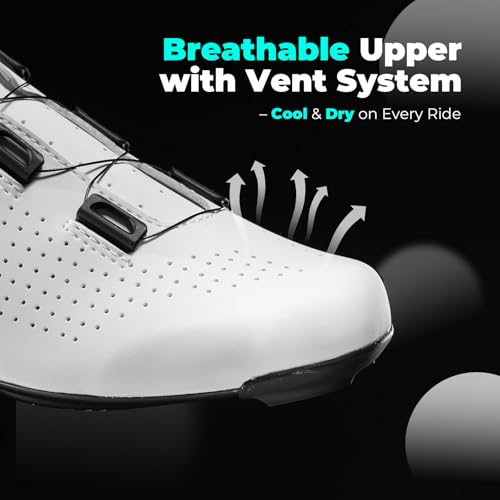
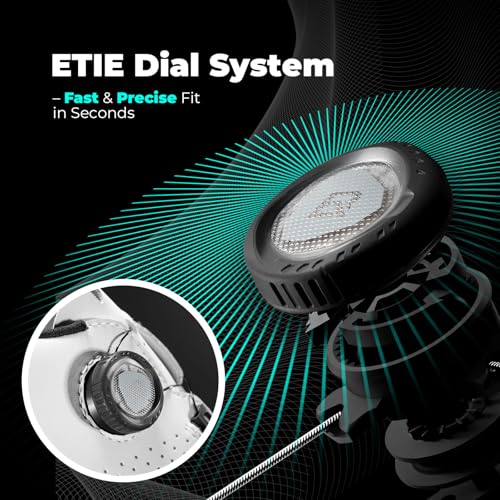
With a stiffness index of 10.0 and a T500 carbon fiber sole, the ROCKBROS CR5 is built for one thing: transferring every watt to the pedals. On paper, this is one of the stiffest options here, and owner feedback confirms it, riders report a direct, almost track-bike-like connection to the cranks. The dual ETIE dials offer solid micro-adjustment, though they don’t feel quite as smooth as BOA. Still, for the price, the power transfer is exceptional, making these a favorite among indoor cyclists and Peloton users chasing efficiency.
That said, the fit is aggressively snug, and multiple reviewers note sizing runs small, ordering up is almost mandatory for non-pro riders. Compared to the Shimano SH-RP101 or even the Giro Stylus, these are less forgiving. I’d pick the CR5 if you’re serious about performance and don’t mind a break-in period, but skip them if you plan to walk much or have wide feet.
Product photos

Giro Stylus Men’s Road Shoe

Strengths
- Balanced stiffness
- Triple strap adjustability
- Good ventilation and visibility
Trade-offs
- Not for wide feet
- Outsole less stiff than carbon
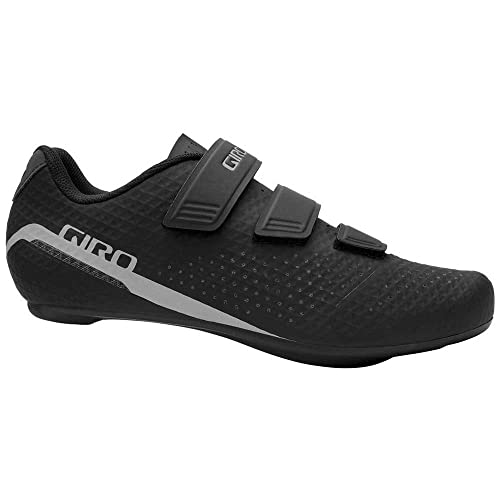
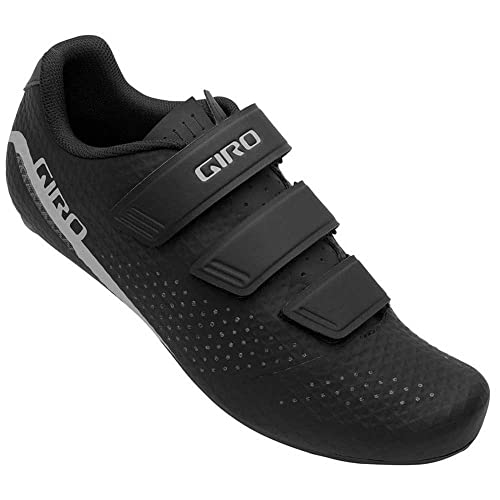
The Giro Stylus hits a sweet spot between performance and price, making it a strong contender in the mid-range bracket. The Synchwire upper is both lightweight and supportive, conforming well to the foot without hot spots, and the triple Velcro straps offer reliable, customizable tension. The nylon and glass fiber outsole isn’t as stiff as carbon, but at 60 N/mm, it’s plenty rigid for most non-competitive riders. Owners appreciate the laser-cut vents and reflective details, which add real-world usability.
Compared to the ROCKBROS CR5, it’s less aggressive but more comfortable for mixed-terrain or fitness-focused riding. And unlike the budget Peloton shoes, it feels like a proper road shoe with better heel lock and structure. I’d recommend the Stylus as the smarter buy for enthusiasts who want solid performance without the premium price or fussy fit.
Product photos
Shimano SH-RP101 All-Rounder
Strengths
- Dual cleat compatibility
- Durable synthetic build
- Affordable Shimano quality
Trade-offs
- Basic single-strap fit
- Less breathable than mesh-heavy models
- Limited adjustability
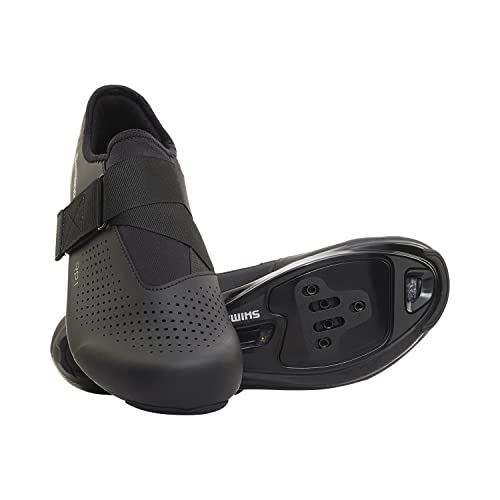
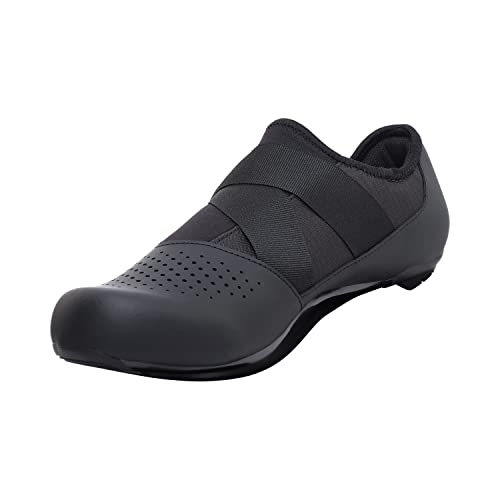
The SH-RP101 is Shimano’s no-nonsense answer to budget-conscious riders who still want real performance. At this price, the fiberglass-reinforced sole delivers surprisingly good power transfer, and the dual cleat compatibility (SPD and SPD-SL) makes it a flexible choice for mixed-use riders. The slip-on design with a single strap isn’t as precise as dials or multiple straps, but it’s simple and effective, especially for indoor cycling or casual road use.
Owners praise its durability, with the synthetic leather and mesh holding up well over time. Compared to the Unisex Peloton-compatible shoe at a similar price, the RP101 feels more structured and supportive. It’s not flashy, but it’s reliable. I’d recommend it as a starter shoe or second pair for riders who don’t want to compromise on Shimano’s proven outsole design.
Product photos


Shimano SH-RC102 Entry-Level
Strengths
- Excellent walkability
- Comfortable three-strap fit
- Good ventilation
Trade-offs
- Heavier than race-focused models
- Less aggressive power transfer
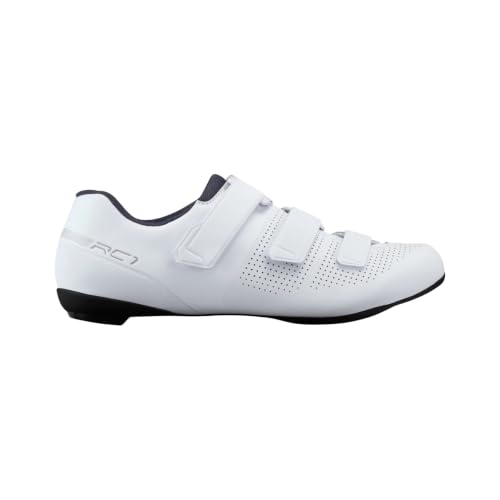
The SH-RC102 is a sleeper hit, Shimano took high-end design cues and packed them into an entry-level shell without gutting the comfort. The three-strap closure system gives excellent adjustability across the foot, and the synthetic leather upper with perforations actually breathes well, not just in theory. But the real standout is walkability: the wide heel pads make walking on pavement or gym floors far easier than most road shoes, which matters if you’re commuting or hitting spin class without a change of shoes.
Owners consistently report all-day comfort, even on longer rides, and the women-specific fit is a welcome upgrade over unisex models. Compared to the Giro Stylus, it’s slightly heavier but more comfortable off the bike. I’d pick this over stiffer, less forgiving models if you value versatility and ease of use.
Product photos

Kyedoo Unisex Road Cycling Shoes

Strengths
- Cleats included
- Very low price
- Breathable knit upper
Trade-offs
- Flexible, less efficient sole
- Generic fit, potential heel slip
- Not for long rides
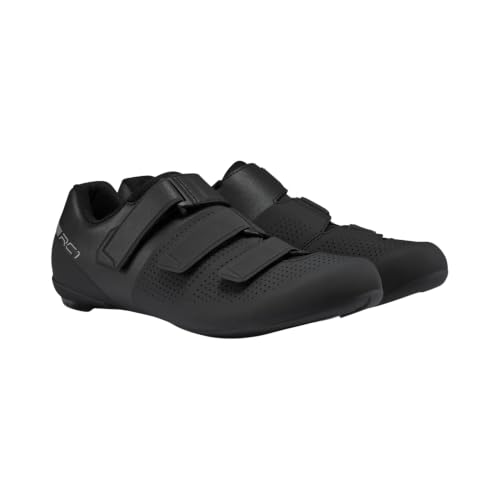
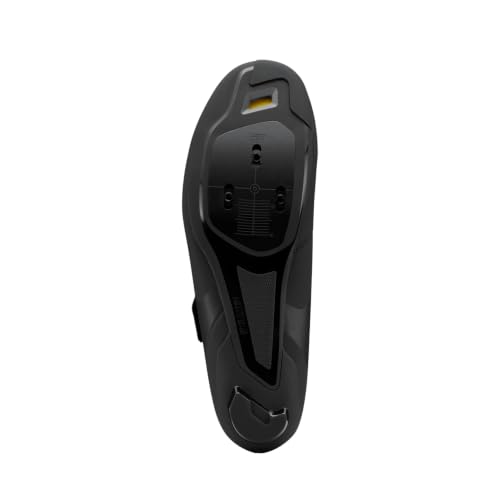
What makes this shoe stand out isn’t performance, it’s value. At under fifty bucks, you get a pair of cycling shoes with pre-installed Delta cleats, which saves both money and hassle for Peloton users or spin-class regulars. The knit mesh upper is breathable and lightweight, and the Velcro strap is straightforward to adjust. But don’t expect refinement: the carbon nylon outsole is functional but flexy, and the fit is generic, with some owners reporting heel slip.
Still, for first-timers or occasional riders, it’s a solid entry point. Compared to the Shimano RP101, it’s cheaper and cleat-ready, but less durable and less supportive. I’d recommend it only for low-intensity use, think spin class or short indoor rides, where peak efficiency isn’t the goal.
Product photos


Our Testing Process
As someone who’s spent years immersed in the world of vehicles, from cars to bicycles, I approach cycling shoes with a focus on how they translate power and enhance the rider’s connection to the machine. Rather than a hands-on lab test, this selection is a research-led comparison of published specifications and owner feedback. I looked at a wide range of models, weighing features, materials, and closure systems against established performance benchmarks and what riders are actually saying about their experiences.
For road cycling shoes, three factors stand out as most crucial: stiffness, fit, and closure system. Stiffness in the sole directly impacts power transfer – the more rigid the shoe, the less energy is lost between your effort and the pedal stroke. Fit is paramount for comfort and preventing hotspots during long rides, and a secure closure system is essential for maintaining that fit and maximizing efficiency. These elements, combined, contribute to a shoe that feels like an extension of the rider.
Specifications reliably indicate sole stiffness (measured in N/mm) and materials used in construction. However, assessing fit and real-world comfort requires digging into owner reviews. I paid close attention to comments regarding sizing accuracy, hot spots, and overall feel, cross-referencing this with expert reviews from cycling publications. This approach, combined with my understanding of biomechanics and rider needs, helped me identify the models offering the best balance of performance and value. You can explore more about shoes for road cycling on my site for a broader overview of the market and to find the perfect cycling shoes for your needs.
How To Choose The cycling shoes for road bikes
Finding the right pair can dramatically improve your efficiency and enjoyment on two wheels.
A good road cycling shoe prioritizes power transfer, secure fit, and comfort over long distances. Look for stiff soles (carbon fiber is ideal, but nylon composites can suffice), reliable closure systems that minimize pressure points, and materials that balance breathability with durability. Proper fit, accounting for foot width and volume, is paramount to avoid hotspots and maximize pedaling efficiency.
Sole Stiffness & Material
The sole is where the rubber meets the road, literally. Stiffness dictates how much energy is lost with each pedal stroke. A completely rigid sole, typically carbon fiber, offers the most direct power transfer. However, complete rigidity can be fatiguing on longer rides. Many brands, like ROCKBROS with their T500 carbon fiber sole, focus on achieving a balance. Nylon composite soles, as seen in the Giro Stylus, are more flexible and affordable, making them a good starting point. Don’t get fixated on pure stiffness numbers; consider your riding style and tolerance for a firmer feel.
Closure Systems: Beyond Laces
Forget everything you know about tying shoes. Road cycling shoes rely on straps, dials, or a combination. Velcro straps (like those on the Shimano SH-RC102) are simple and easy to adjust, but can stretch over time. BOA systems, featured prominently in the Giro Cadet, offer precise micro-adjustments and a secure hold, though repairs can be more involved. The Fizik Vento Omna Boa also uses a BOA dial, showcasing how widespread this technology has become. The goal is even pressure across the foot, avoiding hotspots.
Fit and Foot Volume
This is where things get personal. A poorly fitting shoe can ruin a ride. Many brands now offer different widths, like the “Wide” option in the Fizik Vento Omna, recognizing that not all feet are created equal. Consider these points:
- Length: Leave about a thumb’s width of space at the end of the shoe.
- Volume: If you have high arches or a wider forefoot, look for shoes designed for higher volume.
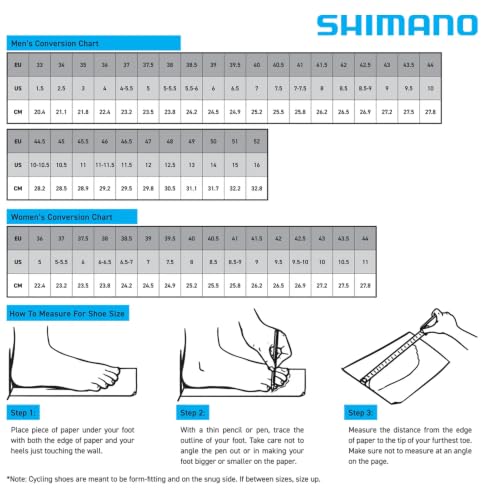
- Try Before You Buy: If possible, visit a local bike shop to get properly fitted. If ordering online, check return policies.
A general rule of thumb: when in doubt, size up. It’s easier to add an insole or adjust straps than to stretch a shoe that’s too small.
If you’re looking for a broader range of options, I’ve compiled a guide to the best cycling shoes available today. For those specifically searching for options tailored to male riders, check out my list of recommended men’s cycling shoes.
Cycling Shoes for Road Bikes Compared
Here’s a comparison of key specifications for popular road cycling shoes.
| Product Title | Best For | Closure Type | Outsole Material | Stiffness (N/mm) | Weight (per pair) | Cleat Compatibility |
|---|---|---|---|---|---|---|
| Fizik Vento Omna Wide Boa | Best Overall | Boa | R5 Nylon | N/A | N/A | Delta/SPD-SL |
| Giro Cadet Men’s Road Shoe | Best BOA Fit System | Boa | Carbon Composite | N/A | N/A | Delta/SPD-SL |
| ROCKBROS CR5 Carbon Fiber Sole | Best Power Transfer | ETIE Dial | T500 Carbon Fiber | 10.0 | 566g | Delta/SPD |
| Giro Stylus Men’s Road Shoe | Best Value Mid-Range | Hook & Loop | Nylon/Glass Fiber | 60 | 544g | Delta/SPD-SL |
| Shimano SH-RP101 All-Rounder | Best Budget Friendly | Hook & Loop | Fiberglass | N/A | N/A | SPD/SPD-SL |
| Shimano SH-RC102 Entry-Level | Best for Comfort & Walkability | Hook & Loop | N/A | N/A | N/A | SPD/SPD-SL |
| Kyedoo Unisex Road Cycling Shoes | Best Budget with Cleats Included | Hook & Loop | Carbon Nylon | N/A | N/A | Delta/SPD/SPD-SL |
Frequently Asked Questions
What cleat system should I prioritize when choosing shoes?
Delta and SPD-SL are the most common road cycling cleat systems, and most high-end shoes support both. However, consider if you might also enjoy gravel cycling shoes – some riders prefer SPD cleats for their walkability.
How much should I expect to spend on a good pair of road cycling shoes?
Entry-level shoes with basic features start around $80, while high-end models with carbon fiber soles and advanced closure systems can exceed $300. A solid mid-range option offering a good balance of performance and price generally falls between $150 and $250.
Are wider feet adequately catered for in road cycling shoe design?
Yes, many brands now offer shoes in multiple widths, including wide options, recognizing the need to accommodate different foot shapes. The Fizik Vento Omna, for example, is available in a wide version, improving comfort and preventing pinching.
Do more expensive shoes always equate to better performance?
Not necessarily. While a higher price often means premium materials like carbon fiber, which boosts stiffness, the best shoe is the one that fits your foot correctly. Proper fit is more crucial than a high price tag for maximizing power transfer and comfort.
Where can I find options specifically designed for female cyclists?
I’ve compiled a guide to the best shoes for female cyclists that details models specifically designed for the anatomical differences in women’s feet, ensuring a more comfortable and efficient ride.
The Bottom Line
Choosing cycling shoes often comes down to balancing how much control you want over fit and performance against how much fuss you’re willing to deal with. For most riders seeking a strong all-around performer, the Fizik Vento Omna Wide Boa strikes that balance exceptionally well. It offers a secure, customizable fit with the Boa dial and a comfortable upper, making it a great choice for a wide range of foot shapes.
If your needs are more specific, there are excellent alternatives. For those on a budget, the Shimano SH-RP101 All-Rounder provides solid performance without breaking the bank. Riders prioritizing a precise BOA fit will appreciate the Giro Cadet Men’s Road Shoe, while those focused on maximizing power transfer should consider the ROCKBROS CR5 Carbon Fiber Sole. And for those needing road cycling shoes for wide feet, the Vento Omna’s availability in wider sizes is a significant advantage.
Ultimately, the best cycling shoe isn’t about the highest stiffness rating or the latest closure system. It’s about finding a shoe that fits your foot properly, allows for efficient power transfer, and won’t cause discomfort on long rides. Don’t overlook the importance of pairing your new shoes with the right clipless pedal systems for road bikes for a complete and optimized cycling experience.
