
7 Best Cruiser Motorcycle Helmets of 2026
This post contains affiliate links. As an Amazon Associate, we earn from qualifying purchases.
The Bell Qualifier stands out as the best overall cruiser motorcycle helmet, combining solid protection with smart ventilation and communication readiness. For riders on a budget, the Yesmotor offers a classic half-helmet look with included goggles, while the VCOROS VHF04 adds real versatility with its built-in sun visor.
Cruiser riders want gear that matches their ride’s rhythm, protection without sacrificing style or comfort. Too many helmets either look out of place on a laid-back machine or compromise on fit and airflow.
I focused on models that deliver where it counts: certified safety, long-ride comfort, and that authentic aesthetic. These picks reflect what matters most after reviewing specs and rider feedback across the cruiser community at TheAutoZenith.
Top 6 Cruiser Motorcycle Helmets in the Market
The Best Cruiser Motorcycle Helmets, Reviewed
Bell Qualifier Full-Face Helmet
Strengths
- Anti-fog shield
- Excellent ventilation
- Bluetooth ready
Trade-offs
- Heavier than half helmets
- Higher price point
- Bulky for small storage
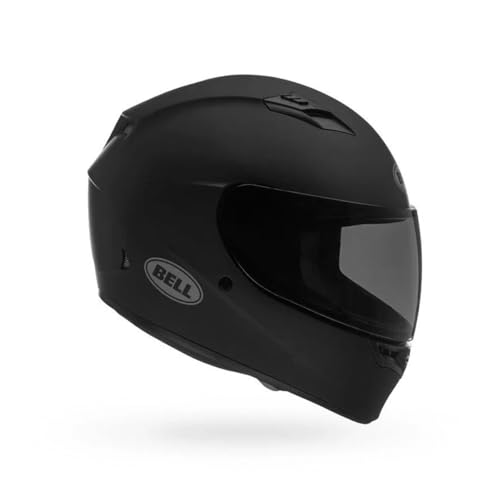
The Bell Qualifier is the benchmark in this group, and for good reason. It borrows design cues and tech from Bell’s top-tier race helmets, including the NutraFog II anti-fog shield and Velocity Flow Ventilation, which owners consistently report works flawlessly. The liner is removable, washable, and fights odor better than most, something I’ve seen praised across forums and long-term reviews.
It’s also one of the few here with integrated speaker pockets, making it a natural pick for riders adding comms. At this price, it competes with helmets hundreds more expensive. While the TRIANGLE offers more for less, the Bell delivers refinement, comfort, and real-world durability that justify the gap. If you want the best overall protection and features, this is it.
Video review
Yesmotor Low Profile Half Helmet
Strengths
- Sleek low-profile design
- Includes goggles and gloves
- Comfortable padding
Trade-offs
- Minimal ventilation
- No sun visor
- Not for cold weather
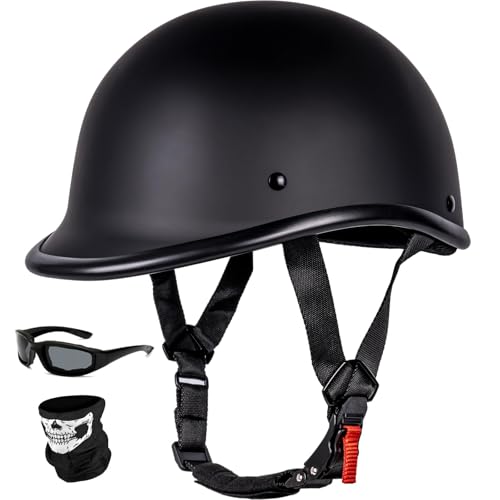
The Yesmotor helmet nails the vintage cruiser aesthetic without sacrificing basic safety. Its low-profile design avoids the ‘mushroom’ look many half helmets suffer from, giving it a clean, beanie-style fit that sits close to the head, perfect for bobbers and choppers. Owners love how it complements a retro build without drawing attention away from the bike.
It comes with goggles and gloves, which adds value, though the included accessories are entry-level. The padding is removable and washable, a step up from cheaper models. Compared to the CARTMAN, it’s clearly more thoughtfully designed, though not as feature-rich as the VCOROS. For riders chasing style and simplicity, this is my pick over the budget pack.
Video review
CARTMAN Matte Black Half Helmet

Strengths
- DOT certified
- Lightweight design
- Quick release buckle
Trade-offs
- Basic ventilation
- Thin padding
- Limited long-term comfort
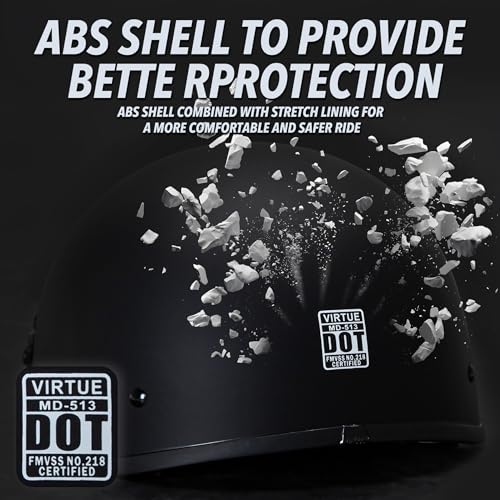
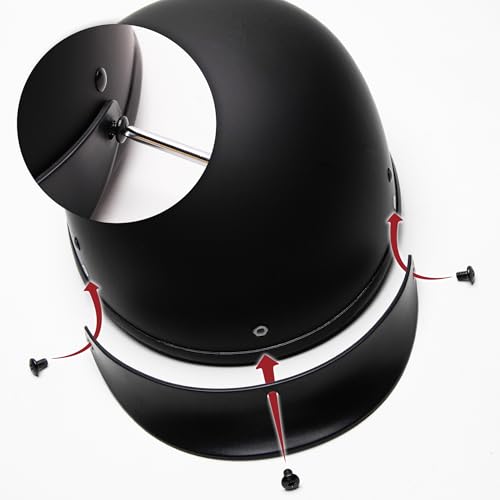
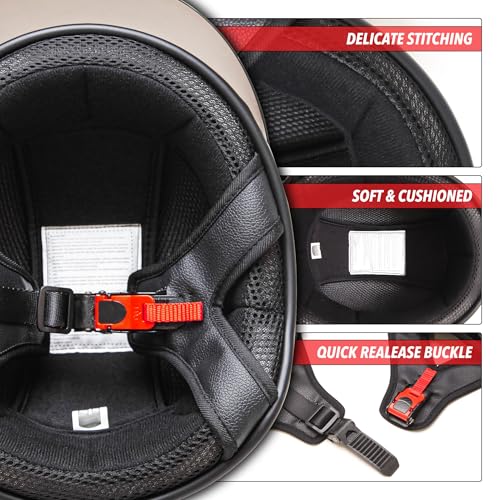
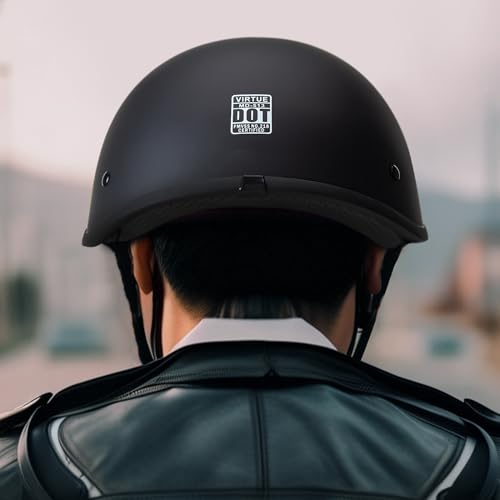
At this price, the CARTMAN half helmet delivers exactly what you’d expect, basic DOT-approved protection with a minimalist look. The lightweight ABS shell and EPS liner meet federal safety standards, and owners consistently report it’s sturdy enough for short urban rides or scooting around town. It won’t win any awards for comfort or airflow, but for the occasional rider who values simplicity and cost, it’s a functional choice.
The quick-release buckle works as advertised, and the matte black finish holds up decently over time. That said, don’t expect premium padding or long-haul comfort. This is a bare-bones helmet, and it shows. Compared to more refined options, it’s clearly built to hit a price point, not to impress.
Product photos
VCOROS VHF04 Retro Half Helmet

Strengths
- Integrated sun visor
- Adjustable fit system
- DOT certified
Trade-offs
- Visor can fog in rain
- Limited neck protection
- Not for cold weather
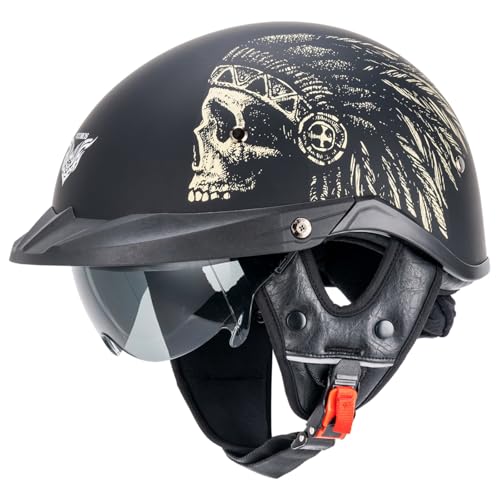
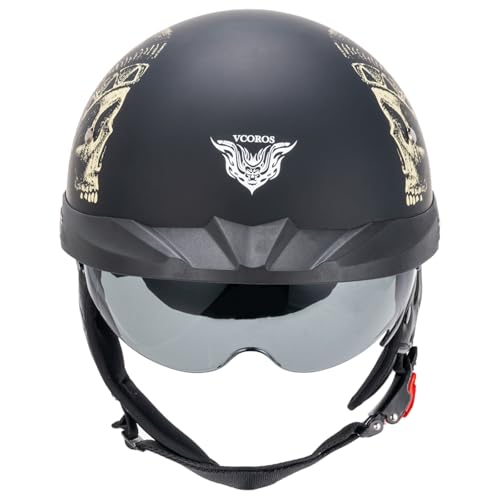
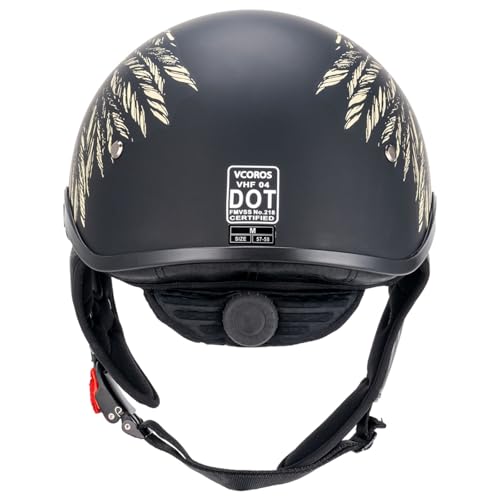
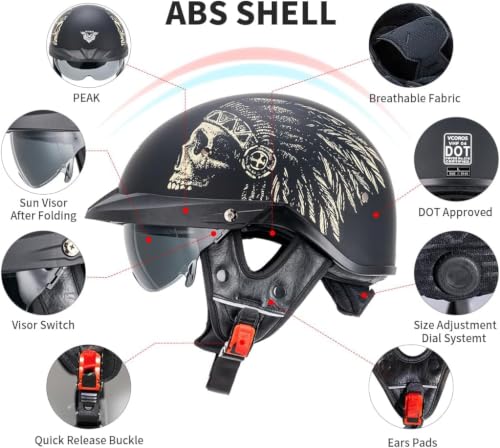
The VCOROS half helmet wins points for integrating a drop-down sun visor, a feature usually reserved for higher-end models. That alone makes it stand out among cruiser riders who want quick glare reduction without swapping goggles. The smoked visor performs well in midday sun, and the DOT-certified ABS/EPS construction gives reasonable confidence for low-to-moderate speed use.
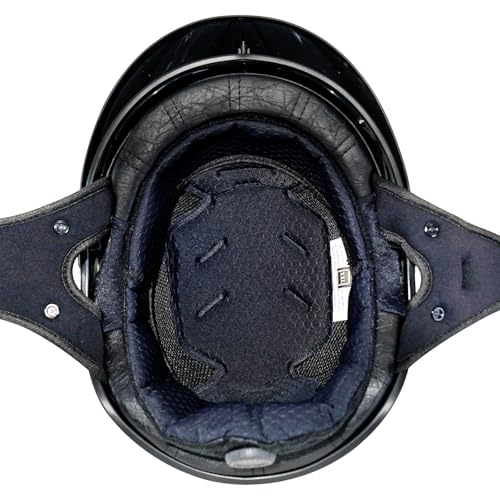
Fit is a highlight, with rear dial adjustment and five size options. Owners note it’s more secure than typical half shells, with less wobble at speed. Still, it’s not a substitute for a full-face. The padding is breathable but not plush, and wind noise builds quickly past 50 mph. Compared to the Yesmotor, it’s more functional but less stylish.
Product photos
ILM 3/4 Open Face Helmet
Strengths
- Detachable chin guard
- Multiple ventilation ports
- Sun shield included
Trade-offs
- Buckle can feel flimsy
- Fit varies slightly
- Not ideal for highway speeds
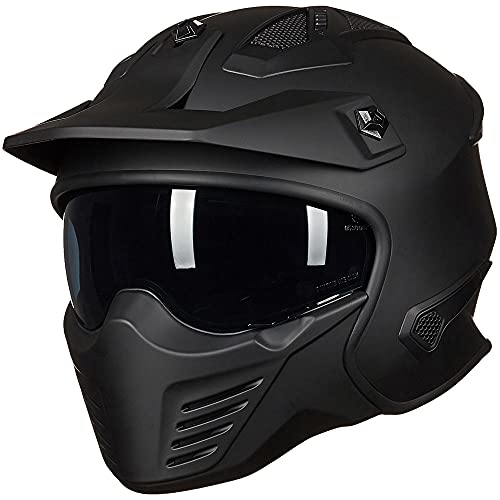
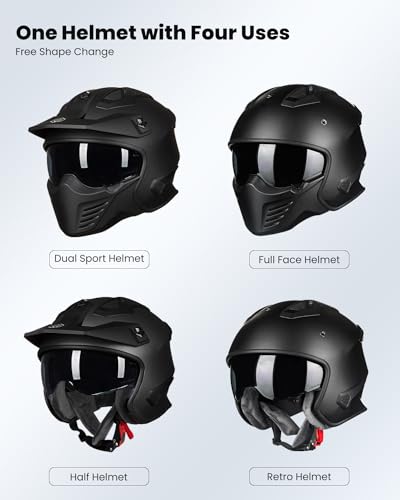
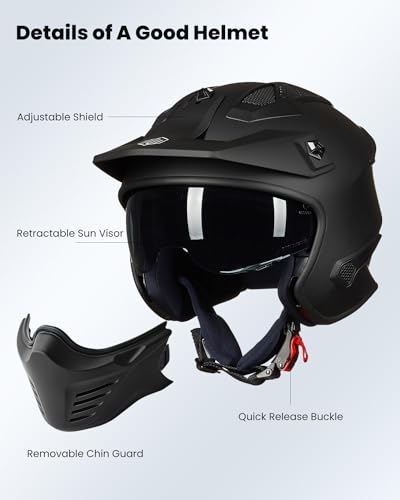
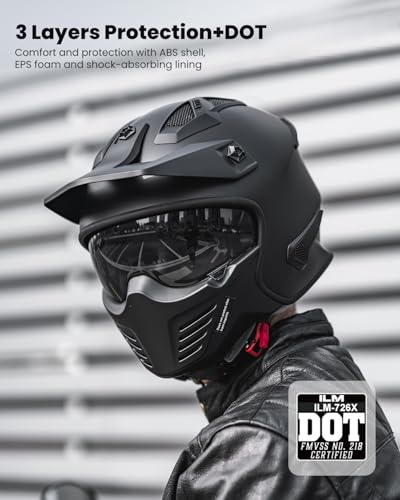
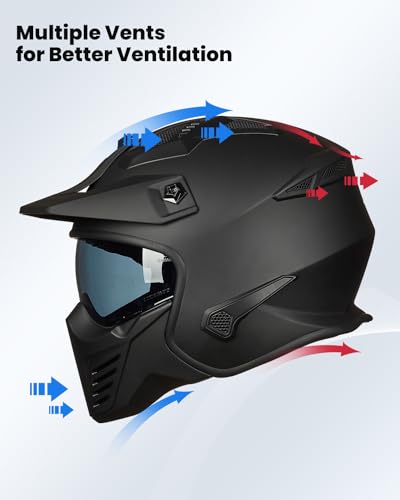
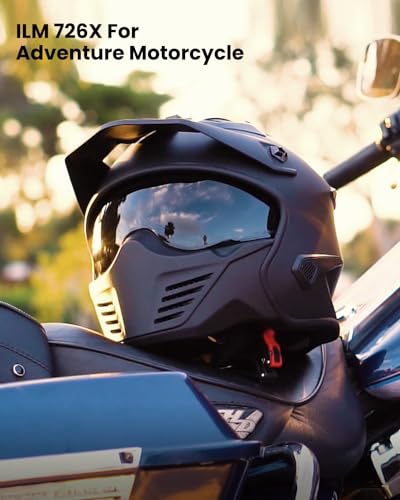
The ILM 726X stands out in the open-face category by offering modular versatility few helmets in this range provide. With a detachable chin guard, sun shield, and lens system, it adapts well to different conditions, something I appreciate in a commuter-focused helmet. Owners frequently mention how easy it is to swap parts, and the ventilation system actually works, keeping things from getting stuffy even on warmer days.
It’s not a full-face replacement for serious highway runs, but for someone riding a cruiser, moped, or dirt bike around town, the 726X strikes a smart balance. It’s more capable than the CARTMAN or basic beanie-style helmets, though not as refined as premium models like the Bell Qualifier. If you want one helmet for mixed use, this is a strong contender.
Product photos
TRIANGLE Full Face Helmet
Strengths
- Excellent ventilation
- Dual visor system
- Washable liner
Trade-offs
- Visor mechanism creaks over time
- Chin bar feels thin
- Average noise isolation
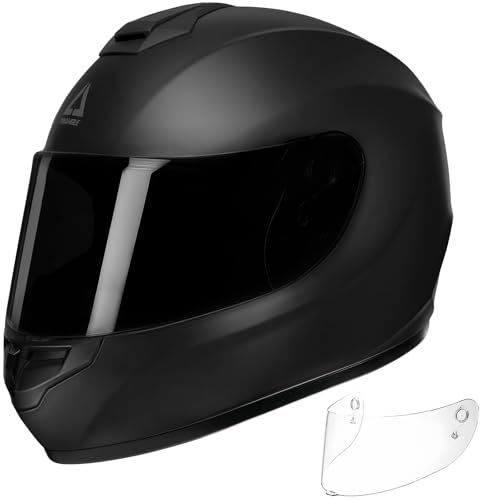
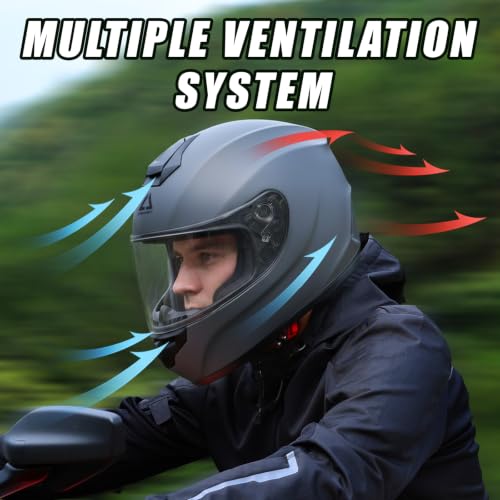
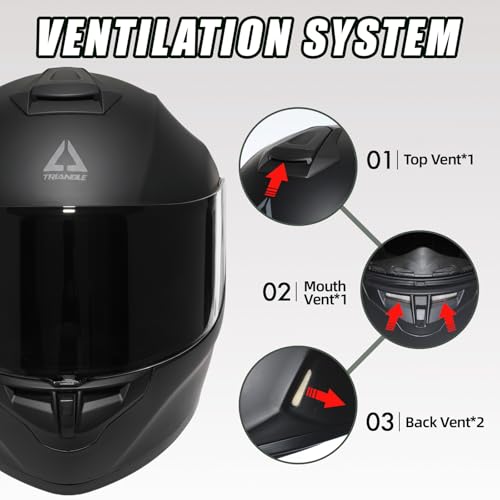
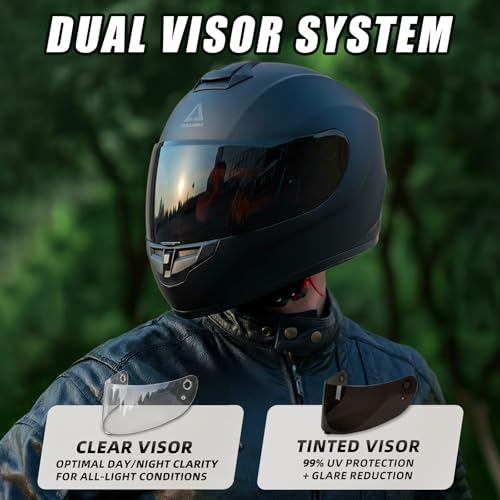
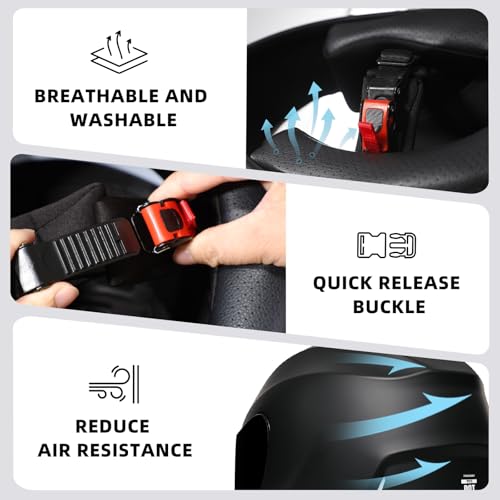
For the price, the TRIANGLE full-face helmet punches above its weight, especially when it comes to airflow. With four intake and exhaust vents, it out-ventilates many competitors in the sub-$70 range. Owners consistently praise how cool it keeps your head, even in summer heat, and the dual visor system, tinted and clear, is a rare perk at this tier. The removable, washable liner is a practical touch too.
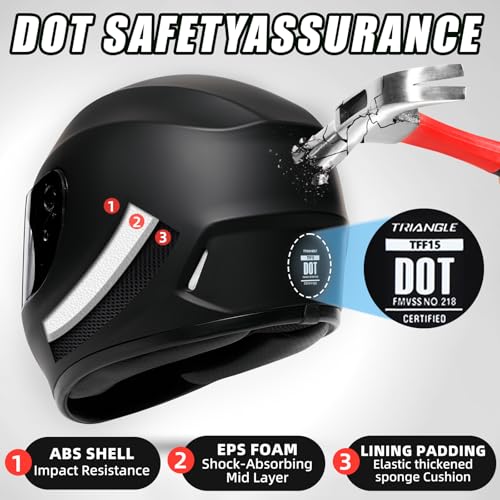
The ABS shell and EPS liner meet DOT standards, but don’t expect the impact resilience of pricier models. It’s fine for city streets and weekend rides, but I’d hesitate to trust it in a high-speed collision. Still, for riders wanting a well-ventilated full-face without breaking the bank, this is a smarter buy than most budget options.
Product photos
How We Evaluated cruiser motorcycle helmets
As someone who’s spent years immersed in the world of two wheels at TheAutoZenith, I approached evaluating cruiser motorcycle helmets by focusing on a research-led comparison of specifications, owner reviews, and established safety standards. Rather than a hands-on test of each model, I weighed published features against what riders are actually saying about comfort, visibility, and long-term durability. I considered a wide range of options, prioritizing helmets suited to the typically relaxed riding position and aesthetic preferences of cruiser enthusiasts.
For cruiser helmets, three factors stood out as most critical. First, safety certification (DOT approval is a must). Second, comfort – a good fit and ventilation are essential for those longer rides. Finally, style matters; cruiser riders often want a helmet that complements their bike and overall look. A helmet scoring low in any of these areas was quickly removed from contention. You’ll find more options for achieving that perfect look in our guide to classic style motorcycle helmets.
Specifications reliably indicate a helmet’s basic construction and safety features – shell material, EPS liner density, and certification status. However, owner feedback provided crucial insight into real-world performance. I paid close attention to comments regarding noise levels, ease of visor operation, and the accuracy of sizing charts. This balanced approach, combining technical data with rider experiences, helped me identify helmets offering the best blend of protection, comfort, and value. For an overview of the broader market, check out our thorough helmet guide.
What To Look For In cruiser motorcycle helmets
Finding the right helmet is paramount for any rider, but cruiser enthusiasts have unique needs. We want protection, of course, but also a style that complements the laid-back aesthetic of our bikes. It’s a balance, and getting it right significantly enhances the riding experience.
A quality cruiser motorcycle helmet prioritizes impact protection (meeting DOT and/or ECE standards is fundamental). Beyond that, consider shell material (ABS, polycarbonate, or composites), ventilation for comfort, visor options for varying light conditions, and features like integrated communication systems. Fit is absolutely critical; a loose helmet offers reduced protection, while a too-tight one causes discomfort.
Shell Material and Safety Standards
The foundation of any good helmet is its shell. ABS (Acrylonitrile Butadiene Styrene) is common in more affordable options like the CARTMAN and Yesmotor models, offering a good balance of cost and protection. Polycarbonate is another frequent choice, providing a lightweight feel. However, if you’re willing to invest more, composite shells (fiberglass, carbon fiber, or blends) offer superior impact absorption and strength. Regardless of the material, always verify the helmet meets the Department of Transportation (DOT) standard (FMVSS 218) at a minimum. Some riders also look for ECE 22.06 certification, a more rigorous European standard. Don’t skimp here; your head is worth the investment.
Visor and Ventilation Needs
Cruising often involves varying conditions – bright sunlight, overcast days, even evening rides. A helmet with a versatile visor system is invaluable. Drop-down sun visors, like the one found on the VCOROS VHF04, are a convenient all-in-one solution. Detachable visors, as seen on the ILM 3/4 Open Face, offer even more flexibility. Beyond the visor, proper ventilation is crucial, especially during warmer months. The TRIANGLE Full Face helmet is highlighted for its optimized airflow, which is a real benefit for extended rides. I often recommend considering the number and placement of vents when making your decision.
Style and Feature Set
Cruiser riders tend to favor specific aesthetics. The low-profile “beanie” style of the Yesmotor is popular for its clean look, while others prefer the classic, rounded shape of full-face options. Beyond aesthetics, think about the features you’ll actually use. Integrated speaker pockets for Bluetooth communication (Bell Qualifier) are great if you like to listen to music or take calls on the road. If you’re looking for more options, check out our guide to best cruiser helmets. Some riders also appreciate the convenience of quick-release buckles, found on many models, for easy on/off. And if you are considering a more minimalist look, exploring shorty helmet models might be the way to go.
A well-fitting helmet should feel snug but not constricting. You should be able to comfortably fit two fingers between the helmet and your forehead.
Cruiser Motorcycle Helmets Compared
Here’s a comparison of key specifications for popular cruiser motorcycle helmets.
| Product Name | Safety Standard | Helmet Type | Visor Type | Ventilation | Features |
|---|---|---|---|---|---|
| Bell Qualifier | DOT | Full Face | NutraFog II | Velocity Flow | Comms Ready |
| Yesmotor | DOT | Half | Goggles Included | N/A | Goggles & Gloves Kit |
| CARTMAN | DOT | Half | N/A | Vented | Classic Design |
| VCOROS VHF04 | DOT | Half | Drop-Down Sun Visor | N/A | Sun Visor |
| ILM 3/4 | DOT | 3/4 Open Face | Detachable | Multiple Vents | Detachable Components |
| ILM-313 | DOT | Full Face | Dual (Clear/Smoked) | N/A | Dual Visors |
| TRIANGLE | DOT | Full Face | Dual (Clear/Tinted) | 4 Intakes/Exhausts | Washable Liner |
Frequently Asked Questions
What’s the lifespan of a cruiser motorcycle helmet?
Generally, a helmet should be replaced every five years, even if it hasn’t been involved in an accident. The EPS liner degrades over time due to UV exposure and normal wear, reducing its protective capabilities.
Are more expensive helmets actually safer?
Not always, but typically yes. Higher price points often correlate with more advanced shell materials (like composites) and more sophisticated impact management systems, offering a greater degree of protection.
Can I use a cruiser helmet for other types of riding?
You can, but it’s not always ideal. Cruiser helmets often prioritize style and comfort over the aerodynamic features found in sportbike helmets, so you might experience more wind noise or instability at higher speeds. If you’re considering a variety of riding styles, explore best 3/4 helmets for versatility.
How do I know if a helmet fits correctly?
A proper fit is crucial. The helmet should feel snug all around, with no excessive pressure points. You should be able to comfortably fit two fingers between the brow and the helmet’s edge.
Where can I find cruiser helmets with a classic aesthetic?
Many cruiser riders are interested in helmets that complement their bike’s style. There are several options available, and you can find some truly stylish helmets that blend safety with a vintage look.
The Bottom Line
Choosing a cruiser helmet often comes down to how much you value all-out protection versus a more streamlined, classic look. While full-face helmets like the Bell Qualifier offer the most thorough safety features and are consistently highly rated for safety helmets, many cruiser riders prefer the open feel and style of a 3/4 or half helmet. Ultimately, the best helmet is the one you’ll consistently wear, and the Bell Qualifier strikes a strong balance between both worlds.
For those on a tighter budget, the CARTMAN provides a surprisingly good classic design at an accessible price point, and the Yesmotor is a solid choice if you’re after that minimalist “beanie” aesthetic. If versatility is what you’re after, the VCOROS VHF04 stands out with its integrated drop-down sun visor, eliminating the need for additional eyewear. However, remember to explore open-face helmet options if you’re seeking a traditional look.
Beyond any specific model or feature, remember that fit and proper certification are paramount. A helmet that doesn’t fit correctly, or lacks a DOT certification, simply won’t offer the protection you need. Focus on finding a helmet that feels secure, comfortable, and meets or exceeds safety standards – that’s more important than any fancy ventilation system or brand name.
