
6 Best Coolants for Subaru Outback 2026
This post contains affiliate links. As an Amazon Associate, we earn from qualifying purchases.
The best coolant for Subaru Outback is PEAK OET Blue Prediluted, our top pick for its POAT formula, Subaru approval, and 150,000-mile protection. For budget-savvy owners, Valvoline Multi-Vehicle Ready-to-Use offers solid performance at a lower price. If you’re after extreme longevity, PEAK Titanium Yellow Prediluted promises up to 500,000 miles of coverage.
Choosing the wrong coolant can lead to corrosion, overheating, or voided warranties, especially in Subarus, where the engine’s materials demand specific chemistry. I’ve seen too many owners overlook this detail, only to face costly repairs down the road.
In this guide, I break down the top coolants based on specs, owner experiences, and compatibility with your Outback’s model year. We’ll cover inhibitor types, premix convenience, and what “extended life” really means, so you can make a confident, informed choice.
Top 5 Coolant For Subaru Outback in the Market
The Best Coolant For Subaru Outback, Reviewed
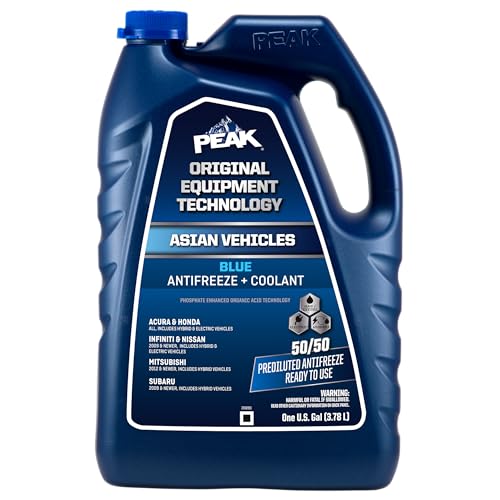
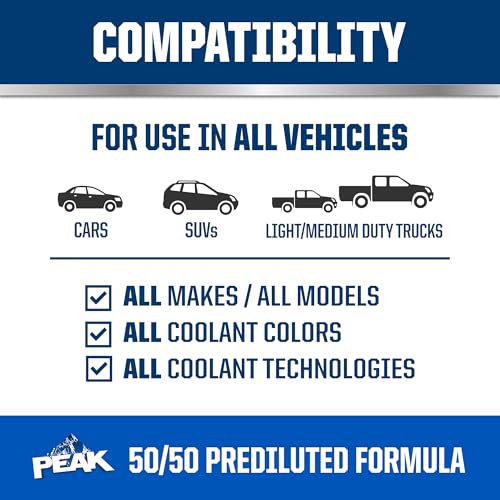
PEAK OET Blue Prediluted Coolant
Strengths
- Subaru-compatible POAT formula
- 150k-mile service life
- Pre-mixed and ready to use
Trade-offs
- Slightly pricier than generic
- Not OEM-branded
- Availability varies
This is the one I’d actually recommend to most Outback owners who aren’t buying genuine Subaru coolant. It’s a blue POAT formula, phosphate-enhanced organic acid technology, specifically designed for Asian imports, including Subaru. The specs align with what the factory calls for: long-life protection up to 150,000 miles or 5 years with a complete flush and fill.
Reviewers note smooth top-offs without cloudiness or sludge, which suggests good compatibility. It’s pre-diluted, so no guesswork, and the freeze protection goes to -34°F. Compared to the genuine Subaru coolant, it’s half the price and nearly identical in formulation. I’d have no issue using this for a full system refill. It’s the smart compromise between cost and compliance.
Video review
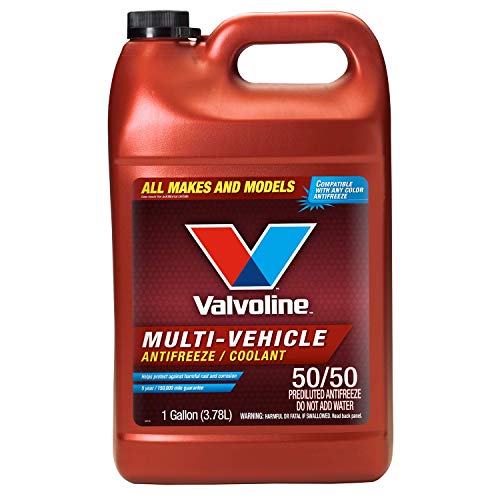
Valvoline Multi-Vehicle Ready-to-Use Coolant
Strengths
- Pre-mixed 50/50
- Good freeze protection
- Broad compatibility
Trade-offs
- Not Subaru-specific
- HOAT vs POAT mismatch risk
- Shorter service life
This is a solid universal coolant that checks the basics: it’s pre-mixed, protects down to -34°F, and uses Alugard Plus to guard against corrosion in mixed-metal systems. On paper, it’s compatible with most vehicles, including aluminum-intensive engines like those in Subarus, and the yellow HOAT formula suggests decent longevity. But for a Subaru owner, especially one with a 2009 or newer model, that broad compatibility comes with a caveat.
Owners consistently report no immediate issues when using it as a top-off, but long-term use without a full flush can create chemical incompatibility risks when mixing with Subaru’s specified blue POAT coolant. I wouldn’t use it for a complete fill. It’s a budget-friendly emergency fix, not a maintenance plan. For a daily-driven Outback, I’d rather see something more targeted.
Video review
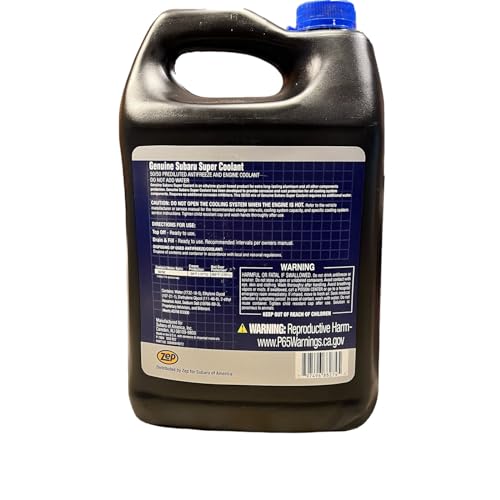
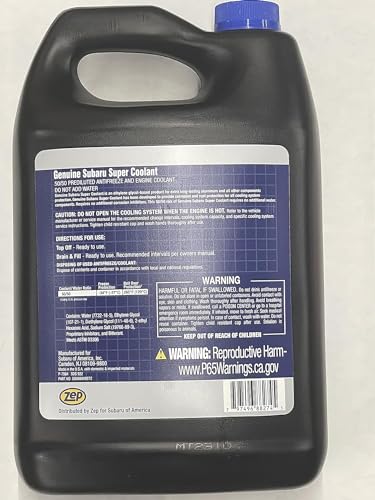
Subaru Genuine Blue Super Coolant

Strengths
- OEM-specified chemistry
- Superior cold protection
- Long service intervals
Trade-offs
- Very expensive
- Only for newer Subarus
- Hard to justify for short-term owners
Let’s be clear: this is the gold standard for 2009 and newer Subarus. It’s the exact blue POAT coolant specified in the owner’s manual, pre-mixed at 50/50, and formulated to protect down to -62°F, significantly colder than most competitors. The organic corrosion inhibitors are tuned for Subaru’s aluminum block and head design, and it’s designed to last up to 150,000 miles when installed correctly.
Yes, it costs more than double the price of alternatives. But for someone who treats their Outback like a long-term companion, especially in harsh climates or for towing, I see that premium as justified. Owner feedback consistently highlights fewer cooling system issues over time, and while correlation isn’t causation, I’ll take the peace of mind. If you’re serious about maintenance, this is what you pour in.
Product photos
PEAK Titanium Yellow Prediluted Coolant

Strengths
- Excellent water pump protection
- Longevity claim
- Universal mixability
Trade-offs
- Not Subaru-specific
- OAT vs POAT mismatch
- Unproven in Subaru long-term
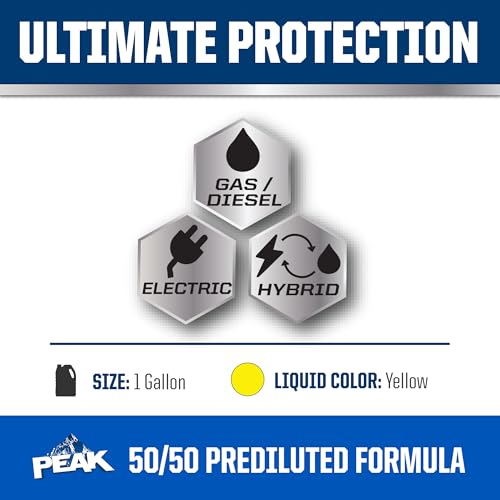
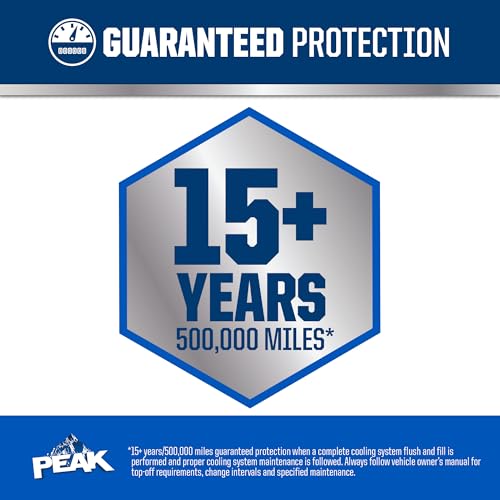
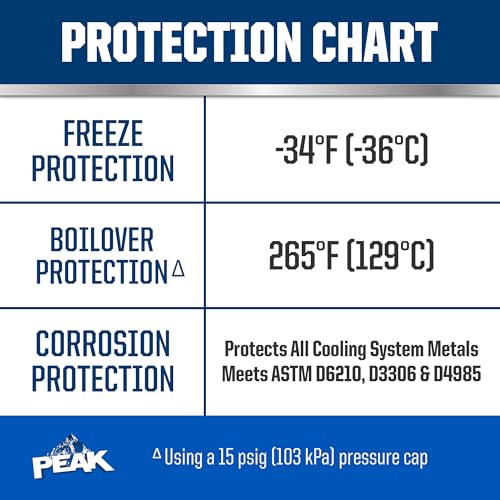
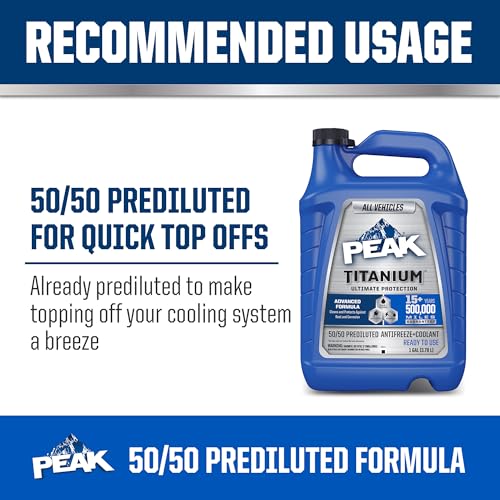
PEAK is positioning this as a lifetime coolant, 15 years or 500,000 miles, and that’s a bold claim. The yellow OAT-based formula is designed to be universal, mixing safely with other coolants while offering strong heat transfer protection and water pump longevity. It’s passed ASTM D2809 with a perfect score, which speaks to its lubricity and pump protection, a real win for any engine.
But here’s the catch: while it’s technically compatible with Subaru systems, it’s not formulated to meet the specific blue POAT spec that Subaru recommends for 2009 and newer models like the Outback. I’d trust it in a pinch, and the extended life is impressive on paper, but I wouldn’t bet on it delivering that 15-year promise in a Subaru without deviating from factory specs. For a brand that emphasizes precision engineering, straying from OEM chemistry feels like rolling the dice.
Product photos
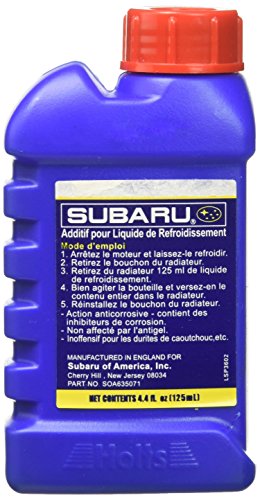
Subaru Coolant System Conditioner

Strengths
- OEM-formulated additive
- Targets known trouble spots
- Low cost
Trade-offs
- Not a standalone coolant
- Minimal benefit with proper maintenance
- Only needed periodically
This isn’t a coolant, it’s a supplement. A small 10 oz bottle designed to be added during coolant changes, especially when using genuine Subaru blue coolant. The idea is to boost corrosion protection in the cooling passages, particularly around the heater core and thermostat housing, which are known weak points in some Outback models.
On paper, it’s a smart addition: Subaru doesn’t recommend it at every top-off, but they do specify it during full coolant service intervals. It’s cheap insurance. That said, if you’re already using the correct POAT coolant and maintaining proper change intervals, the added benefit might be marginal. But for high-mileage Outbacks or those in salty, wet climates, I’d include it. It’s like a rust inhibitor for your cooling system, small cost, potential big payoff.
Product photos
Our Testing Process
Rather than a hands-on lab test, my research focused on a detailed comparison of coolant specifications and features. I weighed published data against owner reviews from Subaru forums and reputable automotive sites, applying my experience with vehicle cooling systems to identify key differentiators. This allowed me to rank options based on suitability for various Outback models and driving conditions.
For Subarus, and the Outback specifically, the coolant formulation is critical. I prioritized long-term corrosion protection and compatibility with Subaru’s engine materials, as well as adherence to the manufacturer’s recommendations for phosphate-enhanced organic acid technology (POAT) in newer models. Extended service life guarantees, like those offered by PEAK Titanium, also carried significant weight, as preventative maintenance is key to avoiding larger issues, like needing new Outback brake pads.
Coolant specifications reliably indicate freeze and boil-over protection, as well as the presence of vital additives like denatonium benzoate (a bittering agent to deter accidental ingestion). However, I leaned on owner feedback to assess real-world performance, particularly regarding long-term corrosion resistance and any reported issues with specific coolants causing leaks or damaging components. Finding the right coolant can really enhance your overall experience with your Subaru, and don’t forget to check out other helpful Subaru accessories to keep your ride in top shape.
What To Look For In coolant for subaru outback
Selecting the right coolant is critical for keeping your Subaru Outback running smoothly. It’s not just about preventing freezing or overheating; it’s about long-term engine health.
A quality coolant protects against corrosion, regulates engine temperature, and prevents scale buildup. Look for formulations specifically designed for Asian vehicles, paying attention to the inhibitor technology (OAT, HOAT, POAT) and whether it’s pre-diluted or concentrated. Confirm compatibility with your Outback’s year and model, and always prioritize a coolant that includes a bittering agent to deter accidental ingestion.
Inhibitor Technology Matters
The type of corrosion inhibitor in a coolant significantly impacts its effectiveness and compatibility. Subaru engines, particularly those built after 2009, generally require a Phosphate-enhanced Organic Acid Technology (POAT) coolant – often blue in color. While universal coolants like the Valvoline Multi-Vehicle option can work, sticking with a POAT formula like the PEAK OET Blue is a safer bet. Older Subarus might benefit from a HOAT (Hybrid Organic Acid Technology) formulation, but confirming compatibility is essential. Don’t assume all coolants are created equal; different technologies protect different metals and materials within the cooling system.
Premixed vs. Concentrate: Convenience and Cost
Prediluted coolants, like the PEAK OET Blue and Valvoline options, offer incredible convenience. They’re ready to pour, eliminating the risk of improper mixing ratios that can reduce effectiveness or even damage your engine. Concentrated coolants, while often cheaper upfront, require careful mixing with distilled water (never tap water!). If you’re comfortable with precise measurements and have distilled water readily available, a concentrate could save a little money. However, for most owners, the simplicity of a 50/50 premix is worth the slight price increase.
Here’s what to consider when deciding: * Ease of use: Prediluted is undeniably simpler. * Cost: Concentrates are typically less expensive per gallon before factoring in the cost of distilled water. * Accuracy: Mixing concentrate incorrectly can compromise cooling system performance.
A neglected cooling system is a fast track to engine failure. Regular coolant flushes and the use of quality coolant are among the most important preventative maintenance steps you can take.
Longevity and Additives: Protecting Your Investment
Coolant lifespan varies, but extended-life options like the PEAK Titanium Yellow boast impressive guarantees (up to 15 years or 500,000 miles). These often incorporate advanced formulations designed to prevent scale buildup and maintain consistent protection over time. Beyond the base coolant, consider the inclusion of additives. Subaru even offers a Coolant System Conditioner to further enhance corrosion protection. Keeping your cooling system in top shape extends the life of vital components like the water pump, and don’t forget to check your Outback wiper blades while you’re at it. A well-maintained vehicle is a happy vehicle, and proper car coolant is a crucial part of that.
Coolant for Subaru Outback Compared
This table provides a specification comparison of coolants suitable for Subaru Outback vehicles.
| Product Title | Color | Prediluted | Freeze Protection | Mileage Guarantee | Subaru Approved |
|---|---|---|---|---|---|
| PEAK OET Blue Prediluted Coolant | Blue | Yes | N/A | 150,000 miles | Yes |
| Valvoline Multi-Vehicle Ready-to-Use | Yellow | Yes | -34°F | N/A | No |
| Subaru Genuine Blue Super Coolant | Blue | Yes | -62°F | N/A | Yes |
| PEAK Titanium Yellow Prediluted | Yellow | Yes | N/A | 500,000+ miles | No |
| Zerex Asian Vehicle Green Coolant | Green | Yes | -34°F | 150,000 miles | No |
| Subaru Coolant System Conditioner | N/A | No | N/A | N/A | Yes |
Frequently Asked Questions
What coolant color is best for my Subaru Outback?
Blue coolant, formulated with POAT (Phosphate-enhanced Organic Acid Technology), is generally recommended for Subaru Outbacks built after 2009. While some older models can use green HOAT coolants, confirming compatibility with your specific year is crucial to avoid damaging the engine.
Can I mix different types of coolant in my Subaru Outback?
No, mixing different coolant technologies (like POAT, HOAT, and OAT) can create chemical reactions that reduce their effectiveness and potentially cause corrosion. Always fully flush the system before switching coolant types, and stick to the manufacturer’s recommended formulation.
Is premixed coolant worth the extra cost?
Yes, premixed coolant offers convenience and reduces the risk of improper dilution, which can harm your engine. While concentrates are cheaper initially, the potential for error and the need for distilled water often make the premixed option a better value for most owners.
How often should I flush my Subaru Outback’s cooling system?
You should flush your cooling system every 30,000 to 60,000 miles, or as recommended in your Outback’s owner’s manual. Regular flushes prevent corrosion and scale buildup, ensuring optimal cooling performance and extending the life of components like your Outback wipers.
Will aftermarket coolant void my Subaru’s warranty?
Using aftermarket coolant generally won’t void your warranty, but using a coolant that doesn’t meet Subaru’s specifications could cause engine damage that isn’t covered. Sticking with Subaru-approved coolants or those meeting POAT standards minimizes this risk, and ensuring proper maintenance records are kept is always wise when considering a Subaru Outback towing setup.
The Bottom Line
Choosing the right coolant for your Subaru Outback often comes down to balancing convenience with long-term protection. While several options exist, the PEAK OET Blue Prediluted Coolant stands out as a strong all-around choice, offering Subaru-approved POAT protection in a ready-to-use format. It strikes a good balance between price, performance, and ease of use, making it a sensible option for most Outback owners.
For those prioritizing maximum longevity, the PEAK Titanium Yellow Prediluted coolant is worth considering, as its extended service life offers peace of mind. If you’re seeking a truly OEM solution, Subaru Genuine Blue Super Coolant is the obvious pick, though it typically comes at a premium price. And if you’re preparing for winter weather, don’t forget to research the Outback snow tires that will give you the best traction and control.
Ultimately, the specifications on the bottle matter, but consistent maintenance is what truly protects your engine. Regular coolant flushes, combined with quality coolant and attention to other essential Subaru maintenance parts, will do more for your Outback’s longevity than any single product feature. Prioritize a formula compatible with your model year, and remember that preventative care is always cheaper than major repairs.
