
3 Best Commercial Wheel Balancers of 2026
This post contains affiliate links. As an Amazon Associate, we earn from qualifying purchases.
The Centramatic 600-640 stands out as the best overall commercial wheel balancer for its proven durability and automatic balancing technology, while the CCNLHZM 800-822 offers a solid budget-friendly option for those needing reliable performance without the premium price. For versatility across different axle types, the WildGear 800-822 is also worth serious consideration.
Out on the highway, a persistent vibration isn’t just annoying, it’s a sign of wasted money and potential mechanical trouble down the road. Uneven tire wear, excess fuel consumption, and added strain on suspension components all stem from poor wheel balance, especially under the punishing miles of commercial use.
This guide cuts through the noise by focusing on what actually matters: real-world durability, effective balancing technology, and long-term value. I looked at specs, owner experiences, and the engineering behind each system to identify the ones that deliver consistent results where it counts, on the road.
Top 1 Commercial Wheel Balancers in the Market
The Best Commercial Wheel Balancers, Reviewed
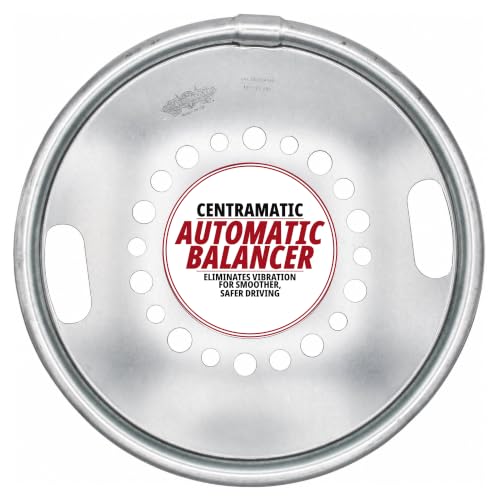
CENTRAMATIC 600-640 Wheel Balancers
Strengths
- Automatic self-adjusting
- Reduces driver fatigue
- Made in USA
Trade-offs
- Higher upfront cost
- Limited to compatible hubs
- Not for passenger cars
I’ve seen a lot of balancing solutions come and go in the commercial truck space, but Centramatic’s approach still stands out after decades. The 600-640 model relies on patented automatic balancing technology that doesn’t need recalibration or manual input, owners consistently report noticeably smoother rides, especially on long hauls where vibration fatigue becomes a real issue. It’s not magic; it’s physics working in your favor, with free-moving weights inside the unit that dynamically adjust as imbalance develops from wear or debris loss.
What really impresses me is how many fleets keep using these despite cheaper alternatives popping up constantly. The maintenance-free aluminum and steel construction holds up under heavy loads and extreme conditions, and the fact they’re made in the USA with a 5-year unlimited mileage warranty speaks volumes. Compared to balance beads, which can clump or settle, or shop-based static balancing that wears off, this system keeps working over time. I’d pick these over periodic shop visits for any owner-operator running high-mileage routes.
Video review
How We Picked These commercial wheel balancers
As someone who’s spent years observing and appreciating the mechanics of vehicles at TheAutoZenith, I approached researching commercial wheel balancers by looking beyond marketing claims. My process involved a detailed comparison of published specifications – focusing on materials, balancing technology, and compatibility – alongside a thorough review of owner feedback from various commercial driving forums and retailer sites. I also drew on my understanding of the forces at play in heavy-duty applications to assess the likely real-world performance of each system. Rather than a hands-on lab test, this is a research-led comparison.
For commercial wheel balancers, the most critical factors are durability and consistent performance over long hauls. A system that fails or requires frequent adjustment is simply not suitable for the demands of professional driving. I weighted the materials used – particularly the quality of alloys and seals – and the sophistication of the balancing mechanism heavily. Reducing vibration is also key, directly impacting driver comfort and minimizing wear on other components like wheel bearing brands.
Published specifications reliably indicate build quality and the type of balancing technology employed. However, owner reviews provided valuable insight into long-term performance and ease of installation. I paid close attention to reports of ongoing maintenance, the effectiveness of vibration damping, and whether the balancers lived up to claims of extended tire life. Understanding the potential consequences of faulty wheel bearings reinforced the need for a robust and dependable balancing solution.
Choosing The Right commercial wheel balancers
Finding the right wheel balancers for your commercial vehicle is about more than just eliminating a shaky steering wheel. It’s about protecting your investment, maximizing tire life, and keeping your operation running smoothly.
A quality wheel balancer actively minimizes vibration, promotes even tire wear, and reduces stress on critical suspension and steering components. Look for designs built with durable materials, compatibility with your wheel size, and a reputation for consistent performance – not just a quick fix, but a long-term solution for maintaining optimal vehicle dynamics.
Understanding Balancing Technology
The core difference between wheel balancers comes down to how they achieve balance. Traditional weights applied during tire mounting are static and require re-adjustment as tires wear. Dynamic balancers, like those from Centramatic, use internal mechanisms and fluids to continuously adjust to changing conditions while the vehicle is in motion. This is a significant benefit for commercial vehicles that log serious mileage. If you’re constantly battling vibrations or experiencing uneven tire wear, a dynamic system is worth considering. It’s also wise to examine compatibility, as some balancers are specifically designed for steer wheels versus drive wheels, and wheel size is critical (22.5-24.5 inch is common for heavy-duty trucks).
Material and Build Quality
Commercial wheel balancers endure harsh conditions. Aluminum alloys are common for their strength-to-weight ratio, but the quality of the alloy and the overall construction matter immensely. You want something that can withstand constant centrifugal forces and resist corrosion. This is where researching the manufacturer’s reputation comes into play. A robust build doesn’t just mean longer product life; it also translates to consistent performance. Considering the potential costs associated with downtime and further repairs, investing in a durable balancer can save money in the long run. Don’t underestimate the importance of examining the overall robustness alongside your considerations for quality of Mevotech bearings – a holistic approach to wheel health is key.
Installation and Support
Ease of installation is often overlooked, but it can be a major factor, especially for fleet operators. Some systems, like the CCNLHZM balancers, emphasize quick and straightforward installation with minimal specialized tools. However, even with a simple design, proper alignment is crucial. More complex systems, while offering superior balancing, might require professional installation. Beyond initial installation, consider the level of after-sales support offered. WildGear, for instance, highlights its responsive customer service, which can be invaluable if you encounter any issues. Remember, a hassle-free experience extends beyond the product itself.
A well-balanced wheel isn’t just about comfort; it’s about safety and cost-effectiveness. Prioritize a balancer that proactively addresses imbalance, rather than simply masking the symptoms.
If you’re unsure about tackling the work yourself, understanding the process of replacing wheel bearings can give you a better appreciation for the intricacies of wheel maintenance and whether professional installation is the right choice.
Commercial Wheel Balancers Compared
Here’s a specification comparison of the commercial wheel balancers discussed.
| Product Name | Wheel Size | Material | Warranty | Balancing Tech. | Maintenance |
|---|---|---|---|---|---|
| CCNLHZM 800-822 | 22.5-24.5″ | Alloy | 1 Year | Centrifugal Force | N/A |
| CENTRAMATIC 600-640 | N/A | Aluminum/Steel | 5 Year | Automatic | Maintenance-Free |
| WildGear 800-822 | 22.5-24.5″ | N/A | N/A | Centrifugal Force | N/A |
Frequently Asked Questions
What’s the typical lifespan of a commercial wheel balancer?
Generally, a well-maintained commercial wheel balancer should last five to ten years, though dynamic systems like Centramatic often boast longer lifespans due to their maintenance-free operation. The actual duration depends heavily on road conditions and the vehicle’s usage.
Are all wheel balancers compatible with steel wheels?
Not necessarily. While most are designed for both steel and aluminum wheels, it’s crucial to verify compatibility before purchasing. Some dynamic balancers may have specific requirements or limitations regarding wheel material and construction.
Can a wheel balancer fix a bent rim?
No, a wheel balancer corrects imbalance, not physical damage. A bent rim requires repair or replacement, as it fundamentally alters the wheel’s geometry. Addressing issues like a bent rim is separate from maintaining proper balance, and you might also consider a review of quality of TRQ bearings if you’ve experienced rim damage.
How often should I inspect my wheel balancers?
Inspect wheel balancers at least annually, or more frequently for vehicles operating in harsh conditions. Look for signs of wear, corrosion, or fluid leaks (in dynamic systems). Regular inspection helps identify potential issues before they lead to more significant problems.
Will a wheel balancer improve my fuel economy?
Potentially, yes. By reducing vibration and ensuring even tire wear, a wheel balancer can improve rolling resistance and contribute to modest fuel savings. Maintaining clean wheels with expert wheel cleaner reviews also aids in reducing weight and improving efficiency.
The Bottom Line
Choosing a commercial wheel balancer often comes down to balancing upfront cost against long-term reliability and convenience. While several options exist, the CENTRAMATIC 600-640 consistently stands out as the strongest overall performer, thanks to its automatic balancing and impressive five-year warranty – a testament to its engineering. It’s an investment, but one that minimizes ongoing maintenance and potential downtime.
For those operating on a tighter budget, the CCNLHZM 800-822 offers a solid, centrifugal-force-based solution for 22.5-24.5” wheels. If you prioritize versatility and are looking for a straightforward installation, the WildGear 800-822 is a good choice, especially considering their emphasis on customer support. And don’t forget to consider the long-term health of your wheel ends when evaluating options; understanding rear wheel bearings is crucial for overall vehicle maintenance.
Ultimately, the most important factors aren’t the specific balancing technology or material composition, but rather consistent performance and a proactive approach to wheel health. Prioritizing a balancer from a reputable manufacturer and paying attention to proper installation – alongside regular checks of components like Moog wheel bearings – will deliver the best return on investment and keep your commercial vehicles running smoothly for years to come.
