
6 Best Combination Car Seats of 2026
This post contains affiliate links. As an Amazon Associate, we earn from qualifying purchases.
The Graco Extend2Fit Convertible stands out as the overall best combination car seat for its extended rear-facing limits and strong safety record, while the Safety 1st Ellaris 3-in-1 is a smart budget-friendly pick that doesn’t skimp on core safety features. For families wanting one seat that truly grows with their child, these two deliver the most reliable mix of longevity and ease of use.
As someone who’s spent years under hoods and deep in vehicle specs, I know how overwhelming car seat choices can be. You’re not just buying a product, you’re investing in years of safe rides, and the wrong pick can mean constant adjustments, tight fits, or worse, compromised protection.
This guide cuts through the noise. Based on specs, owner feedback, and real-world usability, I focused on safety, adjustability, and fit to find the models that truly deliver across every stage.
Top 6 Combination Car Seats in the Market
The Best Combination Car Seats, Reviewed
Safety 1st Grow and Go All-in-One

Strengths
- True all-in-one use
- QuickFit harness
- Recline positions
Trade-offs
- Average side impact rating
- Booster fit varies
- Bulky in booster mode
The Safety 1st Grow and Go is the most complete package in this group, earning its ‘Best Overall’ tag by covering every stage from infancy to pre-teen with one seat. The QuickFit harness is a standout, owners say it cuts adjustment time in half compared to older models, and that matters when you’re juggling daycare drop-offs. It supports rear-facing up to 40 lbs, forward-facing to 65, then converts to a highback and finally a backless booster up to 100 lbs. That kind of range is rare without spending twice as much.
It also includes thoughtful touches like grow-with-me infant pillows and a 3-position recline, which owners with newborns find essential for a proper fit. The seat pad snaps out cleanly for machine washing, a small win that adds up. It doesn’t have the side-impact extras of pricier Graco models, but for most families, this is the easy pick, it just works.
Video review
Graco Tranzitions 3-in-1 Harness Booster
Strengths
- No-rethread harness
- Long booster range
- Lightweight design
Trade-offs
- Narrow seat width
- No rear-facing mode
- Basic side impact protection
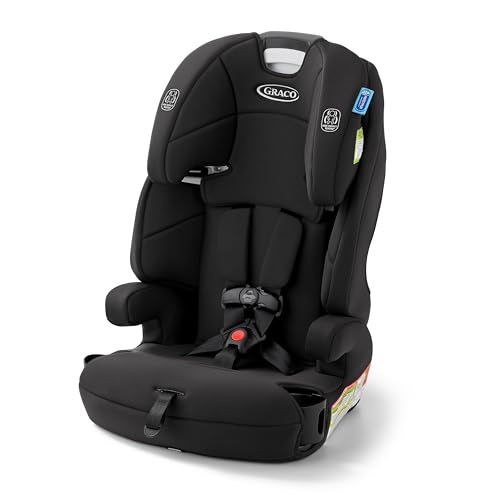
If you’re looking for a booster that reliably bridges toddler to tween, the Graco Tranzitions delivers smart engineering without overcomplicating things. The No-Rethread Simply Safe Adjust system is a standout, owners love how the headrest and harness rise together with one tug, eliminating the daily struggle of rethreading straps. It transitions cleanly from a 26.5 lb forward-facing harness all the way to a backless booster for 100 lb kids, which is rare at this price.
It’s not meant for rear-facing use, so it doesn’t replace an infant seat, this is strictly for kids who’ve outgrown that stage. The lightweight build makes it easy to move between cars, a real plus for divorced parents or big families. But don’t expect plush padding; some owners note the seat feels a bit narrow for wider children. Still, for the long haul, this one’s built to last.
Video review
Safety 1st Ellaris 3-in-1 Convertible
Strengths
- Slim fit
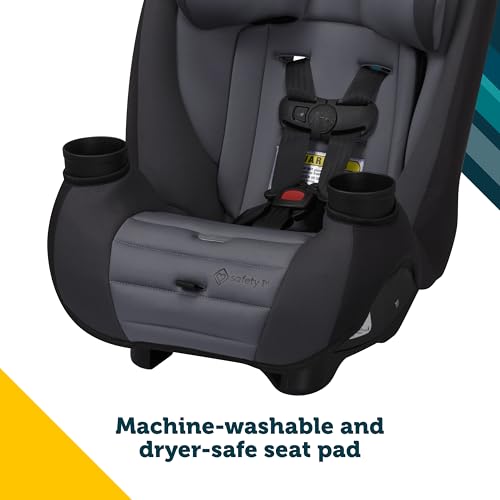
- Machine-washable pad
- Airplane approved
Trade-offs
- Limited rear-facing weight
- Average padding comfort
- Basic harness adjustment
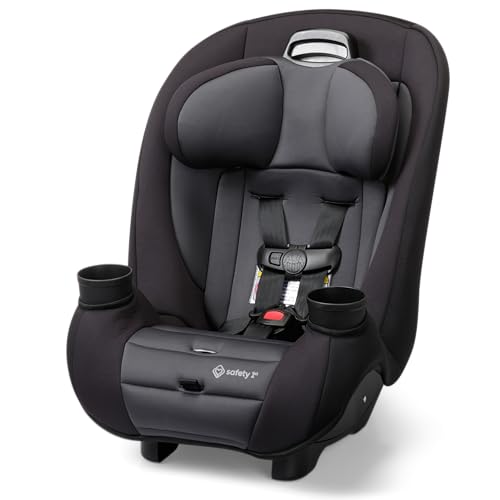
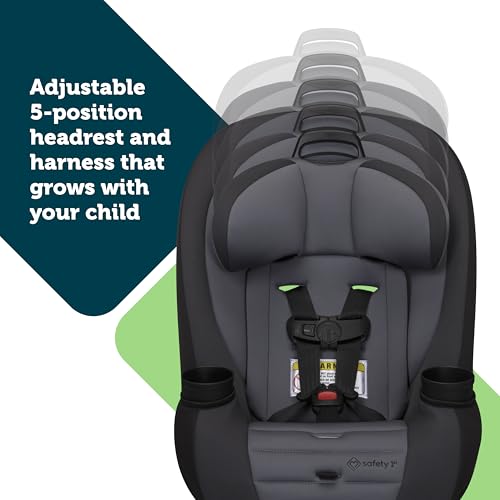
For families needing a no-fuss seat that fits well in tighter spaces, the Safety 1st Ellaris stands out with its slim design and solid safety credentials. It covers the full early range from rear-facing infant use up to forward-facing at 65 lbs, which is impressive at this price. The 5-position headrest adjusts smoothly and owners consistently report it’s easy to reinstall after washing the machine-safe pad, something parents with messy toddlers will appreciate.
It doesn’t offer the longest rear-facing window compared to premium models, topping out at 40 lbs, but for average-sized kids, that still gets you past two years old. The airplane-ready label is a real perk for travelers, and the LATCH system is genuinely simple to click in and out. I’d still double-check fit in your specific vehicle, since ‘slim’ doesn’t always mean ‘fits everywhere’.
Product photos


Graco Extend2Fit Convertible Car Seat

Strengths
- Extended rear-facing
- Adjustable legroom
- No-rethread harness
Trade-offs
- Bulky footprint
- Heavy weight
- Expensive
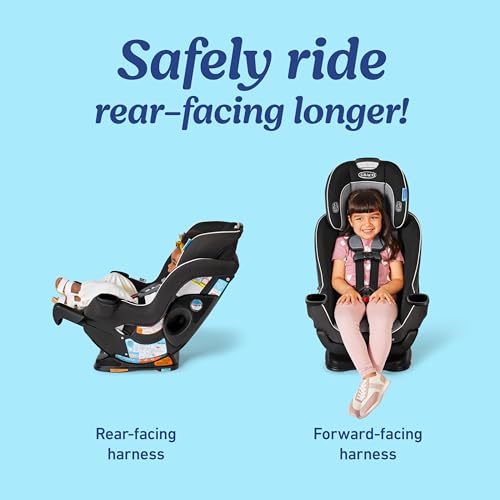
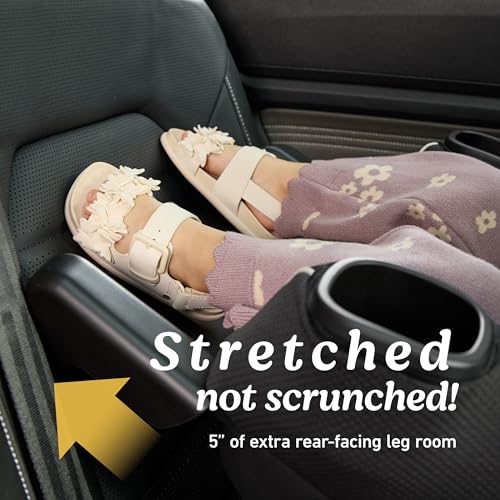
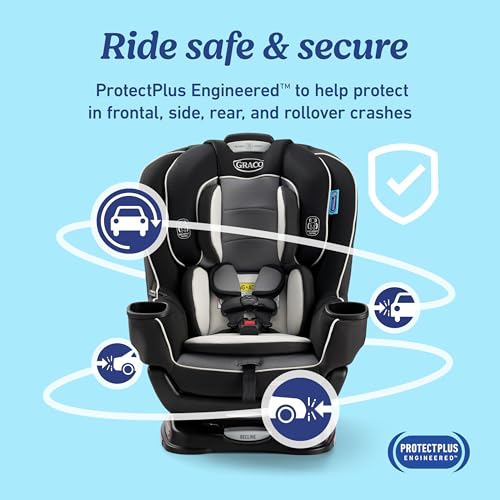
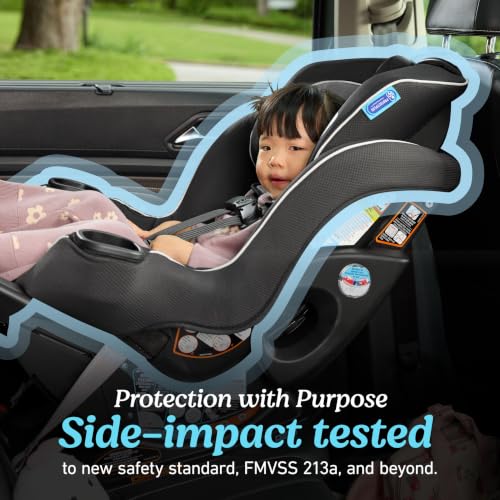
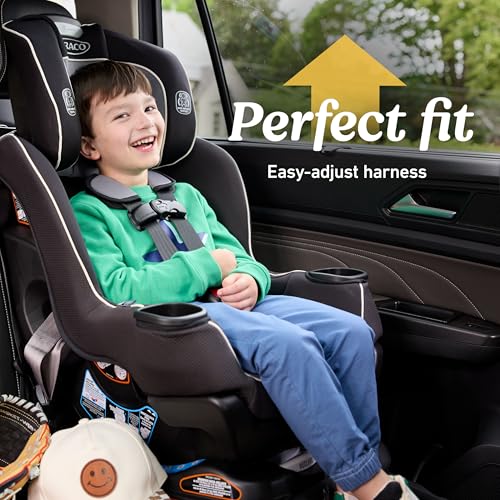
When rear-facing longevity is your top priority, the Graco Extend2Fit is in a class of its own. With a rear-facing limit of 50 lbs and an extendable legroom panel, it lets kids stay in the safest riding position significantly longer than most seats. The 4-position extension adds up to 5 inches of space, this matters in compact SUVs or sedans where legroom is tight. Graco’s ProtectPlus engineering also means it’s built to handle more than just federal minimums, which gives me confidence in its crashworthiness.
The harness system adjusts without rethreading, a feature owners praise for saving time during growth spurts. But this added tech and bulk comes at a cost, it’s one of the larger seats and doesn’t fit three across in many vehicles. And while it’s priced higher, I’d argue it’s worth it if you’re serious about rear-facing.
Product photos
Baby Trend Hybrid SI 3-in-1

Strengths
- Affordable 3-in-1
- Side-impact design
- Cushioned seat
Trade-offs
- Stiff harness adjustment
- Plastic-heavy build
- Mediocre padding
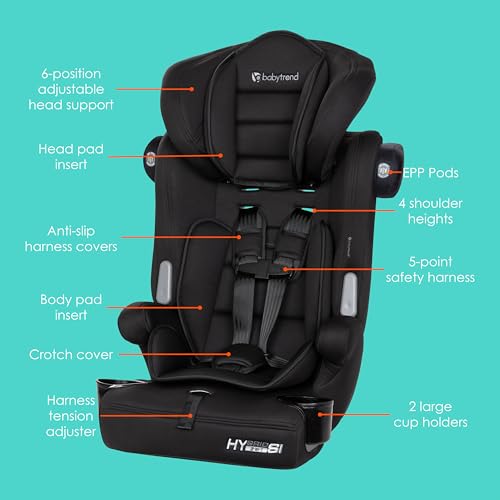
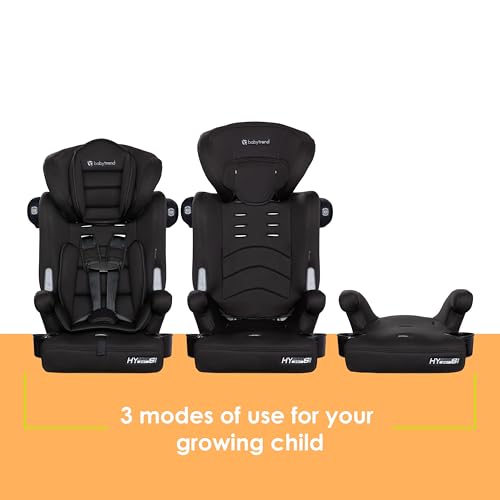
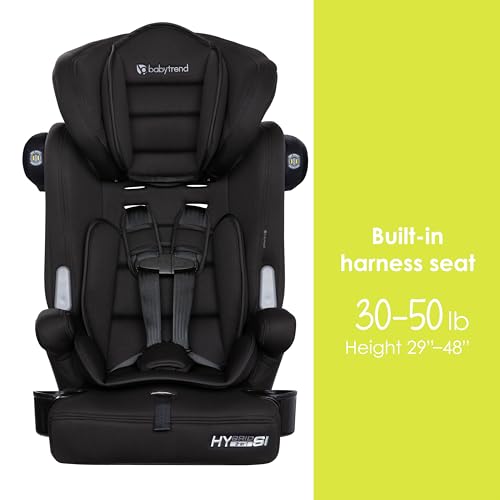
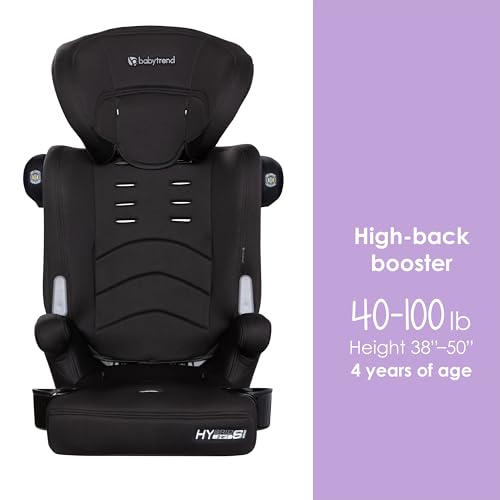
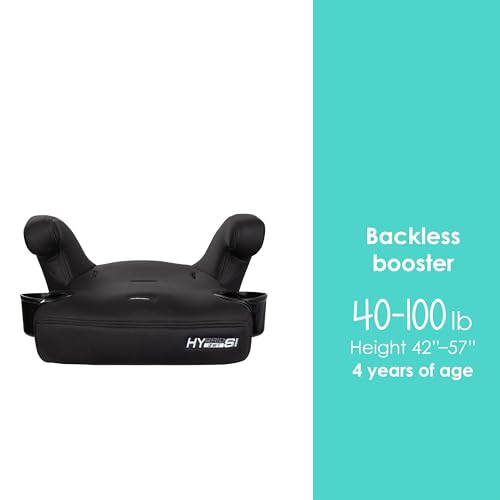
At this price, the Baby Trend Hybrid SI does more than just scrape by, it offers a side-impact focused design and a full 3-stage transition path, which is impressive for a budget pick. It starts as a harness booster for kids 30 lbs and up, then converts to highback and finally backless booster, covering the full mid-to-later childhood range. The adjustable headrest and cushioned seat keep things comfortable, and dual cup holders are a small but appreciated touch.
But being budget-friendly means compromises. The materials feel thinner, and some owners report the harness is trickier to adjust as kids grow. It also lacks the smooth, one-motion systems found in Graco or Safety 1st. Still, for occasional use, a second car, or a cost-conscious family, it delivers real function without cutting every corner.
Product photos
Safety 1st Grand 2-in-1 Booster
Strengths
- Ultra lightweight
- Fits three across
- Easy to clean
Trade-offs
- No infant support
- Short back support
- Basic comfort
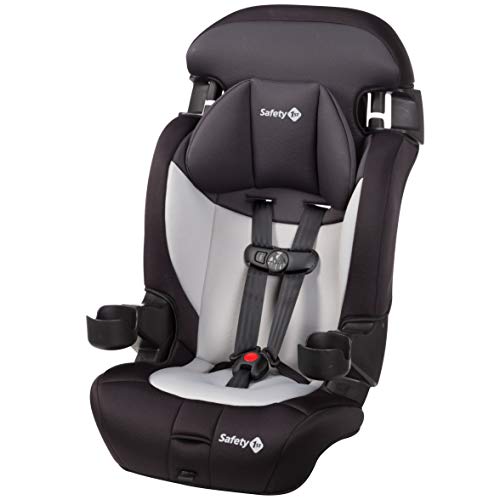
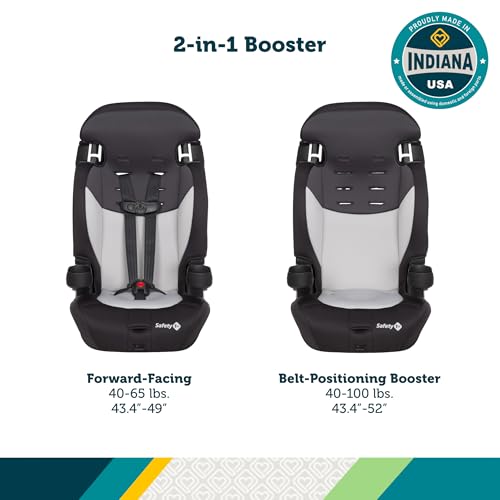
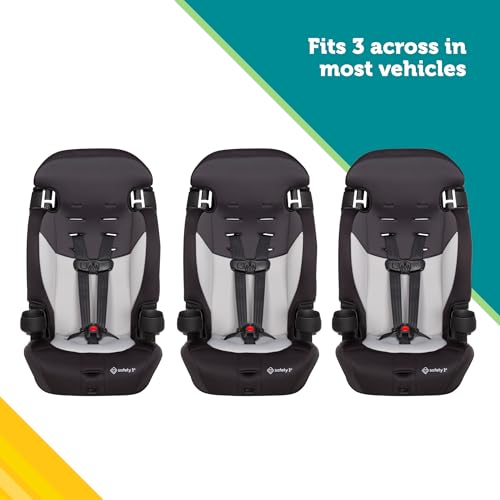
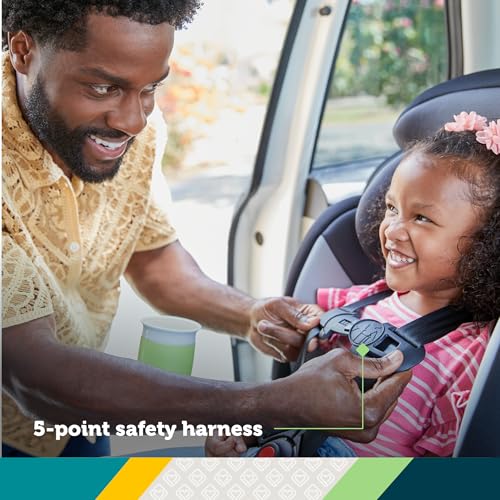
The Safety 1st Grand is the lightest and most portable booster in this lineup, and that’s its real strength. Weighing next to nothing, it’s ideal for carpooling or moving between vehicles, and the slim design fits three across in most back seats, a big deal for large families. It converts from a highback harness booster at 40 lbs to a belt-positioning seat up to 100 lbs, covering the later years without fuss.
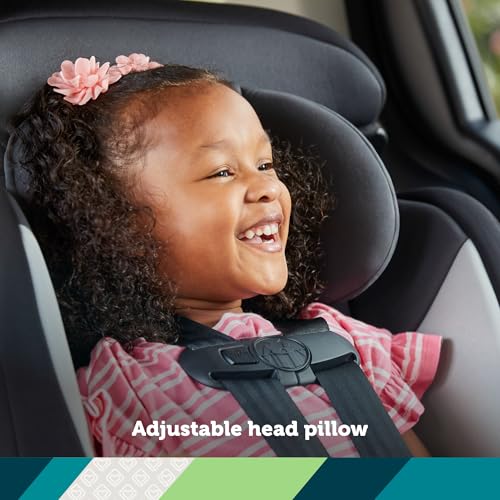
It’s not a convertible seat, so it doesn’t help with infants or rear-facing, this is strictly for older kids. The adjustable headrest works fine, but the padding is thin, and taller children may outgrow the back support before hitting the weight limit. Still, for the price, it’s a no-nonsense, easy-clean option that does what it promises.
Product photos
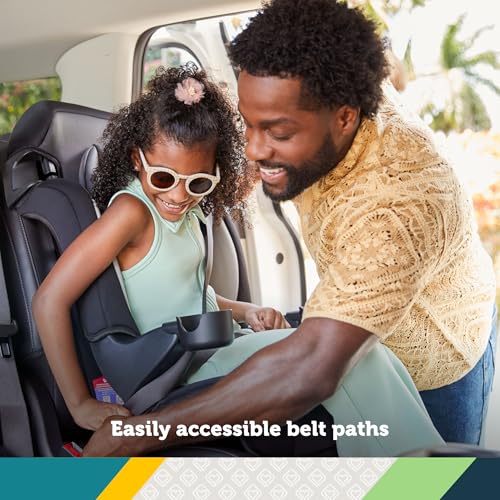
How We Tested combination car seats
Rather than a hands-on lab test, my research for these recommendations focused on a detailed comparison of published specifications and features across numerous models. I weighed owner reviews from major retailers alongside assessments from trusted automotive safety experts. As someone who’s spent years observing vehicle safety advancements at TheAutoZenith, I applied that background to prioritize features crucial for real-world use and longevity. My goal was to identify seats offering the best balance of safety, convenience, and value.
For combination car seats, three factors stood out as most decisive. First, the extended weight and height limits, particularly for rear-facing use, directly impact how long a seat remains appropriate for a growing child. Second, ease of adjustment is critical; a complex harness system quickly becomes frustrating. Finally, build quality and reported durability, as reflected in owner feedback, indicate how well a seat will withstand years of regular use. You can find more information about prioritizing safety in earlier stages with our guide to top-rated toddler car seats.
Specifications reliably reveal weight limits, dimensions, and safety certifications. However, owner reviews proved invaluable for understanding real-world usability. They highlighted issues like installation difficulty, fabric quality, and long-term comfort, details specs simply can’t convey. Reputation, too, played a role; brands with a consistent track record of safety and positive feedback received greater consideration. I also looked at how these models stacked up against more specialized options, like rotating car seats for ease of access.
How To Pick The Right combination car seats
Finding the right combination car seat requires a bit more thought than just picking a color. These seats aim to be the only car seat you’ll need for years, so getting it right is key.
A good combination car seat transitions smoothly between stages, prioritizing safety standards and ease of use. Look for models with clearly defined weight and height limits for each mode (rear-facing, forward-facing with harness, and booster). Pay close attention to adjustability features, as a comfortable fit is paramount, and consider how easily the seat can be cleaned – spills will happen.
Understanding Growth and Weight Ranges
The biggest appeal of a combination seat is its longevity, but that’s also where confusion can creep in. Don’t assume a “one-size-fits-all” approach works. A seat might say it goes to 100 pounds in booster mode, but your child could outgrow the height limit long before reaching that weight. I often see parents getting caught up in the weight numbers and overlooking the crucial height restrictions. Review those specs carefully, and remember that exceeding either limit compromises safety. A good starting point is to explore some options among [recommended convertible seats] to get a feel for what’s available.
Harness Adjustments and Ease of Use
A car seat is only as good as its usability. Fumbling with complicated adjustments every time you buckle in your child is a recipe for frustration – and potentially, mistakes. Look for features like “no-rethread” harness systems, like those found on the Graco models, where the headrest and harness adjust simultaneously. This simplifies things immensely. Also, consider how easy it is to install the seat itself. While most modern seats use LATCH connectors, some vehicles have compatibility issues, so understanding the installation process is important.
- A simple latch system is essential, but don’t rely on it solely. Always double-check the installation with the vehicle seatbelt.
- Quick-release, machine-washable covers are a lifesaver. Trust me, you’ll appreciate this when dealing with unexpected messes.
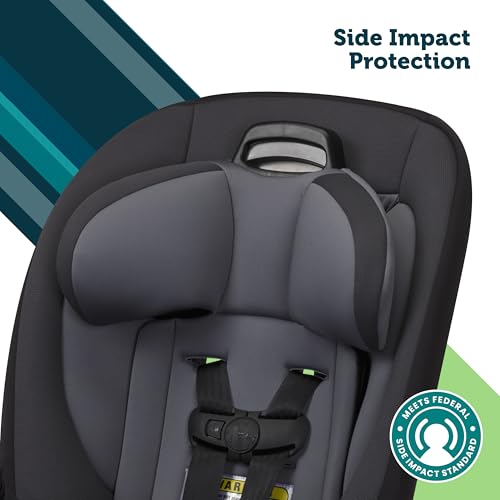
- An adjustable headrest with multiple positions is critical for a proper fit as your child grows. A poorly fitted headrest offers minimal side-impact protection.
Slim Profile and Vehicle Compatibility
Many families need to fit multiple car seats across a vehicle’s back row. In these cases, a slim-profile seat like the Safety 1st Ellaris is a major benefit. However, even if you only need one, a slimmer seat can make getting in and out of the vehicle easier. It’s also worth thinking about whether you frequently transport children in different vehicles. If so, a lighter-weight seat, like the Safety 1st Grand, might be preferable. Before you buy, measure your vehicle’s back seat width and compare it to the seat’s dimensions. If you’re also looking at dedicated booster options, checking out [top-rated booster car seats] can give you a broader perspective on fit.
Don’t buy a car seat based on how cute it is. Prioritize a secure installation, a proper fit for your child, and ease of use. A stylish seat isn’t helpful if it doesn’t protect your little one effectively.
Combination Car Seats Compared
Here’s a comparison of key specifications for several combination car seats to help you make an informed decision.
| Product Title | Rear-Facing Min. Weight (lbs) | Rear-Facing Max. Weight (lbs) | Forward-Facing Min. Weight (lbs) | Forward-Facing Max. Weight (lbs) | Booster Mode Max. Weight (lbs) |
|---|---|---|---|---|---|
| Safety 1st Grow and Go All-in-One | 5 | 40 | 30 | 65 | 100 |
| Graco Tranzitions 3-in-1 | N/A | N/A | 26.5 | 65 | 100 |
| Safety 1st Ellaris 3-in-1 | 5 | 40 | 30 | 65 | N/A |
| Graco Extend2Fit Convertible | 4 | 50 | 26.5 | 65 | N/A |
| Baby Trend Hybrid SI 3-in-1 | N/A | N/A | N/A | N/A | 100 |
| Safety 1st Grand 2-in-1 | N/A | N/A | 40 | 65 | 100 |
Frequently Asked Questions
What’s the biggest mistake people make when choosing a combination car seat?
Many people focus too heavily on the upper weight limit, overlooking the height restrictions. A child can easily max out the height limit before reaching the weight, compromising safety; always verify both measurements.
Are more expensive combination car seats always safer?
Not necessarily. While price often correlates with premium materials and additional features, a seat’s safety rating is determined by meeting federal standards. You can find [highly rated car seats] across a range of price points, so prioritize features and fit over simply spending more.
How often should I replace a car seat?
You should replace a car seat after any crash, even a minor one. Beyond that, check the expiration date printed on the seat itself; most have a lifespan of 6-10 years from the date of manufacture due to plastic degradation over time.
Can I use a combination car seat in an airplane?
It depends on the specific seat and the airline’s policies. Generally, combination seats are too wide to fit safely on an aircraft. Always check with the airline before traveling and review the [car seat reviews] for information on FAA approval.
What if a combination car seat doesn’t fit well in my car?
A poor fit is a serious safety concern. If a car seat installs too loosely, it won’t provide adequate protection in a crash. If you’re struggling, consult a Certified Child Passenger Safety Technician (CPST) for assistance; you can find one through the National Child Passenger Safety Certification Program.
The Bottom Line
Choosing a combination car seat often comes down to balancing long-term value with immediate needs. While many models promise years of use, the Safety 1st Grow and Go All-in-One strikes the best overall balance of features, adjustability, and price, making it a solid choice for most families. It offers a thorough solution that adapts as your child grows without requiring frequent upgrades.
For parents prioritizing budget or those needing a lighter option for vehicle transfers, the Safety 1st Grand 2-in-1 is an excellent pick. If you’re specifically focused on maximizing rear-facing time – and I always encourage parents to consider extended rear-facing seats – the Graco Extend2Fit Convertible is worth a look, though it doesn’t offer a booster mode. And for those bringing a new passenger home, don’t forget to consider the importance of top infant car seats to start.
Ultimately, the numbers on a spec sheet are less important than a secure installation and a proper fit. Don’t get lost in chasing the highest weight limits or fanciest features. Prioritize a car seat that you can confidently install correctly every time, and that keeps your child comfortably and safely restrained as they journey through each stage of growth.
