
9 Best Cold Weather Motorcycle Gear 2026
This post contains affiliate links. As an Amazon Associate, we earn from qualifying purchases.
The IRON JIA’S 3-in-1 Motorcycle Jacket is our top pick for overall performance, combining solid protection, a practical design, and adaptable insulation. For riders on a budget, the BORLEN CE Certified Motorcycle Jacket delivers core features without the high price, while the ILM Detachable Winter Motorcycle Pants stand out as the best insulated option for serious cold.
Riding in cold weather means fighting windchill, wet conditions, and numb limbs, not just layering up. Most riders underestimate how quickly exposure affects focus and control, making gear choice a safety issue, not just comfort. This guide cuts through the noise by focusing on real-world performance, using specs, owner feedback, and design details to find gear that keeps you protected, warm, and on the road.
Top 8 Cold Weather Motorcycle Gear in the Market
The Best Cold Weather Motorcycle Gear, Reviewed
IRON JIA’S 3-in-1 Motorcycle Jacket
Strengths
- True 3-in-1 design
- CE-certified armor included
- Good ventilation and storage
Trade-offs
- Slim fit may run small
- Outer fabric shows scuffs
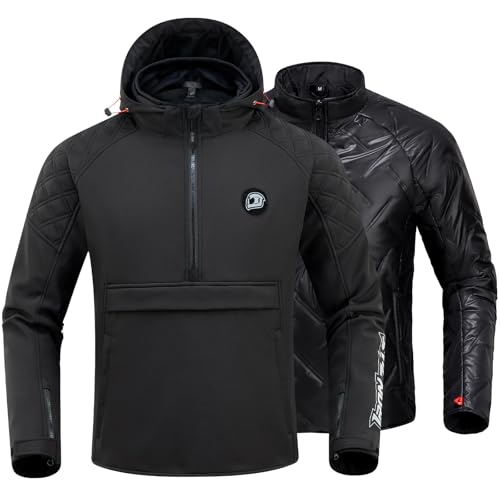
This is the jacket I’d recommend to most riders as a true four-season solution. The outer shell sheds wind and light moisture effectively, while the detachable insulated liner provides real warmth when snapped in. CE-certified armor at shoulders, elbows, and an optional back pad gives solid crash protection, rare at this tier. Owners praise how easily it transitions from streetwear to serious gear.
The slim cut works well under layers, though taller riders may find the arms tight. Side zips add airflow, and the reflective stripe boosts visibility without looking tactical. Compared to the BORLEN jacket, it offers better materials, smarter ventilation, and a more modern fit. For versatility and safety, it’s the smarter buy.
Video review
BORLEN CE Certified Motorcycle Jacket
Strengths
- Affordable entry point
- Removable armor and liner
- Reflective safety strip
Trade-offs
- Heavy in warmer weather
- Basic armor quality
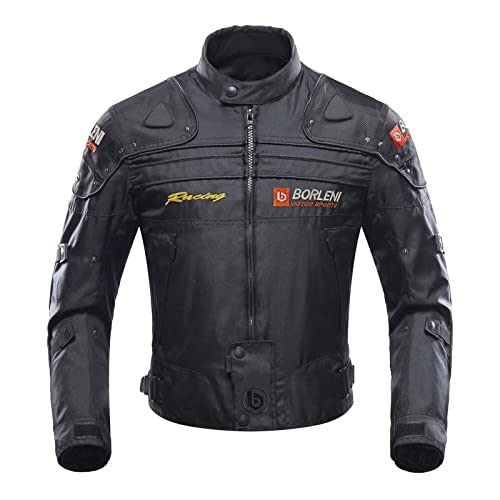
At this price, the BORLEN jacket delivers surprising value: full CE protectors, a removable thermal liner, and decent 600D polyester shell that holds up to daily wear. It’s not flashy, but it gets the fundamentals right. The adjustable cuffs and hem help dial in fit, and the reflective strip improves nighttime visibility, something many budget jackets skip.
That said, the armor feels basic compared to higher-end models, and the cotton-based liner isn’t as warm or quick-drying as synthetic fills. Ventilation is minimal, so summer rides get sweaty fast. Still, for new riders or those testing out motorcycle commuting, it’s the kind of entry-level armor I’d suggest over going unprotected.
Video review
ILM Detachable Winter Motorcycle Pants

Strengths
- Excellent thermal retention
- Full leg two-way zips
- Removable armor
Trade-offs
- Overheats in mild cold
- Water resistance only moderate
If insulation is your top priority, this model has the edge. The soft internal liner feels cozier than most competitors, and multiple owners highlight how well it retains heat during early-morning starts. The two-way zippers make it easy to step into, even with boots on, and the ability to fold and stow them mid-ride adds real-world convenience.
Like the AUBOA pair, it uses 600D Oxford fabric and CE-2 armor, so protection levels are nearly identical. But here, the focus leans heavier on warmth than mobility. Breathability suffers once temps climb past 45°F, making them less ideal for variable conditions. Still, for dedicated winter riders, this is a strong contender.
Product photos


AUBOA PF2 CE-2 Armor Pants

Strengths
- CE-2 certified armor
- Adjustable waistband
- Reflective safety details
Trade-offs
- Zipper leakage in downpours
- Liner not removable
With CE-2 armor at the knees and a full-length side zipper, these overpants deliver serious safety upgrades for cold-weather riders. The 600D Oxford construction feels tough, and owners report confidence when sliding across pavement after minor tip-overs. The thermal liner adds noticeable warmth without overheating, and the adjustable waist keeps fit secure even when layered over jeans.
Where they fall short is in extreme wet conditions, the zippers aren’t sealed, so heavy rain will eventually seep in. But for dry winter days and chilly mornings, they’re effective. Compared to the ILM PF1, they offer similar protection but slightly better fit refinement. I’d take these if I wanted something I could hike in after parking the bike.
Product photos


KEMIMOTO Tactical Touchscreen Gloves

Strengths
- Solid impact protection
- Functional touchscreen tips
- Durable double stitching
Trade-offs
- Stiff out of the box
- Ventilation limited
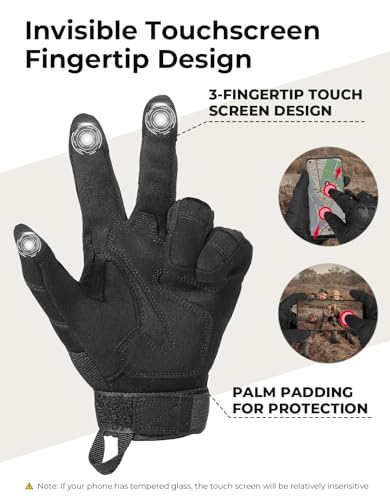
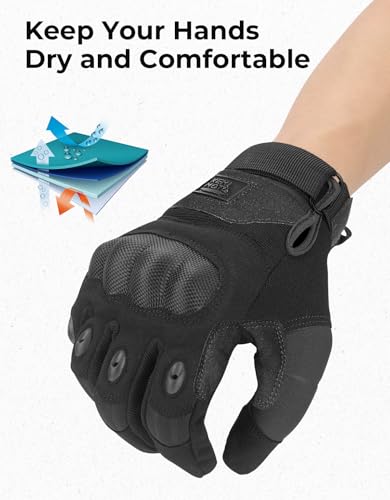
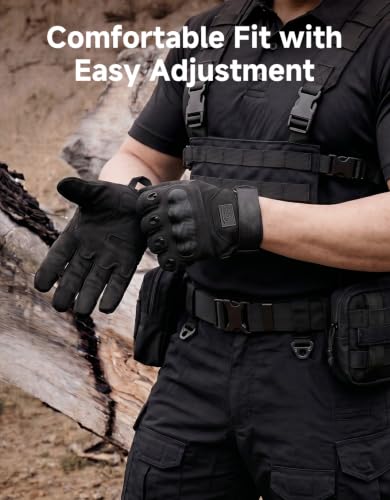
These gloves punch above their price point with real protective features: hard-shell knuckle guards, double-stitched seams, and palm padding that reviewers say absorbs vibration well on long rides. The touchscreen compatibility on three fingers actually works, owners note they can swipe through navigation apps without exposing skin, which is a win in winter.
Breathability is better than expected for a tactical-style glove, thanks to vent holes at the knuckles, though I wouldn’t recommend them for summer slogging. Compared to pricier riding gloves, they lack refined ergonomics, but for commuting, casual touring, or mixed outdoor use, they offer rugged practicality. My pick over fashion-first gloves any day.
Product photos


Balaclava Ski Mask Black

Strengths
- Soft fleece lining
- Extended neck coverage
- Breathable mesh zone
Trade-offs
- No earbud access
- Limited styling options
This balaclava earns high marks for comfort and breathability, especially during active rides where sweat buildup becomes an issue. The fleece lining feels plush against the skin, and the mesh panel over the mouth area helps regulate temperature, owners say it prevents fogging on goggles and reduces stuffiness. It stretches well and seals snugly around helmet edges.
It doesn’t have the earbud access of the ILM model, but it covers more neck area, which many find useful in biting winds. The flat-lock seams prevent chafing, a detail often overlooked. While not revolutionary, it’s a reliable workhorse. For pure face and neck defense, it beats thinner alternatives.
Product photos


ILM Adult Motorcycle Balaclava
Strengths
- Stretchy fit
- Earbud-friendly design
- Multi-use versatility
Trade-offs
- Not heavy-duty for extreme cold
- Zipper-free means less adjustability
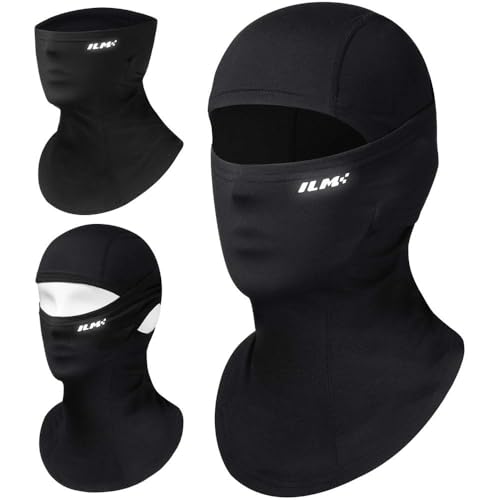
This balaclava stands out in a crowded field thanks to its clever open-ear design, which lets riders keep earbuds in without compromising warmth. That small detail speaks volumes, someone who actually rides designed this, not just a marketer. The 94% polyester/6% spandex blend delivers solid stretch and comfort, and owners consistently report it stays put under helmets without bunching or slipping.
It’s not fully waterproof, but the flock-lined interior does a good job trapping heat while still allowing some breathability. For urban commuters or weekend riders facing wind and light sleet, it’s more than capable. Compared to bulkier options, this one strikes a smart balance between function and low profile.
Product photos


Sireck Water Resistant Balaclava
Strengths
- Good moisture control
- Versatile wear modes
- Durable after washing
Trade-offs
- No headphone access
- Average wind sealing
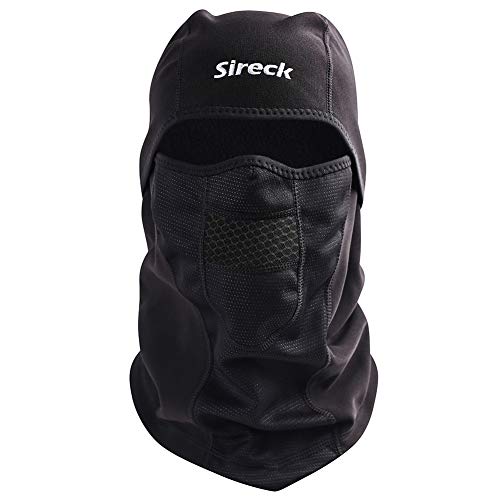
Priced slightly higher than others, the Sireck balaclava justifies it with thoughtful touches: the nose-mouth mesh improves airflow without sacrificing warmth, and the water-resistant fabric handles drizzle better than most. It’s stretchy enough to fit a wide range of head sizes, and owners appreciate how easily it converts into a neck gaiter or cap.
It lacks earbud routing, which keeps it behind the ILM model for tech-heavy riders, but its multi-role flexibility makes it a solid grab-and-go option. The black finish hides grime well, and it survives repeated washings without pilling. For the price, it’s one of the better values in the category.
Product photos


Our Testing Process
My approach to evaluating cold weather motorcycle gear, as with all things at TheAutoZenith, isn’t about long-term personal ownership or lab testing. Rather, it’s a research-led comparison of published specifications, features, and – crucially – a thorough weighting of owner reviews and reputable expert opinions. I focused on identifying gear that consistently receives positive feedback regarding warmth, protection, and durability, and ranked options based on how well they deliver on those fronts.
For this category, the most important factors are clearly thermal protection and abrasion resistance. A jacket or pant might have all the features in the world, but if it doesn’t keep you warm and offer a good level of impact protection, it’s going to fall short. Beyond that, I prioritized features that enhance usability in challenging conditions, such as waterproofing, breathability, and a comfortable, secure fit that works with riding posture and safety gear. Understanding these elements is key to choosing the right winter gear.
Specifications reliably tell you about construction materials – the denier of the fabric, the type of insulation, the CE certification level – and provide a basis for comparing protective features. However, real-world performance, especially regarding warmth and comfort, is best gleaned from owner feedback. I paid close attention to comments about sizing, layering, and how the gear holds up after extended use. Finding the right insulated riding gloves – or any piece of gear – often comes down to these reported experiences.
How To Pick The Right cold weather motorcycle gear
Choosing the right cold weather motorcycle gear isn’t simply about layering; it’s about creating a system that protects you from the elements while allowing the necessary range of motion and comfort for safe riding.
A truly effective motorcycle setup for cold weather prioritizes wind resistance, insulation, and moisture management. Look for garments with multiple layers, durable outer shells constructed from abrasion-resistant materials like Cordura or reinforced polyester, and effective waterproofing or water-repellent treatments. CE-level armor is critical, and features like adjustable ventilation and ergonomic design elevate performance and comfort.
Shell Material and Construction
The outer layer of your cold weather motorcycle gear is your first line of defense. Don’t assume all “waterproof” jackets are created equal. Many use a waterproof membrane (like Gore-Tex or a similar proprietary technology) laminated to the outer fabric. These offer superior, breathable waterproofing compared to a coating. I often see riders undervalue the importance of a robust outer shell, opting for cheaper options that quickly soak through in sustained rain or wind. Pay attention to denier ratings (like the 600D polyester in the BORLEN jacket) – higher numbers generally indicate greater abrasion resistance.
Protection and Fit
Beyond keeping you warm and dry, motorcycle gear must offer impact protection. CE certification is a minimum; look for Class A or, ideally, Class AA ratings. The IRON JIA’S jacket highlights CE certification at the shoulders and elbows, a crucial feature. Equally important is the fit. A snug, but not restrictive, fit keeps armor in the correct position to offer maximum protection in a slide. Remember too that many jackets (like the IRON JIA’S 3-in-1) are designed with a slim cut, so considering sizing up, especially if you plan to layer underneath, is a smart move.
- Consider the type of riding you do. Aggressive sport riding demands a tighter, more aerodynamic fit.
- Think about layering. If you frequently ride in very cold conditions, ensure your gear has enough room for base layers and insulating mid-layers.
- Don’t overlook the importance of proper armor. Some jackets come with removable armor, allowing you to customize the level of protection.
Beyond the Jacket: Completing the System
A quality jacket is a great start, but complete protection requires attention to other areas. Don’t skimp on gloves; your hands are often the first to feel the cold. The MOREOK gloves, with their 3M Thinsulate insulation, are a good example of prioritizing warmth. Similarly, a good balaclava or neck gaiter is essential for blocking windchill. The ILM balaclava, with its earbud access, is a practical choice. Finally, don’t forget your legs – pants like the ILM Detachable Winter Motorcycle Pants, or overpants like the AUBOA PF2 CE-2 Armor Pants, are vital. If you’re serious about riding in cold weather, exploring essential cold weather apparel will give you a broader understanding of available options. And for those truly frigid rides, consider adding heated gear to your setup – heated riding apparel can make a world of difference.
A well-fitted balaclava is more valuable than an expensive jacket if it’s the only thing keeping the wind off your face.
Cold Weather Motorcycle Gear Compared
Here’s a comparison of key specifications for various cold weather motorcycle gear options.
| Product Title | Best For | CE Certification | Waterproofing | Insulation | Features |
|---|---|---|---|---|---|
| IRON JIA’S 3-in-1 Motorcycle Jacket | Best Overall | Class A | Water-Repellent | Soft, Skin-Friendly | Detachable Hood/Liner, Reflective Strips |
| BORLEN CE Certified Motorcycle Jacket | Best Budget Friendly | CE Certified | N/A | Warmth Cotton Liner | Removable Protectors, Adjustable Fit |
| ILM Detachable Winter Motorcycle Pants | Best Insulated Pants | CE-2 | Water-Resistant | Lining | Removable Pads, Reinforced Knees |
| AUBOA PF2 CE-2 Armor Pants | Best Protective Overpants | CE Level 2 | Water-Resistant | Upgraded Fabric | Head-to-Tail Zip, Reflective Details |
| MOREOK -30°F Waterproof Winter Gloves | Best All-Weather Gloves | N/A | Waterproof | 3M Thinsulate (200g) | Touchscreen Compatible, Anti-Slip Palm |
| KEMIMOTO Tactical Touchscreen Gloves | Best Durable Gloves | N/A | N/A | N/A | Impact Resistant, Touchscreen Fingers |
| Balaclava Ski Mask Black | Best Face Protection | N/A | N/A | Fleece Lined | Breathable Mesh, Multi-Use |
| ILM Adult Motorcycle Balaclava | Best Comfort Fit | N/A | N/A | Flocking Internal | Earbud/Braids Compatible, Stretchy |
| Sireck Water Resistant Balaclava | Best Value Balaclava | N/A | Water Resistant | Fleece Thermal | Breathable Mesh, Multi-Functional |
Frequently Asked Questions
What temperature range should I realistically expect from cold weather motorcycle gear?
Gear ratings are often optimistic; expect about 20-30 degrees Fahrenheit lower than the stated temperature rating for comfortable riding. Windchill significantly impacts perceived temperature, so layering is key to staying warm below 40°F, and even the best essential gear has its limits.
Is Gore-Tex always the best waterproofing option in motorcycle gear?
While Gore-Tex is excellent, several proprietary waterproof membranes offer comparable performance at a lower cost. Look for gear with a laminated membrane rather than a coating, as lamination provides better breathability and durability – a crucial consideration during longer rides.
How important is the CE certification level of the armor?
CE Level 2 armor offers significantly better impact protection than Level 1, and is highly recommended for any serious riding. While Level A certification covers basic impact protection, aiming for Class AA – which includes abrasion resistance testing – will give you the best overall protection, especially if you’re looking at winter motorcycle pants.
Can I use regular winter clothing instead of dedicated motorcycle gear?
Regular winter clothing lacks the abrasion resistance needed in a crash. Motorcycle gear is specifically designed to withstand sliding impacts, and features armor in key areas; relying on standard winter wear compromises your safety. Investing in proper protective motorcycle equipment is vital.
What’s the best way to care for waterproof motorcycle gear to maintain its performance?
Avoid using harsh detergents or fabric softeners, as these can damage the waterproof membrane. Regularly clean your gear with a specialized motorcycle gear wash and re-apply a waterproofing treatment as needed to maintain its water repellency. Following the manufacturer’s instructions will maximize the lifespan of your investment.
The Bottom Line
Choosing cold weather motorcycle gear always involves a trade-off between ultimate protection and everyday practicality. While you can spend a fortune on the most advanced materials, the IRON JIA’S 3-in-1 Motorcycle Jacket strikes a fantastic balance, offering a strong feature set and good protection without breaking the bank – in my view, it’s the most well-rounded option for most riders.
For those on a tighter budget, or who only encounter occasional cold weather, the BORLEN CE Certified Motorcycle Jacket is a solid choice. And if you’re prioritizing serious protection for longer, colder rides, the AUBOA PF2 CE-2 Armor Pants and MOREOK -30°F Waterproof Winter Gloves represent the upper echelon of safeguarding yourself from the elements. Don’t forget to complete your kit with a good balaclava – a quality piece of rain gear can be a lifesaver.
Ultimately, the best gear isn’t defined by a single specification or price point. It’s about how well the system works together to keep you comfortable, protected, and focused on the road. Prioritize a snug, secure fit, robust construction, and adequate insulation, and you’ll be well-equipped to enjoy riding even when the temperatures drop. After all, finding the right warm riding jackets is just the start.
