
9 Best Cold Weather Biking Gear 2026
This post contains affiliate links. As an Amazon Associate, we earn from qualifying purchases.
The baleaf Men’s Winter Cycling Jacket is the best overall cold weather biking jacket, offering reliable windproofing and a smart layering fit. For budget-conscious riders, the ROCKBROS Windproof Thermal Cycling Jacket delivers solid protection at a lower price, while the ROCKBROS Windproof Thermal Balaclava rounds out essential gear for face and neck coverage.
Riding in cold weather means fighting wind chill, dampness, and stiff joints, not just picking random gear that claims to be warm. Too many riders end up sweating through a non-breathable shell or underdressed on long descents because they overlooked fit and function.
This guide cuts through the noise by focusing on what actually works: windproofing, breathability, and real-world feedback from riders who log miles in the cold. I looked at specs, owner reviews, and trusted brand patterns to find gear that keeps you comfortable, visible, and moving freely when temperatures drop.
Top 9 Cold Weather Biking Gear in the Market
The Best Cold Weather Biking Gear, Reviewed
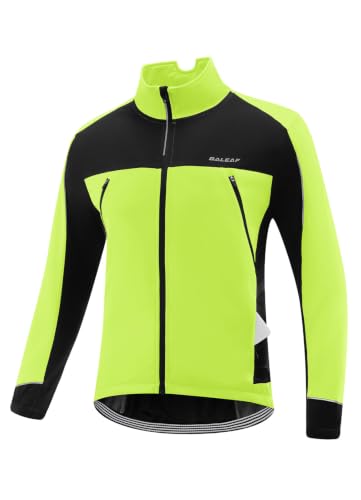
baleaf Men’s Winter Cycling Jacket
Strengths
- Three-layer insulation
- Chest vents
- Reflective details
Trade-offs
- Higher price
- Limited color options
This is the jacket I’d recommend to most riders looking for a do-it-all winter layer. The three-layer construction keeps wind out without trapping sweat, and the chest vents actually make a difference when you’re climbing. The reflective elements are well-placed, on elbows, back, and pockets, for real visibility in low light.
Owners praise the drop-tail hem for blocking road spray, and the silicone gripper keeps it from riding up. The left-side zipper is a thoughtful touch for US riders. While it’s not the warmest option here, it’s the most balanced: protective, breathable, and practical.
Video review
GripGrab Ride Windproof Winter Gloves

Strengths
- True windproof
- Gel padding
- Sweat-wiper thumb
Trade-offs
- Snug fit
- Expensive
These gloves are built like race gear, snug, precise, and focused on performance. The windproof shell actually blocks airflow, unlike many gloves that claim wind resistance but still let chill through. The 4mm DoctorGel padding is a standout: owners say it reduces hand fatigue on long rides, especially on rough roads.
The fleece wiper on the thumb is a small but appreciated detail. The knit cuff seals well with long sleeves, but the fit runs tight, size up if you’re between sizes. For anyone riding regularly in cold weather, these are worth the investment.
Video review
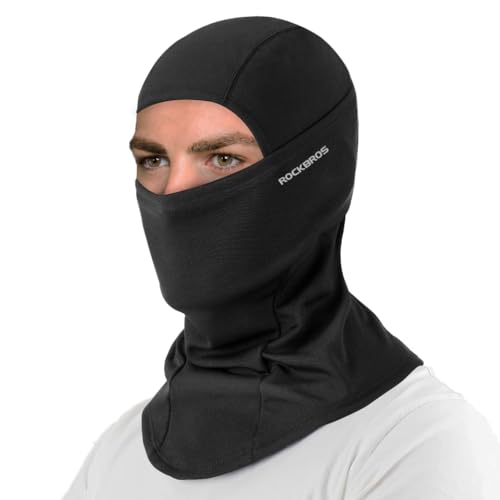
ROCKBROS Windproof Thermal Balaclava
Strengths
- Full head coverage
- Windproof material
- One-size-fits-all
Trade-offs
- Limited breathability
- No separate mouth vent
If you’re serious about face and head coverage in winter, this balaclava is worth considering. The thermal fleece lining is soft against the skin and traps heat effectively, while the windproof outer layer blocks biting gusts. Owners riding in sub-freezing temps say it keeps their face from going numb, even during long sessions.
The super-stretchy fit works with most helmet types, and the full coverage means no gaps at the neck or jaw. It’s not as breathable as a gaiter, but that’s the trade-off for warmth. For winter cyclists in snowy or windy climates, this is a dependable shield.
Product photos


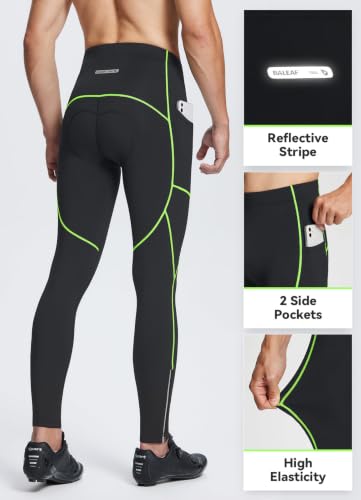
baleaf Men 4D Padded Fleece Pants

Strengths
- Built-in padded seat
- Water-resistant
- Ankle zippers
Trade-offs
- Bulkier than base layers
- Limited breathability
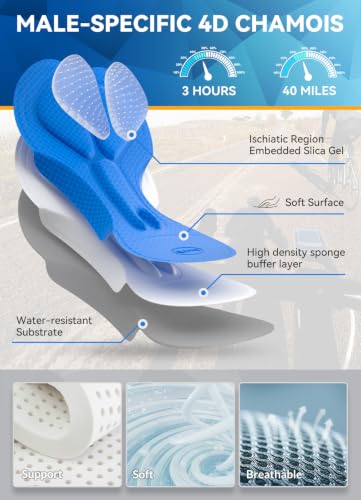
These pants stand out in a crowded field thanks to the built-in 4D gel pad, something I usually only see in dedicated cycling shorts. That means you can skip the base layer and still ride long distances without numbness or chafing. The fleece lining adds warmth, and the water-resistant outer fabric holds up well in slush and light snow, according to owner feedback.
The ankle zippers are a quality-of-life upgrade, making on and off easier with boots. While not the most rugged option for deep winter trails, they strike a great balance between comfort and performance. For commuters or weekend riders, this is a strong all-in-one choice.
Product photos


ROCKBROS Windproof Thermal Cycling Jacket

Strengths
- Affordable
- Windproof
- Multiple pockets
Trade-offs
- Poor breathability
- Runs small
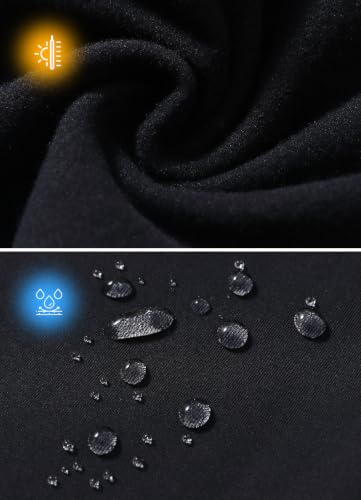
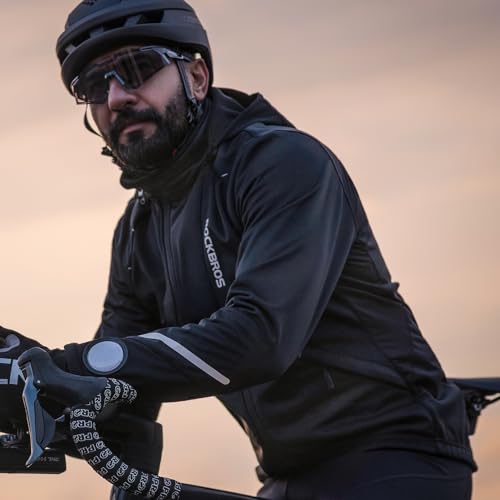
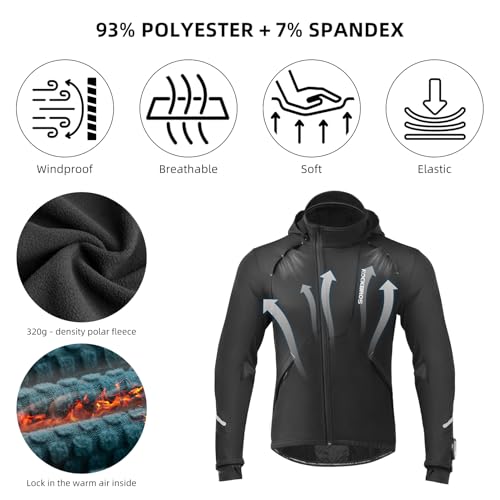
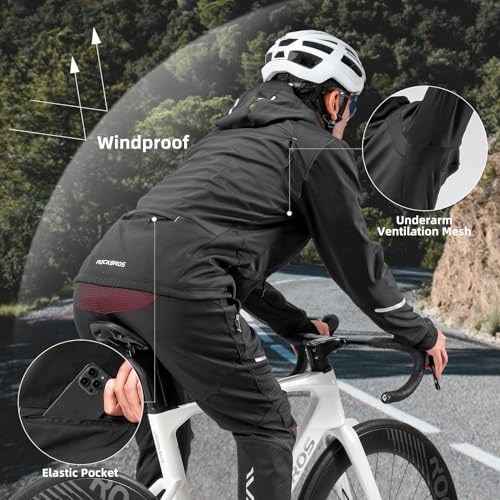
This jacket punches above its price point with a thick polar fleece inner and a windproof outer shell. It’s not the most technical option here, but for the budget-conscious rider, it covers the essentials: warmth, wind protection, and visibility. The reflective strips are bright enough to register in headlights, and the multi-pocket layout is genuinely useful.
That said, the ventilation holes on the back and shoulders don’t move much air during hard efforts, owners note it can get stuffy. If you run cold or stick to casual rides, this is a solid pick. But for intense winter training, you’ll want something more breathable.
Product photos

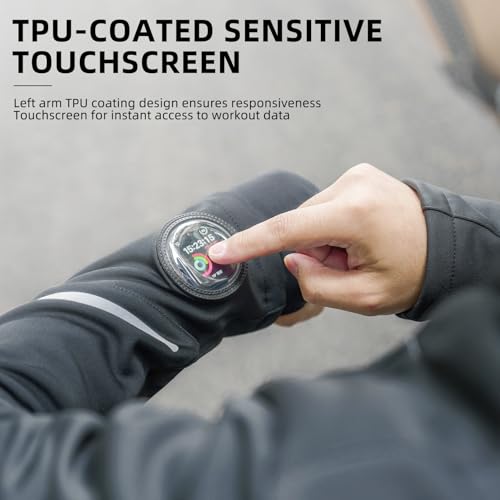
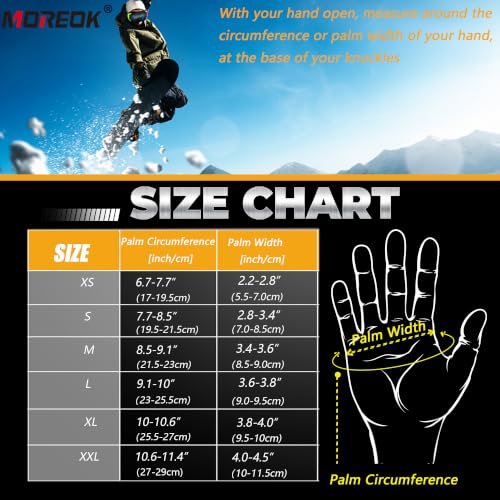
MOREOK Waterproof -30°F Winter Gloves

Strengths
- 3M Thinsulate
- Waterproof
- Touchscreen compatible
Trade-offs
- Bulky fingers
- Stiff out of box
When the mercury drops below zero, these gloves step up where others fail. The 3M Thinsulate insulation retains heat even when damp, and the TPU membrane keeps hands dry in snow or rain. Owners using them for skiing and winter biking confirm they work reliably in extreme cold, something few gloves at this price can claim.
The touchscreen compatibility is responsive, and the adjustable wrist strap keeps snow out. They’re not the most dexterous option, but warmth and dryness come first in -30°F conditions. If you’re biking in deep winter, these are a logical choice.
Product photos


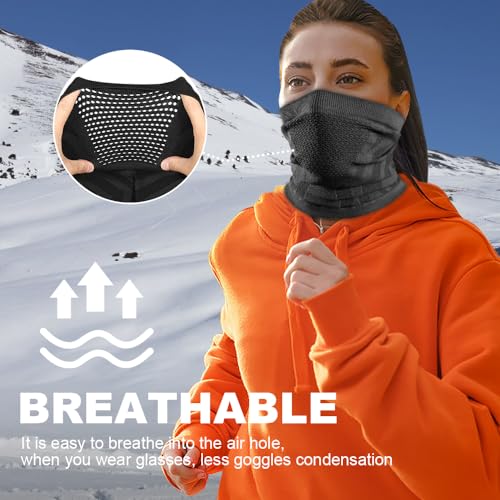
WTACTFUL Winter Neck Gaiter Mask

Strengths
- Lightweight
- Breathable vents
- Helmet-compatible
Trade-offs
- Minimal insulation
- Not for extreme cold
For basic neck and face coverage in cold weather, this gaiter delivers more than you’d expect at this price. The breathable air holes near the nose and mouth are a smart touch, owners consistently report less fogging on goggles and glasses, which is a real win for cyclists and motorcyclists. It’s not insulated like a balaclava, but it does a solid job blocking wind and retaining warmth without suffocating.
I’d recommend this as a lightweight, packable layer rather than a standalone solution in deep cold. It’s flexible enough to wear under helmets, and the stretchy fabric stays put once adjusted. If you’re layering up for winter biking, this is a no-brainer backup option.
Product photos



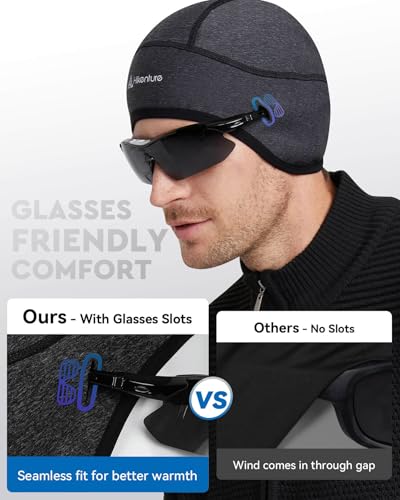
Hikenture Skull Cap Helmet Liner

Strengths
- Glasses-friendly holes
- Cozy fleece lining
- Helmet-compatible
Trade-offs
- No reflective elements
- Limited UV protection
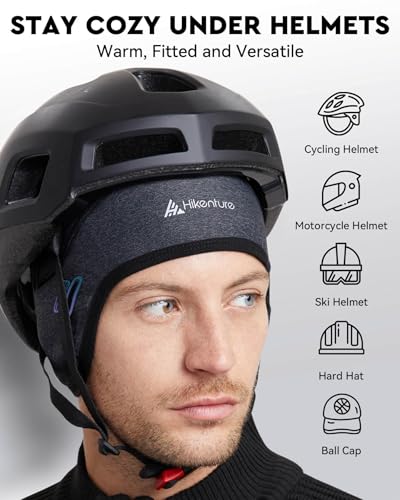
This is the rare thermal beanie that actually works with eyeglasses, something many helmet liners fail at. The added slots on the sides prevent that familiar pressure point behind the temples, and reviewers confirm it doesn’t distort your glasses fit. The fleece lining is warm without overheating, and the ear flaps add real protection in wind chill.
It’s stretchy enough to fit a wide range of head sizes, and the low-profile design slips easily under most helmets. For anyone who wears glasses and bikes in winter, this is a smarter pick than generic skull caps.
Product photos


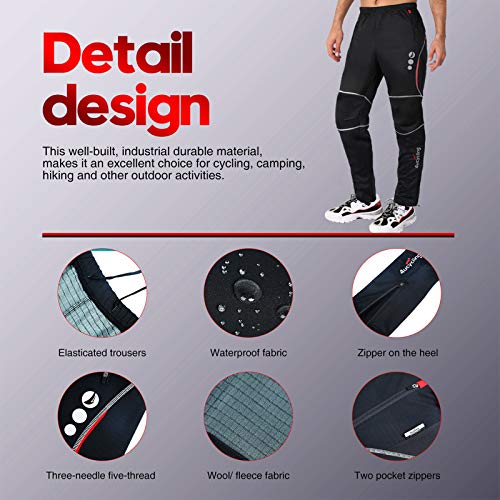
4ucycling Men’s Thermal Mountain Bike Pants
Strengths
- Articulated knees
- Zippered cuffs
- Affordable
Trade-offs
- Basic insulation
- Limited padding
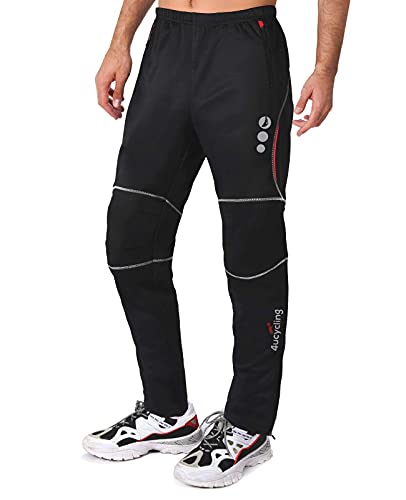
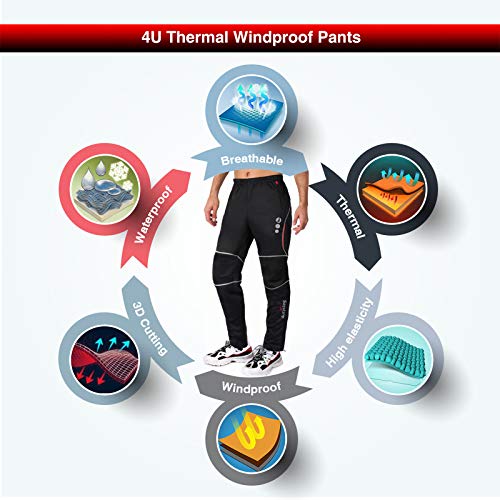
At this price, these pants offer impressive features: articulated knees, zippered cuffs, and reflective detailing. The windproof outer and fleece lining do their job in freezing temps, and the gusseted crotch allows real freedom of movement, owners on technical trails confirm they don’t restrict pedaling.
The zippered pockets are a step above basic models, and the fabric holds up well to repeated use. While not as soft as premium brands, they deliver solid performance for the cost. For riders wanting value without total compromise, this is a smart pick.
Product photos



How We Chose These cold weather biking gear
My approach to evaluating cold weather biking gear at TheAutoZenith isn’t about lengthy personal use with every item – that’s simply impractical. Instead, I focused on a research-led comparison of published specifications, features, and a careful weighing of owner reviews alongside assessments from reputable cycling publications. This allowed me to build a picture of performance and value across a range of products, identifying what consistently rises to the top based on real-world feedback. Ultimately, I ranked items against a clear set of criteria designed for rider comfort and safety.
For this category, the most important factors are windproofing, thermal insulation, and fit. A jacket might boast impressive specs, but if owners report wind sneaking through, it falls down the list. Similarly, exceptional warmth is useless if the garment restricts movement. I prioritized gear that balances these elements, recognizing that layering is key, and the best pieces work with a cyclist’s existing wardrobe. Finding the right cycling gear for cold weather requires this balance.
Specifications are reliable for understanding materials and construction – a jacket’s denier rating or a glove’s insulation weight gives a good baseline. However, owner feedback proved crucial for judging real-world performance. Reports on breathability, sizing accuracy, and durability were heavily weighted, as those are areas specs often don’t fully capture. I also considered the reputation of brands known for quality and innovation in cold weather cycling jackets, understanding that established manufacturers often deliver consistent results.
Choosing The Right cold weather biking gear
Finding the right cold-weather cycling gear is a balancing act. You want protection from the elements, but you also need to avoid overheating and maintain freedom of movement.
A quality cycling jacket prioritizes windproofing, breathability, and a tailored fit. Look for features like multiple layers for adaptable insulation, reflective elements for visibility, and strategically placed pockets for essentials. Consider the intended use; a commuting jacket will differ from one designed for high-intensity trail riding.
Prioritize Windproofing and Water Resistance
Wind chill is a cyclist’s enemy. A jacket that blocks wind is absolutely critical, even if temperatures aren’t drastically low. Many jackets, like the ROCKBROS Windproof Thermal Cycling Jacket, achieve this with a tightly woven outer layer. However, don’t automatically equate windproofing with complete waterproofing. While some water resistance is helpful for light rain or spray, a fully waterproof jacket can trap moisture and leave you clammy. Focus on a durable water repellent (DWR) finish, which sheds light precipitation while maintaining breathability.
Dial In The Fit and Layering Potential
A cycling jacket shouldn’t flap in the wind, but it also shouldn’t feel restrictive. A performance fit, meaning close-to-the-body but allowing a full range of motion, is ideal. This is where the baleaf Men’s Winter Cycling Jacket excels, with its form-fitting design intended for layering. Consider these points when assessing fit:
- Sleeve length: Ensure it covers your wrists even when reaching forward.
- Drop tail: An extended rear hem prevents spray from soaking your lower back.
- Layering space: The jacket should comfortably accommodate a base layer and a mid-layer fleece or vest without feeling bulky.
A poorly fitting jacket will negate the benefits of even the best materials.
A good rule of thumb: always size up slightly if you plan to layer extensively. You want room for airflow and movement, not a constricted feeling.
Don’t Overlook Peripheral Protection
A jacket is only one piece of the puzzle. Protecting your extremities is equally important. This is where accessories like the ROCKBROS Windproof Thermal Balaclava and quality gloves for cold weather bicycling come into play. A balaclava shields your face and neck from windburn, while warm, windproof bicycle gloves for cold prevent numb hands. Don’t forget about leg coverage either – consider thermal bibs or pants like the 4ucycling Men’s Thermal Mountain Bike Pants. For a broader overview of staying warm on two wheels, check out our guide to essential winter bicycle gear.
Cold Weather Biking Gear Compared
Here’s a comparison of key specifications for various cold weather biking gear options.
| Product Name | Insulation/Material | Windproof | Waterproof | Pockets | Special Features |
|---|---|---|---|---|---|
| baleaf Men’s Winter Cycling Jacket | 3-layer (Fleece) | Yes | N/A | 4 | Drop tail, Reflective |
| GripGrab Ride Winter Gloves | Thermal, DoctorGel | Yes | N/A | 0 | Touchscreen, Sweat-Wiper |
| ROCKBROS Windproof Balaclava | Thermal Fleece | Yes | N/A | 0 | Air Hole, Versatile |
| baleaf Men 4D Padded Fleece Pants | Fleece | N/A | Water Res. | 2 | 4D Padding, Ankle Zipper |
| ROCKBROS Windproof Cycling Jacket | Polar Fleece | Yes | N/A | 3 | Breathable Holes, Reflective |
| MOREOK Waterproof Winter Gloves | 3M Thinsulate | Yes | Yes | 0 | Touchscreen, Durable |
| WTACTFUL Winter Neck Gaiter Mask | N/A | N/A | N/A | 0 | Air Holes, Fog-free |
| Hikenture Skull Cap Helmet Liner | Fleece | Wind-Res. | N/A | 0 | Glasses Slots |
| 4ucycling Men’s Thermal Pants | Thermal Fleece | Yes | N/A | 2 | Articulated Knees, Reflective |
Frequently Asked Questions
What temperature range should my cold weather biking gear cover?
Gear ratings are subjective, but a versatile setup should comfortably handle temperatures between 30°F and 50°F ( -1°C and 10°C) with layering. Below freezing, you’ll need to add heavier insulation and potentially windproof over-layers for exposed skin.
Are waterproof jackets always better than water-resistant ones for cycling?
Not necessarily. Fully waterproof jackets can trap sweat and cause discomfort during exertion. A durable water repellent (DWR) finish provides sufficient protection from light rain and spray while maintaining breathability – a critical factor for cycling.
How important are reflective elements on cold weather gear?
Reflective details are extremely important, especially during shorter daylight hours in winter. Visibility is significantly reduced in gloomy conditions, and reflective gear helps ensure you’re seen by motorists and other cyclists.
What’s the best way to keep my hands warm while cycling?
Layering is key. Start with a thin liner glove to wick away moisture, then add a windproof and insulated glove like the best gloves for cold rides. Bar mitts provide an extra layer of protection from the wind.
Can I use regular winter clothing instead of cycling-specific gear?
While possible, cycling-specific gear offers a better fit and performance. It’s designed to be aerodynamic, allow for a full range of motion, and manage moisture effectively. Cycling gloves guide details how specialized design enhances comfort and safety on the bike.
The Bottom Line
Choosing cold weather biking gear often comes down to how much you’re willing to spend for a perfect fit and specialized features. While a fully kitted-out rider might prioritize top-end windproofing and breathability, the baleaf Men’s Winter Cycling Jacket strikes a fantastic balance of performance and value for most cyclists. It’s a solid starting point, offering good protection without breaking the bank.
For those with very specific needs, our recommendations branch out from there. If you’re seeking maximum hand protection, the MOREOK Waterproof Winter Gloves deliver on both warmth and wet-weather defense. And for comfortable leg coverage, consider the 4ucycling Men’s Thermal Pants, or explore more options in our guide to cold weather bike pants. Don’t overlook the importance of quality insulated biking gloves either – cold hands can ruin any ride.
Ultimately, the specs matter less than how well your gear works together as a system. Prioritize a good base layer, focus on blocking the wind, and ensure you have adequate coverage for your extremities. A well-thought-out layering strategy, combined with a focus on fit, will always outperform chasing the latest (and often expensive) material innovations.
