
8 Best Children’s Car Seats of 2026
This post contains affiliate links. As an Amazon Associate, we earn from qualifying purchases.
The Graco Extend2Fit 3-in-1 stands out as the best overall children’s car seat for its extended rear-facing range and reliable safety features, while the Graco Slimfit 3-in-1 is the top choice for smaller vehicles, and the Safety 1st Ellaris 3-in-1 offers solid performance at a more affordable price.
Choosing the right car seat can feel overwhelming, especially with so many options and safety claims. As someone who’s spent years understanding mechanical reliability and real-world performance, I know that specs matter, but so does how a product holds up in daily use. This guide cuts through the noise by focusing on what actually counts: safety certifications, real owner feedback, and practical fit for your vehicle and lifestyle. We looked at dozens of models, weighing crash test data, adjustability, and long-term usability to find the ones that deliver where it matters most.
Top 8 Childrens Car Seats in the Market
The Best Childrens Car Seats, Reviewed
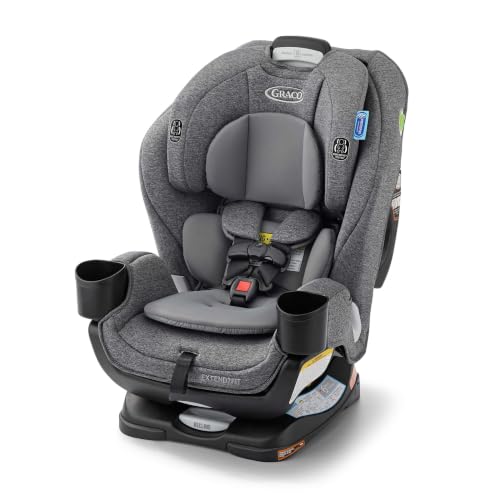
Graco Extend2Fit 3-in-1 Car Seat
Strengths
- 4-position legroom extension
- Rear-facing up to 50 lb
- No-rethread harness adjustment
Trade-offs
- Bulky in width
- Heavier than average
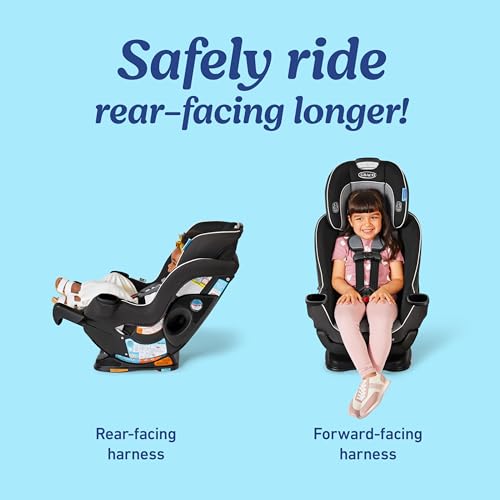
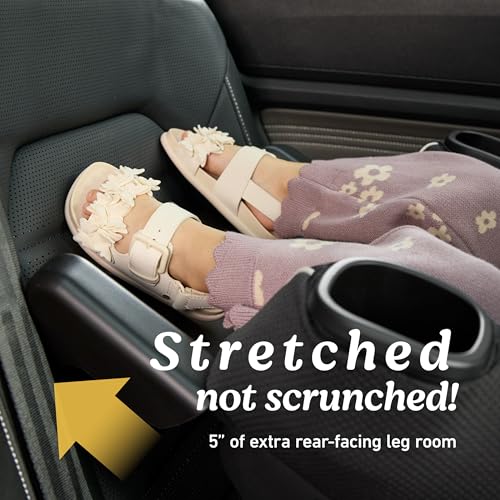
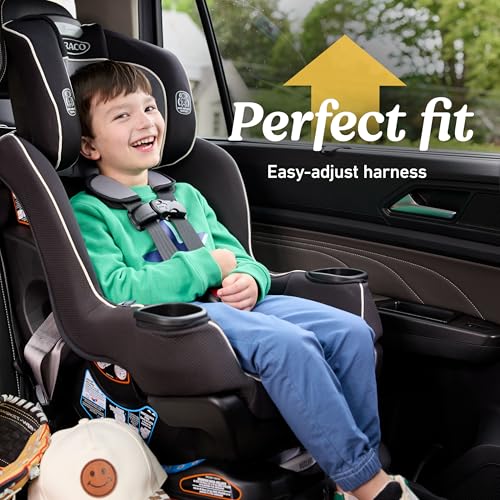
When it comes to maximizing rear-facing time, the Graco Extend2Fit 3-in-1 stands out in a crowded field. The 4-position extension panel that adds up to 5 inches of legroom isn’t just a gimmick, owners consistently report it makes a real difference for longer-limbed toddlers in compact vehicles. With a rear-facing limit of 50 pounds, it outpaces many competitors, aligning with pediatric recommendations to keep kids rear-facing as long as possible. The No-Rethread Simply Safe Adjust Harness is a standout feature, letting you raise the headrest and harness in one motion without rethreading straps, a small detail that parents appreciate during growth spurts.
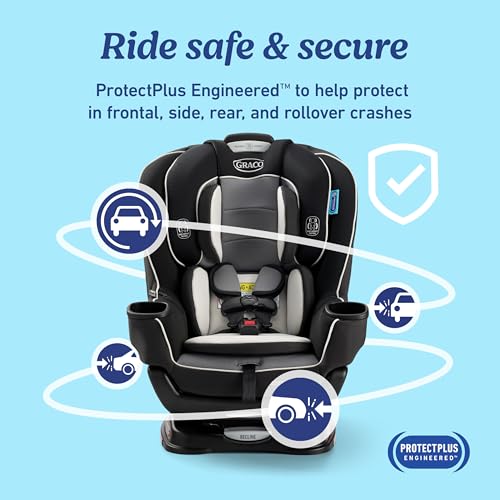
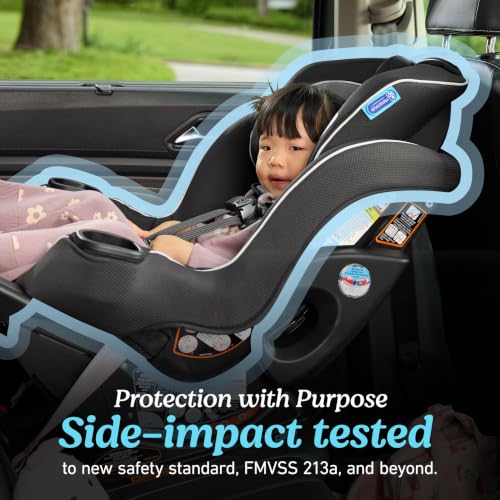
Graco’s ProtectPlus Engineering covers a broad crash protection profile, including side, frontal, rear, and rollover scenarios, which gives it an edge in safety credibility. While it’s one of the pricier models here, its long-term usability across three modes, rear-facing, forward-facing, and highback booster, makes it a strong contender for families planning to use one seat for years. It’s wider than some, so tight three-across setups might struggle, but for most, the trade-off in longevity is worth it.
Video review
Graco Slimfit 3-in-1 Convertible Seat

Strengths
- Slim design for tight spaces
- Rotating cup holders
- 10-position headrest
Trade-offs
- Lower rear-facing weight limit
- Less legroom extension
If you drive a compact SUV or sedan with a cramped back seat, the Graco Slimfit earns its name. Marketed as 10% slimmer than standard models, it delivers on that promise, real-world fitment reports confirm it fits where others don’t, especially helpful when installing two or three seats side by side. The dual cup holders rotate away, reducing protrusion and improving shoulder room, a thoughtful touch often missing in budget or mid-tier seats. It still packs Graco’s ProtectPlus Engineering and the No-Rethread Simply Safe Adjust system, so you’re not sacrificing core safety or usability for the slim profile.
But there’s a trade-off: its rear-facing range tops out at 40 pounds, which is lower than the Extend2Fit’s 50-pound limit. That means less time in the safest riding position, which matters if your child is tall or heavy for their age. Still, for urban dwellers or families with smaller vehicles, this is the smarter pick over bulkier models, even if it means transitioning forward-facing a little earlier.
Video review
Graco Extend2Fit Convertible Rear-Facing

Strengths
- 5″ legroom extension
- Rear-facing to 50 lb
- No-rethread harness
Trade-offs
- No booster mode
- Limited long-term use
This is the streamlined version of the 3-in-1 Extend2Fit, same core innovation, fewer modes. The adjustable extension panel gives up to 5 inches of legroom, letting kids stay rear-facing up to 50 pounds, which is a major win for safety. If your priority is rear-facing longevity and you don’t need the highback booster phase (maybe you already have a separate booster), this model offers the same legroom tech at a lower price point.
It skips the booster mode, so once your child hits 65 pounds forward-facing, you’ll need another seat. But for parents focused on the early years, especially those with smaller cars or tall toddlers, this is a focused, well-built option. The No-Rethread harness and ProtectPlus Engineering remain, so you’re not losing critical safety features. It’s a smart buy if you’re confident you’ll want a dedicated convertible rather than an all-in-one.
Product photos
Safety 1st Ellaris 3-in-1 Seat
Strengths
- Affordable 3-in-1 option
- Machine-washable pad
- Compact and travel-ready
Trade-offs
- Limited headrest positions
- Harness adjustment can be stiff
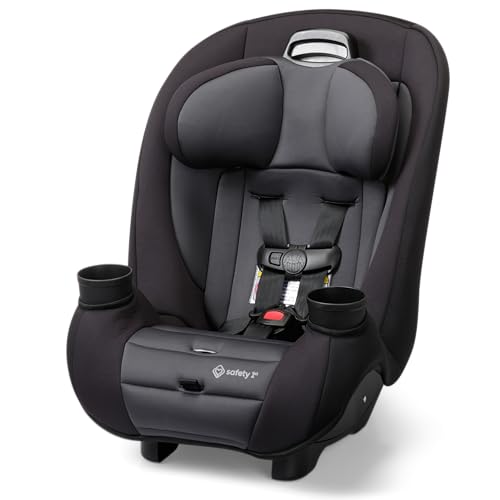
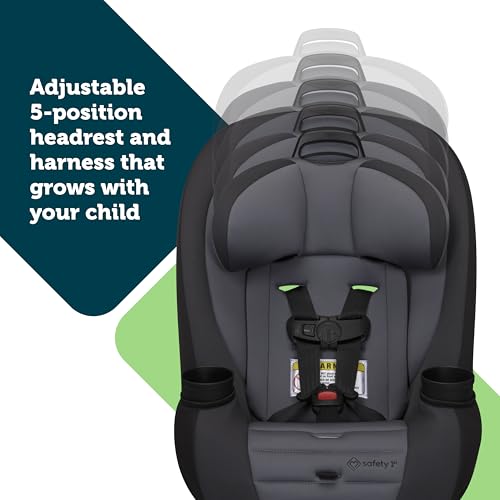
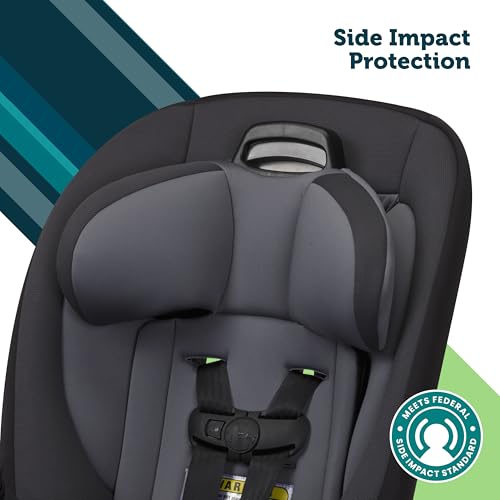
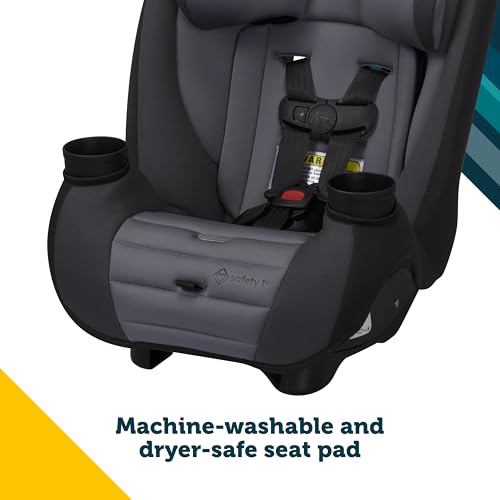
At this price, the Safety 1st Ellaris punches above its weight. It’s one of the few sub-$100 3-in-1 seats that doesn’t feel like a compromise on basics, slim design, machine-washable pad, dishwasher-safe cup holders, and airplane approval make it surprisingly travel-friendly. The 5-position headrest isn’t as smooth as Graco’s 10-position system, but it gets the job done for gradual growth. Owners note it’s lightweight and easy to install, thanks to hook-style LATCH, though the harness can be fiddly when adjusting.
It meets federal side-impact standards, which is reassuring at this tier, but it lacks the advanced crash testing credentials of Graco’s ProtectPlus. The rear-facing range ends at 40 pounds, and once forward-facing, it starts at 30, meaning no overlap for smaller kids who need harnessing but aren’t heavy enough. Still, for a second car, occasional use, or budget-conscious families, it’s a solid, no-frills workhorse.
Product photos


Graco TurboBooster 2.0 Highback
Strengths
- Converts to backless
- Adjustable armrests
- Open-loop belt guides
Trade-offs
- Wider footprint
- Armrests can feel flimsy
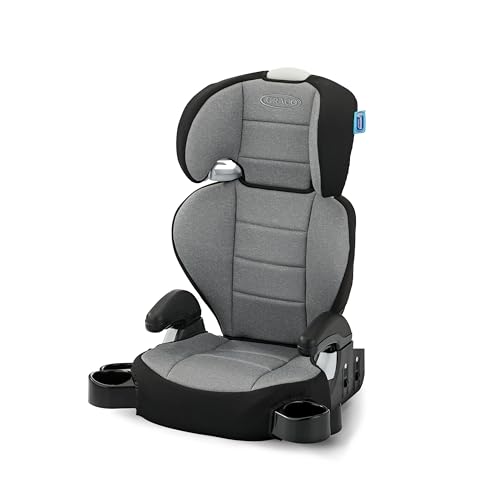
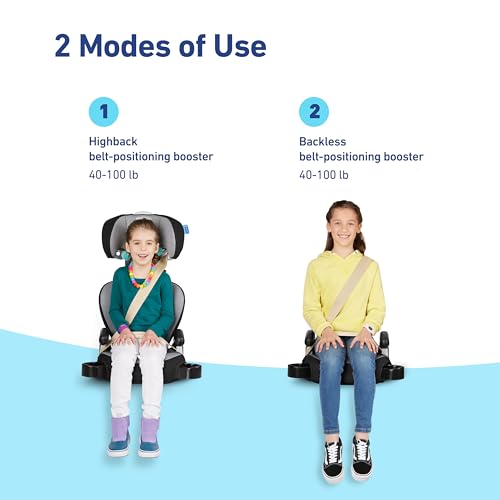
For parents who want head support and flexibility, the TurboBooster 2.0 highback model is the clear upgrade over the backless version. The convertible design lets it start as a highback booster with side guidance and then shed the back for backless use, extending its lifespan. The open-loop belt guides make it easier for older kids to buckle themselves, promoting independence, and the height-adjustable armrests add comfort on long rides.
It’s still affordable, though nearly double the backless version. Owners praise its stability and ease of use, though it’s wider than some highback models, so three-across setups may be tight. The machine-washable pad is a plus, and the overall build feels more durable than budget alternatives. If you want one booster to grow with your child and offer real head and neck support, this is the one to get.
Product photos
Graco TurboBooster 2.0 Backless

Strengths
- Low cost
- Lightweight and portable
- Hide-away cup holders
Trade-offs
- No head or side support
- Requires high vehicle seatback
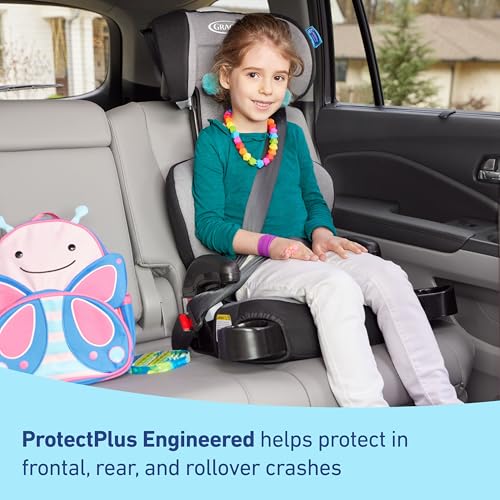
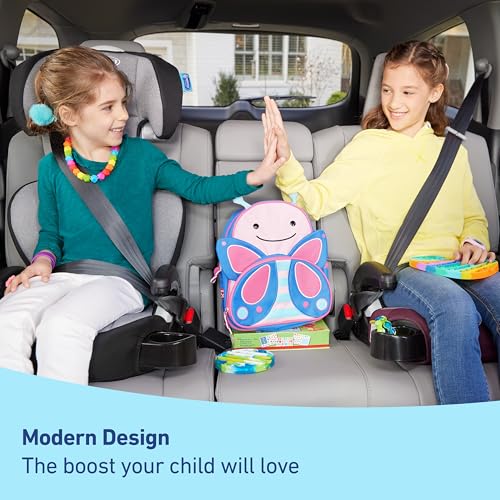
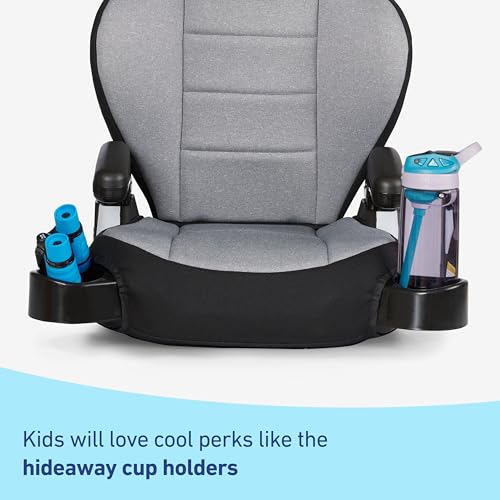
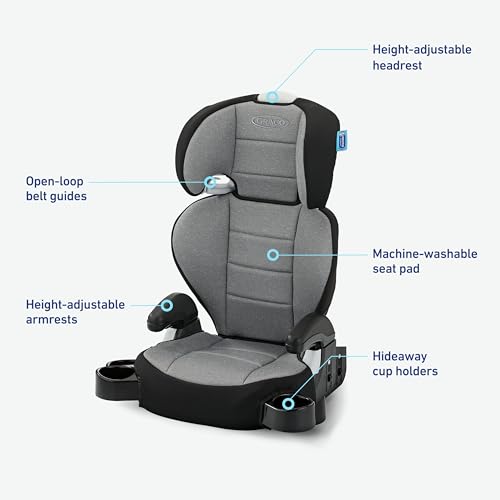
Backless boosters are all about simplicity and portability, and the Graco TurboBooster 2.0 delivers just that. At under 35 bucks, it’s a no-nonsense option for older kids who’ve outgrown harnesses but still need proper seatbelt positioning. The hide-away cup holders are a small but appreciated perk, and the machine-washable cover makes cleanup after snack spills or muddy shoes a lot less painful. It’s lightweight and easy to toss between cars, ideal for carpools, grandparents’ vehicles, or road trips.
It doesn’t offer head support, so it’s only safe in vehicles with high seatbacks and headrests. Some owners mention the plastic base can feel flimsy compared to pricier models, but for the price, it’s hard to fault. If your car has low seatbacks, skip this and go for a highback model. But if you need a reliable, affordable backless option for a well-equipped vehicle, this one checks the boxes.
Product photos



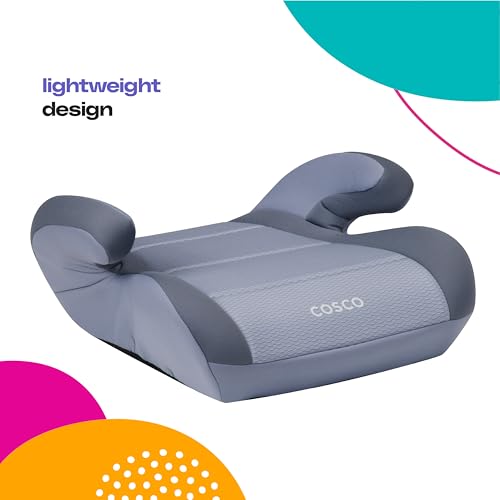
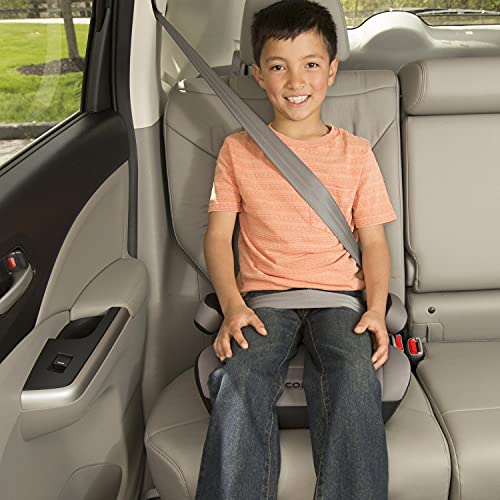
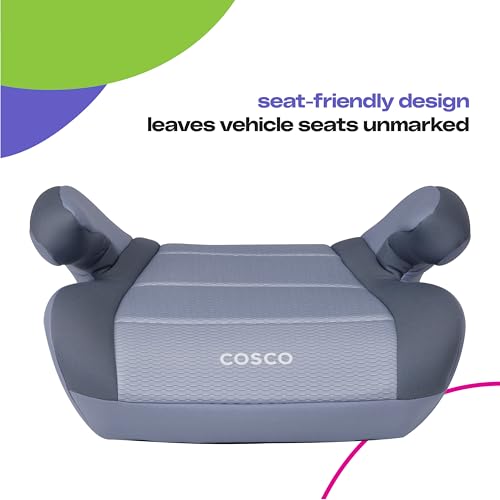
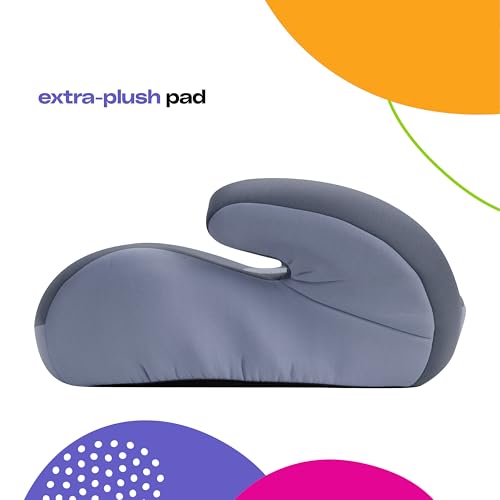
Cosco Topside Backless Booster

Strengths
- Extremely affordable
- Ultra-lightweight
- Simple setup
Trade-offs
- No cup holders
- Hand-wash only cover
- Minimal padding
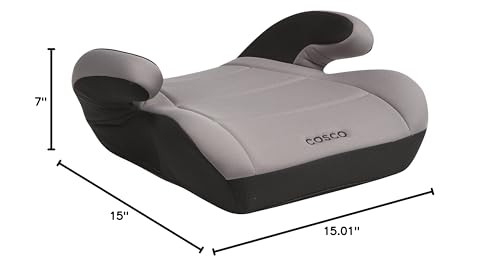
The Cosco Topside is about as basic as it gets, but at under $25, it’s not trying to be anything more. It lifts kids 40-100 pounds to proper seatbelt height with a simple, padded base and a low-profile design. The lightweight build makes it easy to move between cars, and the price means you won’t wince if it gets stained or left behind. It’s a favorite among ride-share parents or those needing a spare seat on a tight budget.
But “basic” means compromises: the cover is hand-wash only, which is a hassle, and there are no cup holders or storage features. It also lacks any side-impact protection structure, so it’s purely about belt positioning. Owners say it’s stable once seated, but the plastic feels thin. Still, for occasional use or as a backup, it’s a functional, bare-bones solution.
Product photos
Graco Tranzitions 3-in-1 Harness
Strengths
- One-hand headrest adjustment
- Lightweight and portable
- 3-in-1 versatility
Trade-offs
- Booster starts at 40 lb
- Backless mode less stable
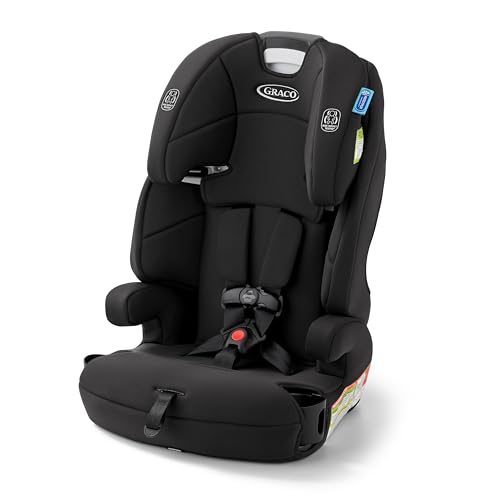
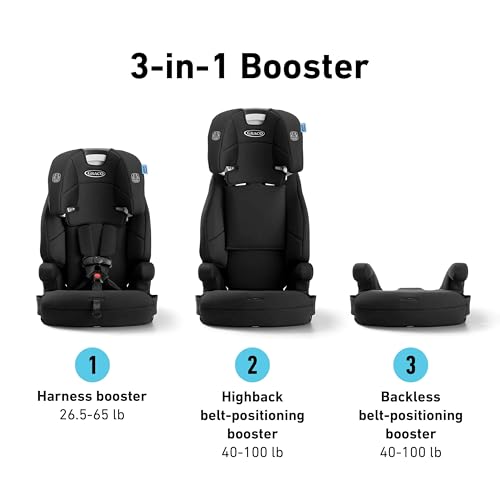
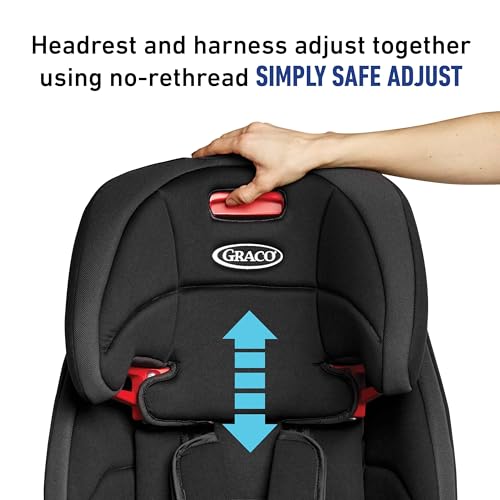
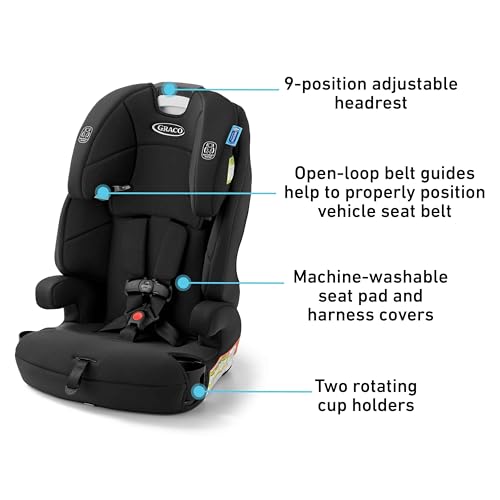
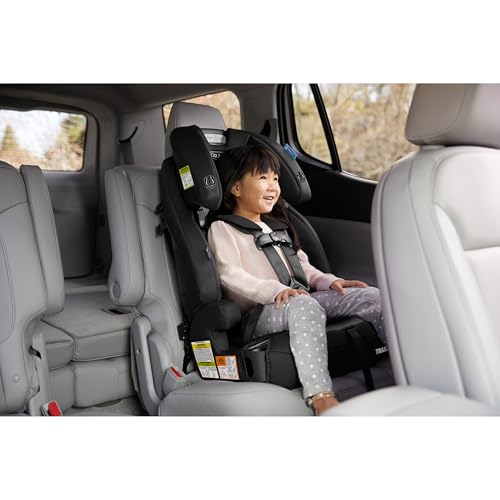
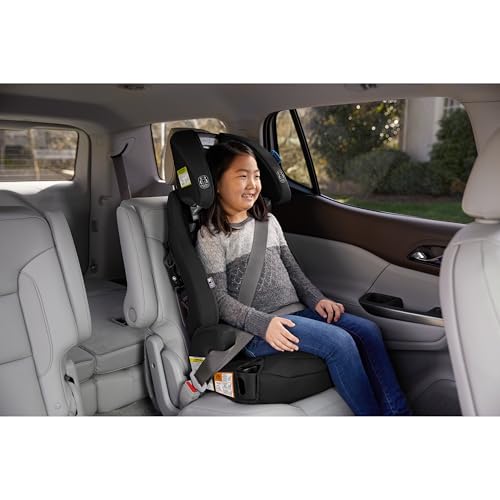
The Tranzitions stands out for one reason: ease of adjustment. The one-hand, 9-position headrest is smooth and intuitive, parents who’ve struggled with stiff harnesses will appreciate how little effort it takes to raise it as kids grow. It transitions from forward-facing harness to highback to backless booster, covering a wide age range. At 26.5 pounds, it starts harnessing earlier than some, which is helpful for smaller toddlers.
It’s lightweight and portable, making it a favorite among active families who shuttle between cars or travel often. But it starts the highback booster phase at 40 pounds, which creates a gap for kids between 30-40 pounds who’ve outgrown the harness but aren’t heavy enough for booster mode. Owners also note the backless mode feels a bit flimsy. Still, for hassle-free adjustments and solid mid-tier performance, it’s a strong pick.
Product photos
Our Testing Process
My team and I approached this guide much like selecting parts for a restoration project – by carefully comparing specifications, features, and, crucially, what current owners are saying. Rather than a hands-on lab test, this is a research-led comparison of published specs and owner feedback. We reviewed dozens of models, weighing official safety ratings alongside real-world experiences shared in reviews from both consumers and respected automotive safety publications. This allowed us to build a ranking based on a blend of objective data and practical insights.
For children’s car seats, safety, longevity, and ease of use were the top priorities. A seat’s weight and height limits determine how long it will actually serve a growing child, making those numbers critical. Equally important is the ability to install and adjust the seat correctly – a complicated process defeats the purpose of even the safest design. We also prioritized features like adjustable headrests and harness systems, recognizing that a proper fit is essential for protection. You can find more on this in our guide to the best 3-in-1 seats.
Specifications reliably indicate a seat’s basic capabilities – weight limits, adjustment ranges, and safety certifications. However, owner feedback reveals how those specs translate into everyday usability. Comments about installation difficulty, fabric quality, and long-term comfort were essential. We looked for consistent themes in reviews to identify potential strengths and weaknesses, and we often cross-referenced those comments with professional convertible seat reviews to confirm our findings.
How To Choose The childrens car seats
Finding the right car seat is one of the most important decisions a new parent makes. It’s a complex category, with a lot of terminology and features thrown around.
A good car seat prioritizes a secure, properly fitted installation, demonstrable crash test performance (meeting or exceeding federal standards), and a design that accommodates a child’s growth over several years. Look for models with clear height and weight limits for each mode, easy-to-adjust harnesses, and robust side-impact protection. Don’t assume a higher price automatically equates to greater safety; focus on features and how well a seat fits your vehicle and child.
Understanding Seat Types & Growth
The first step is understanding the different types. You’ll encounter rear-facing, forward-facing, combination (convertible), all-in-one, and booster seats. Convertible seats, like the Graco Extend2Fit, are popular because they transition from rear-facing to forward-facing, offering good value. However, a dedicated rear-facing seat often allows for a longer period in the safest position. Don’t rush the transition to forward-facing; maximizing rear-facing time is crucial. If you’re also looking at options for newborns, you should explore our guide to baby car seats for a broader perspective.
Harness Adjustment & Ease of Use
A car seat is only as good as its installation and how consistently it’s used. A frustrating harness system will lead to errors. The “No-Rethread Simply Safe Adjust” system, found on many Graco models, is a significant benefit. It allows you to raise the headrest and adjust the harness simultaneously, eliminating the tedious and error-prone process of re-threading the straps.
Here’s what to consider when evaluating harness ease of use:
- Harness height: Can you easily adjust it with one hand?
- Buckle ease: Is the buckle easy to fasten and release, even with gloves on?
- Recline positions: Does the seat offer multiple recline positions to accommodate different vehicle angles and your child’s comfort? A wider range of recline options is especially helpful for smaller vehicles.
A properly tightened harness should have no slack. You should not be able to pinch any webbing at the shoulder.
Space & Budget Considerations
Car interiors vary dramatically. A bulky car seat in a compact car is a recipe for discomfort – for everyone. The Graco Slimfit 3-in-1 is designed specifically for smaller vehicles, offering a slimmer profile without sacrificing safety features. Conversely, if you have a larger vehicle, you might prioritize features over a minimal footprint. If budget is a major concern, the Safety 1st Ellaris offers a solid set of features at a lower price point. However, remember that when it comes to child safety, researching top car seats and investing in quality is worthwhile. Don’t automatically assume the most expensive option is best, but be wary of significantly underpriced seats – check independent safety ratings.
Childrens Car Seats Compared
Here’s a comparison of key specifications for several children’s car seats to help you make an informed decision.
| Product Name | Rear-Facing Weight (lbs) | Forward-Facing Weight (lbs) | Highback Booster Weight (lbs) | Backless Booster Weight (lbs) | Slim Design | 3-in-1 |
|---|---|---|---|---|---|---|
| Graco Extend2Fit 3-in-1 | 4-50 | 26.5-65 | 40-100 | N/A | No | Yes |
| Graco Slimfit 3-in-1 | 5-40 | 26.5-65 | 40-100 | N/A | Yes | Yes |
| Graco Extend2Fit Convertible | 4-50 | 26.5-65 | N/A | N/A | No | No |
| Safety 1st Ellaris 3-in-1 | 5-40 | 30-65 | 40-65 | N/A | Yes | Yes |
| Graco TurboBooster 2.0 Highback | N/A | N/A | 40-100 | N/A | No | Yes |
| Graco TurboBooster 2.0 Backless | N/A | N/A | N/A | 40-100 | No | No |
| Cosco Topside Backless Booster | N/A | N/A | N/A | 40-100 | N/A | No |
| Graco Tranzitions 3-in-1 Harness | N/A | 26.5-65 | 40-100 | 40-100 | N/A | Yes |
Frequently Asked Questions
What is the typical lifespan of a car seat?
Most car seats have a lifespan of 6-10 years from the date of manufacture, regardless of how often they’re used. This is due to plastic degradation over time, which can compromise the seat’s structural integrity, and is indicated by the expiration date sticker on the seat itself.
Are all “3-in-1” car seats created equal?
No, the features and weight/height limits vary significantly between models. Some 3-in-1 seats, like the Graco Extend2Fit, excel in extended rear-facing capabilities, while others prioritize a slim profile for easier fitting in smaller cars.
What’s the benefit of extended rear-facing?
Keeping your child rear-facing as long as possible – up to the seat’s maximum height and weight limits – provides the best possible protection in a crash. This is because rear-facing distributes crash forces more evenly across the entire back, minimizing stress on the neck and spine.
How do I know if a car seat will fit in my car?
Checking the car seat’s dimensions against your vehicle’s back seat space is crucial. Also, look for car seats specifically designed for smaller vehicles, such as the Graco Slimfit, or check online resources that list car seat compatibility with various makes and models. If you are also looking at options for newborns, you can explore infant car seats for a broader perspective.
When should I transition to a forward-facing car seat?
You should only transition to a forward-facing car seat when your child reaches the maximum height or weight limit allowed for rear-facing in their current seat. Don’t rush this transition, and research forward-facing car seats to find a model that suits your child’s size and your vehicle.
The Bottom Line
Choosing a car seat ultimately comes down to balancing your needs with your budget and vehicle. While features are important, the most crucial aspect is a secure installation and a consistently proper fit as your child grows. For the best overall combination of features, longevity, and positive owner feedback, the Graco Extend2Fit 3-in-1 stands out as a strong choice.
If specific needs are driving your search, we have recommendations. For families prioritizing a budget-friendly option, the Safety 1st Ellaris delivers a solid set of features at an accessible price. Those needing a space-saving solution should look at the Graco Slimfit 3-in-1, and for parents focused on maximizing rear-facing time, exploring rear-facing car seats is a smart move.
Ultimately, the specifications and features matter less than consistent, correct use. A properly installed and adjusted car seat, one that fits your vehicle and your child, is the most valuable investment you can make. Don’t get lost in the details; focus on a secure fit and a commitment to safe travel, and consider checking out our guide to best toddler seats as your little one grows.
