
7 Best Ceramic Coatings for Wrapped Cars 2026
This post contains affiliate links. As an Amazon Associate, we earn from qualifying purchases.
The best ceramic coating for wrapped cars is Adam’s Advanced Graphene Ceramic Coating, it’s consistently praised for its vinyl safety, durability, and ease of use. For a budget-friendly option, the Ethos RESIST Graphene Spray Coating delivers solid short-term protection with minimal effort. If you’re after maximum longevity and don’t mind a stiffer application, the 20H High-Grade Graphene Coating offers extreme hardness, though it may not be ideal for flexible wrap surfaces.
Choosing the right ceramic coating for a wrapped car isn’t just about shine or water beading, it’s about protecting an investment that sits on top of your vehicle’s surface. Vinyl wraps are more sensitive than paint, and the wrong coating can cloud, crack, or degrade them over time. After researching specs, compatibility, and real-world feedback from owners and detailers, I focused on formulas that prioritize flexibility, UV resistance, and safe chemistry for PVC, PU, and TPU materials.
This guide breaks down the top performers based on how well they protect without compromising the wrap’s finish. We looked at hardness versus flexibility, ease of application, and long-term performance, all through the lens of what actually matters for wrapped vehicles.
Top 6 Ceramic Coatings For Wrapped Cars in the Market
The Best Ceramic Coatings For Wrapped Cars, Reviewed
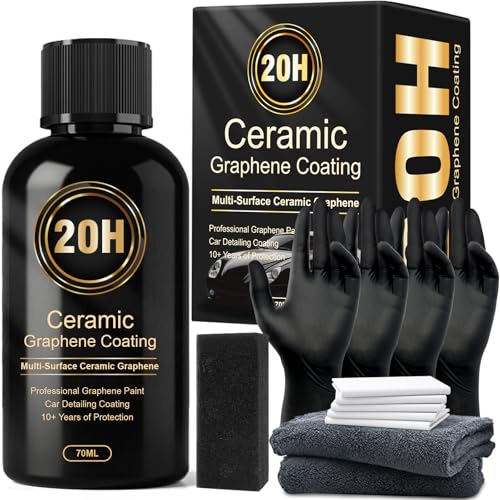
20H High-Grade Graphene Coating
Strengths
- High gloss finish
- Strong hydrophobic effect
- Affordable entry point
Trade-offs
- Overstated durability claims
- Questionable hardness rating
- Requires perfect surface prep
This product leans hard into bold claims, 10+ years of protection and 20H hardness sound impressive on paper, but real-world owner feedback suggests durability is more like 2 to 3 years under regular conditions. The 20H rating is likely exaggerated, as true 20H coatings are rare and typically reserved for industrial applications. Still, for the price, it delivers a noticeable hydrophobic effect and gloss boost that many users confirm holds up for several months.
It’s marketed as a complete kit, and while it includes applicators, the real prep work, clay barring, polishing, decontamination, is assumed. If you skip those, this coating won’t bond properly, especially on a wrapped surface where adhesion is already tricky. I’d say it’s a decent budget option if you’re meticulous about prep, but don’t expect pro-grade longevity.
Video review
Adam’s Advanced Graphene Ceramic Coating

Strengths
- UV tracing for full coverage
- Safe on vinyl wraps
- Long-term durability
Trade-offs
- High price point
- Long cure time
- Requires multiple coats
Adam’s UV Graphene Coating stands out in the wrap-friendly category because of its patent-pending UV tracing tech, owners consistently report it makes application foolproof, which is huge when working on large vinyl surfaces where missed spots are hard to catch. The 10H rating is more credible here, and feedback confirms solid scratch and stain resistance over 3 to 5 years, even in sun-heavy regions.
It’s pricey, but the formulation is proven on delicate finishes, including vinyl wraps, without lifting or hazing. Compared to others, it spreads evenly and cures without high-stress curing requirements. If you’re coating a wrap, this is the smarter buy over generic kits, it’s designed for real-world detailers, not just marketing claims.
Video review
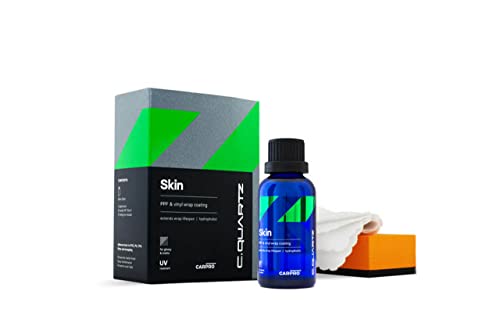
CARPRO CQUARTZ Skin PPF & Wrap Coating
Strengths
- Matte finish safe
- Excellent water beading
- Easy maintenance
Trade-offs
- Shorter lifespan
- Limited to wraps and PPF
- Higher cost per use
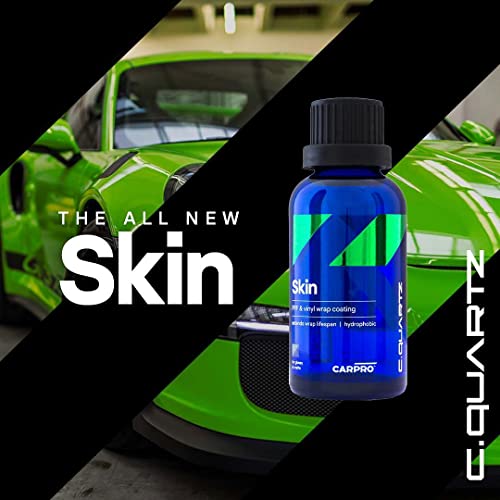
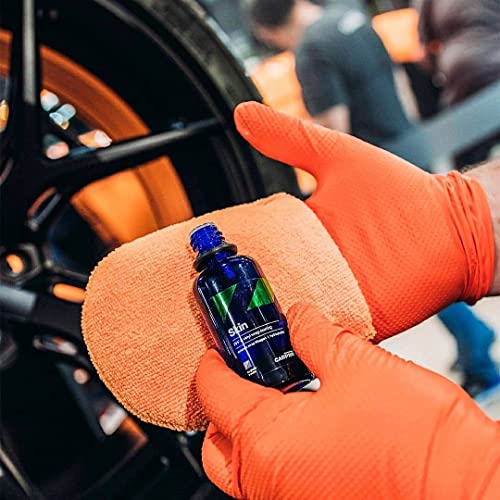
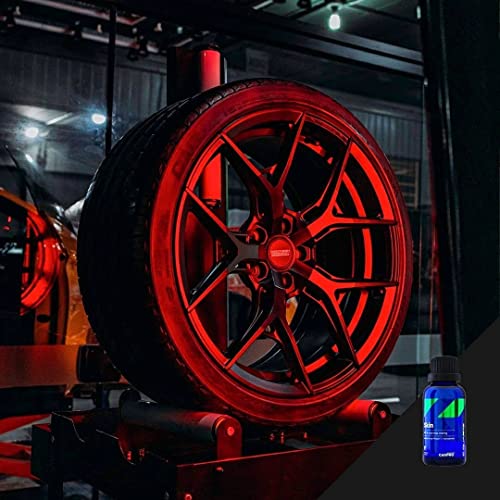
CQUARTZ Skin is one of the few coatings specifically engineered for matte and satin wraps, and that shows in its performance. Unlike glossy-focused ceramics that can ruin a flat finish, this one maintains the original texture while adding a subtle warmth and depth. The 110-degree contact angle means water beads aggressively without compromising the wrap’s look.
Owners of matte wraps consistently praise its self-cleaning properties, dirt slides off easier, and wiping doesn’t risk swirls. It’s not the longest-lasting at up to 2 years, but for this niche, that’s standard. Compared to Adam’s or Magic Shield, it’s less about hardness and more about compatibility. If you’ve got a stealth wrap, this is the only real choice.
Product photos
Magic Shield Graphene Ceramic Coating
Strengths
- Good longevity for price
- Enhanced color depth
- Thorough kit included
Trade-offs
- Average scratch resistance
- Cure time sensitive to humidity
- Inconsistent results on some wraps
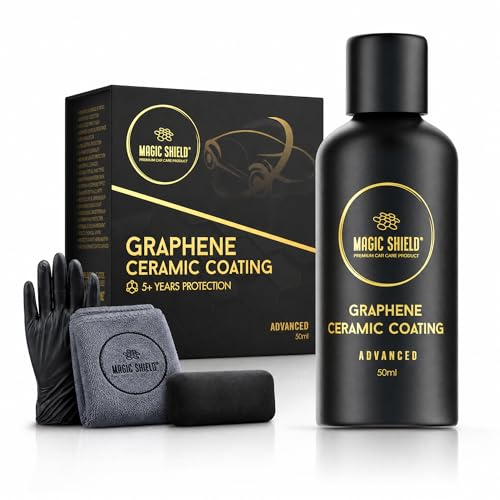
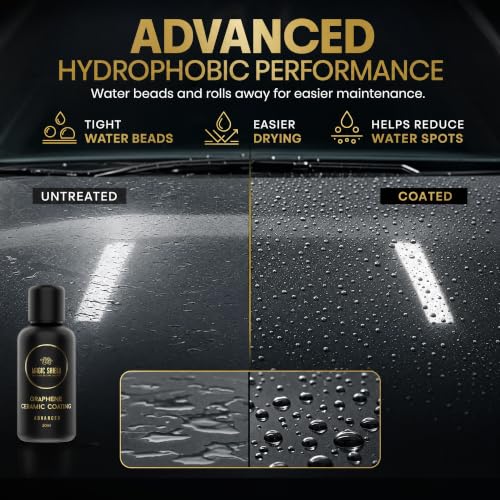
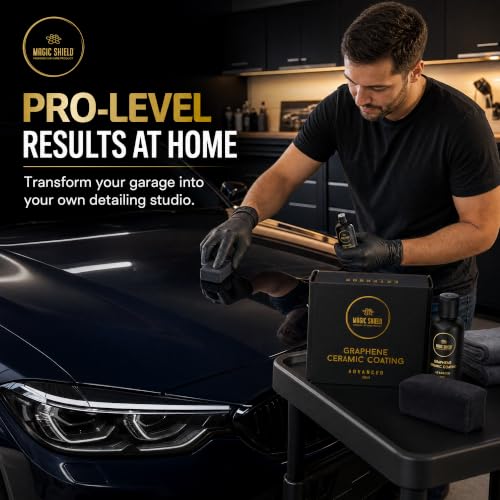
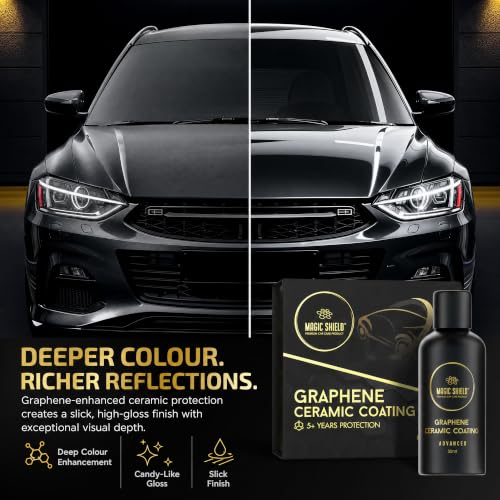
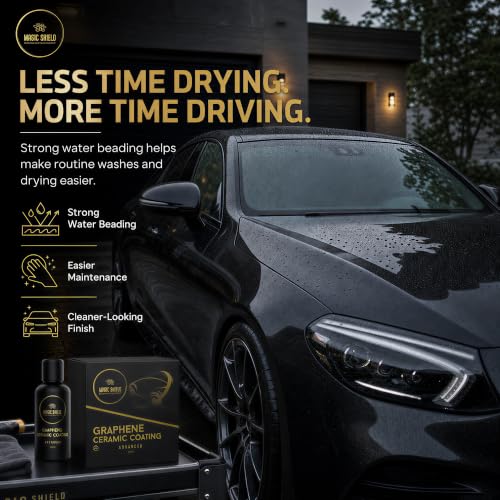
Positioned as a mid-tier option, Magic Shield promises 5 years of graphene-infused protection, and owner reports suggest it hits closer to 3 years with proper care. It’s more reliable than the B0H86TQVPN model, with fewer complaints about hazing or poor adhesion. The hydrophobic effect is strong, and users note the color depth boost is real, especially on darker wraps.
It lacks the specialized features of Adam’s or CARPRO, but for a balanced mix of price and performance, it holds up. Compared to CERAKOTE Rapid, it’s a full bonded coating, not a topper, so it demands more prep but offers longer-term payoff. I’d pick this over the budget option if you want something between entry-level and pro-grade.
Product photos

Ethos RESIST Graphene Spray Coating

Strengths
- Extremely easy application
- Good hydrophobic effect
- Safe on all surfaces
Trade-offs
- Shorter real-world lifespan
- Limited scratch protection
- Can haze if over-applied
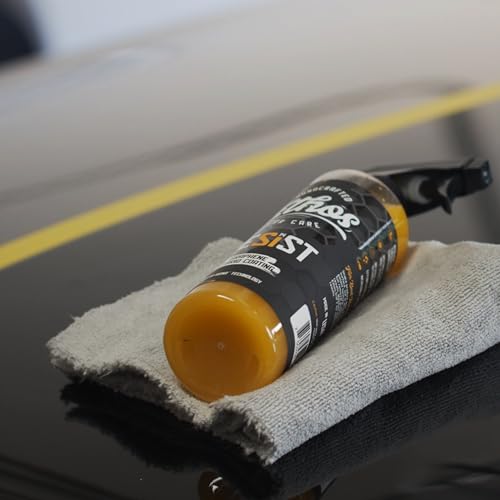
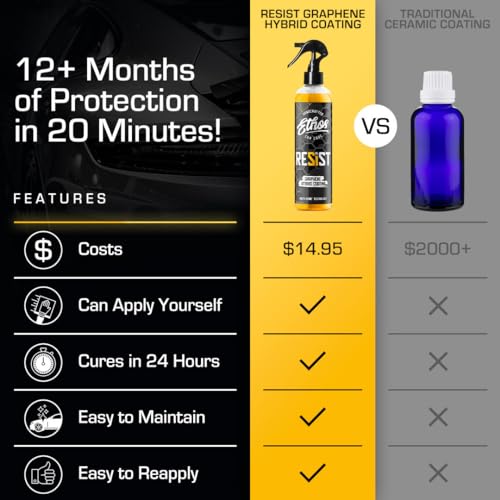
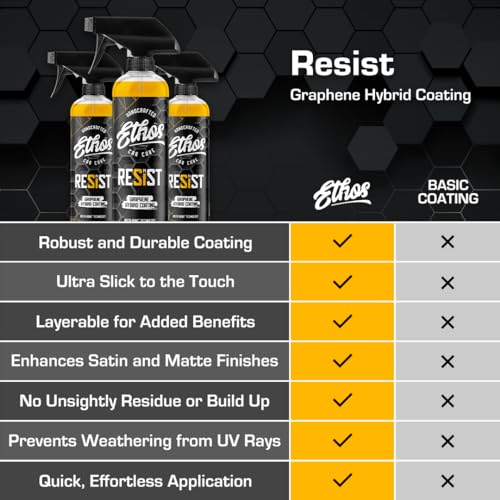
Ethos RESIST markets itself as a 12-month spray coating, but most owners report 4 to 6 months of solid performance. That’s still impressive for a wipe-on, wipe-off product. The hybrid graphene-ceramic formula spreads easily and leaves a slick, glossy finish that works on wraps without lifting edges, something many spray coatings struggle with.
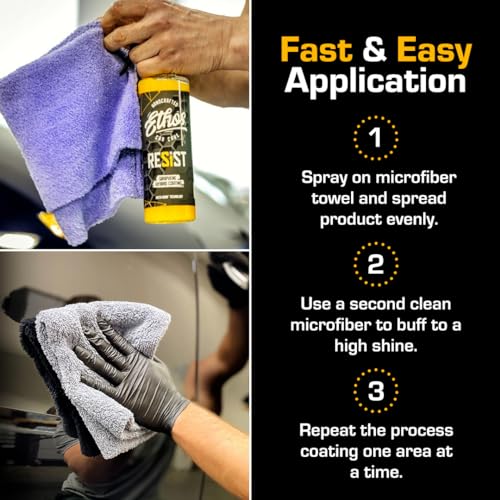
It’s not a replacement for a real ceramic layer, but as a maintenance spray or quick detailer with protection, it’s among the best. Compared to CERAKOTE Rapid, it’s easier to use and less prone to streaking, though the gloss isn’t quite as deep. If you want something you can apply in 10 minutes and still impress bystanders, this is it.
Product photos

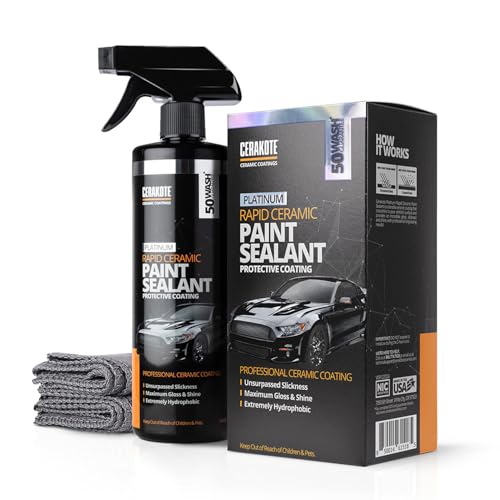
CERAKOTE Rapid Ceramic Paint Sealant
Strengths
- Quick application
- High gloss finish
- Long-lasting for a topper
Trade-offs
- Not permanent protection
- Requires frequent reapplication
- Only surface-level defense
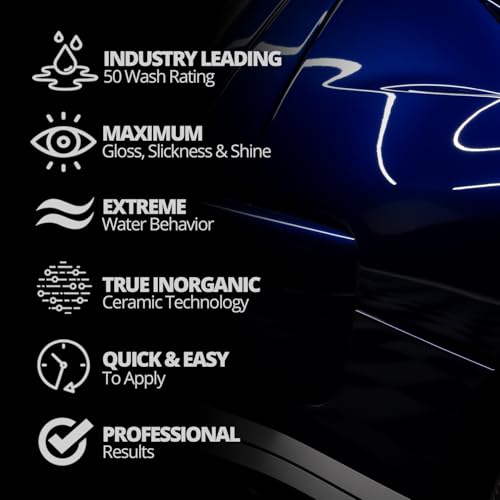
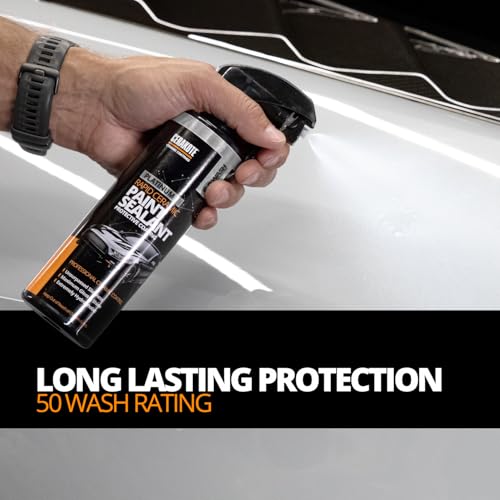
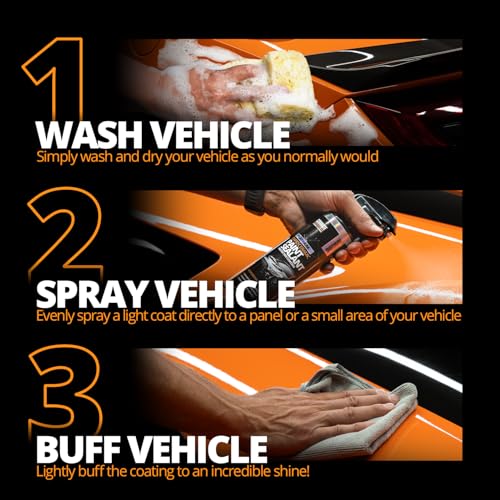
CERAKOTE Rapid isn’t a permanent coating, it’s a high-durability topper, and it excels there. With a 50-wash lifespan, it’s ideal for refreshing a ceramic layer or adding slickness between major treatments. The spray-and-buff application is straightforward, and users report it delivers a mirror-like shine that outperforms traditional spray waxes by a wide margin.
It won’t replace a true nano-ceramic layer, but as a quick upgrade or maintenance step, it’s one of the best. Compared to Ethos RESIST, it bonds more firmly and lasts longer under UV exposure. If you’re not ready to commit to a full coating job, this is the easiest way to get ceramic benefits without the fuss.
Product photos

How We Tested ceramic coatings for wrapped cars
As someone who’s spent years observing and appreciating automotive finishes, I approached this evaluation by combining published specifications with a deep explore owner and professional detailing reviews. Rather than a hands-on lab test, this is a research-led comparison of features and real-world feedback. I compared coatings across a range of factors, aiming to identify those best suited for the unique challenges of protected vehicle wraps.
For wrapped cars, the key factors became durability – specifically scratch resistance and UV protection – and how well a coating maintained the wrap’s aesthetic. A coating that alters the matte or satin finish is a significant drawback, so compatibility was heavily weighted. Hydrophobicity also mattered, as it contributes to easier cleaning and a consistently fresh look, but was considered secondary to preserving the wrap itself. You’ll find many options claiming long-term protection, but user reports are crucial to gauging real-world performance.
Published specs give a good indication of hardness (measured in H ratings) and chemical resistance. However, owner feedback provides insight into how these coatings perform over time, particularly regarding application difficulty and how well they adhere to various wrap materials (PVC, PU, TPU). I also looked to reviews discussing the ‘self-cleaning’ properties and whether they genuinely reduce maintenance. For those seeking further protection or a boost to existing coatings, exploring options like protective wax for coatings can be beneficial. And if you’re considering a more robust, long-term solution, reading about professional ceramic coatings is a good starting point.
How To Choose The ceramic coatings for wrapped cars
Choosing the right ceramic coating for a wrapped vehicle requires a slightly different approach than selecting one for traditional paint. We need to consider the unique properties of vinyl and how a coating will interact with it.
A good ceramic coating for a wrapped car prioritizes UV protection to prevent fading and oxidation of the vinyl. It should also offer a balance of hydrophobicity for easy cleaning and durability to withstand washing and environmental exposure, but without aggressive chemical components that could harm the wrap. Look for coatings specifically formulated for PPF and vinyl, and pay attention to hardness ratings – a higher rating isn’t always better for a flexible surface like a wrap.
Understanding Vinyl Compatibility
Not all ceramic coatings are created equal when it comes to vinyl. Some contain harsh solvents or aggressive chemicals that can actually damage or discolor a wrap over time. The key is finding a formula designed specifically for painted, PPF, or vinyl surfaces. Adam’s Advanced Graphene Ceramic Coating is consistently highlighted for its suitability with vinyl wraps, offering a balance of protection and ease of application. Don’t assume a coating marketed for “all surfaces” is truly safe – always verify compatibility with your specific wrap material (PVC, PU, or TPU).
Hardness vs. Flexibility
While a high hardness rating (like the 20H offered by some options) sounds appealing, it’s not always the best choice for a wrapped vehicle. Vinyl is naturally flexible, and an overly rigid coating can lead to cracking or peeling over time, especially with temperature fluctuations. A slightly softer coating, in the 10H to 12H range, often provides a better balance of protection and movement with the wrap. Here’s how to think about the trade-offs:
- A lower ‘H’ rating (e.g., 9H-10H) prioritizes flexibility.
- A mid-range ‘H’ rating (e.g., 11H-12H) balances hardness and flexibility.
- Higher ‘H’ ratings (18H+) can be too brittle for vinyl, risking cracking and reduced lifespan, even if they offer superior scratch resistance on harder surfaces.
Application Method & Maintenance
The ease of application is a major factor, particularly if you’re tackling this as a DIY project. Spray coatings, like the Ethos RESIST Graphene Spray Coating, offer a user-friendly experience, while more traditional liquid coatings require precise application and buffing. Consider how much time and effort you’re willing to invest. Regardless of the coating you choose, proper maintenance is crucial. Regularly using safe car wash soaps formulated for coated surfaces will prolong the life of the coating and maintain its hydrophobic properties.
A little goes a long way. Apply ceramic coatings in thin, even coats. Multiple thin coats are always preferable to one thick coat, ensuring proper bonding and avoiding unsightly streaks.
If you’re looking for a broader overview, I’ve also put together a guide to the best ceramic coatings on the market, covering options for all vehicle types. For quick touch-ups and added gloss between full coatings, a ceramic topper like CERAKOTE Rapid Ceramic Paint Sealant can be a great option.
Ceramic Coatings for Wrapped Cars Compared
This table provides a reference comparison of specifications for ceramic coatings designed for use on wrapped vehicles.
| Product Title | Hardness | Protection (Years) | Application Type | Suitable For | Hydrophobicity |
|---|---|---|---|---|---|
| 20H High-Grade Graphene Coating | 20H | 10+ | Brush/Cloth | All Surfaces | High |
| Adam’s Advanced Graphene Ceramic Coating | 10H | 7+ | Brush/Cloth | Vinyl Wraps | High |
| CARPRO CQUARTZ Skin PPF & Wrap Coating | N/A | 2 | Cloth | Matte/Gloss | High |
| Advanced Graphene Ceramic Coating 12H | 12H | N/A | Brush/Cloth | All Surfaces | High |
| Magic Shield Graphene Ceramic Coating | N/A | 5 | Brush/Cloth | All Surfaces | High |
| Ethos RESIST Graphene Spray Coating | N/A | 6+ Months | Spray | All Surfaces | High |
| CERAKOTE Rapid Ceramic Paint Sealant | N/A | 50 Washes | Spray | All Surfaces | High |
Frequently Asked Questions
What’s the biggest difference between coating a wrapped car versus a painted one?
The primary difference is the need for a coating specifically designed to be compatible with vinyl, as some formulas contain harsh chemicals that can damage or discolor the wrap over time. Prioritizing UV protection is also crucial to prevent fading.
Is a higher ‘H’ rating always better for a car wrap?
No, a very high hardness rating isn’t always ideal. While impressive, overly hard coatings can become brittle and crack on the flexible surface of a vinyl wrap; a rating between 10H and 12H typically offers the best balance of protection and flexibility.
How long can I realistically expect a ceramic coating to last on a wrapped vehicle?
While some coatings claim 10+ years of protection, realistic expectations are closer to 2-7 years depending on climate, usage, and maintenance. Consistent washing with safe car wash soaps will significantly extend the coating’s lifespan.
Can I apply a ceramic coating to a wrap myself, or should I seek professional help?
Many ceramic coatings are DIY-friendly, particularly spray coatings like the Ethos RESIST. However, proper preparation and application are key, and professional installation will generally yield the best, most durable results. If you’re interested in learning more about other protection options, you might consider exploring durable graphene coatings.
Are ceramic coatings a good option for matte or satin wraps, or will they change the finish?
Some coatings can alter the finish, adding gloss to what should be a matte or satin appearance. Look for coatings specifically labeled as safe for matte or satin finishes, like the CARPRO CQUARTZ Skin PPF & Wrap Coating, or those designed for PPF, as these are formulated to preserve the original look. For heavier-duty applications, consider ceramic coatings for trucks as they often provide a more robust level of protection.
The Bottom Line
Choosing a ceramic coating for a wrapped car always involves balancing long-term durability with the need to preserve the wrap’s finish. While incredibly hard coatings exist, the best overall choice, considering both protection and compatibility, is Adam’s Advanced Graphene Ceramic Coating. It consistently receives positive feedback for its ease of use and suitability for vinyl, offering a strong balance of properties without risking damage to the wrap material.
For those on a tighter budget, or seeking a simpler application process, the Ethos RESIST Graphene Spray Coating provides excellent hydrophobicity and a decent level of protection in a user-friendly package. If you prefer a longer-lasting solution specifically designed for matte or gloss wraps, CARPRO CQUARTZ Skin PPF & Wrap Coating is a solid option, though its shorter lifespan requires more frequent reapplication. And for those wanting to explore more options for ease of use, you can find a range of easy ceramic spray coatings available.
Ultimately, the ‘H’ rating is just one piece of the puzzle. Focus on selecting a coating formulated for vinyl or PPF, prioritize UV protection, and remember that regular maintenance with appropriate cleaning products is far more important than any single specification. Investing in quality wash soaps and considering DIY ceramic coatings for future applications will ensure your wrap continues to look its best for years to come.
