
5 Best Carhartt Coats for Winter 2026
This post contains affiliate links. As an Amazon Associate, we earn from qualifying purchases.
The Carhartt Yukon Extremes Insulated Coat stands as the best overall winter coat for its rugged Cordura shell, 150g of 3M Thinsulate, and solid wind resistance. For a more affordable option, the Gilliam Active Jac delivers strong durability and warmth without breaking the bank, while the Bartlett Jacket offers unmatched cozy protection with its heavyweight sherpa lining.
Winter workwear isn’t just about staying warm, it’s about enduring long days in cold, wet, and unpredictable conditions. A flimsy coat fails fast when you’re under a truck or walking to the job site. I’ve seen too many people settle for bulk over function.
This guide cuts through the lineup by focusing on real-world performance: shell toughness, insulation efficiency, and how well these coats hold up over time based on specs and owner feedback. These are the ones that consistently deliver where it matters.
Top 5 Carhartt Coats For Winter in the Market
The Best Carhartt Coats For Winter, Reviewed
Carhartt Yukon Extremes Insulated Coat

Strengths
- Heavy-duty Cordura shell
- 3M Thinsulate insulation
- Excellent pocket layout
- High visibility details
- Wind and water resistant
Trade-offs
- Stiff out of the box
- On the heavier side
If you’re looking for one coat to handle brutal conditions without compromise, this is the one that keeps coming up in owner circles. The 500-denier Cordura nylon shell is borderline overkill, in the best way. Paired with 3M Thinsulate and Wind Fighter tech, it’s built like a bunker. The reflective taping and patch aren’t just for show; they add real visibility in low light, which matters on early morning rides or roadside work.
Reviewers note the sheer durability and warmth, often comparing it favorably to expedition-grade gear. The number of pockets, including a map pocket, makes it functional for long hauls. While it’s stiff at first, most say it softens with wear. My recommendation? This is the smarter buy if you work outside year-round or ride in unpredictable climates.
Video review
Carhartt Washed Duck Bartlett Jacket

Strengths
- Heavyweight cotton duck
- Sherpa body lining
- Attached adjustable hood
- Triple-stitched seams
- Classic broken-in feel
Trade-offs
- Heavy when wet
- Longer break-in period
This is old-school Carhartt done right. The 12-ounce washed duck cotton is thick, rugged, and breaks in beautifully over time, owners love how it molds to the body. The sherpa lining in the body adds serious warmth, while the quilted sleeves keep weight manageable. With an attached hood, drawcord hem, and storm flaps, it’s built for real winter grit.
Compared to synthetic shells, it lacks instant water resistance, but once broken in, the dense cotton sheds light rain fairly well. It’s heavier and slower to dry, yes, but there’s a reason people still swear by duck. If you value tradition, durability, and natural materials, this is my top recommendation over flashier tech coats.
Video review
Carhartt Full Swing Ripstop Jacket

Strengths
- Stretch fabric for mobility
- Flex elbow design
- Freedom gusset underarms
- Ripstop durability
- 3M insulation
Trade-offs
- Moderate warmth only
- Not for stationary use in deep cold
Mobility is where this jacket shines. The 73% cotton/24% Cordura/3% spandex blend gives real stretch, especially across the shoulders and arms. Add in the Flex elbow and Freedom gusset, and it’s clear Carhartt designed this for people who move, riders, climbers, mechanics. The 80g 3M Thinsulate offers moderate warmth, so it’s better for active use than static cold.
Reviewers praise how easily it layers over thicker shirts without binding. It’s not the warmest option here, but if you’re generating heat through movement, that’s fine. I’d choose this over stiffer models if I were riding a bike or working under the hood regularly. The ripstop fabric also resists snags better than plain cotton duck.
Product photos
Carhartt Relaxed Fit Utility Coat
Strengths
- Lightweight warmth
- Recycled insulation
- DWR finish
- Wind resistant
- Fleece-lined hood
Trade-offs
- Not for extreme cold
- Limited pocket storage
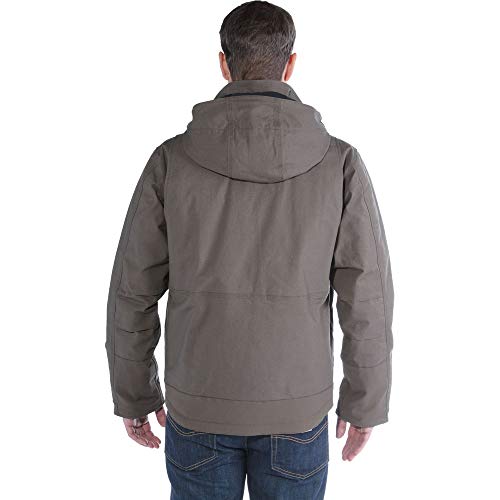
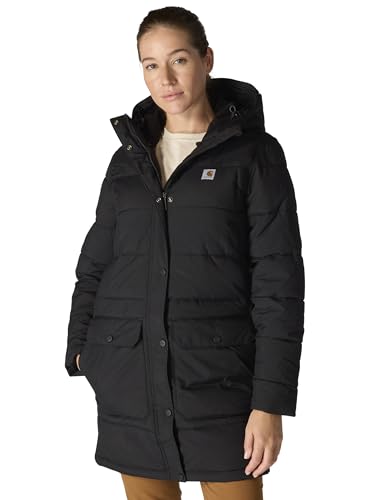
This coat stands out for those who want a light but effective layer when the cold isn’t extreme. On paper, the 4.5-ounce nylon shell with Rain Defender and Wind Fighter tech suggests it’s built more for wind and drizzle than deep freeze, perfect for fall or mild winter days. The use of 100% recycled insulation is a quiet win, both environmentally and in terms of weight savings.
Owners consistently report it packs down well and works great as a mid-layer under heavier outerwear. I’d pick this over bulkier options if you’re mobile throughout the day and don’t sit in subzero temps. It’s not going to replace a serious winter coat, but as a nimble, breathable shield against wind and light moisture, it holds up.
Product photos
Carhartt Gilliam Active Jac
Strengths
- Affordable price
- Decent insulation
- Cordura-enhanced fabric
- Triple-stitched seams
- Wind resistant
Trade-offs
- Basic insulation vs Thinsulate
- Less weather protection
- Thinner overall build
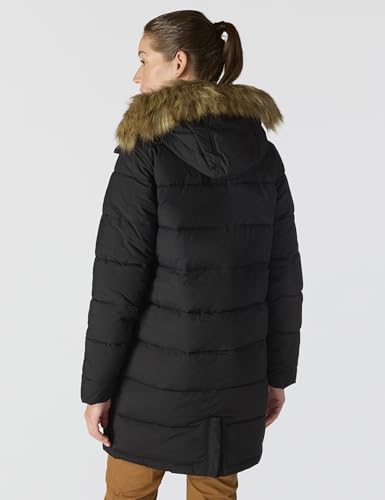
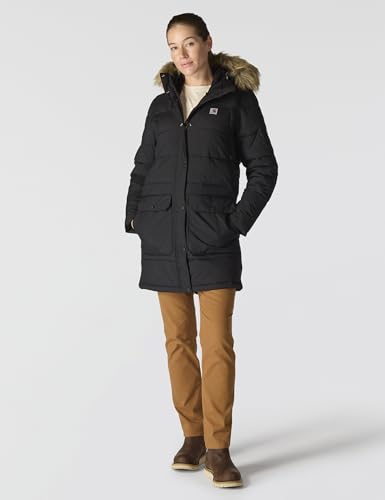
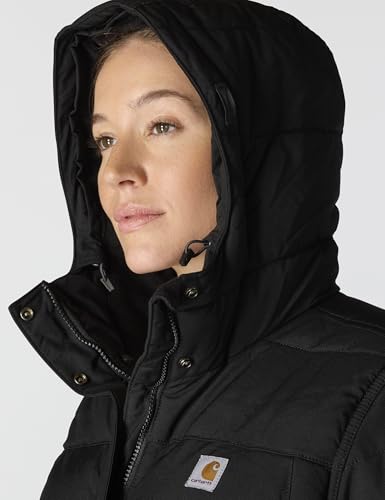
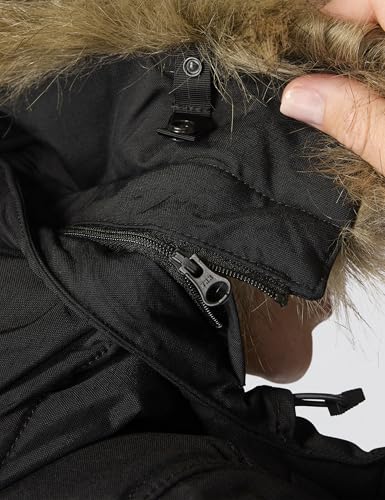
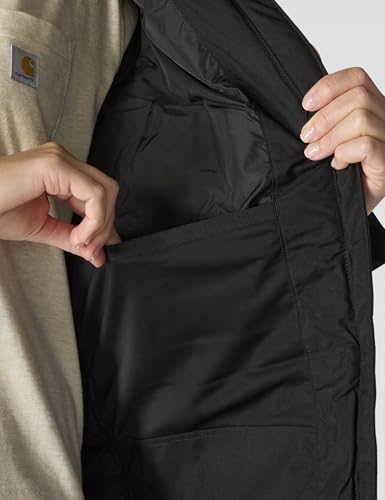
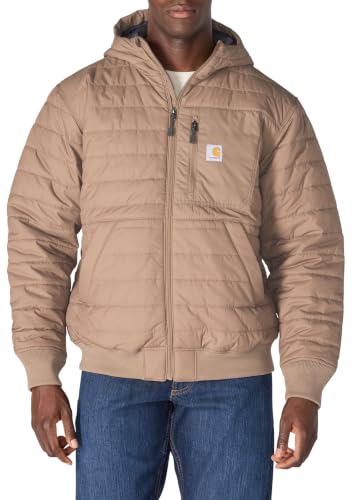
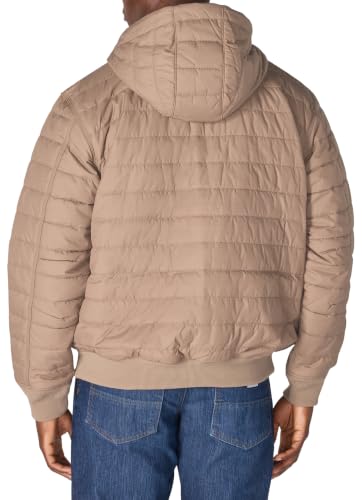
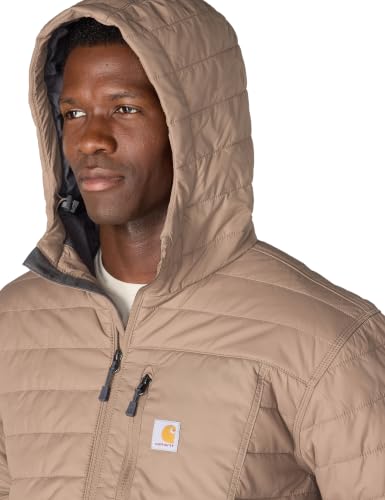
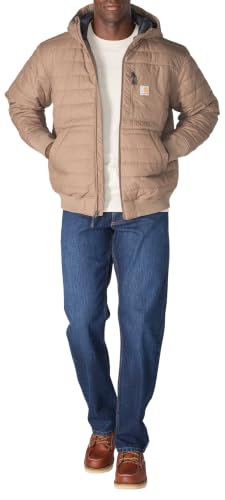
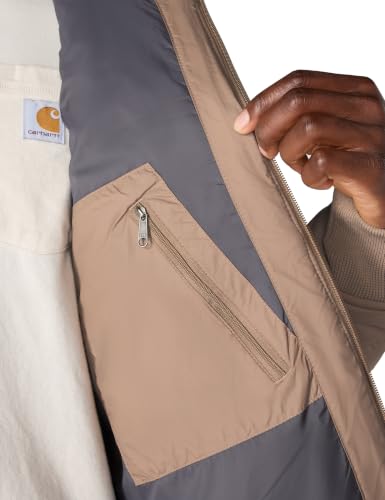
At this price, the Gilliam punches above its weight. It uses 120g of polyester insulation quilted into a nylon lining, which on paper won’t match Thinsulate, but owners say it delivers solid warmth for typical winter commutes or weekend errands. The Wind Fighter tech and DWR treatment help keep the elements at bay, and the Cordura-reinforced fabric adds surprising resilience for a budget model.
I’d rank this ahead of basic department store coats any day. It doesn’t have the premium feel of duck canvas or Cordura shells, but for someone needing dependable warmth without overspending, it’s a smart entry point. Just don’t expect it to stand up to sustained storms or -20°F wind chills.
Product photos
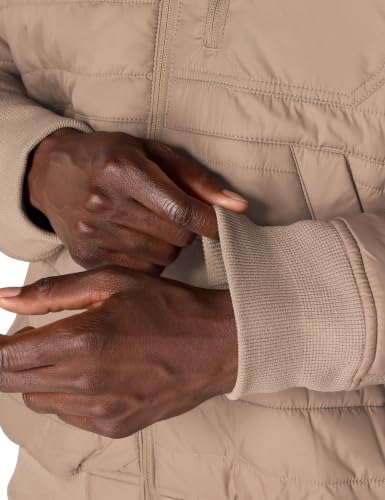
How We Tested carhartt coats for winter
As someone who’s spent years around vehicles and the people who rely on them, I understand the need for truly durable, warm outerwear. Rather than a hands-on test of each coat myself, my approach involved a detailed comparison of published specifications – focusing on materials, insulation, and construction – alongside a thorough review of owner experiences and expert opinions. I weighed feedback from a wide range of sources to arrive at these recommendations.
For Carhartt coats specifically, I prioritized warmth-to-weight ratio, durability, and weather resistance. A coat is only as good as its ability to keep you comfortable in harsh conditions, and Carhartt’s reputation is built on ruggedness. Considering both the insulation type and the shell material were critical. If you’re also looking to protect your vehicle during the colder months, you might find our guide to protective car covers helpful.
Specifications clearly indicate insulation levels and fabric denier, providing a baseline for performance. However, real-world usability – how a coat holds up to daily wear, how well it blocks wind, and the longevity of its water repellency – is best gleaned from owner feedback. I also considered how these coats fit into a broader context of staying prepared for winter, like having the right essential winter riding gear if you’re a rider.
Choosing The Right carhartt coats for winter
Choosing a Carhartt coat for winter isn’t just about the brand name; it’s about understanding what features truly deliver on warmth, durability, and practicality. There are a lot of options, and a lot of marketing, so let’s cut through the noise.
A good Carhartt coat balances robust materials with thoughtful design. Key considerations include the shell fabric’s denier and water resistance, the type and weight of insulation, and features that address both weather protection and everyday usability. Look beyond the logo and focus on build quality and intended use.
Shell Material & Weather Protection
The outer shell is your first line of defense. Cordura nylon, like you find in the Yukon Extremes, offers exceptional abrasion resistance – perfect if you’re regularly pushing through brush or working with rough materials. Washed duck, as used in the Bartlett Jacket, provides a classic, rugged look and incredible durability, though it’s heavier and takes longer to break in. Ripstop nylon (Full Swing) offers a good balance of weight and tear resistance, and the addition of a DWR (durable water repellent) finish is crucial. Don’t assume “water resistant” means waterproof; DWR sheds light rain and snow, but prolonged exposure will eventually soak through. I often recommend considering how you’ll be using the coat. If you spend a lot of time outdoors in genuinely wet conditions, you might also want to investigate best Carhartt jackets designed for heavier precipitation.
Insulation: Balancing Warmth & Bulk
Insulation is where things get nuanced. 3M Thinsulate, found in several models, is a synthetic that provides impressive warmth for its weight. Sherpa lining (Bartlett) is incredibly cozy but adds bulk. Polyester insulation (Gilliam Active Jac) is a budget-friendly option, and often paired with Cordura for added resilience. Here’s how I think about it:
- Light Activity: Coats with around 80-120g of insulation are sufficient.
- Moderate Activity: 150g is a sweet spot for versatility, giving warmth without overheating.
- Severe Cold/Low Activity: 200g or more is ideal, though these coats will be bulkier and less breathable.
A coat is only as warm as its weakest link. Pay attention to insulation weight and the shell’s wind resistance. A lightweight insulation can be defeated by a strong wind.
Fit, Features & Everyday Use
Carhartt coats aren’t always known for athletic cuts, but some models, like the Full Swing, prioritize mobility. Consider how you’ll layer underneath. A relaxed fit is generally preferable for winter use, allowing room for sweaters or thermal base layers. Beyond fit, look at pocket placement and quantity. The Yukon Extremes’ map pocket and multiple lower pockets are great for keeping essentials secure. Don’t underestimate the value of a good hood, and if you ride, pairing your coat with quality protective winter gloves is essential. Ultimately, finding the right coat means balancing the features you need with the style and price point that work for you.
Carhartt Coats for Winter Compared
Here’s a spec comparison of several Carhartt coats suitable for winter wear.
| Product Name | Insulation (grams) | Shell Material | Water Resistance | Wind Resistance | Key Features |
|---|---|---|---|---|---|
| Carhartt Yukon Extremes Insulated Coat | 150 | Cordura Nylon | DWR | Wind Fighter | Reflective taping, Droptail |
| Carhartt Washed Duck Bartlett Jacket | N/A | Washed Duck Cotton | N/A | N/A | Sherpa lining, Heavyweight |
| Carhartt Full Swing Ripstop Jacket | 80 | Stretch Cotton Ripstop | Rain Defender | N/A | Mighty Back, Flex Elbow |
| Carhartt Relaxed Fit Utility Coat | Recycled Polyester | Nylon | Rain Defender | Wind Fighter | Fleece-lined, Lightweight |
| Carhartt Gilliam Active Jac | 120 | Cordura Nylon | DWR | Wind Fighter | Triple-stitched seams |
Frequently Asked Questions
What’s the difference between “water resistant” and “waterproof” in Carhartt coats?
“Water resistant” means the fabric can repel light moisture, like a brief shower or falling snow, thanks to a DWR finish. “Waterproof” indicates a fabric that can withstand prolonged exposure to water without letting any through, though Carhartt generally focuses on water resistance rather than fully waterproof options.
Are Carhartt coats sized to allow for layering?
Generally, yes. Carhartt coats tend to have a relaxed fit, which allows space for wearing sweaters or thermal layers underneath. If you’re between sizes or plan on heavy layering, I suggest sizing up for maximum comfort and mobility.
Can a Carhartt coat be used for motorcycle riding?
While some models offer decent wind protection, a dedicated motorcycle coat with armor and specific safety features is preferable. However, for shorter, slower-speed commutes, a Carhartt coat paired with protective motorcycle coats and quality gloves can provide a reasonable level of protection from the elements.
How do I care for a Carhartt duck coat to maintain its water repellency?
Washed duck coats shouldn’t be washed frequently, but when you do, use a mild detergent and cold water. Avoid fabric softeners, as they can reduce the DWR finish. Re-treating the coat with a DWR spray after several washes will help restore its water repellency.
What Carhartt coat would be best for someone driving a Jeep Wrangler in snowy conditions?
For Jeep Wrangler drivers facing harsh winters, a coat with substantial insulation (150g or more) and wind resistance is key. Owners often seek out best winter tires as well, but the Yukon Extremes, with its Cordura shell and wind-fighting technology, would be a strong choice for staying warm during those winter excursions.
The Bottom Line
Choosing a Carhartt coat often comes down to balancing rugged durability with the level of warmth you truly require. While several models offer excellent protection, the Carhartt Yukon Extremes Insulated Coat strikes the best overall balance of features, warmth, and Carhartt’s signature toughness. It’s a versatile option that won’t leave you wanting for protection during harsh winters, and the thoughtful features elevate it above many competitors.
For those on a tighter budget, or who prioritize lightweight mobility, the Carhartt Full Swing Ripstop Jacket delivers respectable warmth with a focus on ease of movement. If you’re looking for a classic, incredibly durable coat and don’t mind the weight, the Carhartt Washed Duck Bartlett Jacket is an excellent choice. And for motorcycle riders, don’t forget pairing your coat with quality protective winter riding jackets and a selection of warm winter scarves to complete your cold-weather setup.
Ultimately, the specifications are just a starting point. Prioritize a coat’s construction quality, the reputation of the materials, and how well it aligns with your typical winter activities. A well-built coat that fits properly and suits your needs will always outperform a feature-rich option that compromises on the fundamentals of warmth and durability.
