
7 Best Carb Cleaner Additives of 2026
This post contains affiliate links. As an Amazon Associate, we earn from qualifying purchases.
The best overall carb cleaner additive is Sea Foam Motor Treatment, a versatile formula that cleans and stabilizes fuel in both gas and diesel engines. For a budget-friendly rescue option, STA-BIL Fast Fix tackles tough deposits fast, while CRC Clean-R-Carb is ideal if you prefer direct spray application for precision cleaning.
If you’ve ever fought a rough idle or struggled to start a stored engine, you know how quickly carb issues can ruin the joy of firing up a classic or firing up the mower. As someone who’s spent years immersed in the mechanics of everything on wheels, I’ve seen how the wrong additive can waste time and money, or worse, cause damage.
This guide cuts through the noise by focusing on real-world performance, compatibility, and purpose. I looked at specs, owner feedback, and use cases to highlight additives that actually work, whether you’re maintaining a daily driver or reviving a seasonal machine.
Top 7 Carb Cleaner Additives in the Market
The Best Carb Cleaner Additives, Reviewed
Sea Foam Motor Treatment 16 oz

Strengths
- Multi-use application
- Long-term stabilization
- Cleans sludge gently
Trade-offs
- Slower results
- Higher upfront cost
- Requires regular use
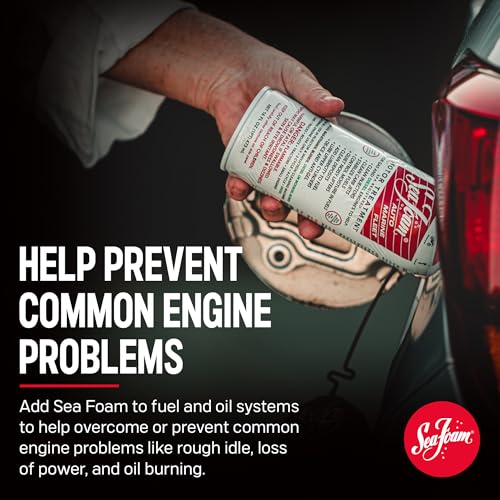
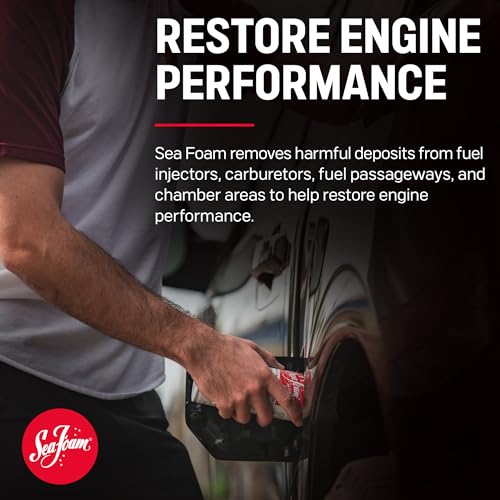
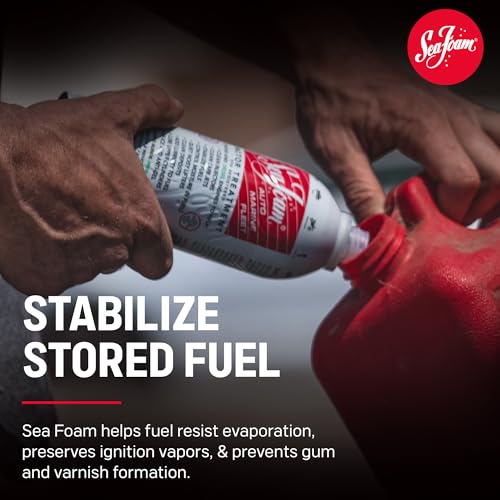
If I had to pick one product for overall versatility and long-term engine health, this would be it. Sea Foam isn’t just a carb cleaner, it’s a full-spectrum treatment that works in fuel, oil, and during storage. The ability to dissolve varnish over time while also stabilizing fuel for up to two years makes it ideal for classic cars, boats, and seasonal equipment. Owners praise its gentle yet consistent action, especially in older engines where aggressive solvents could loosen debris and cause clogs.
When compared to STA-BIL or Gumout, it’s less about instant gratification and more about sustained care. It doesn’t blast carbon off instantly like a spray, but run it every few thousand miles and you’ll likely avoid major cleanouts down the road. For most buyers, this is the smarter buy for prevention and longevity.
Video review
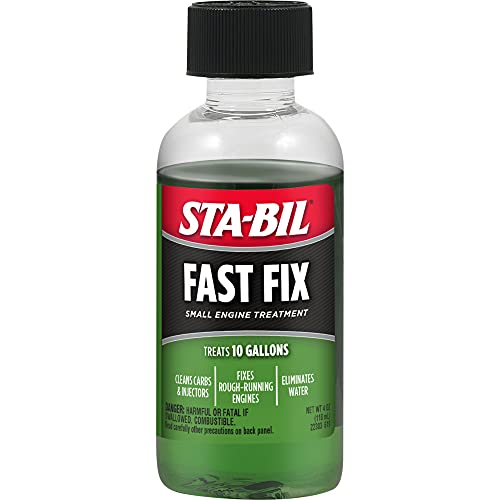
STA-BIL Fast Fix 4 oz
Strengths
- Fast-acting
- Water removal
- Ethanol protection
Trade-offs
- Limited cleaning depth
- Short-term solution
- Not for high-mileage engines
For small engine owners on a tight budget, this additive punches above its weight. On paper, it’s built for quick fixes, targeting gum, varnish, and water in fuel systems that plague stored equipment like lawn mowers and snow blowers. The fact it treats up to 10 gallons per 4 oz bottle means you’re getting serious dilution efficiency, and owners consistently report smoother starts after just one use, especially in engines that sit for months.
It won’t deep-clean sludge from years of neglect, but that’s not its job. Compared to heavier-duty treatments like Sea Foam, this is more of a triage tool than a long-term maintenance plan. Still, for occasional users with seasonal gear, I’d pick this over pricier options when all you need is a fast restart.
Video review
Sea Foam Motor Treatment 16 oz

Strengths
- Extended supply
- Full-system support
- Ideal for storage
Trade-offs
- Cost adds up
- Gradual effect
- Overkill for new engines
This pack ups the ante for frequent users who treat their engines like long-term investments. With four bottles, you’re set for year-round use, adding it every 3,000 miles keeps fuel systems free of varnish, supports lubrication during oil passes, and ensures stored fuel stays viable. The feedback loop from loyal users is clear: engines stay smoother, start easier, and show fewer symptoms of fuel degradation over time.
It’s essentially the same formula as the 3-pack but better value for committed users. Against Quicksilver or Gumout, it still wins on breadth of function. While it doesn’t replace a mechanical cleaning, I consider it essential maintenance, especially for air-cooled engines or marine applications where fuel quality varies.
Product photos
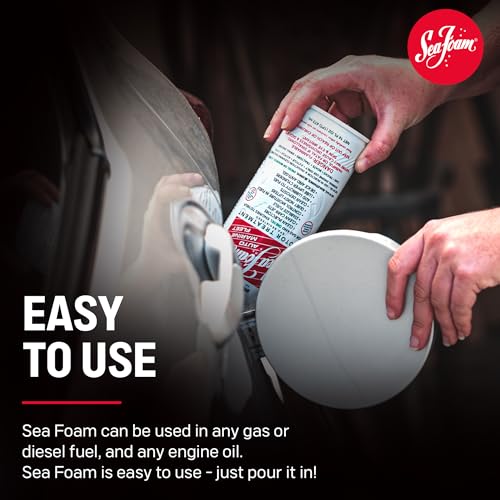

CRC Clean-R-Carb 12 Wt Oz

Strengths
- Safe for emissions systems
- Fast solvent action
- VOC compliant
Trade-offs
- No precision straw included
- Single can only
- Not for internal fuel system cleaning
This is a no-frills, direct-application spray that gets the job done cleanly and safely. Unlike additives that work through the fuel tank, this one demands physical access to the carb, but when you do, it delivers instant results on butterfly valves, linkages, and venturis. Reviewers note how quickly it clears sticky throttle plates, which directly translates to better idle and throttle response. Plus, being 50-state compliant means it’s legal everywhere, and its safety around O2 sensors and catalytic converters makes it a smart choice even for newer small engines.
Compared to Gumout’s spray, it doesn’t come in packs or offer a straw attachment, so precision cleaning takes more effort. But if you’re after a single, trustworthy can that won’t damage emissions components, this is my go-to recommendation.
Product photos
Gumout Fuel System Cleaner
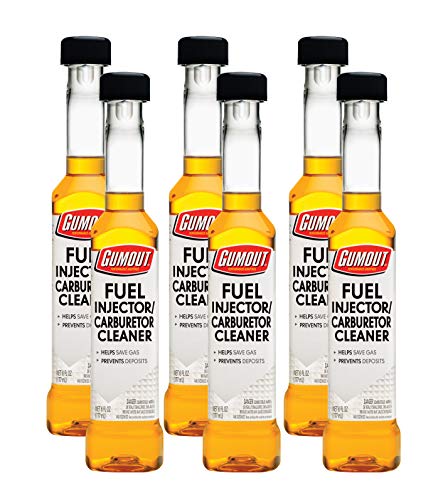
Strengths
- Prevents deposit formation
- Safe for turbos
- OEM-safe formula
Trade-offs
- Not for existing issues
- Limited scope
- No stabilization
This is less about fixing problems and more about stopping them before they start. As a preventative treatment, it’s designed to flow through the fuel system and inhibit carbon buildup on intake valves, carburetors, and indirect injectors. The six-pack format suggests routine use, ideal for drivers who want to maintain peak performance without waiting for symptoms. Oxygen sensor safe and compatible with turbocharged engines, it’s a worry-free addition to regular maintenance.
Compared to Sea Foam, it lacks oil and stabilization benefits, but it’s cheaper per use and focused purely on keeping combustion chambers clean. I wouldn’t rely on it for an engine already running rough, but as part of a schedule? Absolutely. My recommendation for daily drivers with port injection systems that don’t see frequent highway runs.
Product photos
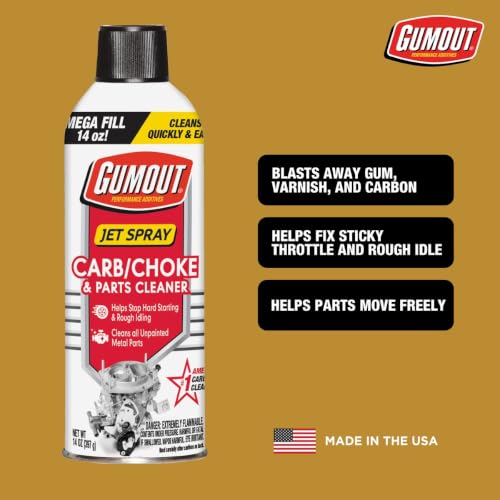
Gumout Carb & Choke Jet
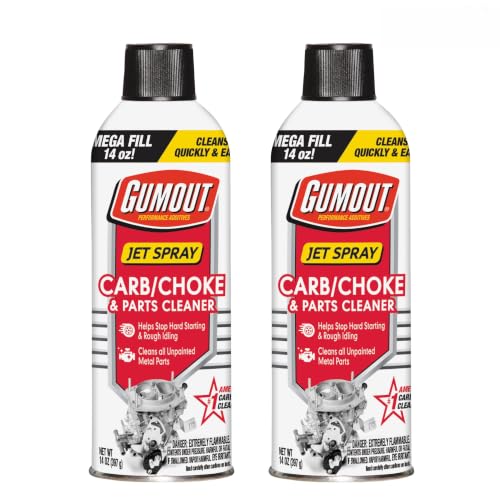
Strengths
- High-pressure spray
- Residue-free drying
- Works on multiple components
Trade-offs
- Strong fumes
- Not for internal fuel lines
- Requires ventilation
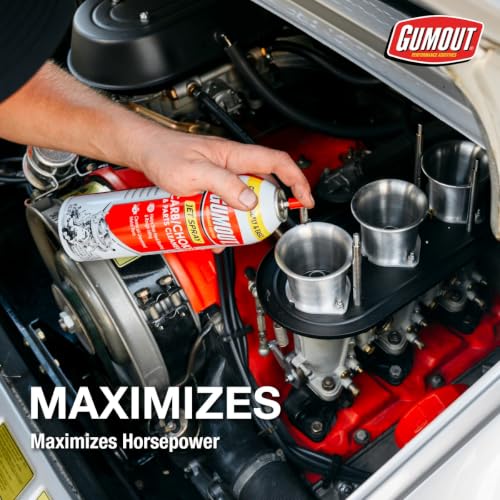
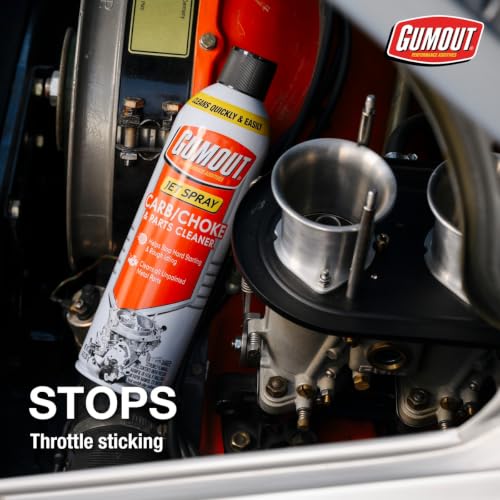
When you need brute force on stubborn deposits, this dual-pack jet spray stands out. Its formulation attacks gum, carbon, and sludge with high-pressure delivery, making it perfect for detailed carb teardowns or tune-ups. The fast-drying solvent reaches tight passages and leaves no residue, something mechanics appreciate when reassembling sensitive components. Owners using it on motorcycles, ATVs, and small engines frequently mention restored throttle response and eliminated stalling after cleaning choke jets and throttle bodies.
While Sea Foam works passively over time, this is your hands-on weapon for active cleaning. Paired with a straw (sold separately), it becomes even more precise. Against CRC’s version, it offers better value with two cans and slightly stronger solvent power. If you’re doing real mechanical work, this is the one I’d reach for.
Product photos
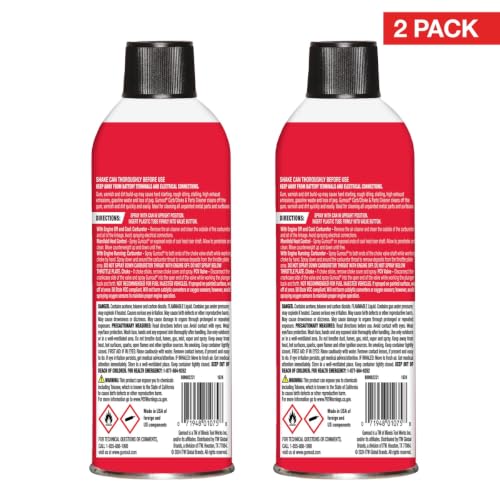

Quicksilver Quickleen 32 Oz

Strengths
- High-volume formula
- Deep carbon removal
- Suitable for ethanol fuels
Trade-offs
- No oil system benefit
- Not a stabilizer
- Niche application
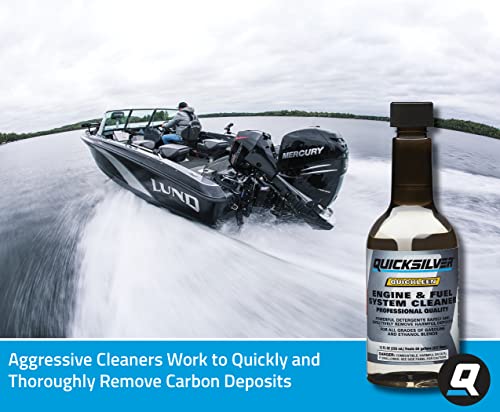
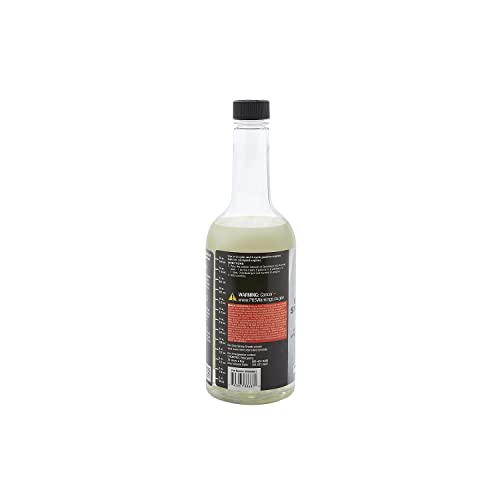
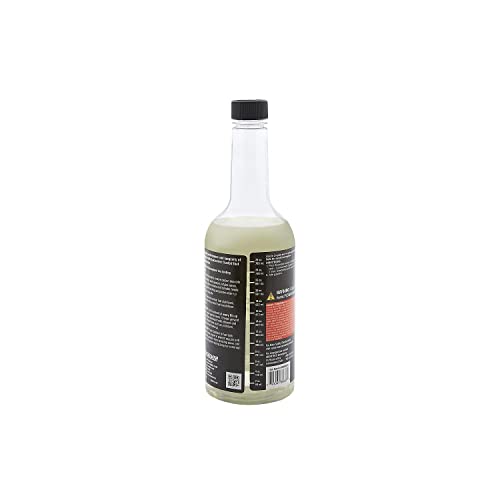
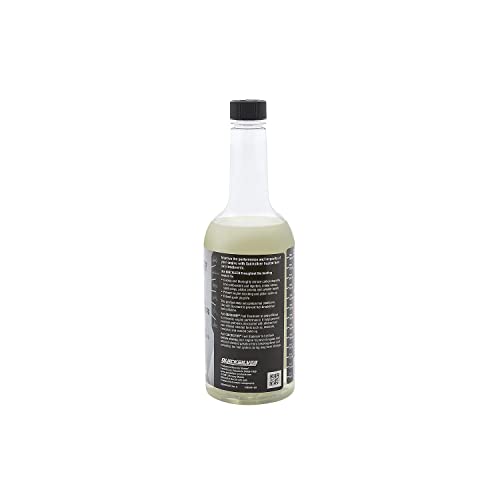
Built for larger displacement engines, this cleaner scales up where others fall short. With a 32 oz size and a dosing rate of 1 oz per 5 gallons, it’s clearly aimed at marine, agricultural, or heavy-duty equipment operators. It tackles carbon on piston crowns, spark plugs, and cylinder heads, areas often untouched by milder additives. Owners of outboard motors and tractors report reduced knocking and improved combustion after repeated use, suggesting it penetrates deeper than average fuel treatments.
Against Sea Foam, it’s less versatile (no oil treatment function) and not marketed for storage, but in active, hard-working engines burning ethanol blends, it holds its own. I’d recommend it specifically for those running large carbureted engines under load, where carbon accumulation happens faster.
Product photos

How We Picked These carb cleaner additives
Rather than a hands-on lab test, my approach to evaluating carb cleaner additives involved a research-led comparison of published specifications and, importantly, a careful weighing of owner reviews and expert opinions. I focused on identifying products consistently praised for effectiveness across a range of engine types and issues, from rough idling to fuel stabilization. This process allowed me to build a picture of real-world performance, going beyond simply listing features.
For this category, the most impactful factors were a product’s ability to address both existing deposits and prevent future build-up, alongside its versatility across different fuel types. A cleaner’s capacity to stabilize fuel for storage was also key, given the needs of enthusiasts like myself who often maintain seasonal vehicles. Ultimately, I prioritized additives that offered broad compatibility and offered lasting benefits. You can find more detailed analysis in our guide to recommended carb cleaning additives.
Product specifications reliably indicate compatibility with modern fuel systems and whether a formula is safe for catalytic converters. However, judging true cleaning power and long-term effects requires tapping into user feedback. I paid close attention to reports regarding restored performance, improved fuel economy, and ease of use. For targeted cleaning, I also looked closely at reviews of carb cleaner sprays and [aerosol cleaners], alongside broader additive treatments.
How To Pick The Right carb cleaner additives
Finding the right carb cleaner additive can make a noticeable difference in how your engine runs, and it’s a surprisingly nuanced area.
A truly effective carb cleaner additive doesn’t just mask symptoms. It actively dissolves varnish, gum, and carbon deposits throughout the fuel system – from the fuel tank to the combustion chamber. Look for formulas compatible with modern fuels (including ethanol blends) and those that address both gasoline and diesel engines if you have a mixed fleet of equipment. Prioritize products that clean injectors, carburetors, and intake valves.
Understanding Additive Types
There’s a real split in the market between “maintenance” additives and “rescue” formulas. Maintenance additives, like Gumout Fuel System Cleaner, are designed for regular use to prevent buildup. These are fantastic for daily drivers and machines used consistently. Rescue formulas, on the other hand – think STA-BIL Fast Fix – are heavier-duty, intended for engines that are already exhibiting symptoms of neglect like rough idling or hard starting. Trying to use a maintenance additive on a severely gummed-up carburetor is like putting a band-aid on a broken bone. I often suggest starting with a rescue treatment, then transitioning to regular preventative doses. Consider what’s most likely to happen with your equipment; consistent use versus seasonal storage.
Fuel Compatibility and Engine Size
Modern fuels, particularly those with ethanol, present new challenges for older carburetors. Ethanol attracts water, which can lead to corrosion and fuel separation. A good additive will contain demulsifiers to combat this. If you’re dealing with a classic car or small engine equipment, ensuring compatibility with ethanol blends (E10, E15, even E85) is vital. Beyond that, the size of your engine matters. A 16oz bottle of Sea Foam Motor Treatment might be perfect for a truck or RV, but overkill for a lawnmower. Conversely, a small 4oz bottle may not be enough to treat the entire fuel system of a larger vehicle.
Here’s a quick guide:
- Small engines (lawnmowers, chainsaws): 4-8oz treatment.
- Cars & Light Trucks: 8-16oz treatment.
- Larger Engines (RVs, boats): 16oz or more, depending on tank size.
- Regularly stored vehicles: Use a fuel stabilizer like Sea Foam before storage, and again when recommissioning.
Spray vs. Add-In: Choosing the Application Method
The method of application dramatically impacts effectiveness. CRC Clean-R-Carb is a spray, designed for direct application to carburetor components. This is ideal for a more focused cleaning, especially when addressing specific issues like a sticky choke. However, it requires some disassembly and mechanical aptitude. Add-in formulas, like many of the carb cleaner additives we’ve discussed, are far more convenient. They circulate through the entire fuel system as the engine runs.
A good rule of thumb: If you’re comfortable getting your hands dirty and want pinpoint control, a spray is the way to go. If you prefer a simpler, more thorough approach, an add-in formula is likely a better fit.
For those looking for the best carburetor cleaners and effective carburetor fuel treatments, remember that preventative maintenance with premium fuel additives for carburetor cleaning is often more cost-effective than extensive repairs down the road. Don’t underestimate the power of regularly using a quality clean carburetor additives to keep your engine running smoothly.
Carb Cleaner Additives Compared
Here’s a comparison of key specifications for popular carb cleaner additives to help you make an informed purchase.
| Product | Size (oz) | Fuel Type Compatibility | Application Type | Cleans Injectors | Stabilizes Fuel |
|---|---|---|---|---|---|
| Sea Foam Motor Treatment | 16 | Gas & Diesel | Additive | Yes | Yes |
| STA-BIL Fast Fix | 4 | Gasoline | Additive | Yes | No |
| Sea Foam Motor Treatment | 16 | Gas & Diesel | Additive | Yes | Yes |
| CRC Clean-R-Carb | 12 | Gasoline | Spray | N/A | No |
| Gumout Fuel System Cleaner | N/A | Gasoline | Additive | Yes | Yes |
| Gumout Carb & Choke Jet | N/A | Gas & Diesel | Spray | N/A | No |
| Quicksilver Quickleen | 32 | Gasoline | Additive | Yes | Yes |
Frequently Asked Questions
Will a carb cleaner additive damage older rubber fuel lines?
Some older rubber formulations can degrade with certain aggressive solvents. Look for additives specifically stating compatibility with older vehicles, or consider a milder formula like Sea Foam, and always check owner feedback regarding fuel line effects before widespread use.
Can I use a carb cleaner additive as a preventative measure, even if my engine is running well?
Absolutely. Regular use of a maintenance-focused additive, as opposed to a rescue treatment, can prevent the buildup of deposits and maintain optimal fuel system performance. Think of it like oil changes – preventative care saves headaches later.
What’s the difference between a fuel stabilizer and a carb cleaner additive?
A fuel stabilizer, like those recommended in our thorough guide to car fuel additives, primarily prevents fuel degradation during storage, while a carb cleaner additive actively dissolves existing deposits. While some products offer both benefits, their primary functions are distinctly different.
Are carb cleaner additives safe for catalytic converters?
Most modern carb cleaner additives are formulated to be safe for catalytic converters, but it’s crucial to verify this on the product label. Damage can occur if an additive contains harsh chemicals not compatible with emissions systems; always confirm compatibility before use.
I have a classic car with a carburetor – should I prioritize a spray or an add-in formula?
For a classic car, the best approach depends on the extent of any issues. If you suspect significant gumming or varnish, a spray like CRC Clean-R-Carb allows targeted cleaning, but for routine maintenance, consider using gas treatments for carburetors to keep the system running smoothly.
The Bottom Line
Choosing the right carb cleaner additive often comes down to how much effort you want to put in versus the condition of your engine. If you’re facing a serious issue like a hard start or rough idle, I believe STA-BIL Fast Fix offers a potent solution to tackle existing deposits. However, for those prioritizing preventative care and consistent performance, Sea Foam Motor Treatment remains a standout choice – it’s a versatile formula that addresses both cleaning and fuel stabilization.
For owners with specific needs, the field narrows nicely. If you’re dealing with a classic car or small engine and prefer a targeted approach, exploring the world of carburetor sprays is wise. If you’re looking for a cost-effective way to maintain a fleet of equipment, Gumout Fuel System Cleaner delivers solid performance. And for marine applications, Quicksilver Quickleen stands out as a formula specifically designed for the challenges of boat engines.
Ultimately, remember that no additive can fully compensate for neglected maintenance. Regularly using quality performance-boosting carb additives, alongside routine filter changes and proper fuel storage, is far more effective than relying on a “miracle” solution. Prioritize those fundamentals, and you’ll keep your engines running smoothly for years to come.
