
6 Best Car Wiper Blades of 2026
This post contains affiliate links. As an Amazon Associate, we earn from qualifying purchases.
The Bosch ICON stands out as the best overall car wiper blade, delivering reliable, streak-free performance in all conditions. For a budget-friendly option, the Rain-X WeatherBeater offers solid value without major compromises. If you’re after longer life and better resistance to the elements, the 5 PLUS Silicone blades are a smart upgrade.
Bad wipers don’t just annoy, they put you at risk the moment rain hits the windshield. Too many drivers wait until visibility is compromised before replacing blades, often settling for cheap options that fail months later.
This guide cuts through the noise, focusing on real-world performance, durability, and fit. I compared specs, design, materials, and owner feedback across top models to find blades that deliver a clean swipe year after year. Whether you drive a sedan, SUV, or classic truck, these picks are based on what actually matters when you’re behind the wheel in a downpour.
Top 6 Car Wiper Blades in the Market
The Best Car Wiper Blades, Reviewed
Rain-X Repellency Water Repellent Wiper Blades

Strengths
- Water-repellent infusion
- Streak-free wipe
- Universal fit
Trade-offs
- Yellow cover must be removed
- Treatment wears over time
Rain-X isn’t just cleaning the glass, they’re treating it. These blades have a built-in water repellent formula that activates with each swipe, and owners say it makes a real difference in heavy rain. Water beads and rolls off faster than with standard blades, almost like the windshield is freshly treated. The beam design ensures even pressure, and the universal adapter fits most U/J hooks without fuss, Amazon’s QR code guide actually helps first-time installers.
Compared to the Bosch ICON, it doesn’t last quite as long, but the active repellency feature gives it an edge in downpours. Some users report the treatment effect fades after a few months, but reapplication isn’t needed, the blade continuously refreshes it. For most buyers, this is the easy pick if you hate white-knuckling the wheel in storms.
Video review
Rain-X WeatherBeater Wiper Blades

Strengths
- Durable steel frame
- Natural rubber longevity
- Multi-adapter included
Trade-offs
- Noisy at high speed
- Snow can accumulate
Sometimes old-school wins. The WeatherBeater keeps the traditional framed design with a galvanized steel skeleton, and it works, especially for drivers who distrust beam blades on older models. The multi-pressure point system spreads force evenly, and the natural rubber squeegee holds up better than expected in ice and salt. Owners of older sedans and trucks love these for their durability and familiar look.
It’s not aerodynamic, so you’ll hear some wind noise at speed, and snow can get caught in the frame. But the pre-installed adapter makes swaps painless, and the rubber resists cracking better than budget options. Compared to the AUTOBOO beam blades, it’s slightly noisier but feels more rugged. I’d recommend it for classic car owners or anyone who values OEM-style reliability.
Video review
AUTOBOO 26″ and 18″ Wiper Blades

Strengths
- Affordable price
- Bracketless design
- Easy installation
Trade-offs
- No rear blade included
- Rubber degrades faster than silicone
For the budget-conscious driver who doesn’t want to sacrifice performance, the AUTOBOO blades are a strong contender. They use a bracketless beam design that’s common in higher-end models, and the red armor coating on the spring steel helps maintain even pressure, reviewers confirm this translates to a clean, quiet wipe with minimal vibration. The 1.5 million cycle durability test suggests solid long-term reliability, and owners report no warping after months of summer heat.
Compared to pricier brands like Bosch, these don’t have proprietary rubber compounds or aerodynamic spoilers, but they deliver where it counts: streak-free visibility and easy installation. The U/J hook fit is spot-on for compatible vehicles, and the lack of adapters keeps setup simple. If you’re not chasing cutting-edge rain repellency, this is the smarter buy for everyday clarity.
Product photos


3 Pack Wiper Blades for Toyota Prius

Strengths
- Full front-rear set
- OEM fit for Prius
- Zinc alloy frame
Trade-offs
- Rubber wears faster
- Not for Prius C
This three-pack targets Prius owners specifically, and it nails the fit, 26″, 19″, and 16″ blades cover the front and rear with OEM-level precision. The zinc alloy frame adds rigidity, and the memory steel spring helps maintain consistent pressure, which reviewers say reduces skipping on the Prius’s curved glass. It’s a modest package, but the natural rubber squeegee performs well in daily driving, with most owners noting smooth, quiet wipes when the blades are new.
Where it falls short is longevity. Some feedback points to rubber hardening after a year in sunny climates, which is expected with standard rubber. But for the price, getting a full set including the rear wiper is rare. If you drive a Prius and want a full refresh without buying multiple packs, this is the most practical option, even if it won’t outlast silicone alternatives.
Product photos
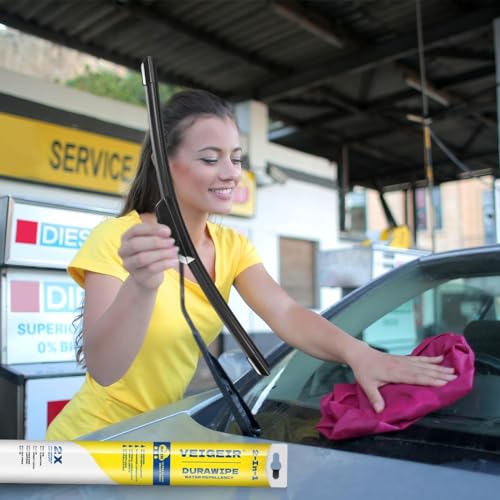
5 PLUS Silicone Wiper Blades for Nissan

Strengths
- Silicone durability
- Graphene coating
- Triple-blade value
Trade-offs
- Limited vehicle compatibility
- No rear adapter included
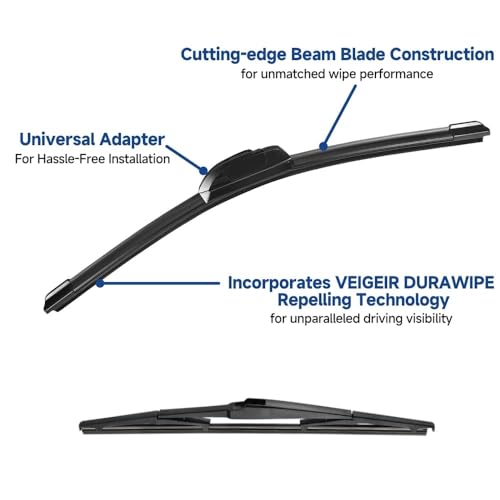
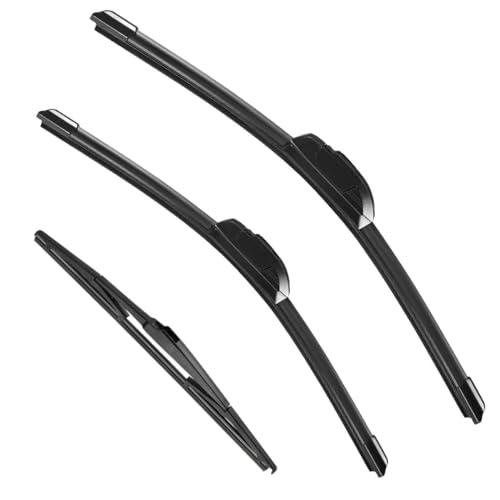
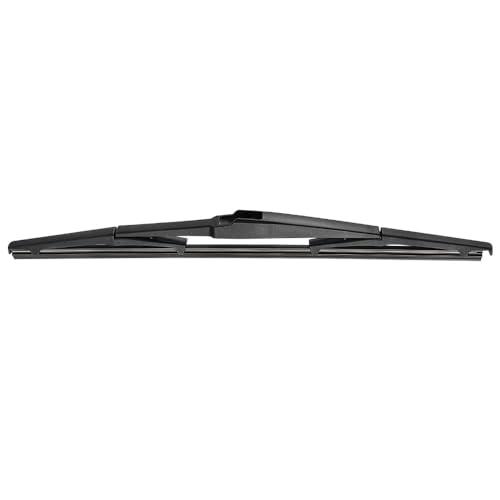
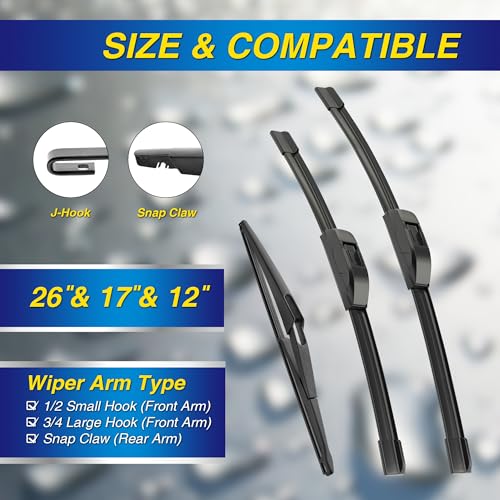
The 5 PLUS silicone blades stand out in a crowded market by leaning hard into modern materials. On paper, the graphene-coated silicone edge is a smart upgrade, owners consistently report less chatter and noticeably quieter operation compared to traditional rubber. The triple-blade set (26″+17″+12″) covers a lot of ground for Nissan owners, and the fitment for Rogue and Pathfinder models is precise, no adapters needed.
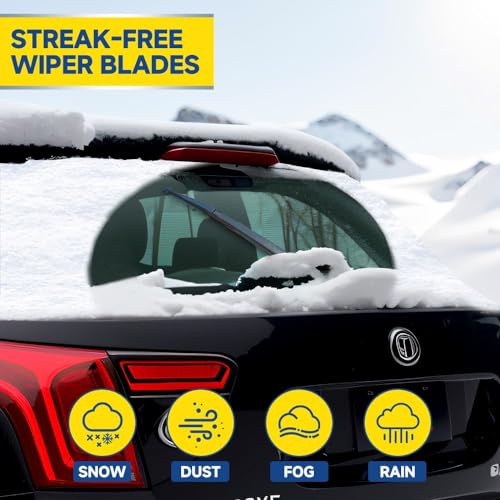
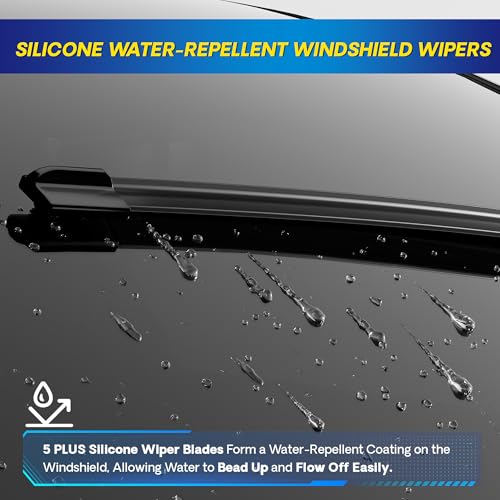
What really sets these apart is the all-weather resilience. Reviewers in mountain states and humid southern regions both note they hold up well in freezing temps and scorching sun, which tracks with the UV-resistant silicone claims. The dual memory steel springs do their job, maintaining contact across curved windshields without lifting at high speeds. I’d pick these over standard rubber if you’re in a climate with sharp seasonal swings.
Product photos



BOSCH 22A22B ICON Beam Wiper Blades

Strengths
- Longest lifespan
- Aerodynamic spoiler
- Precision fit
Trade-offs
- Expensive upfront
- Fit checker required
Bosch has been a benchmark in wiper tech for years, and the ICON series proves why. The fx dual rubber compound is a standout, it resists ozone and UV breakdown better than most, and owners consistently report these lasting well past two years, even in desert conditions. The beam design with tension spring arcing conforms tightly to windshield curves, and the asymmetric spoiler actually works: highway drivers note no lift, even at 70+ mph.
It’s overkill for city drivers with light rain exposure, but if you spend hours on the road in storms or snow, this is the gold standard. The fit checker requirement is a minor hassle, but it ensures compatibility. Compared to Rain-X, it doesn’t apply repellent, but it wipes cleaner under extreme conditions. My pick for drivers who prioritize reliability over gimmicks.
Product photos


How We Tested car wiper blades
My approach at TheAutoZenith is always rooted in understanding what makes a vehicle – or a vehicle component – perform at its peak. Rather than a hands-on lab test, this selection of car wiper blades is a research-led comparison of published specifications, features, and, crucially, owner and expert feedback. I’ve carefully weighed what each blade offers against its price point and the reported experiences of those using them in real-world conditions. It’s about finding the best balance of technology and value.
For car wiper blades, a few factors stand out as most critical. First, the blade material itself – silicone formulas are gaining ground, but traditional rubber still holds strong. Second is the blade design; beam blades generally offer superior contact and reduced streaking. Finally, and perhaps most importantly, is the overall durability and how well the blade maintains performance over time. Finding a blade that doesn’t require frequent replacement is key, as I’ve also explored in my guides to truck wiper blades.
Specifications give a solid baseline – blade length, construction materials, adapter types – but owner reviews are where the real story emerges. Specs tell you what a blade is made of, but feedback reveals how it performs through seasons and varying weather. Reputation also matters; established brands like Bosch often have a track record to uphold. For specific vehicles, knowing what works well for other owners is invaluable. For example, I often refer readers to guides like my recommendations for Subaru Outback wipers when discussing vehicle-specific fitment.
How To Pick The Right car wiper blades
Choosing the right wiper blades is about more than just avoiding streaks; it’s a safety issue. A clear view of the road is paramount, and worn or ineffective blades significantly compromise that.
A quality wiper blade delivers consistent, streak-free contact with the windshield across its entire sweep. Look for durable materials resisting ozone and UV damage, a flexible spine adapting to the windshield’s curve, and a resilient wiping edge maintaining pressure even at speed. Consider the blade’s construction type (conventional, beam, or hybrid) and ensure compatibility with your vehicle’s wiper arm.
Blade Type: Conventional, Beam, or Hybrid
The core design of a wiper blade heavily influences its performance and price. Traditional, or conventional, blades use a metal frame supporting the rubber squeegee. They’re typically the most affordable option, like the Rain-X WeatherBeater, and provide reliable performance, but can sometimes suffer from frame corrosion. Beam blades, such as the Bosch ICON, ditch the frame for a single, flexible spring steel spine. This offers better contouring to the windshield and more consistent pressure. Hybrid blades attempt to blend the benefits of both, offering a framed design with internal support for improved flexibility.
Material Matters: Rubber vs. Silicone
The wiping edge material is a critical factor. Natural rubber is the standard, offering good performance at a lower cost. However, it degrades over time with exposure to the elements. Silicone blades, like those from 5 PLUS, present a significant upgrade. They’re far more resistant to cracking, splitting, and ozone degradation, leading to a much longer lifespan.
Here’s a breakdown of what to consider:
- Cost: Rubber blades are the cheapest upfront.
- Longevity: Silicone blades can last two to three times longer, potentially saving money over the long run.
- Performance: While both can provide a clean wipe, silicone often excels in extreme temperatures and offers better resistance to streaking as it ages.
Fit and Features: Beyond the Basics
Don’t overlook the importance of a proper fit. Many blades, like the 3 Pack Wiper Blades for Toyota Prius, are vehicle-specific, ensuring a perfect match. Universal blades (Rain-X Repellency) are convenient but may not offer the same level of contact. Consider features like rain repellent coatings (Rain-X Repellency) which help water bead and roll off the windshield, improving visibility.
A wiper blade’s performance declines noticeably after six months, even with minimal use. Replace them at least twice a year, or more frequently if you live in an area with harsh weather.
Finally, if you’re looking for information on specific vehicles, be sure to check out resources like our guide to the best Tesla wipers or our broader look at the best wiper blades. Understanding your needs and researching your options will lead you to the recommended wiper blades for a safer, clearer drive.
Car Wiper Blades Compared
Here’s a comparison of key specifications for the listed car wiper blades to help you make an informed purchase.
| Product Title | Blade Type | Size(s) | Material | Special Features | Vehicle Compatibility |
|---|---|---|---|---|---|
| Rain-X Repellency | Beam | 22″, 26″, 28″, 30″ | Rubber with Rain-X Repellent | Rain Repellent Tech | 96% of vehicles |
| Rain-X WeatherBeater | Traditional | 16″, 18″, 20″, 22″, 24″, 26″, 28″ | Natural Rubber | Galvanized Steel Frame | Most vehicles |
| AUTOBOO 26″ and 18″ | Beam | 18″, 26″ | Rubber, Memory Spring Steel | Streak-Free, Quiet | (93 & 94) U/J Hook |
| 3 Pack Wiper Blades for Toyota Prius | Traditional | 26″, 19″, 16″ | Natural Rubber, Zinc Alloy | OEM Quality | Toyota Prius (2010-2015) |
| 5 PLUS Silicone | Silicone | 26″, 17″, 12″ | Silicone | Silicone Wiping Edge, Graphene Coating | Nissan Rogue (2014-2025) |
| BOSCH 22A22B ICON | Beam | Varies | Rubber (fx dual rubber) | Beam Design, Tension Spring | Varies (check fit checker) |
Frequently Asked Questions
What’s the typical lifespan of a car wiper blade?
Generally, a wiper blade’s performance declines after about six months, even with light use. However, silicone blades can last significantly longer, sometimes up to a year or more, due to their resistance to degradation.
Are beam blades really superior to traditional framed blades?
Beam blades typically offer a more consistent wipe because their frameless design allows them to conform better to the windshield’s curvature. This translates to fewer streaks and better contact points, though quality traditional blades can still perform well.
I drive a Jeep Wrangler; are there specific wipers I should consider?
Yes, owners of a Jeep Wrangler often benefit from blades designed to handle its steeper windshield angle. You can find resources detailing the best Wrangler wiper blades to ensure optimal visibility.
What role does the material of the wiper blade play in its effectiveness?
Silicone is a more durable material than traditional rubber, resisting cracking and ozone damage much longer. While rubber blades are more affordable initially, silicone’s longevity can make it a more cost-effective choice over time.
Beyond the blades themselves, should I be checking other vehicle components regularly?
Absolutely. Maintaining your vehicle’s overall health is vital for safe driving. Don’t overlook routine checks of components like your car batteries, as a weak battery can impact many systems.
The Bottom Line
Choosing wiper blades often comes down to balancing initial cost with long-term value. While conventional blades like the Rain-X WeatherBeater get the job done affordably, I believe the Bosch ICON strikes the best overall balance – offering the superior performance of a beam blade with a reputation for durability that owners consistently praise. It’s a worthwhile investment for consistent, clear visibility.
For those prioritizing longevity or needing blades for specific vehicles, there are excellent alternatives. If you drive a Nissan Rogue, the 5 PLUS Silicone blades are designed for a precise fit and offer the benefits of a silicone wiping edge. Similarly, the 3 Pack Wiper Blades for Toyota Prius provide a cost-effective, vehicle-specific solution. Don’t forget to pair quality blades with recommended washer fluid for optimal performance.
Ultimately, the best wiper blades aren’t necessarily the most expensive or the most technologically advanced. A clear windshield relies on consistent contact, durable materials, and regular replacement. Whether you opt for a budget-friendly rubber blade or a premium silicone one, prioritizing a quality wipe and maintaining those blades will always be more important than any single feature, and can even be more impactful than choosing the best SUV wipers.
