
8 Best Car Tracker Devices of 2026
This post contains affiliate links. As an Amazon Associate, we earn from qualifying purchases.
The LandAirSea 54 stands out as the best overall car tracker for its reliability and lifetime warranty, while the Lwyinp GPS Tracker is a smart no-fee pick for Apple users. For long-term, set-and-forget monitoring, the Spy Tec Atlas XL’s 12-month battery life makes it a top versatility choice.
As someone who’s spent years under the hood and deep in the tech behind modern vehicles, I know a good tracker isn’t just about location, it’s about trust. Too many devices fail when you need them most, either dying prematurely or delivering spotty data. After researching the field and analyzing specs, owner feedback, and real-world performance, I focused on models that deliver consistent accuracy, solid battery life, and fair pricing, because a tracker should protect your vehicle, not drain your wallet. This guide breaks down what actually matters so you can pick one that fits your driving life.
Top 8 Car Tracker Devices in the Market
The Best Car Tracker Devices, Reviewed
LandAirSea 54 GPS Tracker

Strengths
- Fast location updates
- Lifetime warranty
- Waterproof and rugged
Trade-offs
- Subscription required
- App has learning curve
- Battery drains quickly in active mode
This is the all-rounder, the tracker I’d recommend first if someone asked for one device that does everything well. It’s compact, waterproof, magnetically mountable, and offers updates as fast as every 3 seconds. The SilverCloud app is clean and responsive, and the ability to replay a full year of trips is rare at this level.
Built in the USA with a lifetime warranty, it feels more durable than most imports. The subscription starts at $9.95/month, which is competitive, and you can cancel anytime. Compared to others, it strikes the best balance between battery life, update speed, and stealth. Owners consistently rate it highly for reliability, especially when used on motorcycles or construction equipment. For most buyers, this is the easy pick.
Video review
Lwyinp GPS Tracker for Vehicles
Strengths
- No monthly fees
- Tiny and discreet
- Works with Apple Find My
Trade-offs
- Apple-only support
- Spotty in remote areas
- Detectable by pros
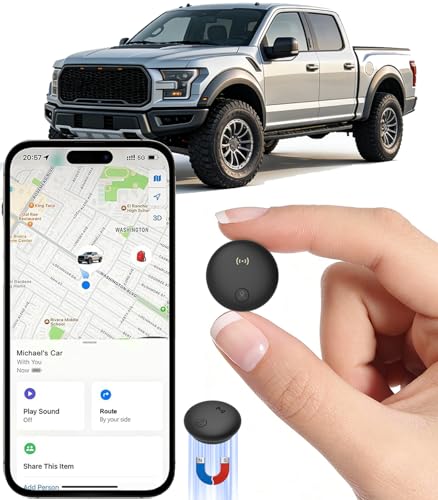
This tracker leans hard into Apple’s Find My network, which is smart, it means no SIM, no subscription, and no extra fees. On paper, that makes it one of the most affordable long-term options out there. But it only works reliably if you’re deep in the Apple ecosystem. Android users are left out entirely, and even on iOS, location accuracy depends on how many other Apple devices are nearby to crowdsource the signal.
Owners consistently report it works well in urban areas but can go dark in rural zones with sparse device density. The mini magnetic design is slick and easy to hide, but don’t expect military-grade stealth, it’s detectable by RF scanners. I’d pick this for low-priority, occasional tracking where cost matters more than constant precision.
Video review
Bouncie GPS Tracker for Vehicles
Strengths
- Vehicle diagnostics included
- Easy OBD2 plug-in
- Driving behavior insights
Trade-offs
- Visible in OBD2 port
- Monthly fee required
- Less discreet
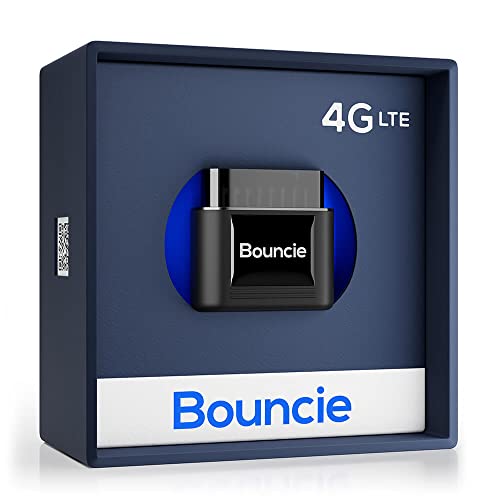
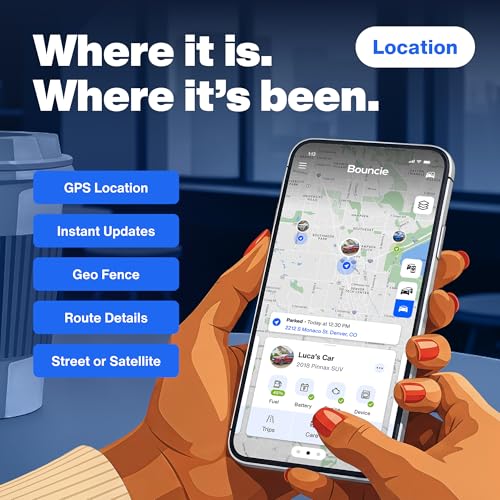
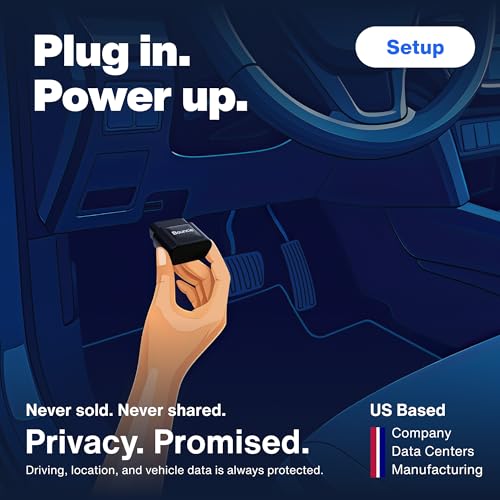
Bouncie is more than a tracker, it’s a vehicle health monitor wrapped in a GPS package. By plugging into the OBD2 port, it reads engine codes, tracks fuel efficiency, and flags maintenance issues before they become expensive repairs. That diagnostic edge is why it’s my pick for family cars or aging vehicles where mechanical insight adds real value.
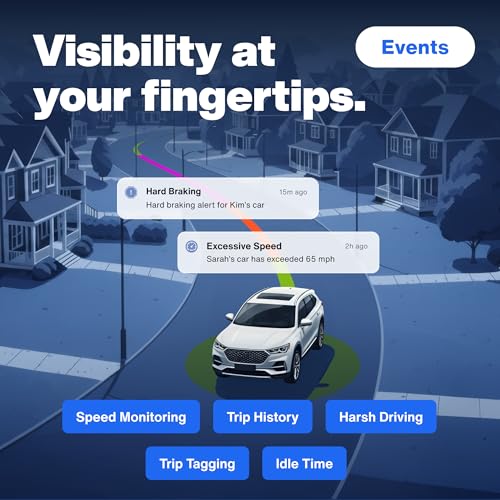
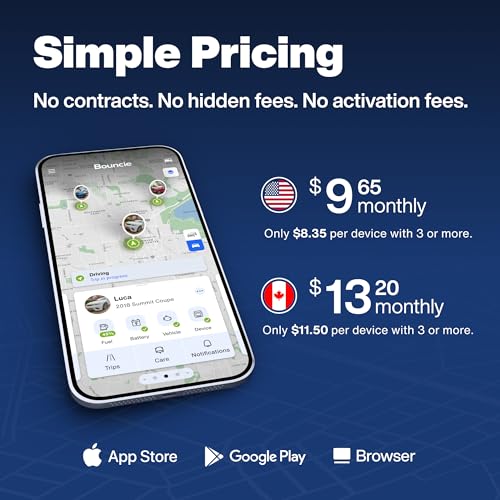
The GPS tracking is solid, not spectacular, updates every minute or so, with geofencing and accident detection. But the real benefit is behavioral: parents get driving reports, and drivers get feedback on hard braking or speeding. The $9.65/month fee is fair, and setup is truly plug-and-play. Compared to hidden trackers, it’s easier to remove, but also easier to spot. If you want both location and car health, this is the smarter buy.
Product photos

Spy Tec Atlas XL GPS Tracker

Strengths
- 12-month battery life
- Customizable update modes
- Weatherproof and rugged
Trade-offs
- Expensive monthly plan
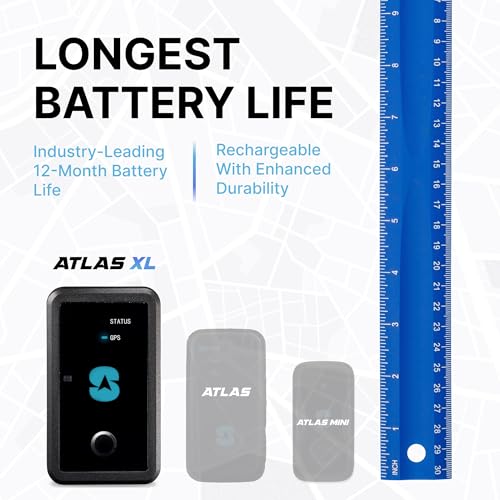
- Bulkier than average
- Setup takes time
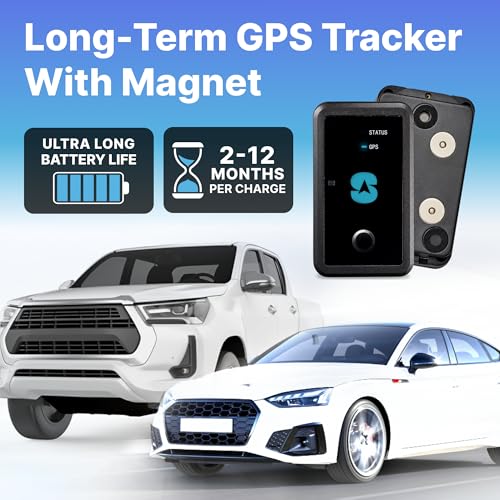
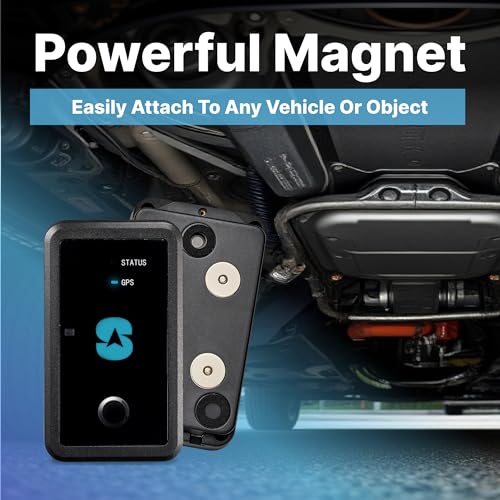
If battery life is your top priority, the Atlas XL earns its title. With up to 12 months per charge and customizable reporting modes, from once-daily to every minute, it’s designed for assets that sit idle for weeks. The magnetic mount is industrial-strength, and the included screw kit lets you secure it permanently.
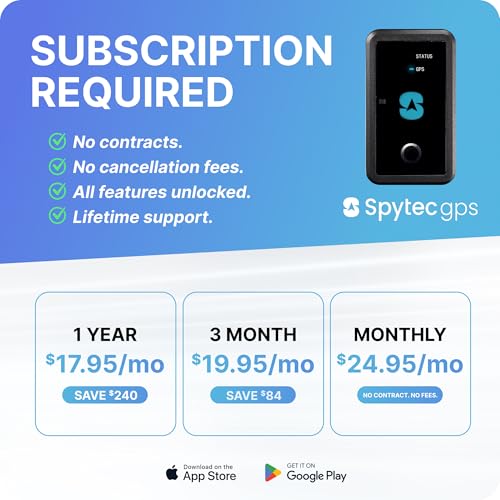
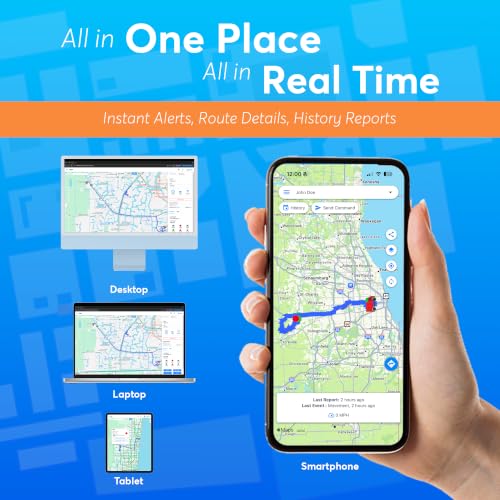
It’s weatherproof, works globally, and the Time Machine feature is excellent for reconstructing past routes. The downside? Subscription plans are on the higher end, especially month-to-month. But for boats, RVs, or seasonal equipment, the long intervals mean fewer check-ins and less data burn. Among long-life trackers, this is the most flexible. I’d pick it over daily-updating models for anything stored long-term.
Product photos
Optimus Wired GPS Tracker

Strengths
- Hardwired for reliability
- Affordable monthly plan
- Real-time alerts
Trade-offs
- Requires DIY install
- Needs continuous power
- Basic app interface
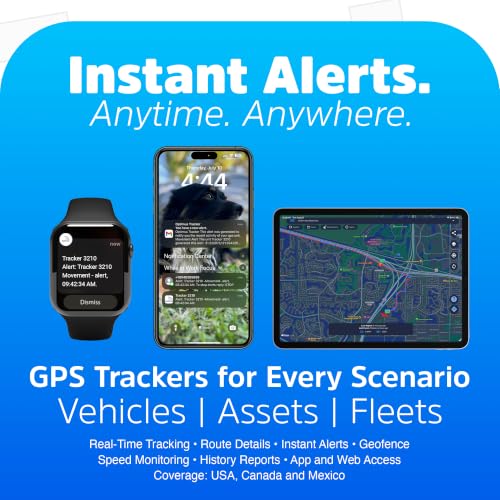
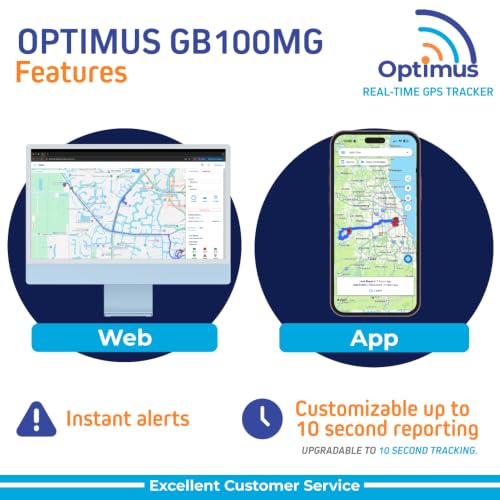
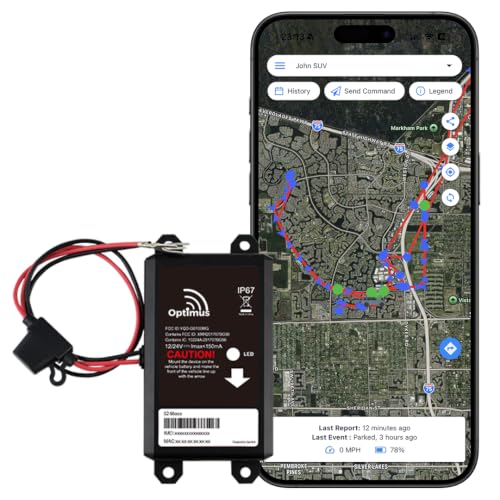
Hardwired trackers like this one are built for permanence, and the Optimus delivers solid value for drivers who want reliable, always-on monitoring without a huge upfront cost. It draws power directly from the battery, so you never worry about charging, and the 30-second update intervals give a clear picture of movement. The real draw is the transparent $12.95/month plan, no contracts, no surprises.
Compared to OBD2 plug-ins, this unit is less visible and harder to unplug, which matters if you’re tracking company vehicles or concerned about theft. Reviewers note the installation is simple but requires basic wiring know-how, this isn’t a plug-and-play device. If you’re comfortable with a screwdriver and wire taps, this is one of the smarter buys in its class.
Product photos
Tracki Pro GPS Tracker
Strengths
- Long battery life
- Strong fleet features
- Global 4G LTE coverage
Trade-offs
- Large and heavy
- Higher subscription cost
- Not for covert use
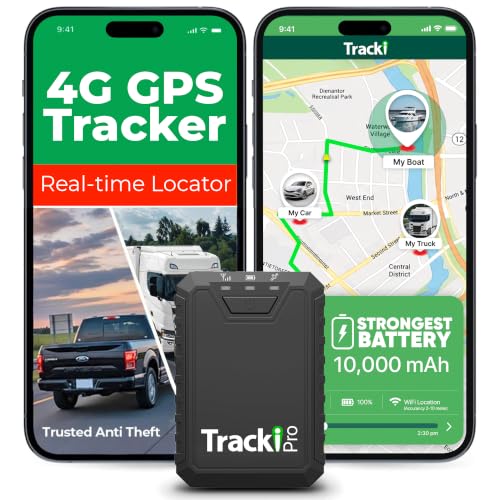
Tracki Pro stands out in the fleet space because it balances long battery life with strong reporting features, up to 7 months on active mode and 12 in sleep. That kind of endurance, combined with 15-second updates and impact detection, makes it a serious tool for managing work trucks or trailers. The 4G LTE Cat1 connectivity ensures broad coverage, and the global SIM simplifies international use.
The size is chunkier than average, but that’s the trade-off for a 10,000mAh battery. Owners praise its durability and alert accuracy, though some note the subscription runs pricier than budget models. Still, for business use where accountability matters, this is the kind of device you can build operational habits around. I’d choose it over smaller tags for any asset that moves infrequently but needs long gaps between charges.
Product photos
MaiLv Mini GPS Tracker
Strengths
- Extremely low cost
- Long battery life
- Ultra-compact
Trade-offs
- iOS-only
- Limited real-time capability
- Bluetooth-dependent
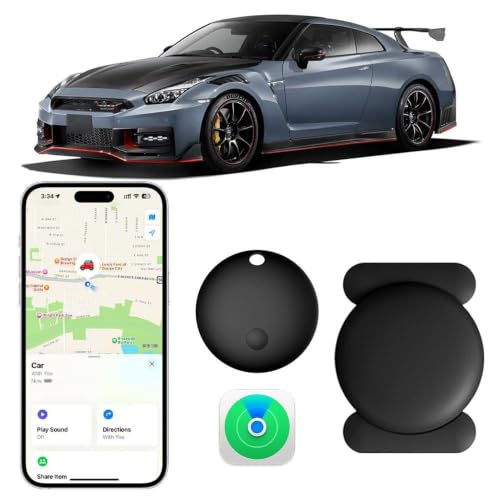
At under ten bucks, this is the cheapest entry point in the category, but it comes with major caveats. It functions like an AirTag clone, using Apple’s Find My network for location pings, so again, it’s iOS-only and crowdsourced. The CR2032 battery lasts up to a year, and the tiny size makes it easy to tuck into a wheel well or trim panel.
But owners report inconsistent updates, especially outside cities. It’s better as a “last known location” tag than a true real-time tracker. The vibration alerts are hit-or-miss, and Bluetooth range limits active monitoring. Still, for the price, it’s a decent backup option if you just need general awareness of a bike or spare car. I wouldn’t rely on it for theft recovery, but as a secondary layer? Worth considering.
Product photos
GPS Tracker with UWB Technology
Strengths
- Dual Apple/Android support
- Long battery life
- UWB distance guidance
Trade-offs
- Not fully undetectable
- No 4G backup
- Alarm can drain battery
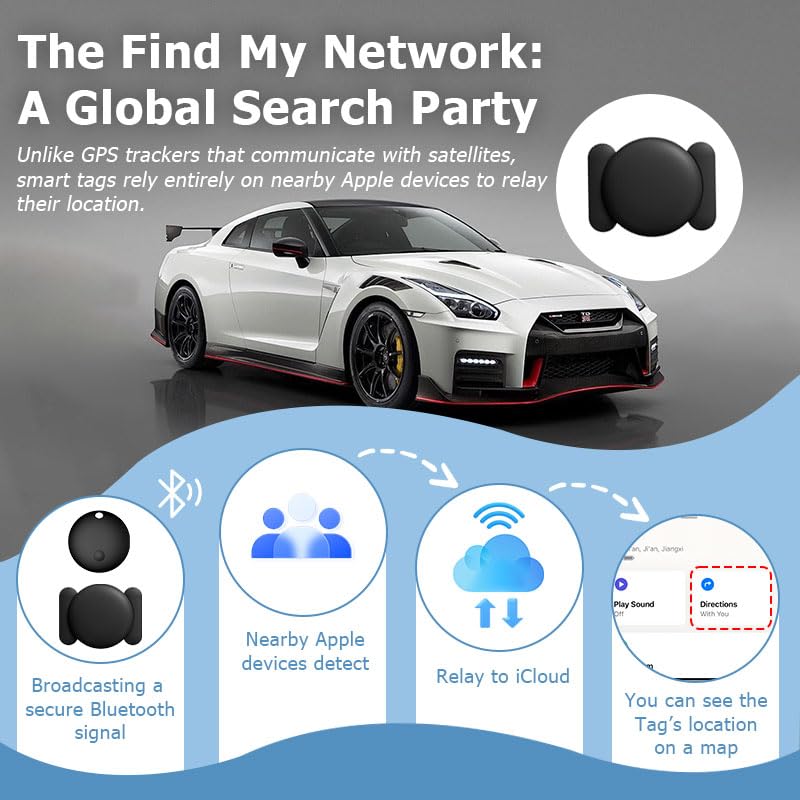
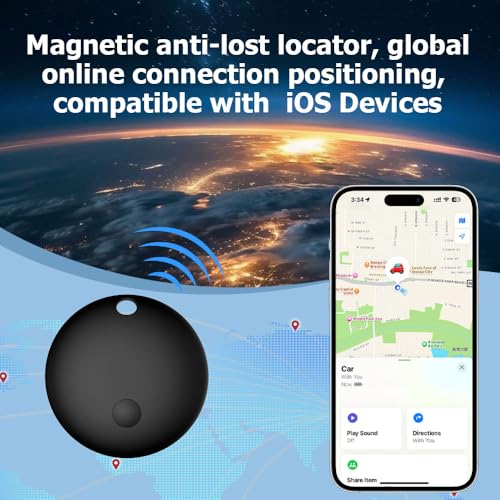
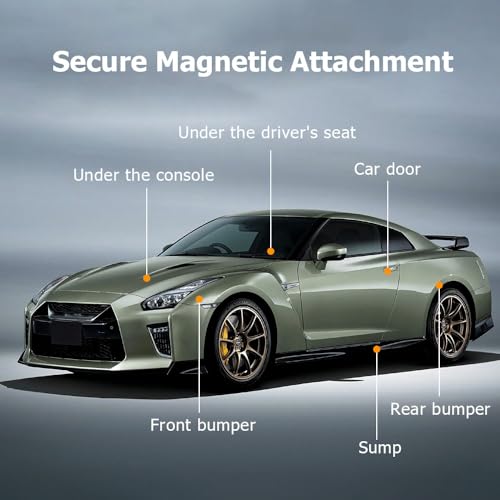
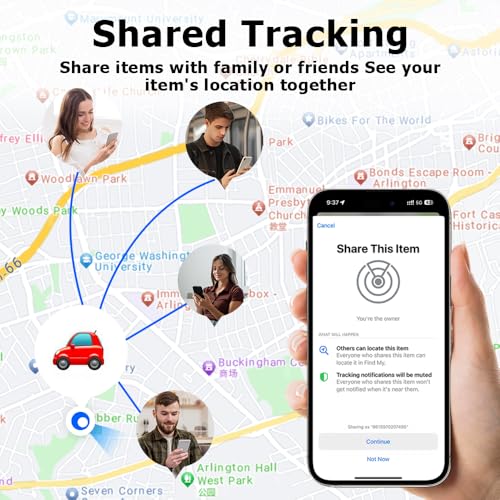
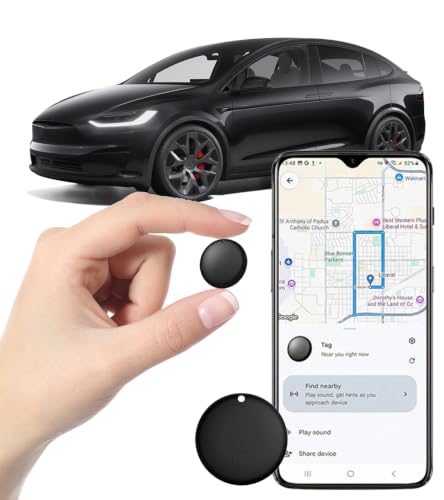
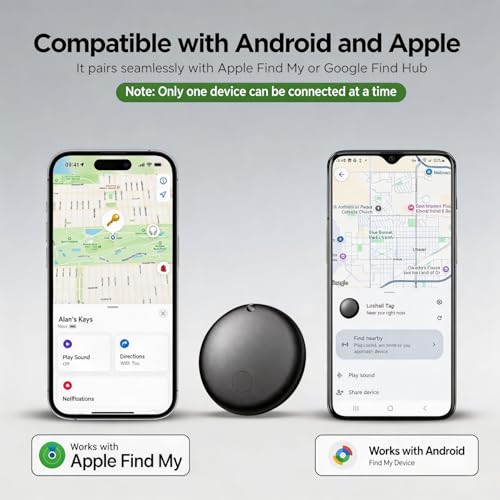
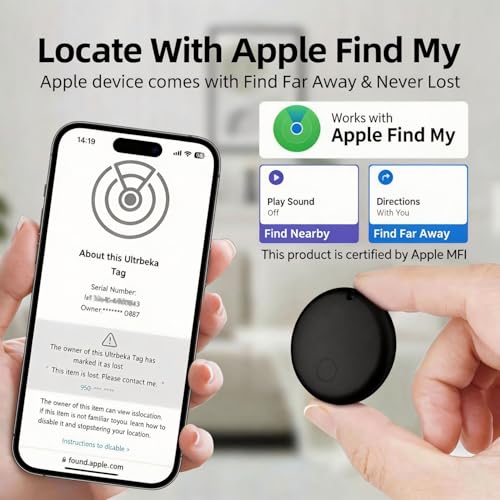
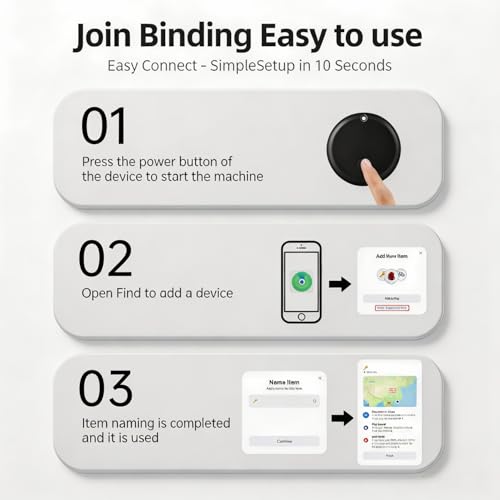
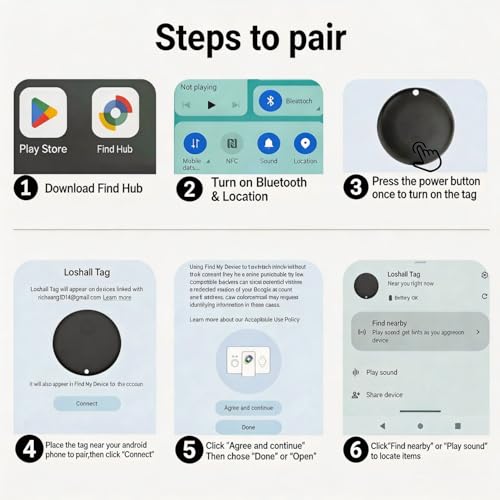
What makes this stand out is its dual compatibility, with both Apple Find My and Google’s Find Network. That’s rare among no-subscription trackers and gives it broader reach across iPhone and Android users. The UWB distance visualization is a nice touch, letting you zero in on your car in a crowded lot like a digital treasure hunt.
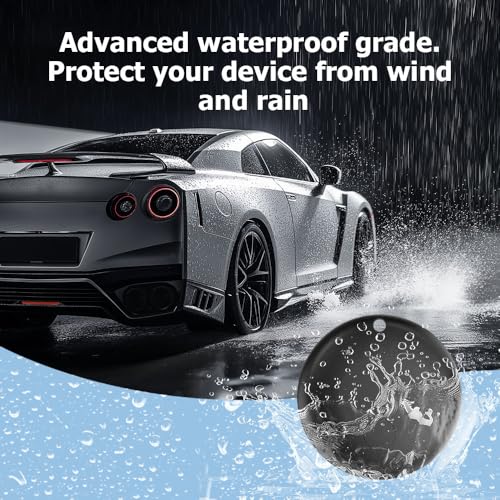
It claims up to 2 years of battery life, which beats most rivals, and the 100dB alarm helps locate the unit quickly. IP65 rating means it can handle rain and splashes, though not full submersion. Reviewers note the positioning is precise in cities but lags in weak signal zones. If you want a set-and-forget tracker that works across ecosystems, this is the one. I’d take it over single-platform models any day.
Product photos

:
How We Evaluated car tracker devices
My approach to evaluating car tracker devices, as with all things automotive at TheAutoZenith, began with a deep explore published specifications and features. I then weighed those technical details against extensive owner reviews and analysis from trusted automotive and tech publications. Rather than a hands-on, lab-based test of each unit – which isn’t practical for most consumers – this is a research-led comparison focused on discerning which devices consistently deliver on their promises.
For this category, battery life, accuracy of location reporting, and the overall cost (including subscription fees) were the most heavily weighted factors. A tracker is useless if it dies quickly or provides unreliable location data. Cost is also critical; a device with a high monthly fee can quickly negate any initial savings. I also considered the feature set, recognizing that needs vary – some users prioritize vehicle health monitoring, while others want simple, discreet location tracking. You can explore more options in our guide to the best GPS trackers for cars.
Device specifications reliably reveal battery capacity, update frequency options, and network technology (4G LTE, etc.). However, owner feedback proved crucial for understanding real-world performance – particularly regarding the accuracy of reported locations and the responsiveness of alert systems. Reputation also played a role; established brands with a history of quality and customer support received more consideration. For families concerned about teen drivers, it’s also worth considering trackers for parents.
Choosing The Right car tracker devices
Finding the right car tracker device requires more than just picking the cheapest option. It’s about understanding your needs and matching them to the features available.
A good car tracker balances accuracy, reliability, battery life, and cost. Key considerations include the tracking technology used (GPS, cellular, UWB), subscription fees, update frequency, and the availability of useful features like geofencing and historical data. Prioritize devices with strong security measures to protect your privacy and data.
Understanding Tracking Technology
The core of any car tracker is its tracking technology. Basic GPS trackers rely on satellite signals, which work everywhere but can be slower to acquire a location, especially in urban canyons. Cellular trackers, like those from LandAirSea 54, offer faster, real-time updates, but require an active subscription. Newer options, like the Lwyinp GPS Tracker, are leveraging Apple’s “Find My” network, providing a compelling alternative with no subscription costs – though they’re limited to Apple device users. Consider where you’ll be tracking; a device reliant on cellular service won’t be useful in areas with poor coverage.
Battery Life and Installation
Battery life is a huge differentiator. Some trackers, like the Spy Tec Atlas XL, boast up to a year on a single charge, ideal for long-term monitoring with minimal fuss. However, extended battery life often comes at the cost of update frequency. If you need near-instantaneous location data, you’ll likely sacrifice battery life. Installation also matters. OBD-II plug-and-play trackers, such as the Bouncie GPS Tracker, are incredibly easy to set up, but are vulnerable to being discovered and disabled. Hardwired options, like the Optimus Wired GPS Tracker, require more effort but are much more discreet and secure.
Feature Sets and Value
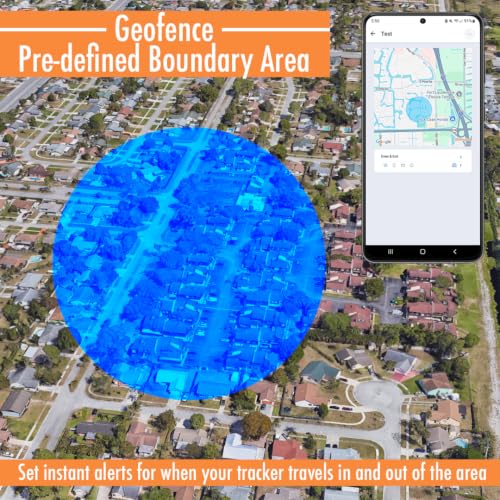
Don’t get bogged down in features you won’t use. For simple asset protection, a basic tracker with geofencing might suffice. However, if you’re a fleet manager or want detailed insights into driving behavior, look for devices like Bouncie that offer advanced features like harsh driving detection and vehicle health monitoring. Some, like the Tracki Pro GPS Tracker, are geared toward fleet tracking with features like 15-second updates and various alerts. If you’re seeking a budget-friendly solution, explore options like the MaiLv Mini GPS Tracker, but understand you may be sacrificing some features. Before settling on a device, research what best car tracking devices are available and compare their offerings.
A rule of thumb: always factor in the total cost of ownership. A cheap tracker with an expensive monthly subscription can quickly become more expensive than a pricier device with lower fees or no fees at all.
Ultimately, the best car tracker is the one that best fits your specific requirements and budget. If you’re prioritizing affordability and avoiding ongoing costs, exploring options for tracking without fees is a smart move. And remember, when considering various options, it’s helpful to read reviews and compare the top vehicle trackers to make an informed decision.
Car Tracker Devices Compared
Here’s a comparison of key specifications for various car tracker devices to help you make an informed decision.
| Product Title | Subscription Required | Battery Life (Max) | Waterproof | Alerts (Geo/Speed/Impact) | Connectivity | Key Feature |
|---|---|---|---|---|---|---|
| LandAirSea 54 GPS Tracker | Yes | N/A | N/A | Yes | Cellular | Lifetime Warranty |
| Lwyinp GPS Tracker for Vehicles | No | N/A | N/A | N/A | Apple Find My | No Subscription |
| Bouncie GPS Tracker for Vehicles | Yes | N/A | N/A | Yes | Cellular | Vehicle Health Monitoring |
| Spy Tec Atlas XL GPS Tracker | Yes | 12 Months | Yes | Yes | Cellular | Long Battery Life |
| Optimus Wired GPS Tracker | Yes | N/A | N/A | Yes | Cellular | Hardwired Installation |
| Tracki Pro GPS Tracker | Yes | 7 Months | Yes | Yes | Cellular | Fleet Tracking |
| MaiLv Mini GPS Tracker | No | 360 Days | N/A | Vibration/Sound | Apple Find My | Budget Friendly |
| GPS Tracker with UWB Technology | No | 2 Years | Yes | N/A | Apple/Google | Precision Location (UWB) |
Frequently Asked Questions
What type of cellular network do most car trackers use?
Most car trackers rely on 4G LTE cellular networks for real-time data transmission, though some are transitioning to 5G. This ensures broad coverage, but performance can be limited in areas with poor cellular reception.
Are there car trackers that don’t require a subscription?
Yes, certain trackers, like those utilizing Apple’s Find My network or Ultra-Wideband (UWB) technology, operate without a subscription. However, these often have limited features or require the tracked vehicle to be near an Apple or Google device. You can explore a tracker without fees if ongoing costs are a concern.
How accurate are GPS trackers in urban environments?
GPS accuracy can be reduced in cities due to signal blockage from tall buildings. Cellular-based trackers generally offer better accuracy in urban areas, as they can triangulate location using cell towers, but even they can experience some inaccuracies.
What’s the difference between hardwired and plug-and-play trackers?
Plug-and-play trackers, typically OBD-II port devices, are easy to install but are also easily visible and can be disconnected. Hardwired trackers require professional installation, connecting directly to the vehicle’s electrical system, making them more secure and discreet.
Can a car tracker help reduce my insurance premiums?
Some insurance companies offer discounts for vehicles equipped with car trackers, particularly those with driver behavior monitoring features. Installing one of these theft prevention devices could potentially lower your insurance costs, but it varies by provider and policy.
The Bottom Line
Choosing a car tracker often comes down to balancing peace of mind with ongoing costs and complexity. While many options exist, the LandAirSea 54 GPS Tracker consistently stands out for its reliable performance, thorough feature set, and lifetime warranty – a strong combination for those prioritizing dependable tracking. It’s a device that, based on owner feedback, delivers on its promises without unnecessary frills.
For those seeking a more budget-conscious solution, or who prefer to explore a tracker no subscriptions, the Lwyinp GPS Tracker offers a compelling alternative leveraging Apple’s “Find My” network. Similarly, if you’re managing a fleet and require detailed data, the Tracki Pro GPS Tracker’s 15-second updates and fleet-specific alerts are hard to beat. But remember, even the most feature-rich tracker is only as good as the service plan backing it.
Ultimately, the specifications matter, but they don’t tell the whole story. Focus on selecting a device from a reputable brand, understanding the total cost of ownership (including subscription fees), and ensuring it meets your core requirements – whether that’s discreet long-term monitoring or robust vehicle security devices. A well-chosen tracker isn’t just about recovering a stolen vehicle; it’s about the confidence of knowing where your investment is, and having an extra layer of protection.
