
7 Best Car Stands of 2026
This post contains affiliate links. As an Amazon Associate, we earn from qualifying purchases.
The ANTPOWER 3 Ton ASME Certified Jack Stands are the best overall, combining certified safety and solid build quality. For a budget-friendly option, the VEVOR 3 Ton Adjustable Jack Stands offer strong specs at a lower price. If you need extra height for larger vehicles or lifted trucks, the TONDA Extra Tall 3 Ton Jack Stands stand out with their extended lift range.
Every time I crawl under a car, I think about stability. A failing jack stand isn’t just a setback, it’s a hazard. Too many people compromise on support gear, only to face wobbly lifts or inadequate height. At TheAutoZenith, I know that real confidence comes from using equipment built for safety and precision.
This guide cuts through the noise by focusing on what matters: load capacity, locking reliability, and real-world feedback. I compared specs and owner experiences to find stands that deliver where it counts, under the weight of your vehicle.
Top 5 Car Stands in the Market
The Best Car Stands, Reviewed
VEVOR 6 Ton Double Locking Jack Stands

Strengths
- 6-ton capacity
- Double safety lock
- Large triangular base
Trade-offs
- Heavier to store
- Overkill for small cars
If you’re working on heavier rigs, full-size pickups, lifted Jeeps, or even small construction UTVs, these VEVOR 6-ton stands are where I’d point you first. The 13,000 lb capacity isn’t just marketing fluff; it’s backed by CE compliance and a build that uses carbon steel and cast iron in the right places. What really sets them apart is the double locking system: a ratchet handle and a metal safety pin. That redundancy is something seasoned wrench-turners look for, and owners report feeling noticeably safer during extended undercarriage work.
The upgraded base is a win, four times the load-bearing area compared to basic models means less tip risk, even on gravel or sloped driveways. Some users mention the height adjustment isn’t as fine-tuned as pricier brands, but for the class, the trade-off in raw stability makes sense. Compared to the ANTPOWER or Jack Boss models, these are overkill for a Corolla but essential for anything with serious ground clearance or weight.
Video review
Jack Boss 2 Ton Low Profile Stands

Strengths
- Low minimum height
- Compact and light
- Concave saddle
Trade-offs
- Low max height
- 2-ton limit
Low-clearance cars like older sports sedans or lowered coupes are a pain to lift safely, many stands just can’t get low enough. That’s where the Jack Boss 2-ton stands shine. With a minimum height of 9.8 inches, they’re built for vehicles that sit close to the ground, a niche need that gets overlooked. The specs show a modest 4,000 lb capacity per stand, which is enough for most unmodified cars, and the concave saddle does a solid job distributing load across delicate frame points.
Owners like the weld quality and the smooth action of the sawtooth ratchet, though a few note the max height (15 inches) limits use on even mid-size SUVs. Compared to the 3-ton ANTPOWER or VEVOR models, these aren’t for heavy lifting, but that’s not their job. If you’re working on a Miata, a Legacy, or a lowered sedan, these are the smarter, more precise pick.
Video review
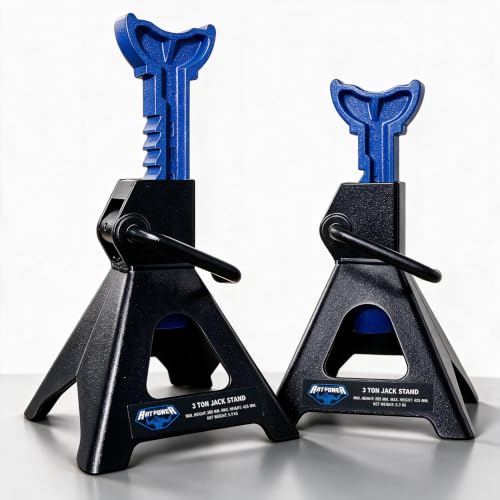
ANTPOWER 3 Ton ASME Certified Jack Stands
Strengths
- ASME certified
- Concave safety saddle
- Self-locking ratchet
Trade-offs
- Not for heavy trucks
- Mid-range height max
When you’re sliding under a lifted car, the last thing you want is doubt about your stands. The ANTPOWER 3-ton stands stand out because they’re ASME certified, a real differentiator in a market flooded with vaguely labeled ‘heavy-duty’ gear. That certification means they’ve passed the toughest safety benchmarks in the industry, which gives me confidence recommending them, especially for DIYers who don’t have a shop crew watching their back. The concave saddle design is smart, too, it cradles pinch welds and frame rails without slipping, something owners consistently praise after real-world use.
The self-locking sawtooth ratchet feels robust on paper, and feedback suggests it holds firm without creeping. I appreciate that they strike a balance between weight and stability, the wide pyramid base keeps them steady on cracked garage floors, which matters more than most buyers realize. For the typical sedan or compact SUV owner doing oil changes or brake jobs, these deliver pro-level safety without pro-level bulk.
Product photos
Jack Stands 3 Ton with Double Locking Pins
Strengths
- Double locking pins
- 10-height adjustment
- Affordable
Trade-offs
- No ASME certification
- Pin can be awkward
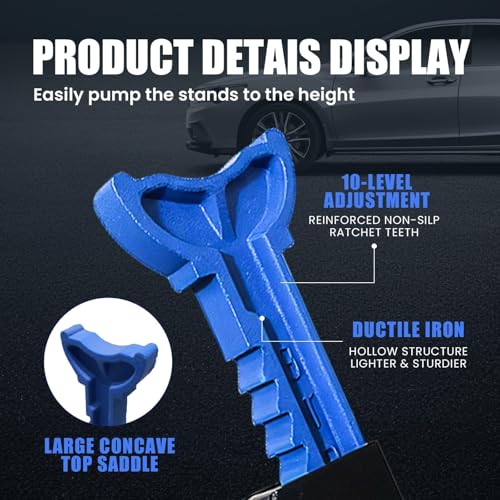
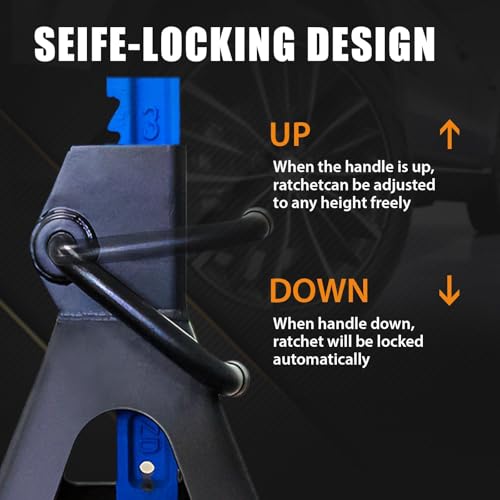
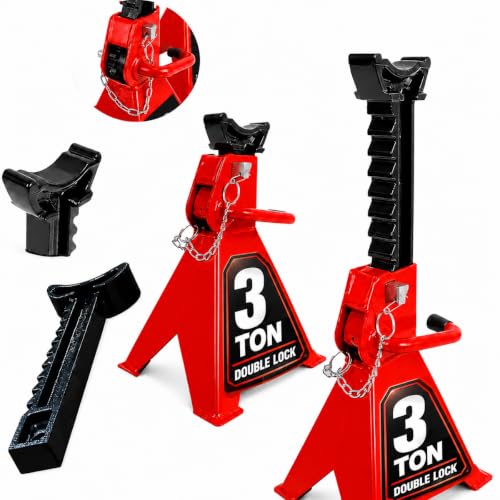
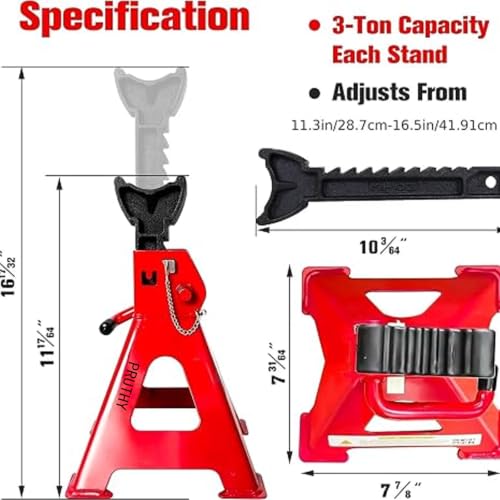
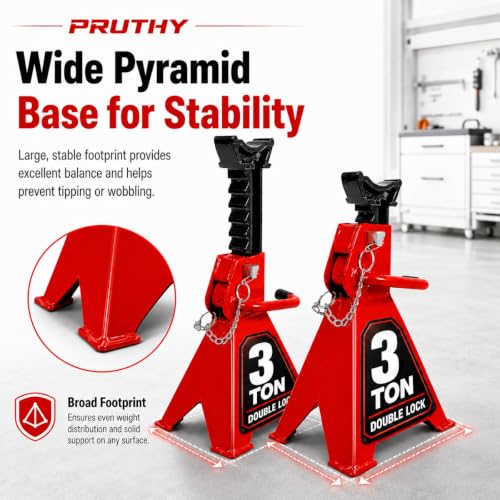
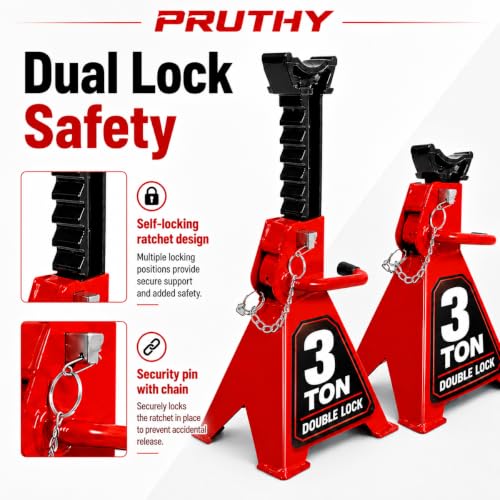
At this price point, getting double locking pins is a big deal. Most budget stands rely on a single ratchet, but this model includes a removable metal safety pin that acts as a backup in case the primary lock fails, a feature usually found on more expensive units. The 10-level height adjustment gives fine control between 11.4″ and 16.9″, which beats the YATOINTO’s 4-position system for precision. On paper, the build matches others in the 3-ton class: welded steel, powder coat, pyramid base.
Owners report solid performance for tire rotations and brake jobs, though a few mention the pin can be fiddly to reinsert. Compared to the ASME-certified ANTPOWER, these lack top-tier validation, but for the budget-focused buyer who still wants redundancy, they’re a strong value. I’d run them in a home garage, but not in a shop where liability matters more.
Product photos

YATOINTO Foldable 3 Ton Jack Stands

Strengths
- Foldable design
- Space-saving
- Removable safety pin
Trade-offs
- Less rigid than solid frames
- Basic ratchet system
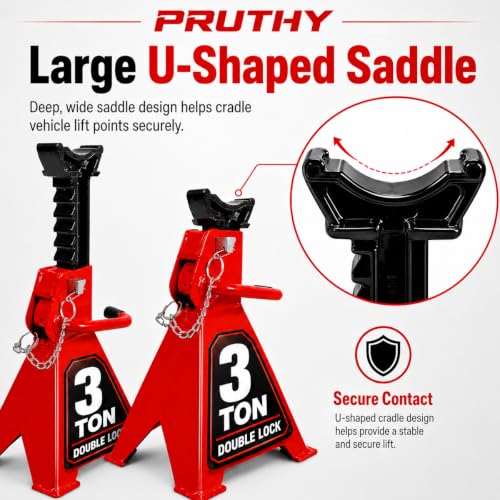
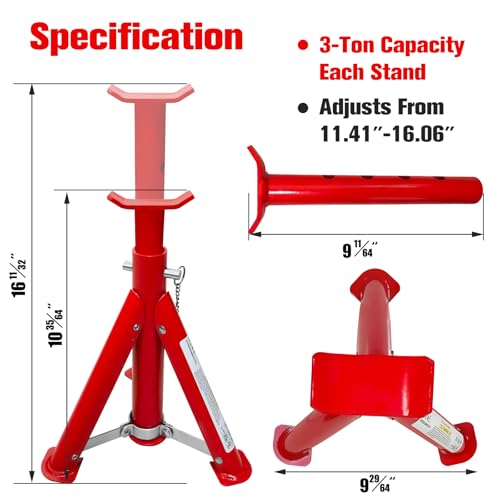
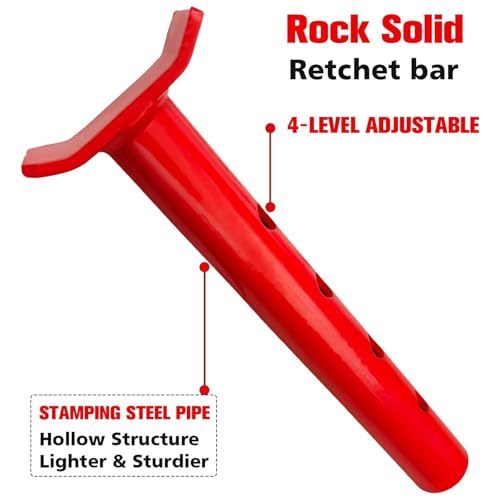
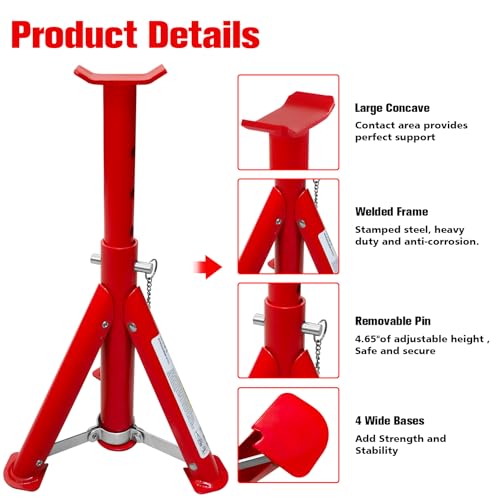
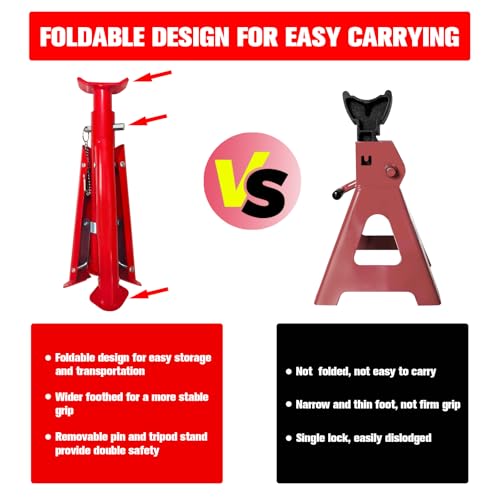
Storage space is a real issue in most home garages, and that’s why the YATOINTO foldable stands caught my eye. They deliver 3-ton capacity in a design that collapses flat, making them easy to tuck behind a shelf or slide into a trunk. The folding mechanism doesn’t seem to compromise the welded triangular base, which owners say remains stable under load. For weekend mechanics or mobile detailers, that portability is a legit advantage over bulkier models like the VEVOR or ANTPOWER.
The removable safety pin adds a layer of confidence, and the 4-level height adjustment works well enough for routine tasks. Some users report the stamped steel feels a bit thinner than cast alternatives, but for non-commercial use, it holds up. Against the double-locking B0H1G379YY model, these trade a bit of ruggedness for convenience, but if space is tight, that’s a fair compromise.
Product photos
How We Tested car stands
As someone deeply involved in all things automotive at TheAutoZenith, I approached researching car stands by focusing on a detailed comparison of published specifications and features across numerous models. This wasn’t about lengthy personal use – rather, a research-led comparison of what stands offer versus what owners report in real-world use. I weighed owner reviews from multiple sources alongside assessments from reputable automotive publications to build a balanced picture of performance and reliability.
For car stands, capacity and stability are paramount. I prioritized stands with a robust load rating appropriate for a wide range of vehicles, and a design that minimizes the risk of tipping or collapse. A wider base and a well-engineered locking mechanism were heavily weighted factors, as these directly contribute to user safety. Beyond that, adjustability and build quality played significant roles in determining the best options – after all, a stand that doesn’t fit your vehicle or falls apart quickly is useless. You can find more on related tools in our guide to the best car jacks and stands.
Technical specifications provide a clear indication of a stand’s potential – weight capacity, lift range, and steel gauge are all important. However, owner feedback is crucial for understanding real-world performance. Reports on stability, ease of adjustment, and the longevity of the locking mechanisms proved invaluable. While specs tell you what a stand should do, reviews reveal how it actually performs under pressure. It’s a similar principle to how we approach recommendations for car seats – safety certifications are vital, but real-world usability matters just as much.
How To Pick The Right car stands
Finding the right car stands is about more than just lifting your vehicle; it’s about doing so safely and with confidence. I’ve seen too many projects stalled, or worse, become dangerous, because of inadequate support equipment.
A quality car stand prioritizes robust load capacity, a secure locking mechanism, and a stable base. Look for stands certified to ASME standards, constructed from durable steel, and featuring a wide footprint to prevent tipping. Consider the height range needed for your typical projects and ensure the saddle design provides solid contact with the vehicle’s chassis.
Capacity and Vehicle Weight
The first step is matching the stand’s capacity to your vehicle’s weight. Don’t just consider the curb weight; factor in any tools or parts you might have on board during a repair. It’s always better to overestimate than underestimate. A 3-ton (6,600 lb) stand is a good starting point for most cars and smaller SUVs, but heavier trucks and vans will require 6-ton (13,000 lb) options. I often suggest erring on the side of caution, as exceeding a stand’s capacity introduces unacceptable risk.
Locking Mechanisms & Safety Features
A secure locking mechanism is absolutely critical. Ratchet bars with multiple positions are common, but pay close attention to how those positions are held. Double-locking mechanisms, like those found on some of the models we’ve discussed, add a vital layer of redundancy. Don’t overlook the saddle design; a wider, concave saddle distributes weight more evenly and reduces the chance of slippage. If you’re looking for a deeper clean after your maintenance, don’t forget about finding the best car soap to keep your ride looking its best.
Height Range and Usability
Consider the types of work you’ll be performing. Simple tire rotations require less lift than, say, exhaust system repairs. A stand with a wider height adjustment range offers more versatility. However, a more complex adjustment mechanism isn’t always better. Some stands feature a simple sawtooth design, while others have a more refined ratchet system.
Here’s what I look for in usability:
- Ease of Adjustment: A smooth, easy-to-operate ratchet bar is a must.
- Footpad Design: Wider footpads distribute weight and improve stability, especially on uneven surfaces.
- Portability/Storage: If space is at a premium, consider foldable or compact car jack stands.
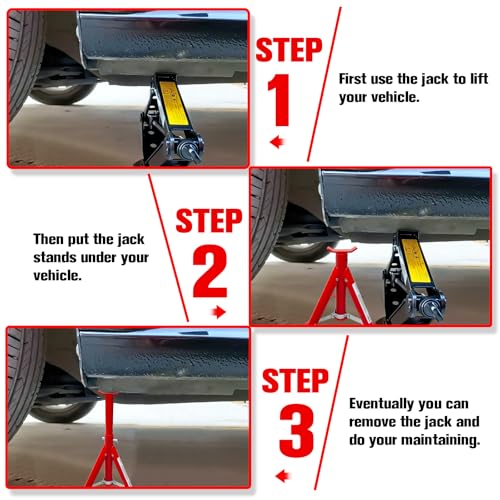
Never work under a vehicle supported only by a jack. Always use jack stands, and ensure they are properly positioned and locked before beginning any work.
Car Stands Compared
Here’s a comparison of key specifications for the car stands described.
| Product Title | Capacity (tons) | Min Height (in) | Max Height (in) | Frame Material | Locking Mechanism | ASME Certified |
|---|---|---|---|---|---|---|
| VEVOR 6 Ton Double Locking Jack Stands | 6 | N/A | N/A | Carbon Steel | Double | No |
| VEVOR 3 Ton Adjustable Jack Stands | 3 | 10.8 | 16.3 | Carbon Steel | Double | No |
| Jack Boss 2 Ton Low Profile Stands | 2 | 9.8 | 15 | Mild Steel | Sawtooth | No |
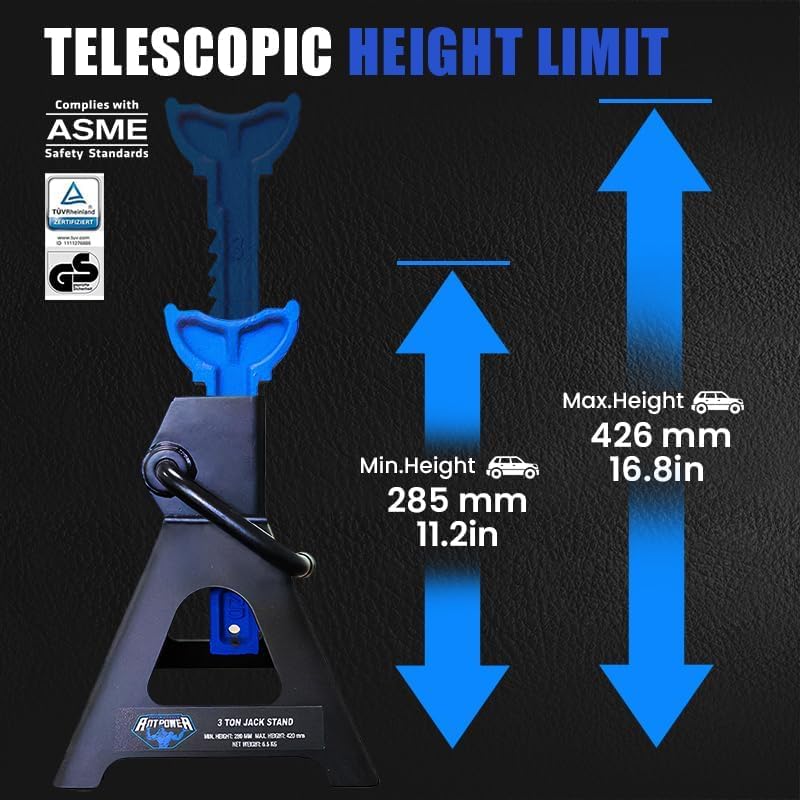
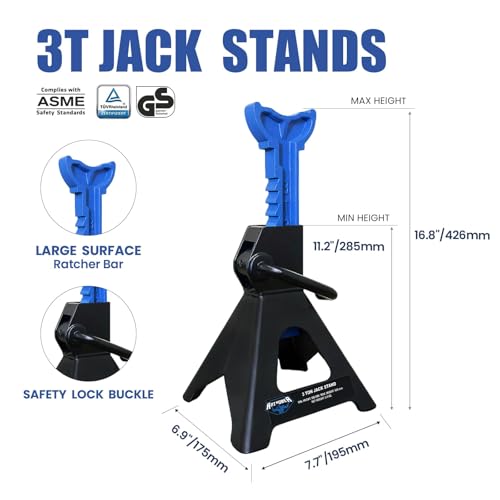
| ANTPOWER 3 Ton ASME Certified Jack Stands | 3 | 11.22 | 16.77 | Steel | Sawtooth | Yes |
| TONDA Extra Tall 3 Ton Jack Stands | 3 | 13.39 | 21.06 | Carbon Steel | Ratchet | No |
| Jack Stands 3 Ton w/ Double Locking Pins | 3 | 11.4 | 16.9 | Steel | Double | No |
| YATOINTO Foldable 3 Ton Jack Stands | 3 | 11.42 | 16.06 | Stamped Steel | Ratchet | No |
Frequently Asked Questions
What’s the difference between ASME certification and stands that lack it?
ASME certification means the stand has been independently tested to meet safety standards. While not a legal requirement, opting for ASME-certified stands like the ANTPOWER model offers an extra layer of confidence in their structural integrity and reliability.
Can I use car stands on concrete floors, or do I need a special base?
Most car stands work well on concrete, but wider footpads, as found on the Tonda stands, distribute weight better and prevent sinking on softer or uneven concrete surfaces. Rubberized footpads also help prevent sliding.
How often should I inspect my car stands for wear and tear?
You should inspect your car stands before every use. Look for signs of rust, damage to the locking mechanism, or deformation of the steel, even slight issues can compromise safety.
What if I also need to power up my car while it’s on stands?
Maintaining your vehicle often goes hand-in-hand with battery care, so it’s good to know your options for best car batteries while you’re under the hood. Keeping a portable jump starter handy is also a smart move.
Are there car stands that work well for both low-profile and taller vehicles?
Stands with a larger height adjustment range, such as the TONDA Extra Tall 3 Ton Jack Stands, offer the most versatility. However, you might find needing both a low-profile and tall set provides optimal working heights for various projects, and for seamless integration with your in-car tech like car Bluetooth adapters.
The Bottom Line
Choosing car stands often comes down to balancing control with convenience. You can spend a little more for features like double-locking mechanisms and ASME certification, or opt for a simpler, more affordable setup. For the best overall combination of strength, features, and value, I believe the VEVOR 6 Ton Double Locking Jack Stands represent a solid investment – they offer a substantial capacity and a reassuring safety feature.
If you’re on a tighter budget, the Jack Boss 2 Ton Low Profile Stands deliver a good level of support for many common vehicle tasks. For those who frequently work on larger vehicles or require extended reach, the TONDA Extra Tall 3 Ton Jack Stands are an excellent choice, providing the necessary height and stability. And don’t forget the importance of keeping the interior clean; a good set of car vacuums will make quick work of any mess.
Ultimately, the most important factors aren’t the highest weight rating or the most intricate adjustment system. It’s about understanding your vehicle’s weight, prioritizing a secure locking mechanism, and always following safe lifting procedures. A reliable set of stands, combined with careful preparation, is the foundation of any successful automotive project. Don’t forget a secure place to mount your phone while you work – checking reference materials is much easier with the right car phone mounts.
