
7 Best Car Speaker Wires of 2026
This post contains affiliate links. As an Amazon Associate, we earn from qualifying purchases.
The Skar Audio 14 Gauge OFC Wire stands out as the best overall choice for its pure oxygen-free copper construction and solid performance, while the Install Link 14 AWG 250ft offers exceptional value for larger installations. For basic setups on a budget, the Scosche 14 Gauge 50ft CCA delivers reliable results without breaking the bank.
Every car audio upgrade hinges on details most people ignore, wiring is one of them. Too often, great speakers get held back by cheap, thin, or poorly built wire that chokes off power and degrades sound. At TheAutoZenith, I’ve seen how the right components make the difference between a flat, lifeless system and one that truly hits hard.
This guide cuts through the hype. I compared specs and real-world feedback to find wires that balance gauge, material, and durability. You’ll learn what actually matters when running wire through your vehicle, and why some budget options still make sense.
Top 7 Car Speaker Wires in the Market
The Best Car Speaker Wires, Reviewed
Skar Audio 14 Gauge OFC Wire

Strengths
- Oxygen-free copper
- Tinned corrosion-resistant coating
- True 14-gauge thickness
- Ultra-flexible jacket
Trade-offs
- Shorter length
- Higher cost per foot
- Blue/white may not match all interiors
If you care about signal integrity, this Skar Audio wire is the real deal. It uses 99.9% oxygen-free copper, a step above the CCA junk clogging the budget tier, and the 14-gauge thickness means less resistance over distance. Owners installing component sets or pushing 50+ watts per channel notice cleaner highs and tighter bass compared to thinner or alloy-core wires.
The tinned coating also stands out. It fights corrosion at connection points, which matters in cars where moisture sneaks in. Yes, it’s only 30 feet, but that’s plenty for most door or rear speaker runs. Compared to Install Link’s longer CCA rolls, this one wins on quality per foot, not quantity. My recommendation? Use this when your amp and speakers justify better wire. Don’t waste it on a factory deck, but if you’ve built a proper system, it deserves clean delivery.
Video review
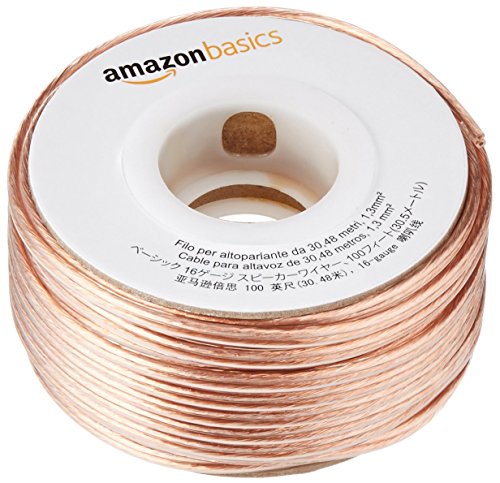
Amazon Basics 16 Gauge 100ft
Strengths
- Affordable
- Polarity marked
- Easy dispensing
Trade-offs
- CCA construction
- Limited for high power
- Basic insulation
For basic speaker connections on a tight budget, this Amazon Basics cable gets the job done. It’s polarity marked, which helps avoid wiring mistakes, and the spool design makes it easy to unroll and cut to length. On paper, it’s standard 16-gauge CCA (copper-clad aluminum) wire, so don’t expect audiophile-grade signal purity, but for factory or entry-level aftermarket systems, owners consistently report clean sound without noticeable degradation.
Where it stands out is value: 100 feet of usable wire at this price is hard to beat. Compared to pricier oxygen-free copper options, it sacrifices some conductivity, but for most daily drivers or home setups, that trade-off barely registers. I’d still recommend upgrading if you’re running high-wattage amps, but for simple swaps or modest upgrades, this is a solid foundation.
Video review
Install Link 14 AWG 250ft

Strengths
- 250-foot spool
- 14-gauge thickness
- Softflex jacket
- Good for long runs
Trade-offs
- CCA conductivity limits
- Signal loss over distance
- Not ideal for critical audio
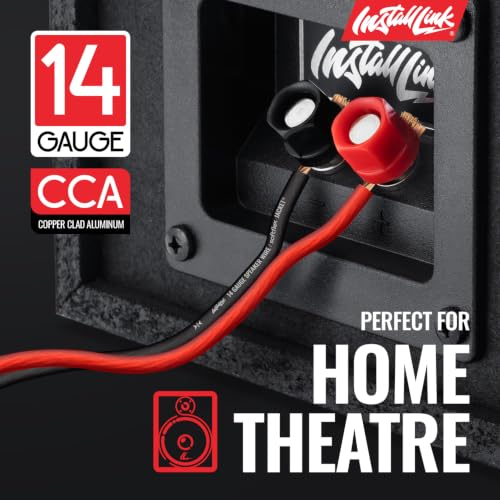
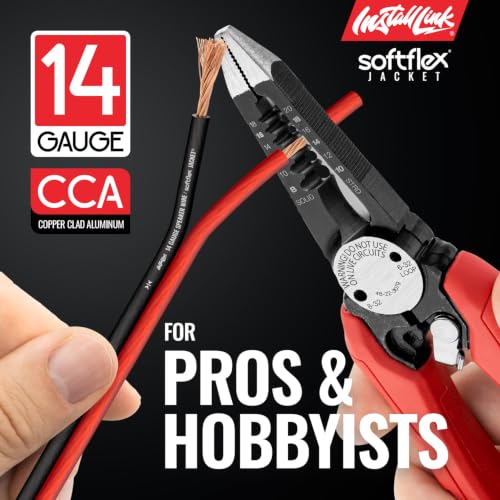
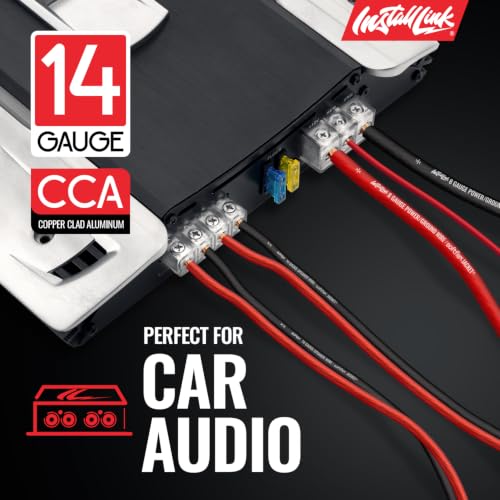
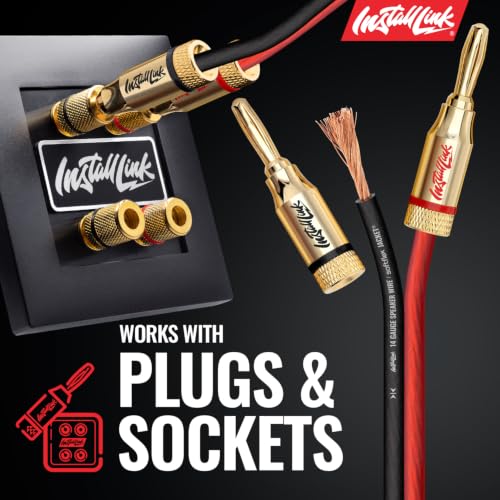
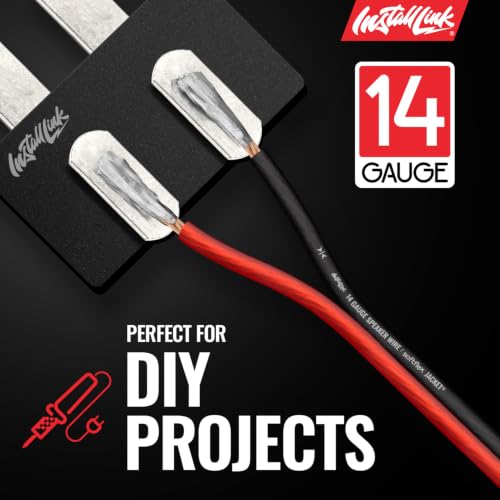
When you need serious length, this 250-foot spool from Install Link becomes the obvious choice. It’s 14-gauge CCA, so it balances thickness and cost better than pure copper alternatives at this scale. Reviewers using it for whole-home theater setups or commercial installs say it’s flexible enough to pull through walls and durable enough to survive rough handling.
But let’s be clear: CCA means higher resistance than pure copper, so long runs can degrade signal slightly. Still, for distributed audio or multi-room projects where you’re daisy-chaining speakers, it’s a practical solution. Compared to Skar’s OFC wire, it trades performance for volume, but sometimes you just need miles of reliable-enough cable. If you’re doing a one-off car build, skip it. But for contractors or whole-vehicle fleets, this is the kind of bulk buy that saves trips to the store.
Product photos
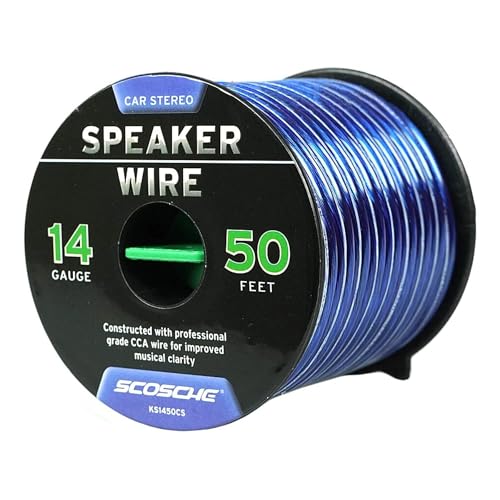
Scosche 14 Gauge 50ft CCA
Strengths
- 50-foot generous length
- Transparent insulation
- Trusted brand build
- Reliable CCA conductivity
Trade-offs
- Not pure copper
- Mid-tier insulation quality
- No tinning for corrosion
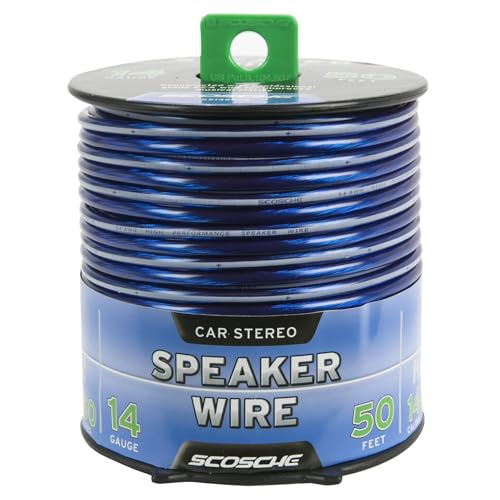
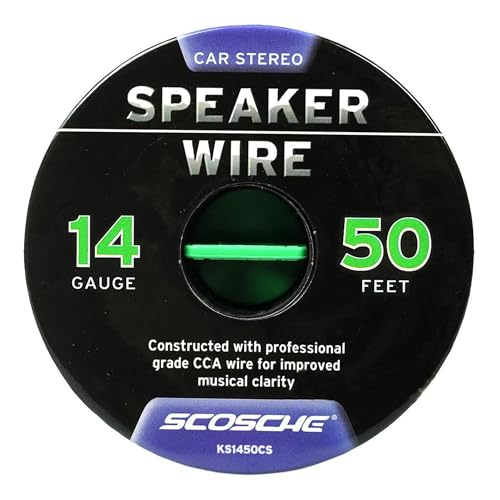
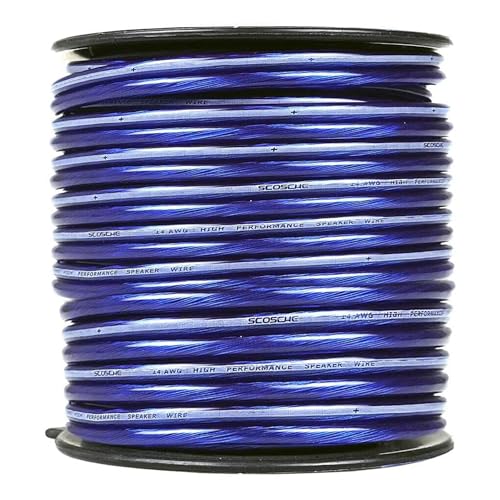
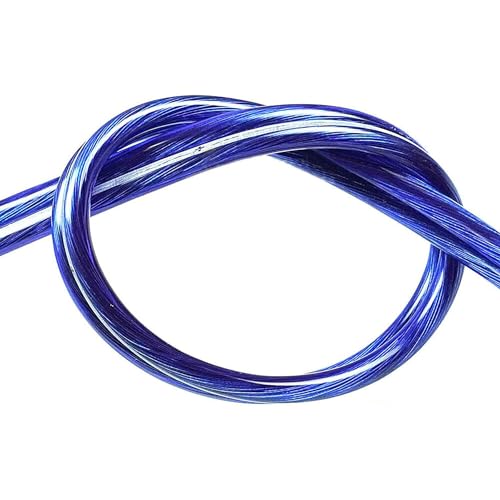
Scosche has been in the car audio game for decades, and this 50-foot spool reflects their no-nonsense approach. It’s 14-gauge CCA, transparent-insulated, and clearly polarity marked, simple but effective. The real win here is balance: more length than short cuts, thicker than 16-gauge, and priced so you don’t wince cutting extra for routing detours.
Owners replacing full harnesses or building custom enclosures appreciate the slack this provides. While it doesn’t use oxygen-free copper, the consistent strand count and corrosion-resistant jacket deliver reliable performance. Compared to the Install Link 30-foot CCA, this gives you 60% more wire for just a few dollars more, making it the smarter value pack. I’d use this as the default upgrade over factory wire unless you’re chasing ultimate fidelity.
Product photos
Install Link 14 AWG 30ft

Strengths
- 14-gauge for better current
- Easy stripping
- Clean visual finish
- Good short-run value
Trade-offs
- Still CCA core
- Limited for future upgrades
- Less length than bulk spools
This 30-foot version delivers the same CCA formula as its big sibling but in a size perfect for single vehicles. It’s 14-gauge, so it handles more power than 16-gauge wires without the bulk or cost of premium copper. The frosted red/black jacket looks clean under dashboards, and the softflex insulation strips easily, something owners mention when crimping connectors.
Compared to the Scosche 50-footer, it offers less length but at a lower entry price, making it ideal for quick replacements or modest upgrades. It won’t match Skar’s OFC wire in detail, but for doubling down from factory 18-gauge, it’s a noticeable step up. I’d pick this over 16-gauge CCA if you’re adding a sub or midrange amp and want headroom without overspending.
Product photos
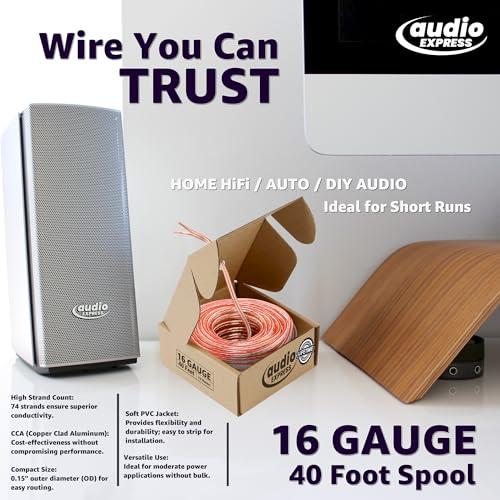
Audio Express 16 Gauge 40ft

Strengths
- High strand count
- Flexible and tangle-free
- Polarity marked
- Compact packaging
Trade-offs
- CCA conductor
- Average durability over time
- Not for high wattage
What makes this Audio Express wire stand out isn’t the gauge or material, it’s the 74-strand count, which gives it exceptional flexibility. That fine stranding lets it snake through door grommets and tight chassis paths without kinking, something installers praise in owner reviews. The clear PVC jacket keeps polarity visible, and the coil-in-box packaging prevents tangling.
It’s still CCA, so don’t expect miracles in signal transfer, but for a 16-gauge wire, it performs reliably in stock or mildly upgraded systems. Compared to the Amazon Basics version, it feels more refined, better stranding, slightly thicker insulation. I’d call it the best mid-tier option if you want easier handling than typical stiff cables but aren’t ready to pay for pure copper. Just don’t pair it with a high-power setup expecting transformational clarity.
Product photos
VIABRICO 16 Gauge 100ft

Strengths
- Dual conductor color coded
- Flexible PVC jacket
- Multi-application use
- Wide temp range
Trade-offs
- CCA core
- Not audiophile grade
- Generic termination
This VIABRICO wire blurs the line between audio and general electrical use, and that’s its strength. It’s marketed as speaker wire, but with red/black coding and a wide temperature tolerance, it’s just as useful for LED strips, RC cars, or boat lighting. The PVC insulation is notably flexible and holds up well in tight bends, which reviewers appreciate during complex installations.
It uses CCA like most budget wires, so pure signal fidelity isn’t the goal here. But its dual-purpose design makes it a smarter pick than single-use audio cables if you’re wiring multiple low-voltage systems. Compared to dedicated speaker wires like Skar Audio’s, it lacks tinning or oxygen-free copper, but for multi-project DIYers, versatility trumps purity. I’d keep this in my garage kit for odd jobs where precision audio isn’t the priority.
Product photos


Our Testing Process
My approach at TheAutoZenith is always to look beyond marketing and get to the core of what makes a component perform. For these car speaker wires, I didn’t rely on running extensive tests myself; rather, this is a research-led comparison of published specifications and, crucially, owner feedback. I weighed features like gauge, material composition, length options, and jacket quality, then cross-referenced that with what users are saying about ease of installation and long-term reliability. Expert reviews from established car audio sites also played a role.
For car speaker wires, conductivity and durability are paramount. I placed the heaviest weight on the wire gauge (thickness) and the conductor material – specifically, whether it’s oxygen-free copper (OFC) or copper-clad aluminum (CCA). A larger gauge ensures sufficient power transfer, and OFC offers superior conductivity compared to CCA. Flexibility is also key, as wrestling with stiff wire in a tight car interior is a common complaint. Understanding these factors is crucial when choosing the right car speaker cables.
Specifications clearly define the gauge and material, allowing for a direct comparison of potential conductivity. However, judging jacket quality and long-term durability requires looking at owner experiences. Reports of cracking, fraying, or corrosion heavily influenced my assessment. Many users also comment on how easy the wire is to strip and work with, which isn’t something a spec sheet can tell you. Getting the right wire is only part of the equation; you’ll also need to consider pairing it with quality car amplifiers to truly optimize your system.
How To Pick The Right car speaker wires
Getting the right wiring for your speakers is a surprisingly crucial step in building a quality sound system. It’s easy to overlook, but poor wiring can absolutely diminish the performance of even the most expensive speaker sets.
A quality car speaker wire delivers clean, undistorted power to your speakers, maximizing their output and clarity. Key considerations include wire gauge (thickness), conductor material (oxygen-free copper versus copper-clad aluminum), and build quality for durability and resistance to interference. Proper gauge selection is paramount to avoid power loss over distance, and corrosion resistance protects the long-term signal integrity.
Understanding Wire Gauge
The gauge of your speaker wire, expressed as AWG (American Wire Gauge), directly impacts how much power reaches your speakers. Thicker wires (lower AWG numbers like 14 or 12) offer less resistance, meaning more power and clearer sound, especially over longer runs. Don’t automatically assume you need the thickest possible wire, though. For most typical car installations, 16-gauge wire is sufficient for runs under 25 feet. If you’re running wires to speakers in a larger vehicle, or planning a complex system, stepping up to 14-gauge is a smart move. Jumping to 12-gauge is rarely necessary unless you’re pushing serious wattage.
Copper vs. Copper-Clad Aluminum (CCA)
This is where things get a little debated. Pure oxygen-free copper (OFC) is the gold standard for conductivity and signal transfer. You’ll find it in higher-end speaker wires like the Skar Audio 14 Gauge OFC Wire. However, copper is expensive. Copper-clad aluminum (CCA) wire, like that found in the Install Link and Scosche options, offers a cost-effective alternative. While CCA doesn’t conduct quite as well as pure copper, the difference is often negligible for most car audio systems. If you’re on a tighter budget, CCA is a perfectly acceptable choice, and you can find excellent car audio wires made with it.
- For short runs (under 10 feet), 16-gauge CCA wire can perform admirably.
- For runs between 10-25 feet, 14-gauge CCA or OFC is a good balance of performance and cost.
- For longer runs, or if you’re a serious audiophile seeking maximum fidelity, prioritize 14 or 12-gauge OFC, as the reduced resistance will be more noticeable, especially at higher volumes.
Don’t skimp on the connections. Even the best wire won’t perform well with poor-quality connectors. Crimp connectors or solder connections properly for a secure, low-resistance link.
Flexibility and Durability for the Car Environment
The inside of a car isn’t a forgiving environment. Wires are run through tight spaces, exposed to temperature fluctuations, and can rub against metal. A flexible jacket is essential for easy installation, and corrosion resistance is vital for longevity. Look for wires with a soft, pliable PVC jacket, and consider those with tinned copper conductors or a tinned outer coating. These features help prevent corrosion and ensure a reliable connection for years to come. Choosing the right wire is only half the battle; making sure you pair it with quality component speaker sets will complete your upgrade.
Car Speaker Wires Compared
Here’s a comparison of key specifications for the car speaker wires described.
| Product Name | Gauge (AWG) | Length (Feet) | Material | Strands | Jacket |
|---|---|---|---|---|---|
| Skar Audio 14 Gauge OFC Wire | 14 | 30 | OFC | N/A | Soft Touch |
| Amazon Basics 16 Gauge 100ft | 16 | 100 | N/A | N/A | Plastic |
| Install Link 14 AWG 250ft | 14 | 250 | CCA | N/A | SoftFlex |
| Scosche 14 Gauge 50ft CCA | 14 | 50 | CCA | N/A | Transparent |
| Install Link 14 AWG 30ft | 14 | 30 | CCA | N/A | SoftFlex |
| Audio Express 16 Gauge 40ft | 16 | 40 | CCA | 74 | PVC |
| VIABRICO 16 Gauge 100ft | 16 | 100 | CCA | N/A | PVC |
Frequently Asked Questions
What wire gauge should I use for a subwoofer?
Subwoofers demand more power, so 12- or 10-gauge wire is generally recommended. The longer the run from your amplifier to the subwoofer, the thicker the gauge should be to minimize power loss and maintain bass response.
Is copper-clad aluminum (CCA) wire really that much worse than oxygen-free copper (OFC)?
While OFC is superior, CCA wire provides good performance for most car audio setups, especially if you’re mindful of the length of the run. For shorter distances and moderate power levels, a quality CCA wire is a sensible budget choice.
Can I use household speaker wire in my car?
No, you shouldn’t. Car speaker wire is designed to withstand temperature extremes, vibration, and potential moisture, all common in a vehicle environment. Household wire isn’t built for those conditions and could degrade quickly.
How much wire do I actually need to buy?
Measure the distance from your head unit or amplifier to each speaker location, then add a few extra feet for routing and connections. It’s always better to have a little extra than to come up short during installation; consider that you might want to upgrade your car speaker systems in the future.
What’s the best way to connect speaker wire to my speakers and head unit?
Secure, low-resistance connections are key. Crimp connectors, when properly applied with a good crimping tool, are a reliable option. Soldering is also excellent, but requires more skill; avoid twisting bare wires together, as that creates a poor connection and can impact sound quality, potentially shortening the lifespan of your car batteries.
The Bottom Line
Choosing car speaker wires often comes down to balancing cost with the pursuit of ultimate sound quality. While you can certainly spend a lot, the sweet spot for most enthusiasts is finding a reliable wire that delivers sufficient power without breaking the bank – and in that regard, the Skar Audio 14 Gauge OFC Wire stands out. It provides excellent conductivity and build quality, offering a noticeable improvement over CCA options without the premium price tag of ultra-high-end cables.
For those prioritizing value, or undertaking a larger install where length is a concern, the Install Link 14 AWG 250ft roll is a strong contender. Similarly, if you’re looking to add Bluetooth adapters to your setup, remember that solid wiring is essential to maximize the benefits of a wireless connection. And for a budget-friendly option for shorter runs, the Amazon Basics 16 Gauge 100ft provides a serviceable solution for basic upgrades.
Ultimately, remember that the gauge and material matter, but they’re only part of the equation. A well-executed installation with secure connections, using quality crimp connectors or solder, is far more impactful than obsessing over minor differences in conductivity. Focus on getting the right gauge for the distance and power demands of your system, and prioritize a durable, flexible wire that will stand up to the harsh environment inside your vehicle.
