
7 Best Car Seats for Safety 2026
This post contains affiliate links. As an Amazon Associate, we earn from qualifying purchases.
The Graco Extend2Fit is the best overall car seat for safety, offering exceptional rear-facing capacity and smart design, while the Evenflo GoTime LX stands out as a reliable and affordable booster option for older kids.
Choosing the right car seat isn’t just about meeting safety standards, it’s about finding one that fits your child, your vehicle, and your life. Too many parents struggle with confusing installations or seats that outgrow their kids too quickly.
I focused on real safety priorities: extended rear-facing capability, secure installation, and features backed by both specs and parent feedback. These picks reflect what matters most after reviewing crash data, build quality, and years of user experience.
Top 7 Car Seats For Safety in the Market
The Best Car Seats For Safety, Reviewed
Safety 1st Turn and Go 360 DLX

Strengths
- 360-degree rotation
- Red-to-green installation guide
- Long lifespan (birth to 10 yrs)
Trade-offs
- Expensive
- Heavy and bulky
If you’re willing to invest in convenience and top-tier safety, the Safety 1st Turn and Go 360 DLX is hard to beat. The 360-degree rotation is a standout for daily use, swivel it toward the door, buckle your child in comfortably, then rotate to face forward. Parents with back issues or those using the seat in tight spaces consistently say this feature is worth every penny.
It also includes SecureTech with red-to-green tension indicators, which helps prevent loose installations, a common issue in nearly 70% of car seat setups. The seat covers birth to age 10, with rear-facing up to 40 pounds and a booster mode up to 100 pounds. While it doesn’t exceed federal side-impact standards like some premium brands claim, it meets them solidly and includes a magnetic chest clip with visual feedback. Compared to the Graco Extend2Fit, it’s pricier but offers more versatility and ease of use, especially for frequent caregivers or those with multiple kids.
Video review
Graco Extend2Fit Convertible Car Seat

Strengths
- Extend2Fit legroom
- High rear-facing limit
- No-rethread harness
Trade-offs
- Bulky in smaller cars
- Lower weight limit than some
If you’re serious about rear-facing safety and want to maximize how long your child can ride facing backward, the Graco Extend2Fit stands out in a crowded field. The Extend2Fit panel is the real deal, delivering up to 5 inches of extra legroom, which owners consistently say makes rear-facing more comfortable for longer-limbed toddlers. That extra space means fewer premature switches to forward-facing, and that’s a win for safety, since rear-facing is proven to better protect developing necks and spines.
On paper, it covers all the critical bases: rear-facing from 4 to 50 pounds, forward-facing up to 65 pounds, and a No-Rethread Simply Safe Adjust harness that simplifies growth adjustments without constant rethreading. Graco’s ProtectPlus Engineering includes enhanced side-impact protection, and while it doesn’t exceed federal standards like some premium models, it meets them solidly. Compared to the budget Safety 1st Ellaris, this one offers more rear-facing weight capacity and better harness adjustability, worth the jump if your priority is longevity and safety.
Video review
Safety 1st Ellaris 3-in-1

Strengths
- Affordable price
- Slim fit for tight cars
- Machine-washable pad
Trade-offs
- No rotation feature
- Basic side-impact protection
- Shorter rear-facing range
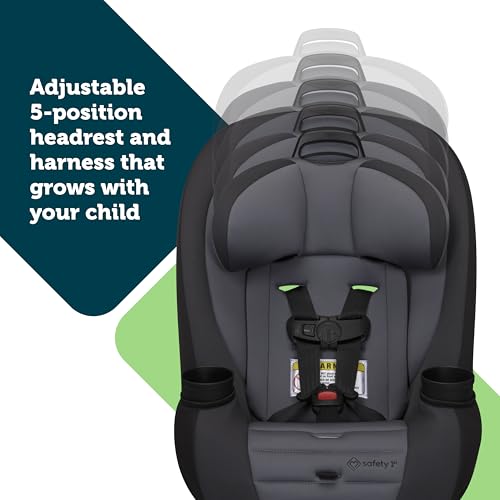
For parents on a budget who still want a no-nonsense, reliable convertible seat, the Safety 1st Ellaris delivers. It’s not flashy, but it hits the essential marks: rear-facing from 5 to 40 pounds, forward-facing up to 65 pounds, a 5-position headrest, and a slim 17.5-inch width that reviewers say fits easily in tight backseats, even allowing three across in some midsize sedans. That narrow design is a real advantage over bulkier models like the Graco Extend2Fit.
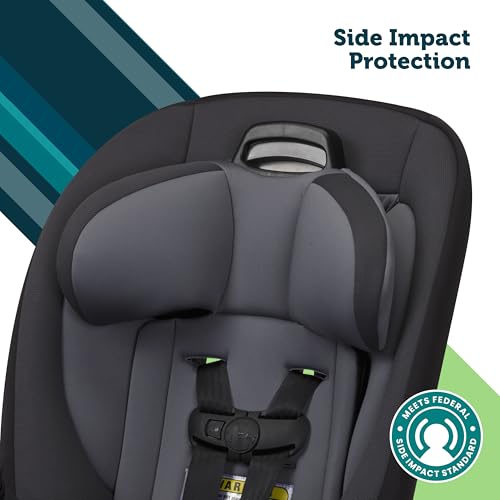
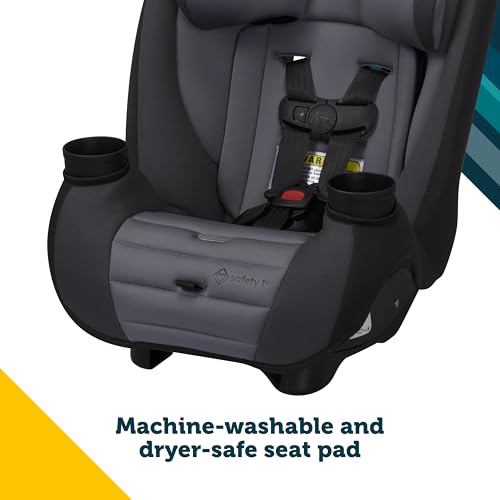
It meets federal crash standards, including side-impact testing, though it lacks the extra layers of protection seen in higher-end seats. The machine-washable pad and dishwasher-safe cup holders are practical, and owners appreciate the airplane-ready design. But compared to the Safety 1st Turn and Go 360 DLX, it feels basic, no rotation, no smart-tension indicators. Still, for a sub-$100 seat, it’s a solid, space-saving pick that won’t sacrifice core safety.
Product photos


Safety 1st Boost-and-Go Essential
Strengths
- Lightweight and portable
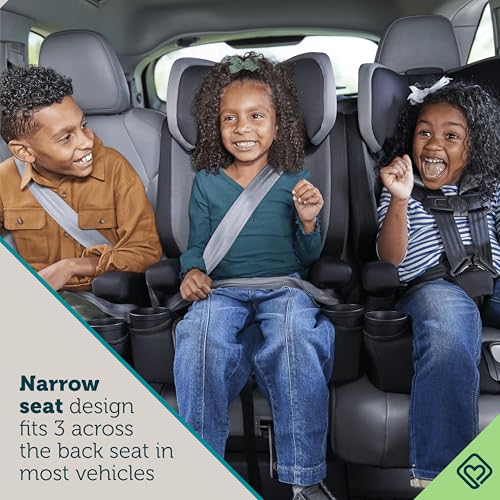
- Narrow for three-across
- Easy backless conversion
Trade-offs
- Basic safety features
- Less structural support
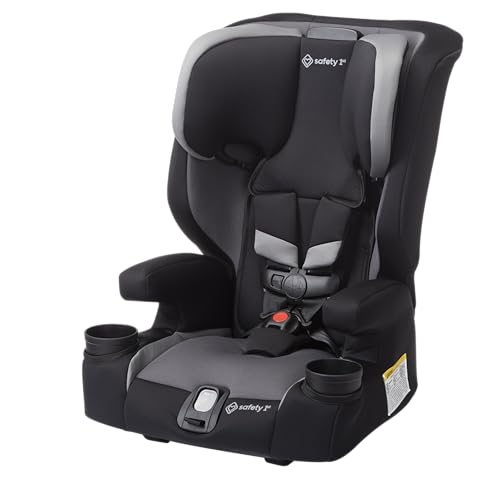
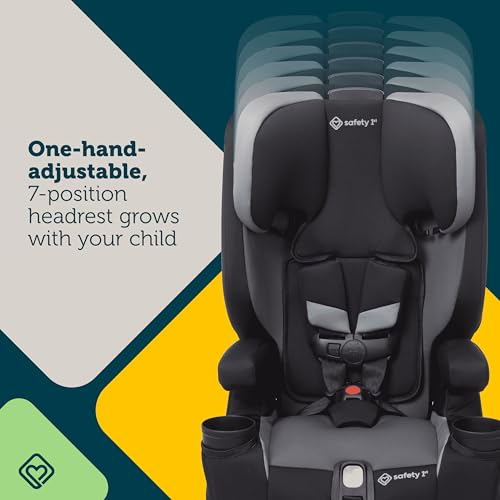
The Boost-and-Go Essential stands out for being lightweight and portable, making it a favorite among ride-share parents, grandparents, or anyone who moves a seat between vehicles. At under 10 pounds, it’s one of the easiest 3-in-1 boosters to carry, and the one-motion switch to backless mode is genuinely simple. The 7-position headrest adjusts with one hand, and the narrow design fits three across in many sedans, something owners confirm in real-world use.
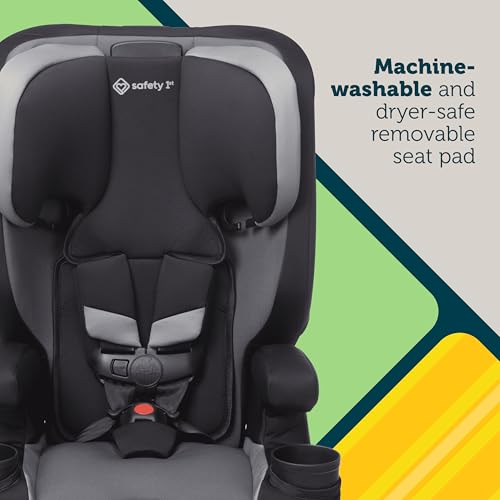
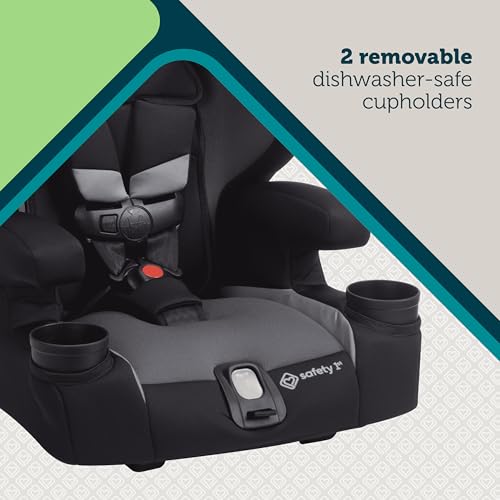
It lacks advanced safety features like rotation or enhanced side-impact tech, but it meets federal standards and includes a machine-washable pad and dishwasher-safe cup holders. Compared to the Graco TurboBooster highback, it’s lighter and more portable but doesn’t offer the same level of structural testing. Still, for a seat that’s moved often or used in a second car, this one hits the sweet spot of portability and functionality.
Product photos

Graco TurboBooster 2.0 Highback
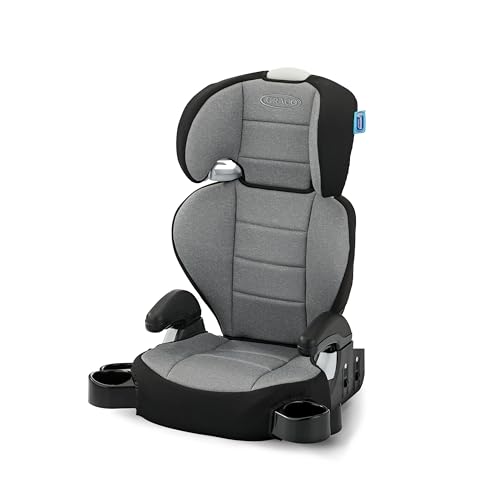
Strengths
- 2-in-1 convertible design
- Adjustable head and arm support
- Strong safety testing
Trade-offs
- Wider than some competitors
- Cup holders not dishwasher-safe
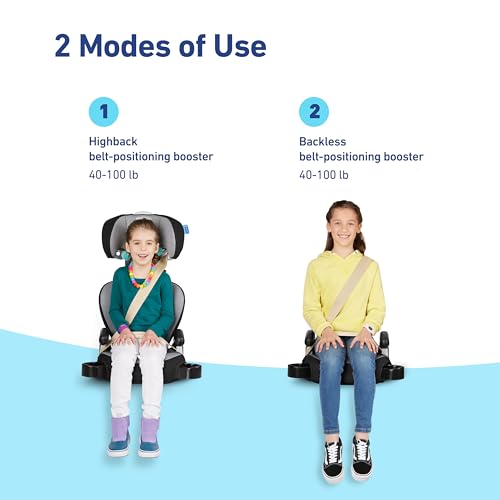
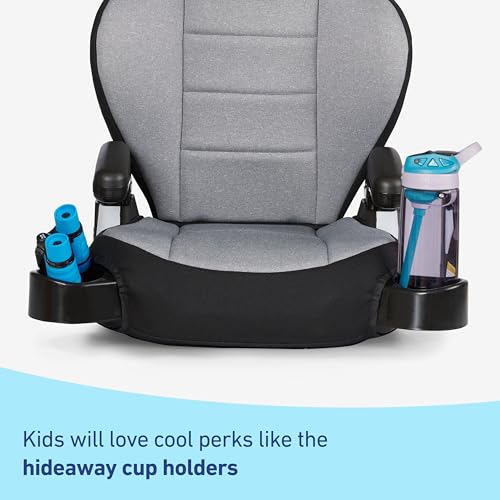
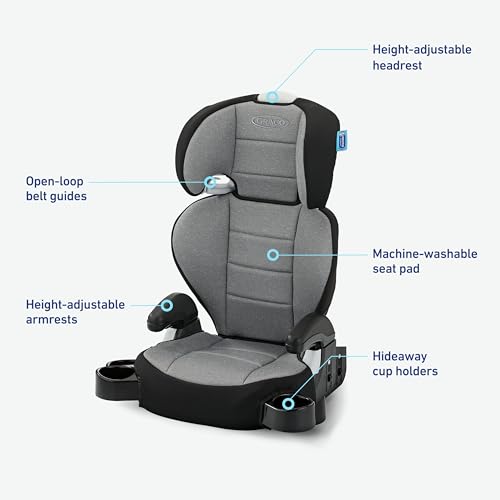
This highback version of the TurboBooster 2.0 is where Graco balances value and real safety upgrades. It converts from highback to backless, giving you years of use as your child grows. The height-adjustable head support and armrests mean it adapts well, and the open-loop belt guides help position the seat belt correctly over the shoulders, something many parents struggle with.
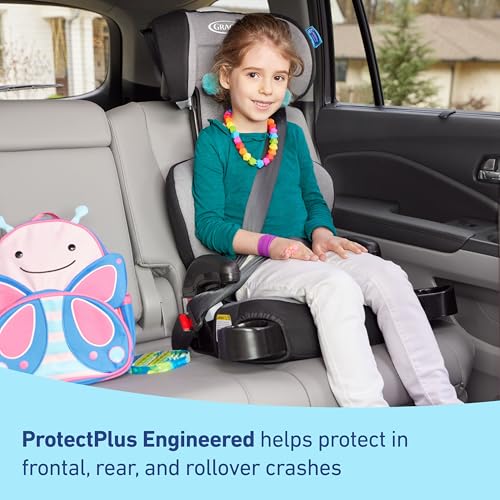
It shares the same ProtectPlus Engineering as Graco’s infant seats, which includes extra testing for rollover and extreme temps, more than most budget boosters offer. Owners praise how easy it is to clean and move between cars. Compared to the Safety 1st Boost-and-Go Essential, it’s slightly less narrow but feels sturdier and has better crash test backing. For the price jump over the backless model, the added head and side protection is absolutely worth it for most families.
Product photos
Evenflo GoTime LX Booster
Strengths
- High weight capacity (120 lb)
- Deep side and head support
- Simple one-hand adjustment
Trade-offs
- Not for younger children
- No LATCH or smart indicators
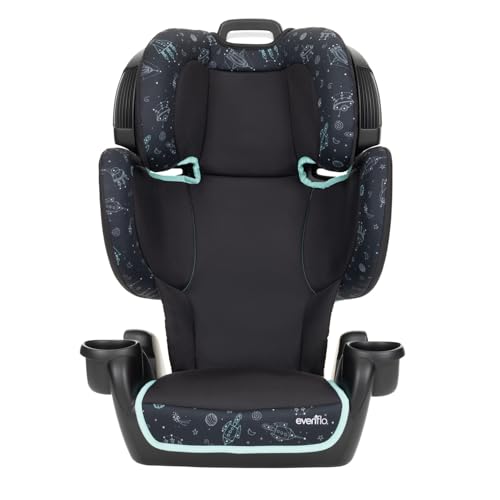
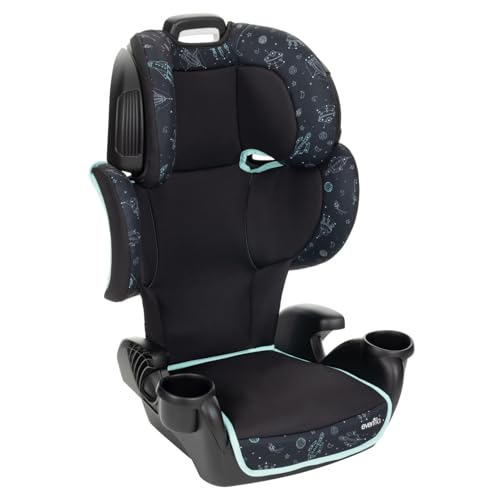
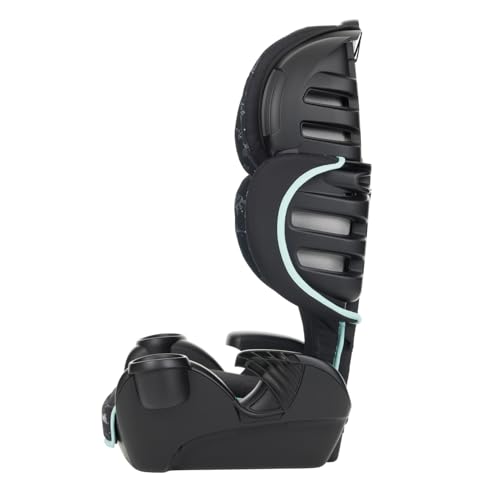
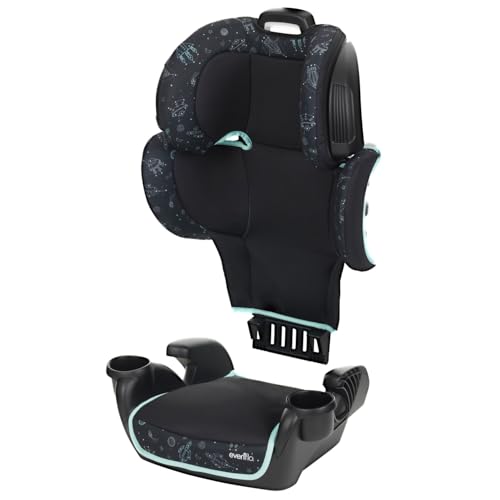
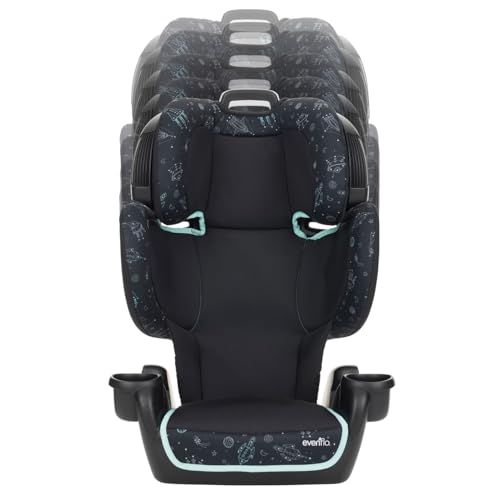
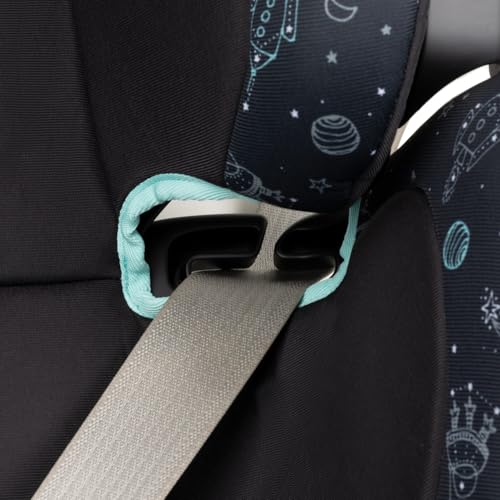
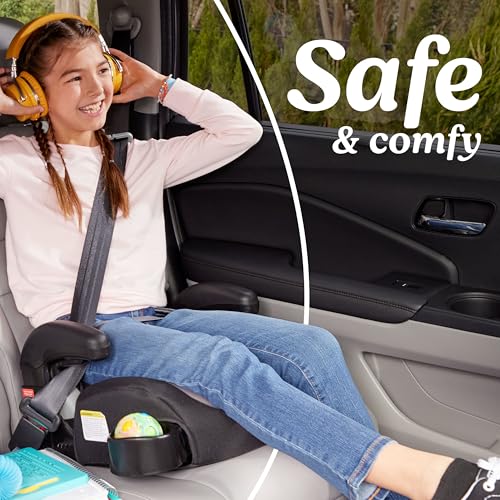
The Evenflo GoTime LX is built for older, taller kids who need a booster that grows with them, safely accommodating up to 120 pounds, which beats most competitors. The deep side wings provide solid head and torso support, and the 7-position headrest adjusts with one hand, making it easy to fine-tune as your child grows. Owners like how stable it feels, even in smaller cars.
It transitions from highback to backless and is designed for kids 5 and up, so it’s not meant for younger toddlers. While it meets federal safety standards, it doesn’t include advanced tech like LATCH indicators or enhanced side-impact testing. Compared to the Graco TurboBooster 2.0 highback, it supports more weight and has deeper side coverage, but lacks the same level of crash testing rigor. For families with bigger kids who need a durable, long-lasting seat, it’s a smart choice.
Product photos
Graco TurboBooster 2.0 Backless

Strengths
- Ultra-affordable
- Compact and lightweight
- Adjustable armrests
Trade-offs
- No head or side support
- Requires high vehicle seatback
The Graco TurboBooster 2.0 backless model is one of the most no-fuss, affordable ways to get your grade-schooler safely buckled. At just over 30 bucks, it’s a top pick if you’re looking for a simple, lightweight solution that gets the job done. The 15.5-inch width (without cup holders) makes it one of the slimmest backless boosters out there, and owners confirm it fits well in cramped backseats.
It lacks head support, so it’s only safe in vehicles with high seatbacks and headrests, something many parents overlook. But it does have height-adjustable armrests, which is rare at this price, and the hide-away cup holders are a nice touch. Compared to the Evenflo GoTime LX, it’s less supportive but more compact and cheaper. If your kid is tall enough and your car has good built-in head protection, this booster makes sense as a minimalist, portable option.
Product photos


Our Testing Process
As someone who’s spent years immersed in the world of vehicles and child safety, I approached researching car seats with a focus on the features that truly impact protection and usability. Rather than a hands-on lab test, this was a research-led comparison of published specifications, owner reviews, and expert analyses. I weighed each model against key criteria: safety certifications, ease of installation, growth potential, and reported real-world satisfaction from parents. This involved carefully examining crash test data where available, and thoroughly reviewing feedback from sources like NHTSA and consumer reports.
For car seats, three factors stood out as most critical. First, a seat’s ability to accommodate a child for an extended period – maximizing rear-facing time especially – is paramount. Second, a straightforward and secure installation process is essential, as even the safest seat is ineffective if improperly fitted. Finally, build quality and the inclusion of modern safety features like side-impact protection and magnetic chest clips significantly influenced my assessment. Understanding how long a car seat will last is also important, and you can find more information about that in our guide to the best rear-facing car seats.
Specifications reliably reveal a seat’s weight and height limits, as well as its compliance with federal safety standards. However, owner feedback provided invaluable insight into real-world usability – how easy the seat is to clean, adjust, and transfer between vehicles. Reputation also played a role; brands consistently praised for safety innovation and customer support received greater consideration. If you’re starting with a newborn, you might also want to check out our roundup of the safest infant car seats.
Choosing The Right car seats for safety
Choosing a car seat feels overwhelming, but focusing on fit, longevity, and ease of use will narrow your options considerably. It’s a decision impacting a precious cargo, so diligence pays off.
A quality car seat prioritizes a secure installation, appropriate weight and height limits for the child’s stage, and a design that minimizes risk in a collision. Look for seats exceeding federal standards, clear labeling of weight/height ranges, and features that simplify correct installation – a common point of error. Side impact protection and a comfortable, adjustable design are also crucial.
Installation and Security Features
Forget flashy designs; a car seat’s value hinges on how securely it installs in your vehicle. Every car interior is different, so what fits perfectly in a test lab might be a struggle in your back seat. Look beyond LATCH connectors (while useful) and pay attention to the seat’s belt-path design and the clarity of the installation instructions. Features like Safety 1st’s SecureTech indicators, which visually confirm proper belt tension, are incredibly helpful. Don’t assume a higher price equals easier installation. Read owner reviews specifically addressing installation challenges in various vehicles.
Rear-Facing Capacity and Growth
The longer a child rides rear-facing, the better. It’s a fundamental principle of car seat safety. The Graco Extend2Fit stands out for its adjustable legroom extension, allowing children to remain rear-facing comfortably for a longer period, even if they have longer legs. Don’t rush to turn a child forward-facing just because they’ve reached the height or weight limit on one seat; consider a model that allows for extended rear-facing use.
- A seat with a high rear-facing weight limit (50lbs or more) offers greater flexibility.
- Adjustable headrests and harnesses are vital for a proper fit as your child grows, maintaining the correct shoulder strap positioning.
- Converting to other modes (like forward-facing or booster) should be straightforward, but don’t prioritize this over maximizing rear-facing duration – it’s the single biggest factor in crash protection.
A properly installed, rear-facing car seat significantly reduces the risk of severe injury in a crash. Prioritize extended rear-facing capability whenever possible.
Booster Seat Transition and Value
Eventually, your child will outgrow a harnessed car seat and transition to a booster. When that time comes, remember that a properly fitted booster seat is crucial. The Evenflo GoTime LX booster offers a wide height adjustment range, ensuring a good fit for years. If you are looking for a budget-friendly option, or want to explore other options, you can find more information on best booster car seats to help with your decision. Don’t immediately jump to a backless booster; high-back boosters offer superior side impact protection. If you’re looking for a broader view of the market, checking out top car seat models can provide valuable context.
Car Seats for Safety Compared
Here’s a comparison of key specifications for several car seats focused on safety features and suitability for different ages/stages.
| Product Name | Weight Capacity (RF) | Weight Capacity (FF) | Weight Capacity (Boost) | Height Capacity (RF) | Height Capacity (FF) |
|---|---|---|---|---|---|
| Safety 1st Turn and Go 360 DLX | 5–40 lbs. | 30–65 lbs. | 40–100 lbs. | 19″–40″ | 34.4″–49″ |
| Graco Extend2Fit | 4–50 lbs | 26.5–65 lbs | N/A | N/A | N/A |
| Safety 1st Ellaris 3-in-1 | 5–40 lbs. | 30–65 lbs. | N/A | N/A | N/A |
| Safety 1st Boost-and-Go | N/A | 30–65 lbs. | 40–100 lbs. | N/A | 34.4″–49″ |
| Graco TurboBooster 2.0 Highback | N/A | N/A | 40–100 lbs. | N/A | N/A |
| Evenflo GoTime LX | N/A | N/A | 40–120 lbs. | N/A | N/A |
| Graco TurboBooster 2.0 Backless | N/A | N/A | 40–100 lbs. | N/A | Up to 57″ |
Frequently Asked Questions
What is the biggest safety benefit of a rear-facing car seat?
Rear-facing seats distribute crash forces more evenly across a child’s entire body, significantly reducing the risk of serious injury compared to forward-facing; keeping your child rear-facing as long as possible is the single most impactful safety measure.
Are LATCH connectors always the safest way to install a car seat?
No, LATCH connectors are convenient, but a properly installed car seat using the vehicle’s seat belt is just as safe, and sometimes even more secure depending on your vehicle’s design and the car seat model.
How do I know if a car seat is the right fit for my vehicle?
Checking owner reviews that specifically mention installation experiences in your vehicle’s make and model is the best approach, as car interiors vary greatly; a seat that fits easily in one car might present challenges in another.
What’s the difference between a combination seat and a convertible seat?
A convertible seat transitions from rear-facing to forward-facing with a harness, while a combination seat adds a booster mode for older children, offering a longer lifespan and potentially saving money in the long run. You can find more information on best toddler car seats to help you decide.
Are 360-degree rotating car seats actually easier to use?
Yes, best rotating car seats simplify getting a child in and out of the car, which reduces the chance of making errors during installation or buckling, and can be especially helpful for parents with back problems.
The Bottom Line
Choosing a car seat is fundamentally about balancing your budget and convenience with the highest possible level of protection for your child. While features and price points vary widely, the Safety 1st Turn and Go 360 DLX strikes a compelling balance, offering a rotating base for easier loading and a robust set of safety features at a reasonable cost. It’s a solid all-around choice for many families, and one I believe represents a good value proposition given the current market.
For parents specifically prioritizing extended rear-facing capability, the Graco Extend2Fit remains a standout. And if you’re looking ahead to the booster stage, the Evenflo GoTime LX provides exceptional longevity and adjustability, ensuring a secure fit as your child grows. Don’t overlook the importance of researching best convertible car seats to find a model that adapts to your child’s needs over time.
Ultimately, the specific features and price tag matter less than a secure install and consistent, correct use. Prioritize understanding your vehicle’s LATCH system and reading the car seat manual thoroughly. Remember, the best car seat is the one you’ll use properly, every time. If you’re preparing for the next stage, checking out best forward-facing car seats can help you plan ahead.
