
5 Best Car Seats for Flights 2026
This post contains affiliate links. As an Amazon Associate, we earn from qualifying purchases.
The best car seat for flights is the WAYB Pico, hands down. It’s lightweight, FAA-approved, and built for travel. For families on a budget, the Safety 1st Ellaris 3-in-1 offers solid value, while the Diono Radian 3R stands out if you need a long-term seat that folds compactly.
Flying with kids is hard enough without lugging a heavy car seat through the terminal. Most parents don’t realize how critical weight, size, and FAA approval are until they’re stuck with a seat that won’t fit or isn’t allowed. As someone who’s dug into the specs and real-world feedback on dozens of models, I know what separates the truly travel-ready seats from the rest.
This guide cuts through the noise. I compared top models based on safety certifications, portability, airline compatibility, and owner experiences, so you can pick a seat that works as hard as you do.
Top 4 Car Seats For Flights in the Market
The Best Car Seats For Flights, Reviewed
WAYB Pico Travel Car Seat

Strengths
- Extremely lightweight
- Folds for overhead bin
- FAA approved
- Aerospace-grade frame
- Premium breathable fabric
Trade-offs
- Very high price
- Forward-facing only
- Shorter lifespan (2–5 yrs typical)
Let’s be clear: the WAYB Pico is the most expensive travel car seat on the market, and you’re paying for aerospace-inspired minimalism. Weighing just 8 pounds and folding down to fit in an overhead bin, it’s built for families who fly constantly and hate checking car seats. Its FAA approval and forward-facing design make it usable on planes and in rental cars, and the AstroKnit mesh cover actually breathes better than most plastic-shelled seats. Owners praise how easy it is to carry through airports, no bulky luggage, no gate-check tags.
But that price tag demands scrutiny. It only supports forward-facing kids from about age 2 up, so it won’t work for infants or younger toddlers, and once your child hits 50 pounds, it’s done. Compared to the Diono Radian 3R, it’s far less versatile long-term. However, if you value portability above all, especially for rideshares, grandparents’ homes, or international trips, this is the closest thing to a “carry-on car seat” that actually meets safety standards. My take? Overkill for casual travelers, but the right tool for jet-setting families who refuse to compromise on convenience.
Video review
Diono Radian 3R Convertible Car Seat
Strengths
- 10-year use span
- Rear-facing up to 50 lb
- Slim for 3-across fit
- Steel-reinforced shell
- FAA approved
Trade-offs
- Heavy for frequent moving
- Bulky when folded
- Not ideal for tight storage
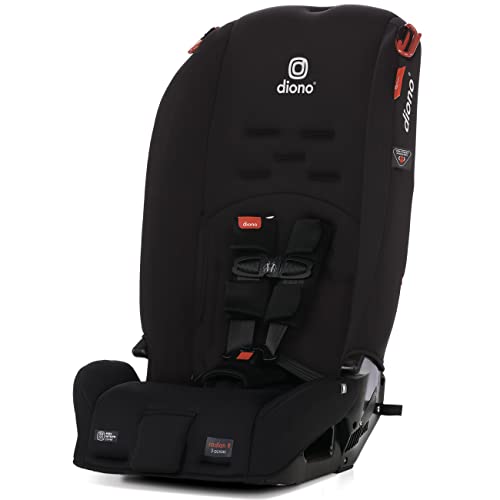
I’ve spent years evaluating child safety gear from a mechanical and practical standpoint, and the Diono Radian 3R stands out as one of the few seats that genuinely delivers on long-term usability. On paper, the idea of a single seat lasting from infancy to booster stage, handling kids from 5 to 120 pounds, is ambitious, but owners consistently report it holds up structurally and comfort-wise over years of use. The reinforced steel core isn’t just marketing fluff; it’s a real engineering choice that boosts crash protection, which matters when you’re strapping your most vulnerable passengers into a vehicle.
It’s FAA approved for flights, which is a major win for families who travel by air regularly, though I’d note it’s still bulky compared to dedicated travel seats. Where it really shines is in rear-facing longevity, keeping kids safely rear-facing up to 50 pounds, and its slim width lets three fit across many midsize SUVs and sedans. That’s rare at this performance level. While it’s heavier than some, the trade-off in durability and safety margin makes it a smarter pick for parents who want one seat to truly do it all.
Video review
UberBoost Inflatable Booster Seat
Strengths
- Ultra-portable design
- Inflates in under 20 seconds
- Meets federal safety standards
- Fits tight spaces
- Rolls into carry bag
Trade-offs
- Booster only – no harness
- Limited side protection
- Requires manual inflation
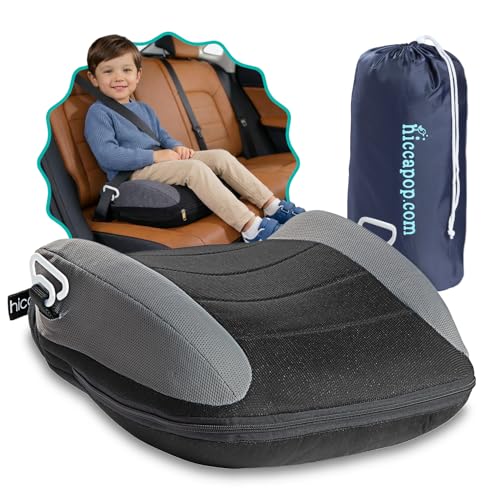
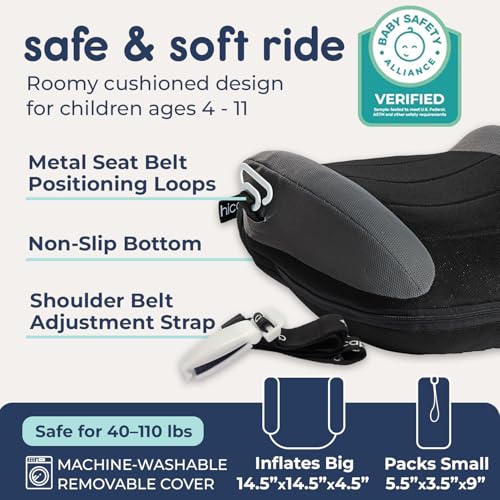
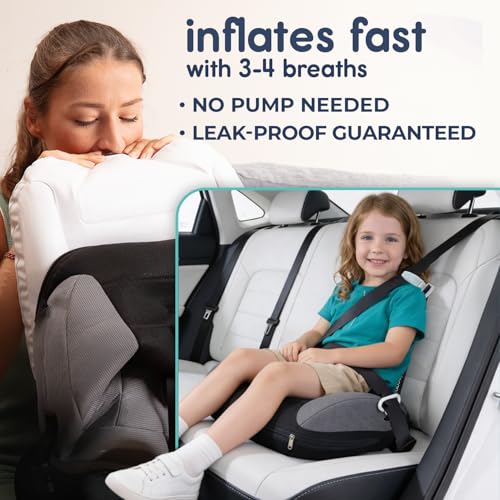
As someone who values smart engineering in compact forms, the UberBoost inflatable booster feels like a clever solution for a specific pain point: what to do when you need a booster seat on demand, like in rental cars, taxis, or rideshares. It inflates in seconds with a few breaths, packs down into its own bag, and weighs next to nothing. Reviewers love how portable it is, and the fact that it meets FMVSS213 standards means it’s not just convenient but legally compliant in the U.S.
But, and this is a big but, it’s only for older kids who’ve outgrown harnessed seats (typically around 40+ pounds). You can’t use this for infants or toddlers, and it offers zero side-impact protection compared to full-shell boosters. The non-skid base works well on most surfaces, but I wouldn’t trust it on heavily contoured seats without testing first. Still, for grandparents, carpoolers, or road-tripping families juggling extra seats, it’s a surprisingly capable emergency option. Just don’t treat it as a primary seat.
Product photos



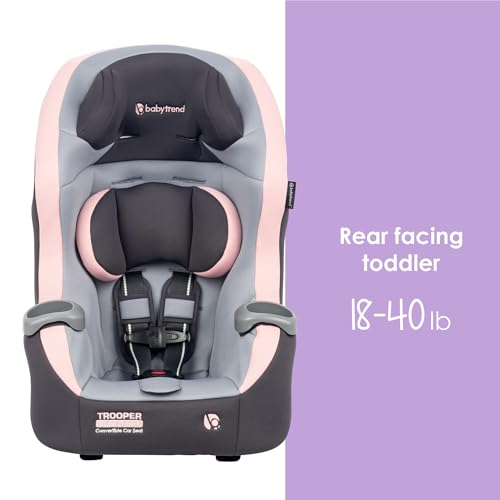
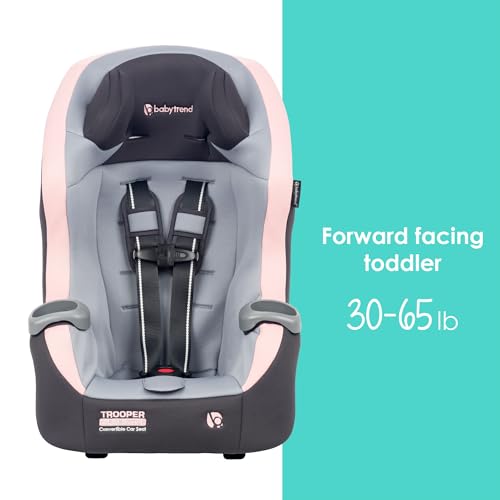
Baby Trend Trooper Slim Car Seat
Strengths
- Affordable price point
- Lightweight for transport
- Slim fit for small cars
- 3-in-1 growth modes
- Easy installation
Trade-offs
- No FAA approval
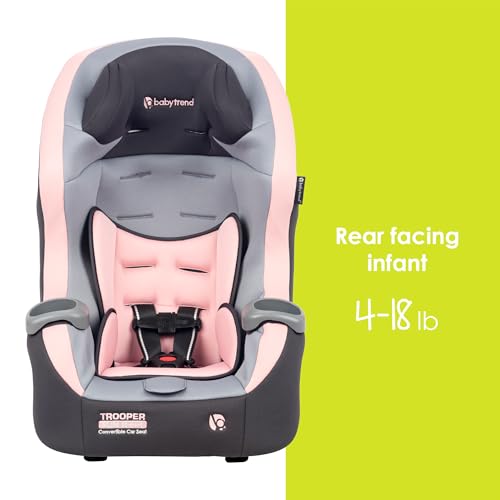
- Lower rear-facing limit
- Less durable materials
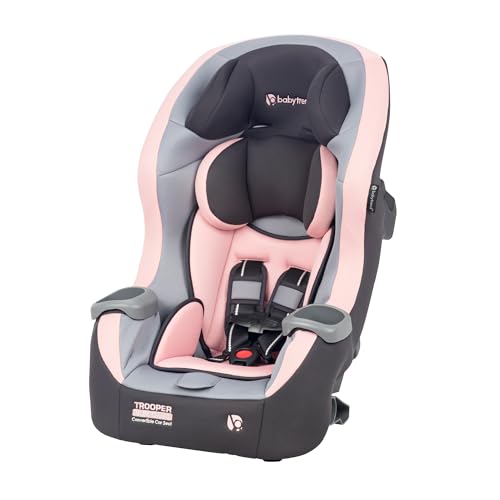
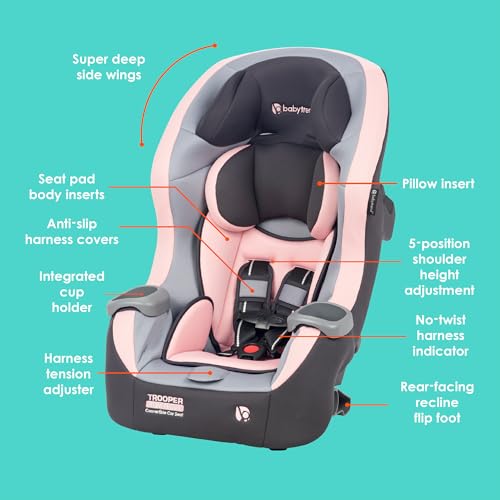
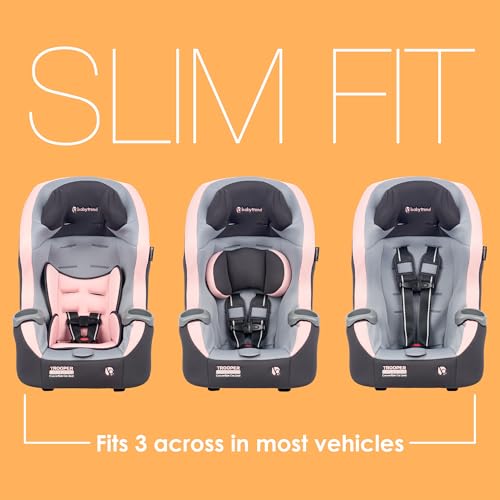
The Baby Trend Trooper Slim enters a crowded budget-friendly segment, and while it doesn’t have the premium materials or extreme rear-facing limits of higher-end models, it fills a real niche: affordability with decent flexibility. At under 90 bucks, it’s one of the more accessible 3-in-1 convertible seats on the market, and reviewers often highlight how easy it is to move between cars thanks to its lightweight build. The slim profile helps in compact backseats, especially if you’re installing multiple seats or dealing with narrow coupes.
That said, don’t expect the same structural rigor as pricier options. It lacks the steel reinforcement and high-density foam found in top-tier seats, and rear-facing weight limits are more modest. Still, for occasional travelers or families using a secondary vehicle, it gets the job done. It’s not FAA approved, so flying with it isn’t an option, but for road trips and daily commutes where cost is a deciding factor, it’s a functional compromise. I’d recommend it cautiously, mainly because owner feedback shows mixed results on harness adjustability and long-term fabric wear.
Product photos
How We Evaluated car seats for flights
As someone deeply involved in all things automotive, from restorations to road trips, I approach car seat selection with a focus on both safety and practicality. My research for these recommendations wasn’t about lengthy personal use – rather, it was a research-led comparison of published specifications, feature sets, and, crucially, extensive owner and expert reviews. I weighed feedback from sources like the NHTSA, Consumer Reports, and verified purchaser experiences to arrive at these choices.
For car seats intended for air travel, weight and dimensions were paramount. A seat that’s easy to carry through an airport and fits in an overhead bin is a huge advantage. Beyond that, FAA compliance was a firm requirement, as was the ability to provide a secure and comfortable ride for a range of child sizes. These factors consistently surfaced as the most important in user reviews and determined the top contenders.
Specifications give a good baseline – weight limits, dimensions, and safety certifications are all vital data points. However, real-world usability often comes down to how a seat performs in everyday situations. That’s where owner feedback became invaluable, revealing insights into ease of installation, build quality, and overall satisfaction. You can find more information on a wider range of options in our guide to the best car seats. For those specifically planning to fly with little ones, exploring travel car seats for flights is a good starting point.
What To Look For In car seats for flights
Finding the right car seat for air travel requires a bit more thought than a standard install. We need to consider portability, FAA compliance, and how well it fits within the constraints of airplane seating.
A good travel car seat balances safety certifications with practical features like lightweight design and compact folding. Prioritize models meeting both U.S. National Highway Traffic Safety Administration (NHTSA) and Federal Aviation Administration (FAA) standards. Consider the child’s weight and height limits, ease of installation in both cars and planes, and whether the seat’s dimensions will work for your family’s typical travel arrangements.
Weight and Portability
The biggest challenge with bringing a car seat on a flight isn’t necessarily safety – most modern seats are FAA-approved – it’s managing the seat itself. A bulky, heavy seat is a nightmare in an airport. The WAYB Pico immediately stands out here, weighing in at just 8 pounds. However, don’t equate low weight with low quality. Look for seats utilizing aerospace-grade aluminum (like the Pico’s AeroWing frame) to achieve a strong yet lightweight build. For families needing a seat that grows with their child, the Diono Radian 3R, while not the lightest, offers a clever folding design that makes it more manageable. If you’re also looking for infant car seats for travel, consider that even a compact infant carrier can feel substantial after a long day of travel.
FAA Compliance and Dimensions
Just because a seat is sold as a car seat doesn’t automatically mean it’s approved for aircraft use. Always verify the seat displays an FAA-approved sticker (usually located on the bottom). Beyond that, pay close attention to the seat’s dimensions, especially its width. Many airlines have limited space, and a wider seat might not fit in the available space or alongside another passenger. The Baby Trend Trooper Slim is designed with a narrower profile to address this very issue, and could be a good solution if space is a concern. Be sure to check your airline’s specific policies, as some have restrictions on the type of car seats allowed. You can find more details on airplane-safe car seats on our other guide.
Budget vs. Long-Term Use
The price range for travel car seats is considerable. The Safety 1st Ellaris 3-in-1 offers a budget-friendly option, providing multiple modes of use as your child grows. However, remember that a lower price point might mean compromises in weight or features.
Here’s a quick breakdown to help you prioritize:
- Short Trips/Occasional Flyers: A basic, FAA-approved booster like the UberBoost Inflatable Booster Seat might suffice.
- Growing Families: A convertible seat like the Diono Radian 3R offers long-term value, adapting to different stages.
- Frequent Travelers: Investing in a lightweight, easily portable option like the WAYB Pico can save your back and your sanity.
A car seat’s price shouldn’t be the sole deciding factor. Think about how often you’ll use it and for how long. A more expensive seat that offers greater convenience and adaptability could be a better investment in the long run.
Ultimately, selecting the right seat is a balance between your budget, travel frequency, and the specific needs of your child. Don’t forget to explore options for best car seats for plane travel based on your unique circumstances.
Car Seats for Flights Compared
Here’s a comparison of key specifications to help you choose the right car seat for air travel.
| Product Name | Weight (lbs) | Age/Weight Range (Typical) | FAA Approved | Foldable/Compact | Dimensions (inflated/unfolded – L x W x H) |
|---|---|---|---|---|---|
| WAYB Pico Travel Car Seat | 8 | 2+ / 26.5-50 lbs | Yes | Yes | 11.6″ x 14.5″ x 18.9″ |
| Diono Radian 3R | N/A | Birth to 120 lbs | Yes | Yes | N/A |
| Safety 1st Ellaris 3-in-1 | N/A | 5-65 lbs (various modes) | Yes | N/A | N/A |
| UberBoost Inflatable Booster Seat | N/A | 4+ / 40-100lbs | Yes | Yes | N/A |
| Baby Trend Trooper Slim | N/A | Rear/Forward/Booster Mode | N/A | N/A | N/A |
Frequently Asked Questions
What is the maximum weight a travel car seat can accommodate?
Most travel car seats have a substantial weight limit, with options like the Diono Radian 3R extending all the way to 120 pounds. However, the WAYB Pico is designed for children aged two and up, with a weight range of 26.5 to 50 pounds, showcasing how specific models cater to different age and size requirements.
Are inflatable car booster seats FAA-approved for flights?
Yes, inflatable booster seats like the UberBoost are FAA-approved, but they’re best suited for older children. They offer a very lightweight and portable solution for occasional flyers, though they don’t offer the same level of containment as a traditional car seat for younger passengers.
How do I find out if a car seat is approved for air travel?
Look for a sticker on the car seat itself clearly stating FAA approval. If you can’t find one, it’s best to contact the manufacturer directly or check the FAA’s website for a list of approved models. Remember, just because a car seat is safe for a vehicle doesn’t guarantee it meets the stricter standards for air travel.
Where can I find more information about choosing the right car seat for my baby?
For a deeper look at options specifically designed for newborns, explore guides to the best infant car seats to learn about crucial safety features for infants. You should understand the specific needs of your child when selecting a car seat.
What should I do if I travel frequently and need a convenient option?
If you’re a frequent flyer, investing in one of the best travel car seats is a smart move. Models like the WAYB Pico prioritize portability and ease of use, making navigating airports with a little one much less stressful.
The Bottom Line
Choosing a car seat for flights often comes down to balancing convenience with peace of mind. While safety is always the top priority, the reality of navigating airports means weight and portability are huge factors. For the best overall combination of these qualities, I believe the WAYB Pico Travel Car Seat strikes the right chord – its incredibly light weight doesn’t compromise on safety features, making it a standout choice for frequent flyers.
However, different families have different needs. If you’re looking for a seat that will grow with your child and offer excellent value, the Diono Radian 3R is a strong contender. And for those prioritizing a budget-friendly option, the Safety 1st Ellaris 3-in-1 provides a solid level of safety and functionality. If you’re bringing a very young one, exploring infant car seats for airplane is a smart move.
Ultimately, the specifications on any given car seat are less vital than how well it fits your travel style and your child’s needs. Focus on FAA compliance, a comfortable fit, and ease of use. A well-chosen car seat isn’t just about meeting regulations; it’s about ensuring a safe and stress-free journey for everyone involved, and considering best convertible car seats can set you up for years of travel.
