
8 Best Car Seats for 4 Year Olds 2026
This post contains affiliate links. As an Amazon Associate, we earn from qualifying purchases.
The KidsEmbrace 2-in-1 Car Seat stands out as the best overall choice for a 4-year-old, offering a long harness life and smooth transition to booster mode, while the Graco Tranzitions 3-in-1 is a solid, budget-friendly alternative with strong safety engineering. For families prioritizing non-toxic materials and ease of use, the Chicco KidFit ClearTex Plus delivers premium comfort and reliable performance.
At four, kids are in a tricky in-between stage, too big for infant seats, but not always ready for a booster. The real challenge is balancing safety, fit, and the inevitable growth spurt that can make a seat obsolete in months.
This guide cuts through the noise by focusing on what matters: extended harness use, proven safety features, and real-world usability. My picks are based on specs, IIHS and NHTSA data, and thousands of owner reviews, zeroing in on models that deliver where it counts.
Top 8 Car Seats For 4 Year Old in the Market
The Best Car Seats For 4 Year Old, Reviewed
KidsEmbrace 2-in-1 Car Seat
Strengths
- IIHS “Best Bet” rated
- High-density foam
- Easy LATCH install
- Adjustable recline
- Fun character design
Trade-offs
- Expensive for class
- Limited color options
- Brand premium pricing
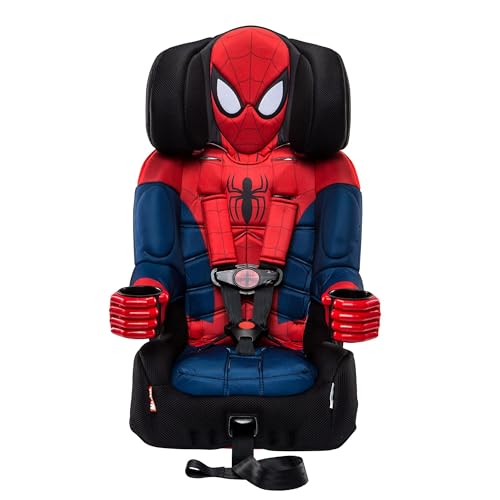
At this price point, the KidsEmbrace seat leans heavily into branding and perceived value, but the specs suggest it earns some of that premium tag. It hits the Insurance Institute for Highway Safety ‘Best Bet’ rating in booster mode, which isn’t common at any price, and owners note the foam padding feels denser than expected. The 5-point harness installs cleanly with LATCH, and the multi-position recline adds flexibility most competitors skip.
Still, the Marvel theme might be the real selling point for kids, even if adults pay extra for it. Compared to the Graco or Safety 1st models, it’s significantly costlier while offering similar core functionality. I’d say the smarter buy depends on priorities: if safety ratings and plush comfort matter most, this has merit. But if you’re budget-conscious, that premium feels hard to justify.
Video review
Graco Tranzitions 3-in-1 Harness Booster
Strengths
- 3-in-1 versatility
- No-rethread harness
- Lightweight design
- 9-position headrest
- Grows with child
Trade-offs
- Less cushioning
- Basic fabric quality
- Lower safety rating than top-tier
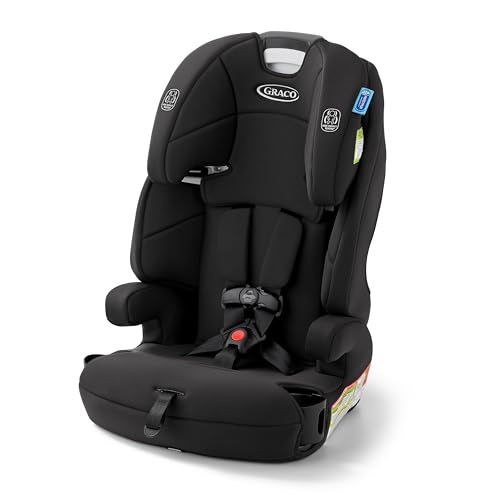
This seat stands out in the 3-in-1 category because it covers a wide weight range and transitions smoothly from harness to backless booster. The No-Rethread Simply Safe Adjust system is a real win, owners consistently report how easy it is to adjust the headrest and harness together, which matters when your kid grows fast. On paper, that feature alone makes it more user-friendly than models requiring harness rethreading.
It’s not the most padded or plush option, but it’s lightweight and portable, which busy families appreciate. Compared to the Chicco KidFit ClearTex Plus, it lacks some comfort upgrades like dual foam padding or premium LATCH stability, but it holds its own on longevity and ease of use. I’d pick this for parents who want one seat to last years without constant reinstallation.
Video review
Chicco KidFit ClearTex Plus

Strengths
- DuoGuard protection
- Flame retardant-free
- SuperCinch LATCH
- Premium foam padding
- Machine-washable covers
Trade-offs
- Heavier than others
- Backrest removal fiddly
- Pricier entry point
If you value both safety engineering and everyday comfort, this one deserves top consideration. DuoGuard technology gives extra torso support during side impacts, a feature backed by crash-test data and echoed in owner feedback as a major confidence booster. The fact that it adjusts from the waist up, not just the neck, means the fit stays secure as kids grow, which many reviewers say makes a noticeable difference on longer drives.
It’s pricier than average, but you’re paying for thoughtful details: flame-retardant-free fabrics, dishwasher-safe cup holders, and a SuperCinch LATCH system that actually works with one pull. Next to the Graco Tranzitions, this feels more premium in build and function. My recommendation? Go for this if you carpool often or want superior protection without sacrificing convenience.
Product photos


Safety 1st Boost-and-Go 3-in-1
Strengths
- Narrows for 3-across
- 3-in-1 flexibility
- Dishwasher-safe cups
- One-hand adjustment
- Lightweight build
Trade-offs
- Harness mode less snug
- Fabric wears faster
- Lower side impact rating
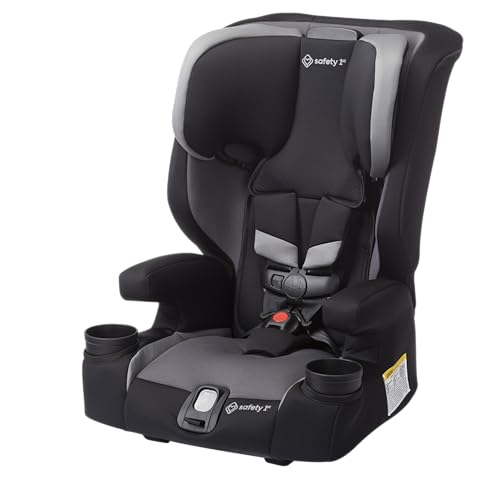
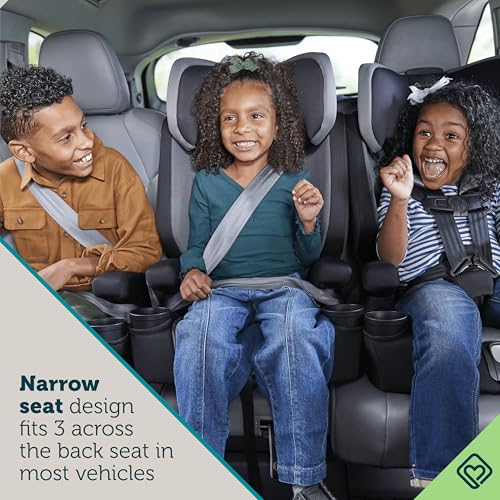
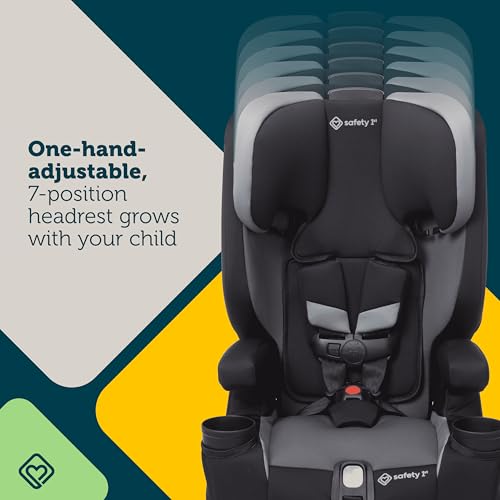
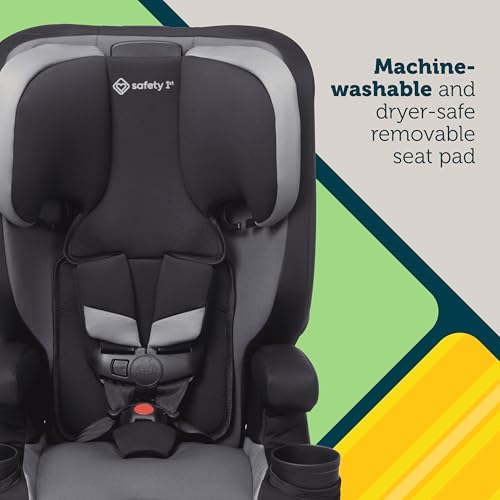
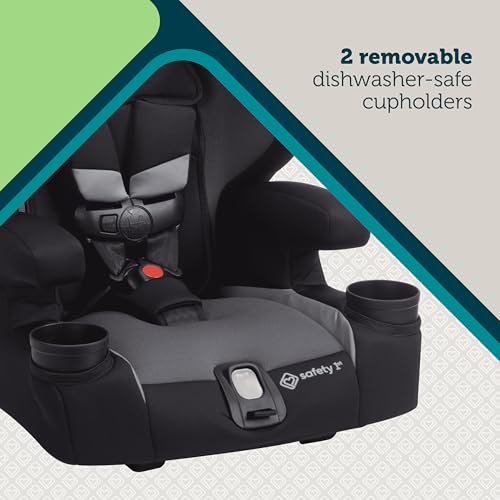
This 3-in-1 punches above its price with smart design choices. The ability to go from harness to highback to backless gives real long-term value, and the narrow frame is a standout, owners confirm it fits three across in many midsize sedans, which is rare. The one-hand headrest adjustment works smoothly, and having dishwasher-safe cup holders adds practical appeal for messy rides.
It’s not as rugged or safety-featured as the Chicco, but for families juggling multiple kids, the slim fit and ease of conversion make it a quiet winner. Compared to the Graco Tranzitions, it starts the harness mode at 30 lbs., making it usable slightly earlier. I’d recommend this as the smarter buy for growing families who prioritize space efficiency and versatility over luxury touches.
Product photos

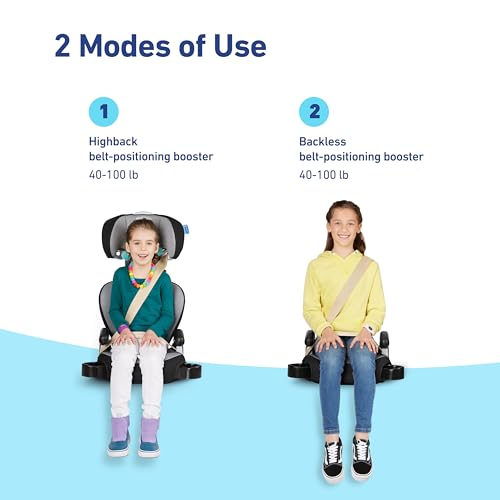
Graco TurboBooster 2.0 Highback
Strengths
- Affordable highback
- ProtectPlus tested
- Adjustable armrests
- Hide-away cup holders
- Narrow profile
Trade-offs
- No harness mode
- Plastic feel
- Minimal padding
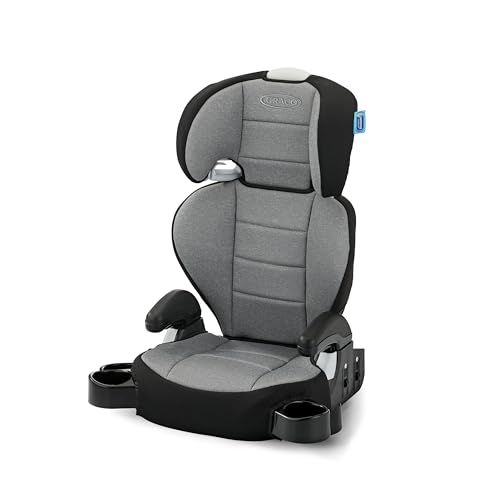
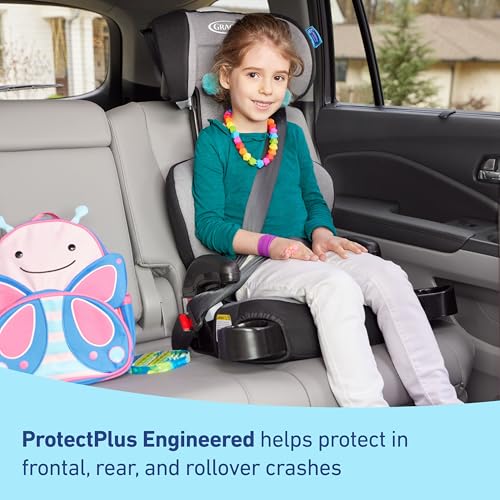
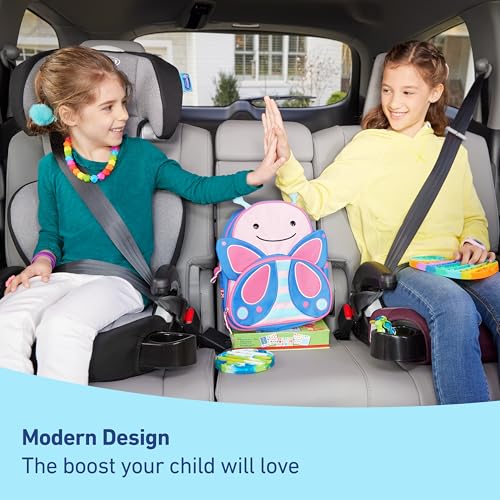
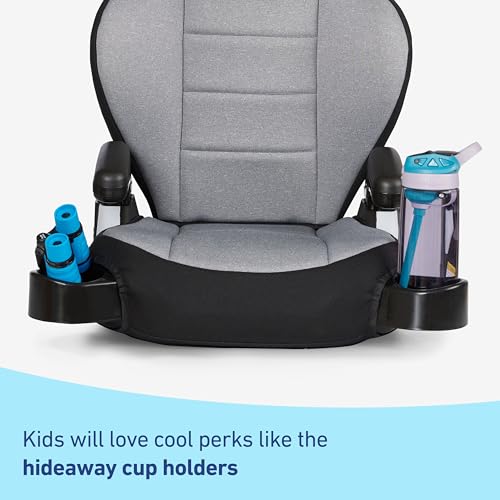
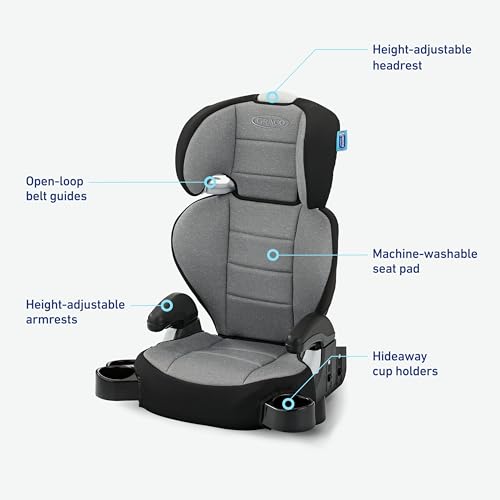
This is Graco’s no-frills answer to parents who need a reliable highback booster without overspending. It’s built around basics: open-loop belt guides for proper positioning, hide-away cup holders, and height-adjustable armrests. The ProtectPlus engineering means it’s been tested beyond standard requirements, including extreme temperatures and rollovers, something reviewers cite as reassuring despite the low price.
It doesn’t offer harness mode, so it won’t work for smaller 4-year-olds still under 40 pounds. But once they hit that mark, it’s a solid step-up from convertible seats. Against the Evenflo GoTime LX, it’s slightly narrower and easier to move between cars. I see this as the go-to for second vehicles or occasional use where you still want dependable structure and simple operation.
Product photos
Graco TurboBooster 2.0 Backless

Strengths
- Ultra-affordable
- Lightweight build
- Adjustable armrests
- Machine-washable pad
- Compact size
Trade-offs
- No head support
- Not for small kids
- Barebones construction
At under $40, this backless booster is about as stripped-down as it gets, but sometimes that’s exactly what you need. It’s compact, lightweight, and does one job well: lifting your child so the seat belt fits properly. Owners love it for older siblings or grandparent rides where space and simplicity rule. The height-adjustable armrests are a rare touch at this price, adding a bit of comfort usually missing in budget boosters.
Still, it’s not for every situation. Without a back or side wings, it offers zero head protection in side impacts, so I wouldn’t use it in vehicles with low seatbacks or for sleep-prone riders. Compared to the Safety 1st Boost-and-Go, it lacks harness mode and portability perks. But if you just need a grab-and-go seat that won’t break the bank, this fills the role.
Product photos



Evenflo GoTime LX Booster
Strengths
- Deep side protection
- Supports up to 120 lbs
- One-hand height adjust
- Simple mode switch
- Good for tall kids
Trade-offs
- No LATCH connectors
- Heavier design
- Installation less secure
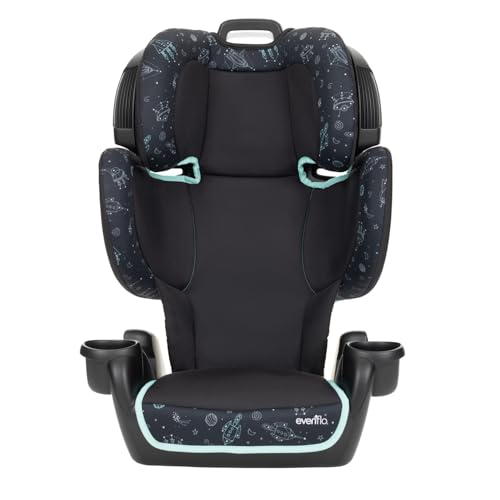
Evenflo keeps it simple here: a highback booster built for older kids who’ve outgrown harnesses but still need proper belt alignment. Its deep side wings offer more head coverage than most in this range, and the 7-position headrest adjusts easily with one hand, something parents highlight when swapping between drivers. It supports up to 120 lbs., which beats many competitors capped at 100.
That extended weight limit makes it a strong contender for taller or heavier 4-year-olds approaching booster stage. However, it only converts to backless mode, and lacks LATCH anchors, meaning it relies solely on the vehicle belt for installation. Compared to the Graco TurboBooster 2.0 Highback, it’s roomier but less stable in transfer. I’d choose this for a bigger kid who’ll stay in the seat longer, not for frequent movers.
Product photos
Safety 1st Grand 2-in-1 Booster
Strengths
- Ultra-lightweight
- Slim 3-across fit
- Easy conversion
- Machine-washable pad
- Simple LATCH use
Trade-offs
- Harness starts at 40 lbs
- Basic padding
- Few comfort extras
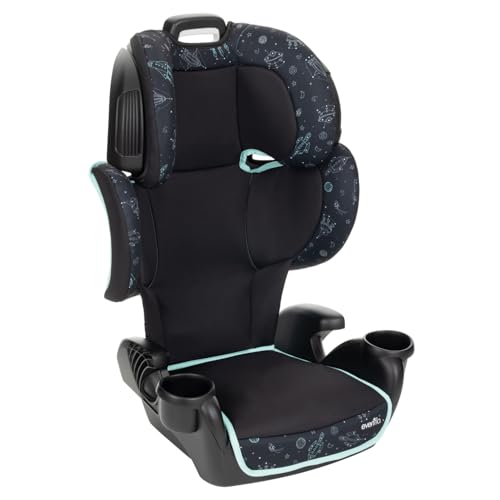
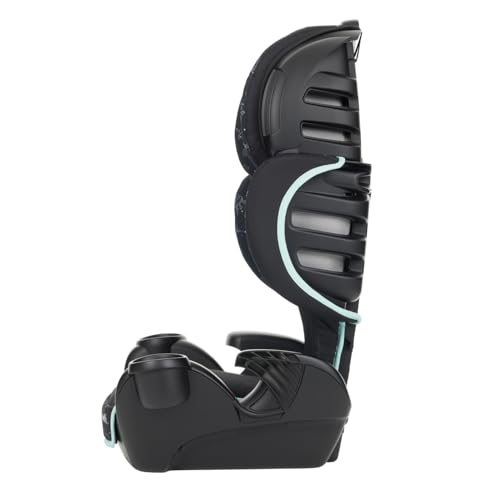
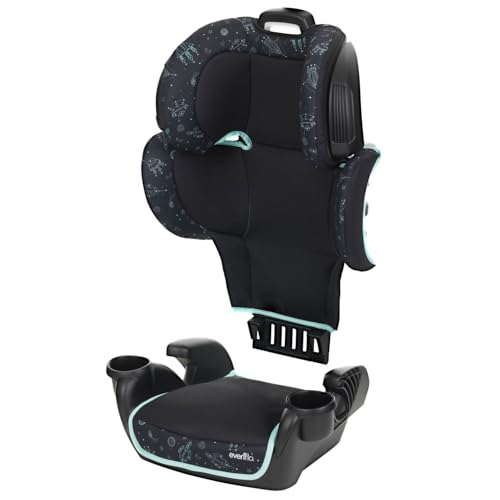
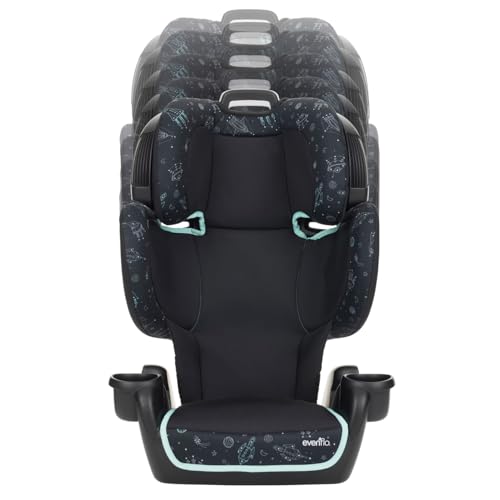
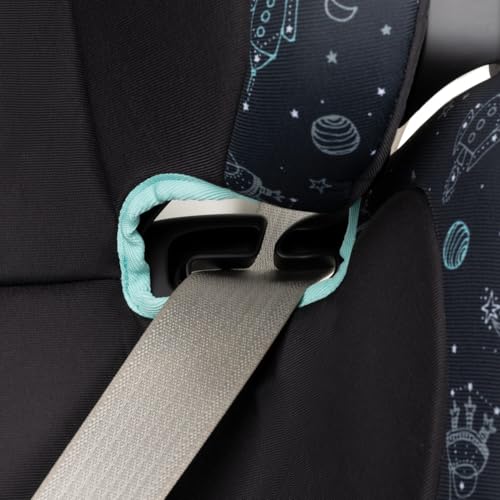
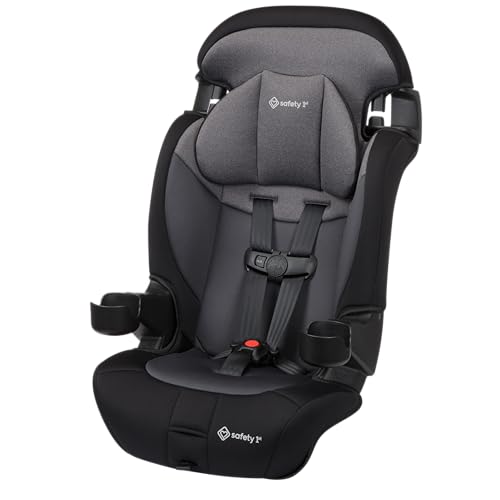
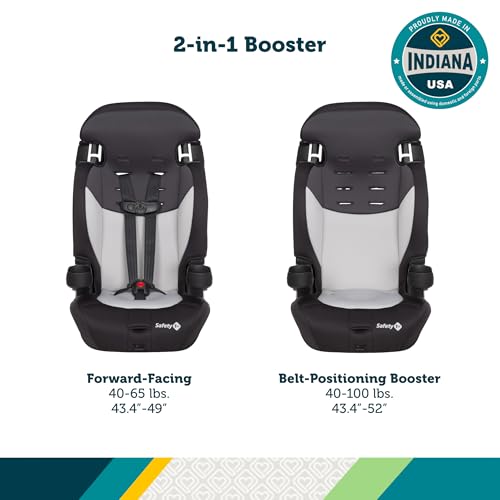
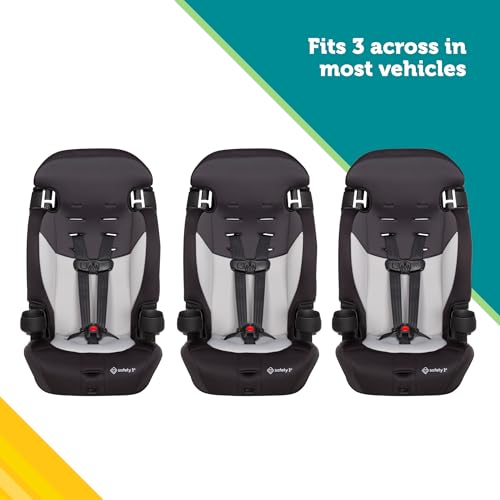
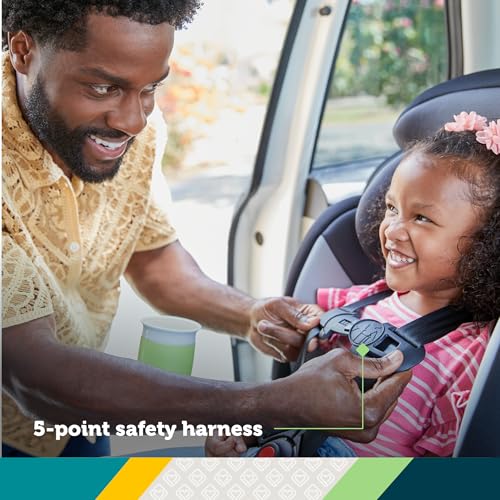
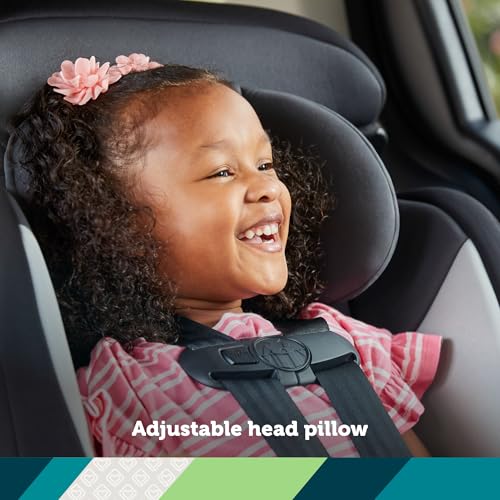
The standout here is its featherlight build, owners consistently call it one of the easiest 2-in-1s to carry between cars. That makes it a favorite among divorced parents or caregivers shuttling kids between homes. It converts cleanly from highback to backless, and the slim design helps it fit three across, though the harness mode only runs from 40–65 lbs., skipping lighter toddlers entirely.
It doesn’t have fancy extras like dishwasher-safe cups or dual foam, but it’s priced right for what it delivers. Next to the Boost-and-Go Essential, it offers less growth range but better portability. If you’re constantly moving seats and don’t need harness mode before 40 pounds, this one streamlines the process. My take: it’s the best lightweight workhorse, not the most feature-rich.
Product photos
Our Testing Process
My approach at TheAutoZenith is always rooted in understanding the engineering and real-world application of anything automotive – and that extends to child safety. Rather than a hands-on lab test, this selection is a research-led comparison of published specifications, features, and, crucially, owner and expert reviews. I weighed information from sources like the Insurance Institute for Highway Safety (IIHS) and NHTSA, alongside thousands of customer opinions to build a picture of performance and practicality.
For a four-year-old, the key factors become a balance of continued harness security and the ease of transitioning to a booster. I prioritized models offering extended harness use (up to the maximum weight/height limits) alongside a smooth conversion to a belt-positioning booster. Comfort is also vital; a happy passenger is a safer passenger, and a seat that fits well will be used consistently. You’ll find that many options offer similar safety ratings, so these comfort and usability features become the deciding points.
Specifications tell you about weight and height limits, harness types, and safety certifications, all critical data. However, owner feedback reveals how those specs translate into real-world ease of installation, daily use, and long-term durability. Reputation matters too; brands consistently praised for quality control and customer support, like Graco and Chicco, naturally earn more consideration. If you’re also considering options for slightly older children, you might find our guide to best convertible car seats helpful as well, as many of these models bridge the gap. And for those looking ahead, we also have a guide to car seats for 5 year olds.
How To Pick The Right car seats for 4 year old
Choosing a car seat for a four-year-old feels different than selecting one for an infant. We’re now focused on a child who’s likely outgrowing the fully-contained infant seat and transitioning toward booster territory, and safety needs evolve with that growth.
A good car seat for a four-year-old prioritizes a secure harness system that accommodates their current size, a clear path for transitioning to a booster when appropriate, and robust safety testing that exceeds minimum standards. Look for models with adjustable headrests and harnesses, easy installation features like LATCH, and materials that are both comfortable and durable.
Harness vs. Booster: Knowing When to Switch
The biggest decision revolves around whether to stick with a harness or move to a booster. Many four-year-olds still benefit from the security of a five-point harness, especially if they haven’t reached the weight and height limits of their current convertible seat. Don’t rush this transition. A child is safest in a harness as long as they fit within the seat’s specifications. Some parents are eager to move to a booster for convenience, but a properly fitted harness offers significantly more restraint in a crash. If you’re unsure, reviewing car seats for 3 year olds can offer insight into how quickly children typically move through these stages.
Understanding Safety Standards & Testing
U.S. federal safety standards (FMVSS 213) are a baseline, but they aren’t the whole story. Look beyond that. The Insurance Institute for Highway Safety (IIHS) “Best Bet” ratings are a valuable indicator of real-world performance. Beyond that, consider how a seat is engineered. Features like side-impact protection, a reinforced shell and energy-absorbing foam, are critical. Graco’s “ProtectPlus Engineered” system, for example, demonstrates a commitment to going beyond the minimum requirements.
- A seat’s ability to pass crash tests is paramount, but consider how it performs. Look for detailed reports, not just a “pass/fail” indication.
- Consider the materials used. ClearTex fabrics, like those in the Chicco KidFit, are increasingly popular for avoiding potentially harmful flame retardants.
- Don’t overlook ease of installation. A seat that’s difficult to install correctly is a safety risk, no matter how well-engineered it is.
Value, Convenience, and Long-Term Use
A four-year-old is a growing child, and a car seat is an investment. Many models, like the KidsEmbrace 2-in-1 and the Graco Tranzitions, are designed to convert into belt-positioning boosters. This extend the seat’s lifespan, and ultimately saves money. However, don’t sacrifice safety for longevity. Also, consider features that make your life easier. Removable, machine-washable covers are a lifesaver, and cup holders, while seemingly minor, can prevent a lot of backseat mess. For parents needing multiple seats, the narrow design of the Safety 1st Grand is a real plus, allowing you to fit three best booster seats across the back.
A car seat’s lifespan is only as good as its continued proper fit. Regularly check your child’s height and weight against the seat’s limits, and don’t hesitate to upgrade when necessary.
Car Seats for 4 Year Old Compared
This table provides a spec-by-spec comparison of car seats suitable for a 4-year-old child.
| Product Name | Weight Capacity (Harness) | Weight Capacity (Booster) | Height Capacity (Harness) | Height Capacity (Booster) | Mode(s) |
|---|---|---|---|---|---|
| KidsEmbrace 2-in-1 Car Seat | 26.5-65 lbs | 40-100 lbs | 29-49″ | 38-57″ | Harness, Booster |
| Graco Tranzitions 3-in-1 | 26.5-65 lbs | 40-100 lbs | N/A | N/A | Harness, Booster |
| Chicco KidFit ClearTex Plus | N/A | 40-100 lbs | N/A | N/A | Booster |
| Safety 1st Boost-and-Go 3-in-1 | 30-65 lbs | 40-100 lbs | 34.4-49″ | 43.4-57″ | Harness, Booster |
| Graco TurboBooster 2.0 Highback | N/A | 40-100 lbs | N/A | N/A | Highback Booster |
| Graco TurboBooster 2.0 Backless | N/A | 40-100 lbs | N/A | Up to 57″ | Backless Booster |
| Evenflo GoTime LX Booster | N/A | 40-120 lbs | N/A | N/A | Booster |
| Safety 1st Grand 2-in-1 Booster | 40-65 lbs | 40-100 lbs | 43.4-49″ | 43.4-52″ | Harness, Booster |
Frequently Asked Questions
What’s the biggest difference between a harness and a booster seat?
A harness seat uses a five-point system to restrain a child, offering more security, while a booster elevates a child so the vehicle’s seat belt fits properly. Many four-year-olds still benefit from a harness if they haven’t exceeded the seat’s height and weight limits, and transitioning too early isn’t recommended.
Are expensive car seats always safer?
Not necessarily. While higher price points often include premium features like better fabrics or more adjustability, many reasonably priced seats meet or exceed federal safety standards and earn good ratings from IIHS. Focus on fit and proper installation rather than solely on price.
How do I know if a car seat is installed correctly?
Correct installation is vital for safety. Many fire stations and hospitals offer free car seat inspections by certified technicians; you can find a location near you through the NHTSA website. A properly installed seat shouldn’t move more than one inch side to side or front to back when tested at the belt path.
What is LATCH, and is it better than using the vehicle seat belt?
LATCH (Lower Anchors and Tethers for Children) is a system of anchors in vehicles and corresponding connectors on car seats that simplifies installation. It’s generally considered equally safe as using the vehicle seat belt, but you should always follow the car seat’s instructions, as some manufacturers recommend the belt for certain situations.
My child dislikes being in the car seat. What can I do?
Comfort is key, and a seat that fits well is more likely to be tolerated. Consider a seat with breathable fabrics, adjustable headrests, and even built-in cup holders. If you’re planning a trip, exploring best travel car seats might reveal options designed for longer journeys and increased comfort.
The Bottom Line
Choosing a car seat often comes down to balancing immediate safety needs with future flexibility. While many options offer similar levels of protection, the KidsEmbrace 2-in-1 Car Seat stands out as a strong all-around pick, providing a comfortable and secure harness for growing children, with the convenience of converting to a booster when the time is right.
For parents prioritizing long-term value, the Graco Tranzitions 3-in-1 is an excellent choice, offering extended use through both harness and booster stages. If you’re specifically seeking a booster seat to start with, or your child has already outgrown a harness, the Chicco KidFit ClearTex Plus is a well-regarded option known for its comfort features and focus on safer materials. And for families needing multiple seats, exploring best travel car seats for 4 year olds can open up options for portability and convenience.
Ultimately, the best car seat isn’t about the highest price tag or the most features. It’s about a proper fit for your child, consistent correct installation, and a commitment to keeping them safely restrained on every journey. Don’t hesitate to revisit our guide to best car seats to ensure you’re making an informed decision that prioritizes your child’s wellbeing.
