
7 Best Car Paint Restorers of 2026
This post contains affiliate links. As an Amazon Associate, we earn from qualifying purchases.
The best car paint restorers balance cutting power with lasting protection, and after comparing the field, Meguiar’s Ultimate Compound stands out for real results on scratches and swirls. For a budget-friendly option that still delivers, Carfidant Scratch Repair and Swirl Remover is a solid pick, while Turtle Wax Ceramic Black Polish & Wax offers strong all-in-one performance for dark finishes.
Most drivers don’t realize how quickly UV exposure, contaminants, and improper washing degrade their paint. What starts as a dull surface can turn into etched swirls and fading if ignored.
This guide cuts through the hype, focusing on products that owners and detailers say actually improve clarity and guard against future damage. I looked at specs, real-world feedback, and how well each product corrects and protects, so you can decide what fits your car and skill level.
Top 7 Car Paint Restorers in the Market
The Best Car Paint Restorers, Reviewed
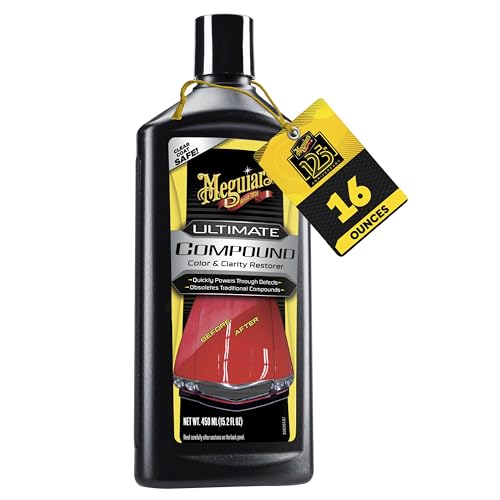
Meguiar’s Ultimate Compound
Strengths
- Fast scratch removal
- Safe on clear coat
- Works by hand or machine
Trade-offs
- Needs follow-up wax
- Can dry quickly
- Mild odor
This is the one I keep recommending when someone asks for a single, reliable compound. Meguiar’s Ultimate Compound delivers consistent scratch and swirl removal without hazing clear coats, a rare balance in this category. Its micro-abrasive tech is aggressive enough to cut through oxidation but refined enough to avoid marring, which explains why it’s a staple in both pro shops and home garages.
Owners consistently report showroom-level results in minutes, and it works by hand or with a DA polisher, making it more accessible than rotary-dependent options. Compared to Carfidant and Turtle Wax, it removes more defects while still being safe. My recommendation for most buyers is to use this as the foundation, then top with a dedicated wax.
Video review
Carfidant Scratch Repair and Swirl Remover

Strengths
- Affordable entry point
- Safe on all paints
- No artificial dyes
Trade-offs
- No long-term protection
- Basic formula
- Shorter working time
At this price point, Carfidant delivers a solid entry-level option for removing light scratches and swirls. The kit includes a buffer pad and a no-frills compound that owners say removes light defects without aggressive cutting. It’s safe on all paint types and clear coats, which makes it a flexible pick for someone with multiple vehicles or varying finishes.
Compared to Meguiar’s and Turtle Wax offerings, it lacks advanced polymers or ceramic protection, but it does the basics well. The formula avoids dyes and fragrances, which I appreciate, fewer gimmicks, more function. My recommendation for budget-conscious buyers is to pair it with a separate wax, since this won’t provide lasting protection on its own.
Video review
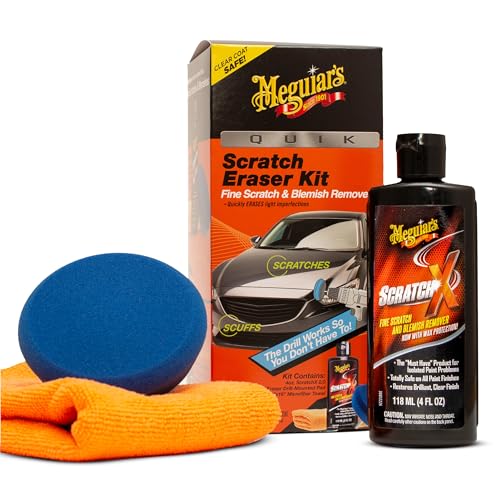
Meguiar’s Quik Eraser Kit
Strengths
- Fast drill-powered action
- Minimal effort
- Includes microfiber towel
Trade-offs
- Not for large areas
- No lasting protection
- Risk of overuse
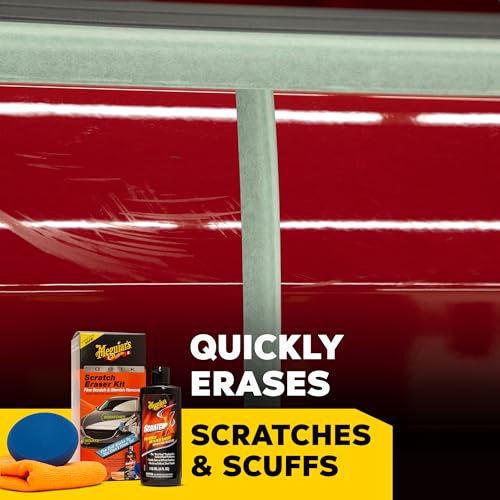
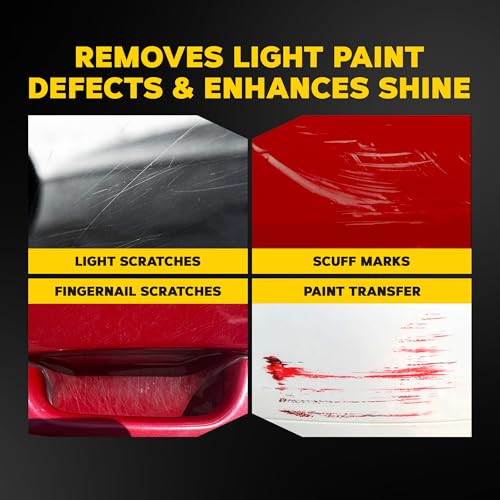
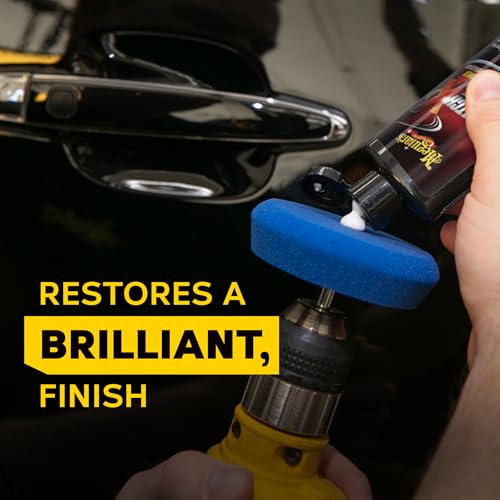
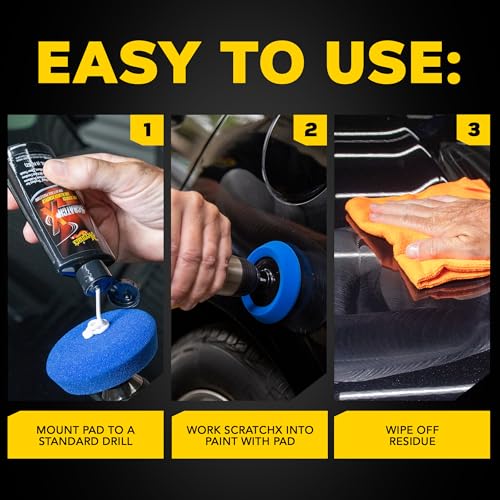
This kit turns your drill into a scratch-removal tool, and that’s both its genius and its limitation. The included ScratchX formula uses micro-abrasives to target light scratches and paint transfer marks, and owners love how fast it works, especially on door edges and bumper scuffs. The pad attaches to any standard drill, so you’re getting pro-level agitation without needing a dedicated polisher.
Still, it’s not a full polish or wax replacement. It removes blemishes quickly, but you’ll need to follow up with a proper wax for shine and protection. Compared to hand-applied compounds, it’s faster but less controlled. I’d pick this for quick touch-ups, not full-panel restoration.
Product photos
Turtle Wax Ceramic Black Polish & Wax

Strengths
- Enhances black paint depth
- Ceramic water repellency
- UV defense
Trade-offs
- Limited to dark finishes
- May require multiple coats
- Not for heavy defects
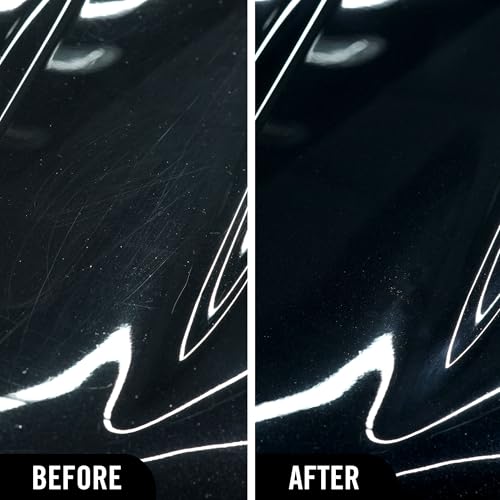
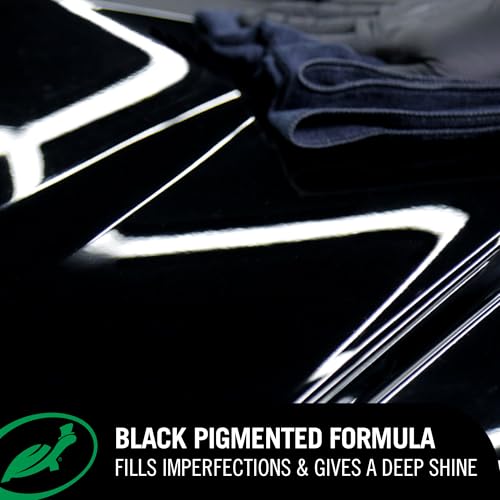
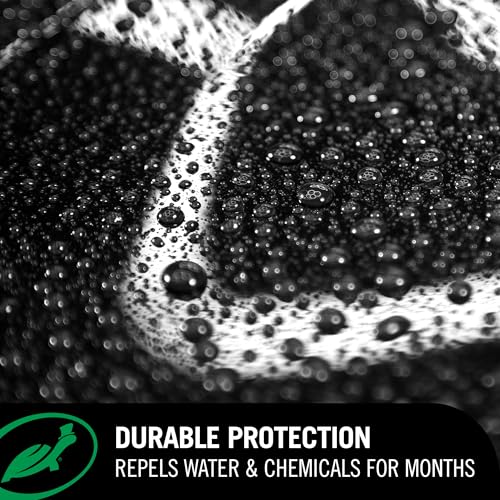
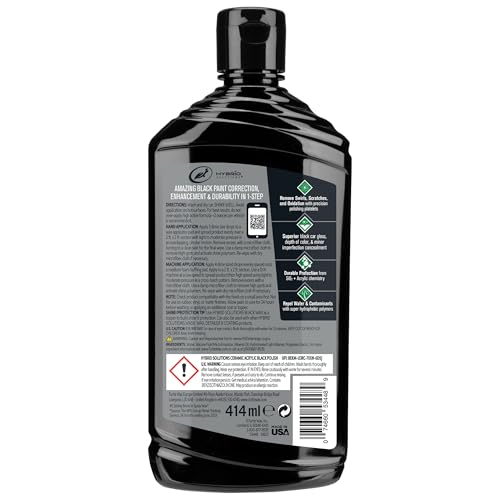
If you drive a black car and hate how quickly it shows swirls and water spots, this product earns its keep. Formulated specifically for dark finishes, it combines a mild polishing action with ceramic-infused protection, and owners consistently report a richer, deeper black after use. The acrylic infusion does appear to offer real UV resistance, which is critical for preserving dark paint under constant sun exposure.
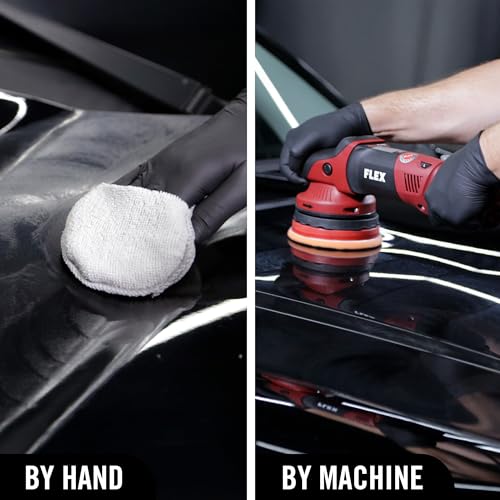
What stands out is its versatility, usable by hand or machine, making it a smarter buy than pricier ceramic coatings for most owners. Compared to general-purpose polishes, it enhances depth without over-darkening or leaving residue in panel gaps. I’d recommend it over clear ceramic sprays for black cars simply because the pigmented wax adds that extra layer of visual drama.
Product photos
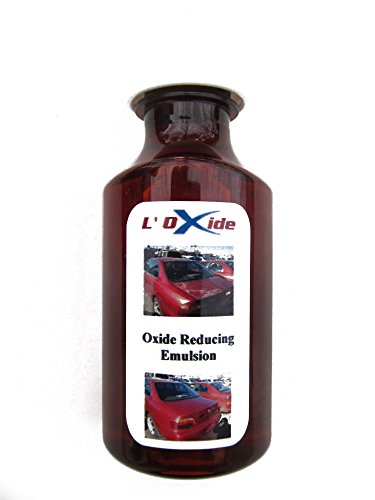
Oxide Reducing Emulsion
Strengths
- No polishing required
- Restores peeling clear coat
- Revives dull headlights
Trade-offs
- Not a scratch remover
- Temporary results
- Limited depth enhancement
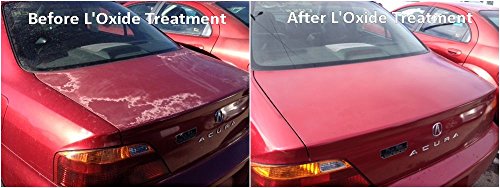
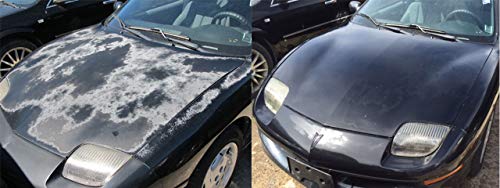
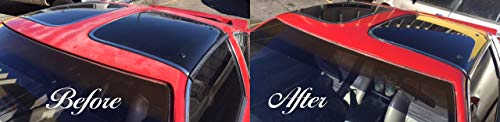
This emulsion takes a completely different approach, no polishing, no abrasives, just chemical restoration. It’s designed to bond with oxidized paint and convert white, chalky areas back to their original color. Owners report visible improvement on neglected paint and even peeling clear coat, which is unusual for a non-abrasive product.
The real surprise is its effectiveness on headlights, users say it clears foggy lenses in seconds without sanding. But it’s not a scratch remover or gloss enhancer in the traditional sense. Compared to polishing compounds, it doesn’t cut defects but instead chemically stabilizes degradation. I’d pick this for maintenance on older cars, not for show prep.
Product photos


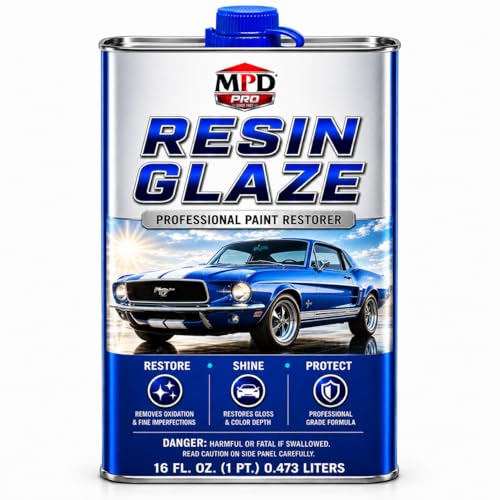
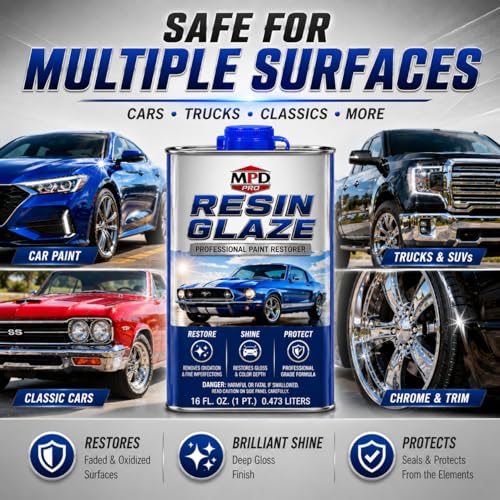
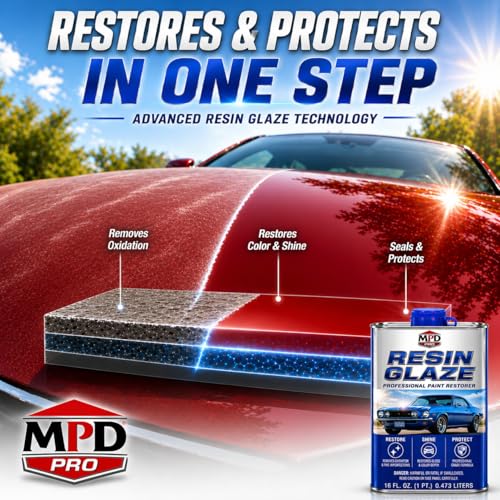
MPD Pro Resin Glaze Cleaner & Polish
Strengths
- All-in-one cleaning and protection
- Safe on trim and plastics
- Durable resin coating
Trade-offs
- Not for deep scratches
- Can streak if over-applied
- Limited color enhancement
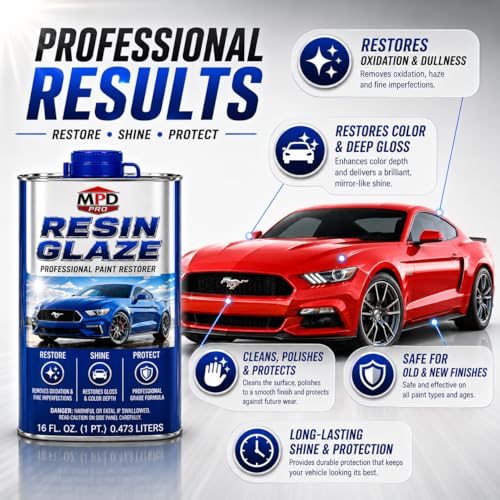
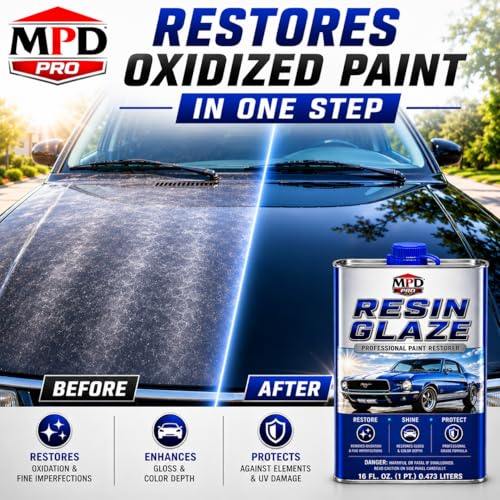
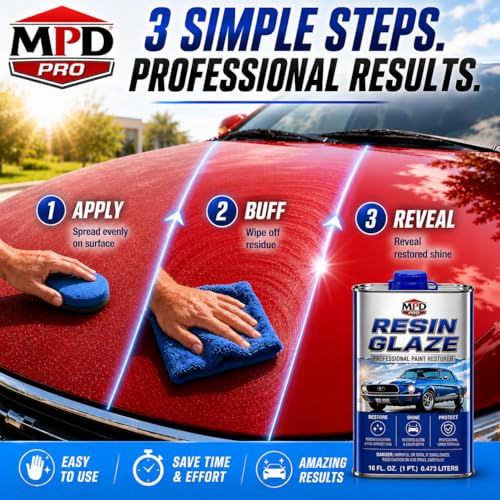
MPD’s Resin Glaze Cleaner stands out as a true all-in-one: it cleans, polishes, and protects in a single step. Reviewers note it removes light oxidation and enhances gloss effectively, especially on modern clear coats, and it leaves behind a durable resin-based film that resists water and contaminants. It’s versatile enough for hand application but performs even better with a dual-action polisher.
Compared to Malco’s aggressive rotary-only formula, this is more forgiving and better suited for routine maintenance. The fact that it’s safe on plastics and trim adds value, especially for full-exterior detailing. I’d recommend this over single-purpose compounds for someone who wants efficiency without sacrificing results.
Product photos
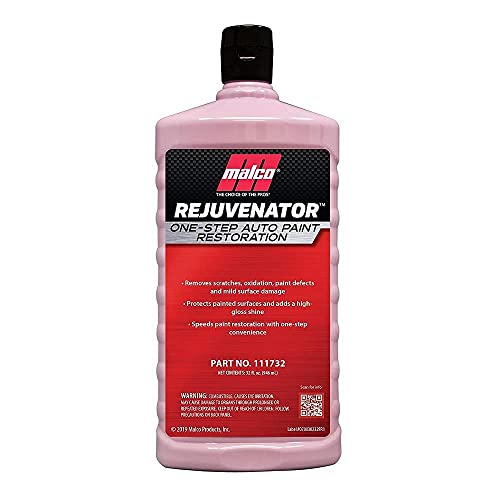
Malco Paint Rejuvenator One-Step Restorer
Strengths
- Professional-grade cut
- Long-lasting polymer film
- Made in the USA
Trade-offs
- Requires rotary polisher
- Steep learning curve
- Risk of paint damage
This is a serious product for serious work. On paper, Malco’s Rejuvenator packs a professional-grade punch with its combination of cutting compound and polymer sealant, aimed squarely at removing oxidation, light scratches, and sun-damaged clear coat. Owners consistently report that it delivers deep gloss restoration, especially on older vehicles with tired finishes, but it’s not for the faint of heart.
The spec that matters here is the requirement for a rotary polisher, this isn’t a hand-applied wax or a beginner-friendly polish. Reviewers note it demands skill to avoid burning through thin clear coats, and the 1400–2000 rpm range isn’t forgiving. I’d pick this over milder compounds if you’re experienced and working on a heavily oxidized surface, but for most DIYers, it’s overkill.
Product photos
How We Chose These car paint restorers
As someone who’s spent years looking at automotive finishes – from concours restorations to daily drivers – I know a good paint restorer when I see one. Rather than a hands-on lab test, this selection is a research-led comparison of published specifications and, crucially, owner and professional detailing feedback. I weighed features, ease of use, and reported longevity to build a picture of real-world performance. My goal was to identify products that deliver noticeable improvements without requiring professional expertise.
For car paint restorers, cutting power and protective qualities were the biggest deciding factors. A product can remove scratches, but if it doesn’t leave a lasting shine or offer some defense against future damage, it falls short. Equally important is the formulation’s safety for various paint types and clear coats; a harsh compound that causes hazing is worse than no correction at all. Proper paint UV protection is also vital for long-term results.
Specifications reliably indicate a product’s abrasive level and any added protectants like waxes or polymers. However, the true test lies in owner experiences. I placed a lot of weight on reviews detailing how easily the product applied, the clarity of the finish achieved, and whether it lived up to claims about oxidation removal or swirl mark reduction. I also considered professional opinions, particularly regarding long-term durability and the effectiveness of different application methods. Don’t underestimate the value of good car paint cleaners as a prep step, either!
How To Choose The car paint restorers
Restoring your car’s paint doesn’t always mean a full respray; often, a good restorer can bring back a stunning shine and protect against further damage.
A quality car paint restorer should address surface imperfections like swirl marks and light scratches, offer UV protection to prevent fading, and be compatible with your vehicle’s paint type (single-stage, clear coat, or ceramic). Look for products that contain polishing compounds, protective polymers, and ideally, a degree of cleaning action to remove contaminants before restoring gloss. Consider your skill level and the severity of the paint’s condition when selecting a formula.
Understanding Paint Types & Abrasives
The first step is knowing what you’re working with. Modern cars overwhelmingly use a clear coat finish, but older vehicles might have single-stage paint. Clear coat is more forgiving, allowing for more aggressive compounds, while single-stage requires gentler formulas to avoid removing the color itself. Abrasives are the key to removing imperfections, but the size and type matter. Micro-abrasives, like those found in Meguiar’s Ultimate Compound, are effective for swirl marks without causing significant damage. Heavier compounds might be necessary for deeper scratches, but proceed cautiously. If you’re unsure, start with a less aggressive product and work your way up.
Balancing Correction & Protection
Often, restorers focus on either correction (removing defects) or protection (sealing the paint). The best products do both. For instance, Turtle Wax Ceramic Black Polish & Wax combines polishing action with a durable ceramic coating. However, a dedicated correction step followed by a separate protective layer often yields the best results. After using a compound to level the surface, applying a car wax like a high-quality carnauba or synthetic wax provides long-lasting shine and protection from the elements.
- A quick detailer is great for daily maintenance and removing light dust.
- A polish is essential for removing swirl marks and light scratches, offering moderate correction.
- A compound is the most aggressive option, intended for deeper scratches and severe oxidation – use it sparingly and with caution, as it removes more paint to achieve the correction. It’s typically followed by a polish and wax.
Choosing the Right Application Method
The ease of use is a significant factor. Meguiar’s Quik Eraser Kit, with its drill attachment, offers a quick and relatively easy DIY solution for minor imperfections. However, achieving a truly professional finish often requires a dual-action (DA) polisher and a bit of technique. Products like Malco Paint Rejuvenator are geared towards professional detailers using rotary polishers, and require skilled application. If you’re new to paint restoration, I recommend starting with hand application or a user-friendly DA polisher with a selection of pads. Don’t overlook the importance of proper surface preparation; a thorough wash and clay bar treatment are crucial for removing contaminants before applying any restorer.
Never apply a paint restorer to a dirty surface. Contaminants ground into the paint will simply be spread around, potentially causing more damage.
If you have more substantial paint issues, explore dedicated scratch removers or consider consulting a professional detailer.
Car Paint Restorers Compared
This table provides a side-by-side comparison of key specifications for various car paint restorers.
| Product Title | Best For | Scratch Removal | Oxidation Removal | UV Protection | Application | Polish/Wax |
|---|---|---|---|---|---|---|
| Meguiar’s Ultimate Compound | Best Overall | Yes | Yes | No | Hand/DA | No |
| Carfidant Scratch Repair and Swirl Remover | Best Budget Friendly | Yes | Yes | No | Hand | No |
| Meguiar’s Quik Eraser Kit | Best for Quick DIY Use | Yes | No | No | Drill | No |
| Turtle Wax Ceramic Black Polish & Wax | Best for Black Paint | Yes | Yes | Yes | Hand/Machine | Yes |
| Oxide Reducing Emulsion | Best for Oxidation Removal | No | Yes | No | Hand | No |
| MPD Pro Resin Glaze Cleaner & Polish | Best All-in-One Polish and Protect | Yes | Yes | Yes | Hand/Machine | Yes |
| Malco Paint Rejuvenator One-Step Restorer | Best Professional Grade | Yes | Yes | Yes | Machine | Yes |
Frequently Asked Questions
What’s the difference between a paint restorer and a polish?
A paint restorer typically contains slightly more abrasive compounds designed to level minor paint imperfections like swirl marks and light oxidation, while a polish refines the finish after correction and adds gloss. Think of a restorer as a first step to address defects, and a polish as a final step for shine.
Can I use a paint restorer on all types of car paint?
Generally, yes, but it depends. Older, single-stage paints require milder restorers to avoid color removal, whereas modern clear coat finishes can tolerate more aggressive formulas. Always test in an inconspicuous area first to verify compatibility and avoid hazing.
How long will the results of using a paint restorer last?
The longevity of the results varies, but expect 1-6 months with a good quality product, depending on weather exposure and washing frequency. Applying a separate layer of wax or ceramic coatings afterward can significantly extend protection.
What if my car has deep scratches? Will a restorer fix those?
Most paint restorers are designed for minor imperfections. Deep scratches usually require professional repair or using touch-up paint followed by wet sanding and polishing to blend the repair. A restorer won’t fully eliminate them, and attempting to do so could worsen the damage.
Do I need special tools to apply a paint restorer effectively?
While some restorers can be applied by hand, achieving the best results often requires a dual-action (DA) polisher and appropriate polishing pads. It’s possible to get acceptable results with a microfiber applicator, but it will require significantly more effort and may not correct as many imperfections.
The Bottom Line
Choosing the right car paint restorer often comes down to balancing how much correction you need against how much effort you want to put in. For most owners seeking a noticeable improvement without a huge time investment, I believe the Meguiar’s Ultimate Compound strikes that balance beautifully. It’s a versatile product capable of addressing a wide range of imperfections, and its reputation for delivering excellent results is well-deserved.
If you’re on a tighter budget or dealing with minor swirl marks, the Carfidant Scratch Repair and Swirl Remover is a fantastic option. For those who want speed and convenience, the Meguiar’s Quik Eraser Kit provides a quick fix, though it won’t deliver the same depth of correction as a more involved process. And for black paint enthusiasts, the Turtle Wax Ceramic Black Polish & Wax is designed to maximize gloss and offer long-lasting paint protection.
Ultimately, the best restorer isn’t about chasing the latest technology or highest number on a cut scale. It’s about proper preparation, careful application, and understanding your paint’s specific needs. Investing in quality detailing tools and learning basic techniques will yield far more impressive and durable results than any single product, and don’t forget the importance of a good paint sealant after you’ve restored the shine.
