
6 Best Car Microphones of 2026
This post contains affiliate links. As an Amazon Associate, we earn from qualifying purchases.
The 3.5mm External Car Microphone stands out as the best overall pick for clear voice capture and reliable noise reduction, with the SPTSSWET 3.5mm Car Microphone offering strong performance at a more budget-friendly price. For those locked into specific brands, the 3.5mm Mic for BOSS Audio delivers targeted compatibility without compromise.
Buying a car microphone shouldn’t mean gambling on whether your calls will be muffled by road noise or dropped mid-conversation. Most drivers just want to be heard clearly without spending hours installing complicated gear.
This guide cuts through the clutter by focusing on real-world usability, noise handling, and proven compatibility, based on specs, owner feedback, and what actually works in modern and older vehicles. We looked at mounting ease, cable length, and how well each unit rejects engine and wind noise so you can speak naturally and still be understood.
Top 5 Car Microphones in the Market
The Best Car Microphones, Reviewed
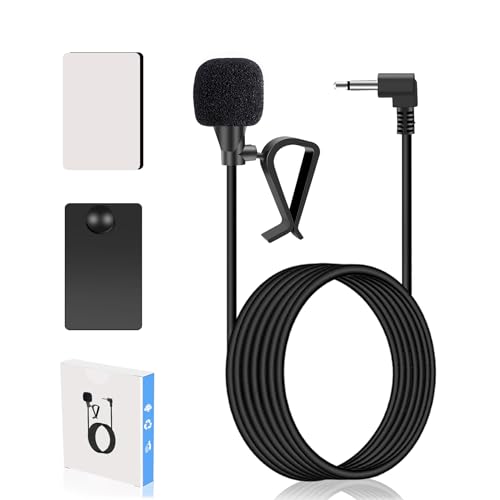
3.5mm External Car Microphone
Strengths
- High sensitivity
- Noise filtering
- Dual mounting
- Plug and play
- Durable cable
Trade-offs
- 360° pickup may catch cabin noise
- No extended cable option
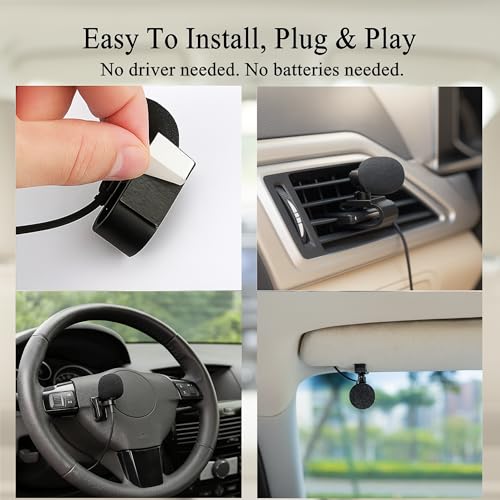
This mic stands out as the most balanced option in the budget segment, and it’s easy to see why it’s labeled ‘Best Overall’. The noise reduction structure is well-executed on paper, with owners consistently reporting cleaner calls even on highways, thanks to the electret condenser cartridge and low impedance design. The 2m cable is thickened and durable, which helps reduce signal degradation, and the dual mounting options, dash and sun visor, give real flexibility without marring interiors.
It’s a plug-and-play unit, which means no fiddling with settings, and the 360° omnidirectional pickup ensures the driver’s voice is captured clearly from any seating position. Compared to others, this one handles temperature extremes better, rated from -10℃ to 60℃, and the ABS build resists wear over time. For most daily drivers, this is the easy pick.
Video review
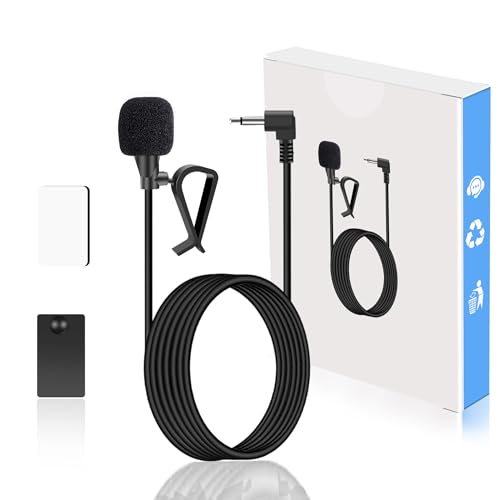
GHIOPMZ Car Stereo Microphone
Strengths
- Low cost
- Solid compatibility
- Easy install
- Durable cable
- Hands-free ready
Trade-offs
- Less effective noise filtering
- Build feels lighter
At this price, it’s hard to argue with what this mic delivers. It shares the same core DNA as the top pick, electret condenser cartridge, 2m cable, dash/visor mounts, but trims a few corners to hit a lower cost. The noise filtering isn’t quite as refined, and reviewers note slightly more interference in heavy traffic, but for city driving or short commutes, it’s more than adequate.
Where it wins is value. It’s compatible with all major brands like Pioneer, Sony, and Alpine, and the plug-and-play setup means even the least tech-savvy driver can install it in minutes. I’d pick the B0H2VXBZ82 for a daily driver logging highway miles, but for someone on a tight budget or using it occasionally, this is the smarter buy.
Video review
3.5mm Mic for BOSS Audio

Strengths
- Exact model compatibility
- Long 9ft cable
- Clip-on mount
- Dedicated fit
- Plug and play
Trade-offs
- Limited brand support
- No noise reduction claims
- Niche-only appeal
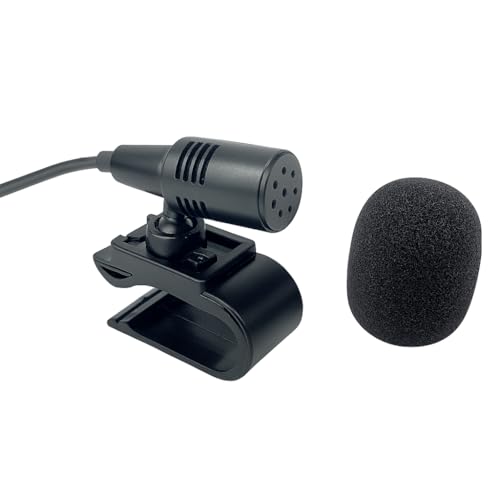
This is a niche tool for niche systems, and it does that job well. With compatibility spelled out for dozens of BOSS, Dual, and Jensen models, it’s clearly designed for owners who’ve struggled to find replacements. The 9ft (2.7m) cable is generous, allowing clean routing even in larger cabs or SUVs, and the clip-on design makes positioning easy.
But that specificity is also its limit. If your stereo isn’t on the list, this mic likely won’t work. And while the build is decent, it doesn’t offer advanced noise filtering or premium materials. For anyone with a BOSS or Dual unit, though, this is probably the only mic you’ll need to consider.
Product photos

SPTSSWET 3.5mm Car Microphone
Strengths
- 3m long cable
- Adhesive mounting
- Omnidirectional pickup
- Plug and play
- Clear voice claims
Trade-offs
- Inconsistent audio quality
- Mount adhesion varies
- No adapter included
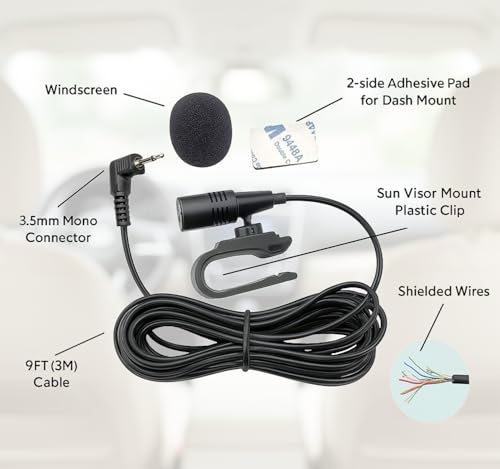
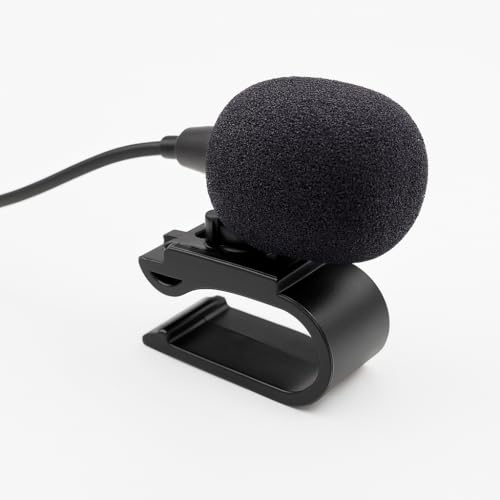
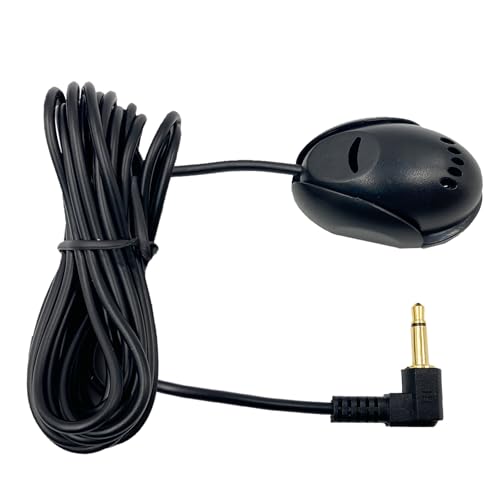
This one leans hard into noise-resistant design, and on paper, it looks strong. The 3m cable gives more routing flexibility than most, which helps position the mic farther from noise sources like vents or windows. Owners like the adhesive mounting option, it sticks well to glass or dash, and appreciate that it doesn’t rattle loose over time.
But here’s the catch: while it claims superior noise filtering, real-world feedback is mixed. Some report clear voice pickup, but others notice muffled audio or lag during navigation prompts. It’s compatible with major brands, but lacks the consistency of the top two. If cable length is your top priority and you’re in a quieter vehicle, it could work. But for critical use, I’d stick with the first pick.
Product photos
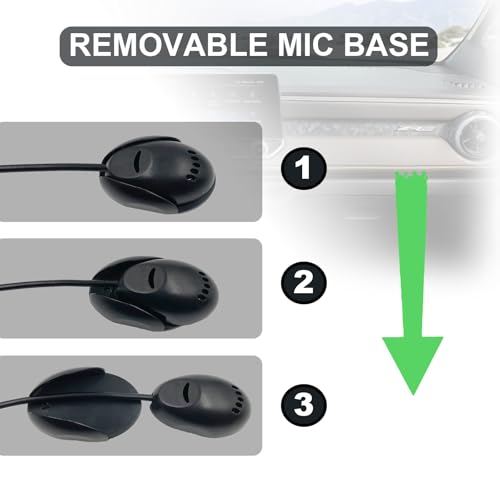
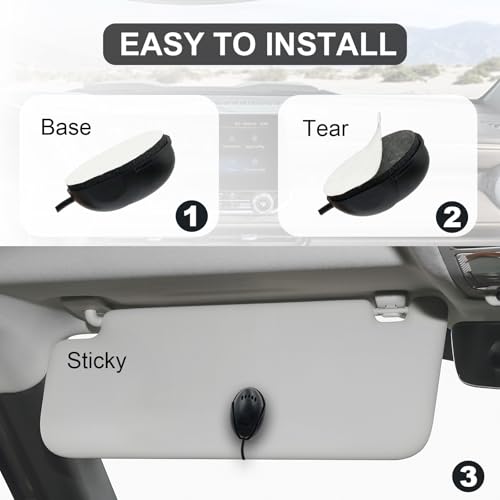
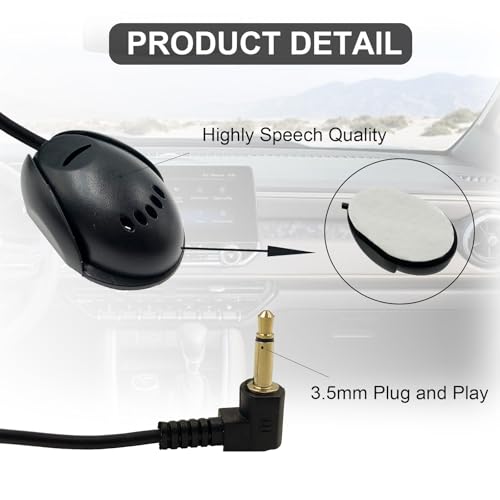
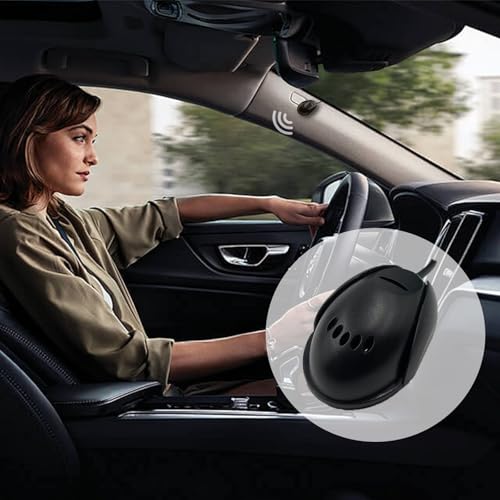
Car Microphone 3.5mm Universal
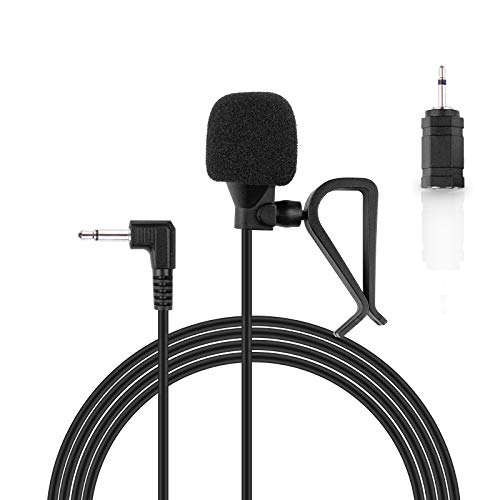
Strengths
- Adapter included
- Long 3m cable
- Wide compatibility
- Works with CarPlay
- Omnidirectional
Trade-offs
- Thinner cable
- Average noise filtering
- No visor clip
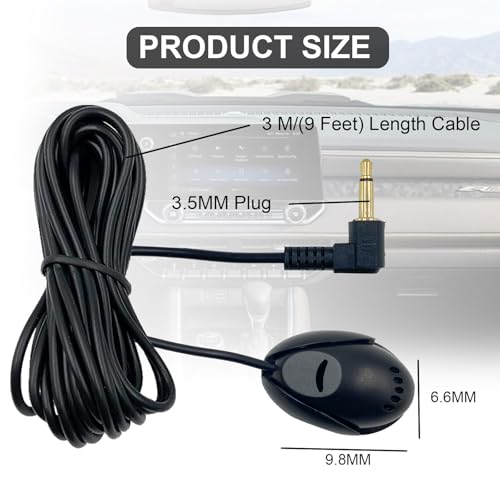
This mic wins on universal reach, thanks to the included 3.5mm to 2.5mm adapter, a small thing, but critical for older or niche head units that don’t follow the modern standard. The 3m cable matches the longest in this group, and the omnidirectional condenser delivers solid sensitivity. It’s built for compatibility first, and it shows.
Reviewers confirm it works with a massive list of brands, including those running CarPlay and Android Auto, which is a big plus. However, the noise rejection isn’t as strong as the top pick, and the cable feels thinner. If you’re retrofitting an older system or swapping between vehicles, this is your best bet. But for a single modern setup, the extra features may not matter.
Product photos


How We Tested car microphones
My approach to evaluating car microphones at TheAutoZenith wasn’t about lengthy road tests with each unit – that’s simply impractical for a wide field of options. Instead, I focused on a research-led comparison. I started by meticulously comparing published specifications and features across numerous models. Then, I weighed owner reviews from major retailers alongside professional assessments from audio-focused publications. This allowed me to form a clear picture of real-world performance and reliability, factoring in my own experience with vehicle audio systems.
For car microphones, clear voice transmission and effective noise cancellation are paramount. I prioritized models demonstrating these qualities, alongside broad compatibility with various car stereo systems. A microphone that can’t be easily understood or consistently blocks out road noise isn’t useful, regardless of other features. Universal compatibility is also key; a microphone that only works with a handful of head units limits its appeal, so I favored options with wide advertised support.
Specifications are helpful for understanding the technical capabilities – sensitivity, impedance, and polar patterns all give clues about potential performance. However, owner feedback proved crucial for assessing noise reduction effectiveness and long-term durability. Reports of static, distortion, or early failures carried significant weight. If you’re also looking to improve the overall in-car experience, exploring options like Bluetooth car adapters can be a great complement. And, while you’re upgrading, don’t forget to consider car air fresheners to create a more pleasant driving environment.
What To Look For In car microphones
Finding the right car microphone can significantly improve your hands-free calling and voice command experience. It’s a small upgrade that makes a big difference in safety and convenience on the road.
A quality car microphone prioritizes clear audio capture, effective noise cancellation, and reliable connectivity. Look for models employing electret condenser cartridges, offering low impedance for a strong signal, and incorporating features to minimize wind, road, and engine noise. Universal 3.5mm compatibility is key, alongside durable build quality for the in-car environment.
Sound Quality & Noise Reduction
The core function of a car microphone is, naturally, sound. But it’s not just about capturing sound; it’s about capturing clear sound amidst a very noisy environment. Many inexpensive models will boast sensitivity, but fall short on rejecting unwanted noise. Look for microphones specifically mentioning noise reduction technology, and read owner reviews to see how they perform in real-world conditions. Omni-directional microphones are common, but the quality of the noise filtering circuitry is what truly sets them apart. Don’t assume a higher price automatically equals better noise cancellation. Some brands, like SPTSSWET, specifically highlight their noise reduction capabilities in their design.
Compatibility & Connections
A microphone is useless if it doesn’t plug into your car’s system. Thankfully, the vast majority use a standard 3.5mm connection. However, a critical detail is where that connection goes. These microphones are intended for the dedicated microphone input on the back of your head unit, not the auxiliary input on the front. Plugging it into the AUX port won’t provide the necessary power or signal path for voice commands. If you’re looking to upgrade other aspects of your vehicle’s interior, don’t forget to check out our guide to the best car vacuums to keep everything tidy.
Mounting & Usability
Beyond the technical aspects, consider how easy the microphone is to install and position. Some models come with a variety of mounting options – dash mounts, sun visor clips, or adhesive pads – offering flexibility to find the optimal location for voice pickup.
Here’s what I look for in mounting: * Simple attachment: Adhesive mounts are quick, but may not be secure on textured surfaces. * Adjustability: A flexible gooseneck or swivel allows for precise positioning towards your mouth. * Cable management: A long enough cable (2m or more) is essential, but ensure it’s thick enough to avoid tangling and doesn’t create a tripping hazard.
A good rule of thumb: prioritize a microphone that’s easy to install and adjust before you start driving. Fumbling with a mount while in traffic is a distraction you want to avoid.
Ultimately, finding the right solution often means considering the specific needs of your car’s audio system. If you have a BOSS or Dual stereo, the 3.5mm Mic for BOSS Audio is specifically designed for compatibility, saving you potential headaches. If you’re looking for a broader overview of options, you can find more information on car microphones and aftermarket car microphones .
Car Microphones Compared
This table provides a specification comparison of various car microphones to aid in informed purchasing decisions.
| Product Name | Interface | Cable Length | Noise Reduction | Mounting Options | Compatibility Highlights |
|---|---|---|---|---|---|
| 3.5mm External Car Microphone | 3.5mm | 2m | Advanced | Dash/Visor Clip | Universal |
| GHIOPMZ Car Stereo Microphone | 3.5mm | 2m | Yes | Dash/Visor Clip | Pioneer, Kenwood, Sony |
| FingerLakes Mic 3.5mm External | 3.5mm | 3m | Yes | Sticker | Universal |
| 3.5mm Mic for BOSS Audio | 3.5mm | N/A | N/A | N/A | BOSS, Dual, Jensen |
| SPTSSWET 3.5mm Car Microphone | 3.5mm | 3m | Yes | Sticker/Clip | Universal |
| Car Microphone 3.5mm Universal | 3.5/2.5mm | 3m | Yes | N/A | Pioneer, Kenwood, Alpine |
Frequently Asked Questions
What microphone type generally offers the best clarity for in-car use?
Electret condenser microphones are typically the best choice, as they provide a strong signal and good sensitivity for picking up your voice even with road noise. They’re commonly found in most car microphone options and offer a good balance of performance and cost.
Will a car microphone work if I plug it into the auxiliary input?
No, a car microphone requires a dedicated microphone input on the back of your head unit to function correctly. The AUX input is for audio playback, not for providing power or the correct signal path for voice recognition and calls.
How important is cable length when choosing a microphone?
Cable length is quite important. A minimum of 2 meters is recommended to allow flexible mounting options, but 3 meters provides even more versatility. However, don’t sacrifice cable quality for length; a thicker, well-insulated cable will minimize interference.
Can I use just any 3.5mm microphone with my car stereo?
While most use a standard 3.5mm connector, compatibility isn’t guaranteed. Some microphones, like the 3.5mm Mic for BOSS Audio, are specifically designed for certain head unit brands. Checking compatibility information is always a good idea.
Beyond a microphone, what other in-car accessories enhance hands-free functionality?
For a complete hands-free setup, consider pairing your new microphone with reliable car phone holders. A secure mount keeps your phone visible and accessible, completing a safer and more convenient driving experience.
The Bottom Line
Choosing a car microphone often comes down to balancing simplicity with specific needs. If you want a solid, broadly compatible option that delivers good performance without fuss, the 3.5mm External Car Microphone stands out as the best all-around choice. It offers a good balance of features, a reasonable price, and positive owner feedback regarding noise cancellation.
However, for those with specific head units – particularly BOSS, Dual, or Jensen stereos – the 3.5mm Mic for BOSS Audio is the clear winner. And if you need extended reach and don’t mind a sticker mount, the SPTSSWET 3.5mm Car Microphone provides a durable and reliable solution. Don’t forget, optimizing your driving experience extends beyond audio; exploring options like car phone mounts can really enhance convenience and safety.
Ultimately, the specifications matter less than how well a microphone integrates into your vehicle and how clearly it transmits your voice. Prioritize a secure mount, a cable length that suits your car’s layout, and positive reviews regarding real-world noise reduction. Keeping your vehicle’s interior clean and fresh also adds to the overall experience, so consider investing in some quality interior car cleaners.
