
8 Best Car Injector Cleaners of 2026
This post contains affiliate links. As an Amazon Associate, we earn from qualifying purchases.
The best car injector cleaner overall is Red Line SI-1 Complete Fuel System Cleaner, thanks to its potent PEA detergent and full-system cleaning power. For a budget-friendly option, Gumout Multi-System Tune-Up delivers solid performance across fuel types. If you’re running a modern direct-injection engine, STP’s dedicated formula stands out for tackling tough deposits.
Most drivers don’t realize how quickly carbon buildup can sap engine performance, leading to rough idling, poor fuel economy, and even misfires. Choosing the right cleaner isn’t just about dumping a bottle in your tank; it’s about matching the chemistry to your engine’s design and fuel system needs.
This guide cuts through the noise by ranking cleaners based on real-world feedback, chemical composition, and versatility. I looked at detergent strength, compatibility with gasoline, diesel, and ethanol blends, and whether each product offers added protection against corrosion or fuel degradation, all informed by owner reports and my years working with fuel systems.
Top 8 Car Injector Cleaners in the Market
The Best Car Injector Cleaners, Reviewed
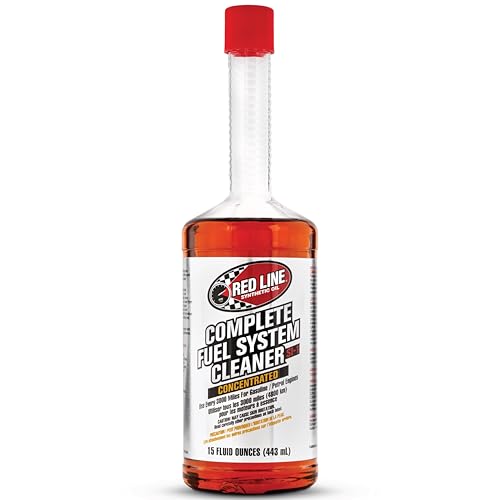
Red Line SI-1 Complete Fuel System Cleaner
Strengths
- Powerful detergent blend
- Safe for emissions systems
- Noticeable performance gains
Trade-offs
- Higher price point
- Overkill for very new engines
If I had to pick one additive to recommend across a wide range of engines, it’d be Red Line’s SI-1. The formula stands out because it combines both high-temp and low-temp detergents, which means it attacks deposits in multiple zones, injectors, intake valves, combustion chambers. Owners note smoother idle and better throttle response after just one tank, and that tracks with its concentrated PEA content.
Unlike cheaper additives that only address surface grime, this one breaks down stubborn varnish and gum. It’s also safe for oxygen sensors and catalytic converters, which matters if you care about long-term engine health. While pricier than some, it delivers near-complete cleaning efficiency in a single dose, making it the smarter buy over time.
Video review
Gumout Multi-System Tune-Up Fuel Cleaner

Strengths
- Multi-application use
- Fuel stabilizing properties
- Works on small engines
Trade-offs
- Less effective on heavy deposits
- Induction cleaning requires extra steps
Gumout’s Multi-System Tune-Up does more than most $7 additives have any right to. It’s formulated to clean not just injectors but also stabilize fuel, condition the crankcase when used via induction, and even help protect the catalytic converter. The PEA-based formula works across gas, diesel, and ethanol blends, which is rare at this price.
Reviewers using it in older trucks and small engines, like lawn mowers, report easier starts and cleaner combustion. It’s not aggressive enough for heavily fouled systems, but as a routine tune-up product, it delivers solid value. I’d keep a bottle on hand for seasonal maintenance.
Video review
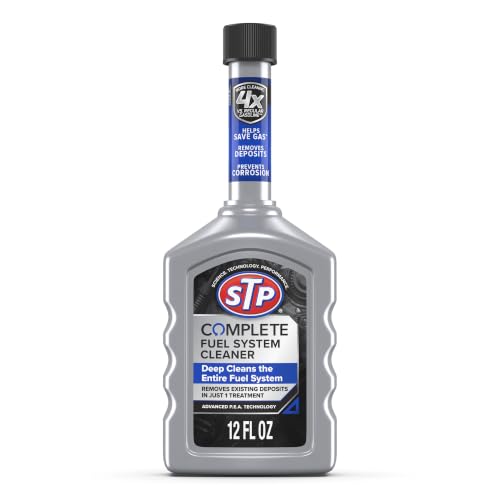
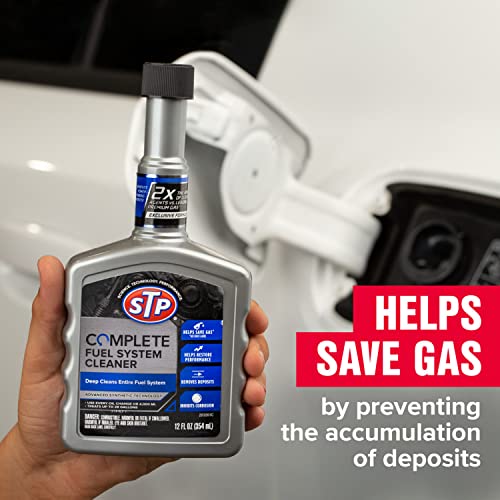
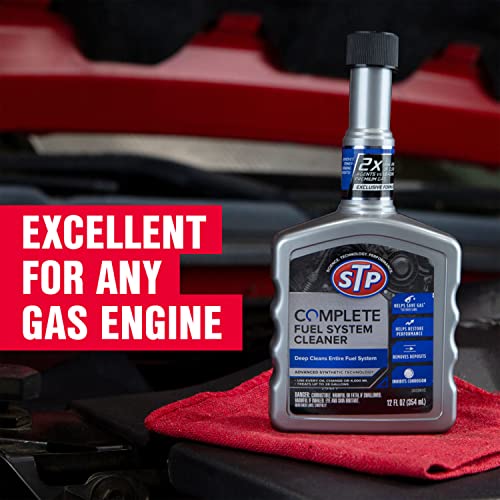
STP Direct Injection Fuel Injector Cleaner
Strengths
- Optimized for GDI
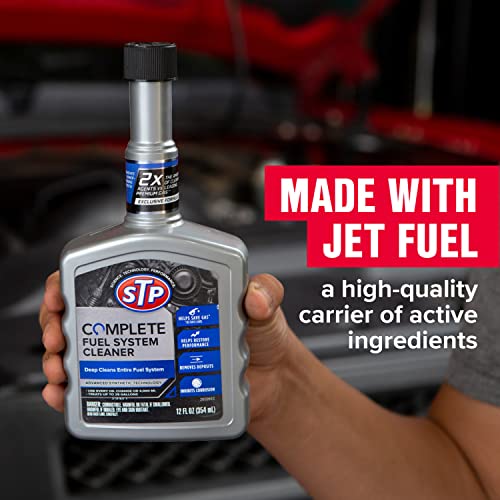
- Jet fuel carrier
- Safe for hybrids
Trade-offs
- Mild on severe clogs
- Requires repeated use
STP’s formula is specifically engineered for direct injection engines, where carbon buildup on the back of intake valves is a known weak spot. It uses jet fuel as a carrier, which helps distribute active ingredients more evenly, and packs in PEA and PIBA detergents to dissolve hardened deposits. That’s critical because traditional additives often fail in GDI systems due to lack of fuel contact with intake valves.
Reviewers using it every 4,000 miles report fewer rough-idle issues and cleaner combustion chambers over time. It’s not the strongest cleaner on a single pass, but its consistency and broad compatibility, including turbos and hybrids, make it a smart maintenance choice. I’d run this regularly rather than wait for symptoms.
Product photos


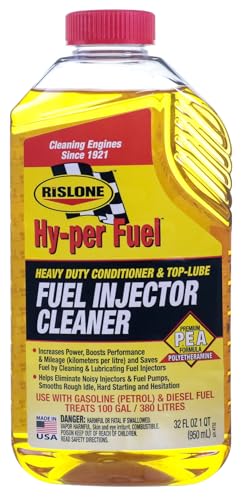
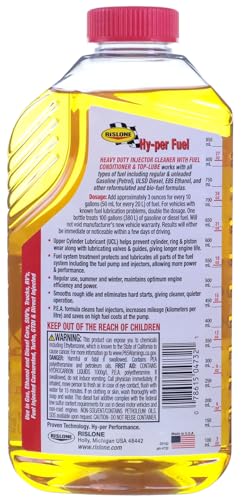
Rislone Fuel Injector Cleaner with Lubricant
Strengths
- Adds cylinder lubrication
- Large treatment volume
- Ethanol-compatible
Trade-offs
- Overkill for new engines
- Thick formula may strain filters
Rislone leans hard into its role as a fixer for aging engines. The 32 oz size means it treats larger fuel tanks, and the inclusion of upper cylinder lubricant sets it apart, most cleaners don’t address internal wear. This is key for older engines where fuel pump noise or sticky lifters are early signs of decline.
Owners of high-mileage trucks and classic cars frequently mention improved idle smoothness and quieter operation after use. It handles ethanol blends and E85, which many older formulations don’t, making it a go-to for vintage builds running modern fuel. While it won’t restore a dead injector, it prolongs life in ones that are struggling.
Product photos
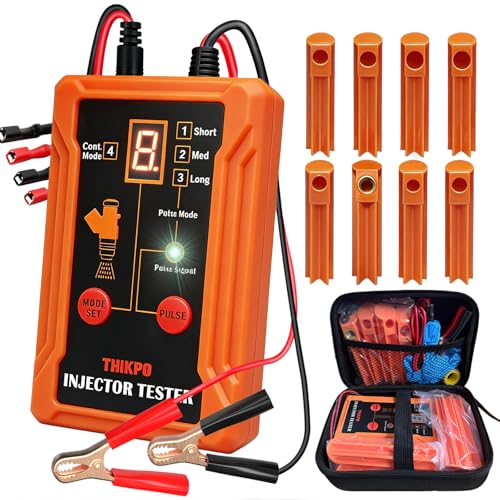
THIKPO Universal Fuel Injector Tester Kit
Strengths
- Advanced pulse options
- Dual-channel testing
- Includes specialized adapters
Trade-offs
- Steeper learning curve
- Requires external cleaner
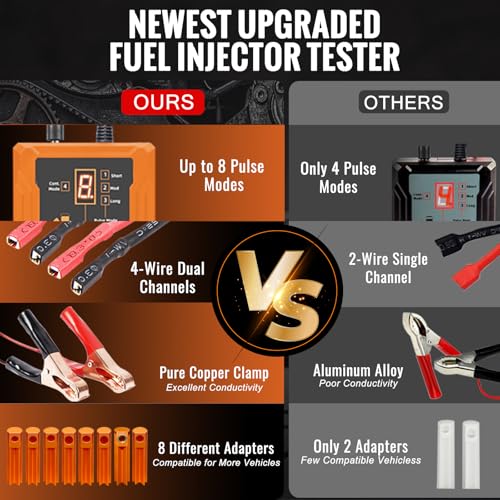
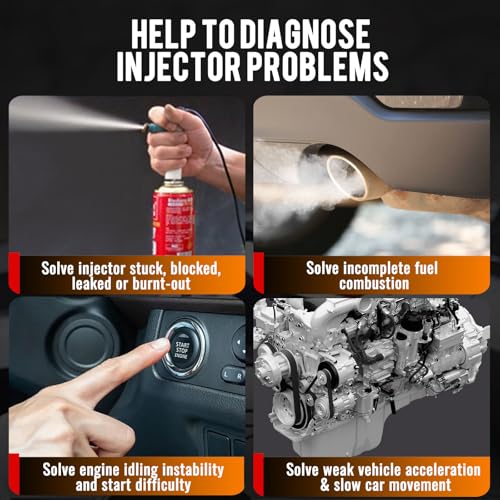
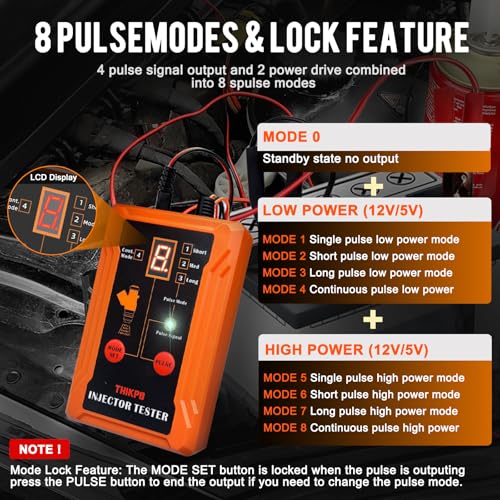
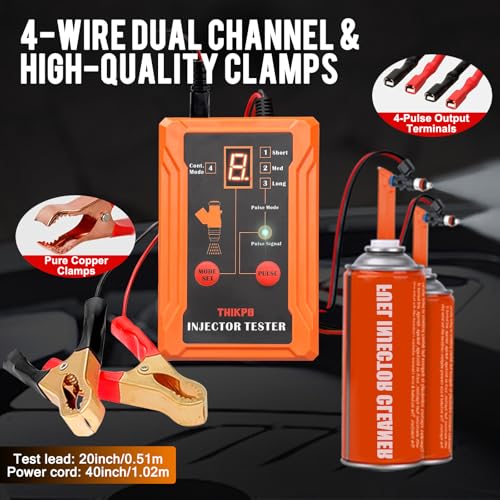
This isn’t just a cleaner, it’s a diagnostic workhorse. With 8 pulse modes and dual-channel output, you can test two injectors at once and simulate everything from short bursts to continuous flow. The LCD display makes mode selection intuitive, and the 12V/5V switching ensures you won’t fry sensitive GDI units by accident.
Owners appreciate the BMW-specific adapters and the fact that it doubles as a solenoid or relay tester with minor tweaks. The reverse polarity and short-circuit protection add peace of mind. Compared to simpler kits, this one offers real insight into injector health, not just cleaning action.
Product photos
Fuel Injector Cleaning Machine with Adapters

Strengths
- High capacity tank
- Adjustable pressure
- Wide vehicle compatibility
Trade-offs
- No included cleaner
- Bulky for casual users
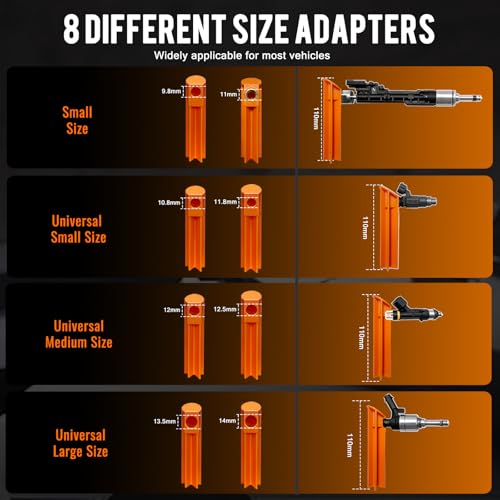
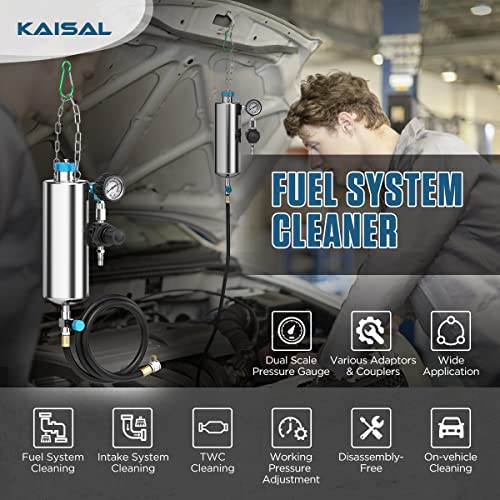
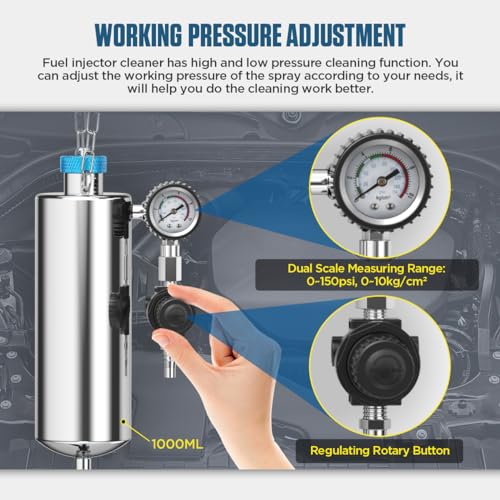
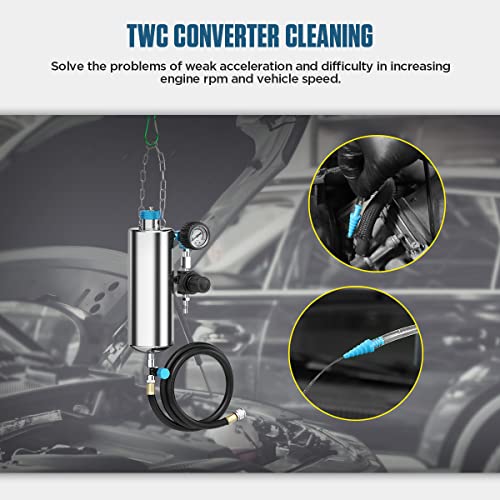
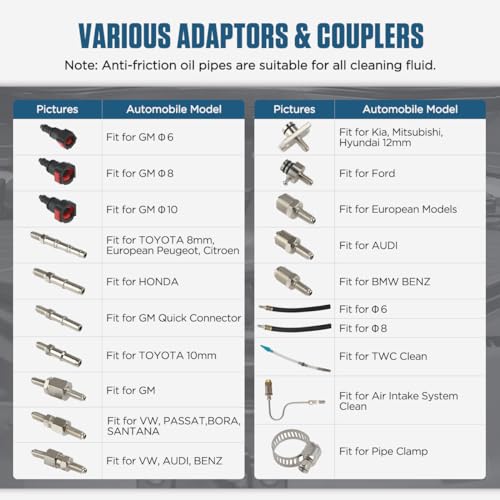
This is the closest thing to a shop-grade cleaning rig you’ll find under $50. With a 1000ml reservoir and adjustable pressure up to 150 PSI, it lets you simulate real fuel system conditions without disassembling anything. The dual-scale pressure gauge is a thoughtful touch, useful whether you’re used to psi or kg/cm², and the universal adapters fit most domestic and import brands from Ford to Hyundai.
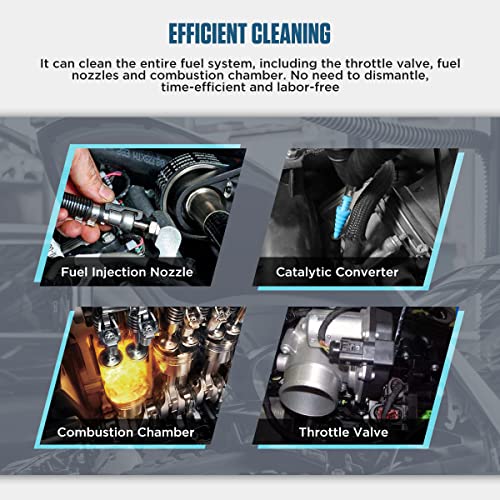
Owners praise how it cleans not just injectors but the entire intake path, including the throttle body and catalytic converter. It doesn’t include cleaning fluid, which is fair, but you’ll need to supply your own. Given the 3-year service promise and responsive support, it’s a solid investment if you maintain multiple vehicles.
Product photos
Universal Fuel Injector Flush Cleaner Adapter

Strengths
- Long power leads
- Durable wire insulation
- Good adapter coverage
Trade-offs
- No pulse control modes
- Not for direct injection
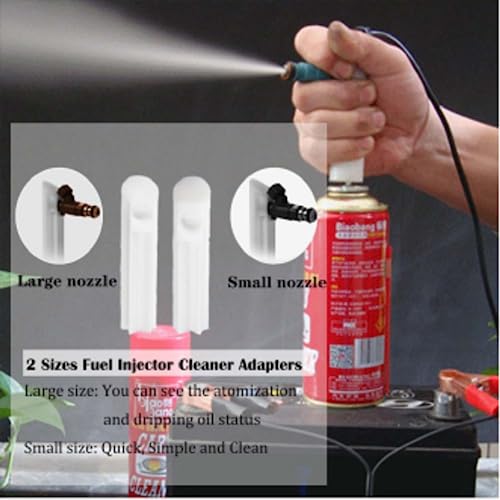
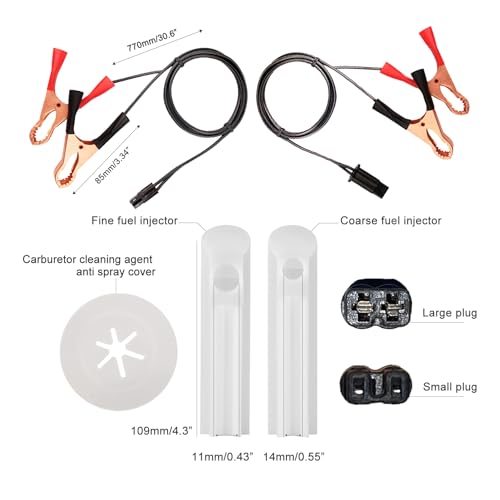
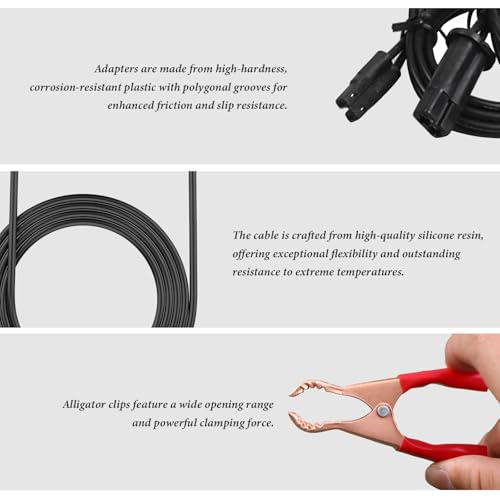
For the money, this kit punches above its weight. At nearly double the wire length of budget models, 80cm, you gain real flexibility when positioning your cleaner can or battery source. The two nozzle sizes (11mm and 14mm) cover a broad range of Bosch, Denso, and Delphi units, and reviewers confirm solid compatibility with most port-injected engines.
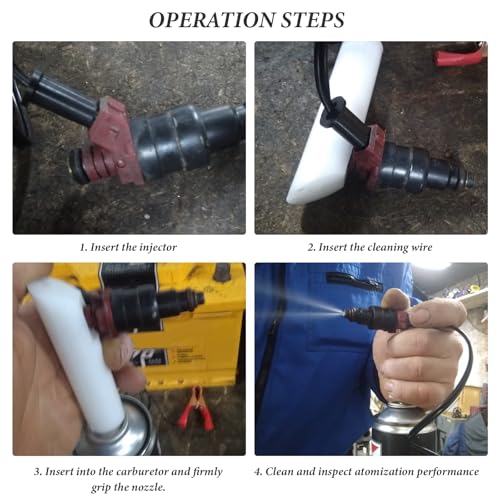
It lacks digital controls or diagnostics, but that’s not the point. This is a reliable, no-nonsense flushing tool. The silicone-insulated wires and strong crocodile clips inspire confidence, and the intermittent power method (tap the negative to pulse) mimics real injection cycles well enough for effective cleaning.
Product photos


VCYOPN Car Fuel Injector Cleaning Tool
Strengths
- Affordable
- Simple setup
- Works with common cleaners
Trade-offs
- Basic materials
- No diagnostic features
- Limited adapter sizes
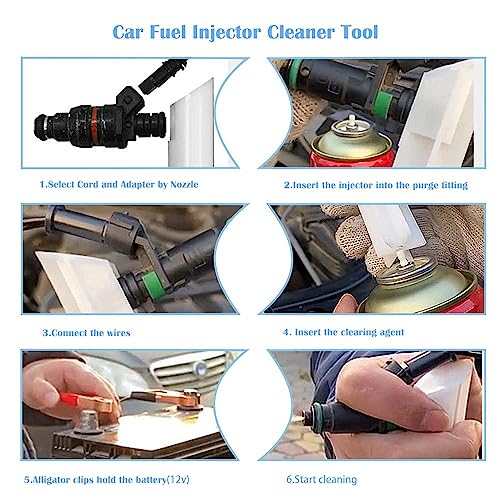
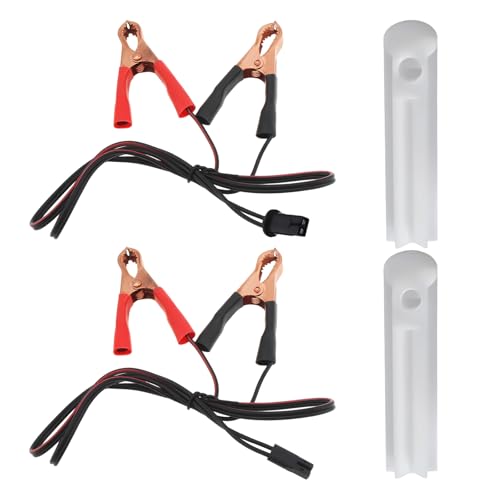
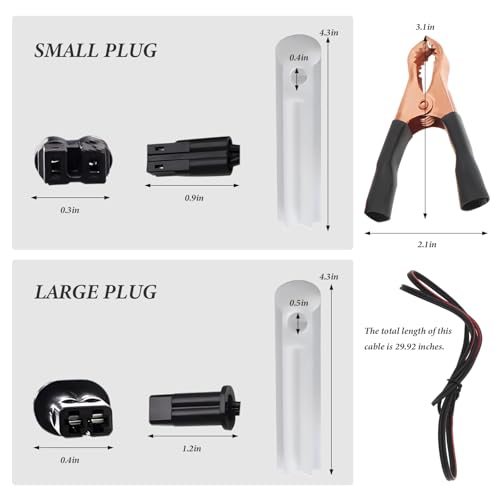
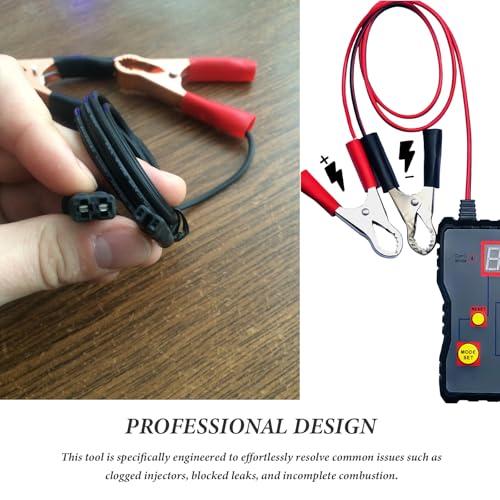
This kit is barebones but functional for someone doing a quick DIY injector flush. It gives you just enough, two adapters and a basic power lead setup, to get started without opening the wallet wide. On paper, it’s built for 12V to 24V systems, and owners consistently report it working fine with common carb cleaners when paired with alligator clips to the battery.
The plastic housing feels light, and while it won’t last decades, it holds up for occasional use. If you’re already comfortable under the hood and just need a no-frills way to pulse injectors during cleaning, this gets the job done. But don’t expect precision or diagnostics, it’s strictly mechanical.
Product photos

Our Testing Process
Rather than a hands-on lab test, my research for TheAutoZenith focused on a detailed comparison of published specifications and features across numerous car injector cleaners. I weighed owner reviews from major automotive retailers against professional assessments found in enthusiast forums and dedicated automotive publications. My approach combined this data with my years of experience understanding engine mechanics and fuel system needs to build a ranking based on real-world applicability and reported results.
For this category, cleaning effectiveness and long-term preventative qualities were paramount. A cleaner’s ability to address both existing deposits and prevent future build-up heavily influenced my rankings. Equally important was formulation versatility – could the cleaner handle different fuel types (including ethanol blends) and engine types, including those with direct injection? Ultimately, a product’s value proposition – performance relative to cost – was a key deciding factor. You can find more general advice on maintaining your vehicle’s appearance with our guide to the best overall car cleaners.
Product specifications provided a baseline for detergent content (like PEA and PIBA) and compatibility, but owner feedback proved invaluable in discerning actual performance. Specs tell you what a cleaner contains, but reviews reveal if it actually delivers on promises of improved fuel economy or smoother idling. I also considered the reputation of the manufacturer; brands with a consistent track record of producing quality automotive chemicals received higher consideration. For owners of specific makes, you might also find our guide to Toyota fuel injector cleaners helpful.
Choosing The Right car injector cleaners
Finding the right fuel injector cleaner can make a noticeable difference in how your engine runs. It’s a small investment that can potentially save you from larger, more expensive repairs down the road.
A quality fuel injector cleaner uses potent detergents – like Polyether Amine (PEA) or Polyisobutylene Amine (PIBA) – to dissolve deposits. Look for formulas designed for your specific engine type (GDI, older carbureted systems, etc.). Consider the concentration, ease of use, and whether it addresses broader fuel system concerns like corrosion and ethanol issues.
Understanding Your Engine Type
The first thing I always tell people is to consider their vehicle. A one-size-fits-all approach rarely works. Older engines, particularly those with carburetors, benefit from cleaners with lubricating properties, like the Rislone Fuel Injector Cleaner. These formulations help revitalize seals and prevent further degradation. Newer engines, especially those with direct injection, require cleaners specifically designed to combat the unique deposits that build up in those systems. The STP Direct Injection Fuel Injector Cleaner stands out here, boasting a higher concentration of cleaning agents tailored for those more sensitive components. Don’t assume a cleaner for a standard port fuel injection system will be adequate.
The Power of Detergents
The effectiveness of a fuel injector cleaner hinges on the detergents it contains. PEA is widely considered the gold standard; it’s incredibly effective at removing stubborn deposits. However, it’s also more expensive, which is reflected in the price of cleaners like the Red Line SI-1. PIBA is a viable alternative, often found in more budget-friendly options like Gumout. Here’s a quick rundown:
- A small amount of detergent isn’t enough. Look for concentrated formulas.
- PEA generally provides more aggressive cleaning, ideal for heavily soiled systems.
- A blend of detergents can offer a balanced approach, tackling a wider range of deposit types and engine conditions, and is often a good choice for preventative maintenance.
A little goes a long way. Always follow the manufacturer’s instructions regarding dosage – more isn’t always better and can sometimes be detrimental.
Beyond Cleaning: Added Benefits
While cleaning is the primary function, many cleaners offer additional benefits. Some, like Gumout, include corrosion inhibitors to protect against ethanol-related damage. Others, such as Red Line SI-1, focus on stabilizing fuel and improving combustion efficiency. If you’re looking for a diagnostic and cleaning solution, the THIKPO Universal Fuel Injector Tester Kit could be a good option, although it requires more hands-on work. If you are looking to clean the outside of your car, you may find some of the best products for exterior cleaning useful as well. Ultimately, the best choice depends on your needs and budget. If you’re unsure where to start, researching different fuel injector cleaners is a great way to narrow down the options.
Car Injector Cleaners Compared
Here’s a comparison of key specifications for the featured car injector cleaners.
| Product Title | Best For | Fuel Type | Capacity | Includes Adapters? | Voltage |
|---|---|---|---|---|---|
| Red Line SI-1 Complete Fuel System Cleaner | Best Overall | Gasoline | 15 oz | No | N/A |
| Gumout Multi-System Tune-Up Fuel Cleaner | Best Budget Friendly | Gasoline, Diesel, Ethanol | 16 fl oz | No | N/A |
| STP Direct Injection Fuel Injector Cleaner | Best for Direct Injection Engines | Gasoline | 12 fl oz | No | N/A |
| Rislone Fuel Injector Cleaner with Lubricant | Best for Older Engines | Gasoline, Diesel, Ethanol | 32 oz | No | N/A |
| THIKPO Universal Fuel Injector Tester Kit | Best Diagnostic & Cleaning Tool Kit | Gasoline | N/A | Yes | 12V |
| Fuel Injector Cleaning Machine with Adapters | Best Professional Grade Cleaner Tool | Gasoline | 1000ml | Yes | N/A |
| Universal Fuel Injector Flush Cleaner Adapter | Best Value Tool Kit | Gasoline | N/A | Yes | 12-24V |
| VCYOPN Car Fuel Injector Cleaning Tool | Best Basic DIY Cleaning Kit | Gasoline | N/A | Yes | 12-24V |
Frequently Asked Questions
What concentration of PEA should I look for in a cleaner?
Generally, a PEA concentration of 40-75% is considered effective for significant cleaning. Higher concentrations, like those found in Red Line SI-1, are best for engines with substantial deposit buildup, but even cleaners with lower percentages can be useful for routine maintenance.
Can I use a fuel injector cleaner as a preventative measure?
Yes, regular use (every 3,000-5,000 miles) of a quality fuel injector cleaner can prevent deposit formation and maintain optimal engine performance. Cleaners like Gumout, with corrosion inhibitors, are particularly good for this, protecting against the damaging effects of ethanol in modern fuels.
Are fuel injector cleaners safe for all types of gasoline engines?
Most are, but it’s crucial to check the label. Older engines with carburetor systems benefit from cleaners containing lubricants, while newer direct injection engines require formulas specifically designed for them. Using the wrong type won’t cause immediate harm, but it won’t deliver the best results.
What if a cleaner doesn’t seem to improve my engine’s performance?
If you don’t notice an improvement after using a cleaner, the deposits may be too severe for a single treatment. In these cases, consider a follow-up treatment or consulting a mechanic. You might also consider looking at engine cleaners for a more thorough cleaning of the entire engine bay.
Could using a fuel injector cleaner damage my catalytic converter?
It’s unlikely, but possible with excessive use. Always adhere to the dosage instructions on the product label. High concentrations of certain detergents could potentially affect the converter’s efficiency, so moderation is key. For the exterior of your vehicle, consider using waterless car cleaners to protect your paint.
The Bottom Line
Choosing a fuel injector cleaner often comes down to balancing preventative care with addressing existing issues. While a higher price point doesn’t automatically guarantee superior results, the concentrated PEA detergents in Red Line SI-1 Complete Fuel System Cleaner consistently earn top marks from owners reporting improved performance and fuel economy, making it our overall recommendation. It’s a solid investment for anyone serious about maintaining a healthy fuel system.
For those seeking a cost-effective solution, or for regular maintenance, Gumout Multi-System Tune-Up Fuel Cleaner provides excellent value. Similarly, if you’re specifically dealing with a direct injection engine, the STP Direct Injection Fuel Injector Cleaner is formulated to tackle the unique challenges those systems present. And for classic car enthusiasts, don’t overlook Rislone Fuel Injector Cleaner with Lubricant – it’s a fantastic choice for older engines that benefit from added lubrication. Don’t forget to also check out some of the best motorcycle injector cleaners if you have other vehicles that could use a boost.
Ultimately, the best injector cleaner is the one you use. Consistent preventative maintenance, using a quality product tailored to your engine type, is far more valuable than chasing the latest miracle formula. Don’t underestimate the importance of pairing regular fuel system cleaning with overall vehicle care – maintaining a pristine finish with quality car wax and cleaners is just as vital to a well-maintained machine.
