
7 Best Car Immobilizer Systems of 2026
This post contains affiliate links. As an Amazon Associate, we earn from qualifying purchases.
The Z Automotive NoLimitz Security Kit stands as the overall best car immobilizer for its layered, robust protection, while the TOTMOX Wireless Immobilizer is a solid budget pick that doesn’t skimp on core functionality. For those wanting added convenience, the Viper 3100V delivers reliable security with keyless entry.
Too many drivers think a factory alarm is enough, until they come back to an empty parking spot. The truth is, modern thieves are smarter, faster, and often bypass basic systems in seconds. As someone who’s spent years studying vehicle vulnerabilities, I know real protection starts with an immobilizer that’s both discreet and difficult to defeat.
This guide cuts through the marketing noise. Based on specs, owner feedback, and real-world performance, I’ve focused on systems that stop theft before it starts, by disabling critical engine functions, resisting tampering, and fitting smoothly into daily use.
Top 5 Car Immobilizer Systems in the Market
The Best Car Immobilizer Systems, Reviewed
Chadwick M506 12V Car Immobilizer

Strengths
- Auto-sensing remotes
- Hidden-lock default mode
- Fuse-box integration
Trade-offs
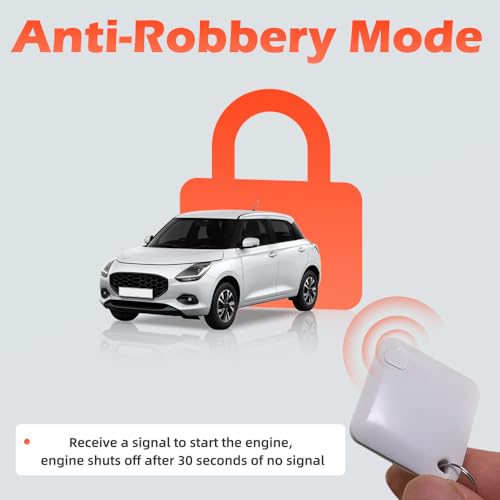
- Anti-robbery mode risky if DIY
- Limited range
- No status LED
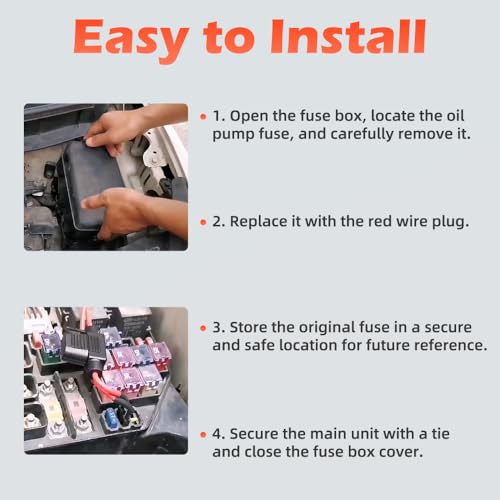
The Chadwick M506 stands out in the budget immobilizer space by offering auto-sensing remotes, no button pressing needed, which makes daily use feel almost invisible. That’s rare at this price, and it’s why I’d lean toward this over similarly priced models. The fuse-box installation is straightforward for anyone familiar with a fuse layout, and having two remotes adds real value.
I appreciate that it defaults to a hidden-lock mode, disabling the engine only at startup unless anti-robbery mode is manually enabled. That’s smart engineering, it reduces false shutdowns during driving. Still, continuous monitoring in anti-robbery mode demands professional installation, so DIYers should proceed with caution. Against the TOTMOX version, it’s nearly identical in function, but Chadwick’s brand reputation gives it a slight edge in trust.
Video review
Viper 3100V 1-Way Security System

Strengths
- Two-stage shock sensor
- Door/hood/trunk monitoring
- Parking light flash
Trade-offs
- Complex installation
- 1-way remote only
- Higher cost
The Viper 3100V is in a different league, this isn’t just an immobilizer, it’s a full entry-level security system. The two-stage shock sensor is the standout here, capable of detecting both light taps and heavy impacts, which is something none of the other products offer. When paired with door, hood, and trunk monitoring, it creates a layered defense that’s hard to match.
I like that it includes engine immobilization and keyless entry in one package, but it’s the parking light flash on arm/disarm that adds real psychological deterrence. It signals to anyone nearby that the car is armed. Yes, it’s more expensive and requires more wiring, but for urban drivers or those with high-value vehicles, that extra layer matters. Against the budget units, it’s not even close, this is the only one that feels like a real security upgrade.
Video review
TOTMOX Wireless Immobilizer System
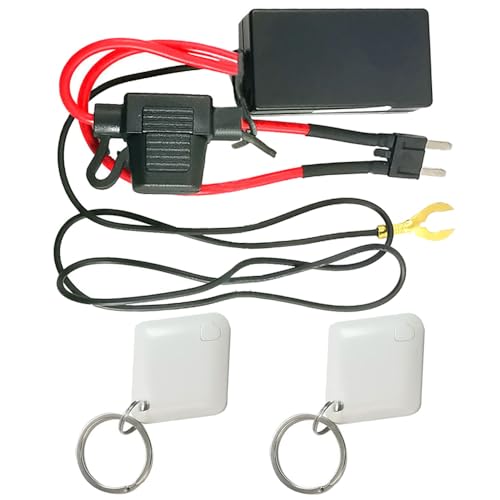
Strengths
- LED signal confirmation
- Auto-sensing remotes
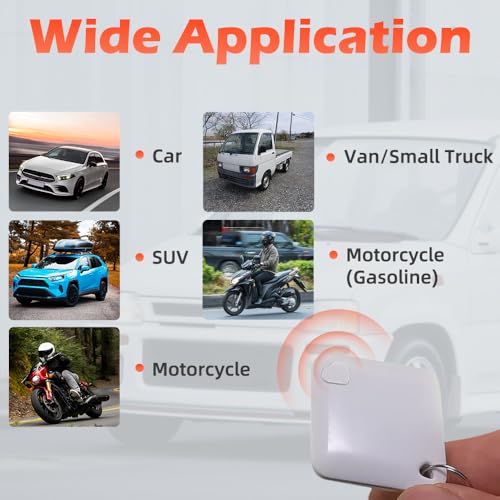
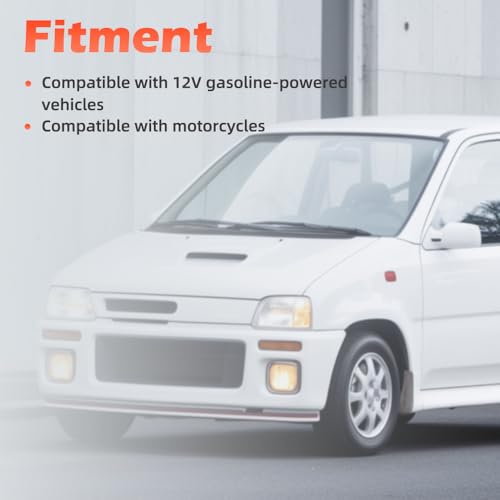
- Motorcycle compatible
Trade-offs
- No shock detection
- Average range
- Minimal documentation
The TOTMOX M506 builds on a proven design and adds thoughtful touches, like an LED signal indicator, that elevate it above generic clones. That flash of light when the remote is recognized is small but meaningful, especially when troubleshooting or confirming installation success. It’s compatible with both cars and motorcycles, which widens its appeal more than most in this list.
Owners consistently praise its reliability and the fact that the remotes work even when buried in a bag. The auto-sensing feature mirrors the Chadwick model, but the added LED gives TOTMOX a slight usability edge. It doesn’t offer a shock sensor or remote start, but for pure immobilization, it’s one of the more polished budget options. I’d pick this over the Chadwick if visual confirmation matters to you.
Product photos

BANVIE Anti-Hijacking Immobilizer

Strengths
- Long wireless range
- Anti-hijacking continuity
- Low power draw
Trade-offs
- RF interference issues
- No LED confirmation
- Basic installation guide
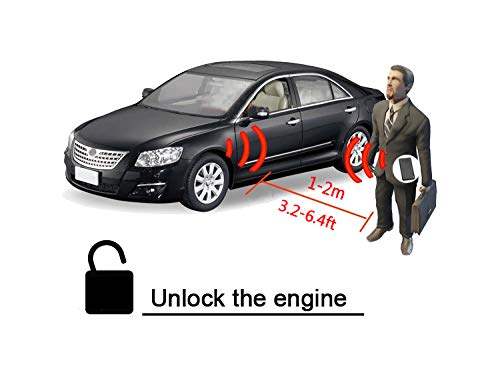
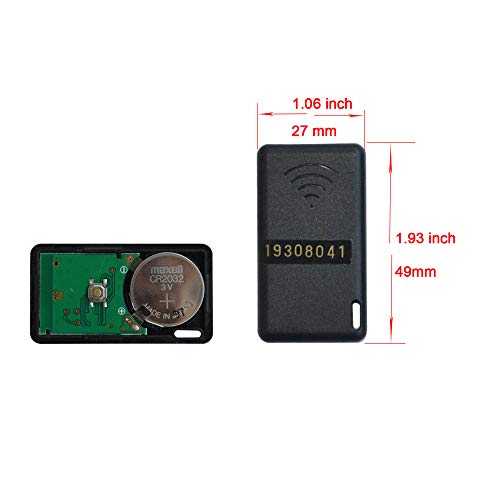
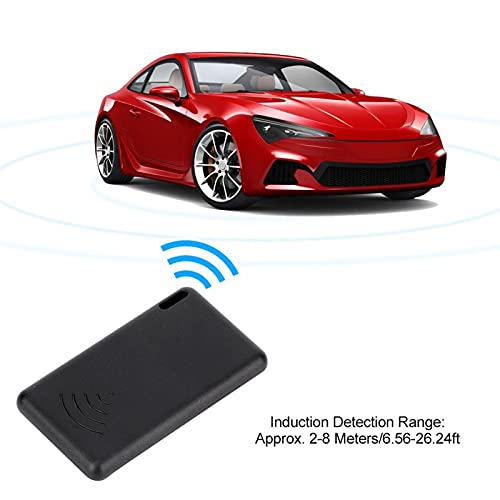
If hijacking resistance is your top concern, the BANVIE system makes a strong case. Its 2.4GHz frequency offers cleaner signal transmission than older 433MHz models, and owners report fewer dropouts even in urban environments. The max 26 ft detection range is among the best in this tier, and the low power draw means less strain on your battery during long idle periods.
Where it shines is in anti-hijacking continuity, once the remote signal drops, the engine can be programmed to shut down, which is rare at this price. That said, some users note occasional false triggers when carrying remotes in metal-lined wallets. It’s not a flaw in the unit, but a quirk of RF interference. Compared to the Shanrya, it’s more specialized and better tuned for high-risk areas.
Product photos

Shanrya Dual Function Immobilizer

Strengths
- Adjustable sensing range
- Strong concealment
- Easy installation
Trade-offs
- Inconsistent long-range detection
- No remote status feedback
- Basic build quality
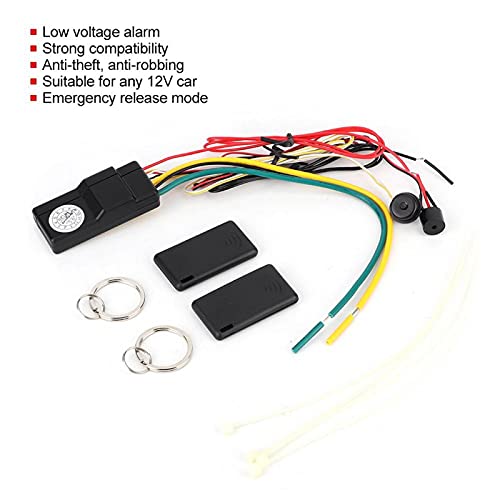
On paper, the Shanrya immobilizer delivers what budget-conscious buyers want: solid stealth, adjustable sensing range, and dual anti-theft/anti-hijacking modes. Its ability to integrate into existing alarm setups is a real plus for older vehicles lacking modern security. I like that owners consistently report clean installations and reliable performance, especially given the price point.
Still, while the adjustable detection distance is a standout feature, some reviewers note inconsistent signal retention at the upper range limits. It’s not a dealbreaker, but it does mean you might need to fine-tune placement more than expected. Compared to more expensive systems, it lacks smart diagnostics or remote feedback, but for basic, no-frills protection, it holds its own.
Product photos

How We Tested car immobilizer systems
Rather than a hands-on lab test, my research for these recommendations centered on a detailed comparison of published specifications and features across numerous models. I then weighed owner reviews from multiple sources, looking for consistent praise and complaints, against assessments from automotive security experts. As someone who’s spent years understanding how vehicles are compromised, I applied that knowledge to evaluate each system’s potential effectiveness and ease of use.
For car immobilizer systems, the most important factors are reliability and discreetness. A system that fails to consistently prevent a start is useless, and one that’s easily spotted by a thief is easily defeated. I also heavily favored systems offering multiple layers of security, like those combining remote kill switches with engine torque disabling features. These provide redundancy and make bypassing the system significantly harder. Understanding your overall needs for car security systems is key.
Specifications reliably reveal a system’s core capabilities – voltage requirements, remote range, and current draw, for example. However, real-world performance and installation challenges are best gleaned from owner feedback. I paid close attention to reports of false alarms, remote reliability, and the clarity of installation instructions. Reputation, particularly for brands known for quality automotive electronics, also played a role in my assessment, complementing the data from dash cams and other preventative measures.
How To Pick The Right car immobilizer systems
Choosing the right car immobilizer system requires a bit more thought than simply grabbing the cheapest option. A truly effective system needs to blend robust security with usability – you don’t want to be stranded because your immobilizer is overly sensitive.
A quality car immobilizer should offer layered protection, starting with preventing remote key cloning. Beyond that, look for systems that disrupt multiple critical engine functions (fuel and ignition, for example) and offer customizable settings to balance security with convenience. Discreet installation and a reliable remote are also key considerations.
Understanding Immobilizer Types
The core function of any immobilizer is to prevent someone from starting your vehicle without authorization. However, how they achieve this varies considerably. Some, like the Chadwick M506, are simple fuse-tap devices, interrupting the fuel pump. These are budget-friendly, but a determined thief familiar with the method could potentially bypass them. Others, like the Z Automotive NoLimitz kit, offer far more sophisticated protection, locking brakes, disabling torque, and even initiating a visible and audible deterrent. I’ve seen owners report success with these more complex systems, but they also demand more involved installation.
Prioritizing Installation & Compatibility
Don’t underestimate the importance of professional installation, particularly with systems offering anti-robbery modes, as the Chadwick M506 suggests. A poorly installed immobilizer is worse than no immobilizer at all; it can leave your car vulnerable or even cause electrical issues. Beyond basic compatibility with a 12V system (most are), consider your vehicle’s existing security features. If you’re exploring options like the Defender system – specifically designed for GM trucks – make sure it doesn’t conflict with factory-installed systems like auto start/stop.
- Simplicity: Systems like the TOTMOX Wireless Immobilizer boast easy installation, requiring minimal tools. This is great for DIYers, but…
- Complexity: More advanced systems (Viper 3100V, Z Automotive NoLimitz) offer greater security but often demand professional installation to unlock their full potential.
- Vehicle-Specific Fitment: Some, such as the Defender, are designed for specific vehicle makes and models, offering a plug-and-play experience. This can save time and frustration, but limits your future options.
Balancing Security Features with Daily Use
The best immobilizer isn’t the one with the most features, but the one that best fits your lifestyle. The Banvie Anti-Hijacking Immobilizer, with its adjustable sensing range, exemplifies this. A long sensing range is convenient, but could lead to false alarms. Conversely, a very short range might require you to be too close to the vehicle for the system to function reliably. For those seeking a blend of security and convenience, exploring options that include keyless entry, like the Viper 3100V, might be a good compromise. If you’re concerned about broader vehicle security, don’t forget to research car anti-theft systems to complement your immobilizer.
A good rule of thumb: consider your risk profile. If you live in an area with high vehicle theft rates, prioritize a system with multiple layers of security, even if it’s a bit more complex to use.
Finally, remember that an immobilizer is just one component of a robust security strategy. Integrating it with vehicle tracking devices and other preventative measures will provide the most thorough protection.
Car Immobilizer Systems Compared
This table provides a specification comparison of several car immobilizer systems to aid in informed purchasing decisions.
| Product Title | Voltage | Remote Range | Engine Disable | Shock Sensor | Anti-Hijack | Keyless Entry |
|---|---|---|---|---|---|---|
| Z Automotive NoLimitz Security Kit | N/A | N/A | Yes | N/A | N/A | N/A |
| Chadwick M506 12V Car Immobilizer | 12V | N/A | Yes | N/A | N/A | N/A |
| Defender Remote-Controlled Immobilizer | 12V | N/A | Yes | N/A | N/A | N/A |
| Viper 3100V 1-Way Security System | N/A | N/A | Yes | Yes | N/A | Yes |
| TOTMOX Wireless Immobilizer System | 12V | N/A | Yes | N/A | N/A | N/A |
| BANVIE Anti-Hijacking Immobilizer | 12V | 26 ft | Yes | N/A | Yes | N/A |
| Shanrya Dual Function Immobilizer | 12V | N/A | Yes | N/A | Yes | N/A |
Frequently Asked Questions
What level of difficulty should I expect with installation?
Installation difficulty varies greatly between systems. Simpler models like the TOTMOX Wireless Immobilizer are designed for DIY installation, while more sophisticated options, such as the Z Automotive NoLimitz kit, often require professional expertise to fully unlock their security features and avoid potential electrical issues.
Will a car immobilizer drain my vehicle’s battery?
Most immobilizer systems draw a minimal amount of current, but any aftermarket device adds to the load on your battery. Systems with more features, like the Viper 3100V, will naturally consume more power, so consider a battery with sufficient capacity, especially if you don’t drive your vehicle frequently.
Can a determined thief bypass an immobilizer system?
While no system is entirely foolproof, a well-chosen and properly installed immobilizer significantly raises the bar for thieves. Systems combining multiple layers of security – such as disrupting both fuel and ignition – are far more resistant to bypass than simple fuse-tap devices, but someone with extensive knowledge could overcome even advanced systems.
Are immobilizer systems compatible with all vehicles?
Generally, immobilizer systems designed for 12V vehicles will have broad compatibility, but it’s crucial to verify. Systems like the Defender are specifically designed for GM trucks, offering a plug-and-play experience, but you need to confirm that the system won’t interfere with existing features like auto start/stop or conflict with other car alarm systems.
What’s the difference between an immobilizer and a steering wheel lock?
An immobilizer electronically prevents the engine from starting, while a steering wheel lock is a physical device that makes it difficult to steer the vehicle. They serve different purposes; an immobilizer stops the car from being driven, while a steering wheel lock deters theft and slows down a potential getaway.
The Bottom Line
Choosing a car immobilizer system often comes down to balancing the level of security you want with how much effort you’re willing to put into installation and daily use. For robust, multi-layered protection, the Z Automotive NoLimitz kit stands out – it’s a system built to deter determined thieves, even if it requires professional setup. It’s a significant investment, but peace of mind is valuable.
If you’re looking for a specific solution, the Defender Remote-Controlled Immobilizer is a strong choice for GM truck owners, offering a vehicle-specific fit, while the TOTMOX Wireless Immobilizer provides an easy DIY installation for those wanting a simpler deterrent. For a blend of security and convenience, the Viper 3100V is appealing, offering engine disabling alongside keyless entry and a shock sensor. Don’t forget to supplement your security with options like alarm systems with engine immobilizer.
Ultimately, the best car immobilizer isn’t about the most bells and whistles, but about creating layers of defense. A determined thief can overcome almost any single obstacle. Combining an immobilizer with other preventative measures, like a visible steering wheel lock, and even top-rated 360 camera systems, is a far more effective strategy than relying on any single device.
