
8 Best Car Diagnostic Tools of 2026
This post contains affiliate links. As an Amazon Associate, we earn from qualifying purchases.
The Autel MK900BT stands out as the overall best car diagnostic tool for its deep diagnostics, extensive reset functions, and reliable wireless connectivity, while the BLCKTEC 460T offers a strong budget-friendly alternative with solid system coverage and no subscription fees. For basic needs, the MOTOPOWER MP69033 delivers dependable code reading at a minimal cost.
Every car owner dreads the sudden glow of the check engine light, but buying the wrong tool can mean more confusion than clarity. With so many options claiming to be the fix, it’s hard to know which one actually works across different vehicles and delivers real insight.
This guide cuts through the noise by focusing on what matters: accurate diagnostics, real-world compatibility, and features that match your needs. I compared specs, analyzed owner feedback, and weighed functionality to find the tools that deliver the most value without overpromising.
Top 8 Car Diagnostic Tools in the Market
The Best Car Diagnostic Tools, Reviewed
BLCKTEC 460T OBD2 Scanner

Strengths
- Full system diagnostics
- 12+ reset functions
- Free lifetime updates
- Advanced live data
- Includes RepairSolutions2 app
Trade-offs
- USA/Canada only
- Compatibility varies by model
- No battery test included
If there’s one tool that balances pro features, ease of use, and fair pricing, it’s the BLCKTEC 460T. It earns the ‘Best Overall’ label by doing what mid-tier users really want: reading all major systems (engine, ABS, SRS, transmission), offering 12+ service resets, and delivering real-time OEM-level data with graphing and playback. The AutoScan and AutoReLink features mean it starts working the moment you plug it in, no menu diving.
What impresses me most is the inclusion of free lifetime updates and integration with the RepairSolutions2 app, which gives verified repair guides from master techs. That combo turns a good scanner into a true workshop assistant. Compared to the Innova 5210, it offers more resets and deeper diagnostics; versus the Autel MK900BT, it’s far more affordable while covering most daily needs. My recommendation? This is the last OBD2 tool most serious DIYers will ever need to buy.
Video review
MOTOPOWER MP69033 OBD2 Scanner

Strengths
- Very affordable
- Sturdy construction
- Good protocol support
- Compact size
- Long cable
Trade-offs
- No code definitions
- No ABS/SRS support
- Outdated UI
The MOTOPOWER MP69033 is the barebones budget pick that still manages to deliver core functionality without embarrassing itself. For under $25, you get a decent 2.8″ screen, solid build quality with a thick cable, and support for all major OBDII protocols, something even some name-brand tools skimp on at this level. It reads and clears engine codes, shows freeze frame data, and gives basic live data curves, which is more than enough for diagnosing common issues like misfires or sensor faults.
Owners praise its reliability despite the low cost, though the interface feels dated compared to others. Unlike the ANCEL AD410, it lacks built-in code explanations, so you’ll need to look those up yourself. And like most in this tier, it won’t touch ABS or airbag systems. But if you’re looking for a no-frills, one-job tool to keep in your glovebox for emergencies, this gets the job done. Just don’t expect elegance.
Video review
FOXWELL NT604 Elite OBD2 Scanner
Strengths
- Reads ABS/SRS/Transmission
- Quick AUTOVIN detection
- Lifetime updates
- Comes with hard case
- No subscription fees
Trade-offs
- No service reset functions
- Crash data can’t be cleared
- Mixed results on older VINS
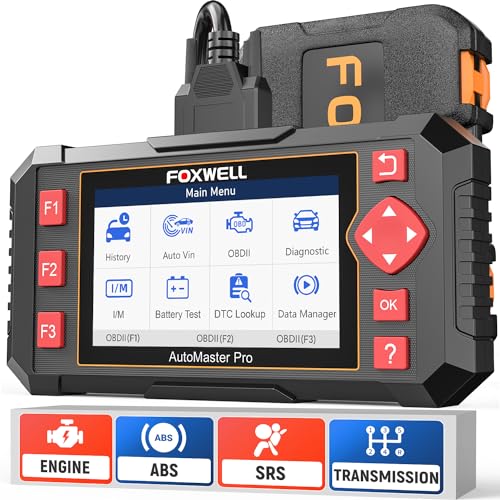
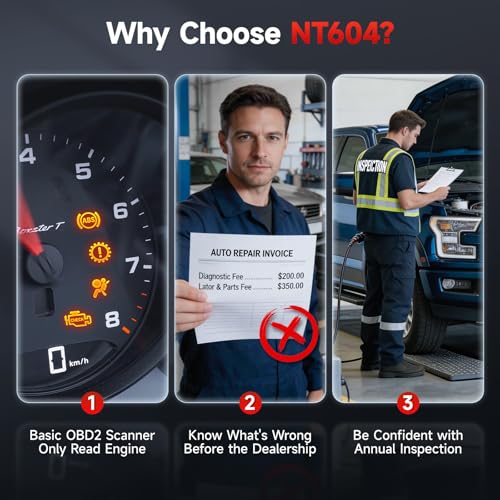
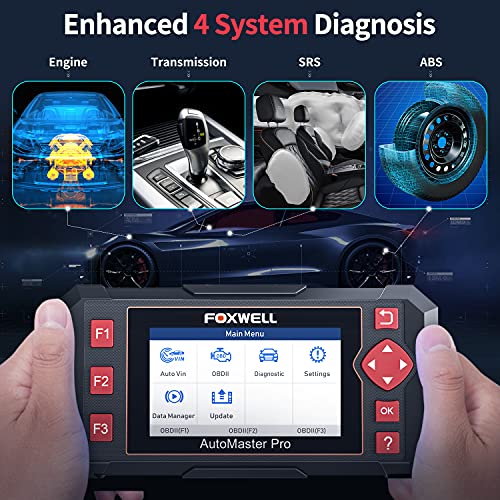
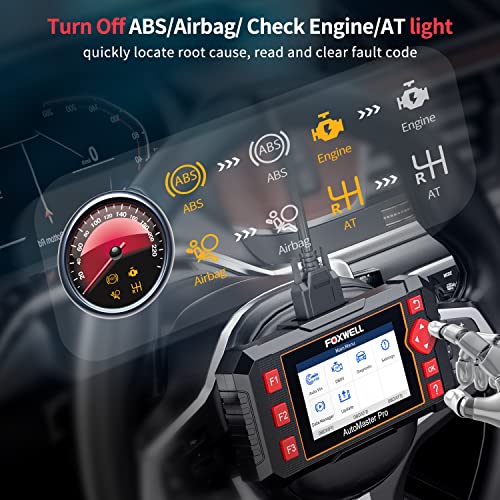
When you start seeing ABS or airbag lights flicker, generic OBD2 scanners fall short, and that’s where the FOXWELL NT604 Elite steps in. This is one of the few sub-$200 tools that lets you read and clear ABS, SRS, transmission, and engine codes across 60+ brands. For owners of Toyotas, Hondas, or European imports, that kind of access used to require multiple tools or dealership visits. Now you can diagnose brake sensor faults or seatbelt pretensioner errors from your driveway.
It boots quickly thanks to preloaded software, and the AUTOVIN feature speeds up identification, though it sometimes fails on older models. What holds it back is the lack of service resets: no oil light reset, no throttle relearn, no EPB activation. So while it diagnoses well, it won’t finish the job. Compared to the BLCKTEC 460T, it’s less versatile but more focused. And the included protective case is a thoughtful touch missing from competitors.
Product photos
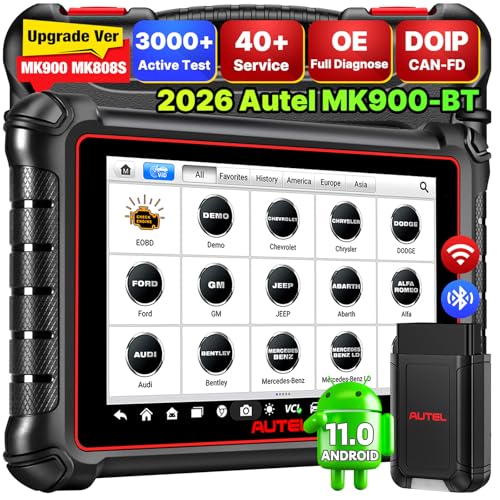
Autel MK900BT Bidirectional Tool
Strengths
- Full bidirectional control
- Supports CAN-FD & DOIP
- 40+ service functions
- Large wireless display
- Pre/post diagnostic reports
Trade-offs
- High price tag
- Requires subscription renewal
- FCA licensing extra
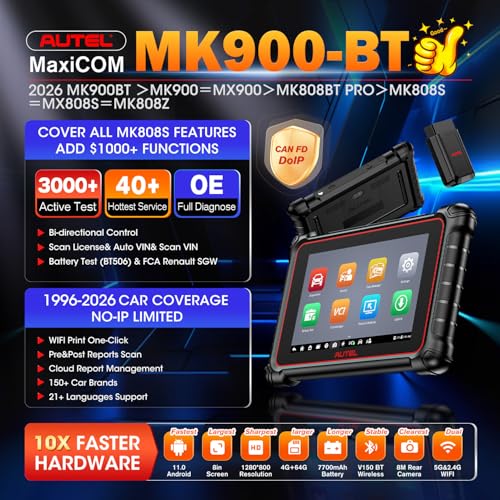
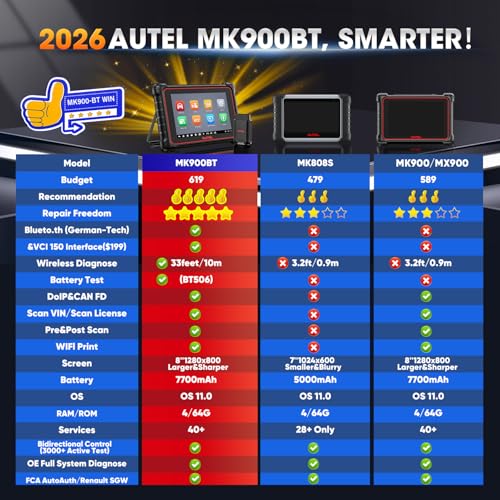
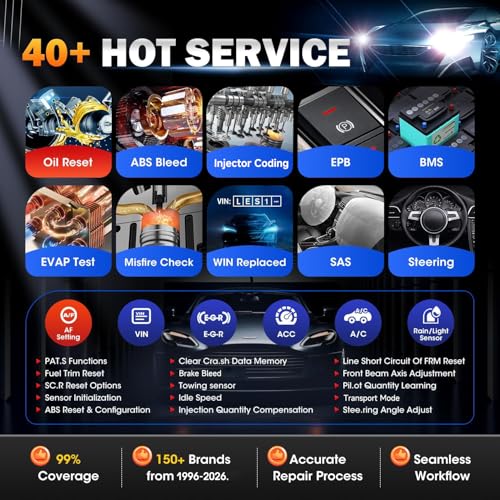
If you’re running a pro shop or working on late-model vehicles regularly, the Autel MK900BT isn’t just an upgrade, it’s a full leap into technician-grade diagnostics. On paper, this thing rivals Snap-on tools: CAN-FD and DOIP support, bidirectional controls with 3000+ active tests, and thorough service functions like SAS calibration and injector coding. The hardware reflects that ambition, an 8-inch Android-powered touchscreen, wireless connectivity up to 33 feet, and fast quad-core processing make navigation smooth even during deep scans.
Reviewers note the Auto VIN and license plate scanning cuts setup time dramatically, while pre- and post-scan reports help justify work to clients. It even supports battery testing (with add-on) and endoscope integration. Yes, it costs more than some tire changers, but when you factor in the breadth of coverage across 150+ brands and future-proof protocols, it’s hard to argue against as a long-term investment. Compared to the Foxwell NT604 or even the BLCKTEC 460T, this is in another league.
Product photos


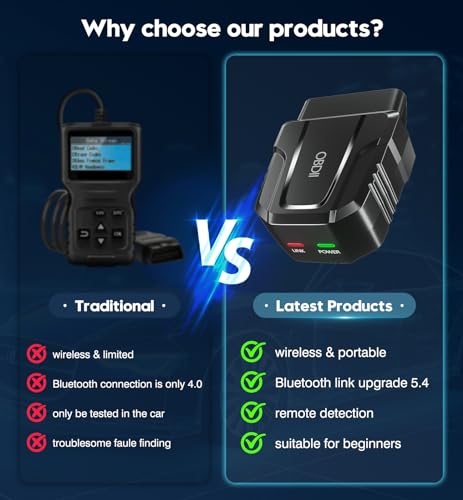
OBD2 Scanner Bluetooth 5.4
Strengths
- Wireless convenience
- Real-time graphing
- Low cost
- Multi-language support
- Simple setup via QR
Trade-offs
- App dependency
- Inconsistent updates
- No standalone use
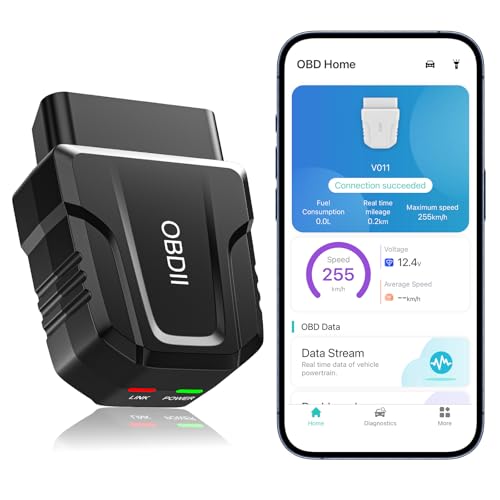
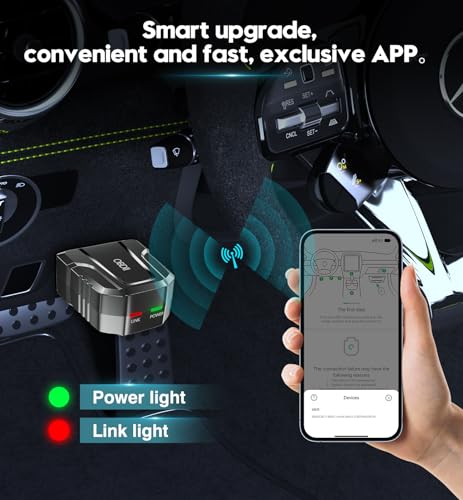
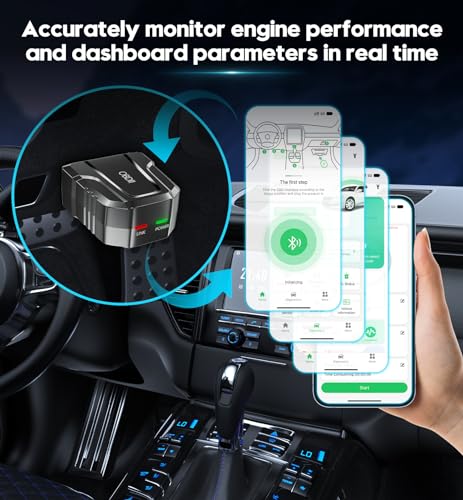
This Bluetooth OBD2 dongle leans heavily on your smartphone, turning any phone into a rolling diagnostic station. At this price, it makes sense, why carry another device when your phone already has the screen, power, and computing muscle? With Bluetooth 5.4, connections are faster and more stable than older versions, and the included app offers clean charts for live data like engine load and voltage trends. It supports standard OBDII functions well: reading and clearing codes, viewing freeze frames, and checking readiness monitors.
Where it shines is in data visualization, beginners can actually see how their engine behaves over time, which helps spot intermittent issues. However, being app-dependent means success hinges on software stability. Some reviewers mention hiccups with auto-reconnection or outdated app interfaces. Also, since it relies entirely on the phone, older models may struggle. Still, for tech-comfortable users who hate clutter, this beats carrying a standalone unit.
Product photos


ANCEL AD410 Enhanced OBD2 Scanner
Strengths
- Easy setup
- No battery needed
- Clear code definitions
- Live data display
- I/M readiness check
Trade-offs
- No ABS/SRS support
- Limited to engine codes
- Basic interface
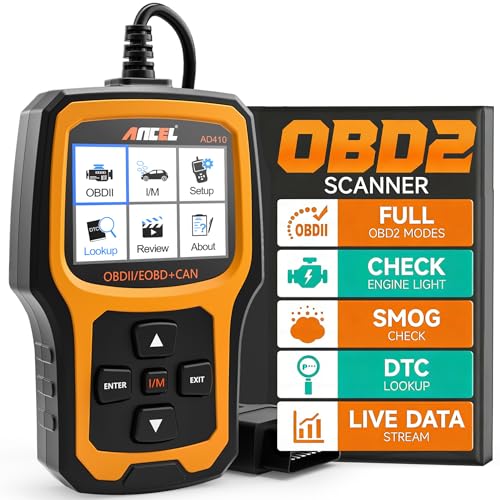
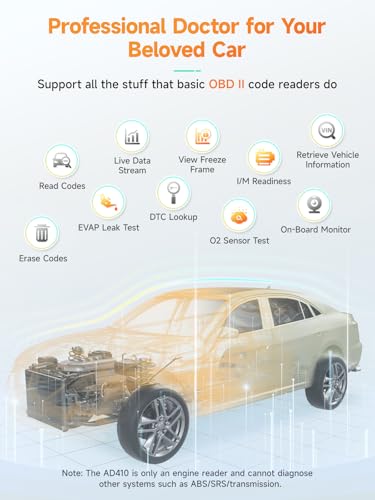
For someone just stepping into car ownership or DIY maintenance, the ANCEL AD410 hits the sweet spot of simplicity and functionality. It’s not flashy, but it delivers exactly what beginners need, clear check engine light diagnostics, a solid DTC library with definitions, and essential live data like fuel trim and coolant temp. Owners consistently report that it takes the fear out of that dreaded yellow light, letting them avoid premature trips to the shop.
What I appreciate is how it handles smog check prep with I/M readiness monitoring, a small feature that saves real hassle at inspection time. Compared to cheaper models, it supports all five OBDII protocols including CAN, which means broader compatibility across modern vehicles. That said, it’s strictly engine and emissions focused, no ABS, SRS, or transmission access. But for its price and audience, that’s expected.
Product photos


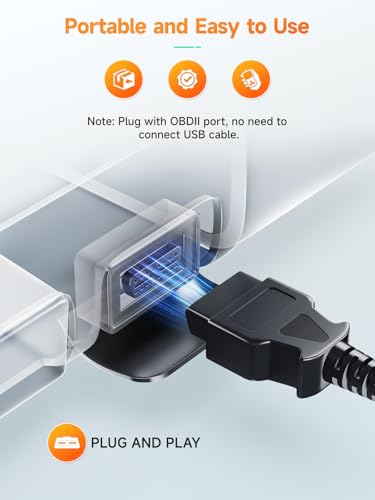

Innova 5210 OBD2 Scanner
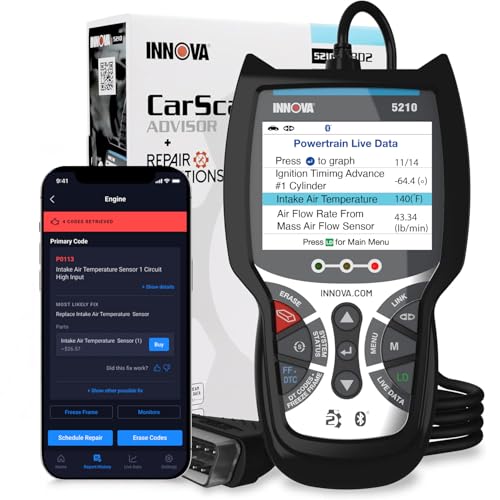
Strengths
- Built-in battery test
- Oil reset function
- Free repair app
- No subscriptions
- Solid live data
Trade-offs
- ABS coverage inconsistent
- No EPB or DPF reset
- Requires app pairing
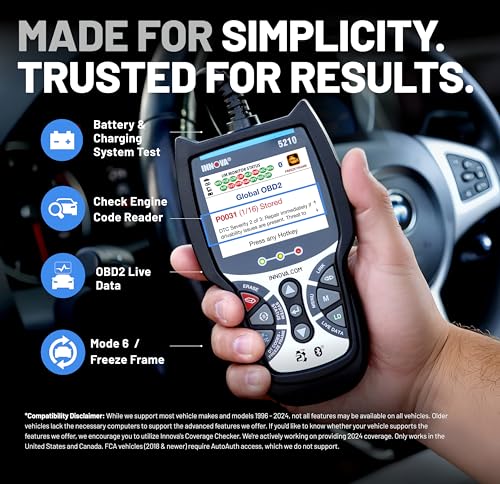
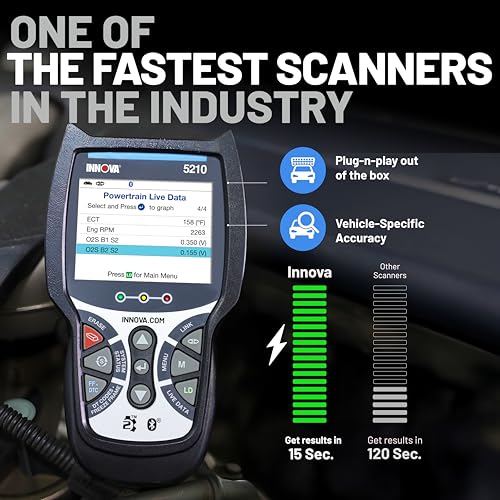
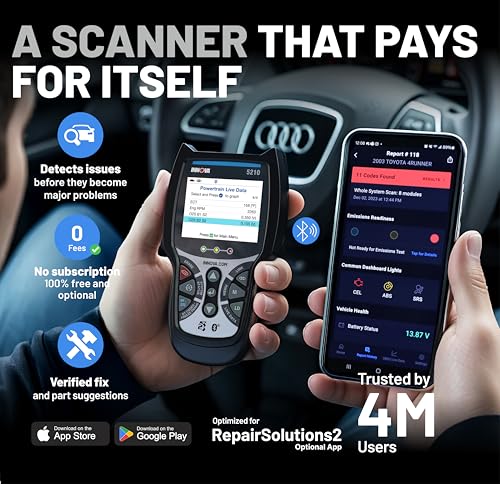
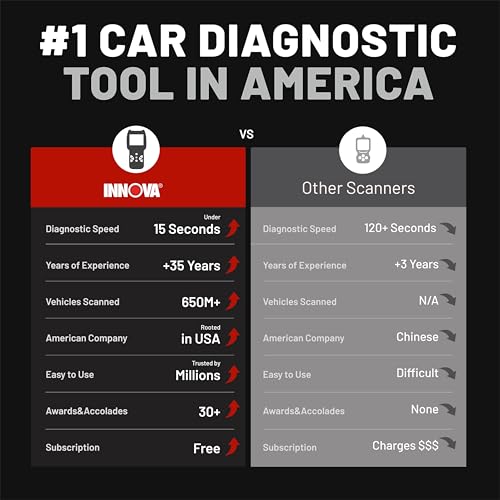
The Innova 5210 stands out in a crowded field by bundling two critical tools into one: a capable OBD2 scanner and a battery health tester. That dual role makes it especially useful for preventing roadside surprises, knowing your alternator is failing before the engine quits adds real peace of mind. Beyond that, it handles standard tasks well: reading and clearing engine and some ABS codes, showing live data, and supporting oil resets and smog readiness checks.
Paired with the RepairSolutions2 app, it delivers something rare at this price: verified repair guidance from ASE-certified techs, not guesses. No subscriptions, no paywalls, just actionable steps. Compared to the ANCEL AD410 or MOTOPOWER units, it offers more utility, though it doesn’t match the BLCKTEC 460T in reset depth or bi-directional control. But for someone wanting both diagnostics and preventive care in one box, this is a smarter middle ground.
Product photos

ANCEL AD310 Classic OBD2 Scanner
Strengths
- Reliable performance
- Durable build
- Fast response
- No external power
- Wide vehicle support
Trade-offs
- No code explanations
- No ABS/SRS access
- Older interface
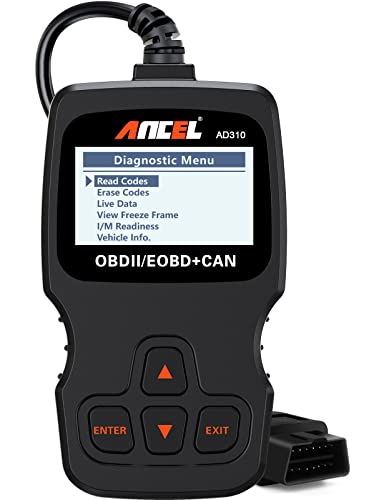
The ANCEL AD310 has been around long enough to earn its reputation as a dependable entry-level scanner, and for good reason. It’s slightly older in design than the AD410, but still punches above its weight with fast code reading, clear live data, and solid protocol coverage. Scotty Kilmer’s endorsement isn’t marketing fluff; many owners say they’ve used theirs for years without failure.
It’s compact, rugged, and draws power directly from the OBD port, no batteries, no fuss. Where it falls short is scope: like the AD410, it only handles engine-related codes, nothing beyond emissions and drivetrain. But unlike the newer AD410, it doesn’t include plain-language code descriptions, making interpretation harder for new users. Still, given its proven track record and value, it remains a smart buy for someone who wants durability over flash.
Product photos


How We Evaluated car diagnostic tools
As an enthusiast who’s spent years digging into automotive systems, I understand the value of a reliable diagnostic tool. Rather than a hands-on lab test of every unit, this selection is based on a research-led comparison of published specifications and features, combined with a careful weighing of owner reviews and reputable expert evaluations. I focused on identifying models offering the most robust functionality for the price, and those consistently praised for ease of use and accuracy. Ultimately, I ranked these tools against a set of criteria developed from my experience, prioritizing real-world usefulness for a range of drivers.
For this category, the ability to accurately read and interpret diagnostic trouble codes (DTCs) and live data streams was paramount. Beyond that, I heavily weighted the breadth of vehicle compatibility and the availability of features like ABS/SRS diagnostics and bi-directional control – the latter being especially crucial for more advanced troubleshooting. A scanner that simply reads codes is helpful, but one that can actively initiate tests and monitor system responses provides a far more complete picture. You’ll find more detailed information on ranked diagnostic scanners in our broader guide.
Specifications reliably reveal a scanner’s core capabilities – the OBDII protocols supported, the types of data it can access, and the range of vehicles it claims to cover. However, real-world performance and usability are best gleaned from owner feedback and reviews from trusted sources. I paid particular attention to comments regarding ease of use, software glitches, and the accuracy of the data presented. This is where a tool’s reputation, and the experiences of others, proved invaluable in separating truly useful diagnostic scanner models from those that fall short.
Choosing The Right car diagnostic tools
Finding the right car diagnostic tool can feel overwhelming. There’s a vast range available, from simple code readers to incredibly complex systems used by professional technicians.
A truly useful car diagnostic tool goes beyond simply reading a check engine light. It offers access to live data streams, freeze frame information, and ideally, the ability to perform bi-directional controls. Look for compatibility with your specific vehicle’s make, model, and year, and consider whether you need specialized functions like ABS or SRS diagnostics.
Understanding Diagnostic Depth
Many entry-level tools will read and clear basic engine codes (OBDII), but that’s just the starting point. If you anticipate tackling more complex issues, or working on multiple vehicles, you’ll want a scanner capable of accessing all available modules – transmission, ABS, airbags, and more. Don’t assume “full system” coverage is universal; always verify compatibility with your vehicle before purchasing. A tool that can read live data is also crucial. Being able to monitor sensor outputs in real-time provides far more diagnostic insight than just seeing a fault code.
Reset Functions: Beyond Code Reading
The ability to perform service resets is a huge convenience, and can save you money on routine maintenance. Oil life resets are common, but look for tools that offer EPB (electronic parking brake) resets, throttle body relearns, and battery registration capabilities. However, be aware that support for these functions varies wildly between vehicles. Some manufacturers lock down these features, making them inaccessible even with top-tier diagnostic tools.
- A basic code reader will only read and clear codes.
- An enhanced scanner adds live data and I/M readiness tests, helpful for pre-smog checks.
- A professional-level tool unlocks bi-directional controls and advanced reset functions, but comes with a steeper learning curve and price tag. It’s the choice for those who want to do nearly everything a dealership can.
Don’t pay for features you won’t use. If you primarily need to read and clear engine codes, a basic scanner is sufficient.
Wireless Connectivity and Usability
While wired scanners are reliable, the convenience of a wireless connection, typically Bluetooth, is hard to beat. It allows you to use the scanner with a smartphone or tablet, offering a larger display and often a more intuitive interface. But don’t assume all Bluetooth connections are created equal. Older Bluetooth versions can be slow and unreliable. If you’re considering a wireless option, make sure it supports Bluetooth 5.0 or later. And, if you’re new to automotive diagnostics, a tool with a simple, user-friendly interface is essential. Many of the best car scan tools now include apps that guide you through the diagnostic process, offering code definitions and potential solutions. For those seeking thorough solutions, exploring options like the Autel MaxiCOM series or similar automotive scanners might be worthwhile, though these often come at a premium. For mechanics who need the best, checking out professional diagnostic tools is a must.
Car Diagnostic Tools Compared
This table provides a spec-by-spec comparison of the key features of several popular car diagnostic tools.
| Product Name | Reset Functions | Live Data | ABS/SRS Support | Wireless | Battery Test | Price (USD) |
|---|---|---|---|---|---|---|
| BLCKTEC 460T | 12+ | Yes | Yes | No | No | $150-250 |
| MOTOPOWER MP69033 | No | Yes | No | No | No | $30-50 |
| FOXWELL NT604 Elite | No | Yes | Yes | No | No | $100-150 |
| Autel MK900BT | 40+ | Yes | Yes | Yes | Yes | $300-400 |
| OBD2 Scanner Bluetooth 5.4 | No | Yes | No | Yes | No | $30-60 |
| ANCEL AD410 | Oil Reset | Yes | Limited | No | No | $50-80 |
| Innova 5210 | Oil Reset | Yes | Yes (Limited) | No | Yes | $100-150 |
| ANCEL AD310 | No | Yes | No | No | No | $30-50 |
Frequently Asked Questions
What level of diagnostic tool do most DIY mechanics really need?
A scanner offering live data and the ability to read and clear all available modules is generally sufficient for most enthusiasts. You don’t immediately require the bi-directional control found in professional auto scanners, unless you plan extensive system testing or repair.
Can a diagnostic tool actually fix my car?
No, a diagnostic tool identifies the problem(s) but doesn’t perform the repair itself. However, some tools with reset functions allow you to address minor issues like oil life monitoring or recalibrate sensors, which can resolve certain symptoms.
What’s the difference between OBDII and OBD I?
OBDII (On-Board Diagnostics II) is the standard protocol used in vehicles manufactured after 1996. Older vehicles (pre-1996) use OBD I, which has varying, manufacturer-specific connectors and protocols, meaning a standard OBDII scanner won’t work; you’ll require a tool specifically designed for that older vehicle.
Are wireless scanners as reliable as wired ones?
Modern wireless scanners using Bluetooth 5.0 or later are generally very reliable. Older Bluetooth versions can be problematic, so a newer connection standard is key if you choose a wireless option, and can offer a lot of convenience over traditional home diagnostic tools.
What do the ABS/SRS capabilities actually allow me to do?
ABS (Anti-lock Braking System) and SRS (Supplemental Restraint System – airbags) diagnostics let you retrieve fault codes specifically from those systems. This can pinpoint issues like a failing wheel speed sensor or a deployed airbag, which a standard OBDII scanner wouldn’t detect, and help you determine if you need DIY diagnostic tools to further investigate.
The Bottom Line
Choosing a car diagnostic tool often comes down to balancing control with convenience. You can spend a lot to get a professional-level system with every bell and whistle, or you can find a capable tool that handles the most common issues without a steep learning curve. For the broadest capability and a wealth of features, the Autel MK900BT stands out as a strong all-around performer.
If you’re on a tighter budget or only need basic functionality, the MOTOPOWER MP69033 is a solid starting point. For those wanting more depth without breaking the bank, the FOXWELL NT604 Elite provides a good balance of features and affordability. And for DIY mechanics looking for a reliable and versatile option, exploring diagnostic scan tools is a great way to begin.
Ultimately, the best diagnostic tool isn’t about the flashiest features or the highest price tag. It’s about finding a tool that empowers you to understand your vehicle better. Prioritize accurate code reading, clear data presentation, and compatibility with your specific car. A little knowledge, combined with the right car diagnostic gear, will always be more valuable than any single specification.
