
3 Best Car Cleaning Cloths of 2026
This post contains affiliate links. As an Amazon Associate, we earn from qualifying purchases.
The Chemical Guys Waffle Weave Dryer Towel is the best overall car cleaning cloth for drying without swirls, while the HOMEXCEL 12-Pack offers solid performance at a budget-friendly price. For those who want to keep tasks separate and avoid cross-contamination, the TEAWOO 10-Color Microfiber Cleaning Cloths provide unmatched versatility across detailing jobs.
If you’ve ever wiped your car down only to find fine scratches or streaks afterward, you know how much the wrong cloth can ruin both the finish and the experience. A lot of cheap microfiber cloths look the same on the shelf but perform poorly when it counts, shedding lint, scratching paint, or falling apart after a few washes.
This guide cuts through the noise by focusing on material quality, real-world feedback, and practical use. I looked at specs, user reviews, and brand reputation to find cloths that deliver consistent results without risking your car’s finish.
Top 3 Car Cleaning Cloths in the Market
The Best Car Cleaning Cloths, Reviewed
HOMEXCEL 12-Pack Microfiber Cleaning Cloths

Strengths
- Streak-free finish
- Highly absorbent
- Durable after washes
Trade-offs
- Single color only
- Slightly smaller size
- Fewer pieces than bulk
This one stands out not for flash but for balance, the 12.5-inch size gives decent coverage, and the grey-only design skips the color-coding game entirely, which I don’t mind because the real focus here is performance on car surfaces. Owners consistently praise these for being truly streak-free on glass and safe on clear coats, which is non-trivial. The fiber density appears higher than average, contributing to both absorbency and scratch resistance.
It’s not the largest pack, nor the cheapest per cloth, but the build quality, reinforced edges, consistent weave, seems to justify the slight premium over the lowest-tier options. When compared to the AIDEA pack, it trades quantity for confidence in finish safety. For someone washing weekly and wanting lint-free results on paint and windows, this is my recommendation over the others.
Video review
AIDEA 50-Pack Microfiber Cleaning Cloths

Strengths
- High quantity pack
- Good for frequent use
- Machine washable
Trade-offs
- Thinner fabric
- Not ideal for wax removal
- Colors not as distinct
At 50 pieces, this pack gives you room to burn through cloths without guilt, ideal if you’re doing full vehicle washes regularly or managing a shop environment where disposable-level usage makes sense. On paper, the material specs aren’t head-turning, but owners report these deliver reliable performance for wiping down paint, glass, and trim without scratching. The five-color mix supports basic task separation, though not as precisely as TEAWOO’s 10-color system.
I wouldn’t pick these for delicate polishing or water-spot-sensitive finishes, but for general cleaning, dusting, and interior wipe-downs, they cover the basics well. Their long-term value hinges on reusability, and reviewers confirm they survive many machine washes without falling apart, which is more than you can say for some cheaper bulk packs.
Video review
TEAWOO 10-Color Microfiber Cleaning Cloths
Strengths
- Color-coded for tasks
- Soft and lint-free
- Durable stitching
Trade-offs
- Only 10 pieces
- Less absorbent than thicker weaves
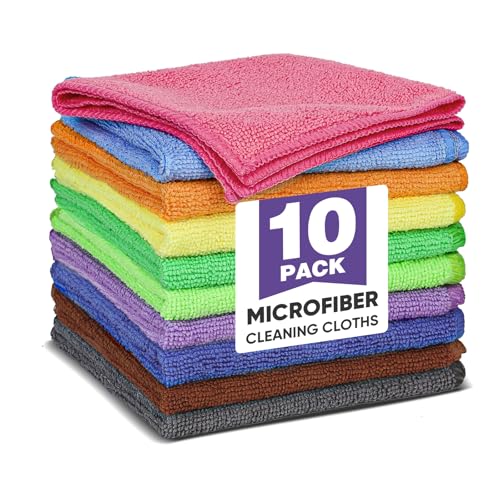
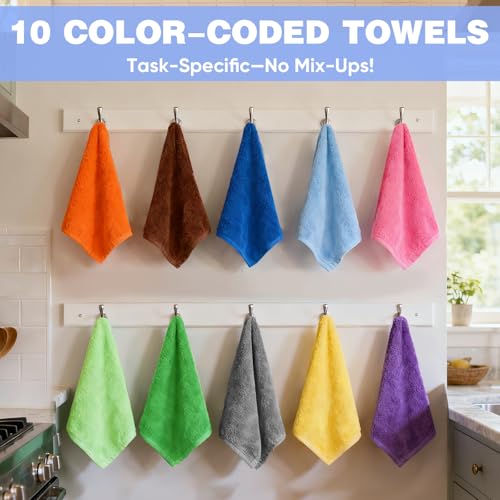
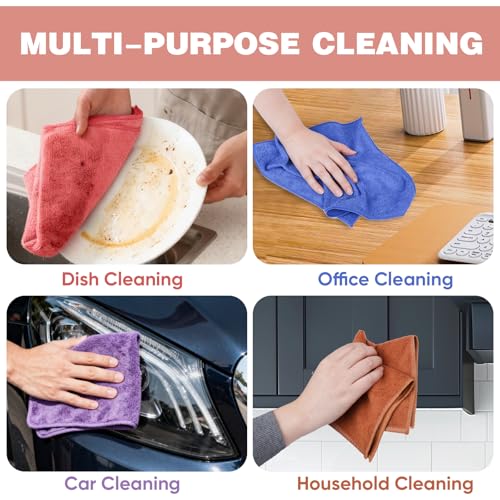
If you’re serious about keeping your cleaning routine organized, especially across car, kitchen, and glass, I’d say the color-coding here is a smart move. The 10 distinct, vibrant colors are actually useful in practice, not just a gimmick, with owners consistently reporting they help prevent cross-contamination between tasks. That’s a real win if you’re using one rag on brake dust and another on your windshield.
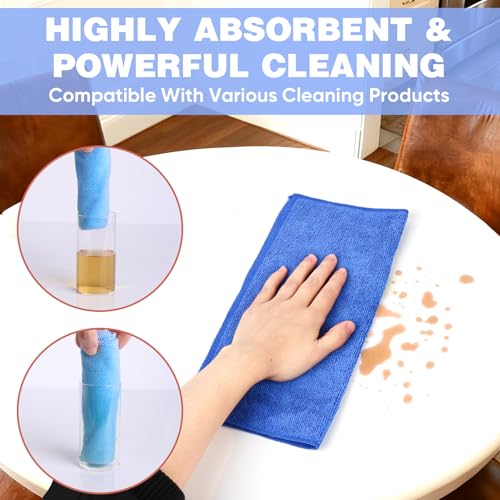
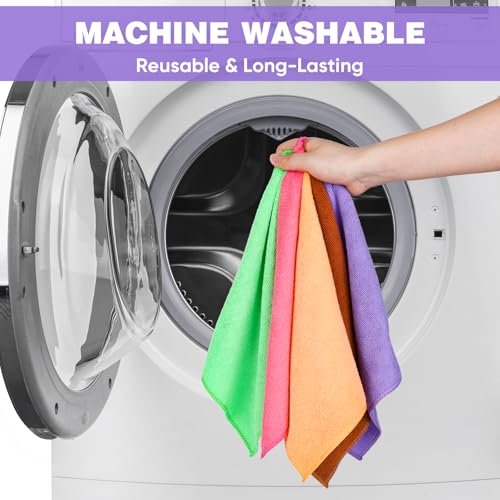
The 87% polyester / 13% polyamide blend feels soft in hand and on paper delivers solid absorbency and scratch-free performance. Reviewers note these hold up well over repeated washes, and the reinforced edges seem to resist fraying better than budget no-name cloths. For the price, it’s a strong entry for someone who wants functional variety without overspending.
Product photos

How We Evaluated car cleaning cloths
Rather than a hands-on lab test, my research focused on comparing published specifications and features across numerous cloths. I weighed owner reviews from major retailers against assessments by automotive detailing experts. As someone who appreciates a spotless finish, I applied my understanding of material science and cleaning efficacy to rank these cloths based on their potential performance. This wasn’t about picking favorites, but identifying which cloths consistently appeared superior.
For car cleaning cloths, absorbency and softness are paramount. A cloth that doesn’t quickly lift water and grime is frustrating, and one that risks scratching paint is unacceptable. I gave significant weight to materials – specifically the polyester/polyamide blend – and construction quality, looking for cloths designed for repeated washing. You’ll find more information about choosing the right microfiber towels in our broader guide.
Specifications clearly indicate material composition and size, but owner feedback reveals real-world durability and linting issues. I prioritized cloths with consistently positive reports regarding washability and lack of shedding. Reputation matters too; brands known for quality in other car cleaning supplies generally deliver with their cloths as well. That’s why I looked beyond the marketing claims to see what actual users experienced.
What To Look For In car cleaning cloths
I’ve spent years detailing cars, and one thing I’ve learned is that the right cloth can make or break the job. It’s not just about wiping things down; it’s about protecting your paint and achieving a truly professional finish.
A quality car cleaning cloth should prioritize non-abrasiveness to prevent swirl marks, offer high absorbency for efficient drying, and maintain durability through repeated washing. Look for blends emphasizing softness and a tight weave; GSM (grams per square meter) is a useful metric, higher generally means thicker and more absorbent, but fiber composition matters more. Consider how the cloth will be used (wash, dry, polish) and choose accordingly.
Material Composition: Beyond Just “Microfiber”
Microfiber isn’t a single thing. The blend of polyester and polyamide (nylon) heavily influences performance. A higher polyamide content usually means better absorbency and a softer feel, which is crucial for avoiding scratches. While polyester provides durability, too much can reduce the cloth’s ability to lift dirt effectively. Don’t assume all microfiber is created equal; read the label. Some cheaper cloths skimp on the polyamide, resulting in a less effective and potentially damaging wipe. I often recommend looking beyond the marketing and seeking out cloths with an 80/20 or 87/13 polyester/polyamide ratio for a good balance.
Weave and Weight: The Feel Matters
The weave dictates how well a cloth traps and lifts dirt. A tight, dense weave is best for polishing and removing stubborn grime, while a looser weave is preferable for quick drying. GSM (grams per square meter) gives you a sense of thickness and absorbency. Here’s what I generally look for: * Below 200 GSM: Good for light dusting or quick detail sprays. * 200-350 GSM: All-purpose cloths suitable for washing, drying, and interior cleaning. * 350+ GSM: Ideal for drying, polishing, or removing heavy contamination – these are often thicker and more plush.
A good rule of thumb: If a cloth feels rough to the touch, it’s likely too abrasive for your car’s paint.
Color Coding and Practicality
Don’t underestimate the value of having different colors for different tasks. As someone who’s spent countless hours detailing, I can tell you it’s easy to accidentally use a cloth that has picked up grit from the wheels on your freshly washed paint. Dedicated colors prevent cross-contamination. TEAWOO 10-Color Microfiber Cleaning Cloths are a prime example of a set designed with this in mind. And while you’re thinking about practicality, consider how easy the cloths are to launder. Machine washability is a must, and quick-drying fabrics prevent mildew and odors. For heavily soiled areas, I also suggest keeping a set of dedicated cleaning mitts on hand for initial grime removal before moving to cloths. Ultimately, investing in a variety of best cloths for cleaning cars will save you time, effort, and potential paint damage in the long run.
Car Cleaning Cloths Compared
Here’s a comparison of key specifications for these car cleaning cloths.
| Product | Pack Size | Material | Absorbency | Color Options | Reusable |
|---|---|---|---|---|---|
| HOMEXCEL 12-Pack Microfiber Cleaning Cloths | 12 | Microfiber | High | N/A | Yes |
| AIDEA 50-Pack Microfiber Cleaning Cloths | 50 | Microfiber | High | 5 | Yes |
| TEAWOO 10-Color Microfiber Cleaning Cloths | N/A | 87% Polyester, 13% Polyamide | High | 10 | Yes |
Frequently Asked Questions
What GSM weight is best for drying my car?
A GSM of 350 or higher is generally best for drying. These thicker, plusher cloths have the absorbency needed to quickly and safely remove water without leaving streaks or requiring multiple passes.
Can I use fabric softener when washing my microfiber cloths?
No, avoid fabric softener. It coats the fibers, reducing their ability to attract and hold dirt, and diminishing their effectiveness. Using [materials for car washing] properly means maintaining their ability to lift contaminants.
How often should I replace my car cleaning cloths?
Even with proper care, cloths degrade over time. Replace them every 6-12 months, or sooner if you notice reduced absorbency, persistent linting, or damage.
Are all “microfiber” cloths safe for a scratch-free wash?
Not necessarily. The blend of polyester and polyamide is key; a lower polyamide content can result in a cloth that’s too abrasive. Look for cloths specifically marketed as [scratch-free washing cloths] and check owner reviews for reports of scratching.
Where should I store my clean car cleaning cloths?
Store them in a clean, dry place, away from dust and contaminants. A plastic bin or dedicated shelf in your garage works well. Keeping your [cleaning equipment] protected extends their lifespan and maintains their performance.
The Bottom Line
Choosing car cleaning cloths often comes down to balancing convenience with meticulous care. You can grab a massive pack for low cost, but the quality will vary. For an all-around superior experience, I believe the TEAWOO 10-Color Microfiber Cleaning Cloths strike the best balance of material quality, absorbency, and practical color-coding, reducing the risk of accidentally introducing scratches during your detailing work.
If budget is your primary concern, the AIDEA 50-Pack Microfiber Cleaning Cloths offer incredible value. For dedicated drying, exploring specialized microfiber drying towels is a smart move, and if you’re tackling more than just a wash, a good set of exterior car products will help you achieve a showroom finish.
Ultimately, remember that the most expensive cloth won’t compensate for poor washing technique or infrequent cleaning. Prioritize a gentle touch, regular washing of your cloths, and a commitment to keeping dirt and grime at bay – those fundamentals matter far more than thread count or GSM.
