
8 Best Car Body Repair Kits of 2026
This post contains affiliate links. As an Amazon Associate, we earn from qualifying purchases.
The Evercoat Pro-Grade Body Filler Kit stands out as the best overall choice for most repairs, offering strong adhesion and a well-rounded set of materials. For minor touch-ups on a budget, the TouchUpDirect Scratch & Chip Putty delivers solid performance without breaking the bank. If you’re dealing with larger dents and want a cleaner, no-sanding approach, the GLISTON Paintless Dent Repair Tool is the most versatile option.
Fixing your car’s body doesn’t have to mean a trip to the shop, many repairs can be handled at home with the right kit. But choosing poorly means wasted time, messy results, or a patch job that won’t last.
After comparing specs, owner feedback, and repair techniques across dozens of kits, I focused on real usability, what actually works on dents, scratches, and rust without requiring a pro’s skillset. This guide breaks down the top performers based on damage type, material compatibility, and included tools so you can pick the one that fits your needs.
Top 8 Car Body Repair Kits in the Market
The Best Car Body Repair Kits, Reviewed
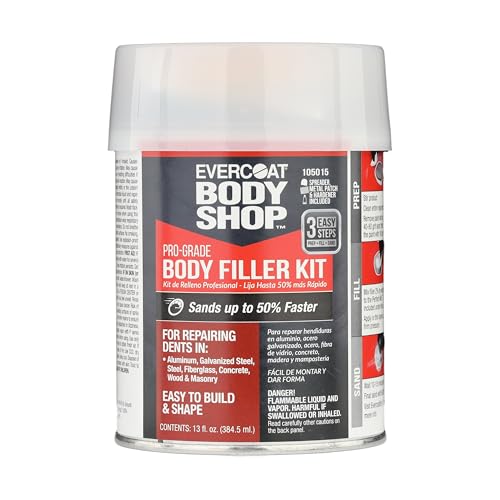
Evercoat Pro-Grade Body Filler Kit
Strengths
- Sands 50% faster
- Vertical hold
- Complete with tools
Trade-offs
- Higher cost
- Requires cleanup
If I were stocking a home garage for long-term use, this Evercoat kit would be my baseline. The 50% faster sanding claim holds weight across reviews, users confirm less clogging and finer finishes. With both hardener and mesh patches included, it’s more complete than raw filler tubs.
It sticks tenaciously to vertical surfaces, which matters when working on fenders or quarter panels. Compared to YOTEBLE, it offers better shaping control and deeper build potential. The visual mixing guide helps avoid soft spots. This isn’t a magic wand, but it’s the closest thing to shop-grade results at home.
Video review
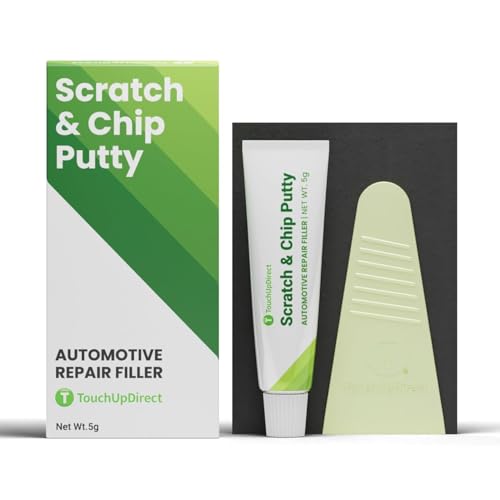
TouchUpDirect Scratch & Chip Putty
Strengths
- No mixing needed
- Compact size
- Smooth application
Trade-offs
- Very limited volume
- Not for deep dents
This tiny tube packs convenience into a niche most kits ignore, micro-repairs. At 5 grams, it’s made for rock chips and shallow gouges where full-body filler would be overkill. The no-mix formula spreads smoothly and dries fast, aligning with owner feedback that it sands cleanly within 30 minutes.
For the price, it beats cracking open a $20 tub for one chip. It won’t fix a parking lot scuff bigger than a quarter, but as a touch-up companion to a paint pen? Spot-on. I’d keep this in the glovebox alongside wax and cleaner.
Video review
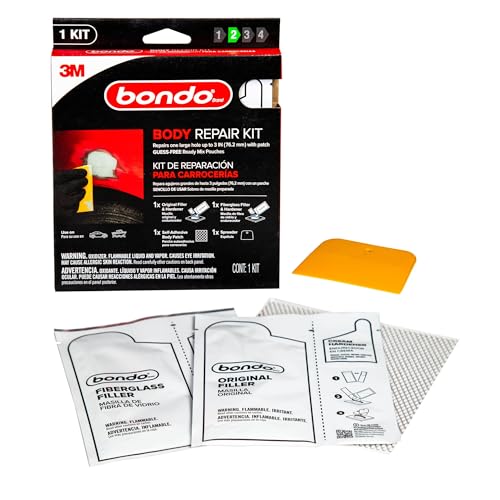
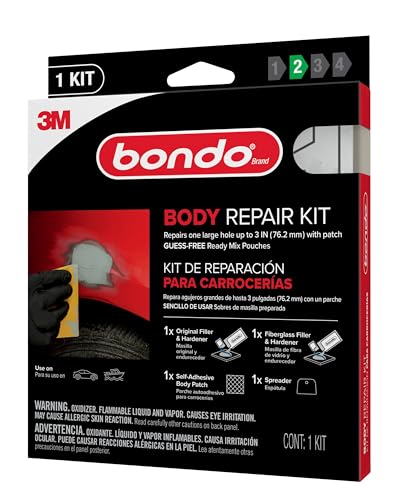
Bondo Body Repair Kit Pouches
Strengths
- Includes repair patch
- No measuring required
- Good for rust damage
Trade-offs
- Patch edges visible
- Not structural grade
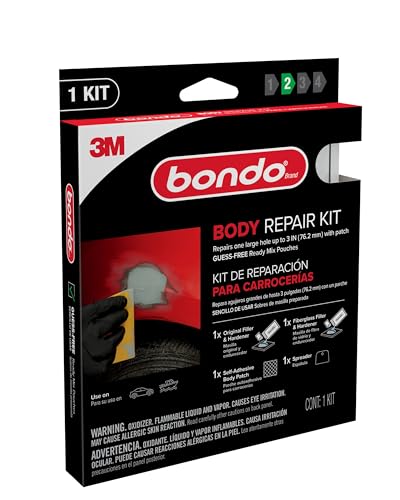
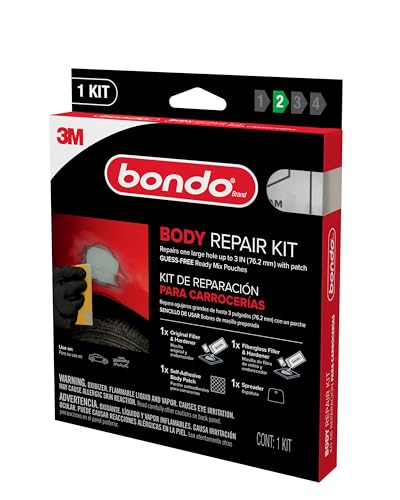
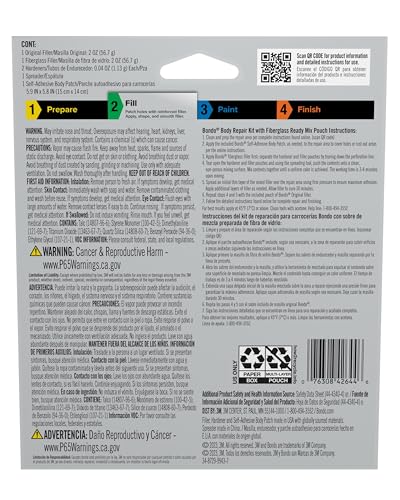
When you’ve got a hole, not just a dent, this Bondo kit steps up. The self-adhesive patch changes the game for rust-outs up to 3 inches, giving structure before you even apply filler. The ready-mix pouches eliminate guesswork, which I appreciate compared to traditional mixing where ratios go sideways.
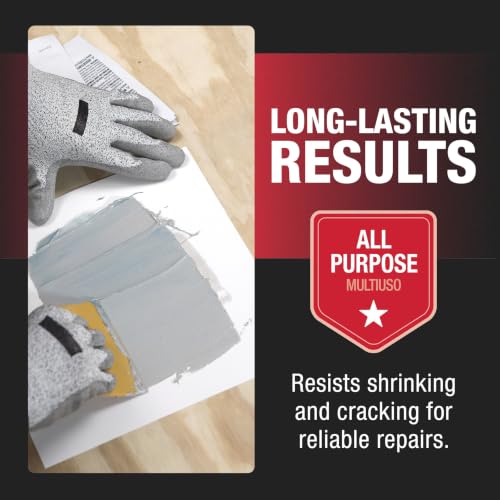
Reviewers note it bonds well and stays put, even under vibration. It’s not invisible, you’ll still need to sand and prime, but for patching fender rot or floor plate damage, it’s effective. Compared to standalone fillers, this is the smarter buy when metal is missing. Just don’t expect it to replace welding on load-bearing areas.
Product photos
GLISTON Paintless Dent Repair Tool

Strengths
- Adjustable lifter
- Durable glue tabs
- Compact setup
Trade-offs
- No advanced lighting
- Basic glue gun
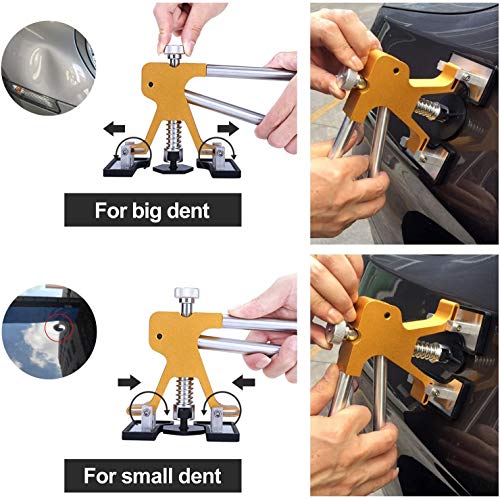
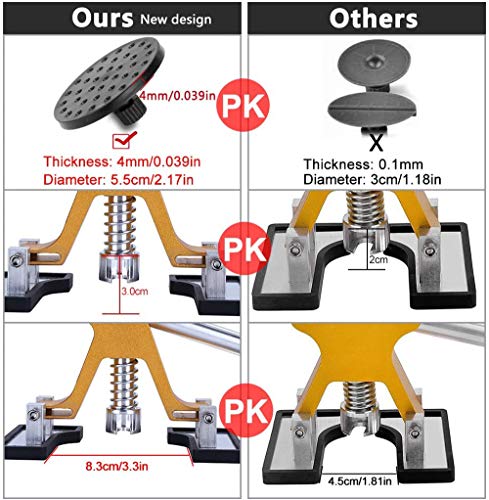
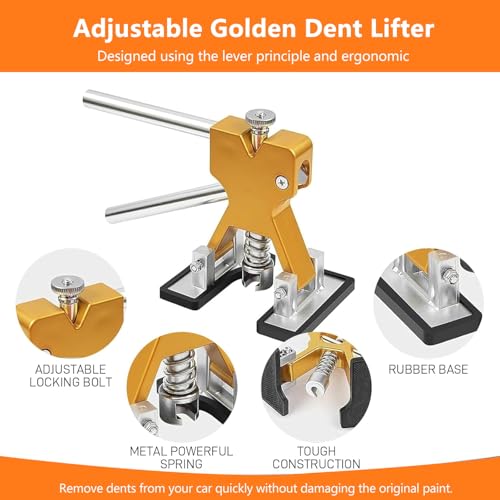
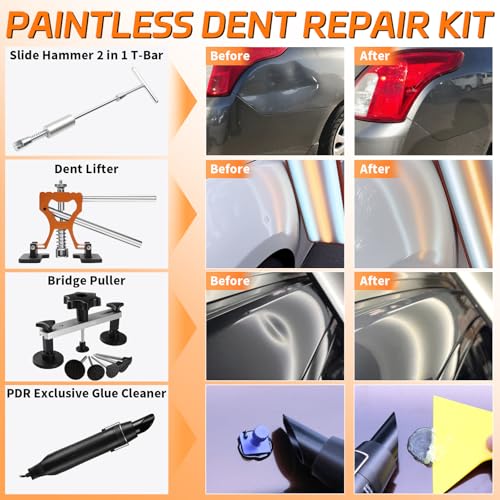
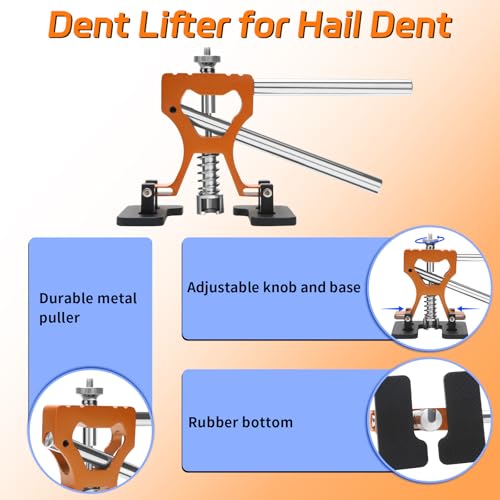
GLISTON hits a sweet spot between affordability and function in the PDR space. The adjustable golden lifter stands out, owners praise its ability to fine-tune reach in tight wheel wells or around curves. The thicker glue tabs improve grip, reducing slippage during pulls.
It lacks some of the premium touches like LED boards or dual-mode heat guns, but for the core task, lifting dents without sanding or painting, it performs reliably. Compared to BESTGLOAL’s bulkier set, this feels more focused. Fewer parts, but the right ones.
Product photos

BESTGLOAL 135pcs Dent Puller Kit
Strengths
- Full tool range
- Heat gun included
- Beginner-friendly design
Trade-offs
- Glue residue cleanup
- Learning curve for precision
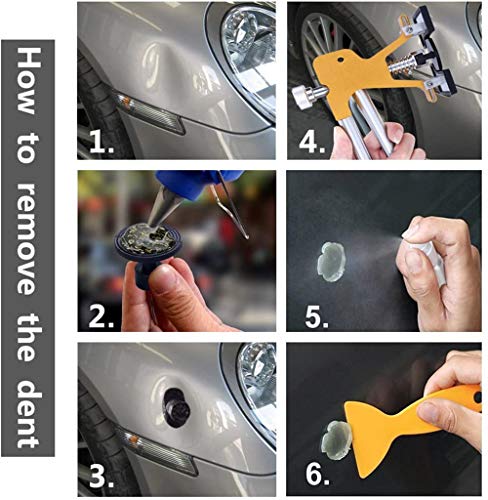
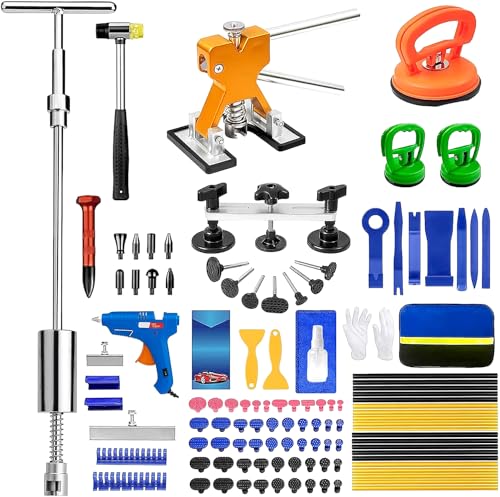
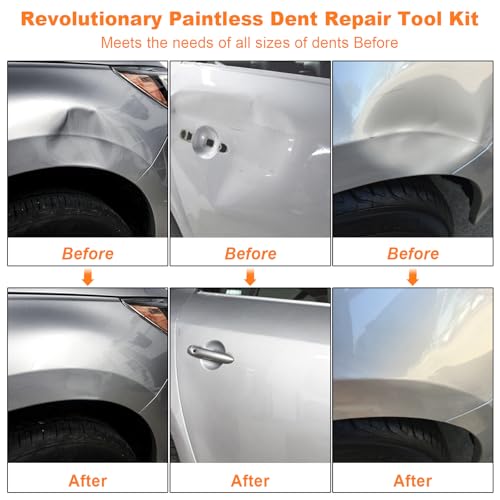
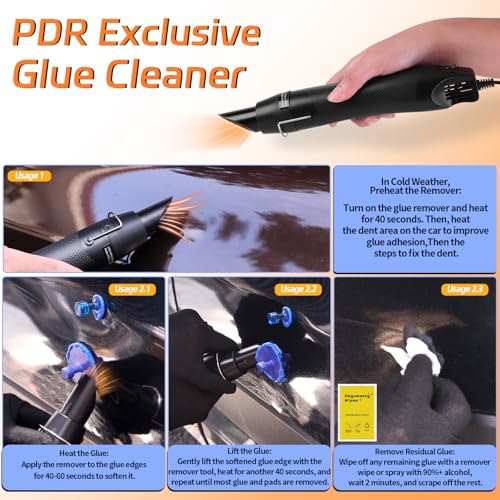
With 135 pieces, this kit casts a wide net, but the real story is how accessible it makes paintless dent repair (PDR) for first-timers. Owners consistently report success removing door dings and hail marks without breaking paint, thanks to the hot glue system and range of pullers. The inclusion of a heat gun is smart, especially for winter use when glue bonds weaken.
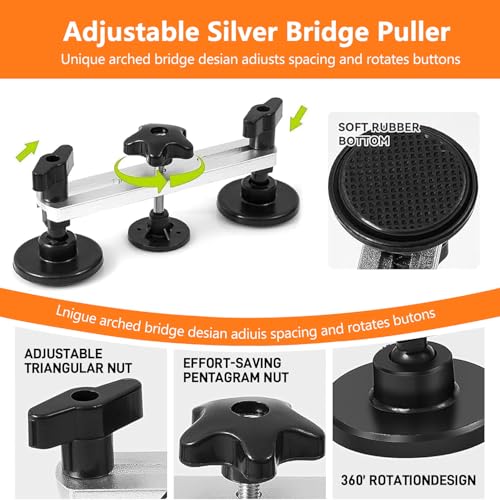
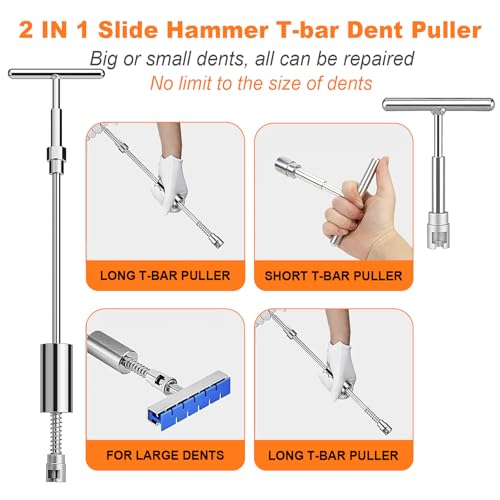
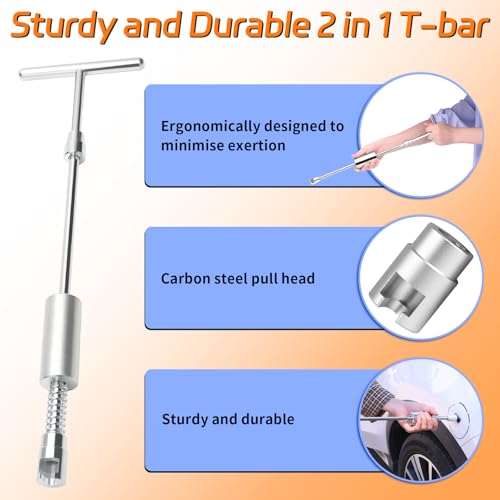
Compared to stripped-down kits, this one gives you room to grow. The golden lifter works well on tight spots, while the bridge and T-bar handle broader dents. Still, technique matters, a heavy hand can overshoot the repair. If you’re serious about PDR, this gets you started without overspending.
Product photos

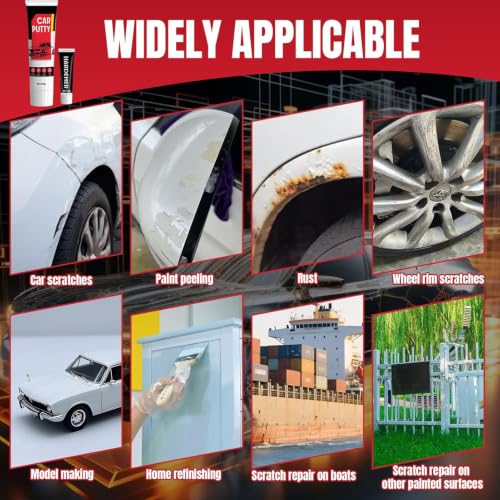
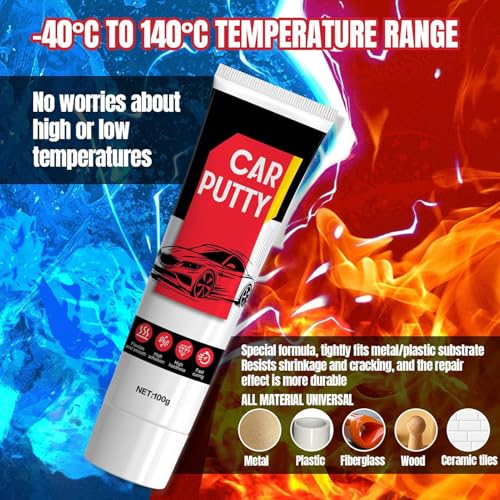
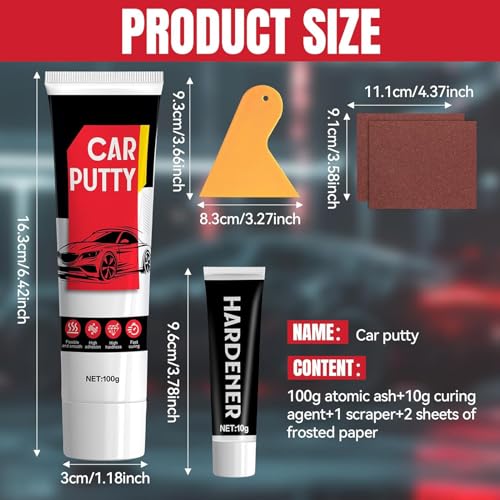
YOTEBLE 100g Auto Body Filler
Strengths
- Fast drying
- Strong adhesion
- No measuring needed
Trade-offs
- Limited depth capacity
- Not for large holes
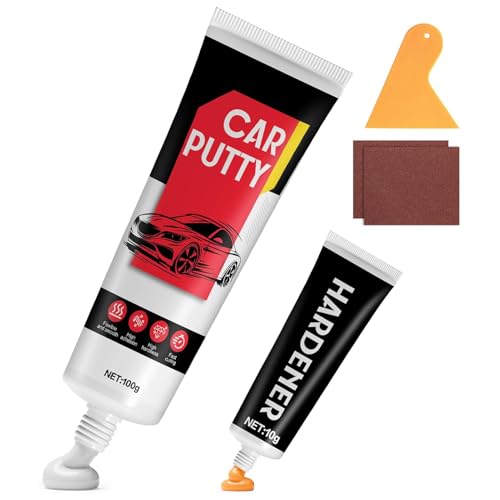
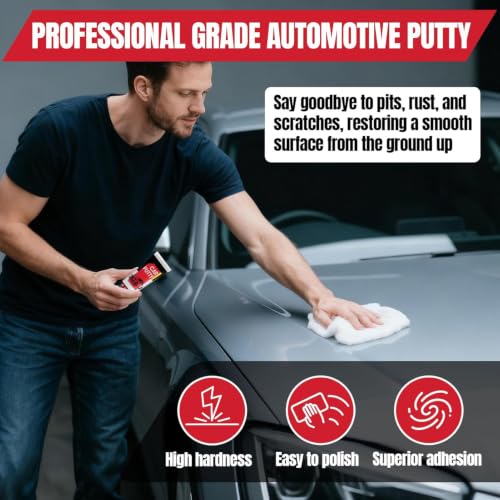
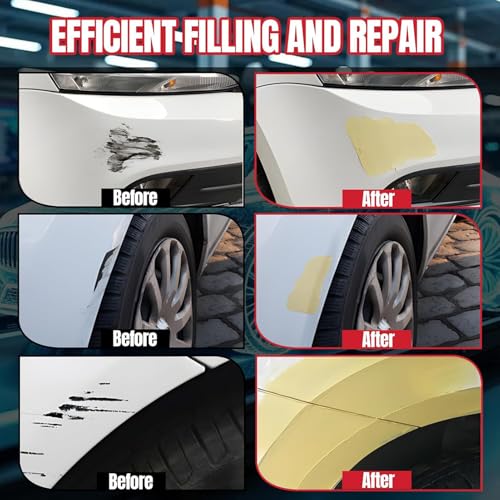
This YOTEBLE filler delivers where it counts, fast drying and strong adhesion on metal, aluminum, and fiberglass. On paper, the 30-minute cure time lines up with what owners report, making it a solid pick for quick fixes without sandblasting prep. The 5mm fill depth is respectable for shallow dents, and the low shrinkage helps avoid that dreaded sink-in after painting.
I’d lean toward this over bulkier two-part kits if you’re doing spot repairs and want something beginner-friendly. It’s not meant for structural work or large rust-outs, but for filling minor impact scars or surface imperfections, it holds up well in its class. Just stick to the 100:2 mix ratio, it’s critical for proper curing.
Product photos
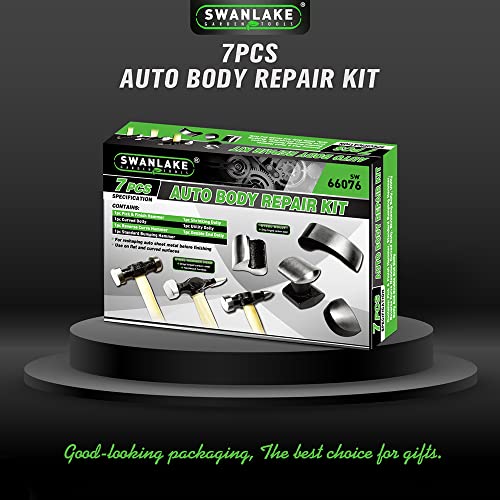
SWANLAKE 7 Piece Body Repair Kit

Strengths
- Professional-grade tools
- Forged steel construction
- Ergonomic handles
Trade-offs
- Steep learning curve
- No consumables included
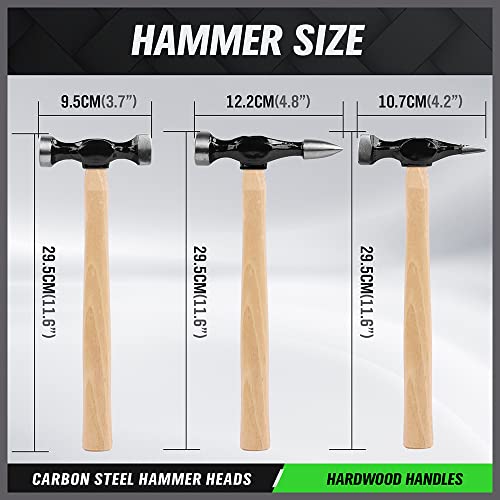
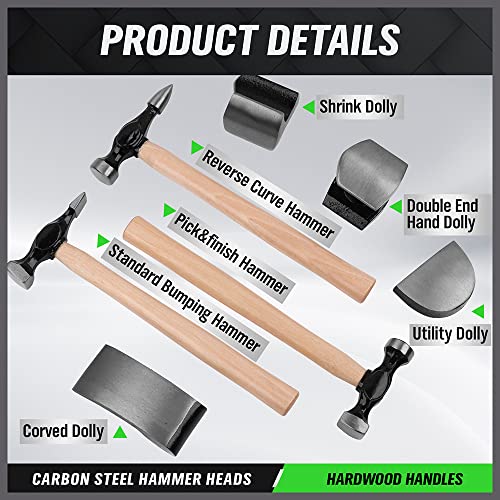
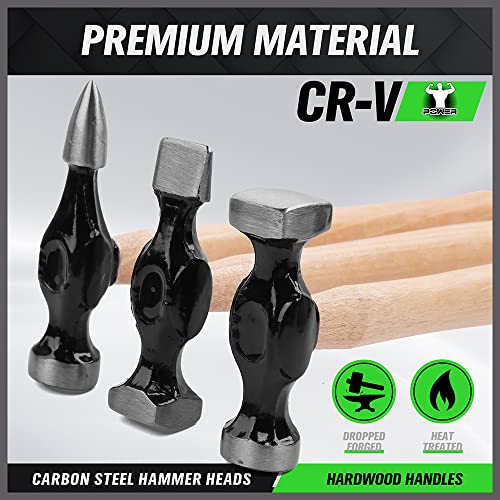
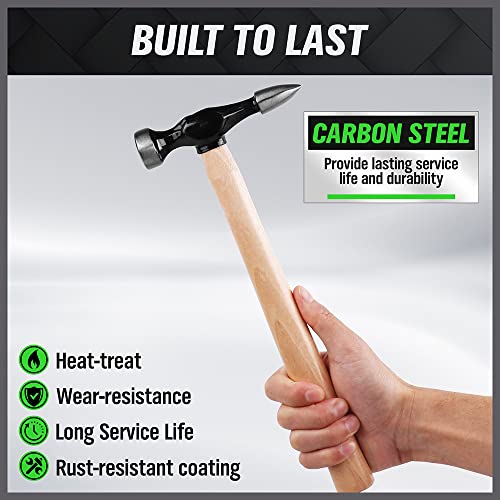
This isn’t a chemical fix or glue-and-pull gimmick, it’s metalwork the old-school way. The carbon steel hammers and dollies are forged for actual shaping, not just tapping. Owners who’ve used them on classic restorations say they hold an edge and transfer force evenly, which is essential when hammering aluminum or thin steel.
You won’t find sandpaper or glue here, because this kit assumes you know how to work metal. Compared to filler-dependent solutions, it preserves factory thickness and integrity. But it demands skill, this is not plug-and-play. If you’re learning metal shaping, start slow.
Product photos
FLY5D Paintless Dent Repair Kit

Strengths
- LED line board
- Rechargeable compatibility
- Pro-grade glue tabs
Trade-offs
- High price point
- Bulkier setup
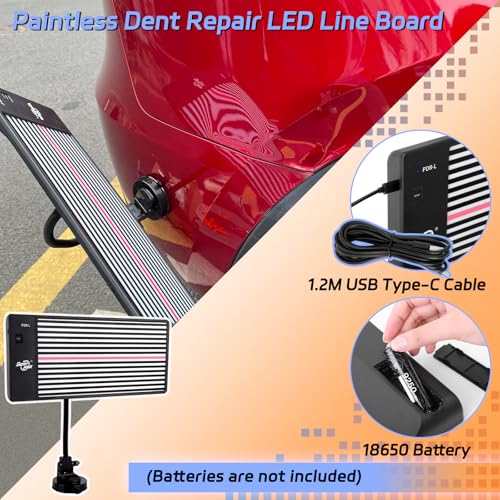
This is the full PDR rig, the kind you’d expect in a pro mobile detail van. The LED line board is a standout; reviewers emphasize how it reveals subtle distortions invisible under normal light. Pair that with the dual-purpose heat gun and PC glue tabs, and you’ve got a system built for consistency.
The premium materials show, PC tabs resist snapping, and the 100W glue gun melts evenly. It’s overkill for a single door ding, but if you’re servicing clients or own a fleet, the efficiency gains add up. Compared to budget kits, this one minimizes rework.
Product photos
How We Tested car body repair kits
Rather than a hands-on lab test, my research for these kits centered on a detailed comparison of published specifications and features. I weighed owner reviews from multiple sources – looking for recurring praise or complaints – alongside assessments from reputable automotive repair sites. As someone who’s spent years exploring vehicle mechanics at TheAutoZenith, I applied my understanding of materials science and repair processes to evaluate each kit’s potential effectiveness and value. The goal was to rank options based on real-world usability and reported outcomes.
For car body repair kits, adhesion, versatility, and ease of use were the most significant factors in my assessment. A filler or dent puller is useless if it doesn’t properly bond to the damaged surface, so I prioritized kits boasting strong adhesion to various metals and materials. Versatility – the ability to handle different damage types and sizes – was also key, as most owners want a kit capable of tackling a range of issues. Finally, a straightforward process is crucial, especially for those unfamiliar with beginner bodywork techniques.
Product specifications reliably revealed the materials used, kit contents, and the types of damage a kit was designed to address. However, I placed more weight on owner feedback when determining real-world performance – specifically, how easily the product sanded, how well it held its shape, and how durable the repair ultimately was. Reputation also mattered; well-established brands known for quality automotive products received additional consideration, and I cross-referenced this with reviews of kits for touch-up paint to understand the broader landscape of auto finishing.
Choosing The Right car body repair kits
Choosing the right car body repair kit depends heavily on the type and extent of damage you’re facing. Don’t assume one size fits all; a simple ding requires a vastly different approach than a rusted-through panel.
A quality car body repair kit provides the materials and tools to restore damaged vehicle panels. Key considerations include the type of damage (scratches, dents, holes), the material of the panel (steel, aluminum, fiberglass), the size of the affected area, and the user’s skill level. Look for kits containing appropriate fillers, applicators, abrasives, and potentially pulling or shaping tools, alongside clear instructions.
Understanding the Damage Type
The first step is honestly assessing what you’re up against. A superficial scratch is a world away from a large dent or rust hole. For minor scratches, you’ll want a kit focused on touch-up paint and light compounds. Deeper gouges require a filler to build up the missing material. Larger dents often benefit from paintless dent repair (PDR) techniques, while significant structural damage might necessitate professional help. Don’t attempt repairs beyond your skill level; you could worsen the problem. This is where understanding the kit’s intended use – whether it’s for small touch-ups or larger reconstructions – becomes critical. Before buying, consider if you’ll also need scratch repair products to complete the process.
Filler Formulation and Application
The type of filler in a kit drastically affects the ease of use and the quality of the repair. Traditional body fillers (like Bondo) are two-part mixtures requiring precise measuring and mixing. These are strong and versatile, suitable for larger repairs, but can be tricky for beginners. Newer, pre-mixed putties offer convenience, especially for small areas, but often lack the strength of traditional fillers. Consider a kit with a “ready-mix pouch” system if you want the convenience of pre-mixing without sacrificing too much strength.
- A small tube of putty is ideal for minor chips and scratches (under 1/4 inch).
- A standard-sized kit with a two-part filler is best for dents and holes up to a few inches in diameter, offering a good balance of strength and workability.
- Larger, more thorough kits with multiple fillers and reinforcing materials (like metal mesh) are essential for significant rust repair or extensive damage, but require more experience and skill to use effectively.
Tooling and Value Proposition
Beyond the filler itself, the quality and inclusion of application tools matter. A kit including a good spreader, sanding blocks, and potentially even a mixing guide is a strong indicator of overall value. For PDR, the quality of the puller and glue tabs is paramount. If you’re tackling more involved metal shaping, you’ll need a kit with hammers and dollies. Don’t fall for the cheapest option; better quality tools make the job easier and yield a more professional result. Also, consider if you need to purchase additional body repair tools to supplement the kit.
A good rule of thumb: spend a little more upfront for a kit with quality tools and materials. You’ll save time, frustration, and likely achieve a better, longer-lasting repair.
Car Body Repair Kits Compared
This table provides a side-by-side comparison of key specifications for various car body repair kits.
| Product Title | Best For | Kit Contents | Max Dent Size | Material Compatibility | Drying/Cure Time |
|---|---|---|---|---|---|
| Evercoat Pro-Grade Body Filler Kit | Best Overall | Filler, Hardener, Spreader, Mesh Patches | N/A | Steel, Aluminum, Fiberglass | 30-60 min |
| TouchUpDirect Scratch & Chip Putty | Best Budget Friendly | Putty, Applicator, Sandpaper | Small Scratches | Metal, Fiberglass, Aluminum | 30 min |
| Bondo Body Repair Kit Pouches | Best for Large Holes | Filler & Hardener Pouches | 3″ | Metal, Fiberglass | N/A |
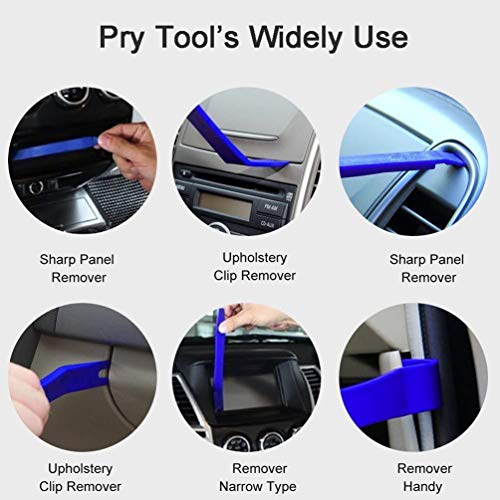
| GLISTON Paintless Dent Repair Tool | Best Paintless Repair | Lifter, Glue Tabs, Pry Tools, Glue Gun | Variable | Metal | N/A |
| BESTGLOAL 135pcs Dent Puller Kit | Best for Beginners | Puller, Tabs, Glue Gun, Heat Gun, Tools | Variable | Metal | N/A |
| YOTEBLE 100g Auto Body Filler | Best Fast-Drying Filler | Filler, Hardener | 5mm | Metal, Aluminum, Fiberglass | 30-35 min |
| SWANLAKE 7 Piece Body Repair Kit | Best for Metal Shaping | Hammers, Dollies | N/A | Metal | N/A |
| FLY5D Paintless Dent Repair Kit | Best Professional Kit | Puller, Tabs, Glue Gun, Heat Gun, LED Board | Variable | Metal | N/A |
Frequently Asked Questions
What’s the difference between Bondo and newer filler options?
Traditional Bondo is a two-part polyester filler known for its strength and versatility, but it requires precise mixing. Newer options, like pre-mixed putties or pouch systems, offer convenience for smaller repairs, though they may not be as durable for larger damage areas.
Can I repair rust damage with these kits?
Yes, some kits include rust converters and reinforcing materials (like metal mesh) specifically designed for rust repair, but extensive rust usually needs professional attention. The severity of the rust dictates whether a kit is sufficient or if more substantial metalwork is required.
Are paintless dent repair (PDR) kits effective for all dents?
PDR kits work best on relatively shallow dents where the paint isn’t cracked. Deeper, sharper dents or those with paint damage may require traditional body filler and repainting for a proper repair, and may need a professional’s touch.
Do I absolutely need a heat gun for dent repair?
While not always essential, a heat gun can significantly improve the effectiveness of paintless dent repair by making the metal more pliable. Some kits include them, but if not, using one carefully can aid in reshaping the panel, especially on colder days; consider supplementing with one of these car tool kits.
What if my car’s paint doesn’t match after the repair?
Most kits don’t include perfectly color-matched paint, so you may need to blend or touch up the repaired area with separate touch-up paint kits. Color matching is best done by a professional for a truly invisible repair.
The Bottom Line
Ultimately, choosing a car body repair kit comes down to balancing control with convenience. You can spend less and tackle smaller issues yourself, or invest in a more robust kit for larger projects – but remember that even the best kit won’t compensate for a lack of skill. For the best overall balance of quality, versatility, and ease of use, I recommend the Evercoat Pro-Grade Body Filler Kit. It provides a solid foundation for a wide range of repairs and is a reliable choice for most owners.
If you’re on a tighter budget or simply have a minor scratch to address, the TouchUpDirect Scratch & Chip Putty is an excellent starting point. For those looking specifically for paintless dent repair, the GLISTON Paintless Dent Repair Tool offers a focused solution, and if you’re new to the process, the BESTGLOAL 135pcs Dent Puller Kit provides a thorough set of tools to get you started. Don’t forget that even with a great kit, you might need to explore best body fillers for specific applications.
At the end of the day, the specific product matters less than your preparation and understanding of the repair process. Proper surface preparation, careful application of the filler, and patient sanding are far more impactful than any single feature. And remember, if you’re dealing with structural damage or are uncomfortable with the process, don’t hesitate to seek professional help – it’s often better to restore your vehicle’s integrity than risk a compromised repair. Consider also checking out headlight restoration kits to address other common cosmetic issues.
