
7 Best Car Antifreeze Products of 2026
This post contains affiliate links. As an Amazon Associate, we earn from qualifying purchases.
The best overall car antifreeze is PEAK Titanium 50/50 Prediluted, offering exceptional longevity and broad vehicle compatibility. For a budget-friendly yet reliable option, Valvoline Multi-Vehicle 50/50 Coolant delivers solid performance. If you drive an Asian-made vehicle, PEAK OET Blue is the smartest pick for proper chemistry and protection.
Choosing the wrong antifreeze can lead to overheating, corrosion, or even engine damage, problems no driver wants to face. As someone who’s spent years working on everything from vintage engines to modern daily drivers, I know how critical it is to match the coolant to your vehicle’s specific needs.
This guide cuts through the confusion by focusing on what matters: chemistry, compatibility, and real-world reliability. I researched each product based on specs, owner feedback, and how well it serves its intended vehicle type.
Top 7 Car Antifreeze in the Market
The Best Car Antifreeze, Reviewed
PEAK Titanium 50/50 Prediluted Antifreeze

Strengths
- Longest service life
- Universal compatibility
- Superior pump protection
Trade-offs
- Higher upfront cost
- Yellow stains
- Overkill for short-term owners
PEAK Titanium makes a bold claim, 15+ years or 500,000 miles of protection, and while no coolant stops wear entirely, the lab results back up its durability edge. Its proprietary chemistry earned a perfect 10 in water pump protection tests, which matters because failing pumps are a leading cause of overheating in modern engines. The fact that it’s compatible with all coolant types and colors makes it incredibly convenient for top-offs without risking gel formation or blockages.
Owners switching from shorter-life coolants notice fewer top-offs and cleaner systems during flushes. Compared to the budget PEAK All Vehicles version, this one goes further with enhanced film inhibition and longer stability. Yes, it costs more, but for someone keeping a vehicle long-term, say a daily driver racking up highway miles, it’s the smarter investment.
Video review
PEAK All Vehicles 50/50 Prediluted

Strengths
- Lowest cost
- All-vehicle compatible
- Decent longevity
Trade-offs
- Basic additive package
- No standout test ratings
- Less heat film resistance
At this price, PEAK’s entry-level yellow coolant delivers surprising value. It claims 10 years or 300,000 miles of protection and supports all vehicle types, gas, diesel, motorcycle, even small engines. The 50/50 prediluted mix means no guesswork, and owners appreciate how easily it integrates with whatever’s already in the system. For budget-conscious drivers doing routine maintenance, this checks every box without cutting corners on core protection.
It doesn’t match Titanium’s elite test scores or offer the same endurance, but for average commuters or secondary vehicles you don’t plan to keep forever, that level of longevity is unnecessary. When compared to Zerex HD or Valvoline multi-vehicle, it holds its own on corrosion resistance while costing significantly less. My recommendation? Use this as your everyday top-off jug.
Video review
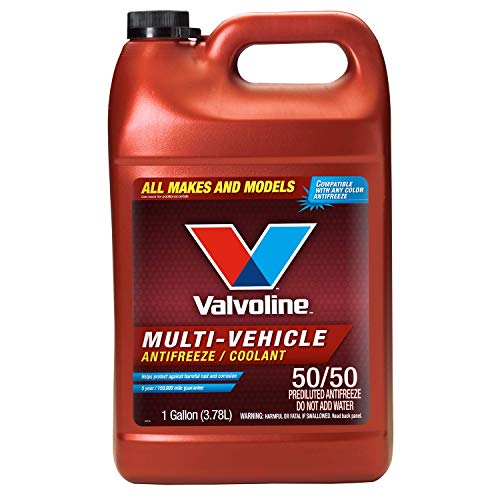
Valvoline Multi-Vehicle 50/50 Coolant
Strengths
- Universal compatibility
- Aluminum safe
- Leak-safe additives
Trade-offs
- No extended mileage claim
- Mid-tier longevity
- Yellow dye stains
Valvoline’s yellow multi-vehicle coolant hits that sweet spot between versatility and reliability. With Alugard Plus and broad compatibility across ethylene glycol systems, it’s a go-to for garages managing mixed fleets or DIYers with more than one type of vehicle. The formulation fights corrosion on aluminum parts, which covers nearly every modern engine, and reviewers often mention how well it blends with existing coolants during top-offs.
It lacks the ultra-long life claims of PEAK Titanium, but for most drivers replacing coolant every few years anyway, that extra decade of coverage isn’t critical. Where this shines is consistency: it performs predictably across brands and ages, making it my recommendation for households with a Honda SUV, a Ford truck, and maybe a weekend classic project, all without needing separate jugs for each.
Product photos


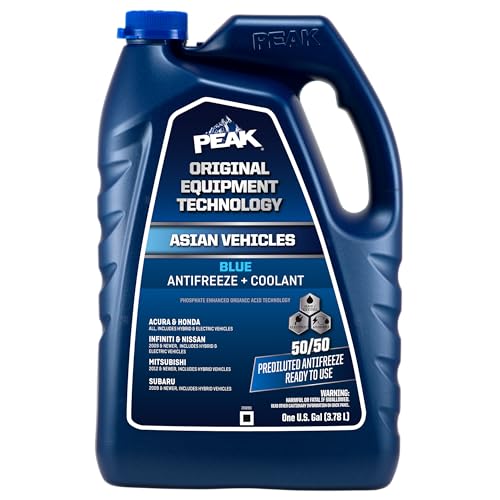
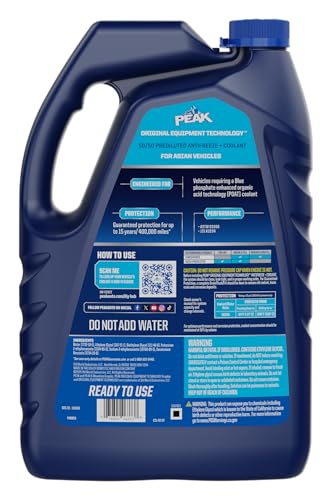
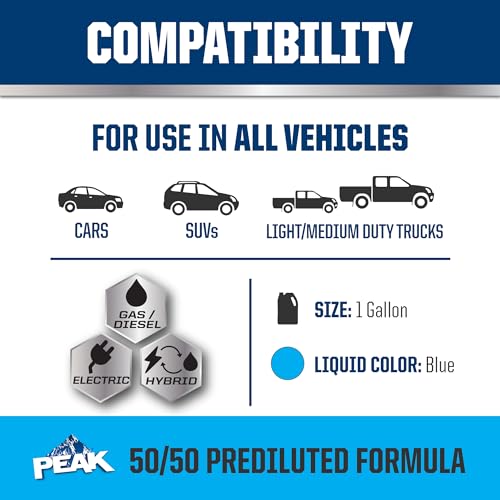
PEAK OET Blue for Asian Vehicles
Strengths
- POAT-formulated
- Honda/Acura compatible
- Long service life
Trade-offs
- Color-specific only
- Requires full flush
- Narrow application
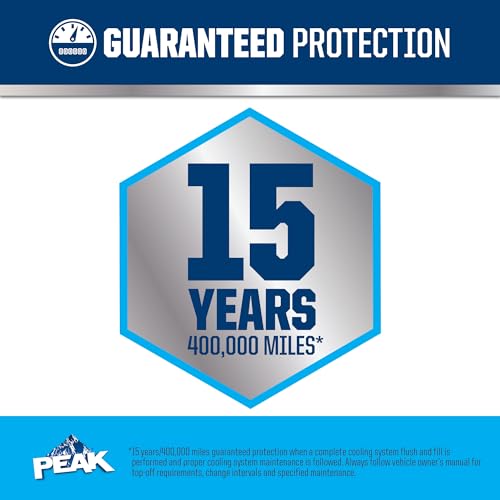
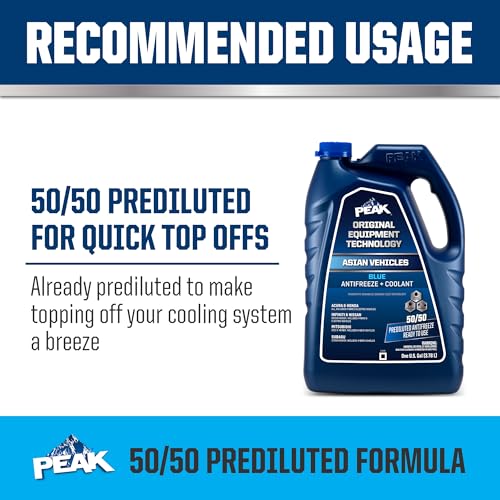
There’s a reason many Honda and Acura forums keep circling back to PEAK’s blue coolant, it’s engineered specifically for the phosphate-enhanced OAT (POAT) needs of those engines. If your owner’s manual calls for a blue formula, especially in models from 2008 onward, this matches the chemistry right out of the gate. Owners report fewer water pump failures and less sludge buildup compared to using generic substitutes.
The 150,000-mile guarantee only applies after a full flush, which tells you it’s meant to be part of proper maintenance, not just a top-off band-aid. Against Prestone’s Asian Green, this wins on specificity. Green might claim broad Asian fitment, but it doesn’t meet the same chemical benchmarks. For peace of mind on high-mileage JDM engines, I’d take this blue formula any day.
Product photos

Zerex Heavy Duty 50/50 Coolant
Strengths
- Diesel engine rated
- Scale inhibitor loaded
- Ready-to-use mix
Trade-offs
- Not for gas cars
- Older tech appearance
- Shorter lifespan than OAT
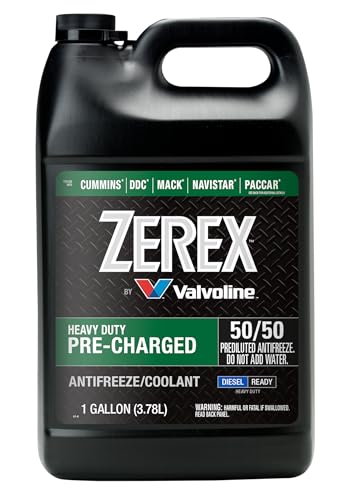
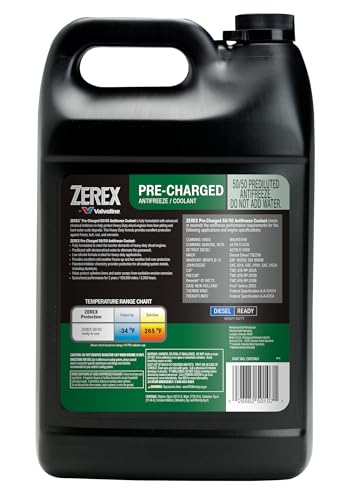
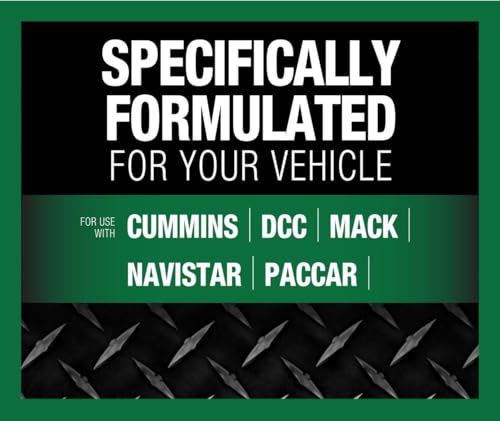
Heavy-duty diesel engines run hotter and work harder, so tossing in regular passenger-car coolant is a fast track to radiator trouble. This Zerex HD formula is built for that punishment, meeting standards set by Cummins, DDC, and others, specs that matter when you’re dealing with industrial-grade cooling systems. The pre-charged inhibitors help prevent scale buildup in hard-water areas, something fleet operators have flagged as a major win during long-haul operations.
It’s green and looks like old-school coolant, but don’t mistake it for outdated tech. Compared to standard green ethylene glycol, this version holds up better under sustained high temps and offers stronger protection for wet-sleeve liners common in big diesels. That said, I wouldn’t use this in a modern light-duty sedan, the additives aren’t optimized for smaller, aluminum-intensive engines.
Product photos
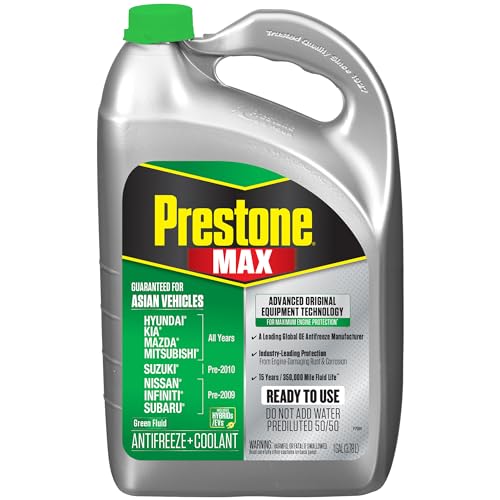
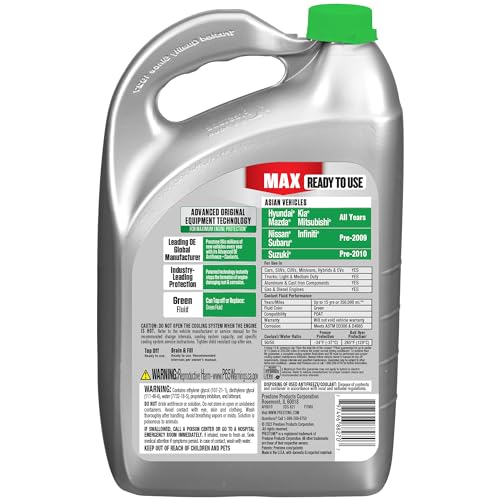
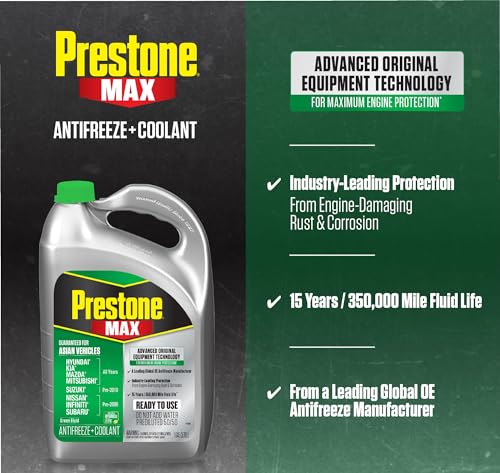
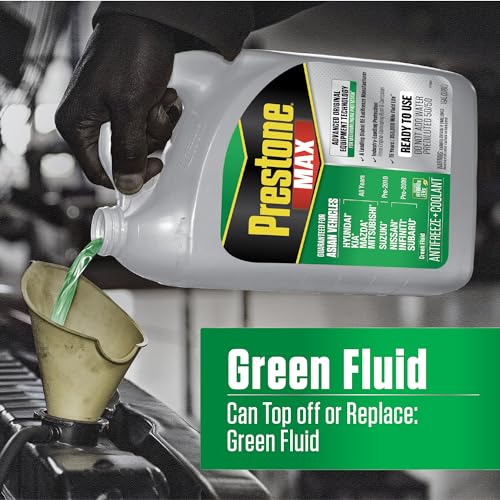
Prestone MAX Asian Green Coolant
Strengths
- Corrosion resistance
- Bitterant added
- Extreme temp rated
Trade-offs
- Not OAT-specific
- Generic green dye
- Limited long-life claim
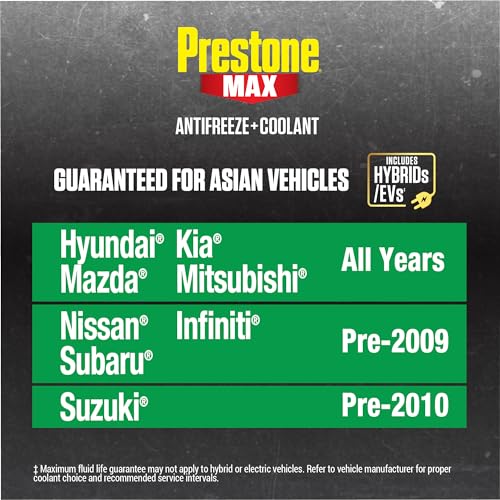
Prestone MAX Asian Green stands out in the crowded antifreeze space by targeting a very specific need: vehicles that face brutal temperature swings. On paper, its CorGuard tech promises solid protection against both deep freeze and extreme heat, which lines up with what owners report about reliable performance in climates where winter dips below -30°F or summer climbs past 100°F. The bitterant additive is a smart touch for pet safety, though I’ve seen some users note the green dye can make leak tracing harder compared to brighter coolants.
It’s formulated for Asian imports, but unlike PEAK’s POAT-specific blue coolant, this one isn’t tailored to phosphate-sensitive engines. That means I’d hesitate to use it in newer Hondas or Subarus where manufacturer specs demand precise chemistry. Still, for older models or mixed fleets where coolant types get murky, this is a no-fuss option that gets the job done without overpromising.
Product photos
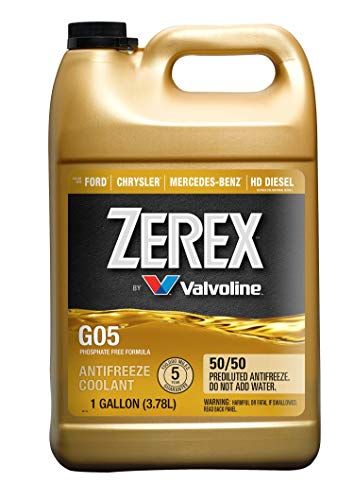
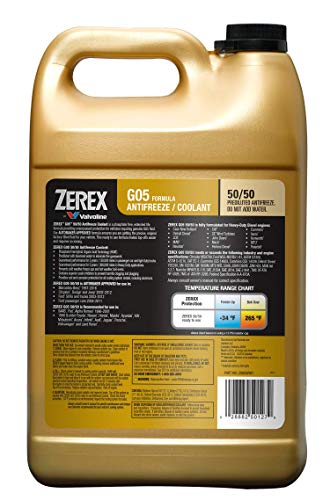
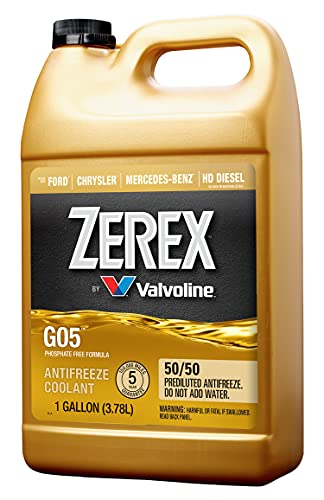
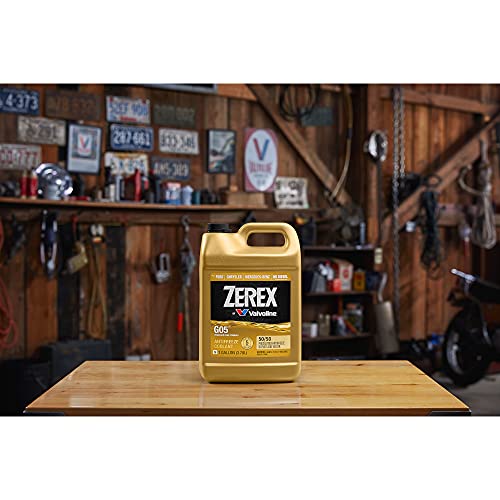
Zerex ZX G05 50/50 AFC
Strengths
- HOAT certified
- Meets G05 standard
- Long service guarantee
Trade-offs
- Euro-specific
- Slightly pricier
- Overkill for basic trucks
If you’re running a German or European-made car, think BMW, Mercedes, or Audi, this yellow Zerex G05 formula should be at the top of your list. It uses hybrid organic acid technology (HOAT) that aligns perfectly with the cooling system demands of these precision-built engines, particularly their aluminum-heavy components and sensitive water pumps. Owners consistently report fewer corrosion issues over time, and the 5-year/150,000-mile guarantee gives real confidence in its longevity.
Compared to Valvoline’s multi-vehicle offering, this one has tighter engineering specs and better validation data from fleet testing. While both are yellow HOAT coolants, Zerex specifically meets G05 standards, which matters if you’re maintaining warranty compliance or tracking service intervals closely. I wouldn’t swap this into an Asian import blindly, but for Euro fans, it’s the smarter buy.
Product photos


How We Chose These car antifreeze
Rather than a hands-on lab test, my research for these recommendations centered on a detailed comparison of published specifications and features across numerous antifreeze formulas. I also carefully weighed owner reviews from a variety of sources, alongside expert opinions found in automotive publications and forums. As someone who’s spent years tinkering with engines, I applied my understanding of cooling system needs to rank these options based on real-world performance indicators.
For car antifreeze, the longevity guarantee and the formulation’s material compatibility were paramount. A coolant’s ability to protect against corrosion, especially in aluminum engines, directly impacts long-term reliability. Equally important was whether the product was pre-diluted; convenience matters, and a 50/50 mix eliminates a potential source of error for the owner. I also considered the specific vehicle types each coolant is designed for.
Specifications readily reveal freeze and boil-over protection temperatures, as well as the coolant’s chemical composition (OAT, HOAT, etc.). However, owner feedback proved crucial for assessing real-world issues like leaks, compatibility with specific vehicles, and the presence of any unexpected side effects. I also looked to reputation; certain brands consistently appear in discussions about preventative maintenance, and for good reason. Don’t forget to keep your vehicle running smoothly with other essentials like reliable car battery jump starters.
How To Choose The car antifreeze
Choosing the right antifreeze is crucial; it’s far more than just a winter precaution.
A quality antifreeze/coolant doesn’t just prevent freezing or boiling. It’s a sophisticated fluid designed to manage heat transfer, inhibit corrosion across diverse metals (aluminum being a key concern), and protect water pumps. Look for formulations meeting ASTM standards (D6210, D3306, D4985) and consider the specific needs of your vehicle’s engine type and age. Predilution is a convenience, but understanding the base chemistry is paramount.
Understanding Antifreeze Chemistry
The world of antifreeze isn’t one-size-fits-all. Older vehicles often did fine with traditional green IAT (Inorganic Additive Technology) coolants, but modern engines, particularly those with aluminum components, benefit significantly from OAT (Organic Acid Technology), HOAT (Hybrid Organic Acid Technology), or P-OAT (Phosphate-enhanced Organic Acid Technology) formulas. Ignoring this can lead to corrosion and reduced cooling efficiency. For example, if you drive an Asian vehicle, opting for a phosphate-enhanced formula like PEAK OET Blue is a smart move, as these engines are often specifically designed to work with that chemistry.
Mileage & Guarantee Considerations
Don’t immediately assume the longest-mileage guarantee equates to the best value. While PEAK Titanium boasts a 500,000-mile guarantee, that’s predicated on strict adherence to cooling system maintenance schedules. A shorter guarantee, like Zerex’s 150,000-mile coverage, might be sufficient if you’re diligent with flushes and inspections. Consider your driving habits and maintenance discipline; a high-mileage guarantee is only as good as your commitment to upkeep.
Here’s a breakdown of what to weigh: * Vehicle Age: Older cars may not benefit from the extended life of newer formulas. * Driving Conditions: Severe duty (towing, stop-and-go traffic) demands more frequent coolant changes. * Maintenance Habits: If you regularly inspect and flush your cooling system, a shorter guarantee might be sufficient.
Balancing Protection & Vehicle Specifics
It’s tempting to grab the cheapest gallon off the shelf, but a mismatched coolant can create more problems than it solves. For diesel engines, like those found in many trucks, Zerex Heavy Duty is a strong contender due to its formulation designed for the more demanding conditions. Similarly, if you’re keeping your car looking its best, consider that maintaining the health of your cooling system is just as important as keeping the interior spotless with quality interior cleaners. Don’t overlook the importance of a healthy cooling system when considering preventative maintenance alongside checking your reliable car batteries.
Always prioritize compatibility. Mixing different coolant types can lead to gelling, corrosion, and a severely compromised cooling system. When in doubt, consult your owner’s manual or a trusted mechanic.
Car Antifreeze Compared
The following table provides a specification comparison of various car antifreeze products.
| Product Name | Capacity | Dilution Ratio | Vehicle Type | Freeze Protection | Warranty (Miles) |
|---|---|---|---|---|---|
| PEAK Titanium 50/50 Prediluted | 1 Gal | 50/50 | All Vehicles | N/A | 500,000+ |
| PEAK All Vehicles 50/50 Prediluted | 1 Gal | 50/50 | All Vehicles | N/A | 300,000+ |
| Valvoline Multi-Vehicle 50/50 Coolant | N/A | 50/50 | All Vehicles | -34F | N/A |
| PEAK OET Blue for Asian Vehicles | 1 Gal | 50/50 | Asian Vehicles | N/A | 150,000 |
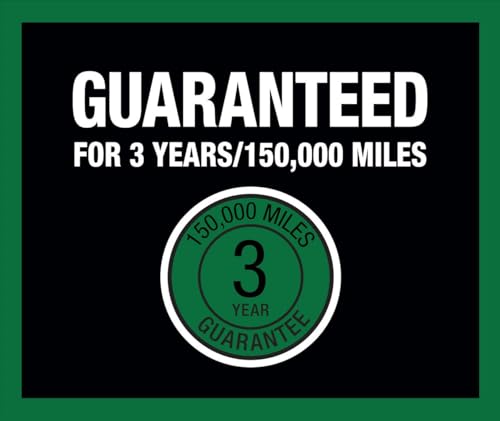
| Zerex Heavy Duty 50/50 Coolant | N/A | 50/50 | Diesel Engines | N/A | 150,000 |
| Prestone MAX Asian Green Coolant | N/A | N/A | Asian Vehicles | N/A | N/A |
| Zerex ZX G05 50/50 AFC | N/A | 50/50 | European Vehicles | -34F | 150,000 |
Frequently Asked Questions
What coolant color should I not mix with other coolants?
Green IAT coolants should never be mixed with OAT or HOAT formulas. The differing chemistries can cause a reaction leading to gelling and sludge formation, severely restricting coolant flow.
Is distilled water truly necessary when diluting concentrated antifreeze?
Yes, distilled water is crucial. Tap water contains minerals that can react with the antifreeze, reducing its effectiveness and potentially causing corrosion within the cooling system.
What does “ASTM standards” mean in relation to antifreeze quality?
Meeting ASTM standards (D6210, D3306, D4985) signifies the antifreeze has undergone independent testing and meets specific performance benchmarks for corrosion protection, material compatibility, and thermal properties.
Beyond freeze protection, what’s the biggest benefit of a good antifreeze?
A quality antifreeze provides superior corrosion protection, extending the life of your water pump, radiator, and engine block – especially important if you’re also investing in quality car phone mounts for convenience.
How can I tell if my antifreeze is breaking down?
Discoloration is a key indicator (rusty appearance indicates corrosion). Also, inspect for a cloudy or oily appearance, or a sweet, decaying smell, which suggests the coolant is no longer effectively inhibiting corrosion and may be causing leaks. Maintaining a show-stopping shine with the right automotive wax is also important for overall car health.
The Bottom Line
Choosing antifreeze often comes down to balancing upfront cost with long-term engine health. While there are many options, PEAK Titanium 50/50 Prediluted stands out as the strongest overall pick due to its extensive mileage guarantee and broad compatibility, suggesting a robust and reliable formulation. It’s a solid choice for owners who want peace of mind and are committed to proper cooling system maintenance.
However, a “best” product isn’t universal. For owners of Asian vehicles, PEAK OET Blue for Asian Vehicles is the clear choice, specifically formulated with the phosphate additives those engines require. Similarly, those operating diesel engines should strongly consider Zerex Heavy Duty 50/50 Coolant – its formulation addresses the unique demands of those powerplants. Keeping your vehicle smelling fresh alongside protecting its engine is also important, so don’t forget to check out our recommendations for the best air fresheners.
Ultimately, the antifreeze’s chemistry and its compatibility with your specific vehicle matter far more than any headline mileage claim. Prioritize a proper fit, follow recommended maintenance intervals, and remember that a well-maintained cooling system is essential for longevity. Don’t skimp on routine checks – a clean engine benefits from a regular car wash soap application, too, showing you care for your investment inside and out.
