
8 Best Camper Refrigerators of 2026
This post contains affiliate links. As an Amazon Associate, we earn from qualifying purchases.
The RecPro 10 Cu Ft 12V RV Refrigerator stands out as the best overall pick for its reliable compressor cooling and efficient 12V operation, while the Igloo 3.2 Cu Ft Mini Fridge is a solid budget-friendly option that won’t drain your power. For those needing propane flexibility, the RecPro 6.3 Cu Ft Gas & Electric Fridge offers the most versatile setup.
Choosing the right camper refrigerator isn’t just about size or price, it’s about matching the unit to your actual on-the-road lifestyle. Too many people buy based on specs alone, only to find their fridge guzzles power or doesn’t keep up in warm weather. This guide cuts through the noise, drawing on real owner experiences and technical details to highlight models that deliver where it counts: cooling performance, durability, and smart design for life in motion.
Top 8 Camper Refrigerators in the Market
The Best Camper Refrigerators, Reviewed
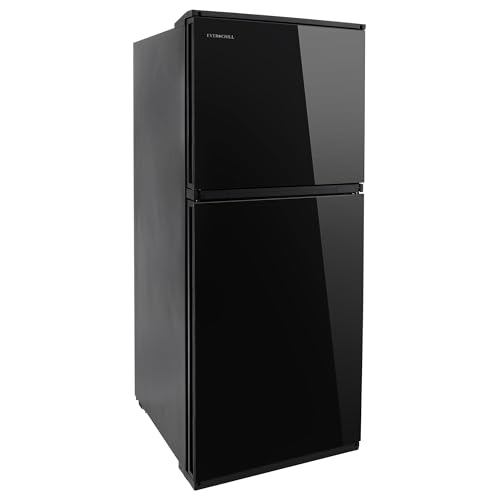
RecPro Everchill 10.7 Cu Ft RV Fridge
Strengths
- Dual swing doors
- Individual temp controls
- Large capacity
- Sleek glass front
- Strong build
Trade-offs
- 12V only
- High price
- Heavy unit
This Everchill model earns the ‘Best Overall’ tag with good reason, the dual swing doors are a standout, letting you switch opening direction anytime without kits or tools. The 10.7 cu.ft interior is spacious without being unwieldy, and individual temp controls for fridge and freezer mean true versatility.
Owners consistently report excellent cooling retention during travel, and the glass-front design actually holds up well in real-world use. It’s 12V-only, so no propane backup, but its efficiency offsets that limitation. Compared to other large fridges, it’s easier to integrate into modern RV builds. My recommendation? If you want premium features and don’t need gas power, this is the one to get.
Video review
RecPro 10 Cu Ft 12V RV Refrigerator

Strengths
- Frost-free operation
- Large 10 cu.ft space
- Reversible doors
- Quiet performance
- Energy efficient
Trade-offs
- Expensive upfront
- Needs solid 12V setup
- Heavy installation
This RecPro 10 cu.ft model is built like an RV appliance should be, rugged, frost-free, and efficient on 12V. Owners praise how well it maintains temps during travel, and the frost-free system eliminates the annoying defrost cycles that plague cheaper units. On paper, its energy efficiency stands out, especially for full-timers relying on battery banks.
Compared to other large-capacity models, it’s quieter than most and offers reversible doors, which is a real win when fitting into odd RV layouts. The stainless finish holds up well, and reviewers note the adjustable shelves make organizing easier. But at this size, it’s only viable in larger rigs. I’d recommend it over dual-fuel options if you’re mostly plugged in or solar-equipped.
Video review
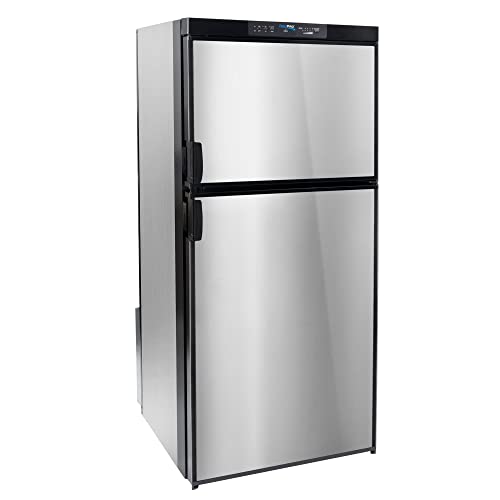
RecPro 6.3 Cu Ft Gas & Electric Fridge
Strengths
- Triple power options
- Propane capable
- Sturdy construction
- Reliable in remote areas
Trade-offs
- Slower cooling
- Heavier build
- Less energy efficient
What sets this RecPro apart is its true multi-power flexibility, run it on 120V, 12V, or propane. That kind of redundancy is gold for boondockers or those in areas with unstable power. The gas-absorption system isn’t as efficient as compressor cooling, but it’s proven tech for off-grid reliability.
Owners note it takes longer to cool down, up to 12 hours before loading food, and it’s louder than compressor fridges when running on gas. It also weighs more and has fewer internal features than newer models. But if you’re often off-grid and want fuel-based backup, this resilience beats sleeker alternatives. I’d keep this in mind for remote cabins or emergency prep.
Product photos

RecPro 4.4 Cu Ft 12V RV Refrigerator

Strengths
- Frost-free design
- Energy efficient
- Reversible door
- Stainless build
- Adjustable shelves
Trade-offs
- AC only
- Mid-range capacity
- No propane option
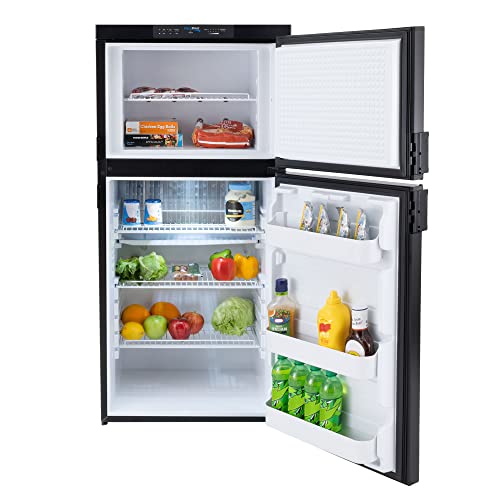
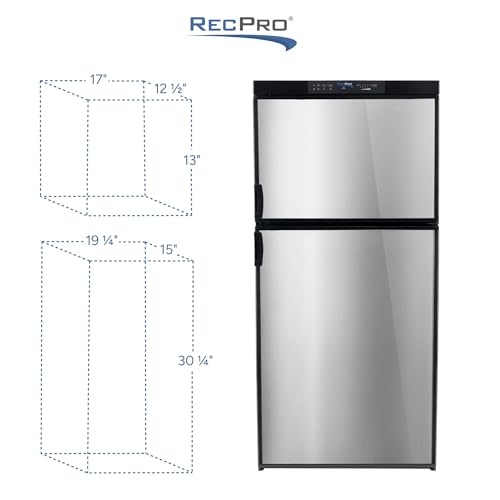
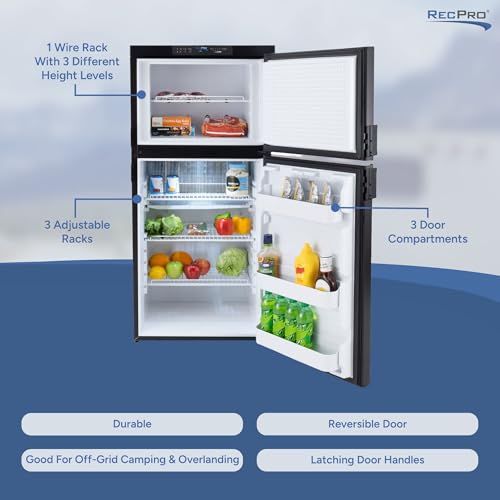
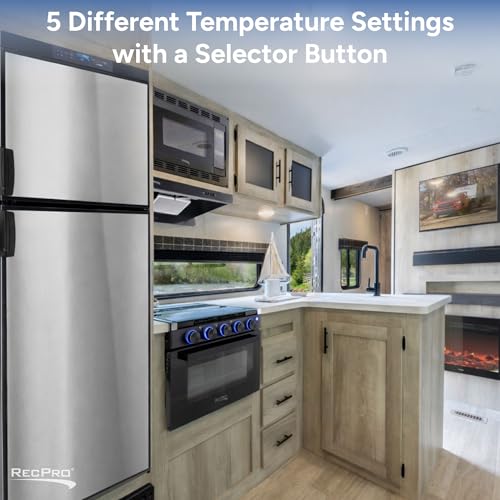
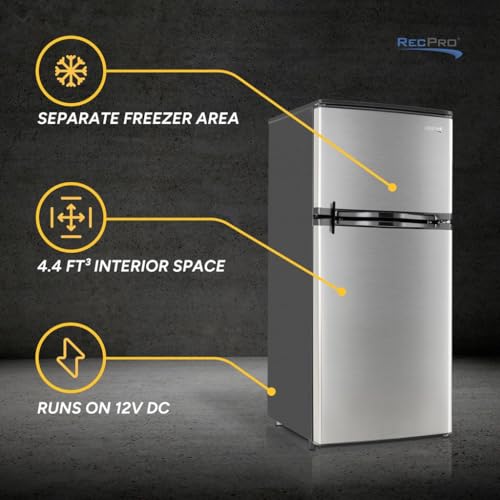
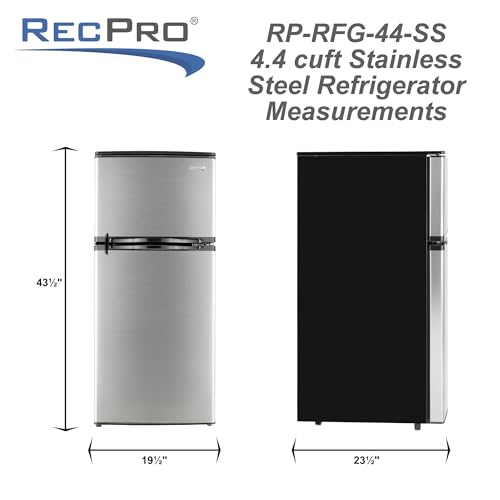
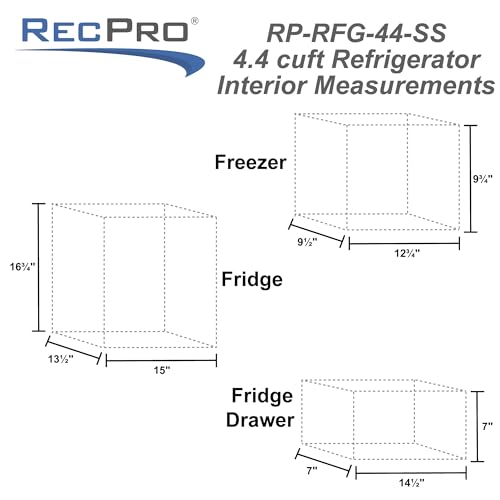
The 4.4 cu.ft RecPro hits a sweet spot in size and efficiency, it’s large enough for a couple’s weekly groceries but compact enough for mid-sized RVs or van builds. Frost-free tech means no manual defrosting, which owners appreciate after weeks on the road. Its 12V efficiency is among the best in class, making it compatible with solar setups without draining batteries overnight.
Stainless steel finish resists scratches, and the reversible door helps with awkward kitchen layouts. Compared to the larger 10 cu.ft model, this one cools faster and recovers better after door openings. I’d choose this over dual-fuel options if I’m primarily running on battery or shore power. It’s the smarter buy for most weekenders and part-timers.
Product photos
Igloo 3.2 Cu Ft Mini Fridge
Strengths
- Separate freezer
- Low price point
- Glass shelves
Trade-offs
- No fan cooling
- Freezer underpowered
- Basic temp control
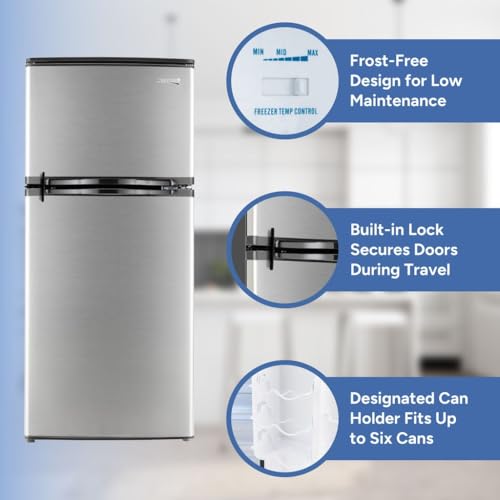
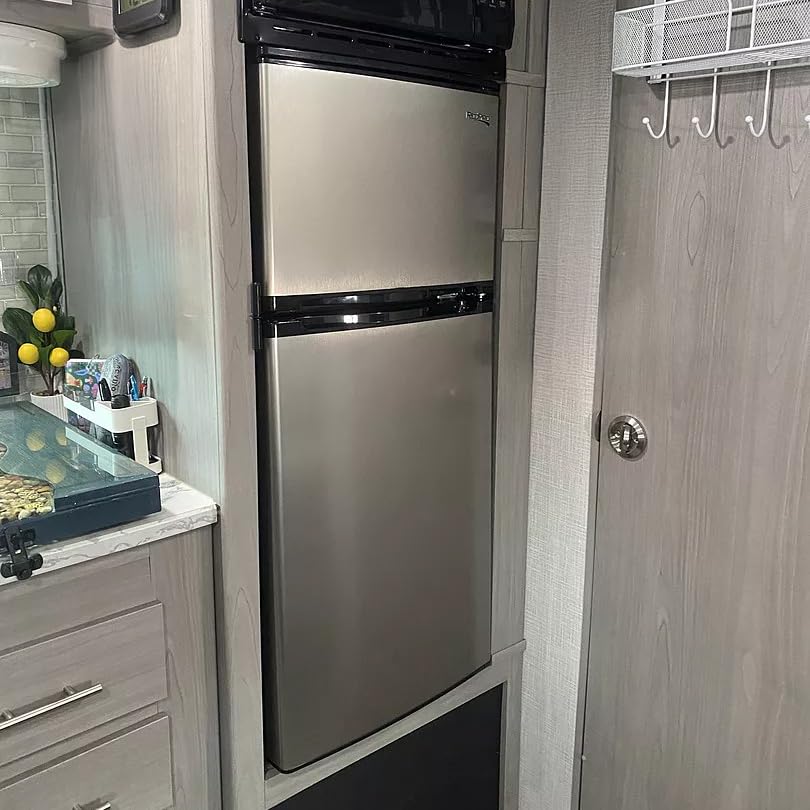
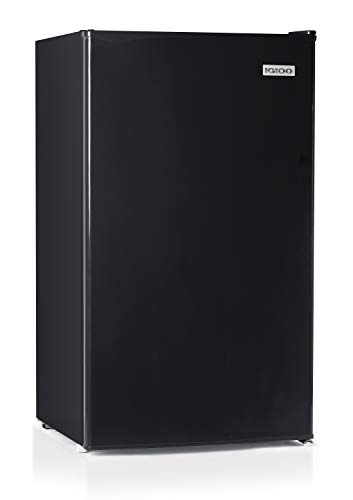
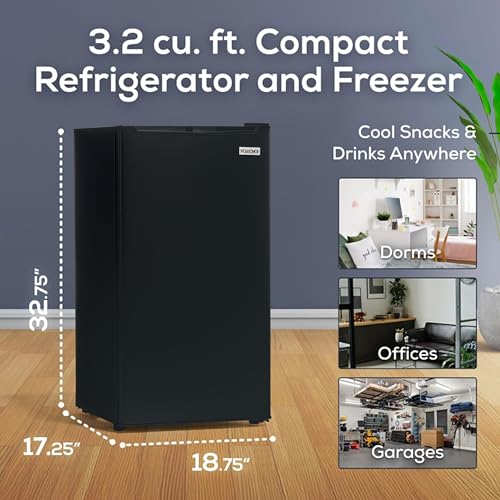
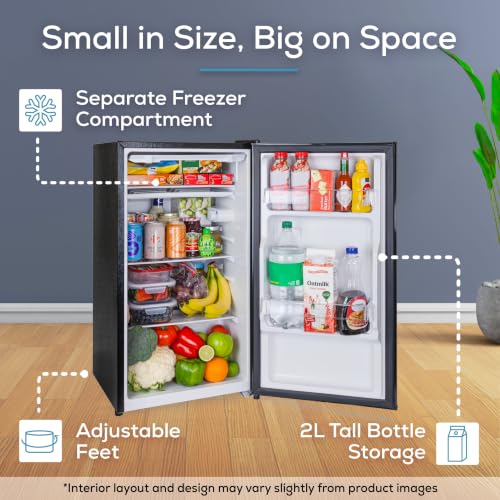
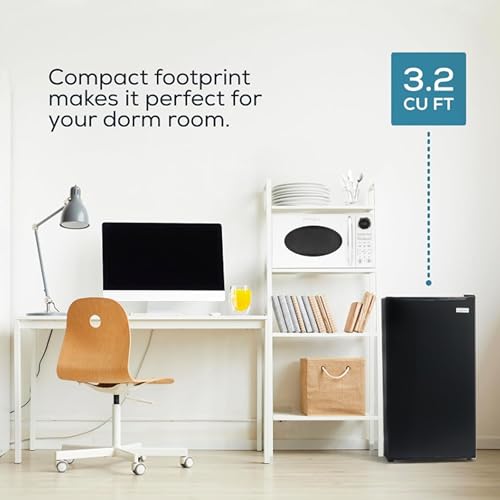
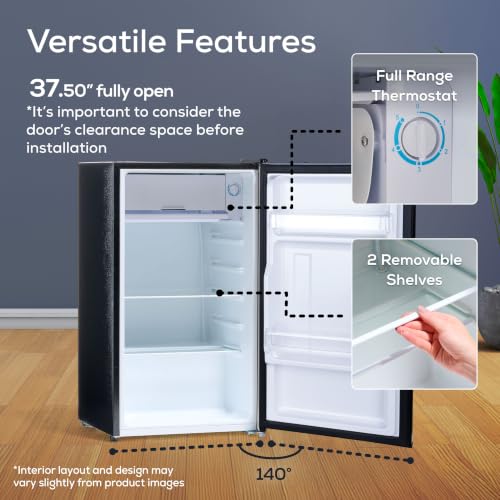
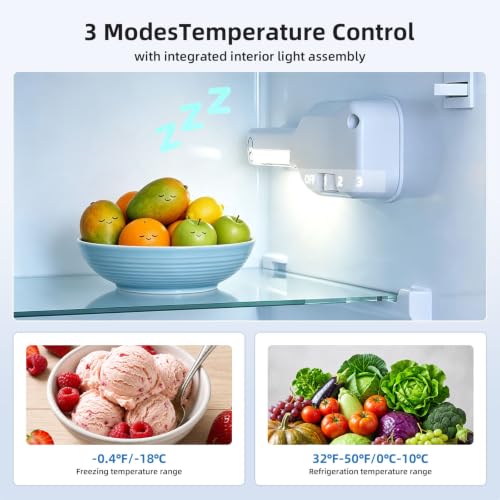
On paper, this Igloo unit looks like a no-brainer for tight budgets and small spaces. It’s got that rare separate freezer compartment in a compact footprint, which matters if you’re storing frozen snacks or meds. The 3.2 cu.ft capacity is decent for a dorm or office, and owners consistently report it keeps drinks cold enough, though don’t expect sub-zero freezing power.
The compressor cooling is basic but reliable, though the lack of a fan means uneven temps and slower recovery after opening. I’d pick something else for an RV, but as a secondary fridge where AC power is stable, it holds up. Just know the mechanical thermostat isn’t precise, and the freezer isn’t strong enough for ice cream long-term.
Product photos

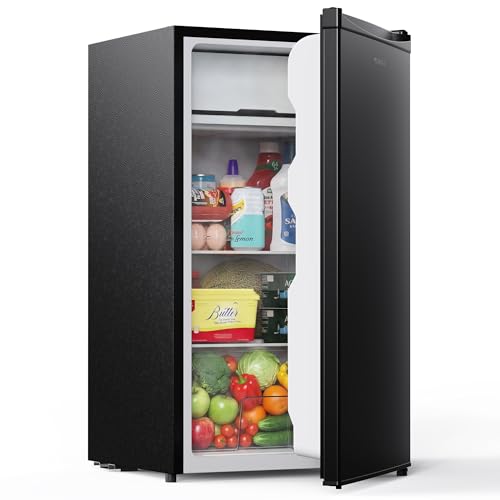
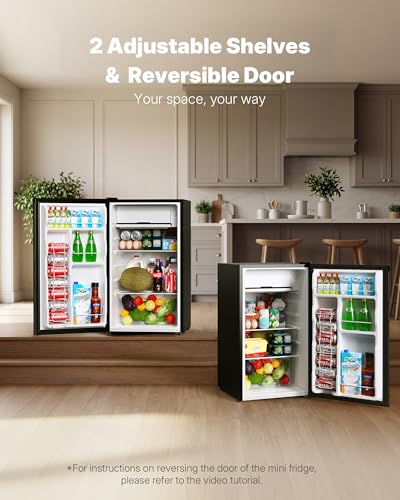
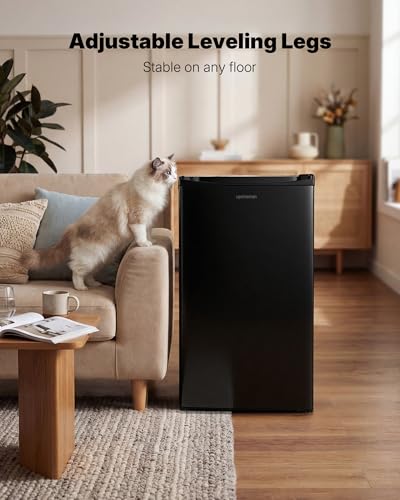
Upstreman 3.2 Cu Ft Mini Fridge
Strengths
- Extremely quiet
- Energy Star rated
- Reversible door
- Crisper drawer
- Adjustable shelves
Trade-offs
- Freezer not deep freeze
- No internal light
- Plastic build
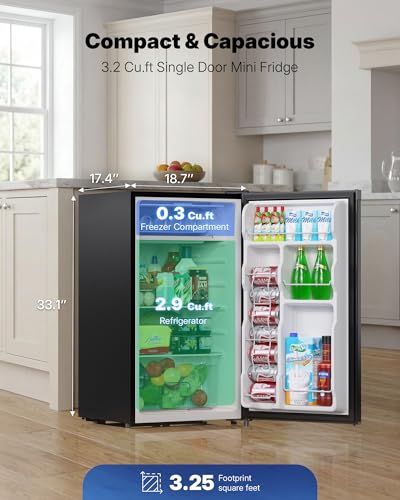
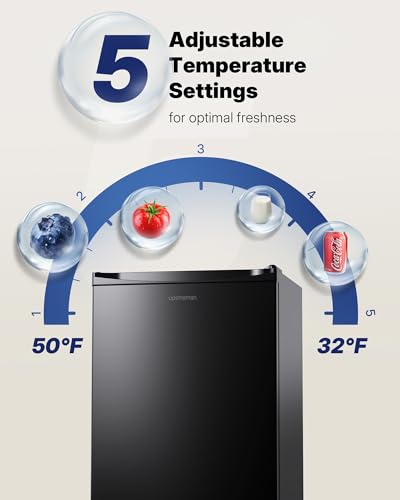
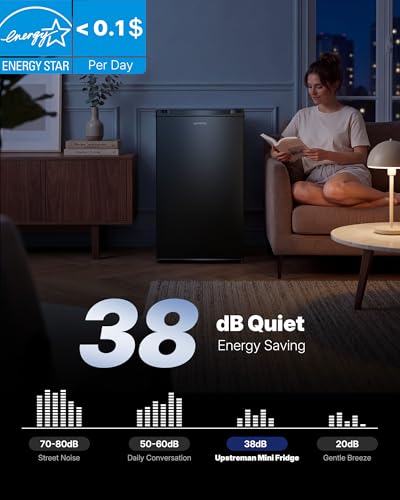
If quiet operation is your top priority, the Upstreman wins on specs alone, 38 dB is whisper-level, even lower than some fridges twice the price. Energy Star certification means it’s efficient, and owners confirm it doesn’t spike electricity bills. The 5 temp settings offer more precision than most budget units, letting you dial in cooling for dairy or beverages.
It’s still a static-cool unit (no fan), so cold spots are inevitable, and the freezer won’t handle ice cream storage well. But the crisper drawer and reversible door add real convenience. Compared to the Igloo, this one feels more thoughtfully designed for daily use. I’d pick it over others in this size class for bedrooms or offices where silence matters.
Product photos
Cucina Magica 8.5 Cu Ft Fridge
Strengths
- Ultra energy efficient
- Slide-out shelves
- Very quiet
- Spacious interior
- Adjustable feet
Trade-offs
- No frost-free
- AC power only
- Not shock-resistant
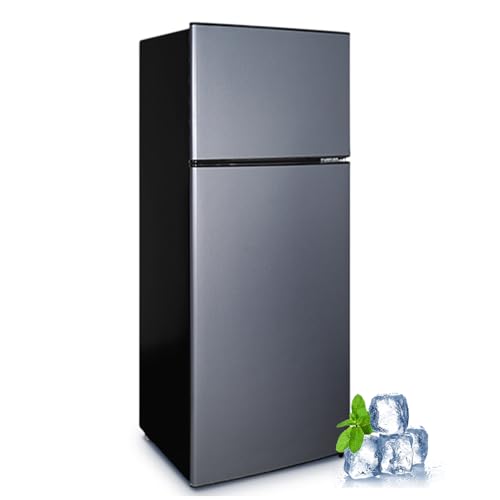
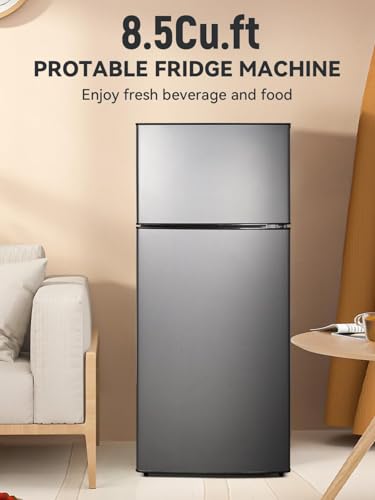
The Cucina Magica stands out in the apartment-sized class with serious energy efficiency, just 1kWh per day is impressive for an 8.5 cu.ft fridge. That kind of draw makes it a smart pick for solar users or anyone watching off-grid loads. Owners say it runs quietly, too, with noise under 42dB meaning it won’t disrupt a quiet cabin or bedroom.
It lacks frost-free tech, so occasional defrosting is needed, and it’s AC-only, which limits RV flexibility. But for a fixed campsite or tiny home setup, the slide-out glass shelves and spacious layout beat many competitors. Compared to similarly sized units, it’s better suited for stationary use than bumpy roads. I’d take this over a basic mini fridge any day for permanent installations.
Product photos
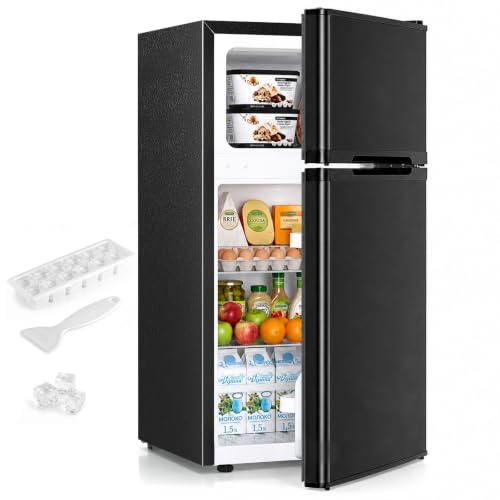
Antarctic Star 2.5 Cu Ft Mini Fridge
Strengths
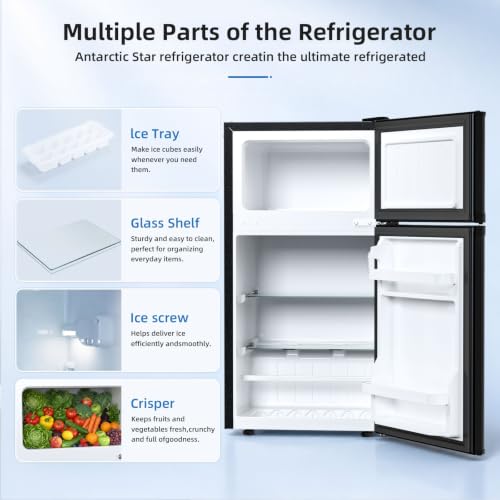
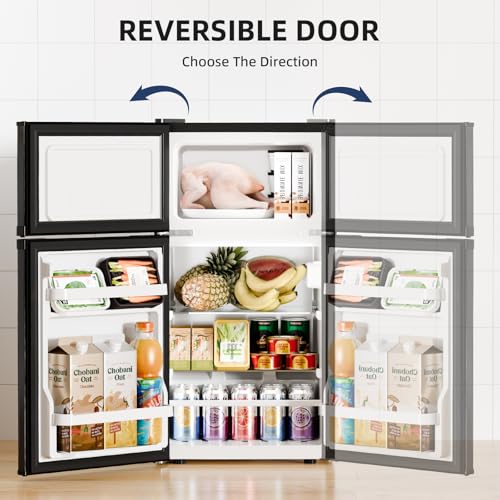
- Double door design
- Ice cube tray included
- Removable shelves
Trade-offs
- Small capacity
- Basic temperature control
- No adjustable leveling
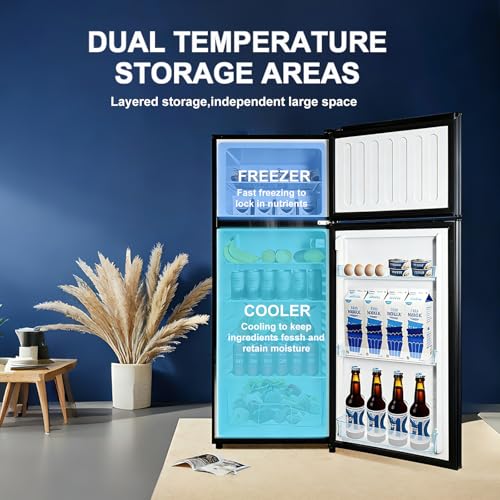
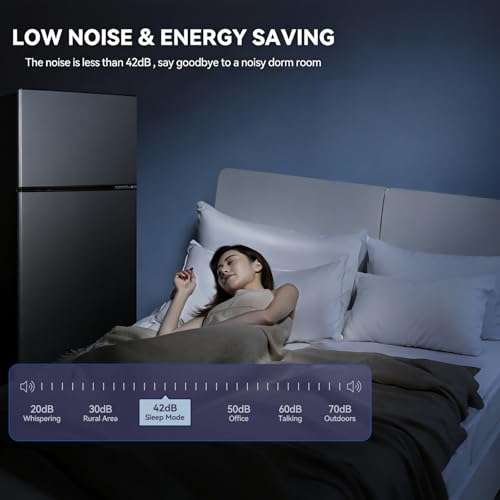
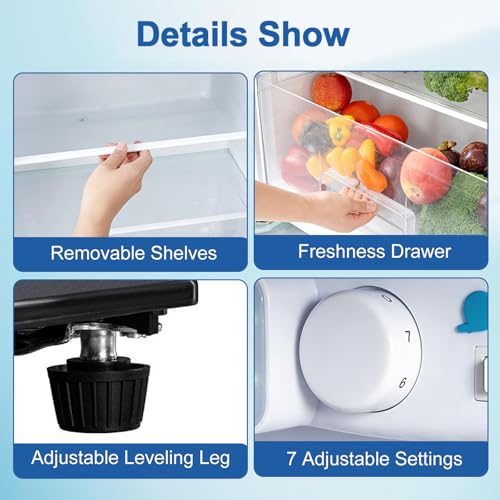
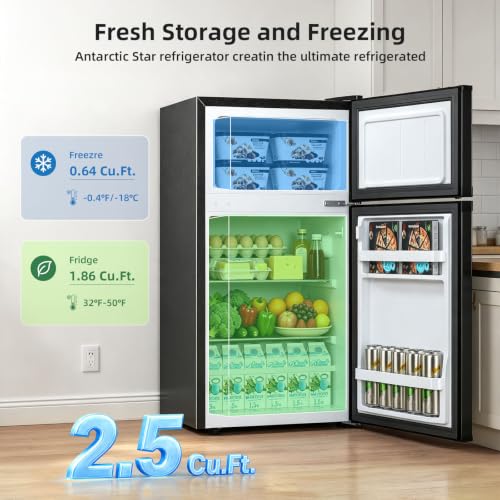
This Antarctic Star model nails the basics for dorm life, double door design keeps freezer air from spilling when you grab a soda, and the removable shelves make cleaning simple. At 2.5 cu.ft, it’s smaller than others here, but the layout feels efficient. Reviewers note it cools reliably and stays quiet, which matters in shared rooms.
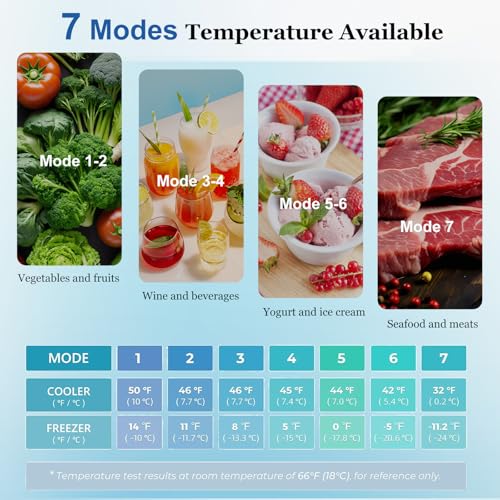
The three-setting thermostat is overly simplistic, don’t expect fine control, but it works for keeping milk cold or making ice cubes. Like most in this tier, it’s compressor-based but lacks a fan, so airflow is limited. Compared to the Upstreman, it’s less refined in features but priced competitively. I’d recommend it only if space is extremely tight.
Product photos

How We Picked These camper refrigerators
My approach to evaluating camper refrigerators, as with all things at TheAutoZenith, wasn’t about long-term ownership or hands-on testing of every model. Rather, it was a research-led comparison of published specifications, detailed feature sets, and, crucially, a deep explore owner and expert reviews. I weighed information from multiple sources to build a clear picture of real-world performance and reliability, factoring in everything from cooling capacity to energy consumption. This allowed me to rank these units based on what matters most to RV enthusiasts.
For camper refrigerators, three factors stood out as most impactful. Energy efficiency is paramount, especially for those venturing off-grid, so I paid close attention to wattage and reported energy consumption. Durability also weighed heavily, given the constant movement and varied conditions these appliances face. Finally, the versatility of power options – 12V, 110V, and propane – significantly impacted a fridge’s usefulness, particularly for boondocking.
Specifications provide a solid baseline – cubic footage, temperature ranges, and power draw are all important. However, owner feedback revealed a lot about real-world quirks. Reports on noise levels, the effectiveness of temperature controls, and the longevity of components were invaluable. Reputation, particularly from experienced RVers discussing long-term use, often helped me discern which features truly delivered on their promises, and also informed my look at related items like camper accessories. I also considered how well the units stacked up against the need for proper camper AC units to maintain safe interior temperatures.
How To Pick The Right camper refrigerators
Finding the right camper refrigerator is about more than just keeping your food cold; it’s about maximizing space, efficiency, and convenience on the road. We’ve seen a lot of options come and go, and understanding the key factors will save you headaches down the line.
A good camper refrigerator balances cooling performance with energy consumption, durability for travel, and intelligent design features like flexible power options and interior organization. Prioritize models with robust construction, efficient cooling systems (compressor or absorption), and features tailored to the unique demands of RV life. Consider the available space, power source, and your typical usage patterns.
Power Source & Type
The first big decision revolves around how your refrigerator will run. Absorption refrigerators – often dual-power, running on propane, 12V DC, and 110V AC – offer flexibility, especially for boondocking. However, they’re generally less efficient than compressor models. Compressor refrigerators, like the Igloo 3.2 Cu Ft Mini Fridge, run solely on 12V DC and AC, and are becoming increasingly popular due to their efficiency and consistent cooling. If you frequently camp off-grid, a propane option is almost essential, but if you’re primarily in campgrounds with hookups, a compressor model will likely save you money on power. Don’t underestimate the importance of a reliable power source and understand your RV’s electrical system before committing.
Size and Interior Layout
It’s easy to overestimate how much refrigerator space you need. Think realistically about your camping style. Do you cook full meals every day, or mostly rely on quick snacks and pre-prepared foods? A larger refrigerator, like the RecPro 10 Cu Ft 12V RV Refrigerator, is great for extended trips and larger families, but it consumes more energy and takes up valuable space. Pay attention to the interior layout too. Adjustable shelves are a huge plus, allowing you to customize the space for different items. Look for models with dedicated crisper drawers for produce, and well-designed door bins for condiments and drinks.
Efficiency and Noise Level
Efficiency is paramount in an RV. You don’t want your refrigerator draining your batteries or adding significantly to your campground electrical bill. The Cucina Magica 8.5 Cu Ft Fridge boasts impressively low energy consumption, a feature that’s becoming increasingly important as RVers seek more sustainable options. Equally important is noise. A loud refrigerator can be disruptive, especially in a smaller camper. Some models, like the Upstreman 3.2 Cu Ft Mini Fridge, advertise exceptionally quiet operation. Before you buy, check owner reviews specifically mentioning noise levels; a quiet refrigerator contributes to a more peaceful camping experience. Speaking of a well-equipped RV, be sure to check out our guide to the must-have camper supplies to make your adventures even better.
A good rule of thumb is to allocate roughly 10-12 cubic feet of refrigerator space for every two people camping regularly.
Finding the right set of camper fridges for your needs takes careful consideration. Don’t just focus on the price tag; think about your lifestyle, power options, and long-term convenience. Considering these factors will help you choose an RV refrigerator that keeps your food fresh and your camping trips enjoyable.
Camper Refrigerators Compared
Here is a comparison of key specifications for several camper refrigerators to help you make an informed decision.
| Product Title | Capacity (Cu Ft) | Power Options | Cooling Type | Frost-Free | Door Swing |
|---|---|---|---|---|---|
| RecPro Everchill 10.7 Cu Ft RV Fridge | 10.7 | 110V/120V | Absorption | No | Reversible |
| RecPro 10 Cu Ft 12V RV Refrigerator | 10 | 12V | Compressor | Yes | Reversible |
| RecPro 6.3 Cu Ft Gas & Electric Fridge | 6.3 | 110V/120V, 12V, Gas | Absorption | N/A | N/A |
| RecPro 4.4 Cu Ft 12V RV Refrigerator | 4.4 | 12V | Compressor | Yes | Reversible |
| Igloo 3.2 Cu Ft Mini Fridge | 3.2 | 110V/120V | Compressor | No | N/A |
| Upstreman 3.2 Cu Ft Mini Fridge | 3.2 | 110V/120V | Compressor | No | Reversible |
| Cucina Magica 8.5 Cu Ft Fridge | 8.5 | 110V/120V | Compressor | N/A | N/A |
| Antarctic Star 2.5 Cu Ft Mini Fridge | 2.5 | 110V/120V | Compressor | No | N/A |
Frequently Asked Questions
What size inverter do I need to run a compressor camper refrigerator?
A compressor fridge typically needs a pure sine wave inverter of at least 1000 watts, though checking the fridge’s specifications is crucial. Some models can run on modified sine wave inverters, but a pure sine wave will protect the compressor and ensure optimal performance.
Can I run a 12V refrigerator directly from my RV battery?
While possible, directly running a 12V refrigerator from your RV battery isn’t ideal long-term. It will drain the battery quickly, so a battery charger or camper solar panels are highly recommended to replenish the power.
What’s the difference between absorption and compressor refrigerators in terms of noise?
Compressor refrigerators generally produce a low humming sound, similar to a household fridge, while absorption refrigerators are typically quieter as they have no moving parts. However, some compressor models are designed for exceptionally quiet operation.
Are absorption refrigerators less efficient because of the propane option?
The propane capability itself doesn’t reduce efficiency, but absorption refrigerators as a type are inherently less efficient than compressor models, regardless of power source. This is due to the cooling process relying on heat rather than direct compression.
What modifications are necessary when installing a refrigerator in a DIY camper van?
Beyond the electrical hookup, you’ll likely need to reinforce the flooring around the refrigerator’s location, especially with larger units. Consider proper ventilation, and if you’re building DIY camper van platforms, ensure the fridge fits within your design.
The Bottom Line
Choosing a camper refrigerator often comes down to balancing upfront cost with long-term convenience and efficiency. While a budget-friendly absorption fridge might seem appealing initially, the RecPro 10 Cu Ft 12V RV Refrigerator stands out as the strongest overall choice. Its compressor technology delivers consistent cooling, energy savings, and the convenience of a frost-free interior, features that pay dividends on extended trips.
For those prioritizing affordability, the Igloo 3.2 Cu Ft Mini Fridge remains a solid pick. If you need maximum capacity for a large family or extended off-grid adventures, the RecPro 10.7 Cu Ft Everchill is worth considering, though you’ll want to be mindful of its power consumption and ensure you have adequate batteries for campers. And for those wanting a compact, efficient solution for shorter trips or car camping, the Upstreman 3.2 Cu Ft Mini Fridge offers a quiet and space-saving option.
Ultimately, the best camper refrigerator isn’t about chasing the highest specs. It’s about matching the appliance to your camping style and understanding your power situation. Prioritize reliable cooling, efficient energy use, and a build quality that can withstand the rigors of the road. Don’t forget to consider related gear like portable refrigerators for supplemental cooling needs.
