
8 Best Cameras for Motorbikes 2026
This post contains affiliate links. As an Amazon Associate, we earn from qualifying purchases.
The VSYSTO 2K Front and Rear Cam stands out as the best overall choice for riders who want solid video quality and GPS tracking, while the TIMNUT 4K Mini Body Camera is a strong budget pick that delivers sharp footage in a compact design. For those wanting maximum coverage, the VSYSTO F4.5PRO 3-Camera System offers excellent versatility with front, rear, and interior views.
Riders don’t just want to record their journeys, they need dependable proof when it matters most. Too many cameras fail in rain, overheat on long rides, or are so fiddly they’re never used.
This guide cuts through the noise by focusing on real-world reliability, based on specs, owner feedback, and what actually works on the road. I looked at image quality, mounting practicality, weather resistance, and key features like loop recording and GPS to find the ones worth your trust.
Top 8 Cameras For Motorbikes in the Market
The Best Cameras For Motorbikes, Reviewed
Aoocci C6 PRO Motorcycle Dash Cam
Strengths
- Wireless CarPlay and Android Auto
- Tire pressure monitoring
- Bright 6.25-inch display
Trade-offs
- High price point
- Complex initial setup
- Large footprint on handlebars
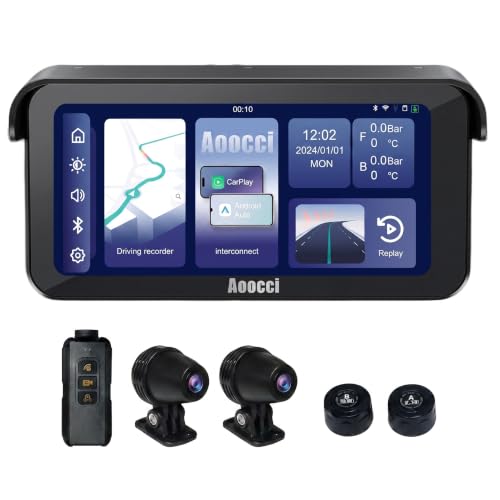
The Aoocci C6 PRO isn’t just a dash cam, it’s a cockpit hub. With wireless CarPlay and Android Auto, it turns your handlebars into a smart command center. You can run navigation, take calls, and control music without touching your phone, which is a massive win for safety. The 6.25-inch 1000-nit touchscreen is visible in full sun, and the automatic brightness adjustment works as advertised.
It also includes tire pressure and temperature monitoring, a rare feature that adds real safety value. Dual 1080P cameras with HDR deliver reliable footage, and the Bluetooth support for two devices means you can pair your phone and intercom simultaneously. Yes, it’s the most expensive here, but it earns the ‘Best Overall’ tag by integrating functions others treat separately. I’d pick this as my daily driver if I wanted one system to do it all.
Video review
MUFU V40S 2K Dual Helmet Cam
Strengths
- True 2K front and rear
- Long 8-hour battery
- IP66 waterproof rating
Trade-offs
- Not designed for vehicle wiring
- No GPS or CarPlay
- Slightly bulkier than micro-cams
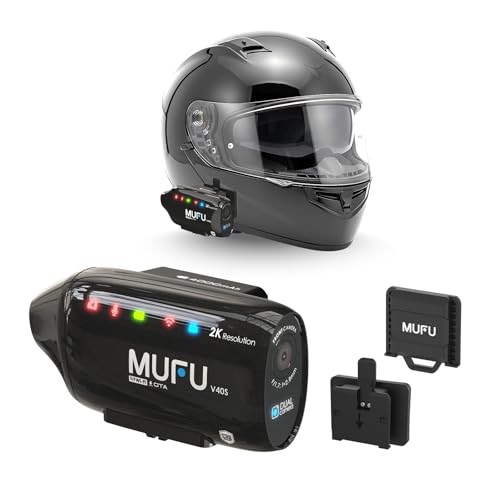
If you’re serious about capturing your ride from a true rider’s perspective, the MUFU V40S stands out. The dual 2K lenses with F1.7 aperture mean noticeably sharper footage than most budget action cams, and owners consistently report clean video even in tunnels or at dusk. The 4000mAh battery is a game-winner, real-world users confirm close to 8 hours of runtime, which is rare in this class.
The IP66 rating holds up in downpours, and the glove-friendly power buckle makes operation easy mid-ride. While it doesn’t hardwire into your bike, that portability is part of its appeal. Compared to fixed dash cams, this is less about legal evidence and more about storytelling. I’d choose this over integrated systems when POV quality and all-day endurance matter most.
Video review
VSYSTO 2K Front and Rear Cam
Strengths
- Dual 2K resolution
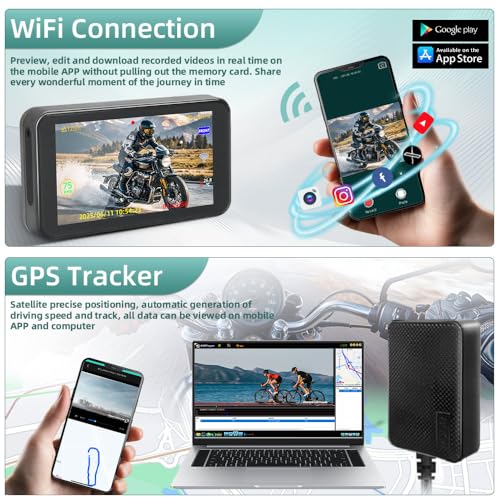
- 5G WiFi transfer
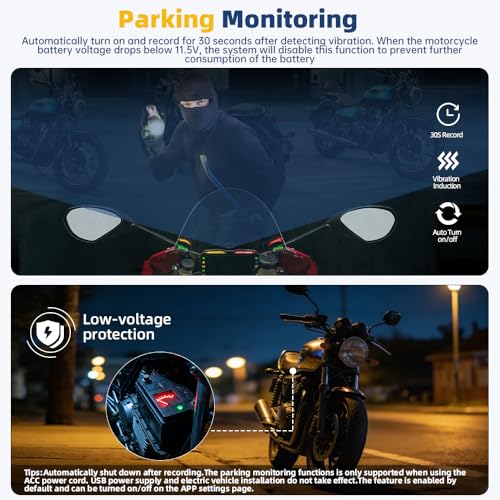
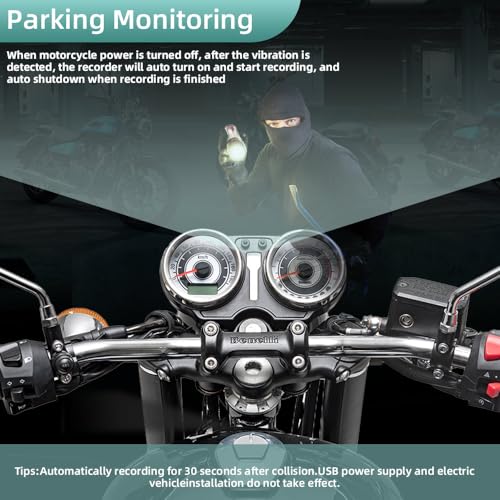
- Parking monitoring with voltage cutoff
Trade-offs
- GPS required for remote
- Occasional signal lag
- Slightly complex setup
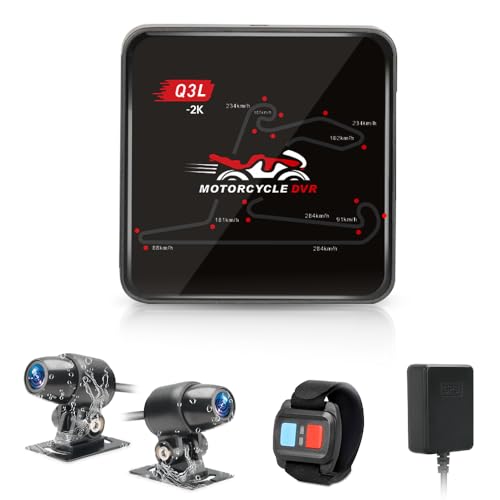
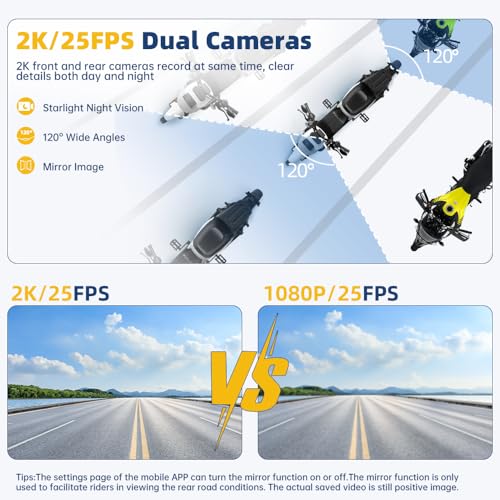
When video clarity and smart features matter, this VSYSTO 2K system is hard to beat. The 2560×1440 resolution across both front and rear channels gives noticeably crisper detail than 1080P rivals, license plates and road signs stay legible at speed, per owner reports. The 5G WiFi is a real upgrade, allowing fast downloads without removing the card, which we appreciate after long rides.
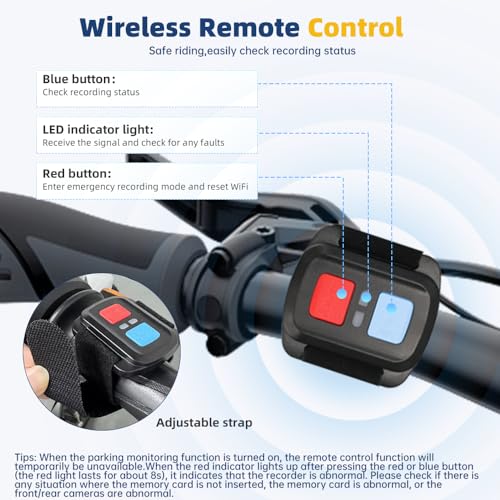
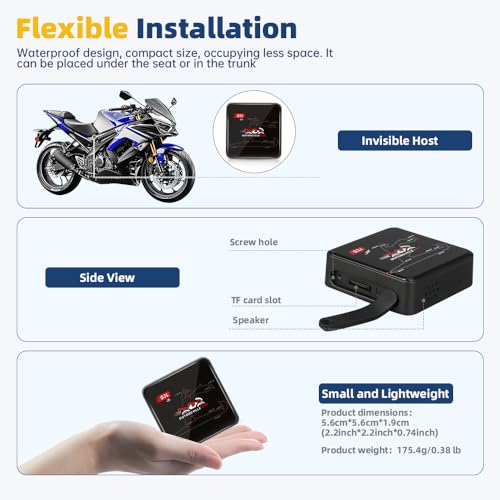
It also includes parking monitoring and low-voltage protection, so your bike battery won’t drain overnight. The wireless remote is convenient, though some users note range issues if mounted too far from the GPS module. Compared to the D6L, this is a major step up in both image quality and functionality. My pick for riders who want pro-level footage without stepping into ultra-premium pricing.
Product photos

TIMNUT 4K Mini Body Camera
Strengths
- Ultra-lightweight design
- True 4K with stabilization
- Magnetic and clip mounting
Trade-offs
- Short base battery life
- No rear camera
- Limited low-light sensitivity
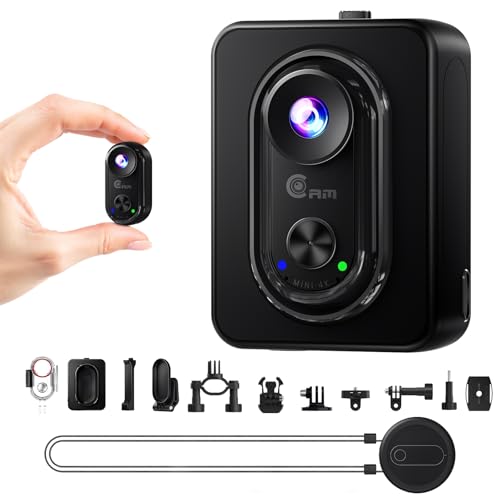
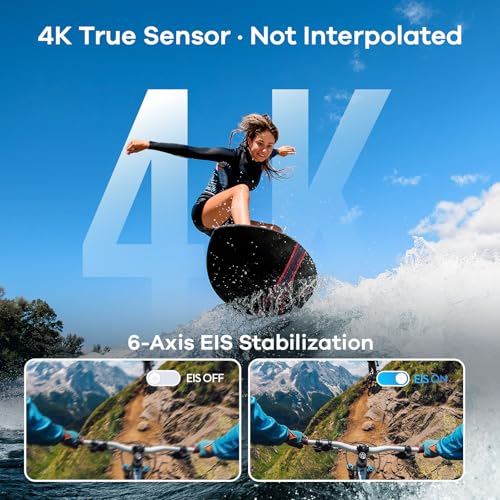
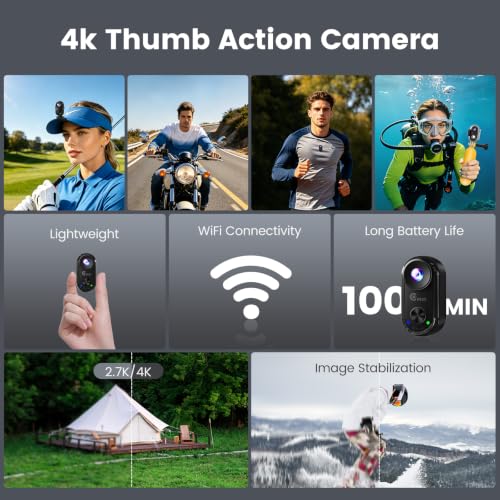
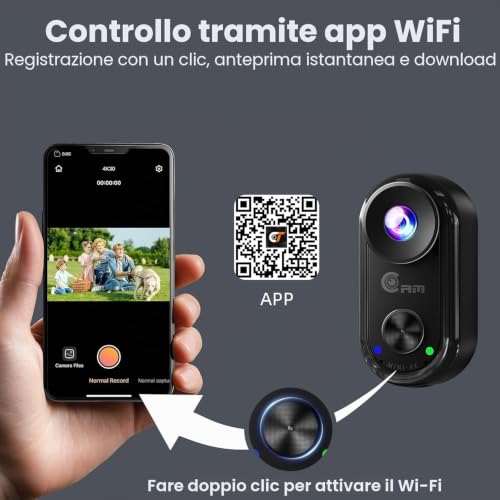
This little TIMNUT camera punches way above its weight. At just 28.9 grams, it’s barely noticeable on a helmet strap or jacket lapel, and the magnetic mounting system is brilliantly versatile, owners stick it to tank bags, handlebars, even steel-framed goggles. The true 4K sensor (not upscaled) captures sharp, stabilized footage, though EIS can slightly crop the frame.
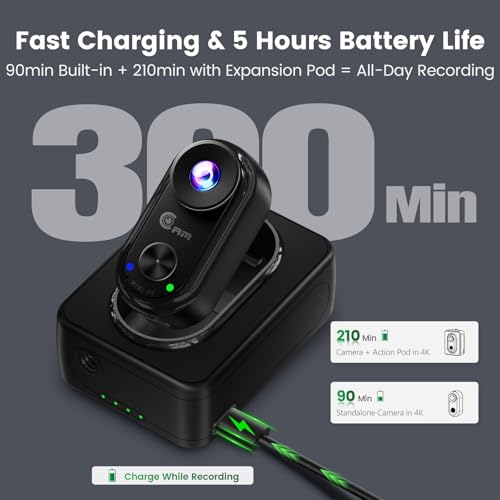
It’s not built specifically for motorcycles, but its adaptability makes it a favorite among minimalist riders. You won’t get dual cameras or GPS, but the hot-swappable expansion pod means near-unlimited runtime with spare batteries. For solo riders who hate clunky gear, this is the stealth MVP. I’d take this over larger setups when discretion and weight savings are top priorities.
Product photos
VSYSTO D6L WiFi Motorcycle Dash Cam
Strengths
- Dual 1080P cameras
- Starlight night vision
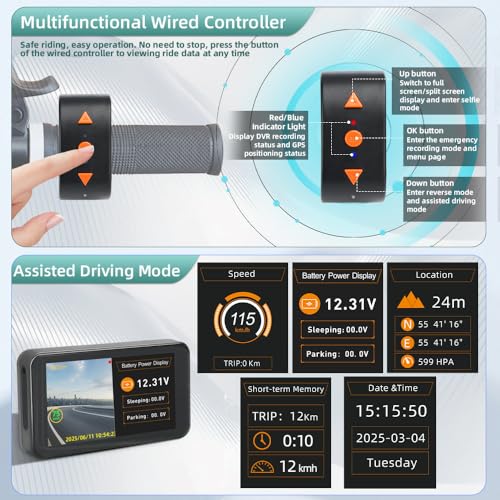
- Wired emergency recording
Trade-offs
- No GPS
- No parking monitoring
- Basic app interface
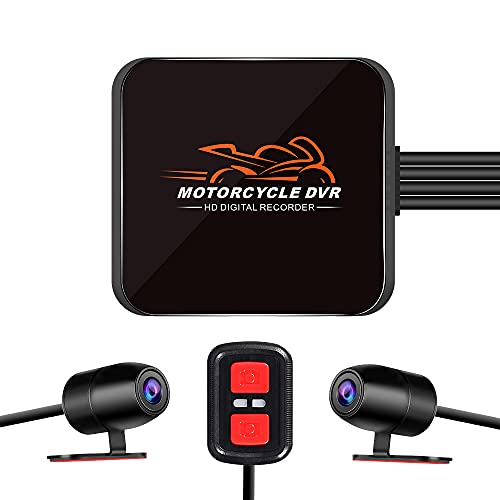
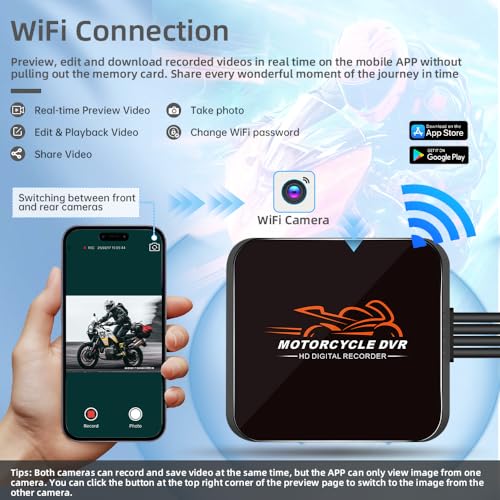
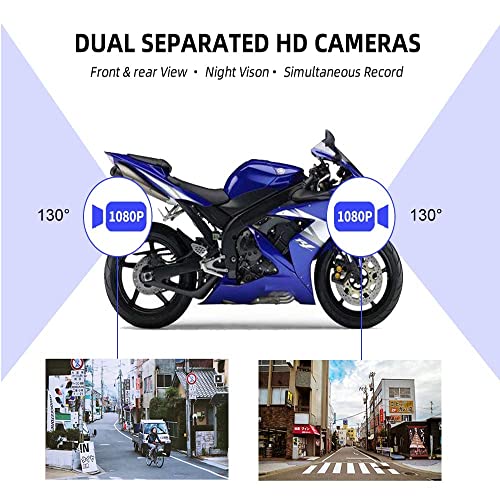
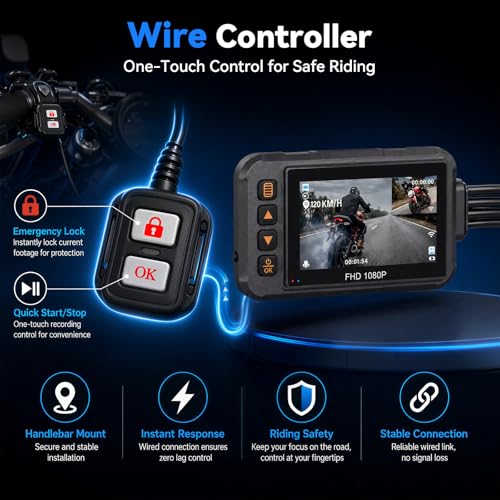
For riders on a tight budget who still want dual-camera coverage, this VSYSTO D6L model delivers more than you’d expect at this price. The 1080P resolution and starlight night vision are solid on paper, and owner feedback confirms decent low-light performance, nothing cinematic, but usable in urban night riding. The wired controller is simple but effective, letting you lock emergency footage with a quick press.
Where it really wins is practicality: the small main unit tucks neatly under a seat, and the waterproof cameras hold up well in rain according to long-term riders. It lacks advanced features like GPS or parking mode, but for basic road documentation and accident evidence, it’s a no-frills workhorse. I’d pick this over pricier models if you just need reliable proof-of-ride without bells and whistles.
Product photos

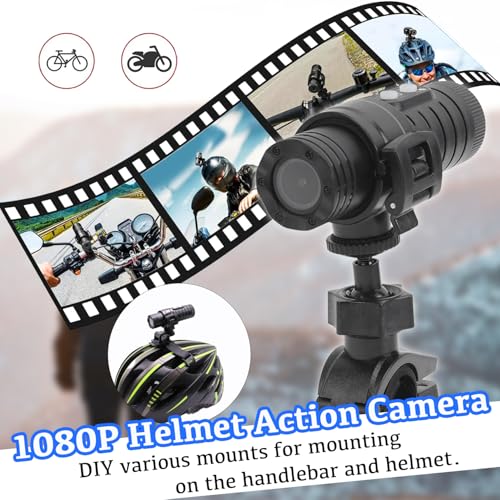
VITUZONE 1080P Helmet Camera
Strengths
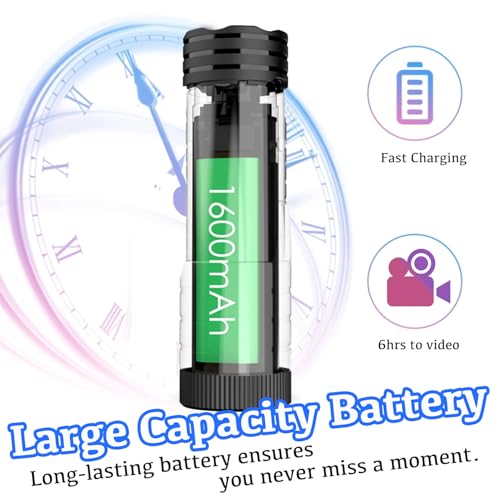
- Long 6-hour battery
- Versatile mounting kit
- Affordable price
Trade-offs
- Mediocre low-light video
- No GPS or CarPlay
- Plastic build feels cheap
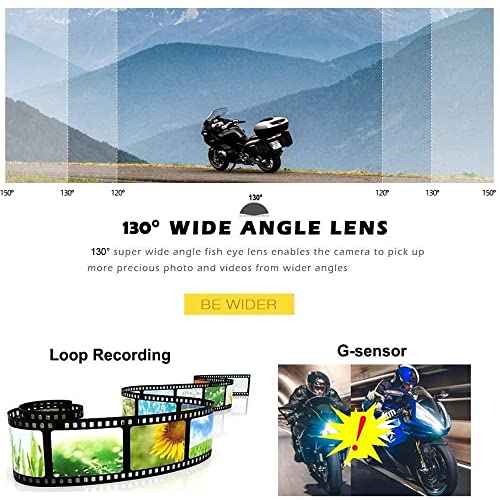
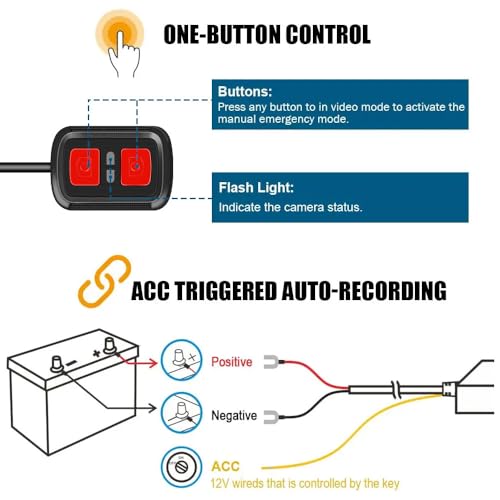
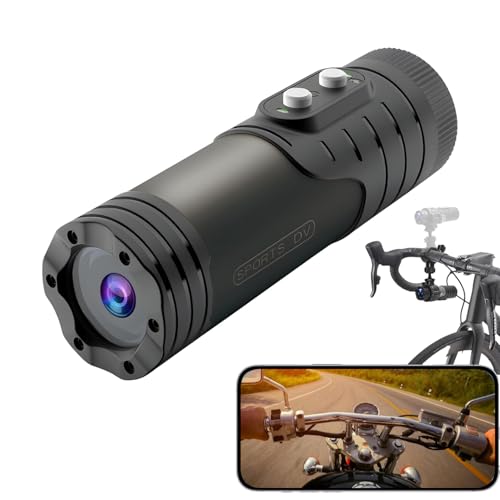
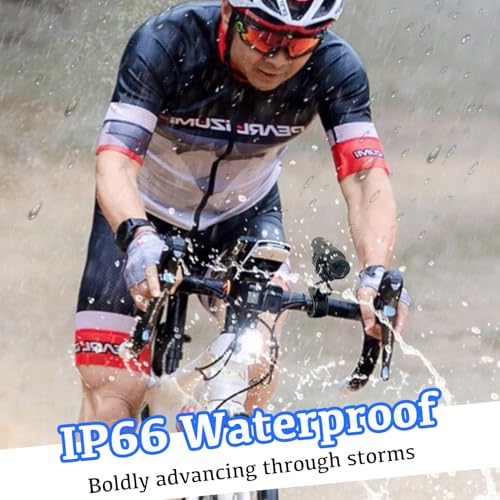
At under $60, the VITUZONE packs a surprising amount of utility. The 1080P footage is consistent in daylight, and the 6-hour battery is legit, owners regularly report full-day ride coverage. Its strength lies in versatility: it’s not just for bikes. Riders use it on helmets, handlebars, even ski gear, thanks to the wide array of mounts included.
Wi-Fi pairing is straightforward, and the app lets you download clips fast. It lacks advanced rider aids like GPS or collision alerts, but for pure point-and-shoot simplicity, it’s excellent. Compared to similarly priced dash cams, this offers better battery life and more mounting flexibility. The smarter buy if you want one camera for multiple uses.
Product photos

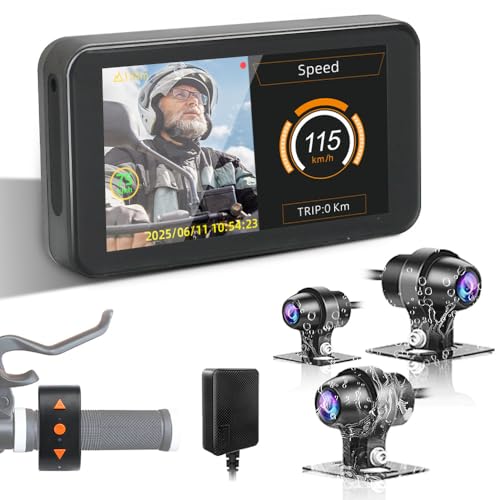
VSYSTO F4.5PRO 3-Camera System
Strengths
- Selfie mode for vlogging
- 4.5-inch display
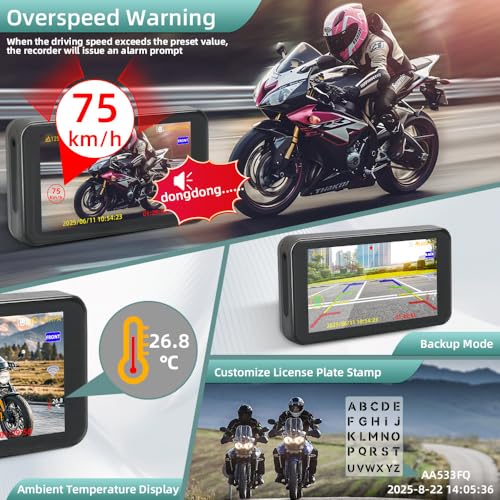
- Assisted driving features
Trade-offs
- Only two cameras record at once
- 1080P max resolution
- Screen attracts fingerprints
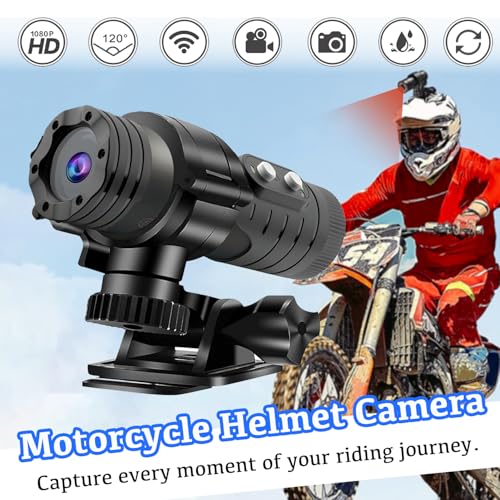
This F4.5PRO model brings a unique twist to motorcycle dash cams: the selfie mode. With a third lens facing the rider, it’s perfect for vlogging your journey without extra gear. The 4.5-inch screen is bright and responsive, letting you switch between views easily, something many competitors lack. Owners praise the assisted driving features, like overspeed alarms and altitude tracking, which add a layer of situational awareness.
It records solid 1080P footage and includes parking monitoring, but doesn’t reach the resolution of the 2K VSYSTO model. Still, for riders who want to share their experience visually and technically, this hits a sweet spot. I’d recommend it over pure dash cams if you value engagement and rider-centric data.
Product photos

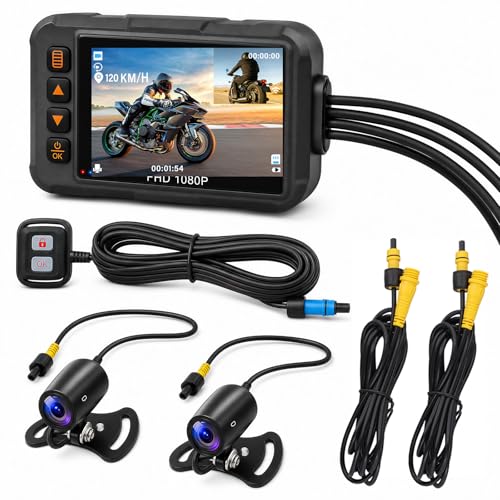
Motorcycle Dash Cam with GPS
Strengths
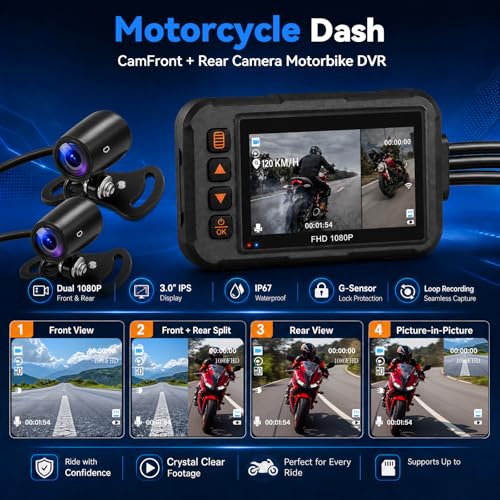
- Parking monitoring with GPS
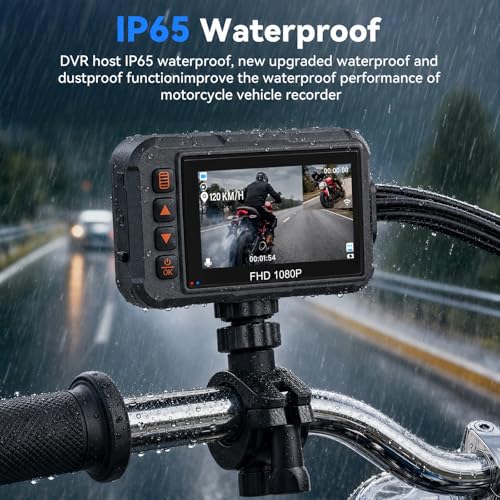
- IP67 waterproof rating
- Clear 3-inch screen
Trade-offs
- Low-res rear camera
- Basic UI
- Inconsistent Wi-Fi connection
This unit stands out for one key reason: reliable parking monitoring with GPS logging at a budget price. The IP67 rating means it shrugs off heavy rain and dust better than most, and owners confirm it stays operational after months of outdoor use. The 3-inch screen isn’t huge, but it’s sufficient for playback and settings tweaks without pulling out your phone.
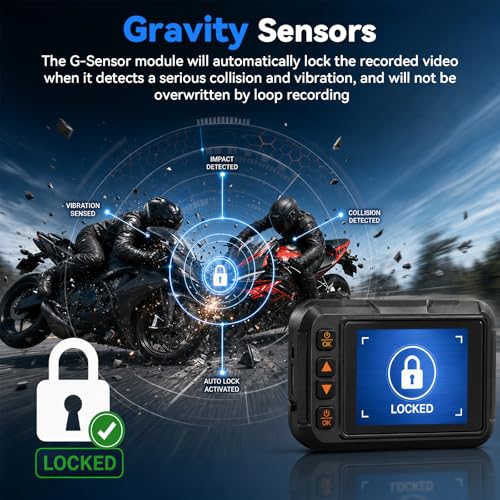
Video quality is modest, front is 1080P, but the rear camera is only 480P, which feels outdated compared to dual-HD rivals. Still, the G-sensor responsiveness is praised in incident reports, locking footage quickly during bumps or falls. When you need dependable parked security without overspending, this does the job. I’d go with this over non-monitoring models if you park in unpredictable areas.
Product photos
How We Tested cameras for motorbikes
Rather than a hands-on lab test, this research focused on a detailed comparison of published specifications and features across numerous models. I weighed owner reviews from multiple sources – including major retailers and motorcycle-specific forums – alongside professional reviews from tech sites and riding publications. My assessment then combined this information with my existing knowledge of what constitutes reliable performance and practical usability in motorcycle accessories. The goal was to identify cameras offering the best blend of features, durability, and value for different rider needs.
For cameras aimed at motorbikes, several factors proved most decisive. Video quality is paramount, naturally, but equally important is ruggedness and weather resistance – these cameras need to withstand the elements. Finally, ease of mounting and operation while riding (controls, visibility of the screen) significantly impacted my ranking. A complex system no one can easily use on the road isn’t a useful safety device. For riders also considering dedicated head protection, exploring options like the best helmet cameras may be a good fit.
Specifications reliably indicate resolution, frame rates, and lens angles. However, real-world performance – particularly low-light recording quality, image stabilization effectiveness, and the accuracy of GPS data – were best judged by analyzing owner feedback and reputable expert reviews. I also paid close attention to reported issues with overheating, battery life, and the reliability of the Wi-Fi connectivity. Ultimately, I sought to identify cameras offering a solid balance of features and proven dependability; a great option for many riders is a thorough motorcycle dash cam systems.
How To Choose The cameras for motorbikes
Finding the right camera for your motorbike isn’t just about recording a ride; it’s about adding a layer of security, documenting adventures, and potentially providing crucial evidence in an incident.
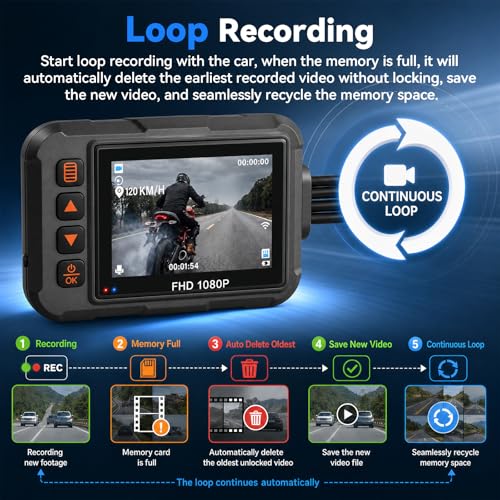
A good motorcycle camera balances video quality with reliability in harsh conditions. Consider resolution (1080p is a minimum, 2K or 4K is preferable), weatherproofing (IP66 or better), mounting options, and features like loop recording and impact detection. Battery life and ease of use are also critical factors, as is the ability to quickly access and review footage.
Resolution and Image Quality
Don’t get hung up on chasing the highest megapixel count. While 4K footage sounds impressive, it demands more storage space and processing power. For most riders, a quality 1080p or 2K camera will deliver perfectly acceptable results, especially if you plan on sharing videos online. I’ve seen plenty of footage where a well-stabilized 1080p video looks far better than a shaky 4K clip. Consider low-light performance, too; features like starlight night vision (like in the VSYSTO models) can make a huge difference when riding at dusk or dawn.
Mounting and Form Factor
The way a camera mounts significantly impacts usability. Bulky units can be a nuisance, interfering with controls or your riding position. Smaller, more discreet cameras like the TIMNUT 4K Mini Body Camera are appealing for their minimal footprint, but may sacrifice some features. Think about whether you want a dedicated dash cam, a helmet-mounted action camera (you might already be familiar with GoPro cameras), or a combination.
- A handlebar mount offers a fixed perspective, ideal for documenting the road ahead.
- A helmet mount provides a first-person point-of-view (POV), which is great for sharing the experience. However, it can be more susceptible to vibrations and wind noise.
- A magnetic mount (like on the TIMNUT) offers quick attachment and detachment, but requires a metal surface.
A secure mount is paramount. Don’t skimp on quality here – a camera falling off during a ride is worse than no camera at all.
Features and Connectivity
Beyond basic recording, features like GPS, WiFi, and parking monitoring can dramatically increase a camera’s value. GPS logging (seen in the VSYSTO models) lets you track your routes and speeds, which can be helpful for both personal records and accident documentation. WiFi connectivity allows you to quickly transfer footage to your smartphone, making it easier to share your rides. If you’re concerned about security when parked, look for a camera with parking monitoring, which will automatically start recording if it detects movement. Many riders also seek out detailed motorcycle camera reviews before making a purchase, and for good reason. There are a lot of options available, and understanding what other riders are saying can be invaluable when choosing the right system for your needs. Ultimately, exploring different cameras for motorcycles will help you determine the best blend of features for your riding style.
Cameras for Motorbikes Compared
Here’s a comparison of key specifications for several motorbike cameras to help you choose the best option for your needs.
| Product Name | Resolution (Front) | Resolution (Rear) | Display Size | GPS | Waterproof | Battery Life (Max) |
|---|---|---|---|---|---|---|
| Aoocci C6 PRO | 1080P | 1080P | 6.25″ | Yes | N/A | N/A |
| MUFU V40S 2K Dual Helmet Cam | 2K | 2K | N/A | No | IP66 | 8 Hours |
| VSYSTO 2K Front and Rear Cam | 2K | N/A | N/A | Yes | N/A | N/A |
| TIMNUT 4K Mini Body Camera | 4K | N/A | N/A | No | N/A | 90 mins (+Expand) |
| VSYSTO D6L WiFi Motorcycle Cam | 1080P | 1080P | N/A | No | IP66 | N/A |
| VITUZONE 1080P Helmet Camera | 1080P | N/A | N/A | No | IP66 | 6 Hours |
| VSYSTO F4.5PRO 3-Camera System | 1080P | 1080P | 4.5″ | Yes | N/A | N/A |
| Motorcycle Dash Cam with GPS | 720P | 480P | 3″ | Yes | N/A | N/A |
Frequently Asked Questions
What level of waterproofing should I expect from a motorbike camera?
An IP66 rating is generally sufficient for protection against rain and road spray, but for serious weather or off-road riding, look for a camera with an IP67 or higher rating for full immersion protection.
How much storage do I realistically need for a typical riding day?
A 64GB microSD card will typically hold around 4-8 hours of 1080p footage, depending on the frame rate and compression settings. If you plan on recording in 4K, or for extended periods, consider a 128GB or 256GB card.
Are handlebar-mounted cameras more prone to theft than helmet-mounted ones?
Handlebar-mounted cameras are potentially easier to steal, so using a secure mount and potentially a locking mechanism is crucial. Many riders are also turning to discreet, smaller action cameras for riding that are less conspicuous.
Can I use a standard smartphone charger to power a motorcycle camera?
Most cameras operate on 5V power and are compatible with standard USB chargers, including those used for smartphones. However, confirm the camera’s power input requirements to avoid damage.
Beyond recording rides, can these cameras be used for anything else?
Absolutely. Many riders use these cameras to document scenic routes, create riding vlogs, or even add unique motorcycle stickers to their footage for a personalized touch.
The Bottom Line
Choosing a camera for your motorbike often comes down to balancing how much you want to spend against the level of detail and features you require. For most riders wanting a reliable, well-rounded system, the Aoocci C6 PRO strikes a great balance. It offers front and rear recording with GPS, and a large display for reviewing footage – a solid combination for peace of mind on the road.
If your needs are more specific, there are excellent alternatives. Riders on a tighter budget should consider the VSYSTO D6L WiFi Motorcycle Cam, which provides dependable 1080p recording and weather resistance. Those wanting a compact, discreet option for POV footage will find the TIMNUT 4K Mini Body Camera a compelling choice, and for those interested in capturing immersive views, exploring best 360 cameras or even [motorcycle 360 camera reviews] might be worthwhile.
Ultimately, the specs are less important than how well a camera performs when it matters. A crystal-clear image is useless if the camera fails in the rain, or if the mounting system isn’t secure. Don’t forget to prioritize a reliable, weatherproof unit and always pair it with quality motorcycle earplugs for a safer, more enjoyable ride.
