
6 Best Bridgestone All Season Tires of 2026
This post contains affiliate links. As an Amazon Associate, we earn from qualifying purchases.
The Bridgestone Alenza AS Ultra stands out as the best overall all-season tire for SUVs and crossovers, delivering strong wet grip and an 80,000-mile treadwear warranty. For drivers on a budget, the Bridgestone Weatherpeak offers solid winter performance with the 3PMSF rating, while the Turanza QuietTrack is our top pick for those prioritizing a smooth, quiet ride.
Choosing the right Bridgestone all-season tire means cutting through marketing hype to find what actually works on the road. You’re not just buying rubber, you’re investing in year-round safety, comfort, and value.
I researched these tires based on real-world owner feedback, expert testing data, and key specs like compound, siping, and warranty coverage. This guide breaks down what truly matters so you can pick the right fit for your driving needs.
Top 5 Bridgestone All Season Tires in the Market
The Best Bridgestone All Season Tires, Reviewed
Bridgestone Alenza AS Ultra 255/55R20

Strengths
- 80,000-mile warranty
- QuietTrack Technology
- Superior wet performance
Trade-offs
- Not Three Peak rated
- Premium price
This ALENZA AS ULTRA is Bridgestone’s flagship all-season for SUVs, and it shows in both spec and owner sentiment. The 80,000-mile limited warranty is a standout, longer than most competitors, and the high-silica tread compound delivers better wet and light snow performance than you’d expect from a non-studless ice tire. QuietTrack Technology is more than marketing fluff; reviewers consistently note lower road noise compared to other 20-inch all-seasons.
It’s wider and more capable than the Alenza Sport A/S, with better winter credentials thanks to Snow Vices and a compound tuned for cold conditions. When compared to the Weatherpeak All Weather, it splits the difference, less aggressive in deep snow but more refined on long highway stretches. For most SUV owners wanting one set of tires year-round, this is the smarter buy.
Video review
Bridgestone Weatherpeak 235/60R18

Strengths
- Three Peak certified
- Long tread life
- Quiet ride
Trade-offs
- Narrower sizing
- Less load capacity
This WEATHERPEAK model is where Bridgestone starts to refine the all-season formula into something closer to all-weather. It carries the 3PMSF certification, which immediately sets it apart from basic all-season tires. The marketing calls it ‘the next evolution’, and based on owner feedback, the tread life and wet grip live up to that claim. Drivers report fewer issues with hydroplaning, thanks to full-depth grooves that keep working as the tire wears.
It’s narrower than the 265/60R18 version, so it’s aimed at midsize sedans and compact crossovers. Compared to the Ecopia H/L 422 Plus, it trades a little fuel efficiency for stronger winter performance. For most all-season buyers who occasionally face winter conditions, this hits the sweet spot between cost and capability.
Video review
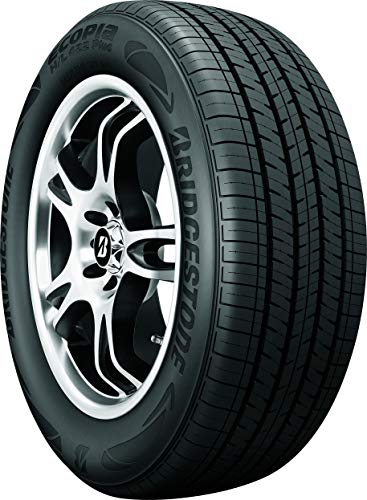
Bridgestone Ecopia H/L 422 Plus 215/65R17
Strengths
- 70,000-mile warranty
- Fuel-efficient design
- Quiet ride
Trade-offs
- No snow rating
- Average winter traction
- Not for performance use
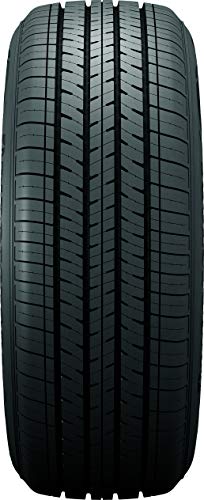
The Ecopia H/L 422 Plus is built for efficiency, not excitement. Its strongest selling point is the 70,000-mile treadwear warranty, rare in this class, and owners confirm they’re hitting those numbers, especially on highway commutes. The optimized tread pattern fights irregular wear, which matters if you’re putting on miles year-round. It’s not Three Peak rated, so I wouldn’t rely on it for mountain passes or heavy snow.
But in rain and dry conditions, it performs quietly and predictably. Compared to the Alenza line, it’s less about sporty handling and more about economy and comfort. If you drive a Camry, Highlander, or similar commuter vehicle, this tire makes sense on paper and in real-world use.
Product photos

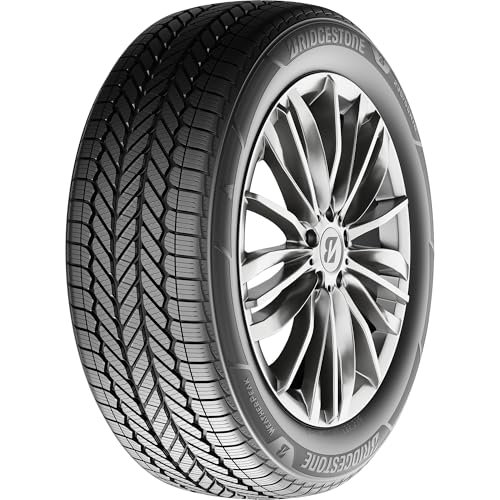
Bridgestone Weatherpeak All Weather 265/60R18
Strengths
- Three Peak certified
- Full-depth 3D sipes
- Excellent wet grip
Trade-offs
- Slightly firmer ride
- Not as quiet as touring tires
If you live where winter storms roll in hard but don’t want to switch tires twice a year, this Weatherpeak model stands out. The Three Peak Mountain Snowflake rating isn’t handed out lightly, and owners in the Northeast and Midwest consistently report solid confidence on snow-covered roads. On paper, the full-depth 3D sipes and snow vices are doing the heavy lifting, maintaining grip as the tread wears down.
The open shoulder slots and groove channel design also mean hydroplaning is less of a concern in spring rains or slush. Compared to the Alenza line, this tire prioritizes winter traction over highway refinement, which makes sense given its positioning. I’d pick this over a standard all-season if snow and ice are regular parts of your commute.
Product photos
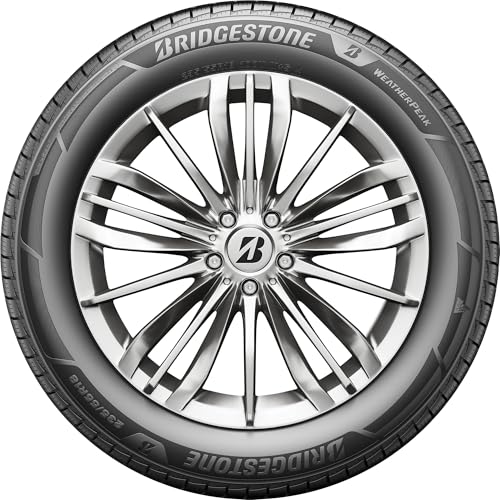
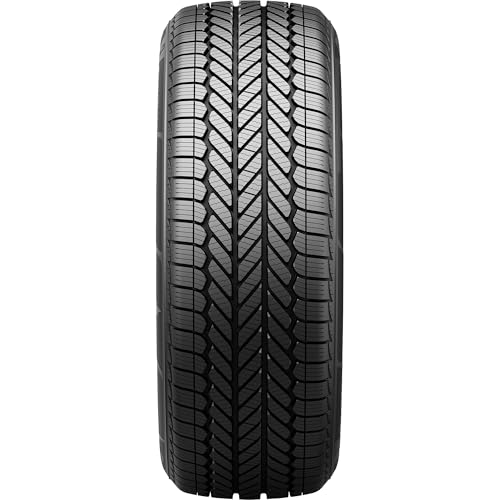

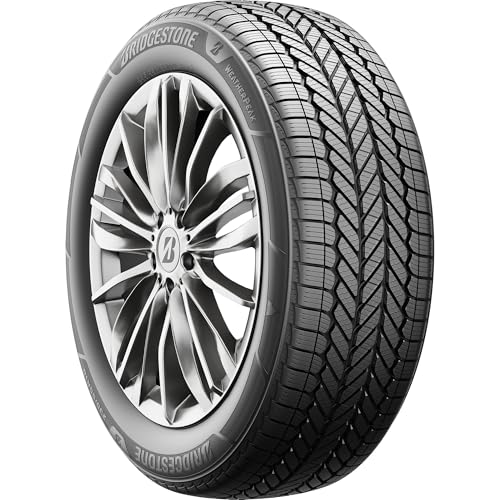
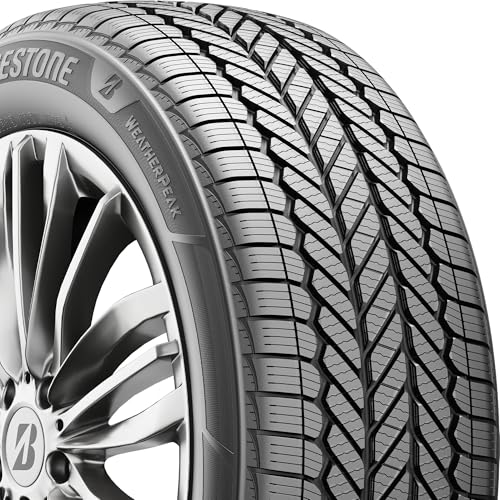
Bridgestone Alenza Sport A/S 255/50R20

Strengths
- Sleek 20-inch fitment
- Responsive handling
- Good for dry climates
Trade-offs
- No snow rating
- Limited winter performance
- Higher price for fewer features
This Alenza Sport A/S is clearly aimed at luxury and performance SUV owners who don’t want to sacrifice style or handling for all-season capability. At 20 inches, it fills the wheel well nicely and supports heavier vehicles like the Lexus RX or Acura MDX. But the spec sheet is thin, ‘All season performance’ is listed, yet it lacks the Three Peak Mountain Snowflake symbol, a key red flag if you see snow more than a few times a year.
Owners note decent dry grip and steering response, but reviewers in colder climates warn about diminished winter traction compared to true all-weather tires. When stacked against the ALENZA AS ULTRA, this model feels like a step down in both technology and longevity. It’s not a bad tire, but it’s not the most capable in the lineup.
Product photos
How We Picked These bridgestone all season tires
As someone who’s spent years analyzing vehicle dynamics and tire technology at TheAutoZenith, I approached this guide by looking beyond marketing claims. Rather than a hands-on test of each tire, my research focused on a detailed comparison of published specifications, features, and, most importantly, real-world owner and expert reviews. I weighed these sources against my understanding of tire compounds, tread patterns, and how they translate to on-road performance, ultimately ranking tires based on how well they deliver on their promises.
For Bridgestone all-season tires, three factors stood out as crucial. Wet and winter grip are paramount for a truly versatile tire, so features like silica compounds and siping depth received significant attention. Equally important was tread life; a tire’s longevity impacts overall value. Finally, ride comfort and noise levels played a role, especially for touring applications. I also considered how these tires stack up against other options, like the best Goodyear tires.
Specifications clearly indicate a tire’s construction and intended use. However, owner feedback provided invaluable insight into how these tires perform day-to-day and over time. I looked for consistent patterns in reviews, complaints about noise, reports of poor wet traction, or praise for treadwear, to identify strengths and weaknesses. Expert reviews from tire testing publications helped validate these observations and also pointed me towards the top-performing tires in the Bridgestone lineup.
What To Look For In bridgestone all season tires
Finding the right set of all-season tires is about more than just slapping on the closest size. It’s a balance of your driving style, vehicle type, and the conditions you regularly face.
A truly capable all-season tire delivers consistent performance across a broad temperature range, offering reliable grip in wet and light snow, alongside acceptable dry handling and respectable tread life. Key considerations include compound composition, tread pattern design (siping is critical), and construction quality – look for tires with detailed specifications regarding these areas and check owner reviews for real-world feedback.
Understanding Tread and Compound
The rubber compound is the foundation of tire performance. Softer compounds grip better in colder temperatures, but wear faster. Harder compounds last longer but can become stiff and lose grip when it gets cold. Bridgestone, like other major manufacturers, uses high silica compounds now to bridge that gap; these improve wet and winter performance without drastically sacrificing longevity. Don’t get hung up on chasing the “stickiest” tire if you primarily drive in warmer months. Instead, focus on a compound that balances grip and wear for your climate.
Decoding the Features: What Matters?
Manufacturers throw around a lot of tech terms, but some are genuinely impactful. Look beyond marketing buzzwords like “QuietTrack Technology” (which, while nice, isn’t a dealbreaker) and focus on features related to wet and winter traction. Siping, those small slits cut into the tread blocks, is crucial for biting into snow and channeling water away from the contact patch. Deeper siping generally means better wet/snow performance, but also potentially faster wear.
Here’s what I look for in features: * UTQG Rating: A good starting point, though take it with a grain of salt. * 3PMSF Symbol: The Three-Peak Mountain Snowflake (3PMSF) symbol is a strong indicator of genuine winter capability. * Tread Pattern Design: Aggressive, open patterns excel in wet conditions and snow, while more symmetrical patterns prioritize quietness and even wear.
A tire’s treadwear warranty is a useful indicator of the manufacturer’s confidence in its product, but remember that actual mileage will vary based on driving habits and vehicle type.
Balancing Comfort, Fuel Economy, and Value
All-season tires are a compromise, and you’ll likely have to make some trade-offs. If comfort is paramount, tires like the Bridgestone Turanza QuietTrack prioritize a quiet ride and smooth handling. However, this often comes at the expense of ultimate grip. Conversely, tires like the Bridgestone Ecopia H/L 422 Plus are engineered for fuel efficiency, which can save you money over the life of the tires, but may not be the most exciting in terms of handling. If you’re also considering other brands, I’ve found best Continental tires offer a compelling range of options in this space. And don’t overlook the value proposition – sometimes, spending a bit more upfront for a tire with a longer treadwear warranty (like the 80,000-mile offerings from Bridgestone) can save you money in the long run. Many drivers also find that comparing options like these to top Michelin all-season models provides a useful benchmark.
Bridgestone All Season Tires Compared
Here’s a specification comparison of various Bridgestone all season tires to help you evaluate your options.
| Tire Model | Size | Warranty (Miles) | Snowflake Rating | Fuel Efficiency | Noise Reduction |
|---|---|---|---|---|---|
| Bridgestone Alenza AS Ultra | 255/55R20 | 80,000 | N/A | N/A | Yes |
| Bridgestone Weatherpeak | 235/60R18 | N/A | Yes | N/A | N/A |
| Bridgestone Turanza QuietTrack | 215/55R17 | 80,000 | N/A | N/A | Yes |
| Bridgestone Ecopia H/L 422 Plus | 215/65R17 | 70,000 | N/A | Yes | Yes |
| Bridgestone Weatherpeak All Weather | 265/60R18 | N/A | Yes | N/A | N/A |
| Bridgestone Alenza Sport A/S | 255/50R20 | N/A | N/A | N/A | N/A |
Frequently Asked Questions
What’s the difference between all-season and all-weather tires?
All-weather tires, like the Bridgestone WeatherPeak, offer enhanced winter performance with the 3PMSF symbol, while all-season tires prioritize year-round versatility with a focus on longer tread life and ride comfort. Essentially, all-weather tires are a step closer to dedicated winter tires.
Do Bridgestone tires live up to their treadwear warranties?
Bridgestone’s treadwear warranties are generally considered reliable, and owner feedback suggests many achieve close to the stated mileage (like the 80,000-mile warranty on the Alenza AS Ultra and Turanza QuietTrack). However, actual wear depends heavily on driving habits, vehicle type, and road conditions.
Are Bridgestone tires generally loud on the highway?
Some Bridgestone models, particularly those focused on performance, can generate more road noise. However, the Turanza QuietTrack is specifically engineered for a quiet ride, and many reviews confirm it delivers on that promise, making it a good choice for comfort-focused drivers.
Which Bridgestone tire is best for light snow?
The Bridgestone WeatherPeak stands out for its capability in light snow due to its 3PMSF rating and aggressive tread pattern; a thorough Bridgestone WeatherPeak review confirms this. For those wanting a comparison, exploring best Pirelli tires is worthwhile.
How do Bridgestone’s Ecopia tires impact fuel economy?
Bridgestone’s Ecopia H/L 422 Plus uses a specialized rubber compound and tread design to reduce rolling resistance, which translates to improved fuel efficiency. While the gains are modest (typically a few percentage points), they can add up over the life of the tire, and many drivers find these to be among the top Pirelli all-season models for fuel savings.
The Bottom Line
Choosing the right set of tires always involves compromise. You’re balancing the desire for peak performance with practical considerations like price, longevity, and everyday comfort. For a well-rounded package that delivers on all fronts, the Bridgestone Alenza AS Ultra stands out as the strongest overall performer, offering a blend of handling, quietness, and a substantial 80,000-mile warranty.
However, specific needs call for specific tires. If you’re prioritizing winter grip and want a tire you can confidently rely on in snowy conditions, the Bridgestone Weatherpeak, with its 3PMSF rating, is an excellent choice. For drivers seeking maximum fuel efficiency and a comfortable ride, the Bridgestone Ecopia H/L 422 Plus is a smart option, though you might also want to review some best Firestone tires for similar value.
Ultimately, remember that specifications and features tell only part of the story. The most important factors are choosing a tire that matches your driving habits, vehicle type, and local climate, and maintaining those tires properly. Don’t chase the highest UTQG rating or the most aggressive tread pattern if they don’t align with your real-world needs – instead, focus on finding one of the top all-season tires that provides consistent, reliable performance for your journey.
