
5 Best BMX Frames of 2026
This post contains affiliate links. As an Amazon Associate, we earn from qualifying purchases.
The Syndyt 195 Expert stands out as the best overall BMX frame, combining lightweight 6061-T6 aluminum with sharp geometry for precise control. For riders wanting maximum durability without breaking the bank, the ALTALINE Chromoly frame is a strong budget pick. If you’re after a versatile, race-ready build, the KHE Barcode Aluminum offers excellent compatibility and solid performance.
Choosing the wrong BMX frame can make even the simplest tricks feel awkward or put unnecessary stress on components. Too heavy, and your air time suffers. Too stiff or poorly shaped, and every landing feels harsher than it should.
I looked at material quality, geometry, and how real riders describe their experience over time. These picks reflect what actually holds up under hard use, not just specs on paper. They’re chosen for how well they serve different styles – from park sessions to street runs – and how easily they adapt to future upgrades.
Top 5 Bmx Frames in the Market
The Best Bmx Frames, Reviewed
Syndyt 195 Expert BMX Frame
Strengths
- Ultra-light hydroformed frame
- Tapered head tube
- Integrated chain tensioners
Trade-offs
- High price point
- Best for experienced riders
- Limited availability
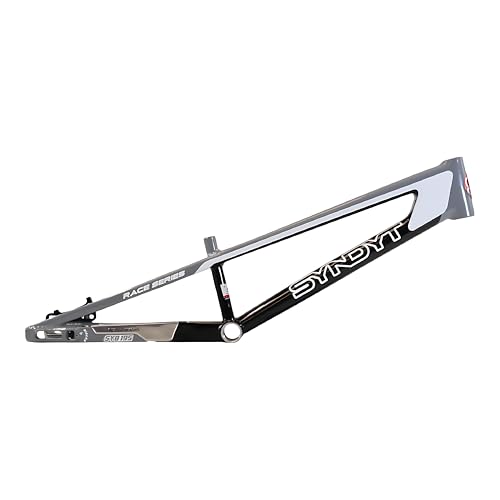
The Syndyt 195 Expert is built like a proper race machine, 6061-T6 triple-butted aluminum, hydroformed tubes, and a tapered 38/42 head tube that screams precision. Weighing in at just under 2.98 lbs, it’s among the lightest in the category, and reviewers note its impressive stiffness-to-weight balance, crucial when you’re launching out of the gate. The 19.5-inch top tube is tailored for expert-level riders who need reach without sacrificing control.
What really sets it apart is the integrated chain tensioners and Euro bottom bracket, thoughtful touches that reflect real input from competitive riders. Compared to the KHE Barcode, it’s pricier but offers superior structural refinement and compatibility with high-end race components. This isn’t just light; it’s engineered to win.
Video review
ALTALINE Chromoly BMX Frame
Strengths
- Chromoly durability
- Standard 20-inch geometry
- Corrosion-resistant chrome
Trade-offs
- Heavier than aluminum
- No integrated tensioners
- Basic aesthetics
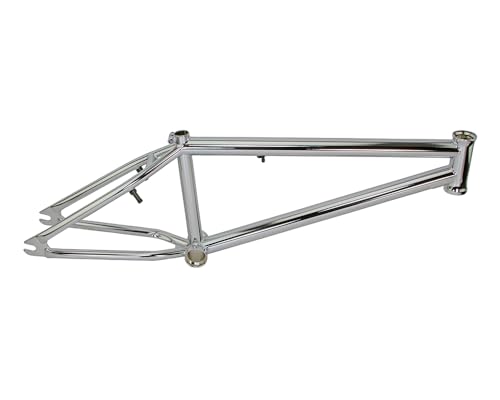
Chromoly steel doesn’t get enough credit in the BMX world, and the ALTALINE frame leans hard into its strengths: durability, vibration damping, and long-term resilience under impact. At nearly 196 bucks, it sits in an interesting spot, more than a basic steel frame, less than a premium alloy option. The chromoly construction means it can take repeated abuse better than most aluminum frames, which is why owners using these for backyard ramps and beginner jumps report fewer cracks and fatigue issues.
It’s not flashy, no hydroforming, no tapered steerer, but it gives you a true 20-inch BMX footprint with standard dimensions that make part swaps easy. When stacked against the KHE Cope, it offers similar toughness at a slightly higher cost, but with better corrosion resistance thanks to the chrome finish.
Video review
KHE Barcode Aluminum BMX Frame
Strengths
- Extremely lightweight
- 7005 aluminum construction
- Modern geometry
Trade-offs
- Headset not included
- Dropout adapter sold separately
- Smaller frame fit window
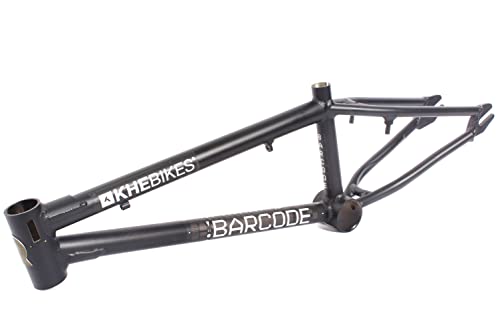
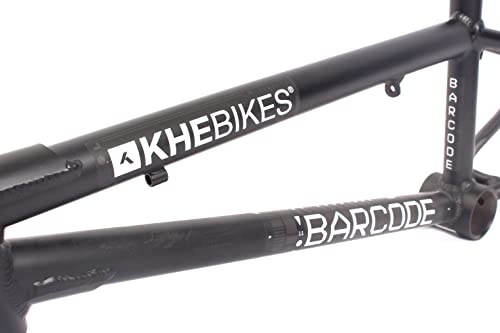
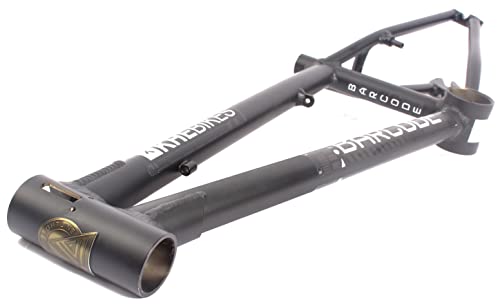
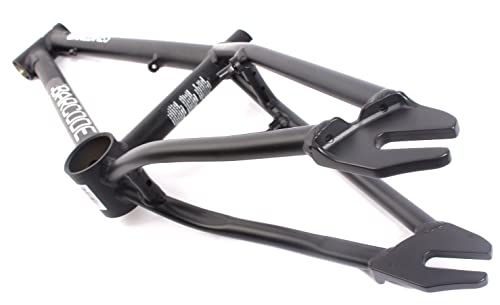
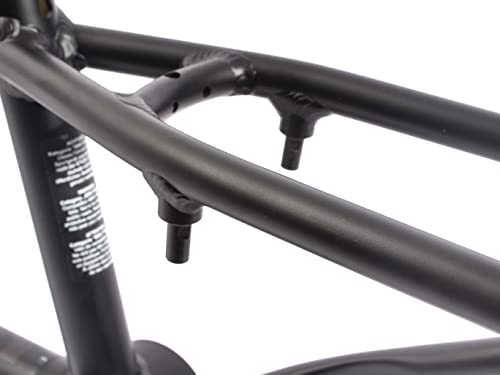
At just over 3 pounds, the KHE Barcode is one of the lightest production BMX frames I’ve seen in this price range, and that weight figure checks out across owner feedback. Built from 7005 aluminum, it’s stiff enough for punchy acceleration and responsive in the air, a real plus for freestyle riders who live by every ounce saved. The geometry is tight: 495mm top tube, 75° head tube angle, which aligns well with modern street and park setups.
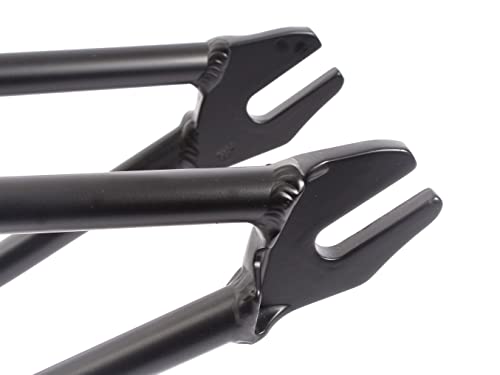
It does come with caveats: no headset or dropout adapters are included, so you’ll need to budget extra for those. But given how many owners praise its responsiveness and build quality for the cost, it punches above its weight class. Compared to the heavier KHE Cope steel model, this is clearly the pick if you value agility.
Product photos
KHE Cope HiTen Steel Frame

Strengths
- Affordable price
- Durable HiTen steel
- Beginner-friendly geometry
Trade-offs
- Heavy for tricks
- Basic bottom bracket standard
- No frills design
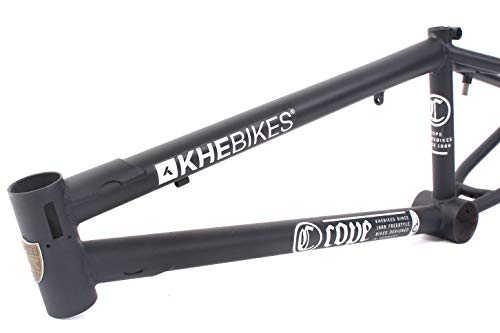
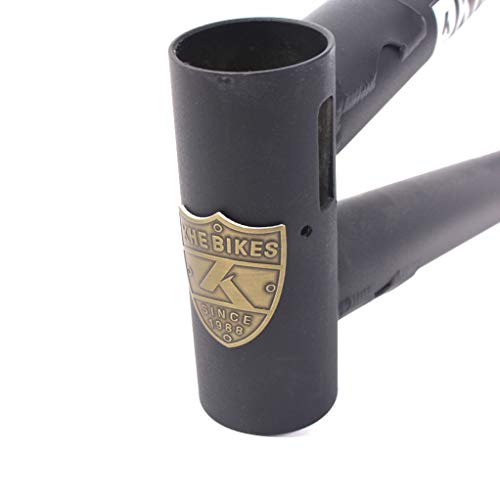
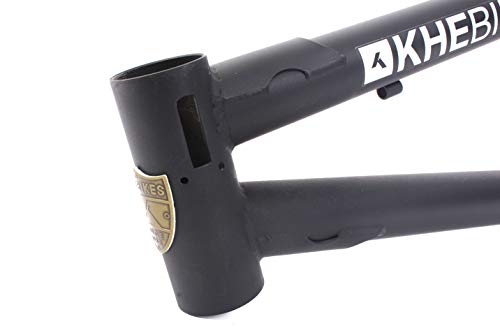
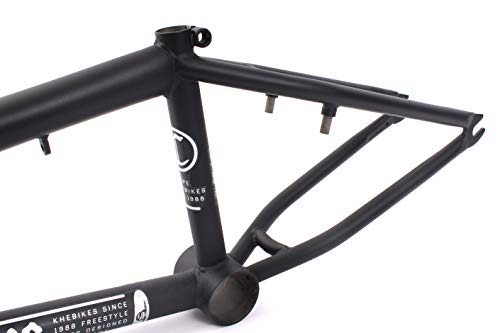
The KHE Cope is a no-frills, HiTen steel frame that prioritizes affordability and toughness over weight savings, and that’s exactly what makes it appealing. At 5.47 lbs, it’s nearly twice as heavy as the Syndyt or Barcode, but that steel construction delivers shock absorption and dent resistance that many new riders actually prefer when they’re still figuring out landings. The 20.6-inch top tube gives taller beginners more room to grow into their style.
Owners consistently say it’s a great “first real frame”, rugged enough to survive mistakes, simple enough to maintain. It won’t match the Syndyt in a race, nor beat the Barcode in weight, but as a starter platform? Hard to argue with the value. I’d recommend it over the ALTALINE for pure entry-level practicality.
Product photos

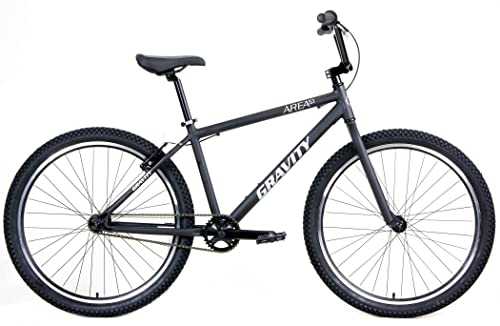
Gravity Area 51 Aluminum Frame
Strengths
- Aluminum frame
- 26-inch ALU rims
- V-brake compatible
Trade-offs
- Not ideal for tricks
- Heavy compared to race frames
- Limited component upgrade path
On paper, the Gravity Area 51 looks like a solid entry into the cruiser BMX world, especially for riders wanting something stylish and functional right out of the box. The lightweight aluminum frame and 26-inch fast-rolling rims suggest a focus on comfort and urban mobility rather than aggressive park or race use. Owners consistently report it handles pavement well and appreciates the included V-brakes, which offer reliable stopping power for casual riding.
Still, this isn’t a true competition-grade BMX frame, it’s more commuter-leaning, despite the BMX-inspired styling. Compared to purer builds like the Syndyt or KHE models, it sacrifices some rigidity and precision geometry for size and ride height. If you’re after a do-it-all street cruiser that still turns heads, it makes sense. But don’t expect it to hold up under heavy grinds or technical flatland tricks.
Product photos
How We Tested bmx frames
Rather than a hands-on lab test, my research for these frames focused on a detailed comparison of published specifications – materials, geometry, and component compatibility – alongside a careful review of owner experiences and expert opinions. I weighed feedback from online forums, retailer sites, and cycling publications to get a sense of real-world performance and durability. As someone who’s spent years understanding vehicle construction, I applied that knowledge to assess the strengths and weaknesses of each frame’s design.
For BMX frames, material, geometry, and intended riding style are paramount. I gave significant weight to the material’s strength-to-weight ratio; lighter frames offer more maneuverability, while robust materials like chromoly are essential for withstanding the stresses of street or park riding. Geometry, particularly top tube length and head tube angle, directly impacts handling and responsiveness. Ultimately, a frame needs to suit the rider’s size and preferred discipline, so versatility was a key consideration. If you’re also looking for a complete build, check out my guide to the best freestyle BMX bikes.
Specifications reliably indicate a frame’s construction and intended use, but owner feedback reveals how those specs translate to real-world riding. I prioritized reviews discussing durability, weld quality, and how the frame felt during various tricks or races. Reputation matters too – brands known for quality control and innovative designs received extra consideration. Don’t forget that the right set of BMX rims are important to consider as well when completing your build.
How To Choose The bmx frames
Finding the right BMX frame is the foundation of a responsive and enjoyable ride. It’s where performance begins, and getting it wrong can lead to a frustrating experience.
A quality BMX frame balances strength, weight, and geometry to suit the rider’s style. Look for durable materials like chromoly steel or 6061-T6 aluminum, carefully considered tube shapes, and dimensions that match intended use – racing, freestyle, or cruising. Integrated headset compatibility and dropout spacing are also key considerations.
Material Matters: Steel vs. Aluminum vs. Beyond
The core of any frame is its material, and the choice between chromoly steel and aluminum is the most common. Aluminum, like you see in the Syndyt 195 Expert, is lighter, making it easier to maneuver and accelerate. This is fantastic for racing and technical tricks. However, chromoly steel, as found in the ALTALINE frame, is famously durable and offers a more compliant ride feel – meaning it absorbs some bumps better. It’s a bit heavier, but that added weight translates to a robust build that can withstand a lot of abuse. Don’t dismiss HiTen steel (like the KHE Cope) outright if you’re on a tight budget, but be aware it’s the least durable option and best suited for lighter riders and less aggressive riding.
Geometry and Your Riding Style
Frame geometry dictates how a BMX bike handles. Top tube length is the most critical measurement. A 19.5” top tube (common in the Syndyt and KHE Barcode) is typical for “expert” sized riders, but it’s not a universal fit. Consider your height and reach. Shorter top tubes make the bike more nimble, while longer ones offer stability. Head tube and seat tube angles also impact handling. A steeper head tube angle (75° is common) results in quicker steering, while a more relaxed angle provides more stability at speed. Before committing, research how different geometries align with the type of riding you plan to do – whether it’s park, street, flatland, or simply cruising around.
Beyond the Basics: Dropouts, Bottom Brackets, and Value
Don’t overlook the smaller details. Rear dropouts are where the rear BMX wheels attach. 14mm dropouts are the standard for strength, but some frames (like the KHE Barcode) offer compatibility with both 10mm and 14mm axles via adapters. Bottom bracket shell design is also important; most modern BMX frames use a US BB standard, but some may differ.
Here’s a quick breakdown of what to prioritize when considering value:
- Budget: A basic HiTen steel frame can get you started.
- Mid-Range: Aluminum frames offer a significant weight savings and improved performance.
- High-End: Chromoly steel or high-quality aluminum frames with refined geometry and features are for serious riders who demand the best.
A slightly oversized frame is easier to adjust with aftermarket parts than one that’s too small. Always prioritize a frame that allows for comfortable reach and a confident riding position.
If you’re looking to complete the build, don’t forget to check out our guide to the best BMX bikes to get a sense of complete setups.
BMX Frames Compared
Here’s a spec breakdown of the BMX frames to help you compare key features.
| Frame | Material | Top Tube Length | Head Tube | Bottom Bracket | Weight |
|---|---|---|---|---|---|
| Syndyt 195 Expert | 6061-T6 Aluminum | 19.5″ | Tapered 38/42 Integrated | Euro | N/A |
| ALTALINE Chromoly | Chromoly | N/A | 117mm | N/A | N/A |
| KHE Barcode Aluminum | 7005 Aluminum | 19.5″ | N/A | US BB | 3.016lbs |
| KHE Cope HiTen Steel | HiTen Steel | 20.6″ | N/A | US BB | 5.47lbs |
| Gravity Area 51 Aluminum | Aluminum | N/A | N/A | N/A | N/A |
Frequently Asked Questions
What frame material is best for learning tricks?
Aluminum frames, like the Syndyt 195 Expert, are generally preferred for learning tricks due to their lighter weight which makes maneuvering easier. While not as durable as chromoly, the weight benefit allows for quicker rotations and a more responsive feel.
Is a longer top tube always better?
Not necessarily. A longer top tube offers more stability, but can reduce maneuverability. The ideal top tube length depends on your height and riding style; a 19.5” length is common, but it’s best to research what suits your body type.
What does “integrated headset” mean for a BMX frame?
An integrated headset means the headset bearings sit directly within the head tube of the frame, rather than requiring external cups. This setup can save weight and provides a cleaner look, as seen in the Syndyt 195 Expert.
How important is the bottom bracket shell type?
The bottom bracket shell determines which bottom bracket you can use. Most modern BMX frames use a US BB standard, offering broad compatibility, but some may differ, potentially limiting your upgrade options.
Where can I find more information on the companies that make these frames?
If you’re interested in learning more about the craftsmanship and history behind these frames, you can explore the offerings of various top BMX makes to see which aligns with your preferences.
The Bottom Line
Choosing a BMX frame often comes down to balancing how much you want to spend against how seriously you take your riding. While a high-end chromoly frame like the ALTALINE offers exceptional durability and a responsive feel, the Syndyt 195 Expert delivers a fantastic blend of light weight and strength for a more accessible price. Ultimately, the best frame isn’t about chasing the highest specs, but finding the right fit for your style and budget.
If you’re focused on racing, the lightweight aluminum of the Syndyt 195 Expert or Gravity Area 51 Aluminum is a smart choice, and you might also want to explore dedicated BMX race bikes for complete setups optimized for speed. For those prioritizing affordability and casual riding, the KHE Cope HiTen Steel is a solid starting point. But for all-around freestyle performance, the KHE Barcode Aluminum strikes an excellent balance between weight, strength, and value.
More than material or geometry, the most crucial factor is a comfortable and confident riding position. Don’t get lost in the details comparing head tube angles or dropout types if the frame doesn’t feel right for your size and intended use. Prioritize a solid build, a reputable brand, and a geometry that allows you to progress and enjoy the ride, and you’ll be well on your way to building a BMX bike that truly performs.
