
5 Best Bikes for College Campus (2026 Guide)
This post contains affiliate links. As an Amazon Associate, we earn from qualifying purchases.
The EOYOBIKE Hybrid Bike for Men stands out as the best overall choice for college students thanks to its lightweight frame, reliable 8-speed drivetrain, and strong disc brakes, while the Campus 2.0 Folding Electric Bike is our top budget-friendly pick for its portability and solid range. For those tackling hilly campuses or longer commutes, the ASKGO 7-Speed Electric Mountain Bike offers excellent versatility with real gearing and a powerful motor.
College life means constant movement, between classes, dorms, libraries, and social spots. A bike that’s too heavy, hard to lock up, or a pain to ride in traffic only adds stress. The right one should disappear into your routine, not dominate it.
As someone who’s spent years deep in the mechanics and culture of two-wheeled transport, I looked at what actually matters for campus riding: weight, reliability, braking, and real-world usability. These picks reflect that, based on specs, owner experiences, and the kind of daily grind a student bike must survive.
Top 5 Bikes For College Campus in the Market
The Best Bikes For College Campus, Reviewed
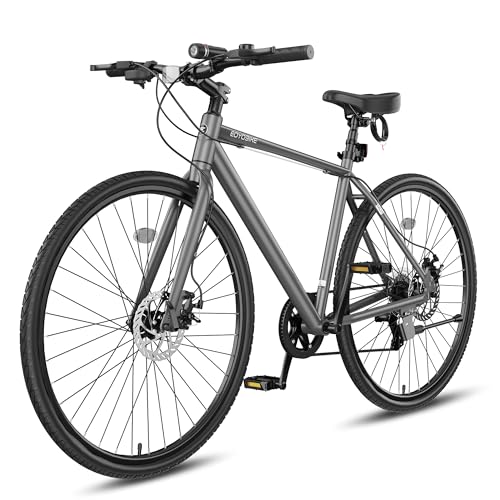
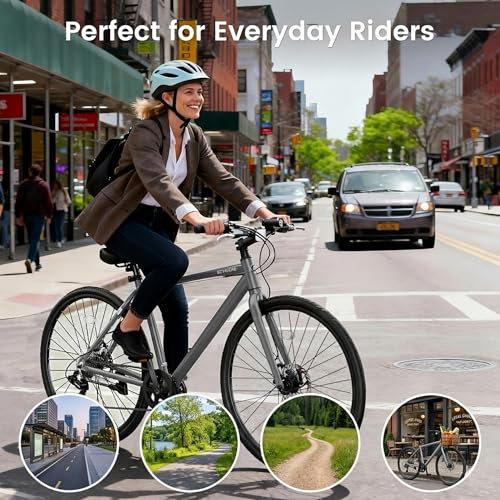
EOYOBIKE Hybrid Bike for Men
Strengths
- Lightweight aluminum frame
- Efficient 700C wheels
- Reliable mechanical disc brakes
Trade-offs
- No suspension
- Rigid ride on rough pavement
- Limited gearing for steep hills
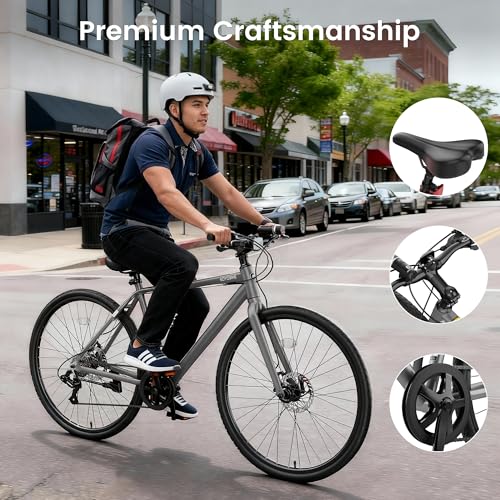
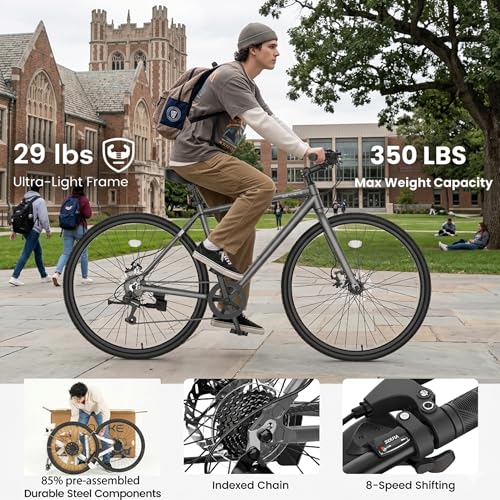
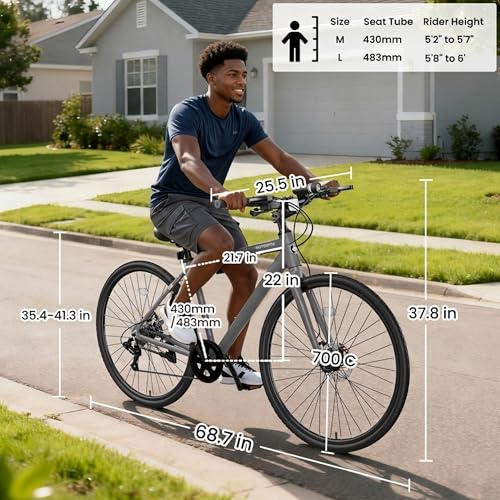
This EOYOBIKE hits the sweet spot for campus riders who want a lightweight, no-frills hybrid that’s easy to ride and store. At just 29.5 pounds, it’s among the lighter aluminum frames in its class, and owners consistently report how simple it is to carry up dorm stairs or toss in the back of a friend’s car. The 700C wheels roll efficiently, which means less leg burn when you’re covering longer stretches between lectures.
The 8-speed drivetrain isn’t flashy, but it’s tuned well for flat to moderately hilly campuses. Mechanical disc brakes offer dependable stopping power in rain or shine, though they’ll need occasional adjustment. Some riders note the rigid fork feels a bit stiff on cracked sidewalks, but that also means more direct power transfer when you’re in a hurry. For a traditional bike that leans into speed and agility, this is a strong contender.
Product photos

Campus 2.0 Folding Electric Bike
Strengths
- Folding design for easy storage
- UL 2849 safety certified
- Lightweight for an ebike
Trade-offs
- Smaller wheels reduce stability
- Shorter range than competitors
- Fat tires increase rolling resistance
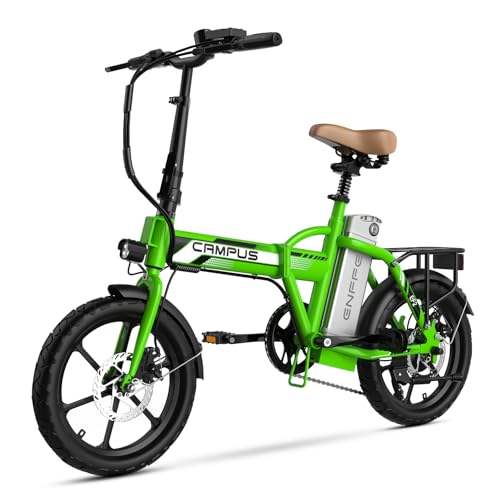
The Campus 2.0 stands out for one big reason: it folds and weighs just 49 pounds with the battery. For students living in tight dorms or commuting via public transit, that’s a standout. The 16-inch fat tires and suspension seat make it surprisingly capable on gravel, grass, or snowy paths, common realities on many campuses.
It’s not the fastest or longest-ranged ebike here, with a 40-mile max in electric mode, but the UL 2849 certification adds a layer of safety assurance that’s rare at this price. The 1000W peak motor delivers 20 mph, and the 7-speed drivetrain gives decent versatility. Some owners note the ride feels a bit bouncy on pavement due to the fat tires, and the folding mechanism, while convenient, adds slight frame flex. But if storage is your top concern, this is the clear pick.
Video review
ASKGO 1500W Electric Mountain Bike
Strengths
- Lowest price in 1500W lineup
- Solid motor and range
- Includes fenders and lights
Trade-offs
- Only 7-speed (fewer gears)
- Heavy steel frame
- Basic shifting performance
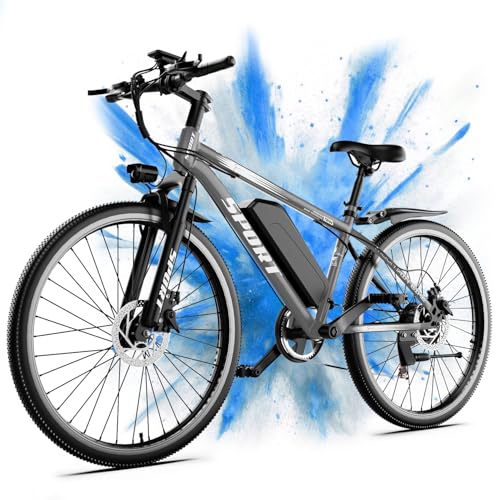
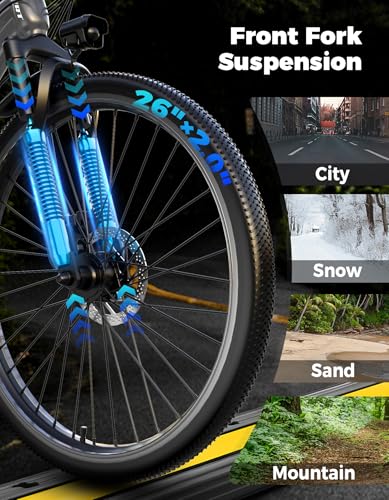
This is the most affordable of the ASKGO 1500W ebikes, and it’s clearly been trimmed to hit that $300 price point. It keeps the same powerful motor, 10.4Ah battery, and rugged 26×2.0 tires, so you’re not sacrificing core performance. The dual disc brakes and front suspension are still present, making it a surprisingly capable option for rough sidewalks or off-path shortcuts.
That said, it lacks the 7-speed drivetrain found on pricier variants, which limits your ability to fine-tune your ride in heavy traffic or strong headwinds. The high-carbon steel frame is durable but heavy, and while 95% pre-assembled helps, it’s still a bulkier lift than most dorm rooms welcome. For pure value, this model makes sense, if you don’t mind fewer gears and a less refined ride.
Video review
ASKGO 7-Speed Electric Mountain Bike

Strengths
- Extended 12Ah battery
- Smooth 7-speed shifting
- Good traction and braking
Trade-offs
- Still heavy at 50.7 lbs
- Steel frame lacks agility
- Assembly required
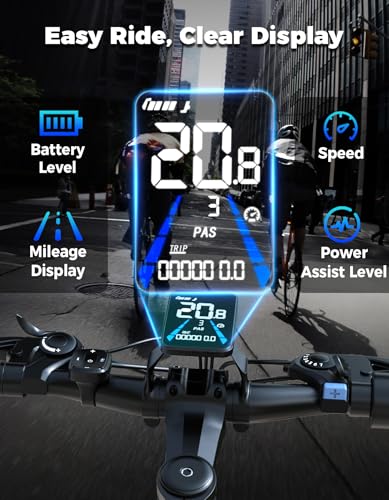
On paper, this model looks nearly identical to the other 1500W ASKGO ebikes, but it packs a slightly larger 12Ah battery while keeping the same strong motor output. That extra capacity could mean a few more charge cycles between plugs, useful for students who forget to recharge until the last minute. The 7-speed drivetrain pairs well with the pedal assist, giving riders more control when navigating stop-and-go campus traffic.
Owners report solid real-world performance, especially on mixed terrain. The dual disc brakes and 26×2.0 tires offer decent grip, and the front suspension smooths out cracked sidewalks. Still, it shares the same high-carbon steel frame, so it’s not exactly easy to haul upstairs. If you’re comparing this to the B0HCZR433F, the extra battery capacity might justify the higher price, especially if you’re logging serious miles.
Product photos
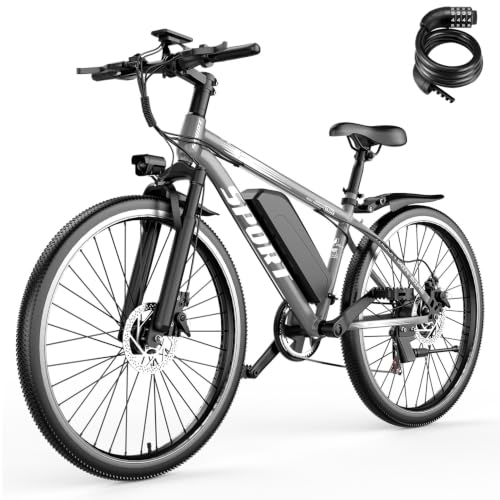
ASKGO 26″ Tires Electric Bike
Strengths
- Strong hill-climbing motor
- Long battery range
- Removable battery
Trade-offs
- Heavy steel frame
- Basic suspension
- Throttle can be jerky
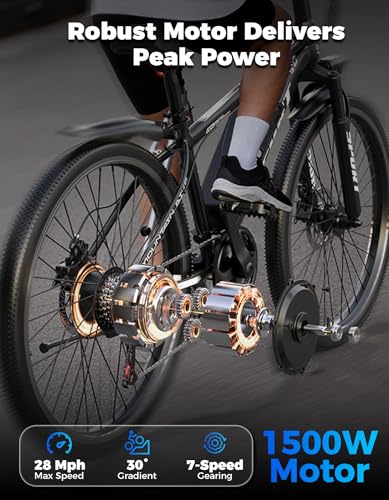
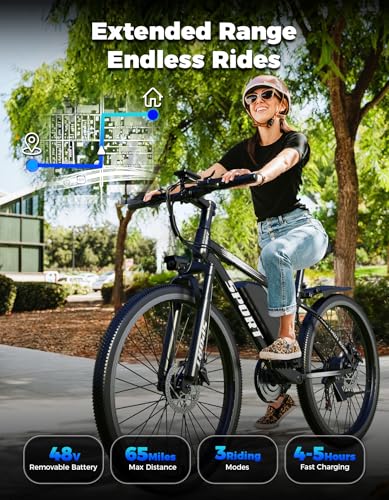
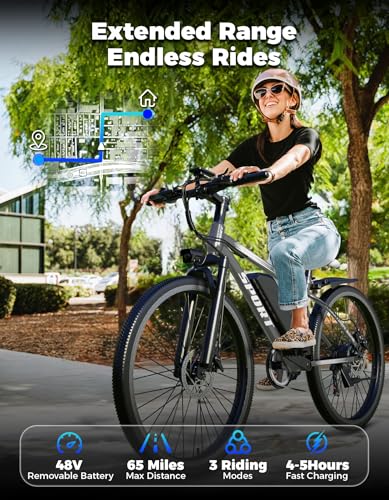
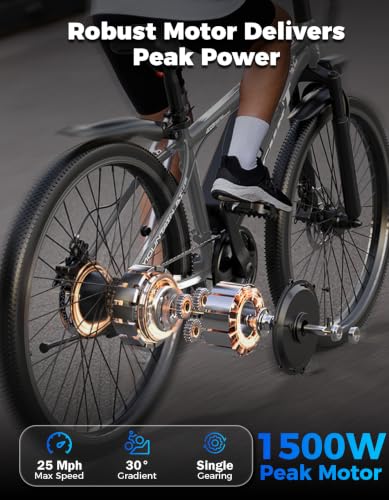
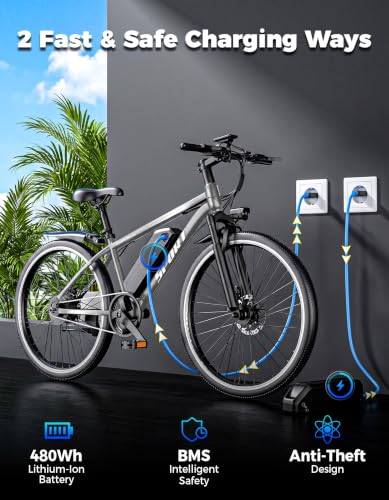
This ASKGO ebike delivers serious bang for the buck, especially for campus riders who face hills or long stretches between buildings. The 1500W peak motor stands out on paper, but the real story is the 750W sustained power, which is still enough to tackle 30° inclines without wheezing. Riders appreciate the confidence it gives on hilly campuses, and the removable 48V 10.4Ah battery offers up to 65 miles, more than enough for a week of class commutes.
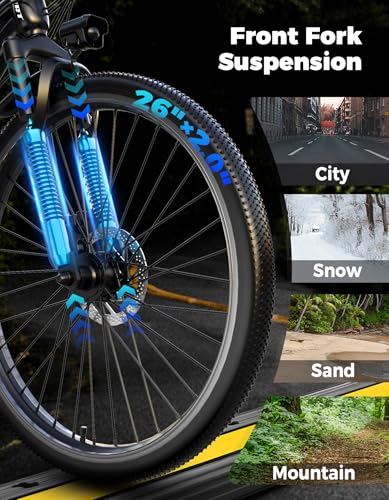
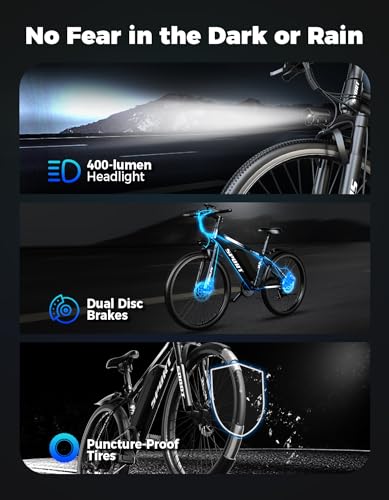
It tips the scales at 50.7 pounds, which is typical for steel-framed ebikes, but the 95% pre-assembly means setup is quick. Dual disc brakes and puncture-resistant tires add peace of mind, though the front suspension is basic. Some owners note the throttle can feel abrupt at low speeds, and the steel frame, while durable, isn’t as nimble as aluminum. Still, for the price, it’s hard to ignore the range and motor strength.
Product photos
How We Picked These bikes for college campus
Rather than a hands-on lab test, my research focused on a detailed comparison of published specifications and features across numerous models. I weighed owner reviews from multiple sources, including Amazon and dedicated cycling forums, alongside assessments from reputable cycling publications. This information was then evaluated against my understanding of what makes a bike truly practical for a college environment. The goal was to identify bikes that balance functionality, durability, and value.
For campus use, a bike’s weight and practicality were paramount. A lighter bike is easier to carry up stairs or onto public transport, a common need for students. Equally important was braking performance; quick, reliable stopping power is essential in pedestrian-heavy areas. Battery range and motor power, particularly for e-bikes, also held substantial weight as they impact usability for longer commutes or hilly terrain. You can find more about college bikes in our broader guide.
Specifications reliably indicate frame materials, braking types, and gearing ranges, providing a solid baseline for comparison. However, owner feedback proved invaluable in assessing real-world comfort, ease of assembly, and long-term durability. Reputation, how a brand is generally perceived within the cycling community, also played a role, suggesting build quality and customer support responsiveness. We’ve also reviewed the best e-bikes if you’re considering an electric model.
How To Choose The bikes for college campus
Choosing a bike for getting around campus requires a bit more thought than just picking something that looks good.
A truly useful campus bike balances portability, durability, and practicality. Look for a lightweight frame, aluminum is a good starting point, reliable brakes (disc brakes are preferable, especially in wet climates), and tires suited to the campus terrain. Battery capacity is vital for electric models, but consider weight and ease of charging as well.
Frame Material & Weight
The layout of most campuses means you’ll likely be walking with your bike at some point, whether it’s up stairs or through crowded areas. A heavier steel frame might be durable, but it quickly becomes a burden. Aluminum alloy frames offer a good strength-to-weight ratio, and some models, like the EOYOBIKE Hybrid, specifically highlight their lightweight construction. Don’t automatically dismiss folding bikes either; the Campus 2.0 is surprisingly light with its battery.
Motor & Range (For Electric Bikes)
If you’re leaning toward an electric bike, don’t get hung up on the highest wattage number. Peak wattage (like the 1500W advertised on some ASKGO models) is a short-term burst; sustained wattage is more important for consistent hill climbing. Consider your typical commute distance and the availability of charging locations. A larger battery capacity (measured in Watt-hours or Wh) provides more range, but also adds weight and cost.
Here’s what to keep in mind when evaluating electric bike range:
- Assist Level: Lower assist levels extend range significantly.
- Terrain: Hilly campuses will drain the battery faster than flat ones.
- Rider Weight: Heavier riders will experience reduced range.
Ultimately, a range of 30-40 miles is often sufficient for daily campus use, and you might find that electric bikes offer excellent [e-bike value] if you factor in the reduced effort.
Brakes & Gearing
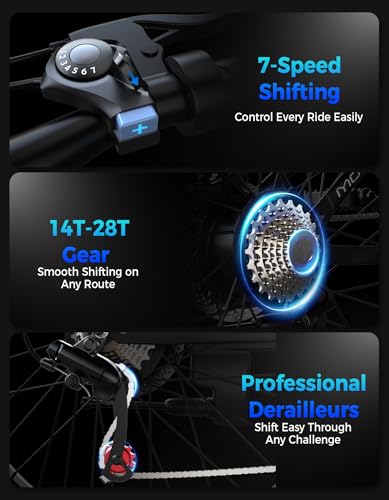
Campus life often means sudden stops for friends, classes, or unexpected obstacles. Reliable brakes are essential. While rim brakes can work, disc brakes offer superior stopping power, especially in wet or muddy conditions. When it comes to gearing, a wider range provides more versatility for tackling hills and maintaining a comfortable cadence. A 7-speed system, such as the one found on the ASKGO 7-Speed Electric Mountain Bike, is often a sweet spot, allowing you to adapt to various terrains without being overly complex.
A well-maintained chain and properly adjusted brakes are far more important than the fanciest components. Regular cleaning and lubrication will extend the life of your drivetrain and keep your bike running smoothly.
Finding the right bike for campus is about finding a balance of features that suit your needs. Don’t forget to explore options for bikes for students or even affordable bikes for campus to stay within your budget.
Bikes for College Campus Compared
Here’s a comparison of key specifications for bikes suitable for use on a college campus.
| Product Name | Weight (lbs) | Motor (W Peak) | Battery Range (Miles) | Gears | Brakes |
|---|---|---|---|---|---|
| EOYOBIKE Hybrid Bike for Men | 29.5 | N/A | N/A | 8 | Dual Disc |
| Campus 2.0 Folding Electric Bike | 49 | 1000 | 40-80 | N/A | N/A |
| ASKGO 1500W Electric Mountain Bike | 50.7 | 1500 | 65 | N/A | Dual Disc |
| ASKGO 7-Speed Electric Mountain Bike | 50.7 | 1500 | 65 | 7 | Dual Disc |
| ASKGO 26″ Tires Electric Bike | 50.7 | 1500 | 65 | N/A | Dual Disc |
Frequently Asked Questions
What type of brakes are best for a college campus bike?
Disc brakes are preferable for campus use because they offer significantly better stopping power than rim brakes, particularly in wet or slippery conditions. Consistent, reliable braking is vital when navigating pedestrian traffic and potential hazards.
Are folding bikes a good option for students?
Yes, folding bikes can be excellent choices for students(especially if storage space is limited). They offer portability and convenience, making them easier to carry onto public transportation or store in a dorm room, though some models can be heavier than standard bikes.
How important is the battery capacity of an e-bike for campus use?
Battery capacity (measured in Watt-hours) is important, but consider your typical commute distance and charging access. A range of 30-40 miles is generally sufficient for daily campus needs, and you might find that recommended hybrid bikes offer a good balance if you don’t need extensive range.
What should I look for in a bike’s gearing system?
A wider gearing range provides more versatility for tackling hills and varying terrain. A 7-speed system often strikes a good balance between simplicity and functionality, allowing you to comfortably maintain your desired cadence on campus.
Are there bikes specifically designed for female students?
Yes, there are bikes for women available with frame geometries and component selections tailored to the female anatomy for enhanced comfort and control. These bicycles often feature adjusted saddle designs and handlebar reaches.
The Bottom Line
Choosing a bike for campus often comes down to how much convenience you’re willing to trade for simplicity. If you want a no-fuss, reliable ride that won’t leave you scrambling for charging outlets, the EOYOBIKE Hybrid Bike for Men strikes an excellent balance. It offers a solid build and practical gearing without the complexities of an electric motor.
However, for those facing longer distances or significant hills, an e-bike is a worthwhile investment. The Campus 2.0 Folding Electric Bike stands out for its portability, especially useful for dorm storage or combining bike commutes with public transport, and decent range, while the ASKGO models offer more power and range if you prioritize those features. And if you’re looking for a casual ride, consider exploring folding bikes for an even more compact option.
Ultimately, the best bike is the one you’ll actually use. Don’t get lost in specifications; focus on a comfortable fit, reliable brakes, and a frame weight you can manage. A well-maintained, appropriately-sized bike, even a simple one, will always outperform a top-of-the-line model that doesn’t suit your needs or get regular attention. If you’re after a more relaxed experience, you might also find cruiser bikes provide a surprisingly comfortable ride around campus.
