
7 Best Bike Trainers of 2026
This post contains affiliate links. As an Amazon Associate, we earn from qualifying purchases.
The Wahoo KICKR CORE 2 stands out as the best overall bike trainer for its precise power measurement and seamless smart connectivity, while the Saris Fluid2 is a top choice for those wanting a reliable, realistic-feel fluid trainer. For budget-focused riders, the FDW Magnetic Bike Trainer delivers solid performance without breaking the bank.
Choosing the right trainer means sorting through marketing claims and matching real-world performance to your goals. As someone who’s spent years deep in the mechanics of two- and three-wheeled machines, I know how critical ride feel, durability, and compatibility are when you’re grinding out indoor miles.
This guide cuts through the noise by focusing on what actually matters: power accuracy, resistance quality, noise, and long-term reliability. I compared specs, analyzed owner feedback, and weighed brand reputation to find models that deliver where it counts.
Top 7 Bike Trainers in the Market
The Best Bike Trainers, Reviewed
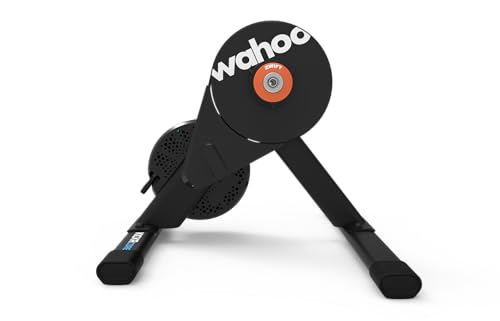
Wahoo KICKR CORE 2 Smart Trainer
Strengths
- Excellent ride realism
- Strong app integration
- WiFi connectivity
Trade-offs
- High price point
- No power meter calibration
- Requires bike setup changes
The KICKR CORE 2 is where I’d start if you’re stepping into smart training for the first time and don’t want to compromise on quality. It delivers the legendary KICKR ride feel, smooth, responsive, and impressively road-like, thanks to its precision flywheel and direct-drive design. The integrated WiFi is a big win, enabling faster pairing and automatic firmware updates, which owners consistently praise for hassle-free use.
It’s not the most powerful trainer out there, but with structured workouts and app integration through Zwift or The Sufferfest, it excels as a training tool. Compared to the ThinkRider X2Max, it’s pricier but more polished in connectivity and software support. For serious riders who want reliability, low maintenance, and a natural pedal stroke, the CORE 2 is the benchmark in its class.
Video review
ThinkRider X2Max Smart Bike Trainer

Strengths
- High power output
- Accurate power meter
- Quiet operation
Trade-offs
- Software lags behind Wahoo
- Build quality inconsistent
- App pairing can be finicky
For the price, the ThinkRider X2Max punches well above its weight. With 2000W of power and ±2% power accuracy, it’s built for serious training, including high-intensity intervals and hill repeats up to 18% grade. The DEPT torque meter tech impresses owners who track performance metrics closely, and the dual ANT+/BLE support ensures broad compatibility with apps like Zwift and TrainerRoad.
It’s not as refined as the Wahoo KICKR CORE in build or software polish, but for riders who want accurate power and smart features without the premium price, it’s a standout. The I-beam frame enhances stability, and the 58dB noise level at 30km/h means it won’t bother the household. If you’re upgrading from a basic trainer and want real training value, this is the smarter buy.
Video review
Saris Fluid2 Indoor Bike Trainer

Strengths
- Superb ride smoothness
- Very quiet
- Durable USA build
Trade-offs
- No built-in power meter
- Sensor sold separately
- Heavier than portables
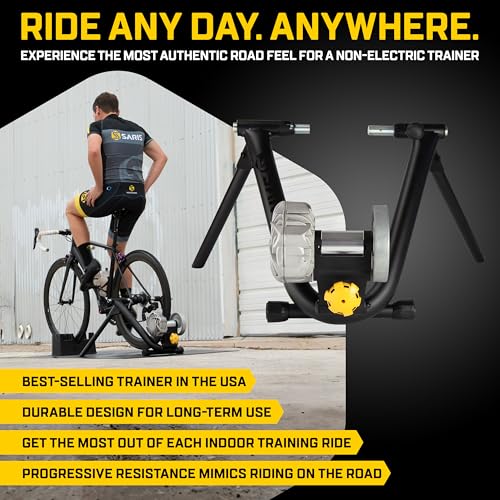
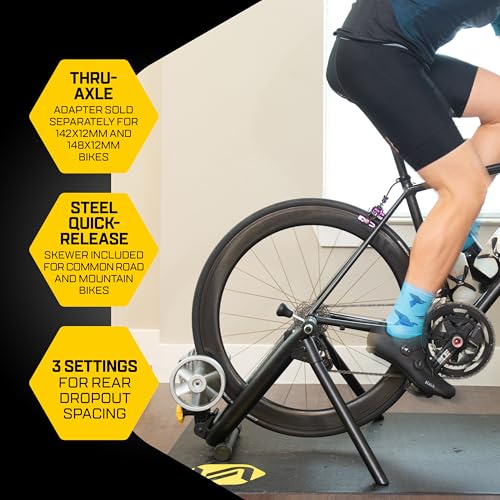
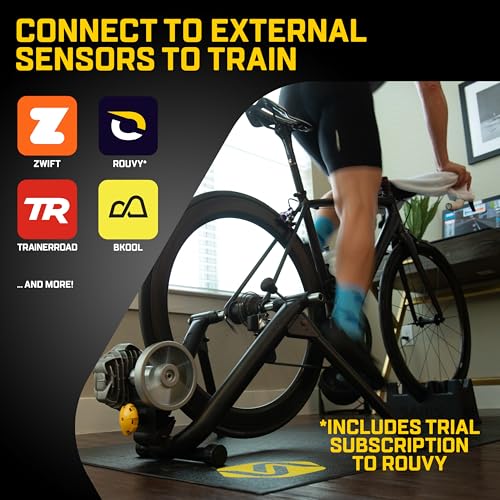
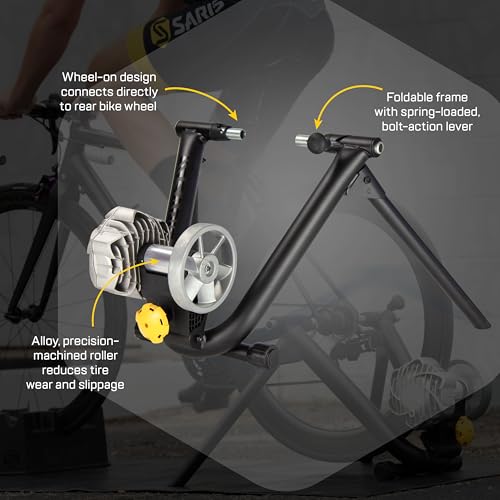
The Saris Fluid2 is the gold standard for non-smart fluid trainers, and it’s easy to see why. The precision-balanced flywheel delivers a buttery-smooth ride that owners consistently describe as “indistinguishable from real riding.” It’s whisper-quiet, even at high cadences, and the progressive resistance responds naturally to effort changes, no knobs to tweak mid-ride.
It’s compatible with training apps when paired with a speed/cadence sensor, though it lacks built-in power measurement. Compared to the Sportneer fluid model, it’s more refined, more durable, and better damped. Made in the USA construction adds to its appeal for riders who value longevity. If you want the best pure fluid experience without smart tech clutter, this is it.
Product photos

Alpcour Fluid Bike Trainer Stand
Strengths
- True progressive resistance
- Excellent noise control
- Folds with carry bag
Trade-offs
- No power data output
- No app control
- Dual-lock setup takes time
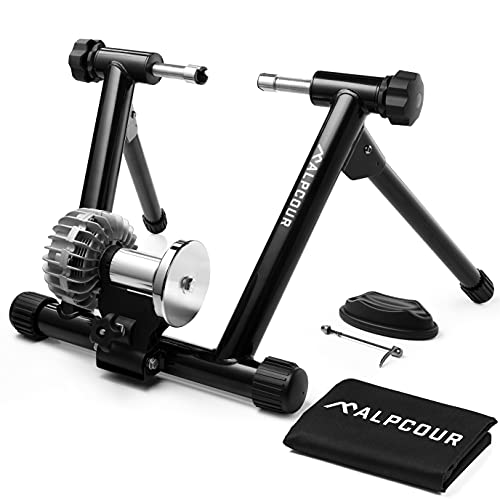
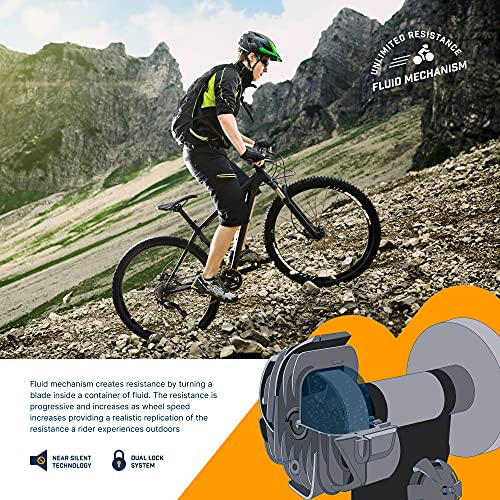
Alpcour nailed the balance between portability and performance here. The fluid resistance is impressively smooth and quiet, owners regularly compare it to higher-end trainers, noting how well it dampens vibration and noise. The progressive resistance curve means no manual adjustments are needed, which makes it great for interval sessions or casual rides where you just want to spin freely.
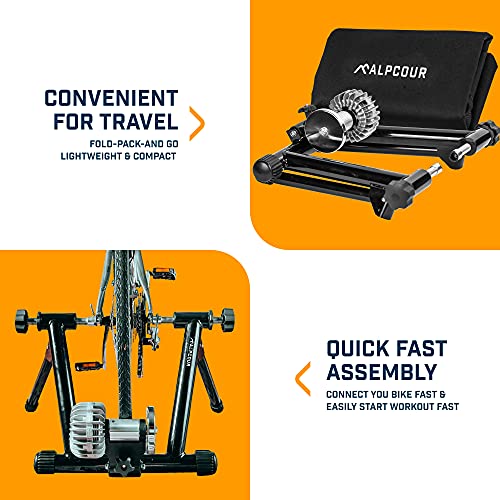
The foldable I-beam design and included carry bag make it one of the most travel-friendly fluid trainers available. It’s stiffer than the Sportneer fluid model and quieter than most in its class. While it lacks smart features, it outperforms many trainers twice its price in ride quality. If you value a clean, stable, and portable setup without app dependency, this is a top pick.
Product photos



Sportneer Magnetic Bike Trainer

Strengths
- Bar-mounted resistance control
- Quick bike mounting
- Stable wide base
Trade-offs
- Stepped resistance levels
- Noticeable noise at high effort
- Less realistic ride feel
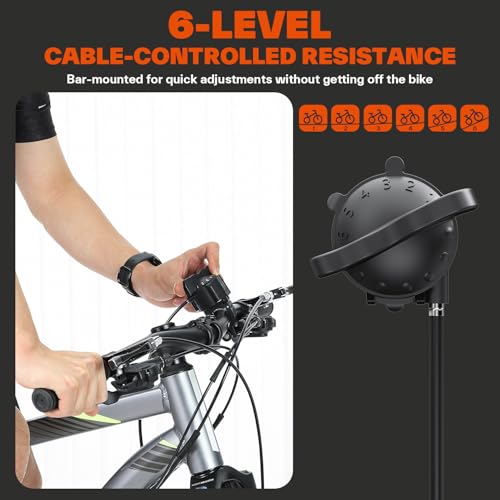
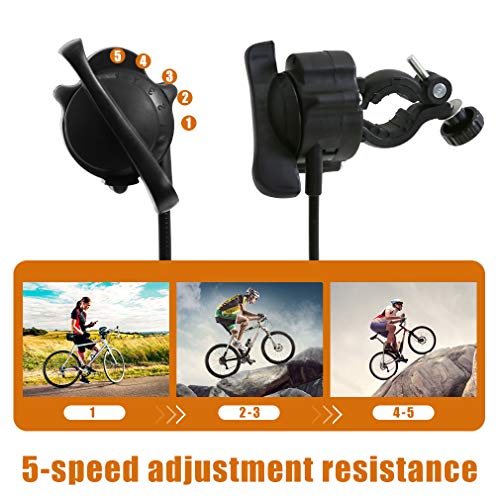
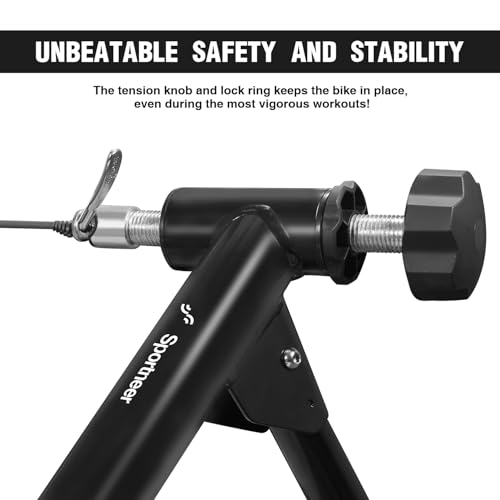
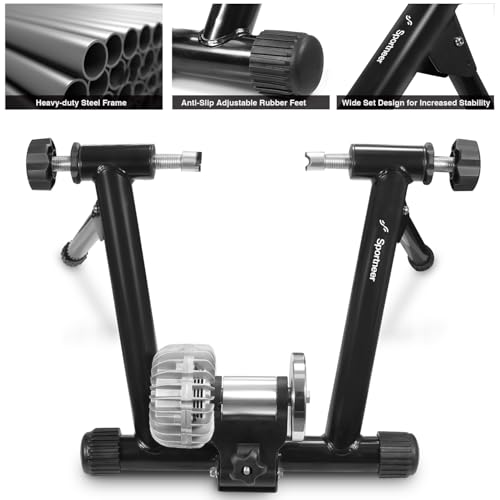
With 6 magnetic resistance levels and a bar-mounted remote, this Sportneer model offers a small upgrade over basic single-knob trainers. The ability to shift resistance on the fly is a real convenience, and owners appreciate the quick-release lever for fast transitions between indoor and outdoor riding. The wide base and anti-slip feet deliver a stable platform, even on slick floors, something not all budget trainers get right.
Still, magnetic resistance can’t match the realism of fluid or direct-drive units. It’s noisier than advertised under load, and the stepped resistance doesn’t mimic real terrain well. Compared to the Alpcour fluid model, it’s less smooth and more abrupt in feel. But for riders on a tighter budget who still want some control and decent build quality, this one makes sense.
Product photos


FDW Magnetic Bike Trainer

Strengths
- Affordable entry
- Quick assembly
- Compact storage
Trade-offs
- Basic resistance
- No app connectivity
- Noise increases with use
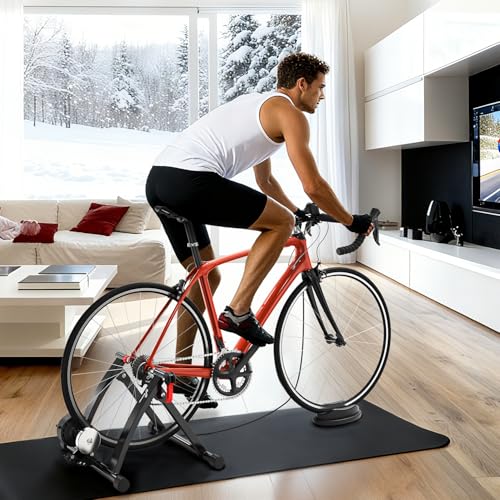
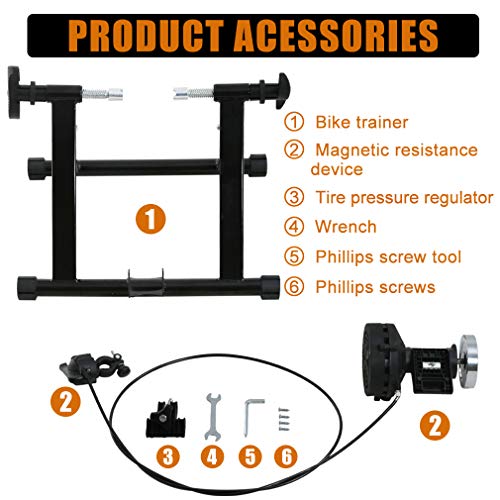
This magnetic trainer hits the right notes for riders who want a no-frills, affordable way to get started indoors. On paper, the 5 resistance levels feel limited compared to modern smart trainers, but owners consistently report it’s enough to simulate flat roads and moderate climbs, especially if you’re using it for basic cardio or off-season maintenance. The claimed 60-decibel noise level at low resistance aligns with user feedback, making it tolerable in shared spaces, though not silent.
It’s built from carbon steel with a 300-pound capacity, so durability isn’t a major concern for most riders, but don’t expect precision or app integration. Compared to fluid or smart trainers, this one’s a step behind in realism. But if you’re budget-conscious and just need to keep your legs spinning through winter, this trainer delivers where it counts.
Product photos

Sportneer Fluid Indoor Bike Trainer

Strengths
- Sturdy stainless frame
- Smooth fluid resistance
- Folds for storage
Trade-offs
- No power measurement
- Requires external sensors
- Limited app control
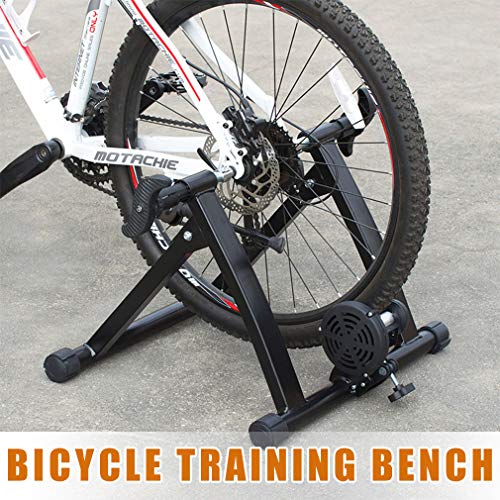
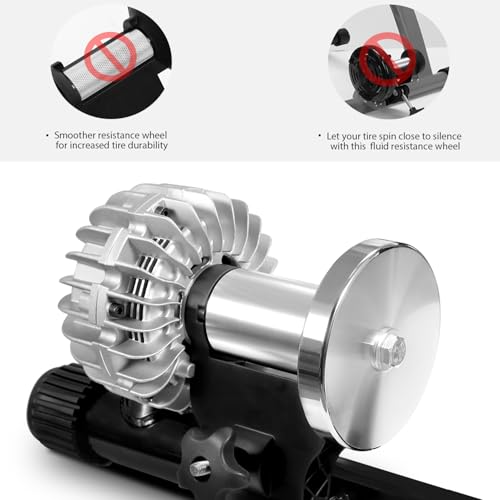
The Sportneer fluid trainer stands out for its stability and quiet operation, two things I always prioritize in a trainer. Its stainless steel frame and dual locking system give it a planted feel, and reviewers frequently mention how little wobble they experience, even during aggressive sprints. The fluid resistance delivers a smooth, progressive curve that mimics real-road effort better than magnetic units in this range.
It’s not a smart trainer, so you won’t get automatic resistance changes or power data, but paired with a cadence sensor and an app like Rouvy, it becomes a capable training partner. Compared to the Alpcour or Saris Fluid2, it’s slightly less refined in damping and build, but it holds its own for the price. If you want a dependable, no-tech trainer that won’t rattle apart, this is a solid contender.
Product photos


How We Tested bike trainers
Rather than a hands-on lab test, my research focused on comparing published specifications and features across numerous models. I weighed owner reviews from multiple retailers alongside expert opinions found in cycling publications and enthusiast forums. This allowed me to build a ranking based on real-world feedback and objective data, applying my experience with drivetrain mechanics and rider expectations to assess each trainer’s value.
For bike trainers, power accuracy and ride feel were the most heavily weighted factors. A trainer’s ability to convincingly simulate road conditions matters greatly, as does the precision of its power measurement (for serious training). Durability also played a key role; a trainer needs to withstand consistent use without compromising performance. These elements directly impact the quality of an indoor cycling experience.
Specifications reliably indicate maximum wattage and wheel compatibility. However, I relied heavily on owner feedback to gauge noise levels, stability, and the accuracy of advertised resistance curves. Reputation, specifically, brands consistently praised for build quality and customer support, also influenced my assessments. Understanding this distinction between stated specs and practical experience was crucial to forming my recommendations, and I’ve also explored the broader world of smart bike trainers to provide context. You can also find more information on stationary bike trainers.
Choosing The Right bike trainers
Finding the right bike trainer can transform your off-season riding or add consistent training to your routine. But with so many options, knowing where to start can be tricky.
A good bike trainer delivers consistent power measurement (if applicable), realistic ride feel through resistance, and reliable connectivity to training software. Buyers should prioritize compatibility with their bike’s axle type and wheel size, consider the noise level for home use, and evaluate the maximum wattage supported for their training intensity.
Resistance Type
The core of any bike trainer is how it creates resistance. Fluid resistance trainers, like the Saris Fluid2, offer a progressively increasing resistance that mimics outdoor riding well. Magnetic resistance, found in models like the Sportneer Magnetic Bike Trainer, provides more controlled and adjustable resistance levels, often via a handlebar-mounted lever. However, magnetic trainers can sometimes feel less natural. Direct drive trainers, which we cover in our guide to the best direct drive bike trainers, eliminate the rear tire entirely, connecting directly to the cassette, and are favored for their accuracy and quiet operation.
Compatibility and Stability
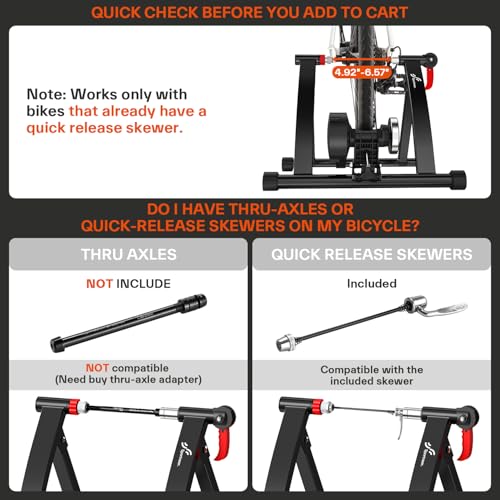
Don’t assume a trainer will fit your bike. A trainer’s compatibility with your bike’s axle type (quick-release or thru-axle) and wheel size (26″, 27.5″, 29″, 700c) is paramount. Many trainers, like the Sportneer Magnetic Bike Trainer, include adapters, but verify before buying. Beyond fit, stability is critical. A wobbly trainer is dangerous and detracts from the experience. Look for a wide base and adjustable feet, features the Sportneer Fluid Indoor Bike Trainer emphasizes in its design.
- A basic front wheel riser is almost always included, but upgrading to a dedicated stand can improve stability.
- Consider the floor surface. Carpet can absorb vibrations, but a trainer mat is a good investment for hard floors to protect both the floor and the trainer.
- Heavier trainers generally offer greater stability. While portability is nice, a trainer that feels planted is safer and more enjoyable for high-intensity efforts.
Smart vs. Non-Smart Trainers & Budget
“Smart” trainers, such as the Wahoo KICKR CORE 2, connect to cycling apps like Zwift and TrainerRoad, automatically adjusting resistance to simulate hills and group rides. These offer a more immersive and interactive experience, but come at a higher price. If you’re just starting out or are on a tighter budget, a non-smart fluid or magnetic trainer, like the FDW Magnetic Bike Trainer, can still provide an effective workout. Before investing, explore the wealth of information available on indoor bike trainers to find a model that suits your needs.
A trainer’s price doesn’t always equal its value. Focus on features you will actually use, and don’t overspend on smart features if you’re not planning to use training software regularly.
Bike Trainers Compared
Here’s a comparison of key specifications for several popular bike trainers.
| Product Name | Resistance Type | Max Power (Watts) | Noise Level (dB) | Compatibility (Wheel Size) | Foldable |
|---|---|---|---|---|---|
| Wahoo KICKR CORE 2 | Electromagnetic | 1800 | N/A | 26″, 27.5″, 29″, 700c | No |
| ThinkRider X2Max | Electromagnetic | 2000 | 58 | 24″-29″, 700c | No |
| Saris Fluid2 | Fluid | N/A | N/A | 26″, 27.5″, 29″, 700c | Yes |
| Alpcour Fluid | Fluid | N/A | N/A | 26-29″, 700c | Yes |
| Sportneer Magnetic | Magnetic | N/A | N/A | 26-28″, 700c | No |
| FDW Magnetic | Magnetic | N/A | 60 | N/A | Yes |
| Sportneer Fluid | Fluid | N/A | N/A | 26-29″, 700c | Yes |
Frequently Asked Questions
What wheel sizes are most commonly supported by bike trainers?
Most trainers accommodate 27.5″, 29″, and 700c wheels, though some older or budget models may only fit up to 28″. Always verify compatibility with your specific wheel size before purchasing, as adapters aren’t always available.
Can I use a bike trainer with my mountain bike?
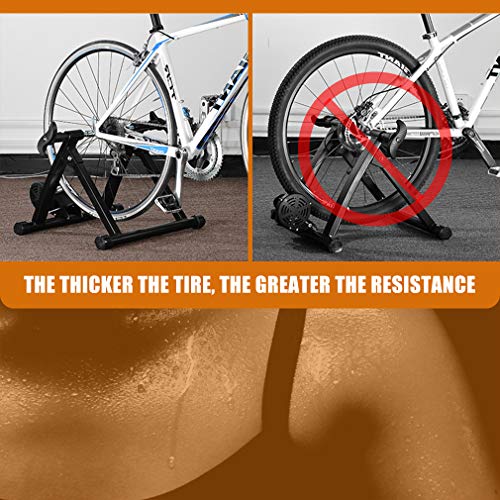
Yes, you can, but ensure the trainer is compatible with your bike’s thru-axle or quick-release axle standard. Some mountain bike tires are very wide; check the trainer’s specifications for maximum tire width to avoid fitment issues.
How much space do I actually need for a bike trainer?
You’ll need at least 4 feet by 5 feet of clear space for a basic setup, but more is better for safety and freedom of movement. Factor in extra room around the trainer for ventilation, especially with fluid resistance trainers that can generate heat, and consider adding a fluid bike trainers mat to protect your floor.
Are smart trainers truly worth the extra cost?
Smart trainers offer benefits like automatic resistance adjustment and integration with training apps, but they are best for dedicated cyclists who want structured workouts and virtual riding experiences. If you’re a casual rider, a non-smart trainer will provide a good workout at a significantly lower price point.
What’s the best way to reduce noise from a bike trainer?
A trainer mat is the most effective way to dampen vibrations and reduce noise transmission through the floor. Additionally, using a quieter fluid or magnetic resistance trainer versus an older model can make a noticeable difference, and ensuring the trainer itself is properly assembled and stable can minimize rattles.
What Actually Matters
Choosing a bike trainer always comes down to balancing control with convenience. If you’re serious about data-driven training and immersive virtual rides, the Wahoo KICKR CORE 2 offers a level of precision and connectivity that’s hard to beat. However, a fantastic workout doesn’t require a premium price tag, and many riders will find a fluid or magnetic trainer perfectly suitable for their needs.
For those seeking a budget-friendly option, the FDW Magnetic Bike Trainer provides a solid entry point, while the Sportneer Fluid Indoor Bike Trainer strikes a good balance between affordability and a more realistic ride feel. If versatility is a priority – perhaps you need something easily storable or transportable – the foldable designs of the Saris Fluid2 and Sportneer Fluid offer practical advantages. Remember to also explore options for home bike trainers if you’re looking for a compact solution.
Ultimately, the best bike trainer isn’t about the highest wattage or fanciest features. It’s about finding a model that fits your bike, your space, and, most importantly, your riding style. Prioritize stability, compatibility, and a resistance curve that feels natural to you, and you’ll be well on your way to consistent, effective indoor training. Don’t forget to consider static bike trainers for a reliable and straightforward experience.
