
7 Best Belts for Polaris Ranger XP 1000 2026
This post contains affiliate links. As an Amazon Associate, we earn from qualifying purchases.
The overall best belt for the Polaris Ranger XP 1000 is the SuperATV CVT Belt, thanks to its proven durability and superior aramid fiber construction. For a reliable factory-spec option, the Polaris Genuine OEM 3211149 stands out, while the Catsen Drive Belt offers strong value with its heat-resistant EPDM rubber and 7-layer design.
If your Ranger XP 1000 sees tough trails, heavy loads, or high-speed runs, a failing belt isn’t just an inconvenience, it can strand you mid-ride and lead to costly repairs. Too many riders learn the hard way that not all belts handle the machine’s power and heat the same.
After researching specs, owner experiences, and long-term performance trends, I focused on heat resistance, material quality, and real-world reliability. These picks reflect what actually holds up in the field, not just what looks good on paper.
Top 7 Belts For Polaris Ranger Xp 1000 in the Market
The Best Belts For Polaris Ranger Xp 1000, Reviewed
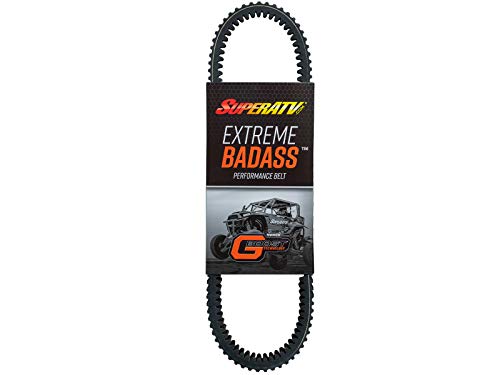
SuperATV CVT Belt for Polaris Ranger XP 1000
Strengths
- High torque tolerance
- Smooth engagement
- Extended lifespan
Trade-offs
- Premium price
- Overkill for light use
SuperATV’s belt is built for riders who push their machines hard and burn through OEM belts too quickly. With XC Technology and a knife-cut aramid cord, this belt resists fraying and handles high shock loads better than stock. Owners running aggressive tires or aftermarket clutches often see longer life here compared to the factory unit.
It’s not just about durability, it engages smoothly and reduces slippage, which translates to better power delivery. Compared to budget options, this one holds up under real abuse, and the 100% fit guarantee adds confidence. For a true all-around upgrade, it’s hard to ignore.
Video review
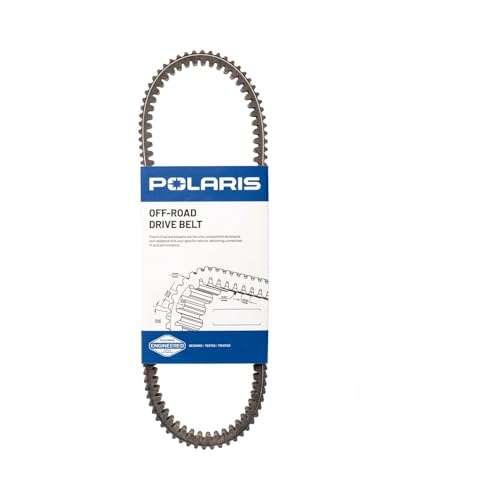
Polaris Genuine OEM Drive Belt 3211218
Strengths
- Factory matched
- Thermal efficiency
- Tight tolerances
Trade-offs
- Slight premium over older OEM
- No upgrade benefit
The 3211218 is Polaris’ updated OEM belt, and while it looks nearly identical to the 3211149, it’s meant for newer model years and revised CVT tuning. Like its sibling, it’s engineered to run cooler and wear longer under sustained load, with the same aramid core and thermal management focus.
Owners report no need for clutch adjustments and consistent engagement over time. If your Ranger is newer (2020+), this is the correct OEM spec. It doesn’t outperform the 3211149, it’s just the right part for the right year.
Video review
Polaris Genuine OEM Drive Belt 3211149
Strengths
- OEM precision
- Heat resistant
- Aramid strength
Trade-offs
- High price
- No performance gain
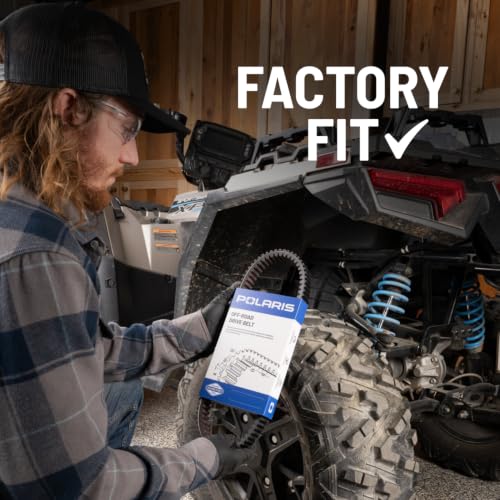
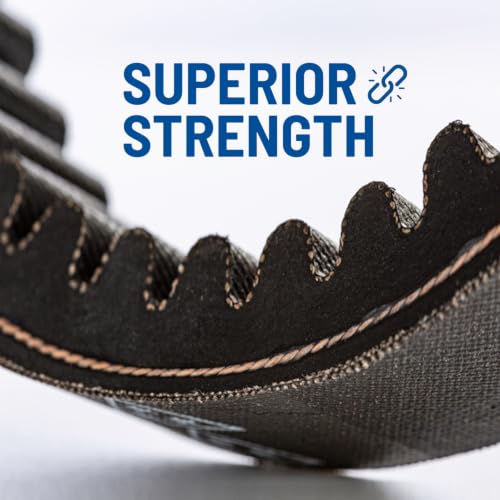
This is the belt Polaris designed for your Ranger XP 1000 from the factory, and it shows. On paper and in owner reports, the 3211149 delivers consistent, predictable performance that keeps the CVT system operating as engineered. The aramid fiber construction and precision geometry help it run cooler under load, which matters if you’re towing or climbing for long stretches.
It’s not the flashiest option, but it’s backed by Polaris’ own 40,000-mile validation process, and riders who stick with OEM parts consistently report fewer surprises. If you value reliability over aftermarket hype, this one earns its place.
Product photos
Catsen Drive Belt for Polaris Ranger XP 1000
Strengths
- EPDM heat resistance
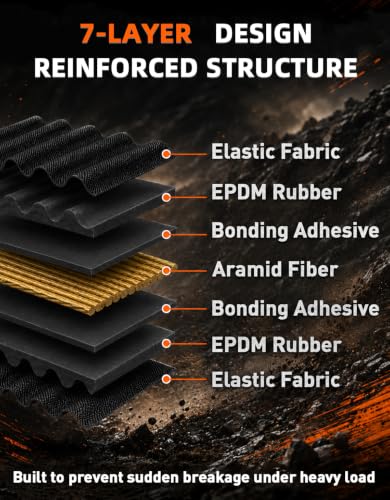
- 7-layer build
- Stable under load
Trade-offs
- Limited long-term data
- Niche advantage
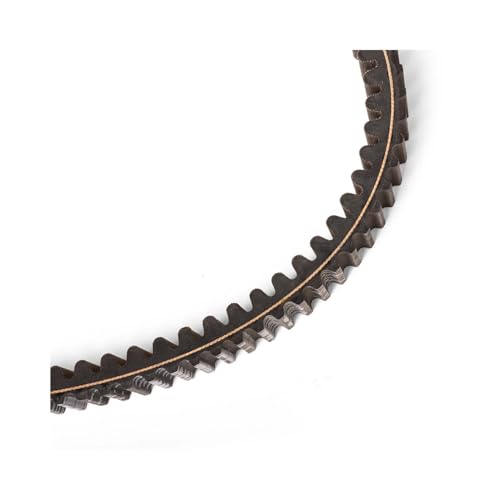
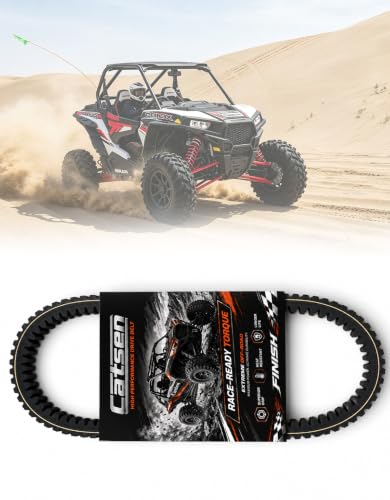
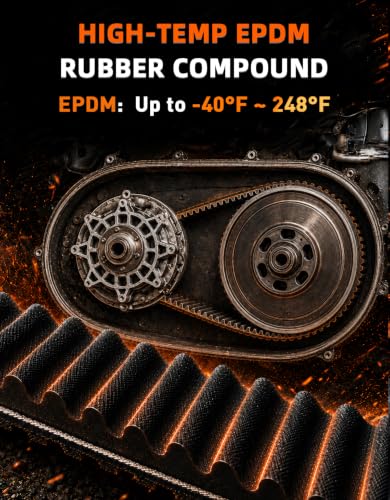
Catsen’s 7-layer build stands out with EPDM rubber, which handles heat and aging far better than standard chloroprene. Rated to 120°C, it’s one of the most heat-resistant belts in this group, making it a strong choice for hot climates or machines that run hard for long periods.
The double elastic fabric layers add flexibility and surface protection, and the precision groove design helps maintain clean clutch engagement. While not as widely reviewed as SuperATV or OEM, early owner feedback points to solid durability. For heat resistance, it’s the clear pick.
Product photos

KEMIMOTO 5-Layer Heavy-Duty Drive Belt
Strengths
- Strong layering
- Good heat resistance
- Affordable durability
Trade-offs
- Not for high-horsepower builds
- Fit varies slightly
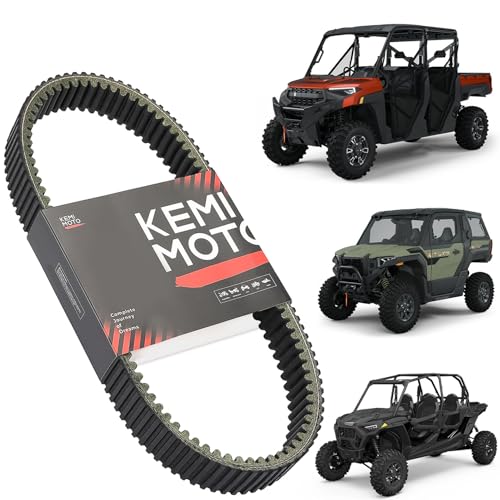
KEMIMOTO’s 5-layer belt is one of the more credible budget performers, with a build that mirrors higher-end designs, nylon-toothed surface, double chloroprene, and aramid reinforcement. The focus on stretch resistance and rugged terrain durability makes it a step above generic no-name belts.
Owners using it for farm work or moderate trail riding say it lasts longer than expected, and the precision tooth profile helps reduce slippage. It’s not as robust as SuperATV’s offering, but for the price, it delivers solid value without major trade-offs.
Product photos

KEMIMOTO Heat-Resistant Drive Belt 3211186
Strengths
- Heat resistant
- Low noise
- Enhanced grip
Trade-offs
- Less shock load capacity
- Not for extreme use
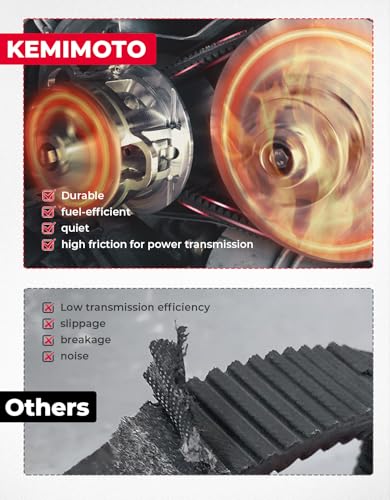
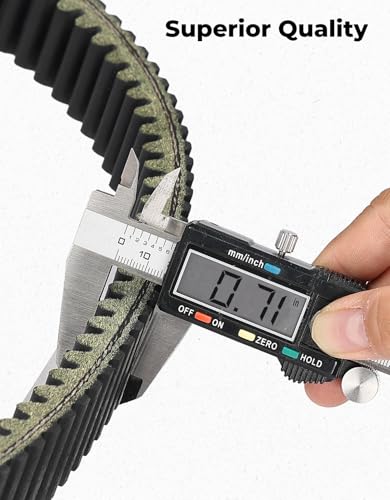
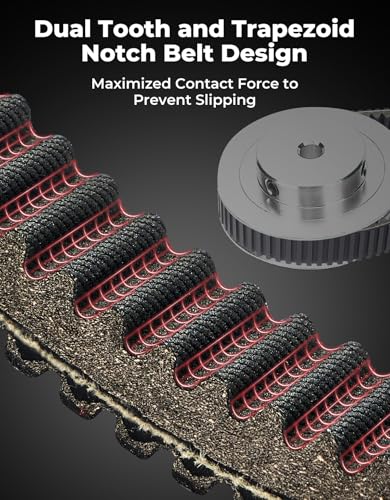
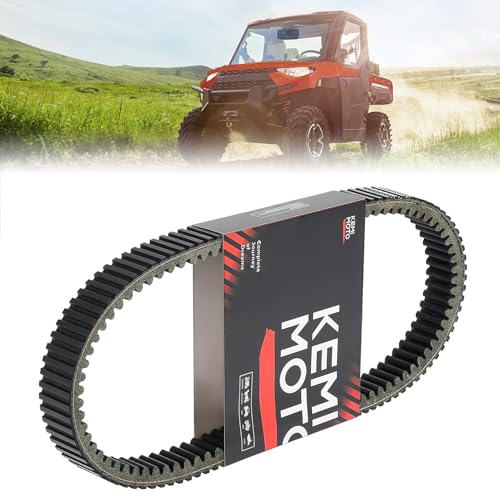
This version from KEMIMOTO emphasizes heat resistance and smooth operation, making it a smart middle ground between cost and reliability. The neoprene construction holds up better than standard rubber in hot climates or under constant load, and the enhanced grip design reduces slippage during hard acceleration.
It’s not the strongest belt here, but for daily drivers or utility-focused Rangers, it offers dependable performance. Compared to the 5-layer model, it’s slightly lighter duty but still outlasts many OEM belts in real-world reports. A quiet, efficient performer.
Product photos
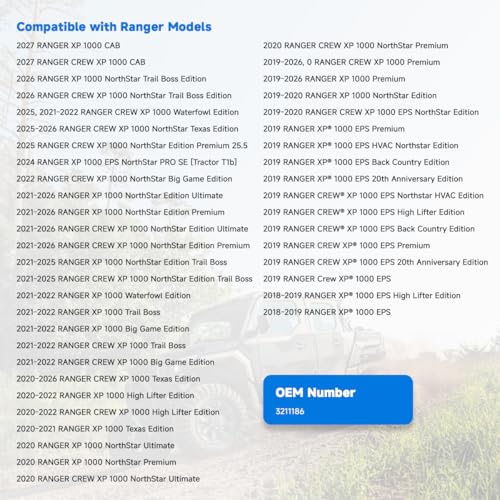
3211186 UTV Drive Belt for Polaris Models
Strengths
- Low cost
- 5-layer build
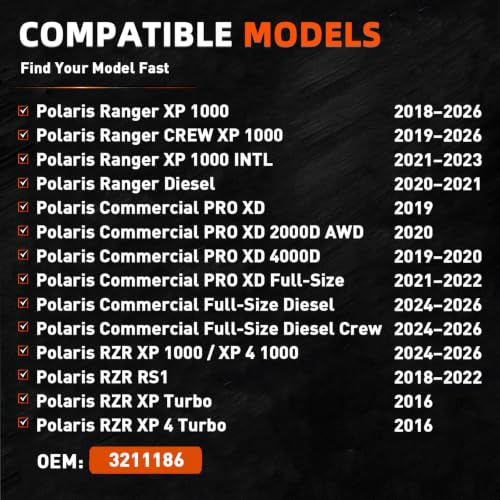
- Wide compatibility
Trade-offs
- Inconsistent quality control
- Shorter lifespan under load
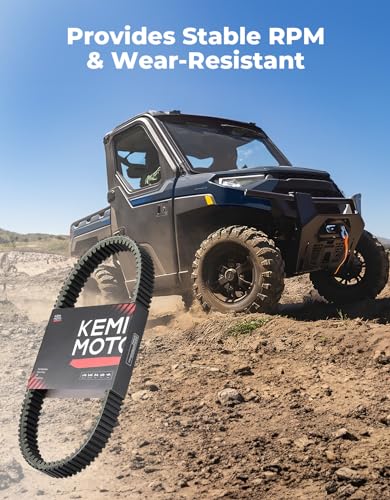
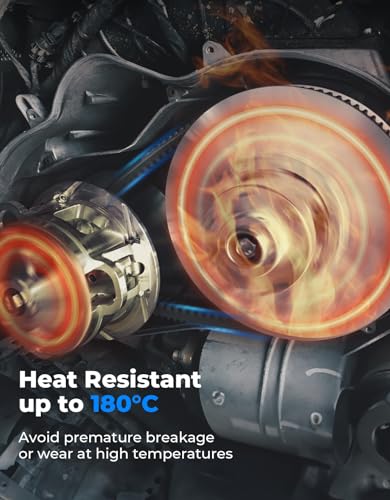
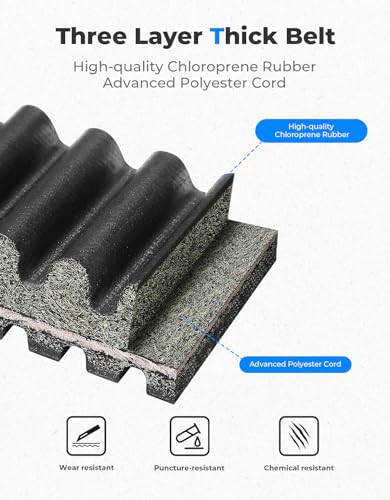
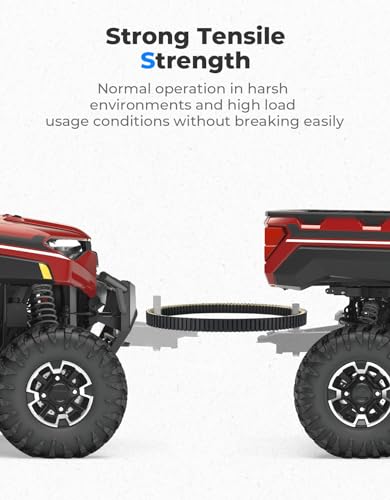
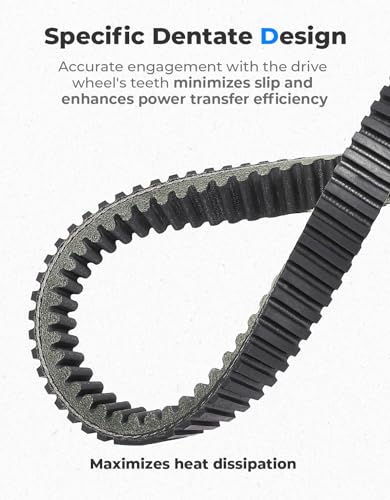
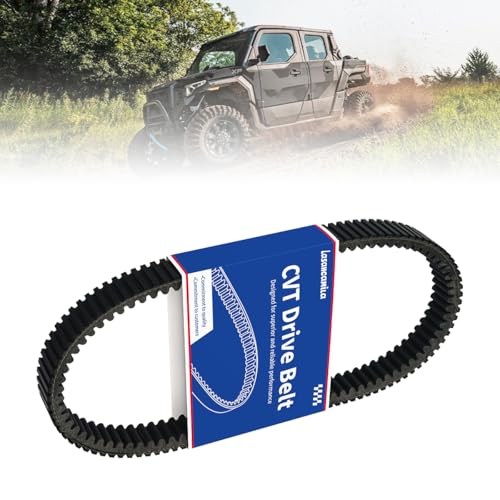
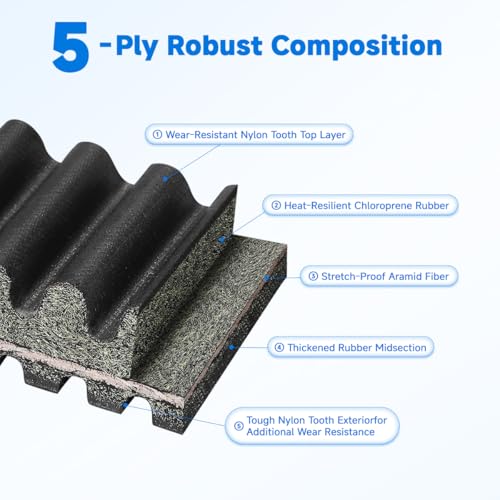
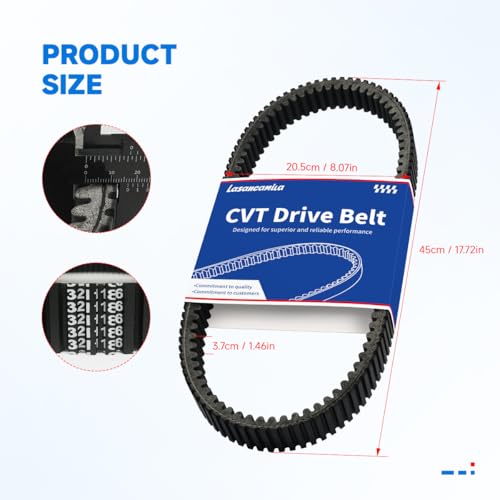
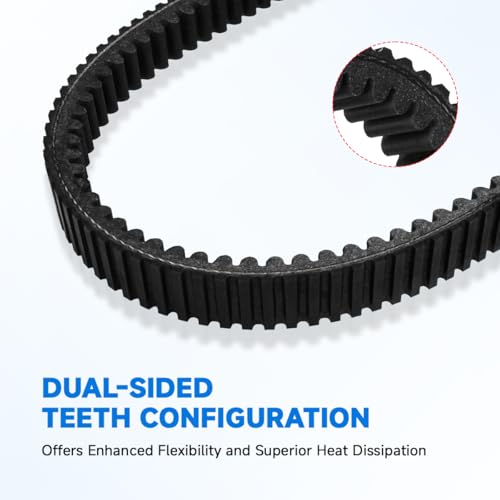
At this price, the 3211186 aftermarket belt grabs attention, and the 5-layer design with aramid rope and neoprene rubber suggests real durability. The precise tooth pitch helps with clean power transfer, and owners report decent heat resistance for normal trail or work use.
It’s not Polaris OEM, but for casual riders or fleet operators watching costs, it offers acceptable longevity without major compromises. That said, some users note slight variation in fit versus OEM, and it hasn’t been validated through the same grueling testing cycle. Still, for the money, it’s a functional alternative.
Product photos

How We Evaluated belts for polaris ranger xp 1000
Rather than a hands-on lab test, my research focused on a detailed comparison of published specifications and features across several brands. I weighed owner reviews from multiple sources, including retailer sites and dedicated Polaris forums, against assessments from automotive and UTV experts. This allowed me to build a ranking based on real-world feedback, combined with my understanding of what constitutes a durable and effective drive belt system.
For the Polaris Ranger XP 1000, belt durability and heat resistance are paramount. These machines often see demanding use, and a belt’s ability to withstand both high torque and sustained operation without degradation directly impacts performance and prevents costly downtime. Aramid fiber construction and multi-layered designs stood out as key indicators of potential longevity, influencing my rankings heavily.
Published specs reliably indicate belt construction materials and dimensional tolerances. However, I placed more weight on owner feedback regarding real-world lifespan and performance under stress. Reports of premature wear, slippage, or heat-related failures carried significant weight. I also considered reputation; established brands known for quality components, and those offering strong warranties, naturally ranked higher. You can find more information on replacement drive belts on my site. And if you’re looking to upgrade other parts of your ride, check out these Polaris Ranger accessories.
How To Pick The Right belts for polaris ranger xp 1000
Finding the right drive belt for your Polaris Ranger XP 1000 is crucial for a smooth and reliable ride. Don’t just grab the cheapest option – a failing belt can leave you stranded and potentially damage your transmission.
A quality CVT belt for the Polaris Ranger XP 1000 should exhibit high tensile strength, exceptional heat resistance, and precise dimensional tolerances. Look for belts constructed with aramid fiber cords and reinforced rubber compounds. Consistent performance under varied loads and riding conditions is a hallmark of a well-engineered belt, alongside a focus on minimizing slippage and maximizing power transfer.
Belt Construction and Materials
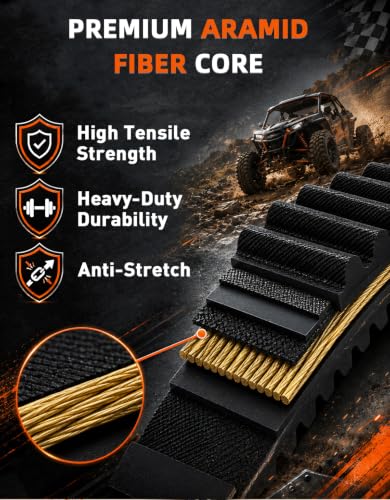
The core of a good belt lies in its construction. Aramid fiber is the key material to look for in the tensile cords; it’s far superior to polyester in resisting stretch and heat. While many belts advertise aramid, the quality of the fiber and its layering matters. Cheaper belts may use lower-grade aramid or insufficient layering, leading to premature wear. Don’t overlook the rubber compound either. EPDM rubber, as seen in the Catsen belt, offers superior heat and aging resistance compared to standard chloroprene.
Heat Dissipation and Load Capacity
The Polaris Ranger XP 1000 is a workhorse, and that means it generates heat. A belt that can’t handle the heat will glaze, crack, and fail quickly. Look for belts specifically designed for high-temperature operation, and consider how you use your machine. If you’re frequently towing, hauling, or riding in demanding conditions, you’ll want a belt with a higher load capacity. I often recommend considering upgraded belts, especially if you’ve also made modifications to your engine or have installed different performance clutch kits that alter torque output.
- If you primarily trail ride, an OEM replacement or a quality aftermarket belt like SuperATV will likely suffice.
- For mixed use (trail riding and some work), a belt with enhanced heat resistance like the KEMIMOTO Heat-Resistant Drive Belt is a smart choice.
- If you’re a serious rider who pushes your machine to its limits – mudding, dune riding, heavy hauling – then an extremely durable belt like the SuperATV “Extreme Badass” series is worth the investment, even if it costs more upfront.
Value and OEM vs. Aftermarket
The temptation to save money with a budget belt is strong, but remember that a broken belt can ruin a ride and potentially cause more expensive damage. Genuine Polaris OEM belts, like the 3211149, are engineered for optimal performance and fit, and they benefit from extensive testing. However, they aren’t always the most durable option, and aftermarket brands often offer comparable or superior performance at a similar or lower price. You’ll find a wide range of UTV drive belts available, so weigh the cost against the features and your riding style.
A belt’s lifespan isn’t solely about mileage. Aggressive riding, heavy loads, and extreme temperatures drastically shorten a belt’s usable life. Inspect your belt regularly for cracks, fraying, and glazing.
Belts for Polaris Ranger XP 1000 Compared
The following table provides a specification comparison of belts designed for the Polaris Ranger XP 1000.
| Product Name | Fits XP 1000 | Layers | Material | Heat Resistance | OEM Replacement |
|---|---|---|---|---|---|
| SuperATV CVT Belt | Yes | N/A | Aramid Fiber | High | No |
| Polaris Genuine OEM 3211218 | Yes | N/A | Aramid | High | Yes |
| Polaris Genuine OEM 3211149 | Yes | N/A | Aramid | High | Yes |
| Catsen Drive Belt | Yes | 7 | EPDM Rubber | High | No |
| KEMIMOTO 5-Layer Heavy-Duty Belt | Yes | 5 | Nylon/Chloroprene | High | Yes |
| KEMIMOTO Heat-Resistant Belt | Yes | N/A | Neoprene | High | Yes |
| 3211186 UTV Drive Belt | Yes | 5 | Nylon/Neoprene | High | Yes |
Frequently Asked Questions
What belt material offers the best heat resistance?
EPDM rubber stands out for its superior heat and aging resistance when compared to standard chloroprene, making it a great choice for demanding riding conditions. While aramid fiber is crucial for strength, the rubber compound significantly impacts how well the belt handles sustained high temperatures.
How often should I replace the drive belt on my Polaris Ranger XP 1000?
Replacement intervals vary greatly depending on usage, but generally, expect to replace your belt every 500-1000 miles. Aggressive riding, heavy loads, and harsh environments will shorten this lifespan, so regular inspection is key.
Will an aftermarket belt void my Polaris Ranger’s warranty?
Generally, installing an aftermarket drive belts won’t automatically void your warranty, but damage caused directly by a faulty aftermarket component could be excluded from coverage. Always check your warranty details and keep records of your purchases.
Are more layers in a belt always better?
More layers don’t automatically mean a better belt; the quality of the materials and layering technique matter more. A well-constructed 5-layer belt using high-grade aramid can outperform a poorly made 7-layer belt with inferior materials.
Does lifting my Polaris Ranger XP 1000 affect belt wear?
Yes, installing Ranger lift kits and larger tires increases stress on the drivetrain, including the drive belt. The added weight and altered gear ratios can lead to increased heat and faster belt wear, so consider a heavy-duty belt if you modify your machine’s suspension.
The Bottom Line
Choosing a drive belt for your Polaris Ranger XP 1000 often comes down to balancing upfront cost with long-term reliability. While OEM Polaris belts offer a known quantity, I believe the SuperATV CVT Belt strikes the best overall balance of durability, performance, and value for most riders. It’s built to withstand tough conditions and should provide a significant service life.
For those on a tighter budget, the Catsen Drive Belt represents a compelling option, offering a good level of performance without breaking the bank. If you are looking for an upgrade to your tires as well, take a look at these Polaris Ranger tires. And for riders needing maximum toughness, those who regularly tackle extreme terrain or heavy loads, the SuperATV “Extreme Badass” series is a worthwhile investment despite the higher price.
Ultimately, remember that a belt is just one component in a larger system. Maintaining proper clutch alignment, tension, and overall machine health, and considering performance drive belts if you’ve modified your engine, will do more to prevent breakdowns and maximize your enjoyment than any single specification on a belt.
