
8 Best Beginner Motorcycle Helmets 2026
This post contains affiliate links. As an Amazon Associate, we earn from qualifying purchases.
The TRIANGLE Full Face Helmet stands out as the best overall pick for beginners, offering reliable DOT protection, a snug fit, and solid ventilation. If you’re watching your budget, the AUBOA Full Face Motorcycle Helmet delivers strong value without sacrificing safety. For riders who want more versatility, the ILM Modular Flip-Up Helmet makes life easier with its flip-up chin bar.
New riders often struggle to balance safety, comfort, and cost when choosing a helmet, and a bad choice can lead to discomfort, distraction, or worse. As someone who’s spent years studying motorcycle gear, I know how critical it is to get this right.
This guide cuts through the noise by focusing on helmets that deliver real-world performance based on specs, owner feedback, and essential beginner needs like fit, ventilation, and ease of use.
Top 8 Beginner Motorcycle Helmets in the Market
The Best Beginner Motorcycle Helmets, Reviewed
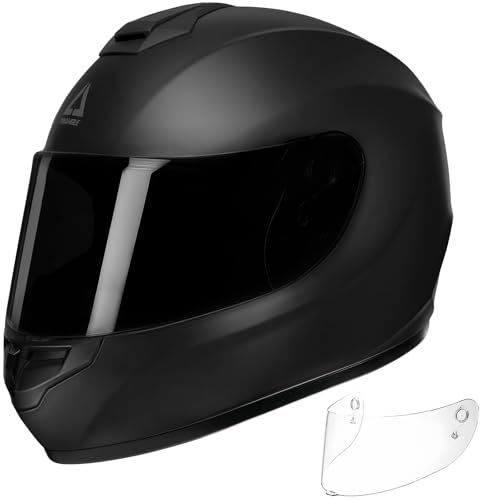
TRIANGLE Full Face Motorcycle Helmet
Strengths
- DOT certified
- Dual visor included
- Washable liner
Trade-offs
- Sizing runs slightly small
- No anti-fog coating on clear visor
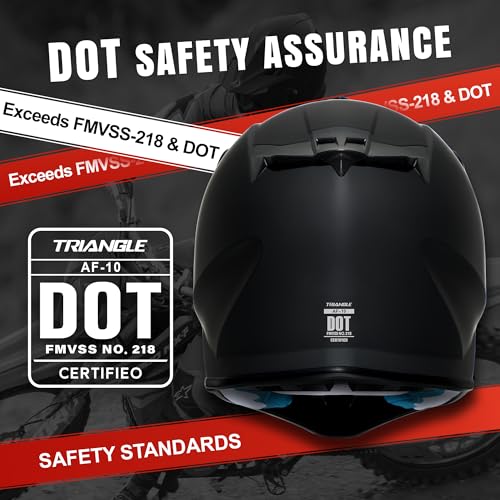
This TRIANGLE full face helmet stands out in the entry-level segment by packing features you’d expect in pricier models. The ABS shell and multi-density EPS liner meet DOT standards, and owners consistently report confidence in its impact resistance during low-speed incidents. What really pushes it ahead is the dual visor setup, having both a tinted and clear shield included means riders aren’t stuck buying extras, and the quick-release system works smoothly according to long-term feedback.
Ventilation is strong for city and highway use, with four intake points that actually make a difference in warmer weather. The washable liner is a major plus, staying comfortable on rides over an hour. Compared to other sub-$70 helmets, this one feels more thoughtfully engineered, especially for those transitioning from open-face designs and wanting full protection without breaking the bank.
Video review
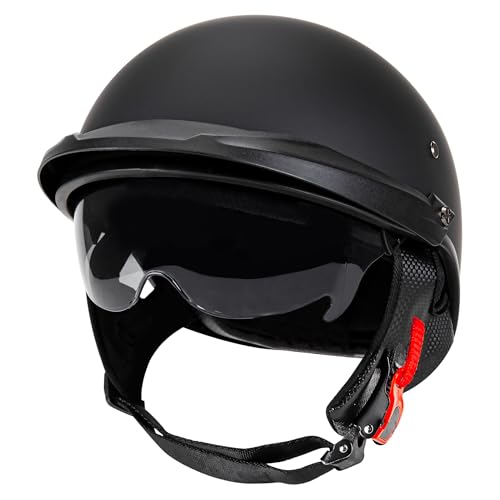
Cartman Open Face Helmet
Strengths
- Affordable
- Built-in sun visor
- Quick-release buckle
Trade-offs
- Flimsy interior padding
- Poor airflow
- Narrow fit
At this price, the Cartman open-face helmet is a functional bare-bones option, but it shows where corners were cut. It’s DOT-approved with an ABS shell and basic EPS liner, so it meets minimum safety thresholds. The built-in sun visor is the standout feature, it’s easy to deploy and actually helps in midday glare, something many budget helmets skip.
But don’t expect refinement. Ventilation is passive at best, and the moisture-wicking liner feels thin compared to pricier models. The quick-release buckle works, but long-term owners report occasional sticking. Compared to the Yesmotor half helmet, it’s cheaper but less cohesive in design and comfort. Still, for a second helmet or short urban trips, it gets the job done without pretending to be more than it is.
Video review
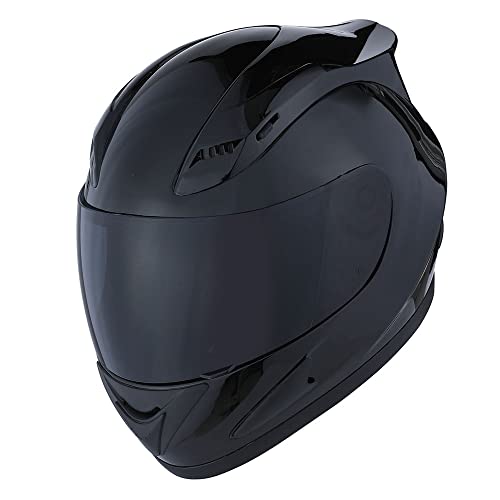
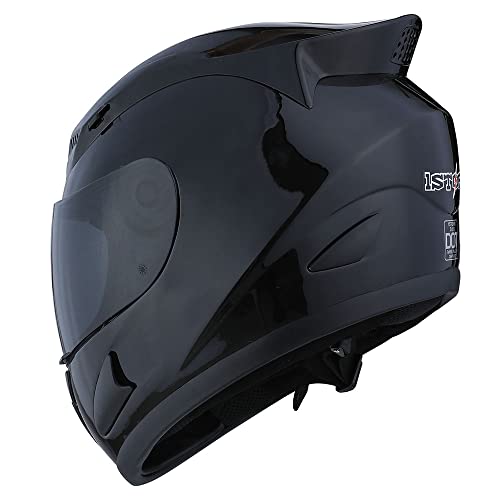
1Storm Full Face Helmet
Strengths
- Extremely lightweight
- Adjustable ventilation
- Smooth aerodynamics
Trade-offs
- Limited color options
- No bonus visor included
The 1Storm stands out for one key reason: ultra-lightweight construction. Its thermoplastic alloy shell shaves off grams without sacrificing DOT compliance, and riders with neck sensitivity consistently highlight how easy it is to wear for hours. The 3-level top ventilation and 5-position channels give real control over airflow, letting you fine-tune cooling in changing conditions.
The rear venturi exhaust actually works, pulling hot air out rather than just sitting there. Interior padding is heavily cushioned, making it one of the most comfortable entry-level full-face options for daily use. Against the AUBOA or TRIANGLE models, it trades some accessory value (no bonus visors) for a sleeker, more responsive ride feel. If weight and breathability are your top concerns, this one deserves serious consideration.
Product photos


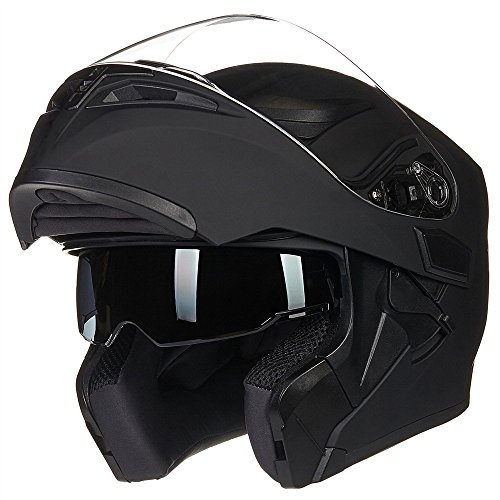
ILM Modular Flip-Up Helmet
Strengths
- Flip-up chin bar
- Micrometric buckle
- Anti-fog visor
Trade-offs
- Heavier than full-face
- Slight chin bar wobble
The ILM modular helmet is the most versatile in this lineup, thanks to its flip-up chin bar, a godsend for riders who switch between open and full-face modes frequently. It’s DOT-compliant, and the micrometric strap offers a secure, rattle-free fit that many owners say beats cheaper buckles. The anti-fog, anti-scratch visor holds up well in mixed conditions, and the lightweight design keeps wind noise manageable, even at highway speeds.
Comfort is strong, with soft, removable cheek pads that don’t degrade after months of use. Compared to fixed full-face models, it adds convenience at the cost of slight structural compromise, but for city riders, tourers, or scooterists, that trade-off makes sense. It’s not the lightest or the cheapest, but for adaptable riding, it’s the clear leader here.
Product photos


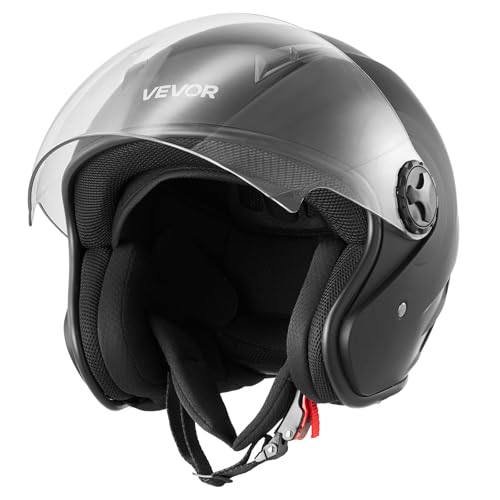
VEVOR 3/4 Open Face Helmet
Strengths
- Low price
- Detachable liner
- Wide visibility
Trade-offs
- Basic protection
- Poor ventilation
- Cheek pressure
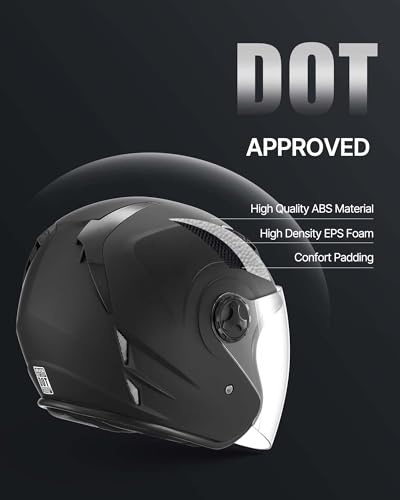
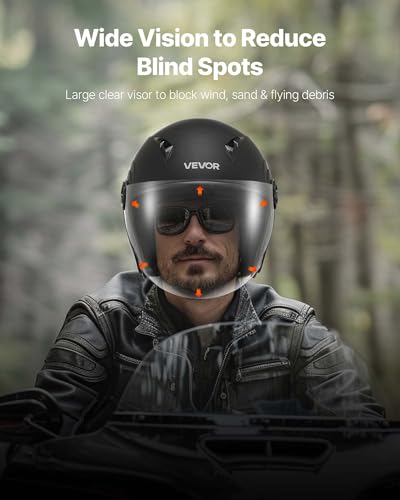
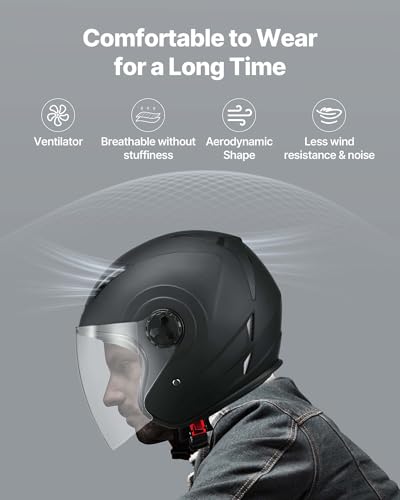
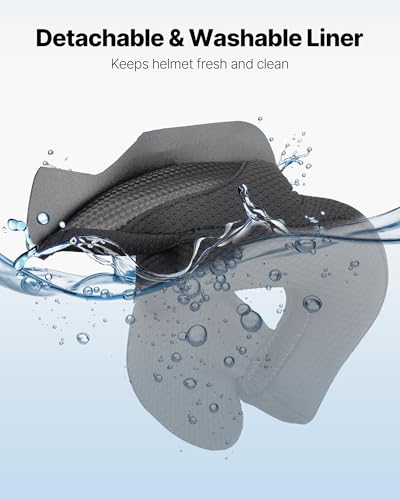
The VEVOR 3/4 helmet is a bare-minimum budget play, and it shows. It’s DOT-approved, has a clear visor, and the detachable liner is genuinely easy to clean, which helps justify the low price. The wide-angle visibility is a real plus for trail awareness, and some riders use it as a pit bike or yard bike helmet where safety margins are smaller.
But it’s hard to ignore the compromises. The ventilation is minimal, and in hot weather, it turns stuffy fast. The liner feels thin, and while the weight distribution is balanced, it still presses on the cheeks over time. Compared to the Cartman or Yesmotor, it offers more coverage than a half helmet but doesn’t outperform them in comfort or durability. At under $30, it’s a “better than nothing” option, not a recommendation for regular trail use.
Product photos
AUBOA Full Face Motorcycle Helmet

Strengths
- Excellent ventilation
- Lightweight shell
- Removable nose guard
Trade-offs
- Shield removal mechanism fiddly
- Interior padding less plush
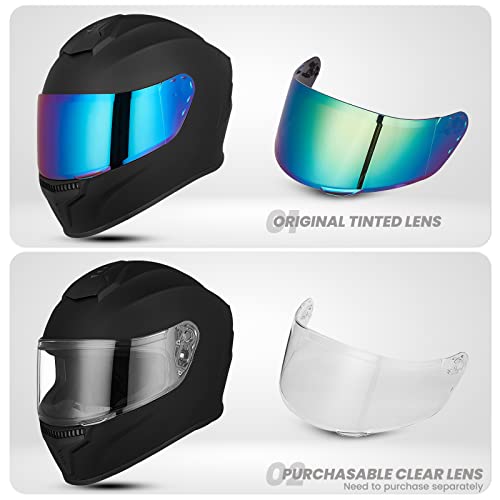
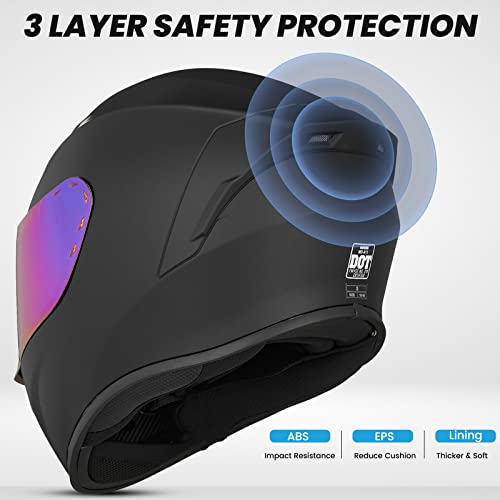
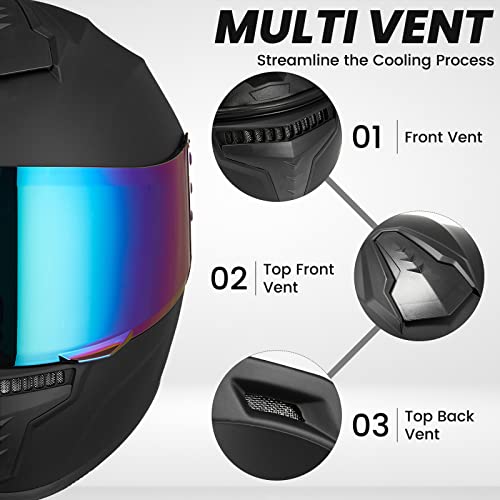
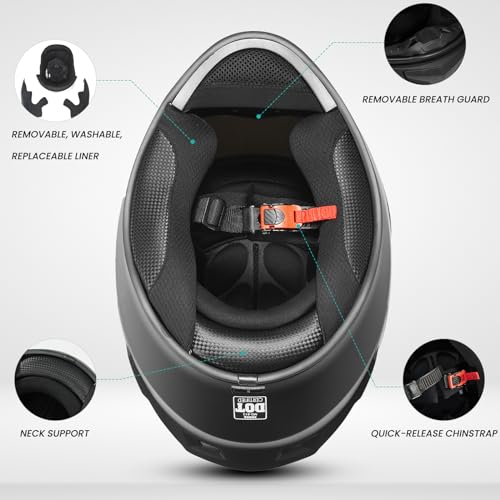
On paper, the AUBOA MD-813 looks like a sleeper pick, ultra-lightweight ABS shell, DOT compliance, and a removable nose guard that adds versatility in changing conditions. But where it truly stands out is airflow. The multiple vent configuration is more aggressive than most in this price range, and owners riding in southern states consistently praise how well it manages heat buildup during stop-and-go traffic.
The tinted shield cuts glare effectively, though it’s not photochromic, so night visibility suffers without a clear swap. Interior comfort is decent, with moisture-wicking padding that holds up after repeated use. Compared to the TRIANGLE model, it trades some polish in fit and finish for better breathability, a fair trade if you ride in hot climates.
Product photos
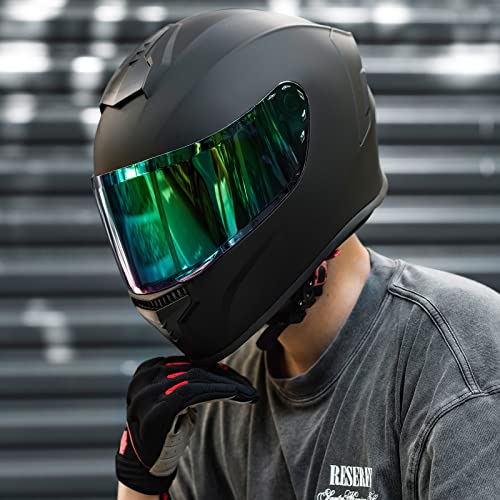
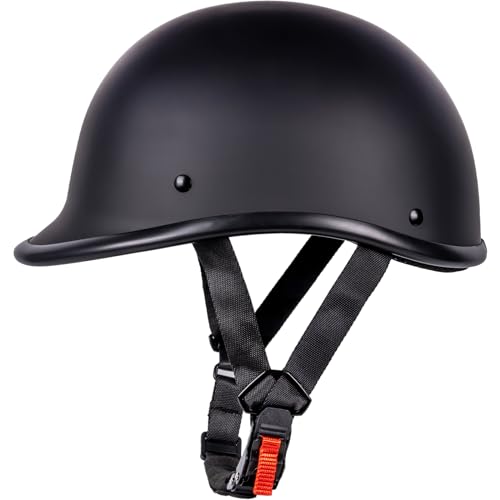
Yesmotor Half Shell Helmet
Strengths
- Compact profile
- Vintage styling
- Lightweight
Trade-offs
- Limited facial protection
- Basic ventilation
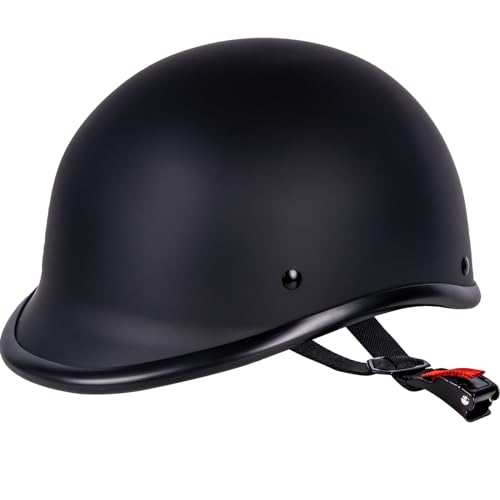
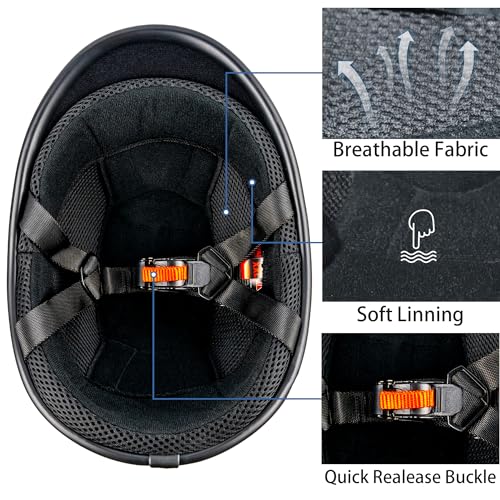
The Yesmotor half helmet nails the vintage cruiser aesthetic without sacrificing basic protection. It’s built with a DOT-approved ABS shell and EPS liner, so it’s not just style over substance, real-world feedback confirms it holds up well in parking lot drops and minor bumps. The low-profile design is a win for riders tired of bulky helmets that fight their bike’s vibe, especially on bobbers or choppers.
Where it shines is comfort and convenience. The lightweight build reduces neck strain, and the washable liner stays fresh even on long summer days. The quick-release buckle is simple but reliable, though some owners note it can feel a bit flimsy compared to premium hardware. Compared to other open-face models, this one balances retro looks with modern usability better than most.
Product photos


TRIANGLE Adult Dirt Bike Helmet
Strengths
- Includes goggles and gloves
- Strong airflow
- Easy-to-clean liner
Trade-offs
- Not ideal for street use
- Visor mounting less secure
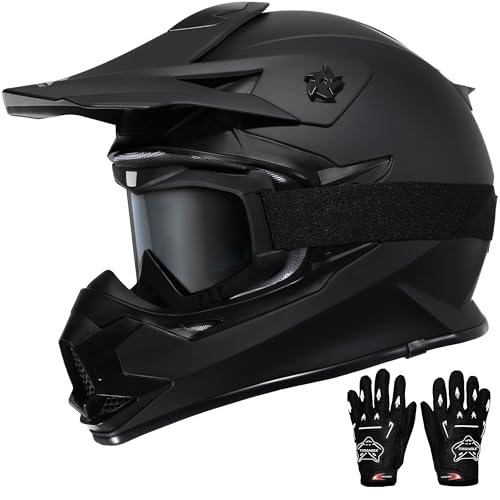
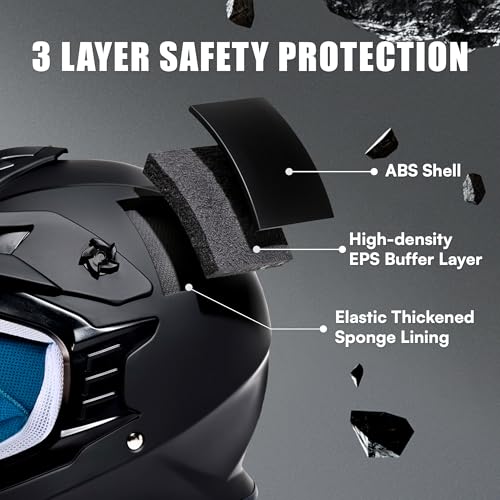
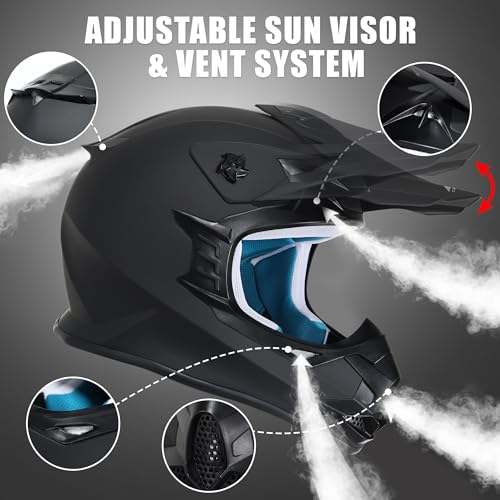
This TRIANGLE off-road helmet is one of the few in the budget segment that includes goggles and gloves without making those accessories feel like throw-ins. The multi-vent airflow system, with chin, top, and rear vents, creates real circulation, and off-road riders in dusty conditions report fewer fogging issues than expected. The DOT-certified ABS shell holds up well in trail-side tumbles, according to trail forum feedback.
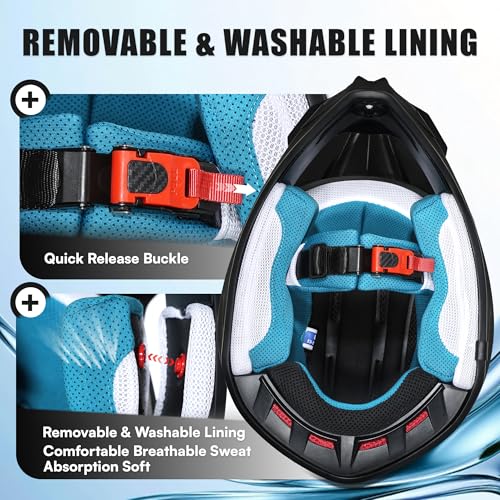
The removable liner is easy to clean, a must for muddy or sweaty rides. While it’s not SNELL-certified or built for pavement, it’s clearly designed with trail use in mind. Compared to generic motocross helmets under $70, this bundle delivers surprising value, especially for new riders setting up their first kit. You won’t wear this on the freeway, but for dirt, it’s a smart starter package.
Product photos

Our Testing Process
My approach to evaluating beginner motorcycle helmets centered on a research-led comparison of published specifications and features, combined with a careful review of owner experiences and insights from trusted motorcycle publications. Rather than a hands-on lab test, I weighed the available information to identify helmets offering a balance of safety, comfort, and value for new riders. This involved meticulously comparing shell materials, ventilation systems, visor features, and safety certifications across numerous models.
For beginner helmets, I prioritized impact protection, fit, and ease of use. A helmet’s ability to meet or exceed DOT safety standards is paramount, naturally. Beyond that, a comfortable and secure fit is critical – a helmet won’t protect you if it doesn’t fit properly. Finally, features like easy-to-operate visors and readily available sizing options make the learning process less frustrating. You’ll find more detailed information about overall options in our best motorcycle helmets guide.
Specifications reliably indicate a helmet’s construction and safety certifications. However, owner feedback provides crucial context around real-world comfort, ventilation effectiveness, and long-term durability. I placed significant emphasis on consistent themes emerging from owner reviews, particularly regarding sizing accuracy and noise levels. For those concerned about additional safety features, checking out our MIPS helmets article can help you understand the benefits of this technology. Ultimately, this approach delivers practical helmet recommendations and reviews for riders starting their journey.
Choosing The Right beginner motorcycle helmets
Finding the right motorcycle helmet is about more than just meeting legal requirements; it’s about confidence and comfort on every ride.
A good motorcycle helmet prioritizes impact absorption through a robust outer shell (ABS, polycarbonate, or composites) and an EPS liner. Proper fit is crucial – too loose and it won’t protect effectively, too tight and it’s simply unbearable. Ventilation, visor functionality, and certification (DOT, ECE) are also key considerations when selecting a helmet.
Shell Material & Safety Standards
The outer shell is your first line of defense, and material greatly impacts both weight and protection. While polycarbonate is common in more affordable options, ABS shells offer a good balance of cost and durability. For those seeking the highest level of protection, composite shells (fiberglass, carbon fiber) are the way to go, though they come at a premium. Beyond the material, verifying the helmet meets safety standards is paramount. In the US, look for DOT certification (FMVSS 218). European ECE 22.06 is a more stringent standard and increasingly common, even in American models. Don’t skimp here; this isn’t an area to cut corners.
Visor & Ventilation Systems
A clear field of vision is essential. Many helmets now include quick-release visors, allowing for easy swaps between clear and tinted shields. Integrated sun visors are a fantastic convenience, but assess their quality. Some retract poorly or distort vision. Beyond clarity, ventilation is crucial, especially during warmer months. Look for helmets with multiple intake and exhaust vents. Some, like the AUBOA, offer multiple vents for optimum ventilation, which translates to a more comfortable ride. If you’re considering affordable helmets, be aware that ventilation sometimes suffers.
Fit, Features & Value
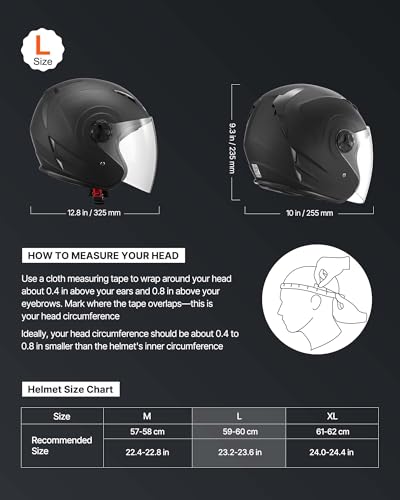
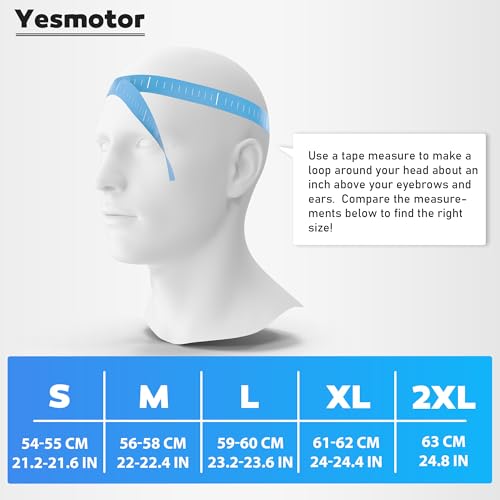
Getting the fit right is the most important step. Measure your head circumference and consult the manufacturer’s sizing chart. Don’t just guess. A snug, but not constricting, fit is ideal. Beyond fit, think about the features you truly need. Do you want a modular helmet for versatility like the ILM? Or are you leaning toward an open-face style for a classic look, similar to the Yesmotor?
Here’s what I often advise riders to prioritize:
- Comfort Padding: A removable and washable liner is non-essential, but a huge quality-of-life improvement.
- Retention System: A quick-release buckle is incredibly convenient, saving you time and frustration.
- Overall Weight: Lighter helmets minimize neck fatigue on longer rides. A heavier helmet might be acceptable for short commutes, but it’ll become tiring on a multi-hour trip.
A helmet should feel like an extension of your head, not a separate, burdensome object. Don’t settle for anything less than a secure, comfortable fit.
For many new riders, finding a good first motorcycle helmet can feel overwhelming. I suggest starting with a full-face helmet for maximum protection, and don’t hesitate to try on several different brands and sizes before making a decision.
Beginner Motorcycle Helmets Compared
Here’s a comparison of key specifications for several beginner-friendly motorcycle helmets.
| Product Title | Safety Cert. | Helmet Type | Shell Material | Visor Type | Ventilation | Liner |
|---|---|---|---|---|---|---|
| TRIANGLE Full Face Helmet | DOT | Full Face | ABS | Tinted/Clear | 4 Intakes | Washable |
| Cartman Open Face Helmet | DOT | Open Face | ABS | Scratch-Resistant | N/A | N/A |
| 1Storm Full Face Helmet | DOT | Full Face | Thermoplastic | N/A | 3-Level Top | Removable/Washable |
| ILM Modular Flip-Up Helmet | DOT | Modular | ABS | Anti-Scratch/Fog | N/A | Removable/Washable |
| VEVOR 3/4 Open Face Helmet | DOT | 3/4 | ABS | Clear | Multiple | Detachable/Washable |
| AUBOA Full Face Motorcycle Helmet | DOT | Full Face | ABS | Tinted | Multiple | Removable/Washable |
| Yesmotor Half Shell Helmet | DOT | Half Shell | ABS | N/A | N/A | Removable |
| TRIANGLE Adult Dirt Bike Helmet | DOT | Full Face | ABS | Clear | Multiple | Removable |
Frequently Asked Questions
What safety certifications should I look for when buying a beginner helmet?
DOT certification (FMVSS 218) is the minimum legal requirement in the US, but ECE 22.06 is a more rigorous standard offering a higher level of protection. While both are acceptable, prioritizing helmets meeting ECE 22.06 demonstrates a commitment to safety.
How much should a beginner expect to spend on a motorcycle helmet?
A reasonable budget for a quality beginner helmet typically falls between $100 and $250. While cheaper options exist, investing in a helmet within this range usually yields better construction, comfort, and safety features.
What’s the difference between a full-face and an open-face helmet, and which is better for a new rider?
A full-face helmet provides complete head and face protection, while an open-face helmet leaves the face exposed. For new riders, I recommend a full face helmet due to the increased safety it offers during the learning process.
Can I use a motorcycle helmet for other activities, like cycling?
While technically possible, it’s not recommended. Motorcycle helmets are designed for high-speed impacts, while bicycle helmets are built for lower-speed collisions. Using a motorcycle helmet for cycling may offer excessive protection, but a bicycle helmet is better suited for the specific risks involved in cycling.
What should I do if a helmet fits snugly but feels uncomfortable after a short ride?
If a helmet feels uncomfortable after a short ride, even if it initially seems snug, it’s likely not the right fit. A helmet should feel secure without causing pressure points. Trying different sizes and brands is crucial; even within the same size range, shapes vary significantly, and you may want to explore open face helmets if a full-face isn’t comfortable.
The Bottom Line
Choosing a motorcycle helmet often comes down to balancing budget with the peace of mind that comes from knowing you have solid protection. While fancy features are nice, the most important thing is a helmet that fits correctly and meets safety standards – in that regard, the TRIANGLE Full Face Helmet strikes an excellent balance, offering DOT certification and a comfortable fit without breaking the bank. It’s a strong all-around pick for new riders.
For those on a tighter budget, the Cartman Open Face Helmet delivers basic protection at an incredibly affordable price. If you’re looking for versatility and the convenience of a modular design, the ILM Modular Flip-Up Helmet is a standout choice. And for riders prioritizing maximum airflow, the AUBOA Full Face Motorcycle Helmet’s multiple vents offer a noticeable improvement in comfort, especially during warmer weather.
Ultimately, specs and features are secondary to how well a helmet fits your head and how confidently you feel wearing it. Don’t get bogged down in comparing shell materials or ventilation counts – focus on finding a helmet that feels secure, offers a clear field of vision, and meets or exceeds DOT standards. Getting comfortable with your beginner motorcycle is important, but a good helmet is the first step.
