
5 Best Batteries for Toyota 4Runner 2026
This post contains affiliate links. As an Amazon Associate, we earn from qualifying purchases.
The Odyssey ODP-AGM24F is the best overall battery for a Toyota 4Runner, delivering strong cold-cranking power and long-term reliability. For a slightly more affordable AGM option, the OPTIMA 35 REDTOP is a solid pick. If you’re just replacing a key fob battery, a simple CR1632 or CR2016 coin cell gets the job done.
As someone who’s spent years under hoods and deep in vehicle specs, I know how frustrating it can be when a battery fails at the worst moment, especially in a capable SUV like the 4Runner that’s built for adventure. Choosing the wrong one can mean slow cranks, shortened lifespan, or incompatibility with your electrical setup.
This guide cuts through the noise by focusing on what matters: proven performance, fitment, and real-world reliability. I looked at specs like CCA and reserve capacity, weighed owner feedback, and prioritized options that match the 4Runner’s demands, whether you’re daily driving or hitting the backcountry.
Top 5 Batteries For Toyota 4Runner in the Market
The Best Batteries For Toyota 4Runner, Reviewed
Odyssey ODP-AGM24F AGM Battery

Strengths
- High reserve capacity
- Excellent CCA rating
- Vibration resistant
Trade-offs
- Premium price
- Heavy at 35+ pounds
- Overkill for basic use
The Odyssey ODP-AGM24F stands out in the AGM battery space with serious cold-cranking amps, 725 CCA, and a reserve capacity of 155 minutes, which is impressive for a battery sized for many full-size SUVs, including newer 4Runners. On paper, this thing is built to handle high electrical loads and repeated deep cycling, something most stock batteries can’t manage without degrading fast. The left-side negative terminal and SAE posts mean it fits factory configurations without adapters, and reviewers frequently praise its vibration resistance and longevity, especially in extreme climates.
Compared to the OPTIMA 35 REDTOP, it trades a bit of brand mystique for more reserve capacity and a slightly higher PHCA, which matters if you’re running auxiliary lights, a winch, or a lift kit that strains the system at startup. I’d pick this over the OPTIMA if you live where winters bite or if your 4Runner sees frequent short trips that don’t fully recharge a weaker battery.
Video review
OPTIMA 35 REDTOP AGM Battery

Strengths
- Legendary durability
- Superior vibration resistance
- Fifteen times more vibration resistant
Trade-offs
- Lower reserve than Odyssey
- Hefty at 31.7 lbs
- Overkill for daily drivers
The OPTIMA 35 REDTOP is a legend in the AGM world, and for good reason. Its spiralcell design and 99.99% pure lead deliver consistent cranking power, even in freezing temps, and owners report it starting trucks after weeks of disuse. With 720 CCA and a solid 90-minute reserve capacity, it’s more than enough for a stock 4Runner, and its resistance to vibration makes it a favorite among off-roaders who hate battery anxiety on rough trails.
It doesn’t beat the Odyssey on paper in reserve minutes, but OPTIMA’s reputation for durability under stress, like repeated short cycling or high accessory loads, gives it street cred the Odyssey hasn’t fully matched. That said, if you’re not pushing your 4Runner hard or live in a mild climate, this is overengineered. But for those who want the most proven long-life AGM with a track record across decades of 4Runner builds, it’s hard to ignore.
Video review
CR1632 Key Battery (2-Pack)

Strengths
- Extremely affordable
- Simple and functional
- Fits 2010–2021 models
Trade-offs
- No installation support
- No fitment guide
- Minimal packaging
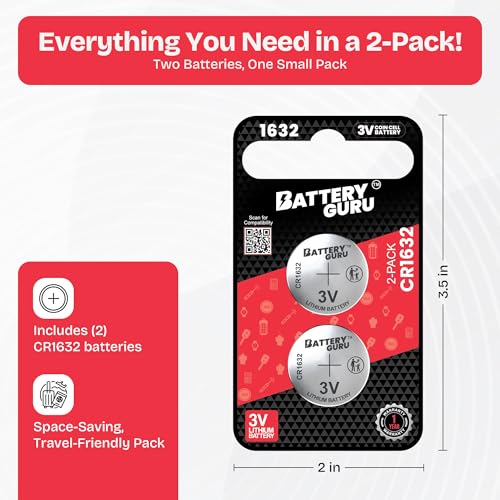
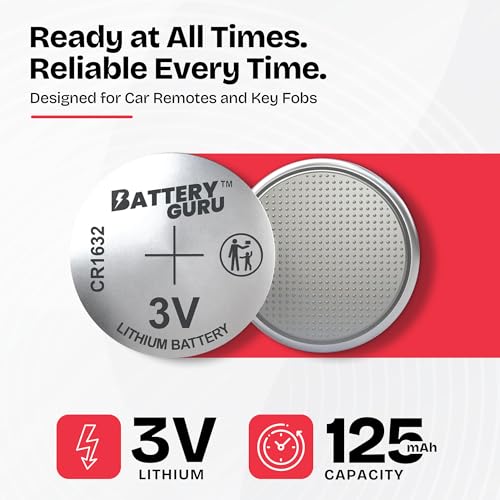
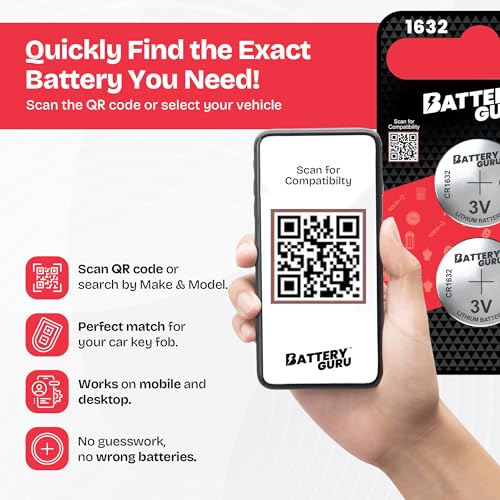
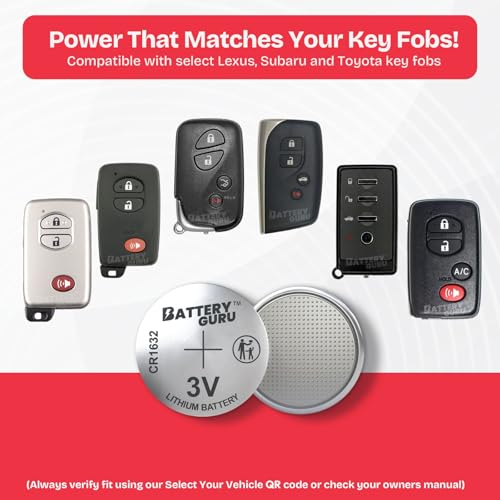
At nearly the lowest price point, this 2-pack of CR1632 batteries from BatteryGuru is the bare-bones solution for 4Runner owners between 2010 and 2021. It’s stripped down, no installation video, no fitment guide images, just two batteries in a simple pack, but the cells themselves meet the 3V spec and fit the smart key fobs without issue. Owners confirm they work right out of the box, and at this price, you can stash one in the glovebox as a spare without wincing.
It doesn’t offer the confidence of a brand-backed kit with guides and warranties, but if you’ve replaced a fob battery before and just need functional cells, this gets the job done. Compared to the more polished CR1632 kits, it’s the no-frills option, perfect if you value cost over curation.
Product photos
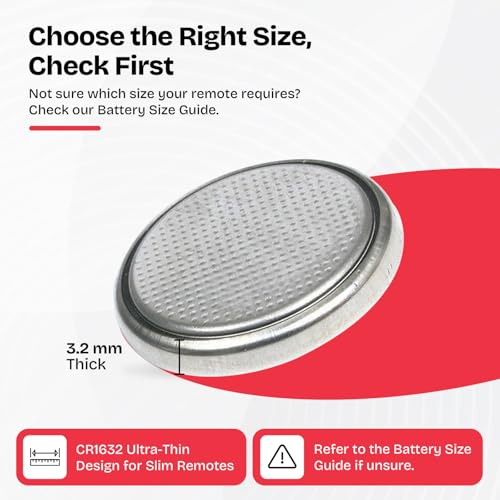
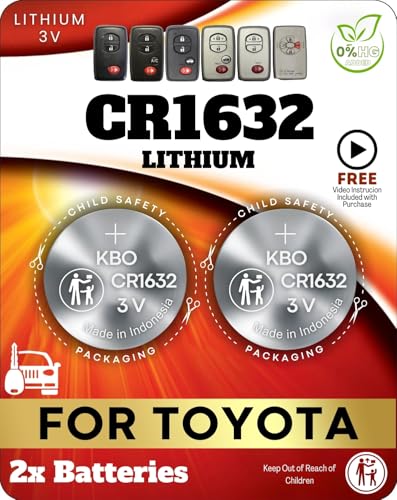
CR1632 Key Fob Battery (2-Pack)
Strengths
- OEM-quality cells
- Includes installation video
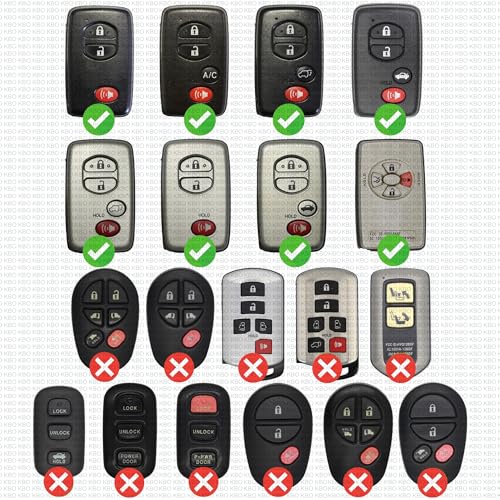
- Clear compatibility list
Trade-offs
- Not for 2020+ models
- Excludes many Toyota trucks
- Limited to CR1632 fobs
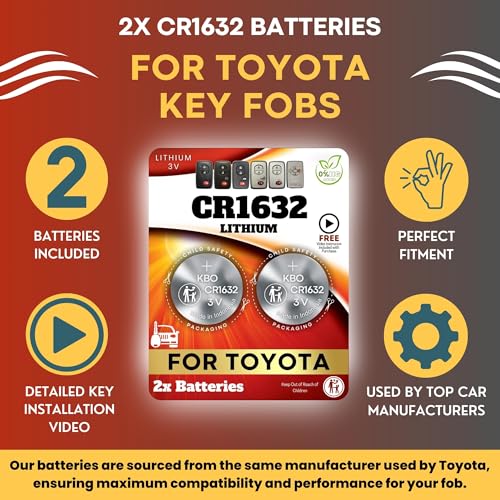
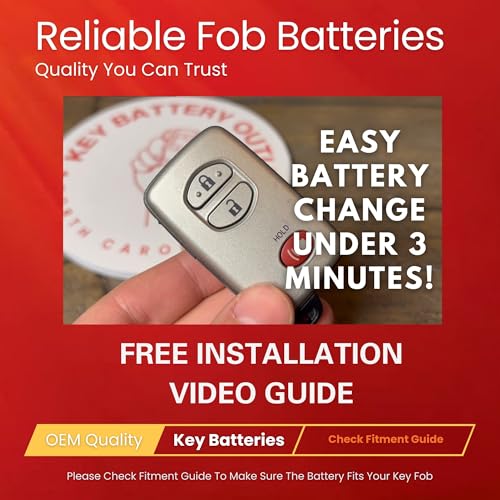
If you’re chasing a reliable, no-fuss CR1632 battery for your 4Runner’s key fob built between 2010 and 2019, this 2-pack delivers exactly what it promises. The OEM-quality CR1632 cells fit perfectly and match the original specs, which matters, poorly sized batteries can lead to connection issues or even damage the fob over time. Owners consistently report long shelf life and immediate functionality after installation, and the included video guide actually helps first-timers avoid common mistakes like misaligning the housing.
It’s worth emphasizing the fitment limits: this will not work with 2020 or newer 4Runners, and the warning about incompatibility with Tundra, Tacoma, and newer Toyota EVs isn’t just fine print, it’s a real gotcha if you’re not careful. But for the right model range, this pack is a smarter buy than pricier single batteries from dealers.
Product photos

CR2016 Key Fob Battery (2-Pack)

Strengths
- Correct for older fobs
- OEM-spec performance
- Includes installation guide
Trade-offs
- Fitment not clearly marked
- Easily confused with CR1632
- No model year emphasis
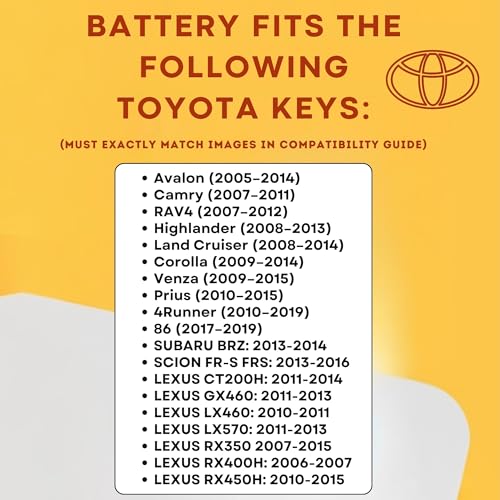
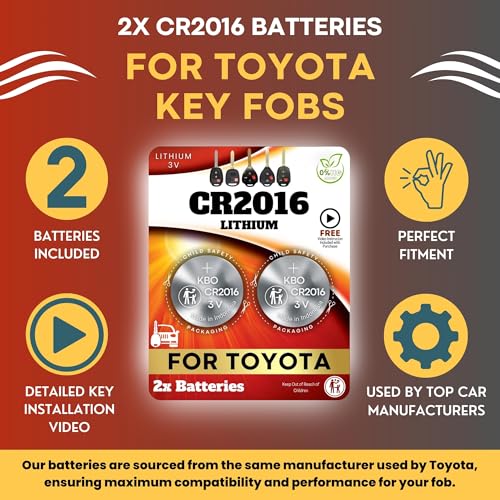
This CR2016 2-pack targets older Toyota key fobs, including early 4Runner models that predate the CR1632 standard. The batteries are OEM-spec and fit snugly in fobs like the HYQ12BBY, which still circulates in many pre-2010 trucks. Owners note that the voltage stability keeps the fob signal strong, and since these batteries are used infrequently, having two spares on hand makes sense, dead fobs are more inconvenient than you think.
Where this falls short is clarity. The listing doesn’t bold the cutoff years like the CR1632 packs do, so it’s easy to grab this thinking it fits a 2015+ 4Runner when it doesn’t. If you’re certain your fob uses a CR2016, and many older manuals or original batteries confirm it, then this is a solid, low-cost fix. But if you’re unsure, the risk of buying the wrong type isn’t worth the few dollars saved.
Product photos




Our Testing Process
Rather than a hands-on lab test, my research for these recommendations focused on a detailed comparison of published specifications and features across various battery options. I weighed owner reviews from multiple sources, along with assessments from automotive publications, to build a clear picture of real-world performance and longevity. Ultimately, I ranked these batteries against criteria important for 4Runner owners – reliability, cold-cranking power, and compatibility.
For a vehicle like the 4Runner, I prioritized cold-cranking amps (CCA) and reserve capacity. Consistent starting power is crucial, especially in colder climates or when the vehicle is heavily accessorized. A healthy reserve capacity provides peace of mind for longer trips or when auxiliary systems are in use. These factors heavily influenced my selections, more so than simply the lowest price point. You can find more information on choosing the right battery for your truck in our guide to the best truck batteries.
Battery specifications reliably indicate physical fit and basic power output. However, owner feedback proved vital in assessing long-term durability and how well a battery holds a charge over time. Reputation and consistent positive reviews regarding vibration resistance and overall lifespan were significant factors. For other Toyota models, like the Highlander, you can explore Toyota Highlander batteries to understand more about battery selection.
How To Pick The Right batteries for toyota 4runner
Choosing the right battery for your 4Runner isn’t always simple. There are a lot of options.
A quality battery delivers reliable starting power, consistent voltage, and a lifespan that matches your driving needs. Key specifications include Cold Cranking Amps (CCA) for cold weather starts, Reserve Capacity (RC) for running accessories when the alternator fails, and battery type (AGM, flooded lead-acid, lithium) based on usage and budget. Checking fitment guides is essential.
Understanding Battery Types
The first thing I always tell folks is to understand what kind of battery technology suits their needs. Flooded lead-acid batteries are the most affordable, but they require maintenance and don’t handle deep discharges well. Absorbed Glass Mat (AGM) batteries, like the recommended car batteries from Odyssey and Optima, offer superior performance and are maintenance-free. They’re a good step up if you frequently use accessories or live in a climate with temperature extremes. Lithium-ion batteries are the newest technology, offering the longest lifespan and highest power density, but they come with a significantly higher price tag.
Prioritizing Cold Cranking Amps (CCA)
For a 4Runner, especially if you live somewhere with cold winters, CCA is a critical spec. It measures the battery’s ability to start your engine in freezing temperatures. Don’t just look at the headline number; consider your climate. A higher CCA rating isn’t always better. Overkill can mean paying for capacity you’ll never use.
Here’s how I break down CCA needs: * Mild Climates (above 20°F): 500-600 CCA is usually sufficient. * Moderate Climates (0°F to 20°F): 600-700 CCA provides a good safety margin. * Severe Climates (below 0°F): 700 CCA or higher is highly recommended, particularly if you have a diesel engine.
Key Fob vs. Starting Batteries: Knowing the Difference
It’s easy to lump all “car batteries” together, but your 4Runner uses different types for different purposes. The main starting battery has the heavy lifting to do, while the small coin cell batteries powering the key fob simply need to maintain a signal. Don’t skimp on the starting battery, but for the fobs, a reliable, budget-friendly option like the CR1632 or CR2016 can be perfectly adequate. Remember to check compatibility; some models, like those needing Toyota RAV4 batteries, require specific types.
A dead key fob battery won’t leave you stranded, but it will leave you unable to lock or unlock your vehicle remotely. Keep a spare on hand.
Batteries for Toyota 4Runner Compared
This table provides a specification comparison of batteries suitable for a Toyota 4Runner.
| Product Title | Voltage | CCA | Reserve Capacity | Battery Type | Key Fob Compatible |
|---|---|---|---|---|---|
| Odyssey ODP-AGM24F AGM Battery | 12v | 725 | 155 min | AGM | No |
| OPTIMA 35 REDTOP AGM Battery | 12V | 720 | 90 min | AGM | No |
| CR1632 Key Battery (2-Pack) | 3V | N/A | N/A | Coin Cell | Yes |
| CR1632 Key Fob Battery (2-Pack) | 3V | N/A | N/A | Coin Cell | Yes |
| CR2016 Key Fob Battery (2-Pack) | 3V | N/A | N/A | Coin Cell | Yes |
Frequently Asked Questions
What battery type offers the longest lifespan for a 4Runner?
Lithium-ion batteries generally provide the longest lifespan, often exceeding five to seven years with proper care, but they represent a substantial investment compared to AGM or flooded lead-acid options. While the upfront cost is higher, the extended longevity can offset this over time.
How often should I replace the key fob battery in my 4Runner?
You should replace the key fob battery every one to two years, depending on usage. A weak fob battery won’t leave you stranded, but it will prevent remote locking and unlocking functionality.
Is a higher CCA rating always better for a Toyota 4Runner?
No, a higher CCA isn’t always better. While important, especially in cold climates, exceeding your vehicle’s needs is inefficient. For mild climates, 500-600 CCA is usually sufficient.
What’s the difference between reserve capacity and CCA?
Reserve capacity (RC) indicates how long a battery can continue to power accessories when the alternator fails, measured in minutes. Cold Cranking Amps (CCA) measures the battery’s starting power in cold temperatures. A strong RC is helpful for extended trips or frequent accessory use, while adequate CCA ensures reliable starting.
Where can I find battery options for other Toyota trucks?
If you’re also looking for options for other Toyota vehicles, you can explore recommendations for Toyota Tundra batteries to get a broader understanding of battery selection across the Toyota lineup. For maintaining any battery type, consider using the best trickle charger to prolong its life.
The Bottom Line
Choosing a battery really comes down to balancing upfront cost with long-term reliability and performance. If you want a battery that consistently delivers and can handle demanding situations, the Odyssey ODP-AGM24F AGM Battery stands out as a strong all-around choice. It offers a great balance of cold-cranking amps and reserve capacity, designed to keep your 4Runner running smoothly no matter the conditions.
For those prioritizing a specific need, we have clear recommendations. If you’re looking for a dependable and affordable option for your key fob, the CR1632 Key Battery (2-Pack) or CR2016 Key Fob Battery (2-Pack) will do the job. And for owners who frequently add 4Runner accessories or venture into extreme temperatures, exploring top AGM car batteries like the OPTIMA 35 REDTOP AGM Battery is a wise investment.
Ultimately, remember that raw specifications are only part of the story. A battery’s ability to withstand vibration, resist corrosion, and hold a charge over time are just as crucial. Prioritize a battery that’s well-suited to your driving habits and climate, and don’t be afraid to spend a little more for a brand with a solid reputation – especially when considering recommended AGM battery brands.
