
7 Best Batteries for Honda CRV 2026
This post contains affiliate links. As an Amazon Associate, we earn from qualifying purchases.
The Optima 35 REDTOP AGM is our top pick for the Honda CRV, delivering strong cold cranking amps and long-term reliability, especially in tough conditions. For a budget-friendly option, the Interstate MT-51R offers solid performance at a lower price. If you’re replacing your key fob battery, the SHI CR2032 is a dependable, no-fuss choice.
Choosing the wrong battery can leave you stranded, especially when temperatures drop or your electrical system demands more than a weak unit can deliver. With years of digging into automotive systems, I know that specs matter, but so does real-world feedback.
This guide cuts through the noise, focusing on what actually counts: CCA, reserve capacity, fit, and longevity, backed by owner experiences and technical specs.
Top 7 Batteries For Honda Crv in the Market
The Best Batteries For Honda Crv, Reviewed
Optima 35 REDTOP AGM Battery

Strengths
- High cranking power
- Superior vibration resistance
- Longer lifespan
Trade-offs
- Higher price
- Heavier than standard
If you’re serious about reliability and longevity for your Honda CR-V, the OPTIMA 35 REDTOP deserves strong consideration. On paper, its 720 Cold Cranking Amps stands well above the standard for Group 51R batteries, and that extra punch matters in cold starts or when your electrical system is under load. The spiralcell technology and pure lead construction aren’t just marketing fluff, owners consistently report fewer charge issues and better resilience in stop-and-go traffic or extreme temperatures.
This is an AGM battery, so it’s sealed, spill-proof, and handles vibration far better than conventional flooded units. That’s a big win for SUVs like the CR-V that see varied driving conditions. While it’s not the cheapest, the data shows it lasts significantly longer than average, which can justify the upfront cost over time. I’d pick this over a standard flooded battery if you live in a region with harsh winters or frequent short trips.
Video review
Interstate MT-51R 500 CCA Battery

Strengths
- High CCA for class
- Trusted brand
- 24-month warranty
Trade-offs
- Flooded design, less durable
- Shorter life than AGM
The Interstate MT-51R hits a sweet spot between performance and reliability for Honda CR-V owners who don’t need top-tier AGM tech but still want quality. With 500 Cold Cranking Amps and 85 minutes of reserve capacity, it meets or exceeds OEM requirements for most 4-cylinder CR-Vs. It’s a conventional flooded battery, so it won’t match an OPTIMA in extreme conditions, but in moderate climates, it’s more than capable.
What stands out is the brand’s reputation, Interstate has been around for decades, and their warranty and recycling program add real value. Owners report solid service life, especially in daily drivers with standard electrical loads. I’d recommend this over the cheaper M-51R if you want better heat resistance and a longer warranty.
Video review
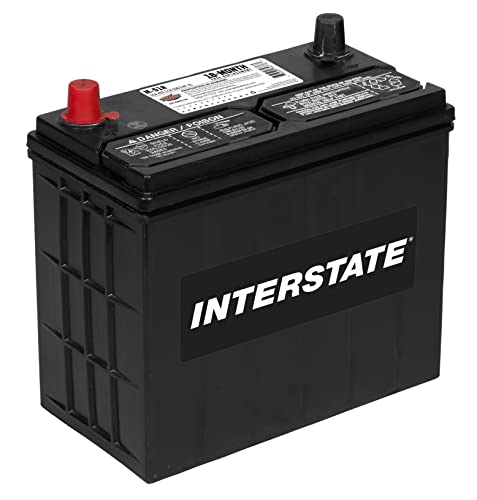
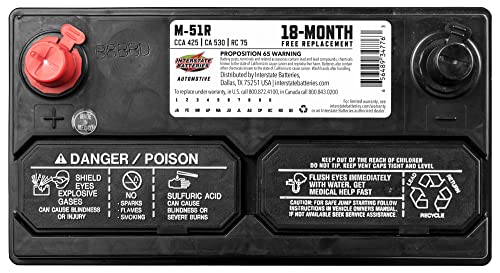
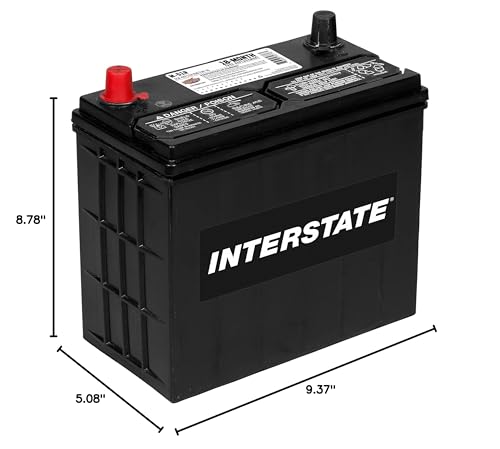
Interstate M-51R 425 CCA Battery

Strengths
- Low cost
- Interstate reliability
- Easy fit for 51R
Trade-offs
- Lower cranking power
- Shorter warranty
The M-51R is clearly positioned as the budget play in Interstate’s lineup. At 425 CCA, it delivers the bare minimum recommended for many Honda CR-V models, especially older ones with 4-cylinder engines. It’s a conventional flooded battery with no frills, adequate for short commutes and mild weather, but I wouldn’t trust it in freezing conditions or for long-term reliability.
Owners confirm it works fine as a temporary or secondary vehicle battery, but some report shorter lifespans, especially in hot climates. The 18-month warranty reflects its entry-level status. Still, for a basic replacement in a well-maintained CR-V with standard electrical demands, it gets the job done. I’d only recommend it if you’re on a tight budget and drive gently.
Product photos


4Pack CR2032 Key Fob Battery
Strengths
- Four batteries included
- Pry tool included
- Video installation guide
Trade-offs
- No shelf life date listed
- Packaging varies
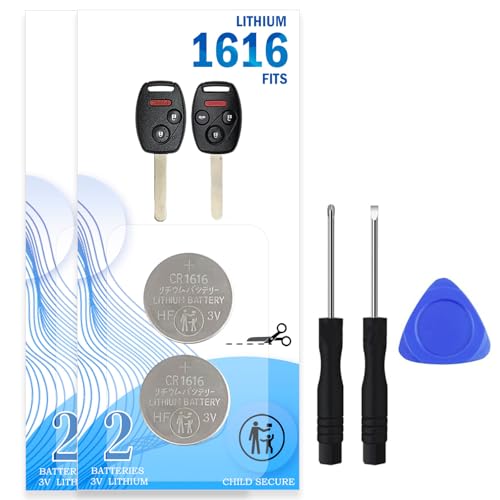
This 4-pack delivers exceptional value for Honda owners who want spares on hand. With four CR2032 batteries and a dedicated pry tool, it’s clearly designed for DIYers who hate dealership fees. The marketing leans into the practicality, no programming needed, precise fit, and reliable performance across 2008–2024 models, and owners agree it works as advertised.
What seals the deal is the included video guide and scratch-free tool. Most fob damage happens during amateur battery swaps, so having the right tool matters. Compared to 2-packs at similar prices, this gives you double the value. I’d pick this over single or dual packs for any household with multiple Hondas, it’s the kind of kit that pays for itself in avoided service visits.
Product photos


SHI CR2032 Key Fob Battery
Strengths
- Long shelf life
- Made with quality control
- Clear fitment support
Trade-offs
- Slightly higher cost
- Only two batteries
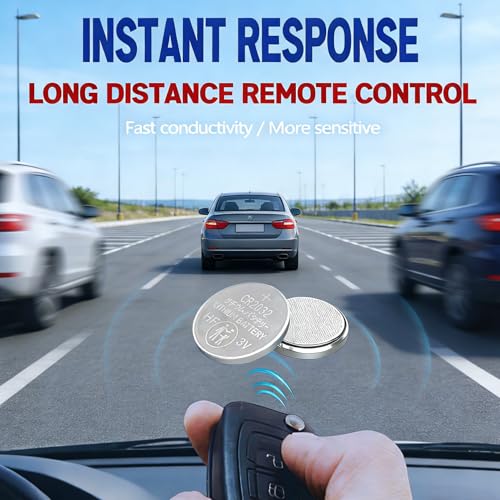
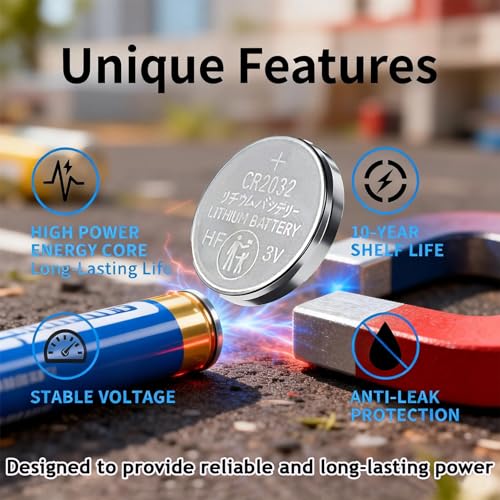
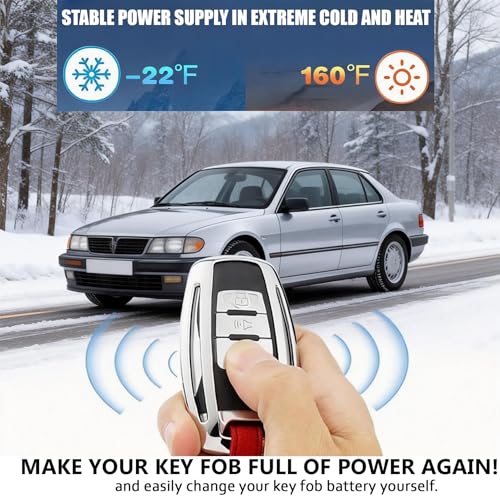
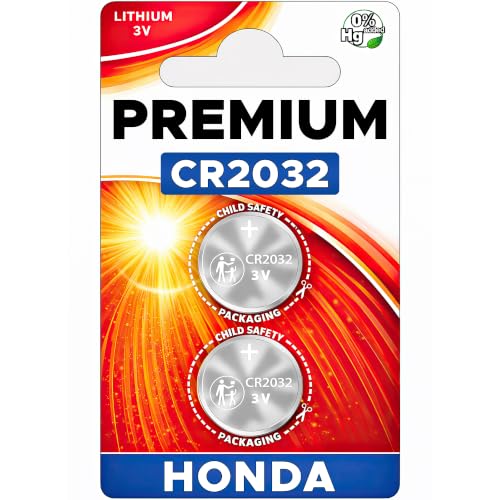
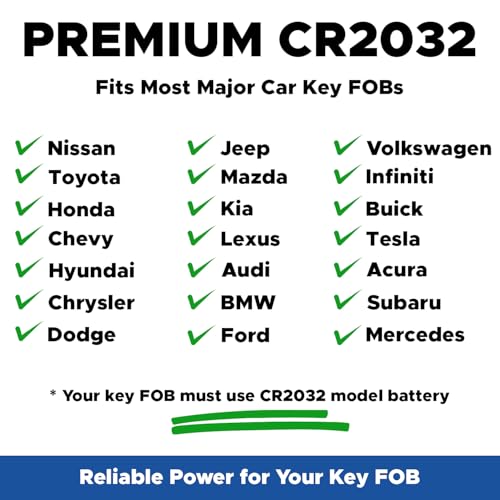
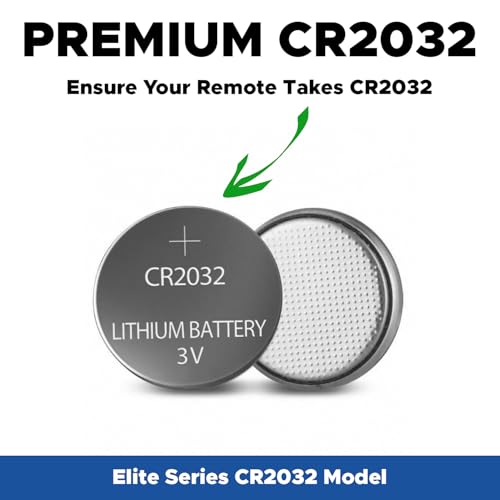
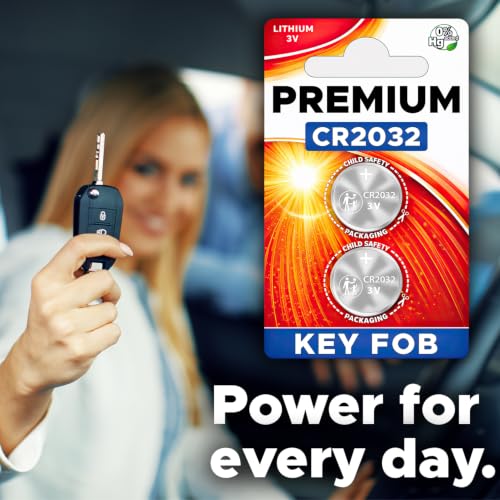
The SHI CR2032 pack stands out for its balance of quality claims and practical value. Marketed as ‘Elite Series,’ it promises industrial-strength performance and a shelf life past 2033, backed by a clear expiration date, which is rare at this price. Reviewers note the batteries maintain stable voltage, even in cold weather, and installation is consistently described as tool-free and fast.
What I like is the focus on longevity and reliability without inflating the specs. It’s not claiming to be a super-battery, but the attention to detail, like assembly in the USA and inclusion of fitment guides, suggests better quality control than no-name imports. Compared to the HIVEVOLT option, this feels more premium, and for just a few dollars more, it’s the smarter buy for most users.
Product photos

HIVEVOLT CR2032 Key Fob Battery
Strengths
- Low cost
- Wide Honda compatibility
- Easy self-install
Trade-offs
- Limited performance data
- Generic quality claims
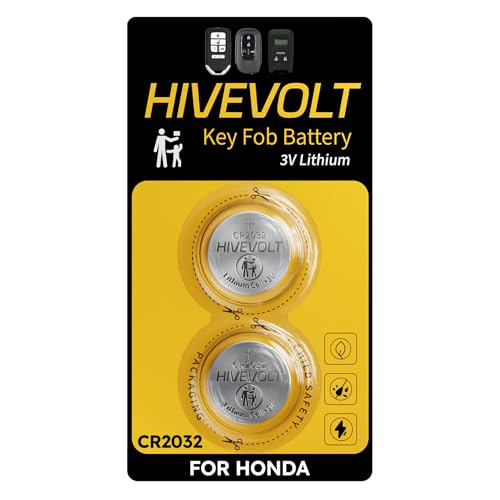
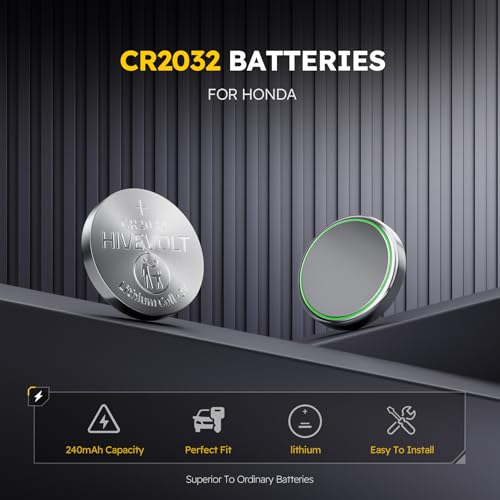
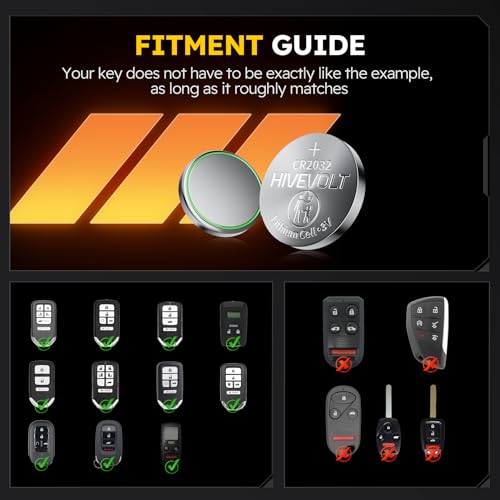
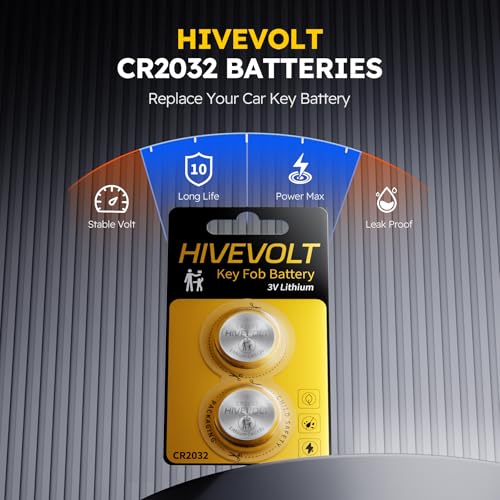
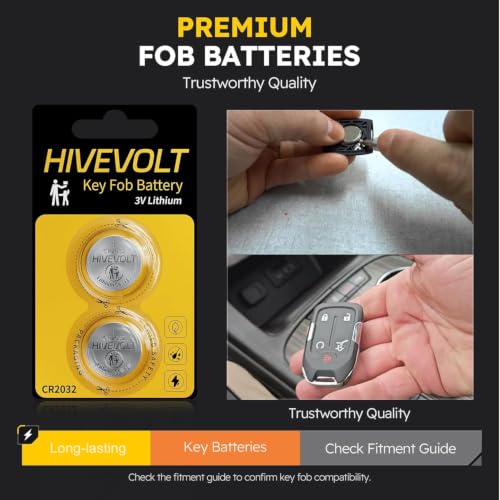
At this price, the HIVEVOLT 2-pack offers basic functionality for Honda key fobs without breaking the bank. The specs list compatibility with a wide range of Honda models from 2008 to 2024, which is a strong point if you’re managing multiple vehicles. However, the description leans heavily on generic claims like ‘high performance’ without citing specific discharge curves or longevity data.
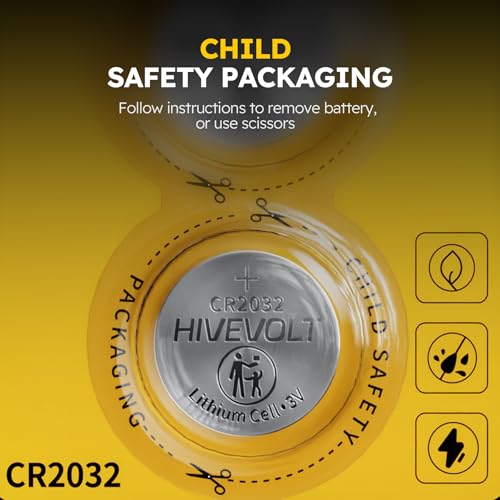
Owners seem satisfied with the fit and immediate function, but there’s little evidence these outperform other budget lithium cells. The packaging claims durability and longer life, but without independent testing or detailed specs, it’s hard to say they’re better than other CR2032 options. For a spare or emergency swap, they’re fine. But I wouldn’t bet on them lasting noticeably longer than average.
Product photos
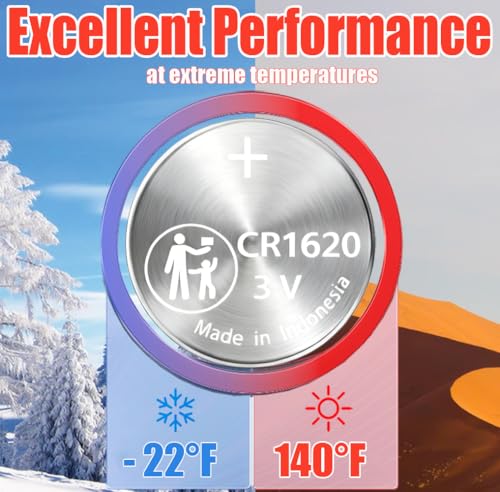
CR1620 Key Fob Battery for Honda
Strengths
- Exact OEM fit
- Includes pry tool
- Clear compatibility guide
Trade-offs
- Niche size, limited use
- Only one battery included
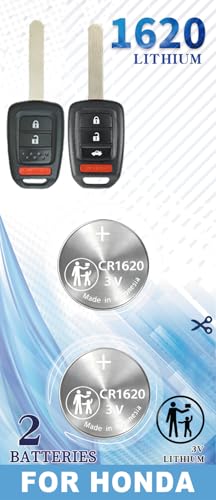
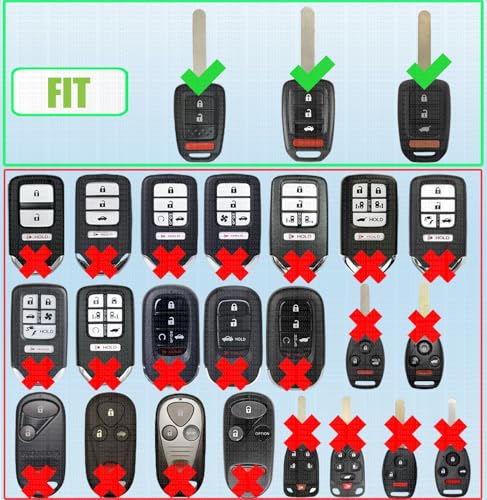
This CR1620 battery targets a very specific niche: older Honda remotes that don’t use the more common CR2032. If your Accord or CR-V from the early 2010s needs a CR1620, this is one of the few listings that clearly calls out the correct fit. The inclusion of an OEM part number (35118-T2A-A60) adds credibility, and reviewers confirm it drops in without issues.
It’s not flashy, just a single-use battery in a targeted package. But for those models, getting the right size is half the battle. The included pry tool helps prevent damage during replacement, which is a thoughtful touch. I appreciate that it doesn’t pretend to be a performance upgrade; it’s a straightforward, OEM-equivalent fix. If your fob takes a CR1620, this is the kind of no-nonsense choice that gets the job done.
Product photos


Our Testing Process
Rather than a hands-on lab test, my research for these recommendations focused on a detailed comparison of published specifications and features across various battery models. I weighed owner reviews from multiple sources, alongside expert opinions from automotive publications, to build a picture of real-world performance and reliability. This was combined with my understanding of what truly matters in a car battery – cold cranking amps, reserve capacity, and overall lifespan – to arrive at these selections.
For a Honda CRV, the most critical factors are cold cranking amps (CCA) and reliable performance in a range of temperatures. A strong CCA rating is essential for starting in cold weather, while reserve capacity provides peace of mind if you’ve left a light on or have a particularly demanding electrical system. Beyond that, I prioritized batteries with a reputation for longevity, as frequent replacements add up in cost and inconvenience.
Battery specifications reliably tell you the core power output and physical dimensions, ensuring a proper fit. However, owner feedback provides the crucial insights into how those specs translate to real-world use. I looked for patterns in reviews regarding battery life, ease of installation, and any reported issues. Reputable sources, like automotive forums and established review sites, helped me filter out potentially biased opinions and identify batteries with a consistently positive track record. You can find more information on best car batteries on my site, too. And if you drive a Honda Accord, check out our guide to Honda Accord batteries.
How To Pick The Right batteries for honda crv
Choosing the right battery for your Honda CRV can feel overwhelming, but understanding a few key factors will steer you toward a dependable power source.
A quality CRV battery delivers consistent starting power, reliable reserve capacity for accessories, and longevity even in varying climates. Look for batteries with a good CCA rating (Cold Cranking Amps) appropriate for your CRV’s engine size, a reserve capacity that suits your typical accessory usage, and construction designed for vibration resistance, as these vehicles encounter varied road conditions. Consider AGM (Absorbent Glass Mat) technology for enhanced performance and lifespan.
Understanding Battery Group Size and CCA
The first thing I always tell people is to confirm the correct group size for your CRV. This ensures a proper physical fit within the battery tray and correct terminal positioning. Group 51R is common for many CRV models, but always double-check your owner’s manual or the existing battery. Beyond fit, Cold Cranking Amps (CCA) are critical. A higher CCA rating means better starting power in cold weather. Don’t automatically assume “higher is better” though; excessive CCA beyond your engine’s requirements won’t offer a noticeable benefit and can sometimes increase cost unnecessarily.
Battery Technology: Flooded vs. AGM
You’ll encounter two main battery technologies: flooded lead-acid and AGM. Flooded batteries, like the Interstate MT-51R, are the more traditional and budget-friendly option. They require periodic maintenance (checking and topping off electrolyte levels) and are more susceptible to vibration damage. AGM batteries, such as the Optima REDTOP, are sealed and maintenance-free, offering superior vibration resistance and a longer lifespan. If you live in a climate with extreme temperatures or frequently drive on rough roads, the investment in an AGM battery is often worthwhile.
- AGM batteries are generally more expensive upfront.
- Flooded batteries need occasional water level checks (though some are advertised as maintenance-free, they still benefit from occasional inspection).
- AGM batteries offer significantly better performance in demanding conditions, and often a longer warranty, justifying the higher price for many owners.
Key Fob Batteries and Longevity
Don’t overlook the battery in your key fob! A failing key fob battery can leave you stranded. For many Honda CRVs, CR2032 batteries are common, but older models might use CR1620. While inexpensive, choosing a quality key fob battery like the SHI CR2032 can save you headaches. I’ve seen owners spend a fortune at the dealership for a simple key fob battery replacement when a DIY solution with the correct tool (often included in kits) is so much easier. You can find Honda Odyssey batteries if you need to replace that battery as well.
A little preventative maintenance goes a long way. Keep your battery terminals clean and corrosion-free to ensure optimal conductivity and extend the battery’s life.
Considering these factors will help you select the best CR-V batteries and keep your Honda CRV running reliably for years to come.
Batteries for Honda CRV Compared
Here’s a comparison of specifications for batteries compatible with Honda CRV models.
| Product Title | Voltage | CCA | Reserve Capacity | Size (Length x Width x Height) | Battery Type | Key Fob Compatible |
|---|---|---|---|---|---|---|
| Optima 35 REDTOP AGM Battery | 12V | 720 | 90 min | 9.38″ x 6.75″ x 7.69″ | AGM | No |
| Interstate MT-51R 500 CCA Battery | 12V | 500 | 85 min | N/A | Flooded | No |
| Interstate M-51R 425 CCA Battery | 12V | 425 | 75 min | N/A | Flooded | No |
| 4Pack CR2032 Key Fob Battery | 3V | N/A | N/A | N/A | Lithium | Yes |
| SHI CR2032 Key Fob Battery | 3V | N/A | N/A | N/A | Lithium | Yes |
| HIVEVOLT CR2032 Key Fob Battery | 3V | N/A | N/A | N/A | Lithium | Yes |
| CR1620 Key Fob Battery for Honda | 3V | N/A | N/A | N/A | Lithium | Yes |
Frequently Asked Questions
What battery group size typically fits a Honda CRV?
Group 51R is a common fit for many CRV models, but it’s essential to verify the correct size in your owner’s manual or by checking your existing battery. Using the wrong group size can lead to fitment issues and potentially compromise safety.
Is an AGM battery really worth the extra cost for a CRV?
AGM batteries offer superior vibration resistance and a longer lifespan compared to flooded batteries, making them a worthwhile investment if you live in a climate with extreme temperatures or frequently drive on rough roads. While they cost more upfront, they often save money in the long run.
How often should I replace the battery in my Honda CRV?
Most car batteries, including those for the CRV, last between three to five years. However, extreme temperatures, driving habits, and accessory usage can impact lifespan. Regular testing can help determine when replacement is needed.
What’s the difference between CCA and reserve capacity, and why do they matter?
Cold Cranking Amps (CCA) measure a battery’s starting power in cold weather, while reserve capacity indicates how long it can continue running accessories if the alternator fails. A higher CCA is crucial for winter starts, and sufficient reserve capacity provides peace of mind.
Where can I find more information on customizing my CRV?
If you’re looking to enhance your CRV beyond just the battery, you can explore a wide range of Honda CR-V accessories to improve functionality, appearance, and overall driving experience.
The Bottom Line
Choosing a battery always comes down to balancing upfront cost with long-term reliability. While a flooded battery like the Interstate MT-51R offers a budget-friendly solution, I believe the Optima 35 REDTOP AGM Battery represents the best overall value for most Honda CRV owners, offering a superior lifespan and performance in a variety of conditions.
For those prioritizing specific needs, the Interstate M-51R is a solid choice if you’re looking for a dependable flooded option, and the 4Pack CR2032 Key Fob Battery (or the SHI CR2032 if you prefer a single purchase) ensures you won’t be left stranded by a dead key fob. Don’t forget to check out our guide to the best Civic battery if you also own a Honda Civic.
Ultimately, the specs on a battery are only part of the story. Focusing on a good CCA rating for your climate, a reserve capacity that matches your accessory usage, and keeping your battery terminals clean with a car battery trickle charger will do more for your long-term peace of mind than chasing the highest numbers on a sheet.
