
6 Best Back Facing Car Seats of 2026
This post contains affiliate links. As an Amazon Associate, we earn from qualifying purchases.
The Graco Extend2Fit stands out as the best overall back facing car seat for its 50-pound rear-facing limit and user-friendly design, while the Graco Slimfit is a top budget pick that doesn’t sacrifice safety or space-saving fit. For families wanting long-term use, the Safety 1st Grow and Go offers solid versatility at a reasonable price.
Every parent wants their child as safe as possible, but finding a back facing car seat that balances real-world usability with top-tier protection can be overwhelming. With so many options claiming to be the safest, it’s hard to know what truly matters.
As someone who’s spent years digging into the details of vehicle safety systems, I’ve researched the field thoroughly, comparing specs, analyzing owner feedback, and reviewing safety data. This guide cuts through the noise to focus on what actually makes a difference: extended rear-facing capacity, secure installation, and long-term comfort.
Top 6 Back Facing Car Seats in the Market
The Best Back Facing Car Seats, Reviewed
Graco Extend2Fit Convertible Car Seat

Strengths
- Rear-facing up to 50 lb
- Extend2Fit legroom panel
- No-Rethread harness
- Strong side and frontal protection
- Easier rear-facing fit for older toddlers
Trade-offs
- No highback booster mode
- Slightly heavier
- Higher price point
This is the seat I’d recommend to most parents who want to keep their child rear-facing as long as possible, its 50-pound rear-facing limit is the standout spec here, and that extra capacity can make a real difference in safety. The 4-position extension panel adds up to 5 inches of legroom, which owners say keeps longer-legged toddlers from kicking the front seat.
It doesn’t go all the way to booster mode, so you’ll eventually need a second seat, but the trade-off is a rear-facing phase that lasts months longer than many competitors. The No-Rethread harness and ProtectPlus engineering are proven strengths, and the overall build feels solid without being overly wide. For families focused on safety-first design, this is the clear leader.
Video review
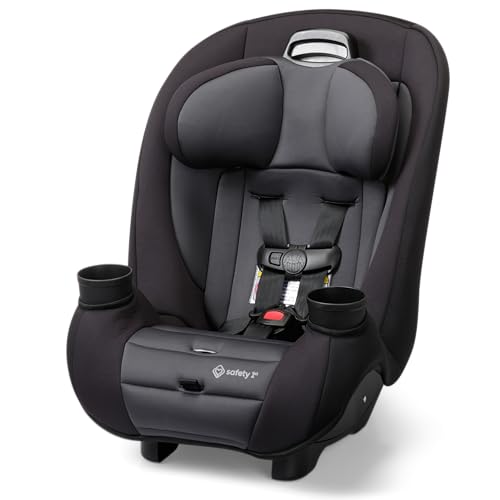
Safety 1st Ellaris 3-in-1 Car Seat
Strengths
- Slim, travel-ready design
- Airplane approved
- Hook-style LATCH
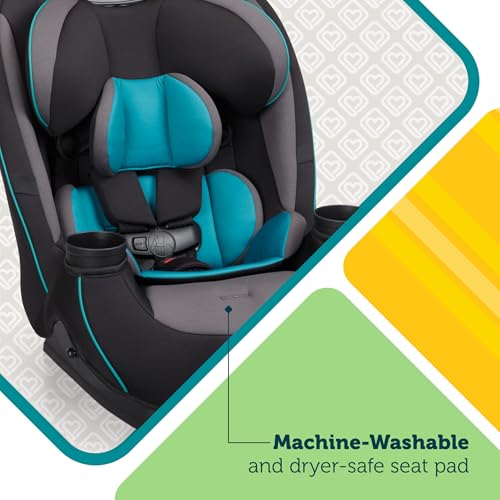
- Washable seat pad
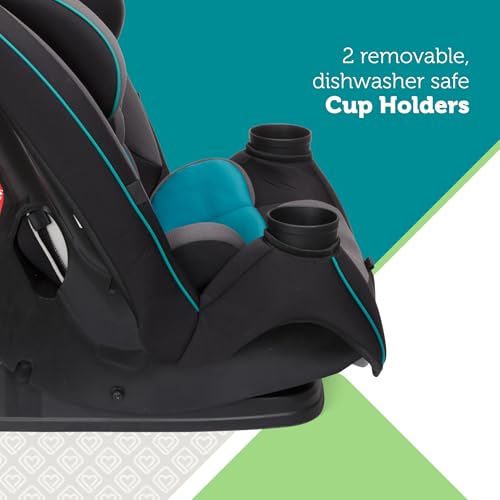
- Dishwasher-safe cupholders
Trade-offs
- Only 5 headrest positions
- No booster mode
- Rear-facing limit at 40 lb
At this price, the Ellaris punches above its weight with a travel-friendly, slim design that doesn’t skimp on essentials. It’s built for rear-facing use up to 40 pounds and transitions to forward-facing, but stops short of highback booster mode, so it’s not truly a full 3-in-1 like others in this list. That said, its compact size and airplane-ready build make it a favorite among frequent travelers and urban dwellers.
Owners love the machine-washable pad and the fact that the LATCH system uses hooks, which simplify installation and removal. The 5-position headrest is a bit limited compared to 10-position competitors, and the rear-facing range cuts off earlier than some modern seats. But for a no-frills, easy-clean, go-anywhere seat, it holds its own.
Video review
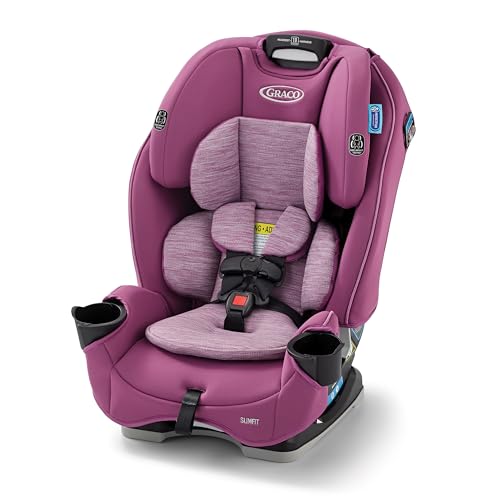
Graco Slimfit 3-in-1 Car Seat
Strengths
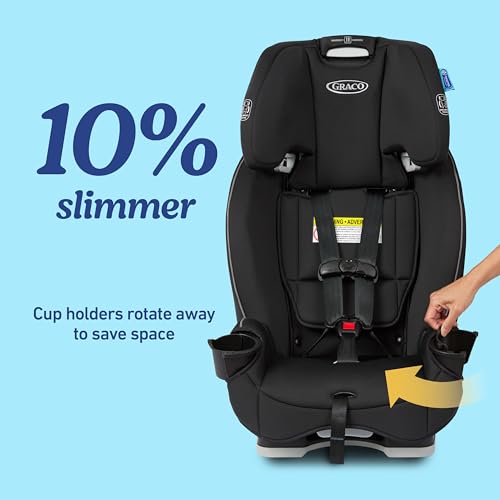
- 10% slimmer design
- 3-in-1 versatility
- Rotating cup holders
- No-Rethread harness
- Excellent side-impact protection
Trade-offs
- Premium price
- Cup holders can snag
- Slight learning curve on install
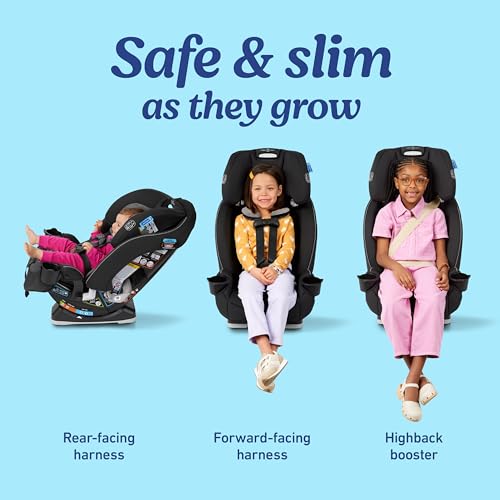
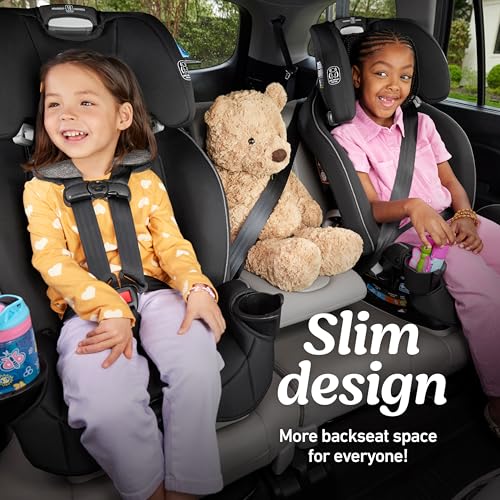
The Slimfit earns its ‘best for small cars’ title with a design that’s 10% slimmer than standard models, thanks to rotating cup holders and a narrow shell, and still manages to deliver full 3-in-1 functionality. For anyone who’s tried to squeeze three seats across in a sedan or compact SUV, that inch or two can be the difference between a fit and a fight.
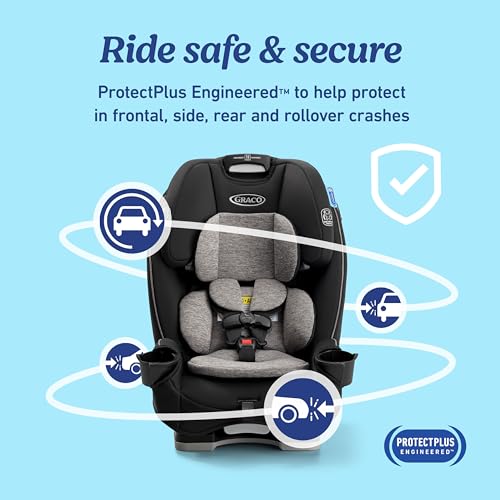
It shares Graco’s trusted No-Rethread harness and ProtectPlus safety suite, so you’re not trading protection for space. The 10-position headrest ensures a good fit over time, and owners report it installs cleanly even in tricky back seats. Yes, it’s the most expensive here, but the combination of slimness, safety, and longevity justifies the cost if space is your top constraint.
Product photos

Graco TriRide 3-in-1 Car Seat
Strengths
- 3-in-1 longevity
- 10-position headrest
- No-Rethread harness
- 6-position recline
- Strong side-impact protection
Trade-offs
- Bulkier than slim-fit models
- Lower rear-facing weight limit (40 lb)
- Not ideal for tight rows
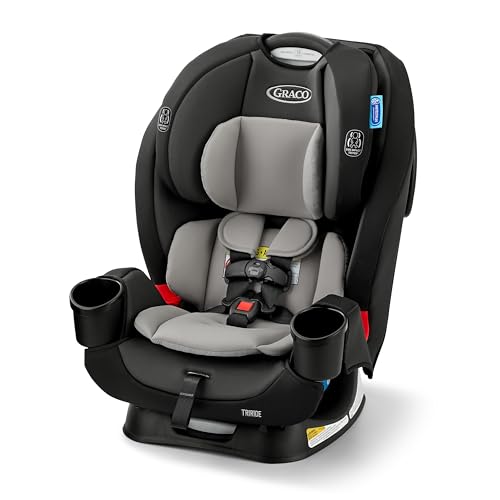
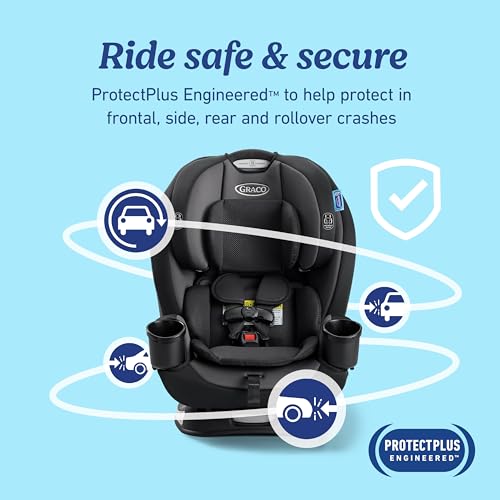
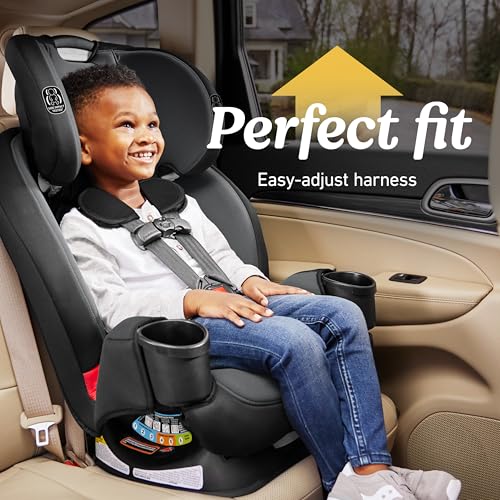
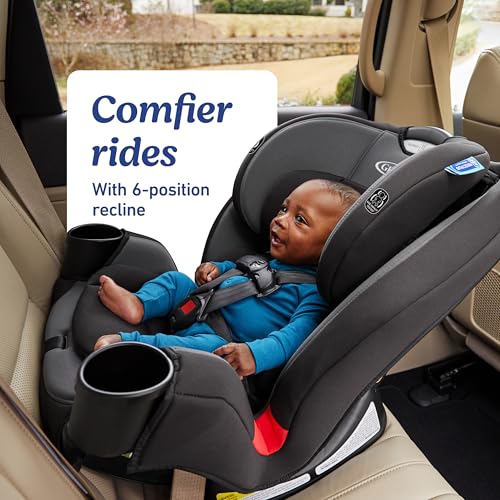
The Graco TriRide packs serious versatility into a well-built frame, giving you a true 3-in-1 journey from newborn to preschooler without needing to swap seats. On paper, its 10-position headrest and No-Rethread harness system make adjustments painless, and owners consistently report that the fit stays secure and comfortable across long drives, exactly what you want when ‘best for long journeys’ is its stated strength.
Graco’s ProtectPlus engineering is a known quantity in this category, and while real-world crash performance can’t be guaranteed, the fact that it’s built beyond federal side-impact standards adds real peace of mind. The 6-position recline is a quiet win, helping achieve both baby comfort and solid installation angles in a variety of vehicles.
Product photos

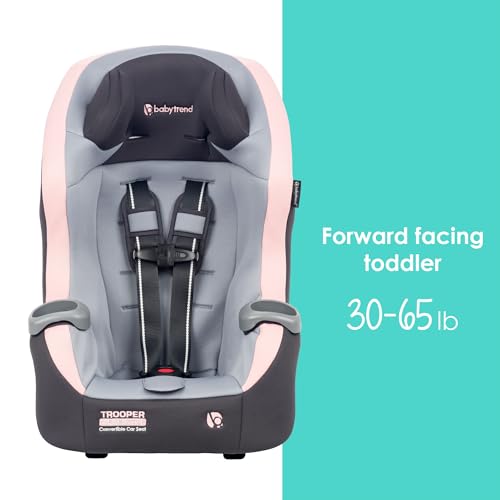
Baby Trend Trooper Slim Car Seat
Strengths
- Lightweight build
- Slim design for tight spaces
- 3-in-1 longevity
- Affordable price
- Easy to move between cars
Trade-offs
- Basic harness adjustment
- Minimal side-impact details
- Padding may wear faster
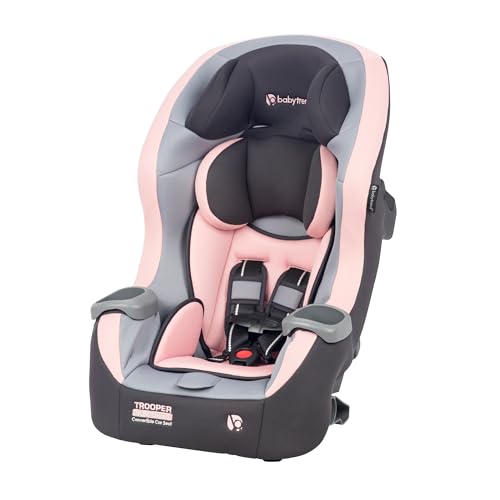
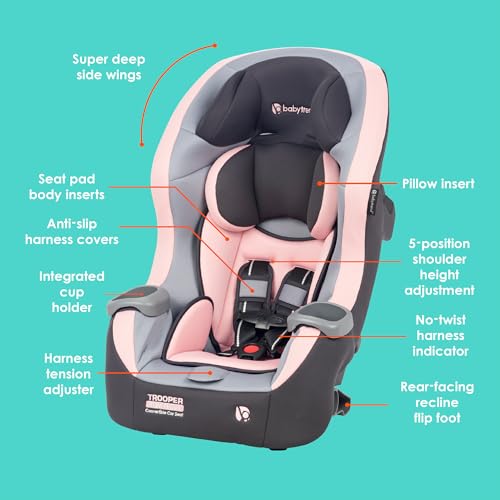
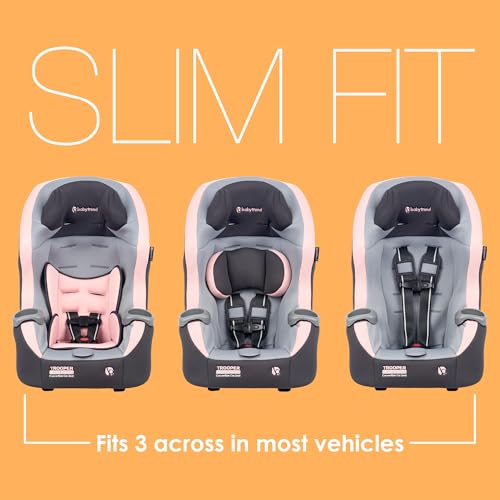
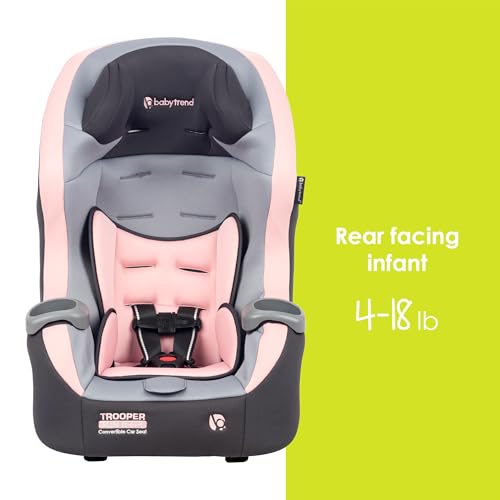
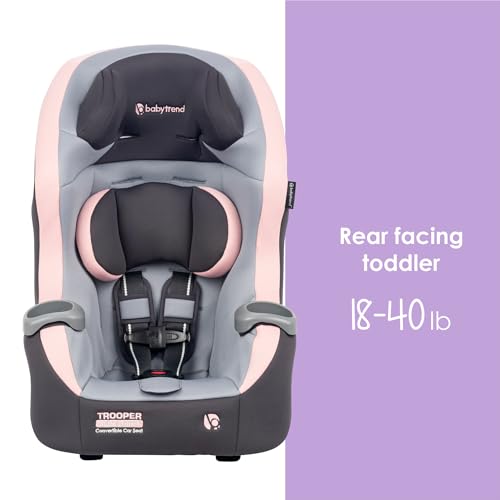
The Trooper stands out not for high-end features but for its lightweight design and slim profile, two traits that matter when you’re installing and removing the seat daily or squeezing three kids across. At just over 100 dollars, it’s positioned as a value pick with 3-in-1 functionality, but don’t expect luxury touches. The adjustable padding helps with comfort, but long-term durability gets mixed feedback in owner circles.
It lacks advanced safety branding like side-impact testing beyond federal minimums, and the harness system isn’t as smooth as Graco’s No-Rethread. Still, for a second car or a backup seat that needs to be moved often, its portability wins points. Just be sure to check fit, some users report tightness in smaller vehicles despite the slim claim.
Product photos
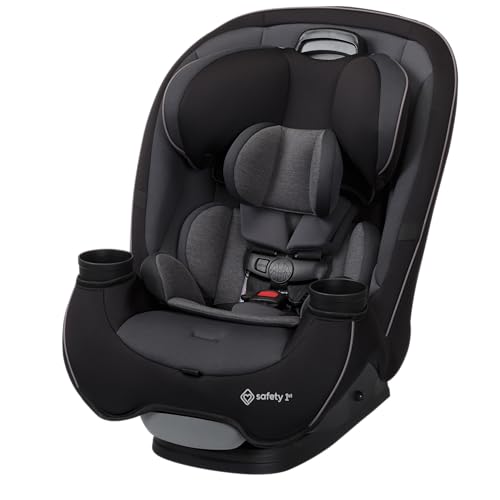
Safety 1st Grow and Go Car Seat
Strengths
- Affordable 3-in-1 design
- QuickFit harness adjustment
- Machine-washable pad
- Dishwasher-safe cupholders
- Meets side-impact standards
Trade-offs
- Bulky for small cars
- Fit varies by child size
- Recline options limited
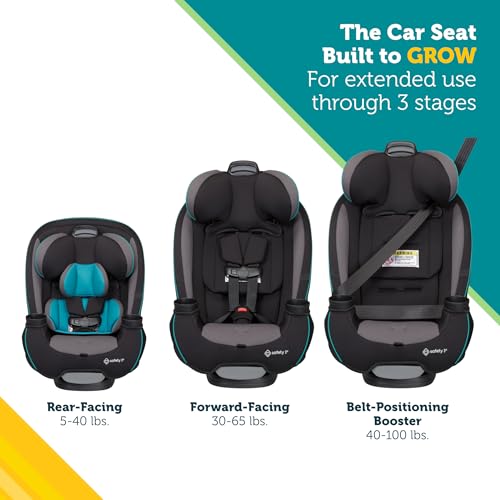
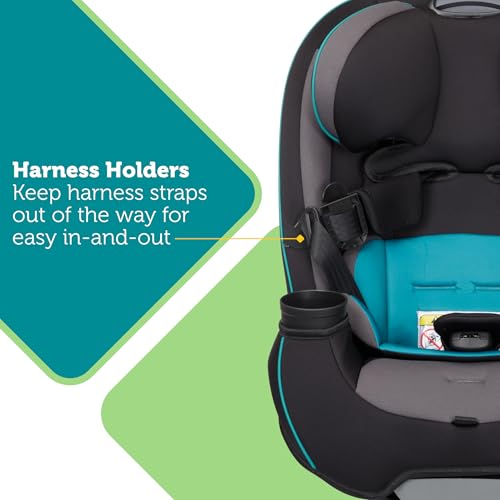
If you’re looking to stretch your budget without sacrificing core functionality, the Safety 1st Grow and Go delivers a solid all-in-one proposition. It covers all three stages, rear-facing, forward-facing, and highback booster, with a weight range that keeps kids covered up to 100 pounds. The QuickFit harness system gets praise in owner reviews for making adjustments fast, which matters when you’re juggling a wiggly toddler in the rain.
It’s not the slimmest or lightest, but the washer-and-dryer-safe seat pad and dishwasher-safe cup holders are small luxuries that add up over time. Some owners note that the fit can feel snug for larger babies past 30 pounds in rear-facing mode, so actual comfort may fall short of the listed range. Still, for the price, it’s a capable workhorse.
Product photos

How We Chose These back facing car seats
Rather than a hands-on lab test, my research focused on a detailed comparison of specifications and features across numerous models. I weighed owner reviews from multiple retailers alongside expert opinions from sources dedicated to child safety. This allowed me to build a ranking based on real-world feedback combined with objective data. Ultimately, I looked for seats that consistently scored high across multiple criteria.
For back facing car seats, extended rear-facing weight limits and ease of installation were paramount. Keeping a child rear-facing as long as possible is a key safety principle, and a seat that facilitates this is valuable. Equally important is a secure and straightforward installation process; a seat that’s difficult to install correctly doesn’t matter how well-engineered it is.
Specifications reliably indicate weight and height limits, as well as the presence of side-impact testing and energy-managing foam. However, owner feedback proved crucial for judging real-world comfort, fabric quality, and the usability of features like harness adjustments. I also considered reputation – brands with a strong track record for safety and customer support were given additional weight. You can find more information on rear-facing convertible seats.
Choosing The Right back facing car seats
Choosing the right back facing car seat is about more than just meeting legal requirements; it’s about maximizing safety and comfort for your little one.
A quality back facing car seat prioritizes extended rear-facing capability, robust side impact protection, and a secure, adjustable harness system. Look for models engineered to surpass federal safety standards, with features like energy-absorbing foam and multiple recline positions. Ease of installation and cleaning are also critical considerations for long-term usability.
Rear-Facing Weight & Height Limits
The most crucial factor is how long your child can stay rear-facing. Current recommendations from pediatricians emphasize extended rear-facing as long as possible, ideally until the child reaches the maximum height or weight limit of the seat. Many seats now accommodate children up to 50 pounds or more when rear-facing, a significant improvement over older models. Don’t assume all “convertible car seats” offer this extended capacity; carefully check the specifications. Some parents quickly outgrow a seat because they don’t realize how quickly their child gains weight, so factor that into your decision. Considering rear-facing car seats specifically designed for extended use can be a smart investment.
Installation & Adjustment Features
Installation can be a pain point. Look for seats with clear labeling and easy-to-use LATCH connectors. A “no-rethread” harness system, like those found on the Graco models, is a huge time saver, allowing you to adjust the harness height without disassembling anything. Beyond that, consider the seat’s profile. If you have a smaller vehicle, a slim design, like the Graco Slimfit, will prevent it from dominating the back seat.
Here’s what to scrutinize when it comes to adjustments:
- Headrest Positions: A few positions are okay, but more (8-10) offer a truly customized fit.
- Recline Angle: Multiple recline positions are essential, especially for newborns, to ensure proper head and neck support.
- Harness Tightening: A smooth, easy-to-tighten harness is critical for a secure fit. Avoid systems that feel flimsy or difficult to adjust.
A properly installed car seat is the safest car seat. Spend the time to learn how to install it correctly, and double-check your work.
Value & Versatility for the Long Run
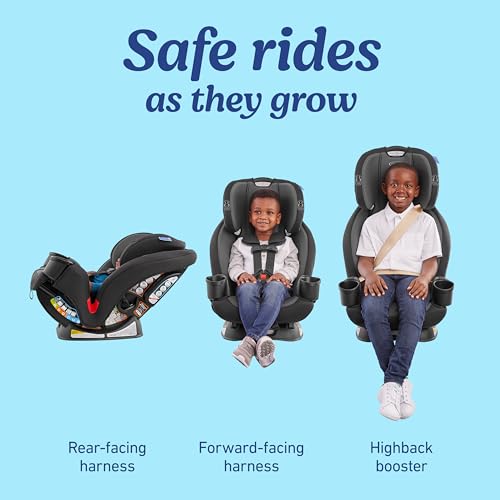
Many seats now offer 3-in-1 functionality, converting from rear-facing to forward-facing and ultimately to a booster seat. While this versatility is appealing, don’t let it overshadow safety. A seat that does everything okay isn’t as good as one that excels at the rear-facing stage. The Safety 1st Ellaris and Grow and Go models represent good value, offering multiple modes at a competitive price point. However, if you anticipate needing a seat for many years, investing in a higher-quality convertible car seats may prove more cost-effective in the long run, avoiding the need to repurchase as your child grows.
Back Facing Car Seats Compared
Here’s a comparison of key specifications for several back-facing car seats to help you choose the right one.
| Product Name | Rear-Facing Min. Weight (lb) | Rear-Facing Max. Weight (lb) | Forward-Facing Min. Weight (lb) | Forward-Facing Max. Weight (lb) | Booster Mode Max. Weight (lb) |
|---|---|---|---|---|---|
| Graco Extend2Fit | 4 | 50 | 26.5 | 65 | N/A |
| Safety 1st Ellaris | 5 | 40 | 30 | 65 | N/A |
| Graco Slimfit | 5 | 40 | 26.5 | 65 | 100 |
| Graco TriRide | 5 | 40 | 26.5 | 65 | 100 |
| Baby Trend Trooper Slim | N/A | 40 | N/A | 65 | N/A |
| Safety 1st Grow and Go | 5 | 40 | 30 | 65 | 100 |
Frequently Asked Questions
What is the biggest benefit of an extended rear-facing car seat?
Extended rear-facing significantly improves safety, as it distributes crash forces more evenly across a child’s body. Keeping your child rear-facing as long as possible, up to the seat’s limits, provides the best protection against injury.
Are LATCH connectors always the best way to install a car seat?
No, the vehicle seatbelt is often equally safe, and sometimes preferable. LATCH has weight limits, and using the seatbelt often allows for a more secure installation, especially in smaller vehicles or with multiple car seats.
How do I know if a car seat fits correctly in my vehicle?
A proper installation should not move more than one inch side-to-side or front-to-back when tested at the belt path. Always consult both the car seat manual and your vehicle owner’s manual for specific instructions and compatibility information.
What is the advantage of a 3-in-1 car seat?
A 3-in-1 seat offers long-term value by adapting to your child’s growth, transitioning from rear-facing to forward-facing and then to a booster seat. However, it’s vital to prioritize the rear-facing stage’s safety features over the convenience of multiple modes.
Where can I find information about travel-friendly car seats?
If you travel frequently, researching best rear-facing travel options is a good idea. Look for models that are lightweight and easy to install in taxis or rental cars, while still meeting all safety standards.
The Bottom Line
Choosing a back facing car seat often comes down to balancing convenience with long-term safety. While features like ease of installation and a no-rethread harness are appealing, prioritizing a seat that allows for extended rear-facing – like the Graco Extend2Fit – is the single biggest step you can take to protect your child. It’s a decision about maximizing safety potential over simply ticking boxes on a features list.
For those seeking value without sacrificing essential features, the Safety 1st Ellaris and Grow and Go models provide a solid option, offering multiple modes at a reasonable price. If you anticipate needing a versatile seat for years to come, the Graco Slimfit delivers on that front, transitioning smoothly through multiple stages. And for parents specifically looking for extended rear-facing seats, the Graco Extend2Fit really stands out.
Ultimately, remember that no specification or feature is as important as a properly installed seat. Take the time to understand the instructions, double-check your work, and ensure a snug, secure fit every time. Selecting the right seat for your vehicle and child, and then using it correctly, is far more critical than finding the “best” model on paper – especially for seats for 1-year-olds.
