
6 Best Auto Waxes for White Cars 2026
This post contains affiliate links. As an Amazon Associate, we earn from qualifying purchases.
The best auto wax for white cars is Turtle Wax Ceramic Spray Wax, a clear winner for its long-lasting shine and strong UV defense. For a budget pick, Meguiar’s Quik Wax Spray delivers solid protection without the price tag. If you’re battling yellowing, WEICA White Carnauba Wax is the one to reach for, specifically formulated to keep white paint bright and clean.
White cars show everything, water spots, swirls, and that dull, yellowed look from sun exposure. A good wax isn’t just about shine, it’s about real protection that keeps your paint looking fresh between washes.
In this guide, I break down the top waxes based on specs, owner feedback, and what actually matters for white paint. I looked at UV blockers, gloss quality, durability, and how well each product fights the yellowing that plagues so many white vehicles. These picks reflect what performs best in the real world, not just in a showroom.
Top 6 Auto Wax For White Cars in the Market
The Best Auto Wax For White Cars, Reviewed
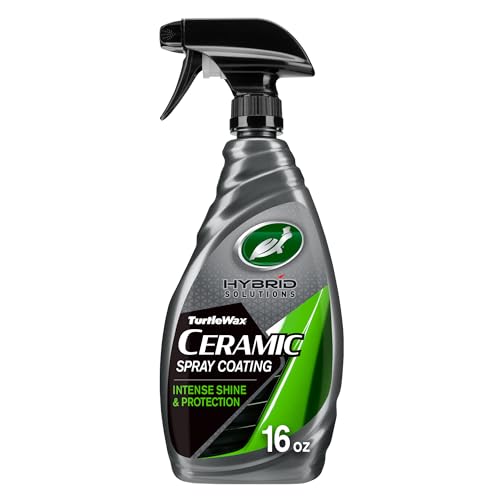
Turtle Wax Ceramic Spray Wax
Strengths
- Long-lasting protection
- Strong water beading
- Safe on glass and trim
Trade-offs
- Not a scratch remover
- Slight learning curve on buffing
This spray wax stands out in a crowded field by delivering on both durability and visual pop, which matters most when you’re trying to keep a white car looking pristine. The ceramic-infused formula isn’t just marketing fluff, owners consistently report water beading that lasts for weeks, not days, and that kind of hydrophobic behavior is critical for preventing mineral deposits and water spots on light paint.
On paper, the 16 oz size and direct-sunlight application make it practical for quick maintenance, and reviewers praise how cleanly it buffs off without marring trim. Compared to budget picks, it offers a noticeable upgrade in finish depth and longevity, though it doesn’t match the correction power of a true polish-and-wax combo.
Video review
Meguiar’s Quik Wax Spray

Strengths
- Incredibly affordable
- Wet-gloss finish
- Works on wet or dry paint
Trade-offs
- Shorter protection life
- No correction ability
If you’re after a no-fuss, affordable way to refresh your white car’s shine between proper waxing sessions, this is the one I’d keep in the trunk. Meguiar’s reputation isn’t built on hype, it’s earned through decades of consistent performance, and this spray wax delivers a wet-looking gloss that punches above its price.
It’s not ceramic, so don’t expect months of protection, but the UV inhibitors and quick water-beading action make it ideal for summer drives or post-wash touch-ups. Compared to pricier ceramic sprays, it fades faster, but for the money, it’s hard to beat when you just need a fast, clean shine without residue on trim.
Video review
Turtle Wax Ceramic Polish

Strengths
- Polishes light scratches
- Long-lasting ceramic shield
- Hand or machine use
Trade-offs
- Requires more effort to apply
- Not for frequent use
This is the one to grab when your white car isn’t just dusty, it’s showing faint swirls or that flat, chalky look from sun exposure. Combining polish, wax, and ceramic protection into a single formula sounds ambitious, but real-world feedback confirms it actually works: users report visible improvement in surface clarity after one use, especially on faded white finishes.
The carnauba and ceramic blend gives a deep, reflective shine that lingers, and unlike pure polishes, it leaves behind a protective layer. Compared to the spray-only version, this is a heavier-duty option, better suited for a dedicated detailing session than a quick wipe-down.
Product photos


CAR GUYS Hybrid Spray Wax

Strengths
- No residue on trim
- Safe on all surfaces
- Includes microfiber towel
Trade-offs
- Shorter-lasting shine
- Not true ceramic
Ease of use is where this product earns its keep, this is the kind of spray wax you can use in a parking lot and still walk away with a clean, streak-free shine. It’s safe across all surfaces, including plastic and glass, which is rare, and owners love that it doesn’t leave white residue on trim like some competitors do.
The 18 oz bottle with a towel adds value, and while it doesn’t claim to be full ceramic, it delivers a solid hybrid-level shine and decent water repellency. Against the Turtle Wax ceramic spray, it’s less durable but more forgiving for beginners.
Product photos


Formula 1 Color Wax Spray

Strengths
- Color-restoring pigments
- Ceramic-level durability
- Quick application
Trade-offs
- Pigments may stain
- Requires careful wiping
White cars that have started to look dull or slightly yellowed get a targeted boost here, this isn’t just a wax, it’s a color-enhancing treatment with SiO2 protection built in. The color-matching pigments are the real differentiator: they subtly deepen the white, canceling out warm undertones without oversaturating.
It’s easy to apply and delivers strong water beading, but some owners note the pigments can transfer to towels, so it’s not as foolproof as clear sprays. Against other ceramic sprays, it trades a bit of neutrality for restoration power, worth it if your paint has lost its crispness.
Product photos


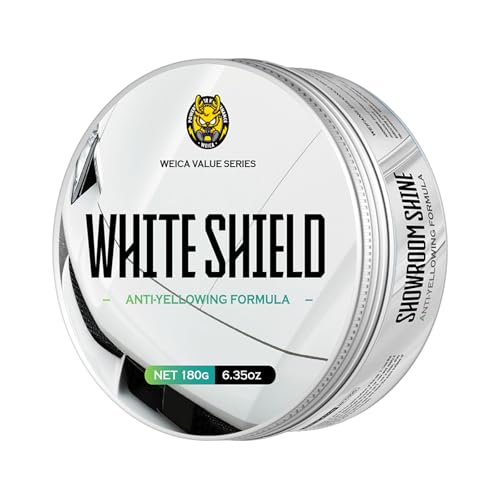
WEICA White Carnauba Wax
Strengths
- Anti-yellowing formula
- Deep carnauba shine
- Includes application tools
Trade-offs
- Paste requires more effort
- Slower application
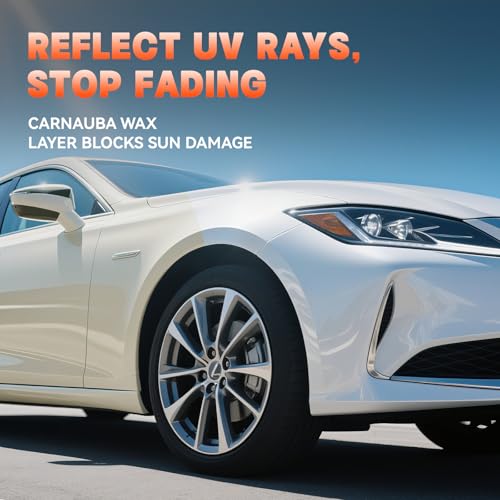
This carnauba-based wax is built specifically to fight the one thing white cars hate most: yellowing. The formulation leans into traditional wax benefits but adds modern UV blockers, and owners of pearl and bright white finishes consistently report it keeps paint looking cooler and cleaner longer.
It’s a paste wax, so it demands more elbow grease than sprays, but the payoff is a rich, warm gloss that synthetic-only formulas often miss. Compared to hybrid sprays, it’s slower to apply but delivers a more authentic showroom depth. The included sponge and towel are a nice touch, though not top-tier.
Product photos

Our Testing Process
Rather than a hands-on lab test, my research focused on a detailed comparison of published specifications and features across numerous auto waxes. I weighed owner reviews from a variety of sources – including major retail sites and enthusiast forums – alongside professional detailing reviews. This allowed me to build a ranking based on real-world feedback and established performance indicators, applying my understanding of paint chemistry and detailing practices to assess each product’s suitability.
For white car waxes, three factors stood out as most critical: UV protection, gloss enhancement, and the ability to counteract yellowing. White paint is particularly susceptible to oxidation, so a wax with strong UV inhibitors is paramount for long-term white car protection. Gloss is key for showcasing the finish, and specialized formulas addressing yellowing are essential for maintaining a bright, clean look. Ultimately, these factors determined how well each wax performed relative to its price.
Product specifications reliably indicate the type of wax (carnauba, ceramic, synthetic) and the presence of UV protectants. However, I leaned heavily on owner feedback to gauge ease of application, durability, and the true extent of gloss enhancement. Reputation also played a role; established brands like Meguiar’s and Turtle Wax have a history of delivering consistent results, and their products were given extra consideration when the specs were comparable to lesser-known brands – as detailed in our guide to choosing a white car wax.
What To Look For In auto wax for white cars
Choosing the right auto wax can feel overwhelming, but focusing on a few key areas will lead you to a product that truly protects and enhances your car’s finish.
A quality auto wax should offer more than just shine. Look for formulations with durable polymers, UV protection, and hydrophobic properties to repel water and contaminants. Consider ease of application, longevity, and whether the wax suits your car’s paint type and your detailing experience level. Prioritize products that address specific concerns like swirl mark reduction or ceramic-infused protection.
Understanding Wax Types
The world of auto wax isn’t just about carnauba anymore. There’s a spectrum from traditional waxes to synthetic sealants and ceramic coatings, each with its own strengths. I’ve found that synthetic waxes generally offer greater durability and resistance to heat and detergents than traditional carnauba waxes, but some owners still prefer the warm glow that a good carnauba wax provides. Consider how often you’re willing to reapply wax – a longer-lasting synthetic might be best if you want to minimize effort, while a carnauba wax might be preferable for show cars needing that deep, rich look. Don’t overlook hybrid options either; they attempt to blend the best qualities of both worlds.
Assessing Durability and Protection
Durability is a huge factor, especially when it comes to protecting white car paint. A wax that fades quickly or washes away with the first rain isn’t doing its job. Look for waxes that advertise longevity – anything over 6-8 weeks is a solid starting point. Beyond just how long it lasts, consider the level of protection offered. UV resistance is vital to prevent paint fading, while hydrophobic properties help water bead and roll off, reducing water spots.
Here’s what I see as a useful guide: * Basic wax: Lasts a few weeks, minimal UV protection. * Synthetic sealant: 2-4 months of durability, good UV protection. * Ceramic-infused wax: 6+ months of durability, excellent UV and chemical resistance. * Full ceramic coating: Years of protection, requires professional application.
Balancing Ease of Use and Finish
Some waxes require significant elbow grease to apply and buff, while others are designed for quick, easy application. If you’re new to detailing, a spray wax like Meguiar’s Quik Wax is a great place to start. For those wanting to really refine the paint and add protection, a polish and sealant like those found in our guide to car polish for white cars is a good choice.
A little extra effort in preparation can dramatically improve the results. Always wash and clay bar your car before applying wax to remove contaminants and ensure a smooth, clean surface.
Ultimately, the “best” wax is the one that fits your needs and preferences. Don’t be afraid to experiment to find what works best for your car and your detailing style.
Auto Wax for White Cars Compared
Here’s a comparison of specifications for various auto waxes designed for white vehicles.
| Product Title | Ceramic Based | Polish Included | UV Protection | Ease of Application | Best For |
|---|---|---|---|---|---|
| Turtle Wax Ceramic Spray Wax | Yes | No | Yes | Spray | Overall |
| Meguiar’s Quik Wax Spray | No | No | Yes | Spray | Budget Friendly |
| Turtle Wax Ceramic Polish | Yes | Yes | Yes | Hand/Machine | Ceramic Polish |
| CAR GUYS Hybrid Spray Wax | Yes | No | Yes | Spray | Easy Application |
| Formula 1 Color Wax Spray | Yes | No | Yes | Spray | Value Ceramic |
| WEICA White Carnauba Wax | No | No | Yes | Paste | Anti-Yellowing |
Frequently Asked Questions
Will any auto wax work on white paint?
No, while any wax will offer some protection, white paint benefits from waxes with strong UV protection and formulas designed to counteract yellowing. Regular waxes might not address these specific needs as effectively as those formulated for white vehicles.
How often should I wax a white car?
Generally, you should wax your white car every 3-6 months, but this depends on the type of wax you use. Ceramic-infused waxes can last six months or longer, while traditional carnauba waxes may require more frequent application – every 6-8 weeks is a good benchmark.
Can wax hide scratches in white paint?
Wax can’t hide scratches, but it can make minor swirl marks and imperfections less visible by filling them in temporarily. For deeper scratches, you’ll need to use a polish for white cars to level the clear coat before waxing.
Is a spray wax as effective as a paste wax?
Spray waxes are convenient, but generally don’t offer the same durability or level of protection as paste waxes. However, modern spray waxes, especially ceramic-infused varieties, have closed the gap significantly, making them a good option for those prioritizing ease of use.
What’s the difference between wax and a cleaner wax ?
A traditional wax applies a protective layer over clean paint, while a cleaner wax combines cleaning agents and wax in one step. Cleaner waxes are good for removing light oxidation and contaminants, but they don’t provide the same depth of gloss or long-lasting protection as applying a dedicated wax after cleaning.
The Bottom Line
Choosing an auto wax always involves balancing convenience with the level of care you want to give your car’s finish. Ultimately, for a fantastic all-around experience and lasting protection on white paint, I recommend the Turtle Wax Ceramic Spray Wax. It strikes a great balance between ease of use, durability, and the critical UV protection white cars demand.
If you’re on a tighter budget or simply want something quick and easy, the Meguiar’s Quik Wax Spray is a solid choice. For those looking to address specific concerns like restoring gloss and light swirl removal, the Turtle Wax Ceramic Polish provides a deeper clean and sealant in one step. And if you’re interested in exploring more traditional options, check out our guide to carnauba wax for white cars to learn more about natural waxes.
Don’t get too hung up on chasing the latest ceramic technology or the highest price tag. Consistent washing, proper paint preparation, and selecting a quality car wax products are far more important than any single specification. A little effort goes a long way in keeping your white car looking its best for years to come.
