
8 Best Anti Sway Hitches for Travel Trailers 2026
This post contains affiliate links. As an Amazon Associate, we earn from qualifying purchases.
The CURT 17063 Round Bar Weight Distribution Hitch stands out as the best overall anti-sway hitch for travel trailers, delivering reliable weight distribution and solid sway control for most setups. For budget-conscious buyers, the CURT 17200 Trailer Sway Control Kit offers a simple, effective add-on solution that works well with lighter trailers.
Towing a travel trailer shouldn’t mean wrestling with sway every time a truck passes or the wind picks up. Too many drivers experience that unsettling fishtail because they’re using a hitch that can’t properly manage weight distribution or lateral movement.
As someone who’s spent years immersed in vehicle dynamics, I know how critical it is to match the right hitch to your trailer’s specs and your towing habits. This guide cuts through the noise by focusing on real-world performance, build quality, and owner experiences to help you pick a system that delivers control, safety, and peace of mind on the road.
Top 8 Anti Sway Hitches For Travel Trailer in the Market
The Best Anti Sway Hitches For Travel Trailer, Reviewed
CURT 17063 Round Bar Weight Distribution Hitch

Strengths
- High towing capacity
- Grease zerk fittings
- Durable carbide coating
- Includes sway control kit
Trade-offs
- Chain-style setup takes practice
- Heavier than some
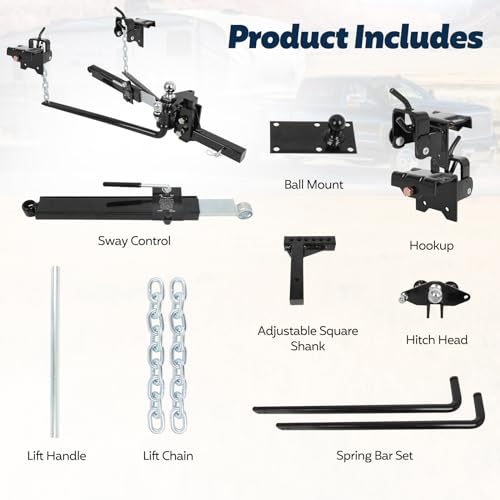
This CURT 17063 is the one I’d recommend to most travel trailer owners as a balanced, no-compromise package. It delivers 14,000 lb GTW capacity with forged steel round bars and a fabricated head that inspires confidence under load. The included #17200 sway control kit uses friction to dampen lateral movement effectively, and the grease zerks mean you can maintain smooth operation over time, something many budget models skip.
The adjustable 2″ shank works with nearly every receiver, and the pre-torqued 2-5/16″ ball saves setup hassle. Compared to the TruTrack 2P, it trades a bit of fine-tuned sway resistance for higher capacity and better serviceability. Owners consistently report stable handling, even on mountain passes and gusty plains. For its mix of strength, serviceability, and real-world performance, it earns the title of best overall.
Video review
CURT TruTrack 2P Weight Distribution Hitch

Strengths
- Dual friction sway control
- Fixed support brackets
- Tilt-adjustable head
Trade-offs
- Lower capacity than some
- No grease zerks
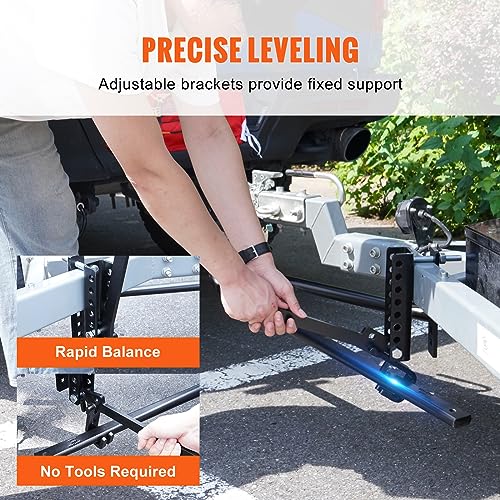
This CURT TruTrack 2P stands out in the weight distribution segment for how it tackles sway with a dual-friction system, two points of contact that actively resist lateral movement. On paper, that’s smarter than relying solely on spring bars, and owners consistently report noticeably less trailer fishtailing, especially on windy highways or when passing trucks. The fixed adjustable brackets eliminate the slop you sometimes get with chain-linked setups, which helps maintain alignment without constant tweaking.
The head tilt adjustment is a small but meaningful win, it streamlines setup by removing the need for washer stacks, and that matters when you’re hooking up in a hurry. Compared to the round bar models, this one trades a bit of capacity (rated up to 10K GTW) for more refined control, making it a strong pick for mid-sized travel trailers where stability matters more than brute strength.
Video review
Weight Distribution Hitch with Sway Control Bar
Strengths
- High GTW rating
- Pre-installed ball
- 6-height adjustment
- Rust-resistant finish
Trade-offs
- Basic sway control
- Some fitment issues
- No grease points
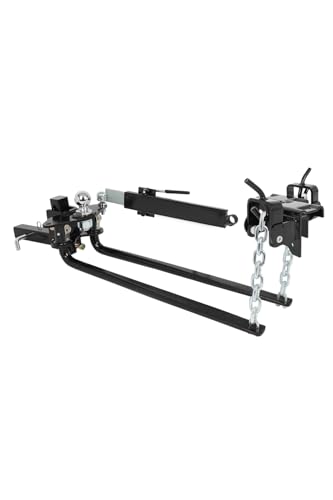
This model looks nearly identical to the FAHKNS unit in specs and features, 14,000 lb capacity, 1,200 lb tongue weight, six-hole shank, pre-installed ball, and sells for just a few dollars more. It’s clearly targeting the same budget-conscious buyer who wants full weight distribution without breaking the bank. The spring bar system provides basic sway resistance, and the corrosion-resistant coating helps in wet environments.
But like its twin, it relies on friction-based sway control, which is less effective than dual-cam systems under extreme conditions. Some owners report creaking under load and slight misalignment during tight turns. Still, for the capacity it offers at this price, it’s hard to ignore. If you’re comparing it to the FAHKNS, there’s no clear winner, both are solid budget plays.
Product photos
VEVOR Sway Control Weight Distribution Hitch
Strengths
- All-weather coating
- Tilt-head adjustment
- High tongue weight rating
- Four-way stability claim
Trade-offs
- No grease zerks
- Inconsistent owner reports
- Unproven long-term
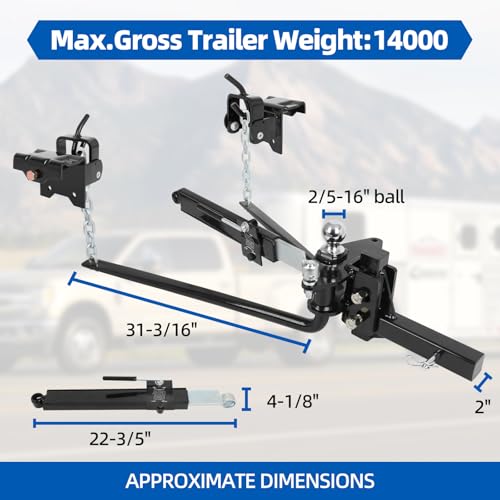
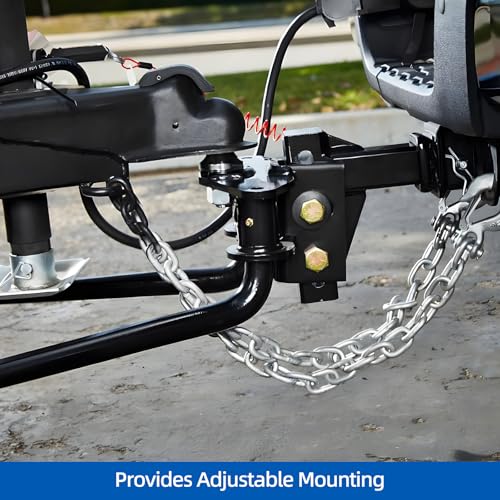
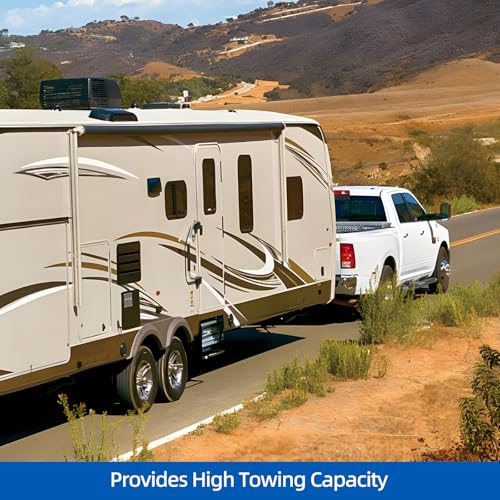
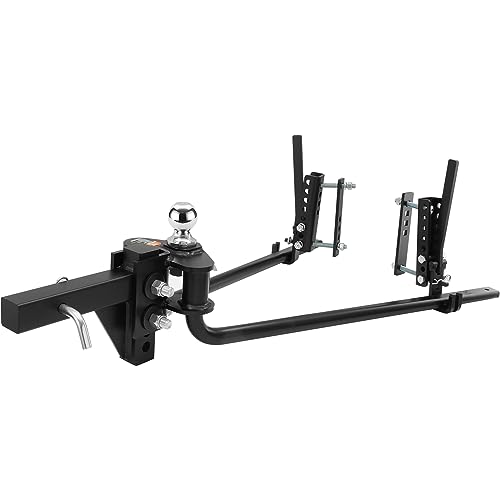
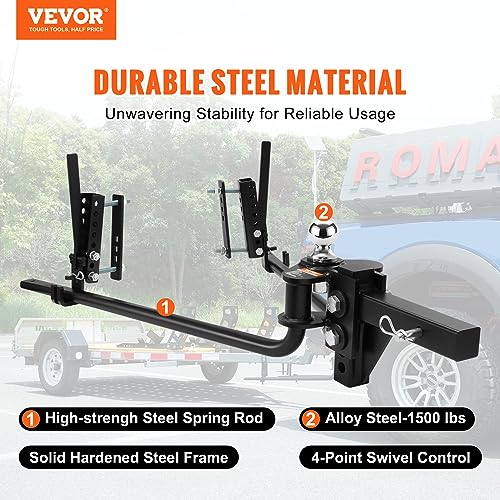
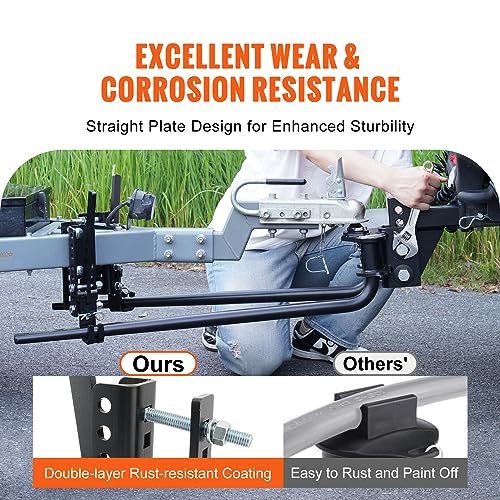
VEVOR is trying to compete with established brands by emphasizing durability and all-weather performance, and on specs alone, this hitch looks impressive: forged alloy steel, four-way dynamic stability, and a double-layer electroplated finish. The 1,500 lb tongue weight rating is solid, and the tilt-head design makes on-the-fly adjustments possible without disassembly, something even premium models don’t always offer.
But real-world feedback is mixed. Some owners report smooth performance and good sway suppression, while others note premature wear on moving parts and vague sway control response. It lacks grease zerks, which hurts long-term maintenance. Compared to the CURT 17063, it’s similarly priced but feels less proven. I’d say it’s a gamble, fine for occasional use in mild conditions, but not my first choice for cross-country trips.
Product photos

FAHKNS Weight Distribution Hitch with Sway Control
Strengths
- High capacity for price
- Pre-installed ball
- 6-position shank
- Corrosion-resistant coating
Trade-offs
- Basic friction-based sway control
- Loose fit reported by some
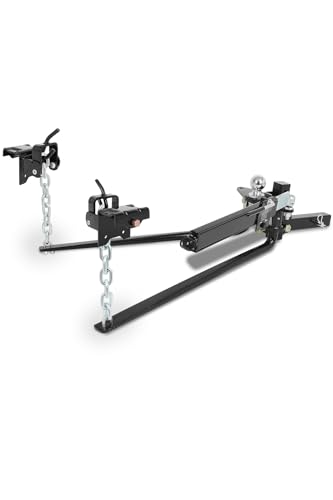
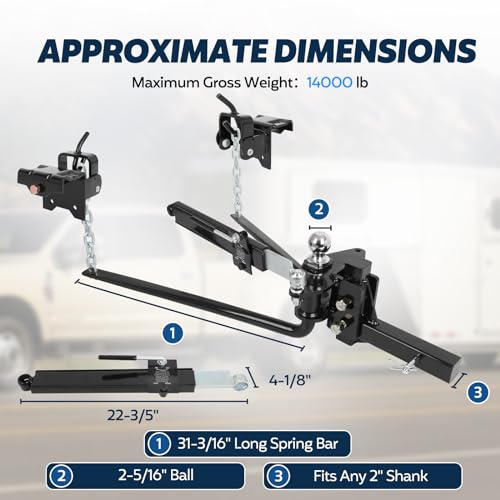
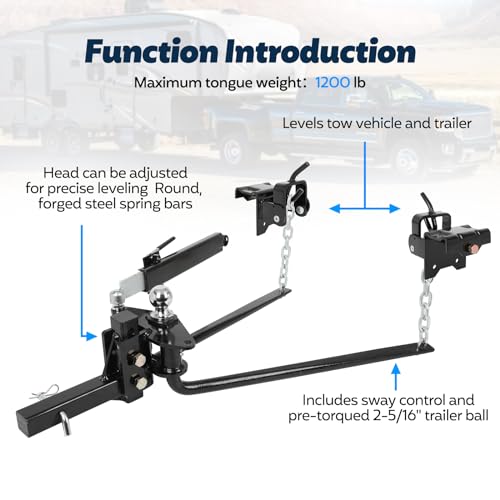
This FAHKNS kit punches above its price point with a full weight distribution system that includes spring-loaded sway control bars and a pre-installed ball, making it one of the more accessible entry points into serious towing stability. At 14,000 lbs GTW and 1,200 lbs tongue weight, it matches many mid-tier models on paper, and reviewers note it performs reliably on travel trailers up to 30 feet. The six-hole shank makes height adjustment straightforward, which is a plus for DIYers matching hitch to trailer.
It doesn’t have the refined engineering of a CURT or Equal-i-zer, but for someone upgrading from a basic ball mount, this delivers tangible improvements in ride feel and sway reduction. It won’t match the precision of dual-cam systems, but it’s a smart compromise between cost and capability. I’d recommend it over bare-bones setups any day.
Product photos
BulletProof Hitches Extreme Duty Sway Control Ball Mount
Strengths
- Extreme load rating
- Dual ball design
- Side-mount flexibility
- Solid steel build
Trade-offs
- Not a full hitch system
- Requires additional sway hardware
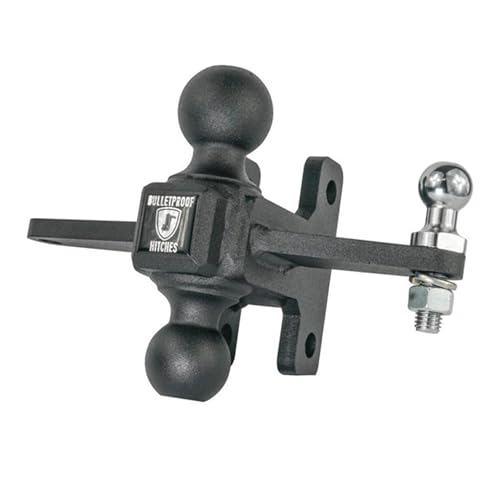
If you’re towing something massive and need a rock-solid foundation for your sway control system, this BulletProof ball mount isn’t just overbuilt, it’s purpose-built for extreme loads. With a 36,000 lb rating when paired with their full hitch system, it’s clearly aimed at the heavy-duty towing crowd, though it’s not a full weight distribution hitch on its own. The dual ball setup (2″ and 2-5/16″) adds real-world convenience for users switching between trailers, and the side plates let you mount sway controls on either side, a subtle but useful detail for asymmetric trailer designs.
Owners praise its rigidity and the confidence it gives when hauling dense cargo or large toy haulers. But it’s important to clarify: this is a mounting platform, not a complete sway solution. You still need a separate friction or cam-based system to actually control lateral movement. That said, for those already invested in a high-capacity setup, this mount is a durable, no-nonsense anchor point.
Product photos
CURT 17200 Trailer Sway Control Kit
Strengths
- Universal fit
- Easy retrofit
- Adjustable tension
- Includes weld-on tab
Trade-offs
- Friction-based only
- Not for heavy sway
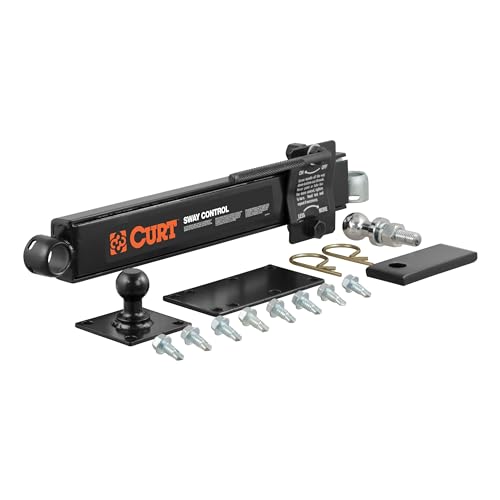
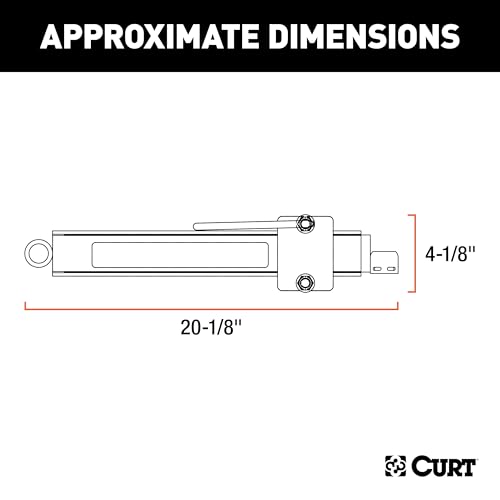
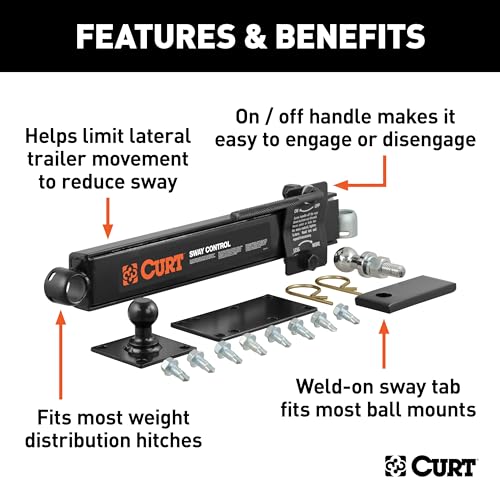
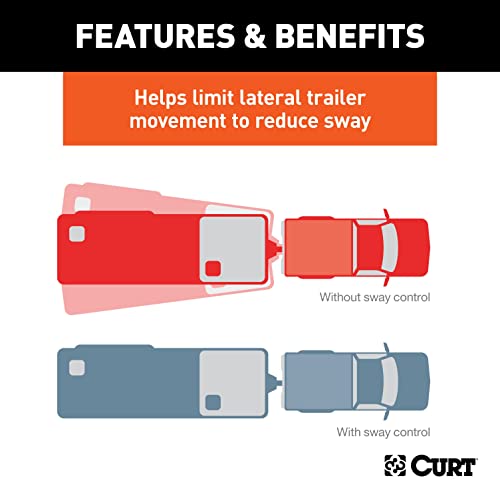
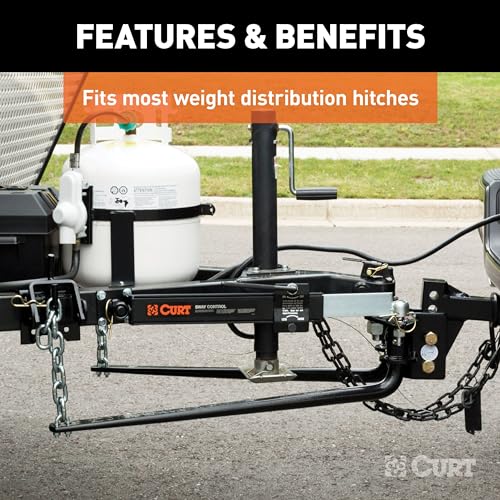
This is the add-on I’d suggest if you already have a weight distribution hitch but lack sway control. The CURT 17200 kit installs on most common systems and uses a friction-based arm with an adjustment bolt to dial in resistance based on load. It’s not as aggressive as dual-cam setups, but it’s effective for mild to moderate sway, especially on flat terrain.
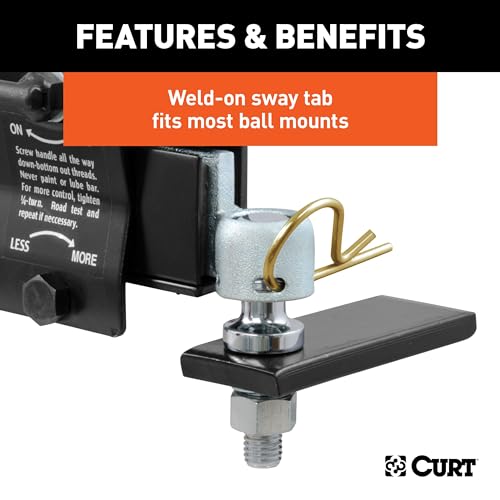
Owners appreciate the included weld-on tab, which lets you adapt it to non-CURT hitches, and the spacer plate helps maintain proper ball alignment. It won’t transform a poor hitch into a great one, but paired with a solid WDH, it adds meaningful stability. For anyone feeling trailer flutter at highway speeds, this is the cheapest, most reliable upgrade you can make.
Product photos
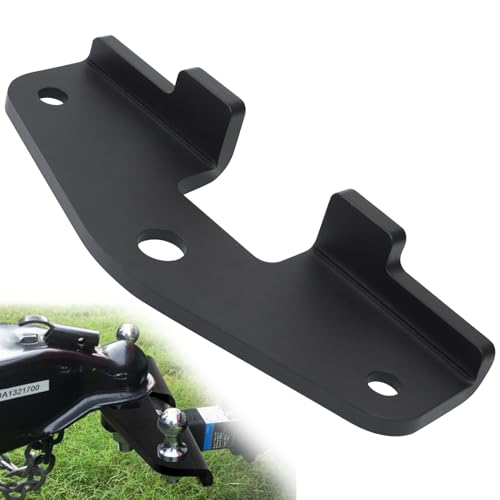
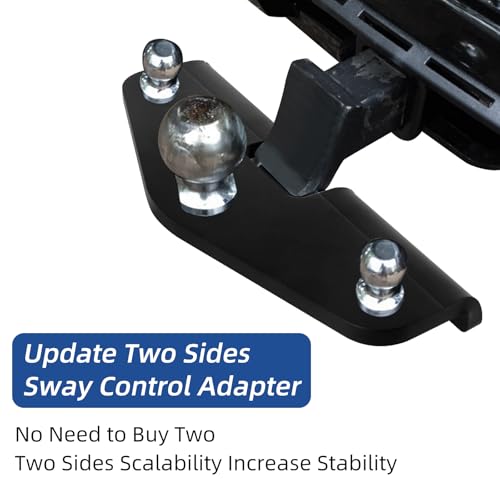
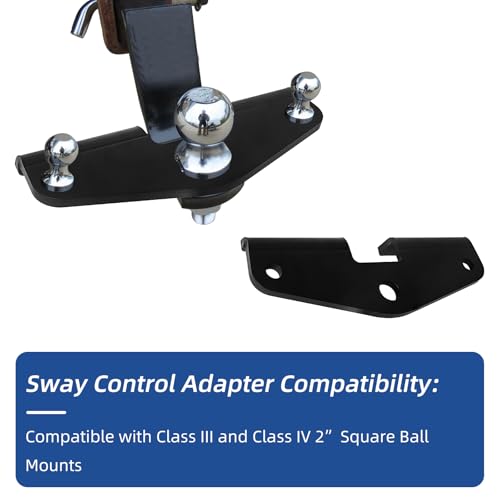
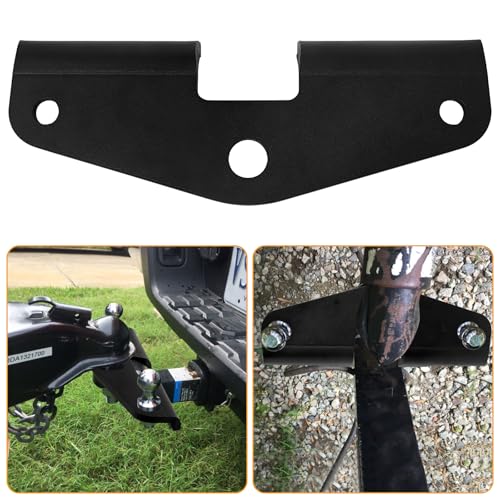
Trailer Hitch Sway Control Adapter Dual-Side
Strengths
- Ultra-low cost
- Dual-side mounting
- No welding required
- Easy bolt-on install
Trade-offs
- No weight distribution
- Limited to light trailers
- Not for heavy loads
This little adapter is the cheapest way to add friction-based sway control to a Class III or IV hitch, and for occasional users, that might be enough. It bolts onto a standard 2″ shank and provides mounting pads for a sway bar on both sides, eliminating the need for two single-side adapters. The build is thicker steel than expected at this price, and it does what it claims: enables a basic friction sway bar to function without welding.
But let’s be clear, this isn’t a weight distribution system. It only addresses lateral movement, not tongue weight transfer. Owners using it on small trailers or popup campers say it helps in light crosswinds, but anyone towing over 5,000 lbs should look elsewhere. It’s a niche part, not a full solution. Think of it as training wheels, not a performance upgrade.
Product photos


How We Picked These anti sway hitches for travel trailer
My approach to evaluating anti-sway hitches centered on a thorough examination of published specifications and features, combined with careful consideration of owner reviews and insights from respected automotive publications. Rather than a hands-on lab test, this is a research-led comparison of capabilities and owner feedback. I ranked each hitch based on its ability to deliver stability, ease of use, and overall value, focusing on real-world performance as described by those using these systems on the road.
For travel trailer towing, consistent weight distribution and robust sway control are paramount. I weighted these factors most heavily because they directly impact safety and driver confidence. A hitch’s capacity to handle the trailer’s weight, combined with the effectiveness of its sway reduction technology, decides whether a hitch is truly suited for comfortable and secure towing. Beyond that, build quality and ease of setup played a significant role in my rankings.
Specifications reliably indicate a hitch’s maximum towing capacity and receiver size compatibility. However, judging the effectiveness of sway control requires looking beyond those numbers. I relied heavily on owner feedback to understand how well each hitch performs in varying conditions, wind, traffic, and road surfaces, and how easy it is to live with day-to-day. You’ll find more information about complementary components, like travel trailer sway bars, in our other guides. Selecting the right trailer hitches is also crucial, of course.
How To Pick The Right anti sway hitches for travel trailer
Choosing the right anti-sway hitch is about more than just slapping on a component; it’s about restoring your confidence when towing.
A quality anti-sway hitch actively mitigates trailer instability through weight distribution and friction-based or dual-cam sway control. Key considerations include the gross vehicle weight rating (GVWR) of your trailer, the tongue weight capacity of your tow vehicle, and the type of terrain you’ll frequently encounter. Look for hitches with robust construction, forged steel components are preferable, and positive owner feedback regarding stability in crosswind conditions.
Understanding Weight Distribution
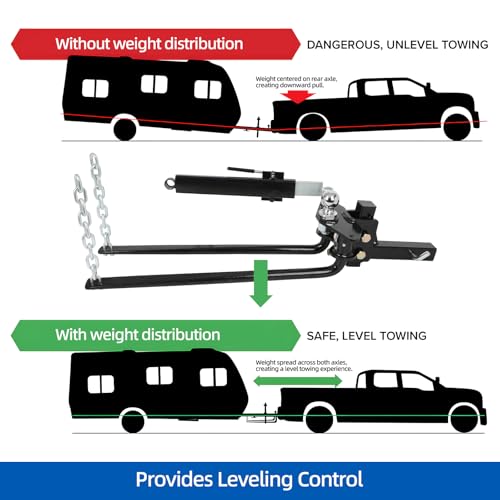
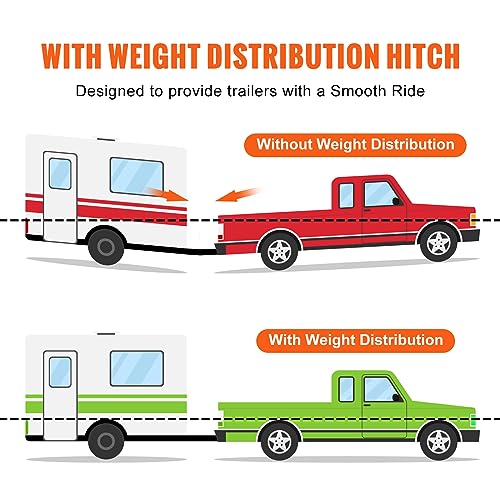
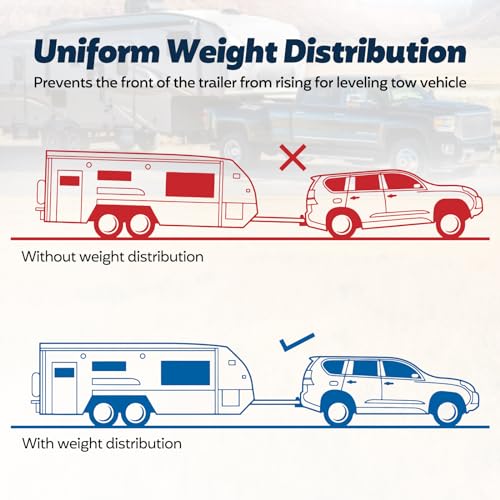
Weight distribution is the foundation of any good anti-sway setup. Most travel trailers aren’t perfectly balanced; they tend to transfer too much weight to the rear of the tow vehicle, lightening the front end and causing a dangerous “fishtail” effect. An anti-sway hitch doesn’t just stop sway; it prevents it by redistributing this weight. Don’t assume a heavier-duty hitch is always better. Over-specifying can lead to a stiff ride and unnecessary expense. Match the hitch’s capacity to your actual trailer weight, not the maximum your truck could tow.
Sway Control Mechanisms: Friction vs. Dual Cam
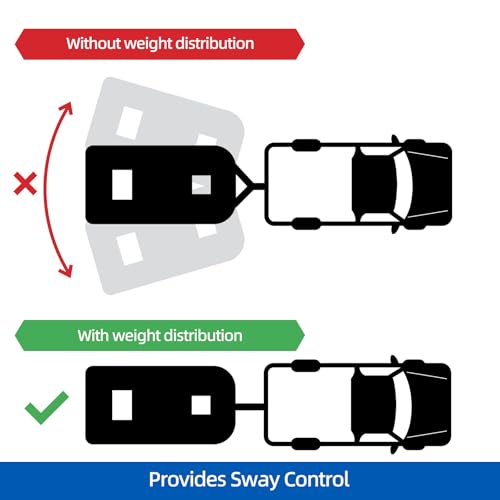
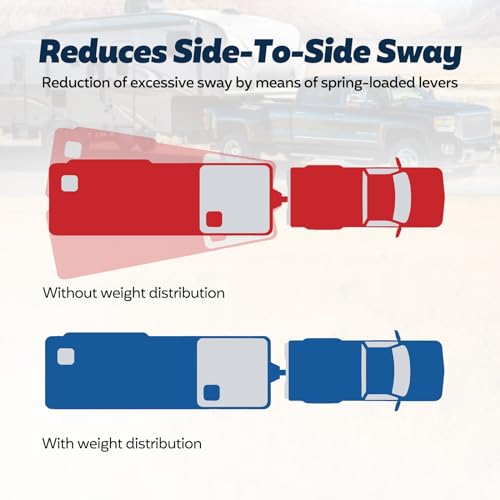
The method a hitch uses to combat sway is crucial. Friction-based systems, like those found in the CURT 17200 Trailer Sway Control Kit, rely on pads that press against the trailer frame, creating resistance to lateral movement. These are generally more affordable and easier to adjust but can sometimes feel less refined. Dual-cam systems, such as those in the CURT TruTrack 2P, use a more sophisticated linkage to actively center the trailer. These offer more precise control, especially at higher speeds, but require more careful initial setup and can be pricier. If you frequently encounter strong crosswinds or drive in mountainous terrain, investing in a dual-cam system is often worthwhile.
- A basic friction sway control add-on can be a good starting point for lighter trailers and occasional towing.
- For heavier trailers (over 7,000 lbs) or frequent cross-country trips, a fully integrated weight distribution hitch with sway control is a smart investment.
- Consider a dual-cam system if you prioritize precise control and are willing to spend more time on initial setup – these excel at minimizing sway even in challenging conditions, and are a good upgrade if you’re already looking at top anti-sway hitch models.
Never exceed the hitch’s rated tongue weight capacity. Doing so negates the benefits of weight distribution and can create a dangerous situation.
Balancing Durability and Usability
A robust anti-sway hitch is essential, but it shouldn’t be a nightmare to install or adjust. Look for features that simplify the process, like pre-torqued components and adjustable shank heights. The VEVOR Sway Control Weight Distribution Hitch, for example, highlights an adaptive leveling system. Materials matter here too; a durable carbide black powder coat finish will protect against corrosion, extending the life of the hitch. Remember, ease of use is particularly important if you frequently switch trailers or plan on setting up and breaking down camp frequently. Before committing, research travel trailer hitches and ensure the hitch will integrate well with your current setup and typical towing needs.
Anti Sway Hitches for Travel Trailer Compared
Here’s a comparison of specifications for various anti-sway hitches designed for travel trailers, to help you evaluate your options.
| Product Title | Max GTW (lbs) | Max TW (lbs) | Sway Control Type | Shank Size | Material |
|---|---|---|---|---|---|
| CURT 17063 Round Bar Weight Distribution Hitch | 10,000-14,000 | 1,000-1,400 | Round Bar | 2″ | Forged Steel |
| CURT TruTrack 2P Weight Distribution Hitch | N/A | N/A | Friction | N/A | N/A |
| Weight Distribution Hitch with Sway Control Bar | 14,000 | 1,200 | Spring Bar | N/A | Steel |
| VEVOR Sway Control Weight Distribution Hitch | N/A | N/A | Four-Way Dynamic | N/A | Alloy Steel |
| FAHKNS Weight Distribution Hitch with Sway Control | 14,000 | 1,200 | Spring Bar | N/A | High Quality Steel |
| BulletProof Hitches Extreme Duty Sway Control Ball Mount | 36,000 (w/ System) | N/A | System Ready | N/A | Solid Steel |
| CURT 17200 Trailer Sway Control Kit | N/A | N/A | Friction | N/A | Steel |
| Trailer Hitch Sway Control Adapter Dual-Side | N/A | N/A | Friction Adapter | 2″ | Thicken Steel |
Frequently Asked Questions
What’s the difference between a weight distribution hitch and an anti-sway hitch?
A weight distribution hitch focuses on leveling the trailer’s weight across all axles, while an anti-sway hitch specifically reduces side-to-side movement. Many hitches combine both functions for optimal stability, and choosing one with integrated weight distribution and sway control is generally the most effective solution.
Can I add sway control to an existing weight distribution hitch?
Yes, you can often add sway control to a weight distribution hitch with friction sway control devices. These add-ons clamp onto the hitch and use friction to dampen trailer sway, but integrated systems usually provide superior performance, and researching sway bars is a good starting point.
How do I know what weight rating I need for an anti-sway hitch?
You need to match the hitch’s gross trailer weight (GTW) and tongue weight (TW) ratings to your trailer’s actual weight, not your truck’s maximum towing capacity. Exceeding these ratings compromises safety and reduces the effectiveness of the weight distribution and sway control features.
Are dual-cam anti-sway hitches really worth the extra cost?
Dual-cam systems offer more precise sway control, especially at highway speeds and in windy conditions, making them worthwhile if you tow frequently or travel through challenging terrain. While more expensive, they minimize sway more effectively than friction-based systems, improving overall stability and driver confidence.
What’s the best way to practice backing up a trailer with an anti-sway hitch installed?
Practicing in an open, empty parking lot is crucial, because an anti-sway hitch alters the trailer’s handling characteristics. Mastering trailer reversing tips will build your confidence and help you avoid common mistakes when navigating tight spaces or tricky angles.
The Bottom Line
Choosing an anti-sway hitch often comes down to balancing how much control you want with how much effort you’re willing to put into setup and maintenance. For the vast majority of travel trailer owners, the CURT 17063 Round Bar Weight Distribution Hitch strikes the best balance of capability, value, and ease of use. It delivers significant improvements in stability without being overly complicated to adjust, making it a solid choice for weekend trips and longer hauls alike.
If you’re consistently towing a heavier trailer – over 7,000 pounds – or frequently encounter challenging conditions, the CURT TruTrack 2P Weight Distribution Hitch is a worthwhile investment. Those looking for a budget-friendly option should consider the CURT 17200 Trailer Sway Control Kit, which provides a noticeable improvement over basic setups. And if you’re already invested in a high-end setup, exploring weight distribution hitches and the BulletProof Hitches Extreme Duty Sway Control Ball Mount can be a good way to further refine your towing experience.
Ultimately, the numbers on a spec sheet matter less than understanding your towing needs and selecting a system that promotes stable weight distribution. Don’t get hung up on chasing the highest capacity; focus instead on matching the hitch to your trailer’s actual weight and prioritizing a setup that inspires confidence. Investing in quality WD hitches is a good start, but understanding how they work and setting them up correctly is what truly delivers a safer, more enjoyable towing experience.
